




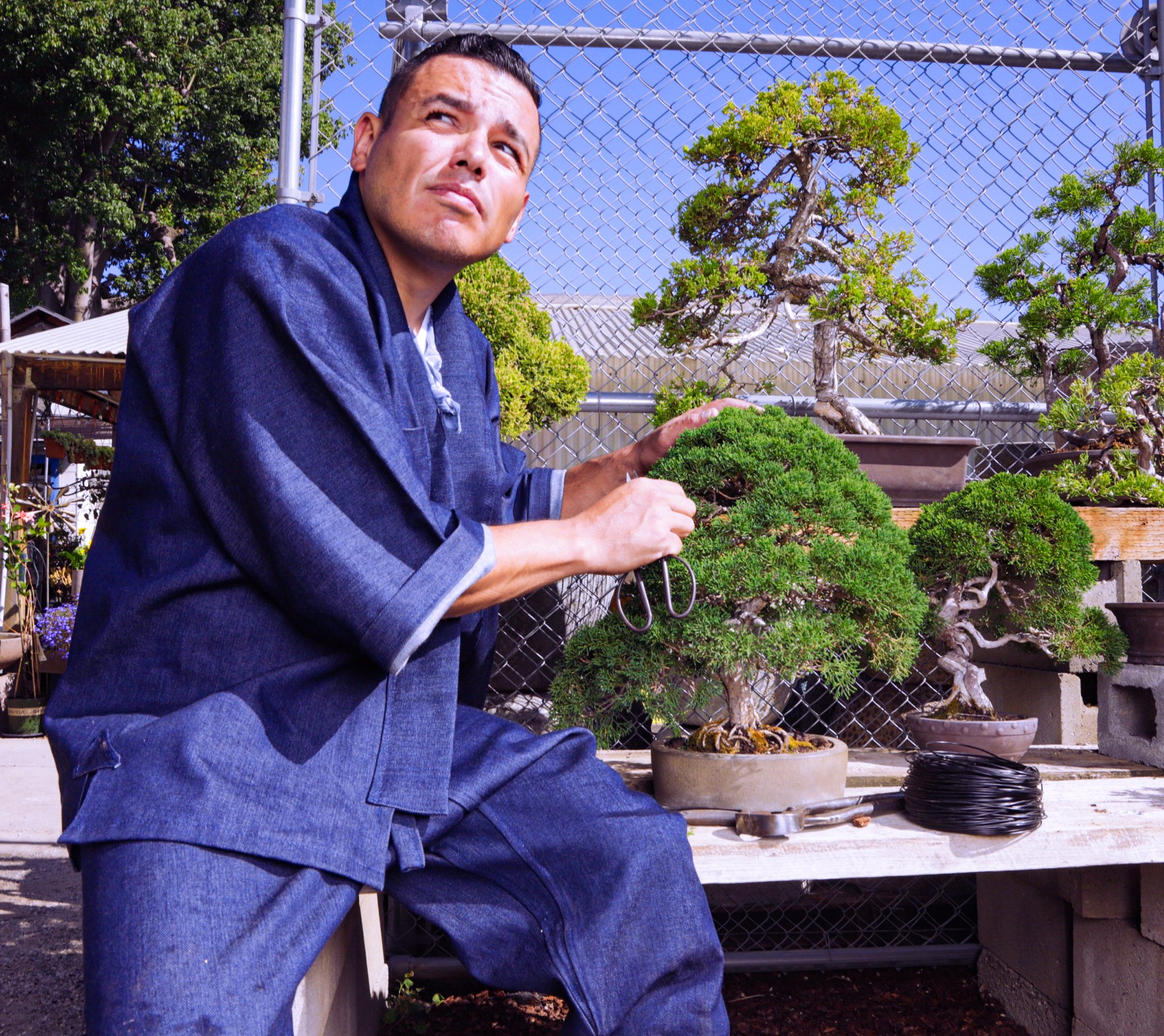
Today we’d like to introduce you to Albert Rivera.
Hi Albert, we’re thrilled to have a chance to learn your story today. So, before we get into specifics, maybe you can briefly walk us through how you got to where you are today?
I grew up in the San Fernando neighborhood very close to the Japanese American community center. Every year the community center would have an Obon festival. One of the attractions that caught my eye was the bonsai display. I knew very little about Bonsai at the time but I was eager to learn. growing up. One of my favorite all-time movies was a karate kid. I remember how cool it was to see someone who looked like me working on a Bonsai. I would often admire the work of the Japanese landscapers working on Niwaki pines.I still remember the day. I approached the head Sensei I was building the courage to ask him if I could join the club. The club was led by kimura sensei who commands immense respect. I asked him where Sensei if I could join the club and while he didn’t say no, he changed the subject. My feeling was that he didn’t think I would take it seriously this being something very important to him. He probably wanted to make sure I was willing to do it the right way. I figured I would earn the respect so that they could take me seriously so every year I would volunteer to take down and put up all the displays and all the booths for the Obon festival and it wasn’t easy. It wasn’t until about four years later that Mr. Kim approached me and said “hey maybe you should come over to my house I wanna show you something”.He pulled a tree in a 5 gallon bucket into a turntable, sat beside me and said “let’s make something very special” and it’s been my passion ever since. If you grew up in the valley during the time I did you would often see the Hispanic garners moving the lawn and the Japanese people up on a pine. Landscape pines (niwaki) require skilled hands to properly handle them very much like bonsai. I became the only member of the group of Hispanic background. The other masters in the group took a good while to warm up to me but it was something that drew me into the tradition more than anything. I couldn’t believe how serious bonsai was to them and I felt honored to be a part of it. Over the years I began learning as much as I possibly could about bonsai the being addicted to bonsai is an understatement. I took classes with several bonsai masters in the years to follow. But it wasn’t until Mr Kimura was about to retire that I found myself compelled to carry on in his bonsai and niwaki (Japanese garden) legacy. Mr Kimura has his own children but they did not peruse his passion for bonsai like he did. Mr Kimura is a special person for me, like an uncle I couldn’t just let his legacy disappear. Mr. Kimura made a living my working on and trimming Japanese gardens specifically black Pines. He was also the head instructor for the Bonsai group. I knew that if I didn’t take over for my teacher, then his legacy would disappear. So I started taking over my teacher‘s Japanese garden accounts. The Japanese American community was so understanding, this center taught me so much that I couldn’t just sit back and let the Pines in the Japanese gardens disappear. Today’s gardeners and landscape artists don’t have the patience to maintain them properly and my fear was that if I didn’t step in and they would disappear forever. Japanese people take their pines and Japanese gardens very seriously as you can imagine it wasn’t easy for me to build a name for myself my work had to speak for itself. I made sure that every Pine that I plucked and every needle that I pulled Was perfect just to earn the trust respect and admiration on the Japanese community. More importantly, though I wanted to make all of my Sensei’s proud. One by one as my senses would retire, I would inherit more and more Japanese garden work Bonsai work and I quickly grew a name for myself in the community. The reality is that my teachers kids wanted nothing to do with Japanese gardens or bonsai. I began teaching workshops doing lectures, as well as shows for several Bonsai groups in the greater Los Angeles area. I am currently teaching Bonsai at Yamaguchi Bonsai Nursery in Santa Monica California. I’m also still maintaining and working on Japanese gardens on the side. My goal is to inspire the younger generation with hopes that we can preserve some of these historic Japanese gardens, as well as some of these Bonsai community groups for future generations.
Would you say it’s been a smooth road, and if not what are some of the biggest challenges you’ve faced along the way?
It was definitely not an easy road for me, at the time I was a Hispanic college kid fresh out of high school. I knew it would take some work to welcomed into their world. I was fortunate to have met several professionals over the years who helped me with my bonsai journey along the way. Roy Nagatoshi from Fuji bonsai, bob pressler from Kimura bonsai, (not related the my first teacher Mr Kimura) Harry hirao, Ben oki among many others.
Alright, so let’s switch gears a bit and talk business. What should we know about your work?
As a bonsai instructor at Yamaguchi, I provide instruction for both beginner and advanced courses. On the third and fourth Sundays of the month, my students bring their trees to class, and we work together to enhance their health and aesthetic appeal, adhering to traditional bonsai principles. When I am working on garden pines, I am frequently approached by curious passersby inquiring about my work, which I thoroughly enjoy. Legacy garden pines require several hours of pruning, which must be done meticulously using Japanese scissors. One can only imagine the level of dedication required to pluck individual needles for up to eight hours while perched on a ladder. Over the past decade, there has been a significant surge of interest in bonsai among younger individuals, although this trend has yet to translate to Japanese gardens, which I hope will change in the future. When I first began taking bonsai lessons, I was often the youngest participant, surrounded by retirees. As a bonsai artist, my willingness to collect and cultivate wild bonsai specimens, known as Yamadori, with utmost respect and care, sets me apart from other professionals. These trees can be several hundred years old, and my passion for collecting wild bonsai has been a hallmark of my career for many years.
Before we go, is there anything else you can share with us?
I can’t believe how stopping to see a Japanese festival would lead to doing bonsai and Japanese garden work.
Contact Info:
- Instagram: Pinebrosbonsai
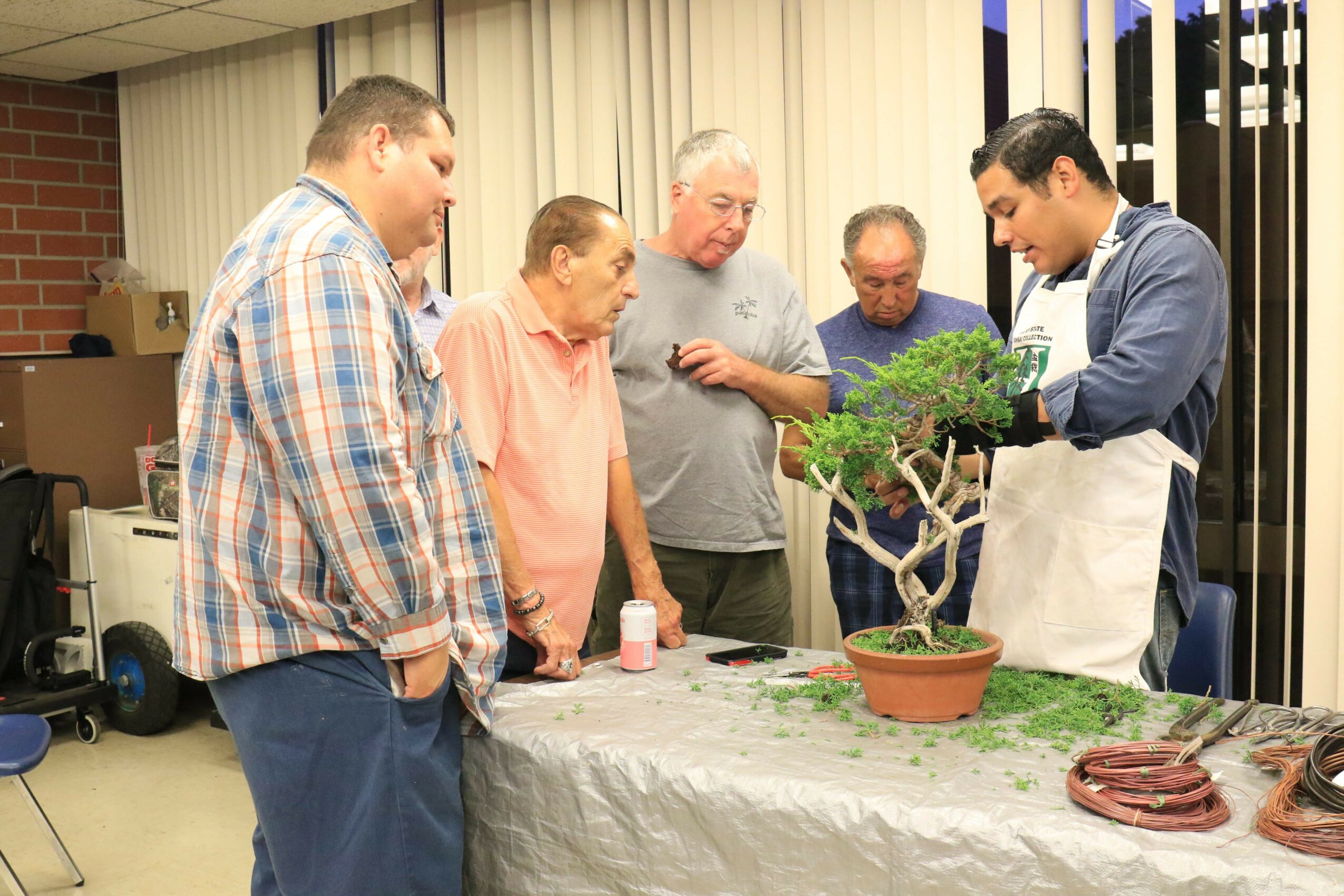
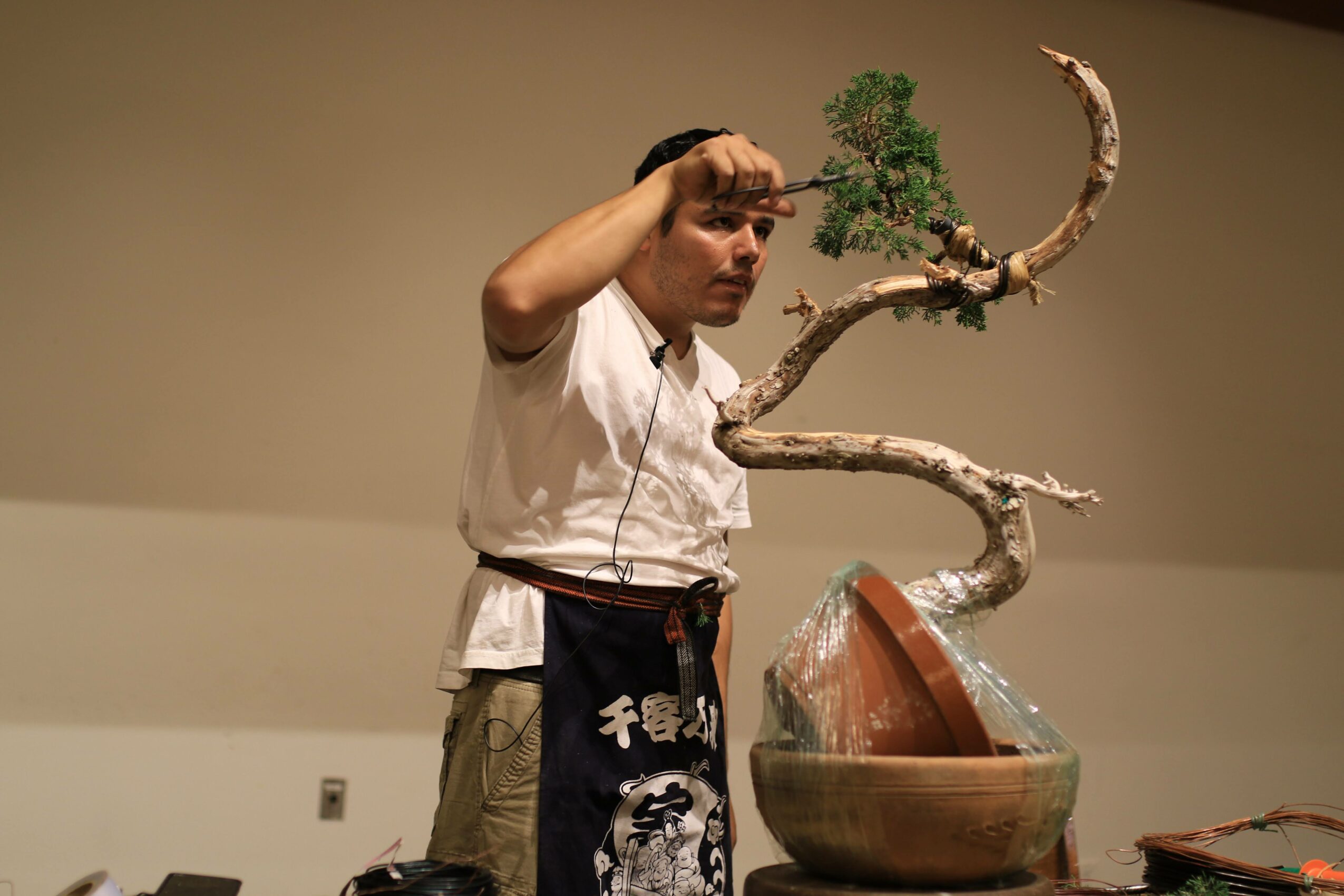
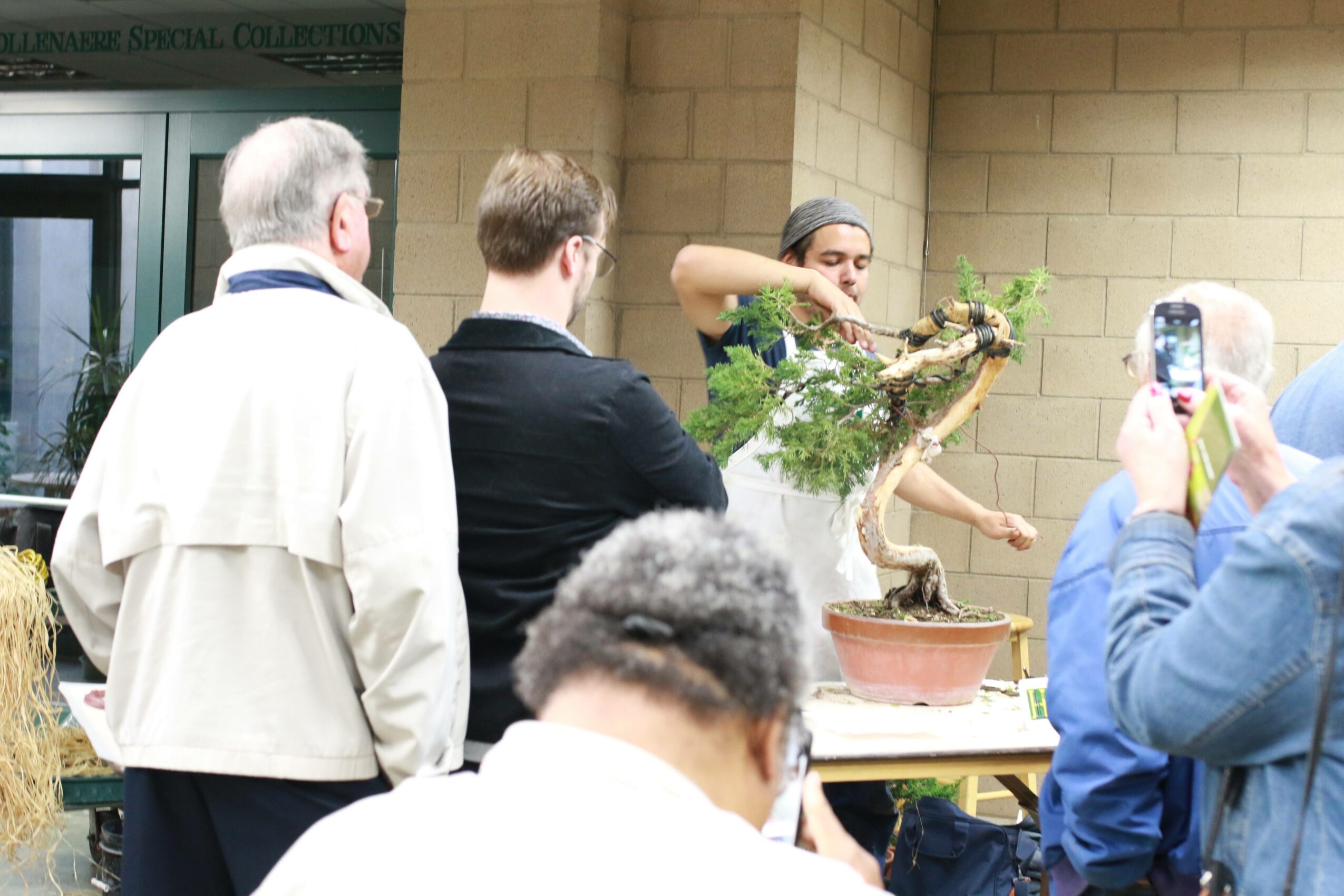
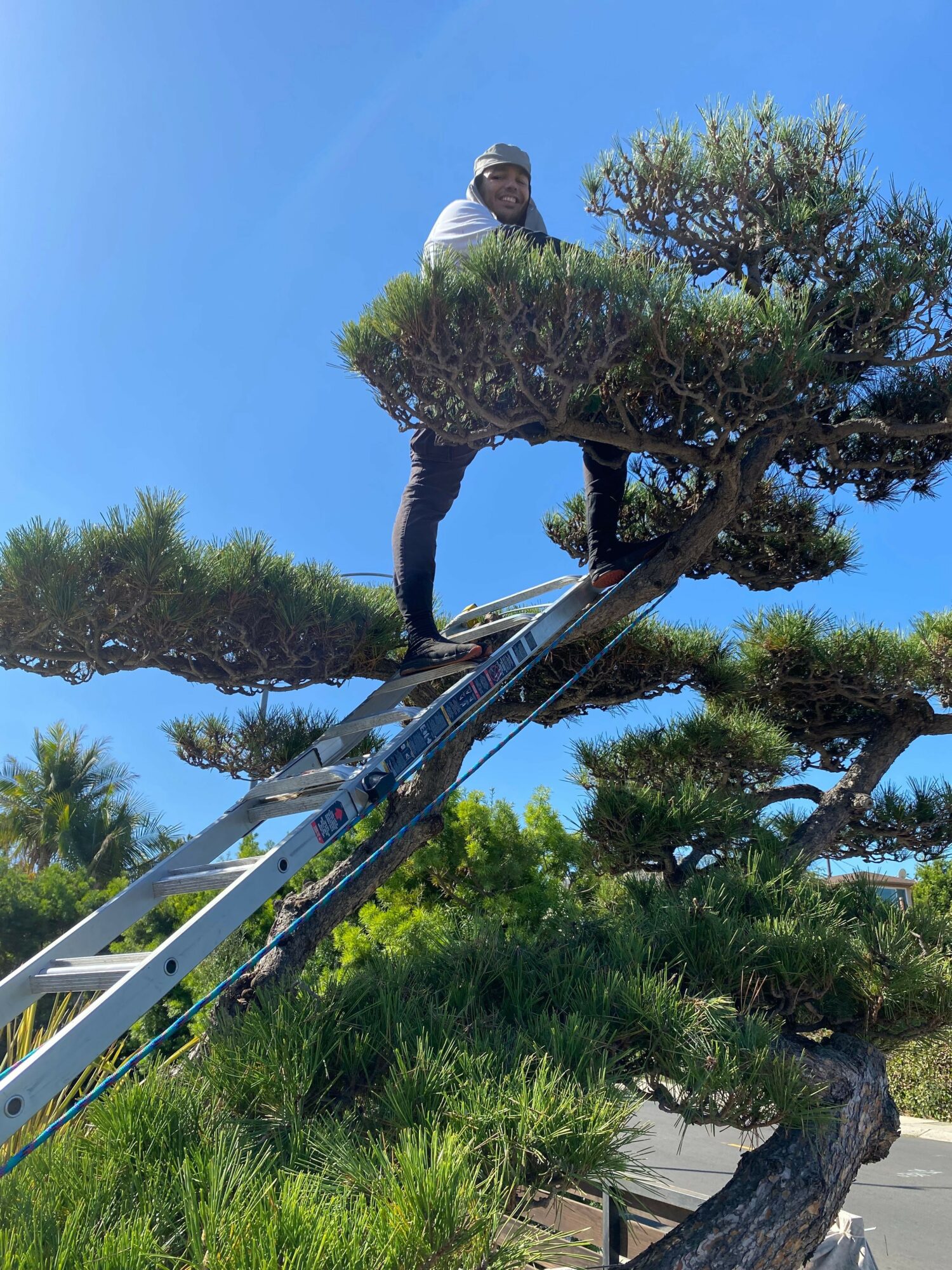
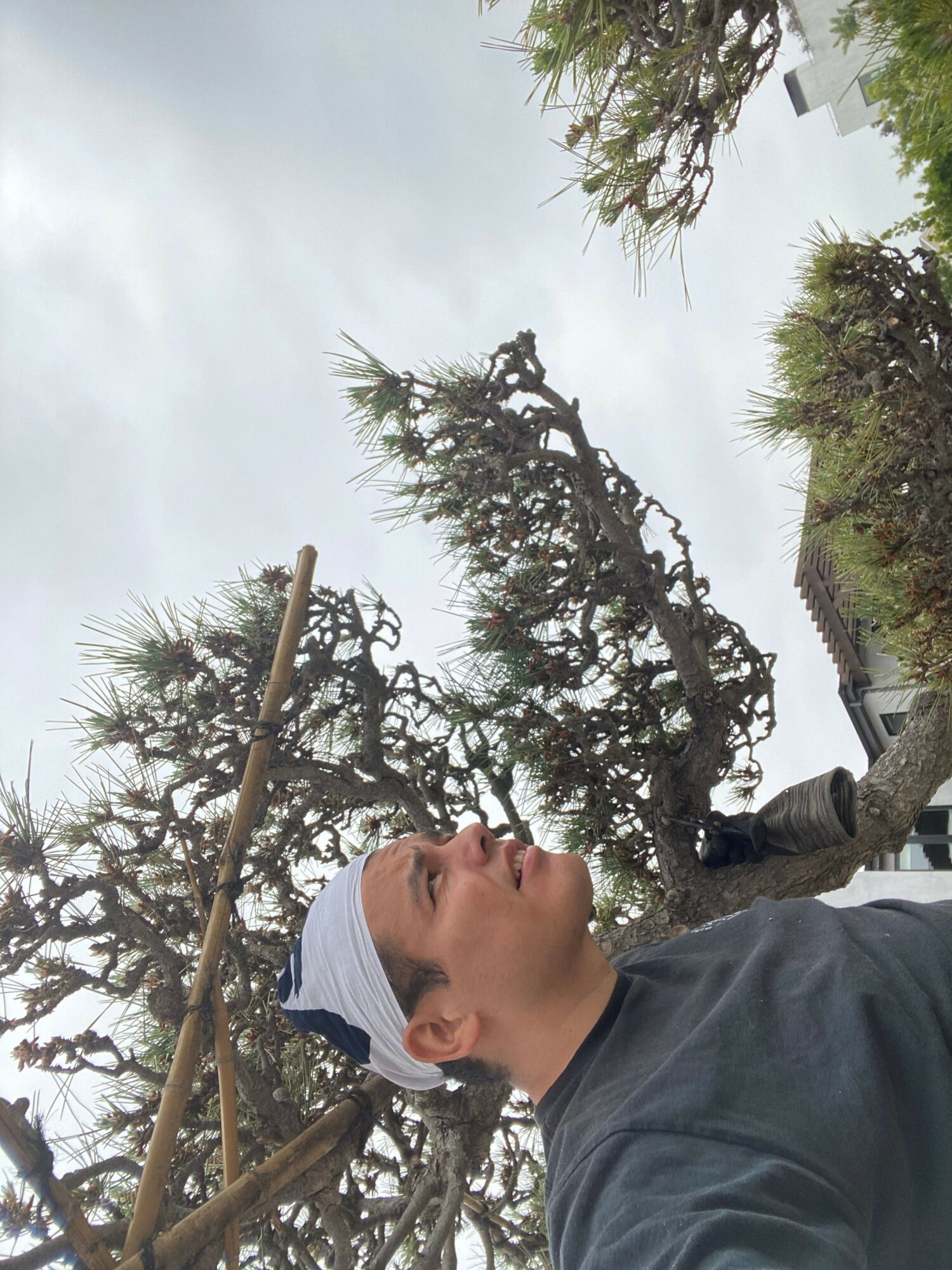
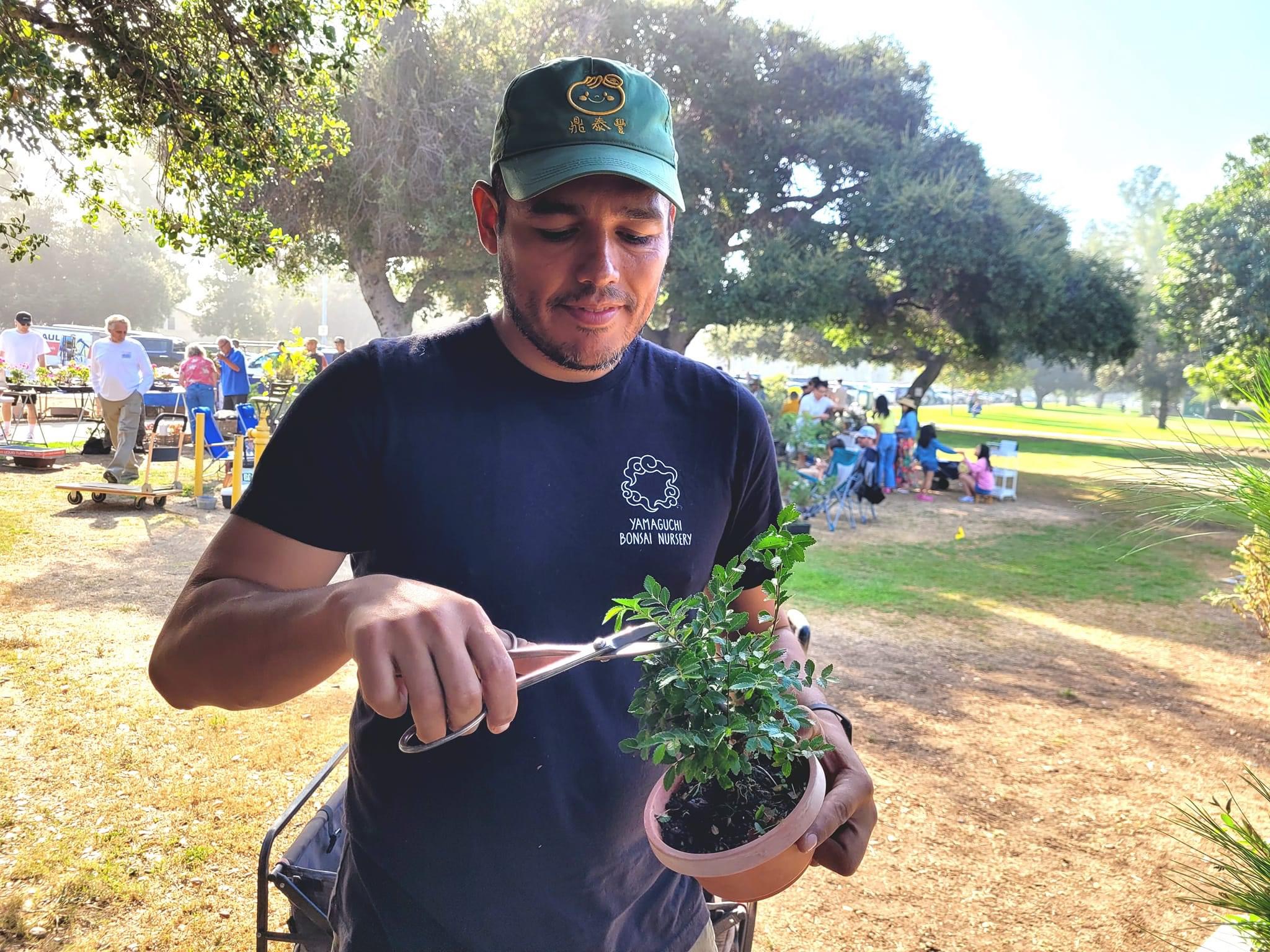
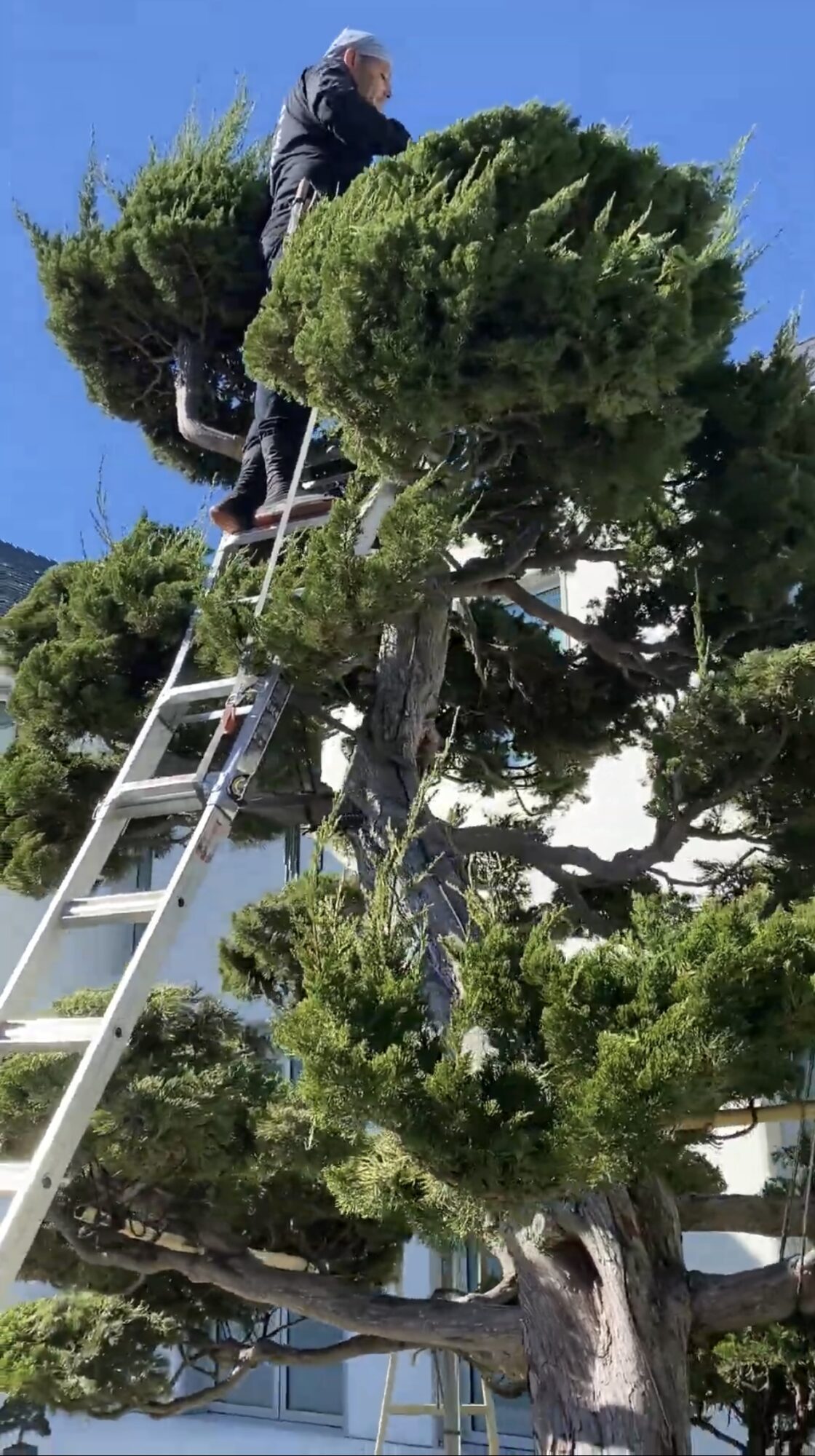
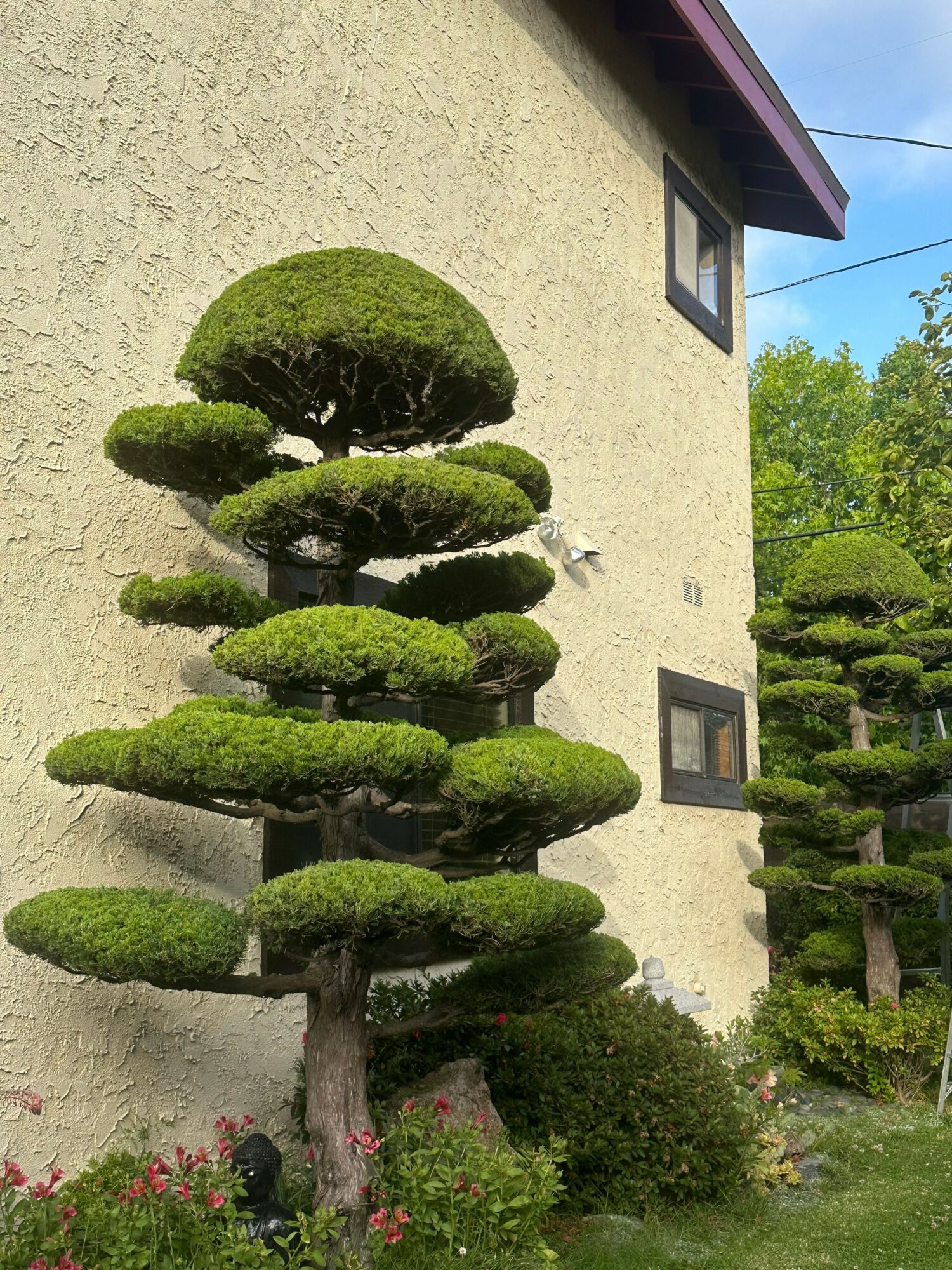
Image Credits
Picture of me wearing blue and holding scissors courtesy of Rag Reserve
Popular
-

Que Johnson on Building Brands That Last: From Visibility to True Market Authority
-

Christina Wren Steps Into the Director’s Chair to Tell Stories That Feel Like Home
-

Portraits of the Valley
-

LA’s Most Inspiring Stories
-

JordanL on ‘Breathe,’ Belief, and Building a Movement Beyond the Music
-

Megan Birney Rudert on How Access to Light Is Powering a More Sustainable and Equitable Future


