




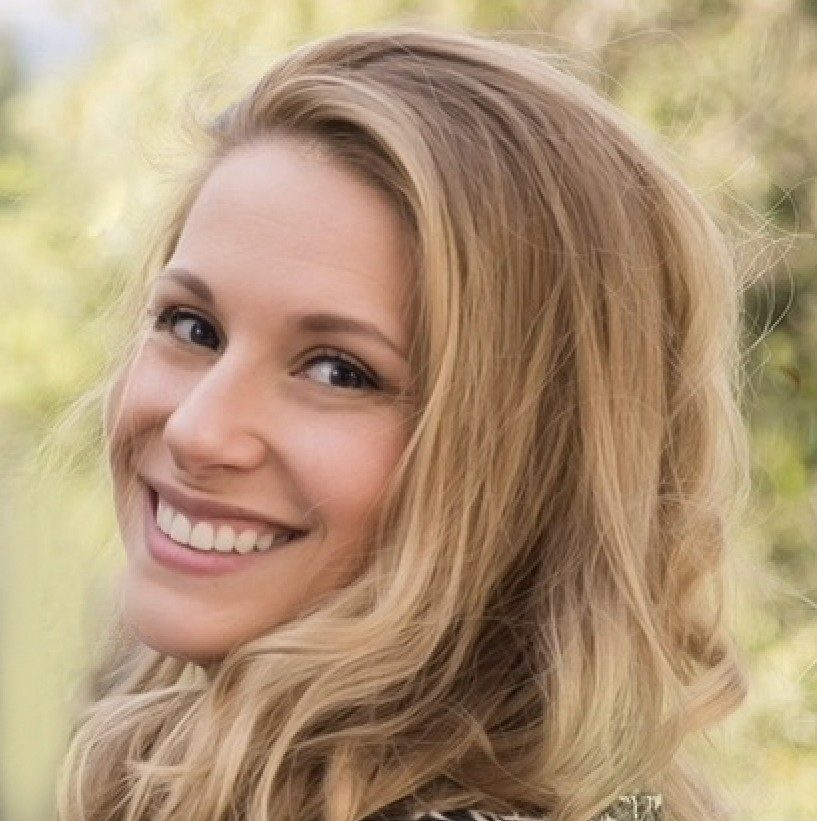
Today we’d like to introduce you to Nicole Corin.
Hi Nicole, thanks for sharing your story with us. To start, maybe you can tell our readers some of your backstory.
Speech pathology is a very specific field to fall into, but that’s exactly what happened. I was a confused (as most are) New York City high school senior, and I had no idea what major to select for my college applications. After pausing on marine biology and fantasizing about pursuing life as a Broadway star for a while, I let an argument with my mother make the ultimate decision. Don’t you just hate it when your mom is right? Well, twenty years and a cross-country move later, I am a licensed speech-language pathologist, and I couldn’t imagine myself doing anything else.
After working in schools for 15 years, I have supported children with a variety of abilities and diagnoses. I always found myself the most connected to children who were described by others as the most “disconnected.” More specifically, Autistic children who were trying to navigate a world that was not designed with their neurotype in mind. I am so grateful that I have the opportunity to provide safe space for these children to feel comfortable being exactly who they are while building their communication skills with the world around them.
I’m sure it wasn’t obstacle-free, but would you say the journey has been fairly smooth so far?
I consider myself to be a neurodiversity-affirming provider, which means I do not follow the traditional approach to providing speech therapy. I see neurodiversity, or brain differences, as something that is naturally occurring. Differently wired brains do not require fixing and should not be described or seen as deficient in comparison to a neurotypical brain. This means that I will not stop an Autistic child from flapping their hands or get frustrated when they only want to talk about the metro schedule. I do not consider communication via spoken words to be superior to sign or alternative communication devices. I also will not describe your child’s tendency to line up their toys as “nonfunctional play.” I WILL support their ability to communicate in every way they can. I WILL teach them to self-advocate and understand their emotional, sensory, and regulatory needs. I WILL do the work to understand the true meaning behind their scripted language and continue to build upon the language they have acquired.
This has been a particularly challenging approach to describe and gain support from colleagues and families who feel pressured to raise or teach a child that will navigate the world in a neurotypical fashion. I can understand where this desire to change a child comes from, but that doesn’t mean it’s right. It can become very disheartening to find myself in a debate with someone who thinks a child must learn to say “hello” and “goodbye” when they enter or leave a room instead of accepting what may be more comfortable for the child, such as a smirk or a fist bump. This does not mean I will ever stop having the debate.
As you know, we’re big fans of The Social House. For our readers who might not be as familiar what can you tell them about the brand?
My practice is built on the foundation of relationship building. I want to have open and trusting relationships with the caregivers and education staff of the children with whom I work. I also want to help children build and grow relationships in a way that makes sense for them. My priority will always be the well-being of the child and the family dynamic.
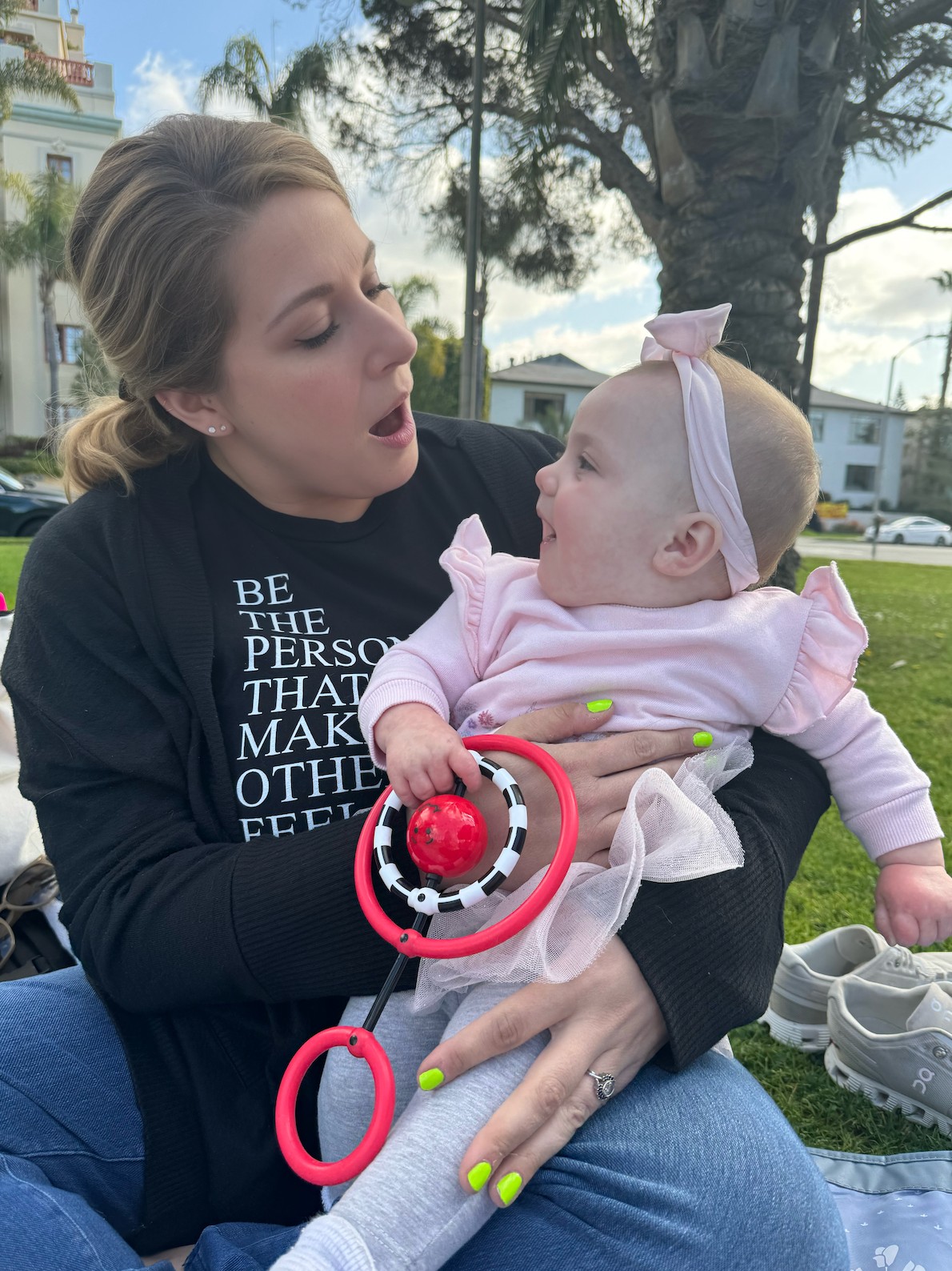
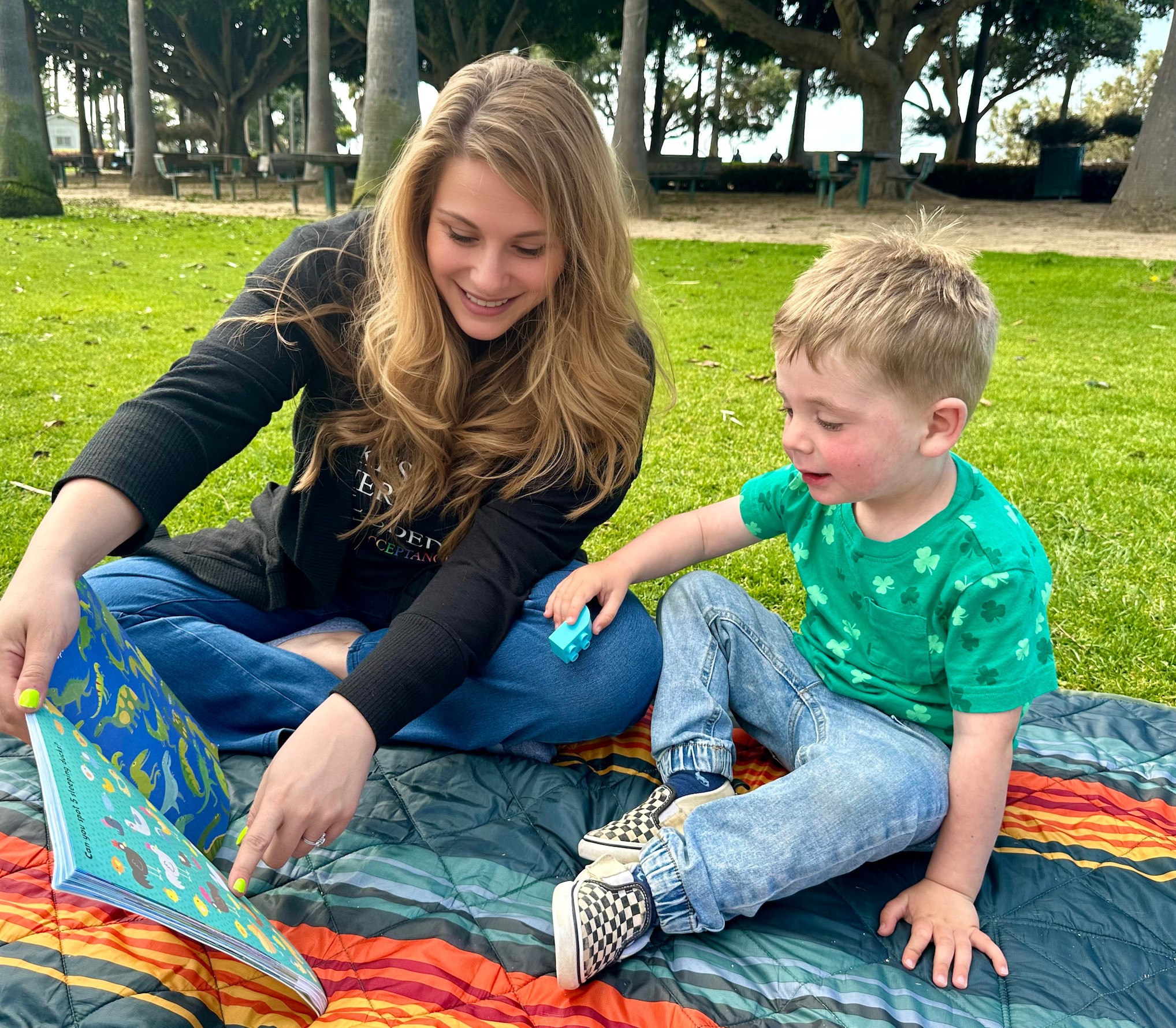
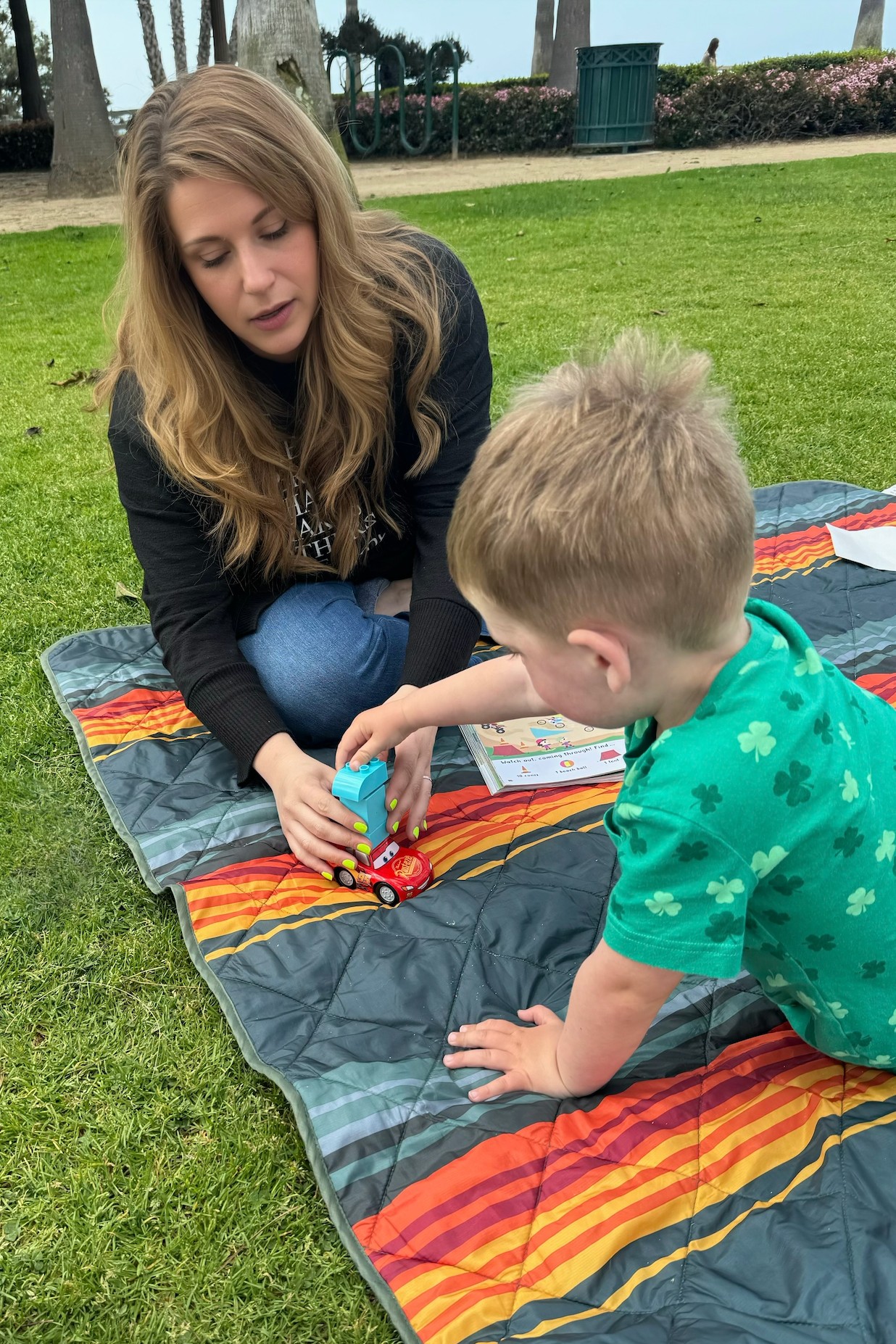
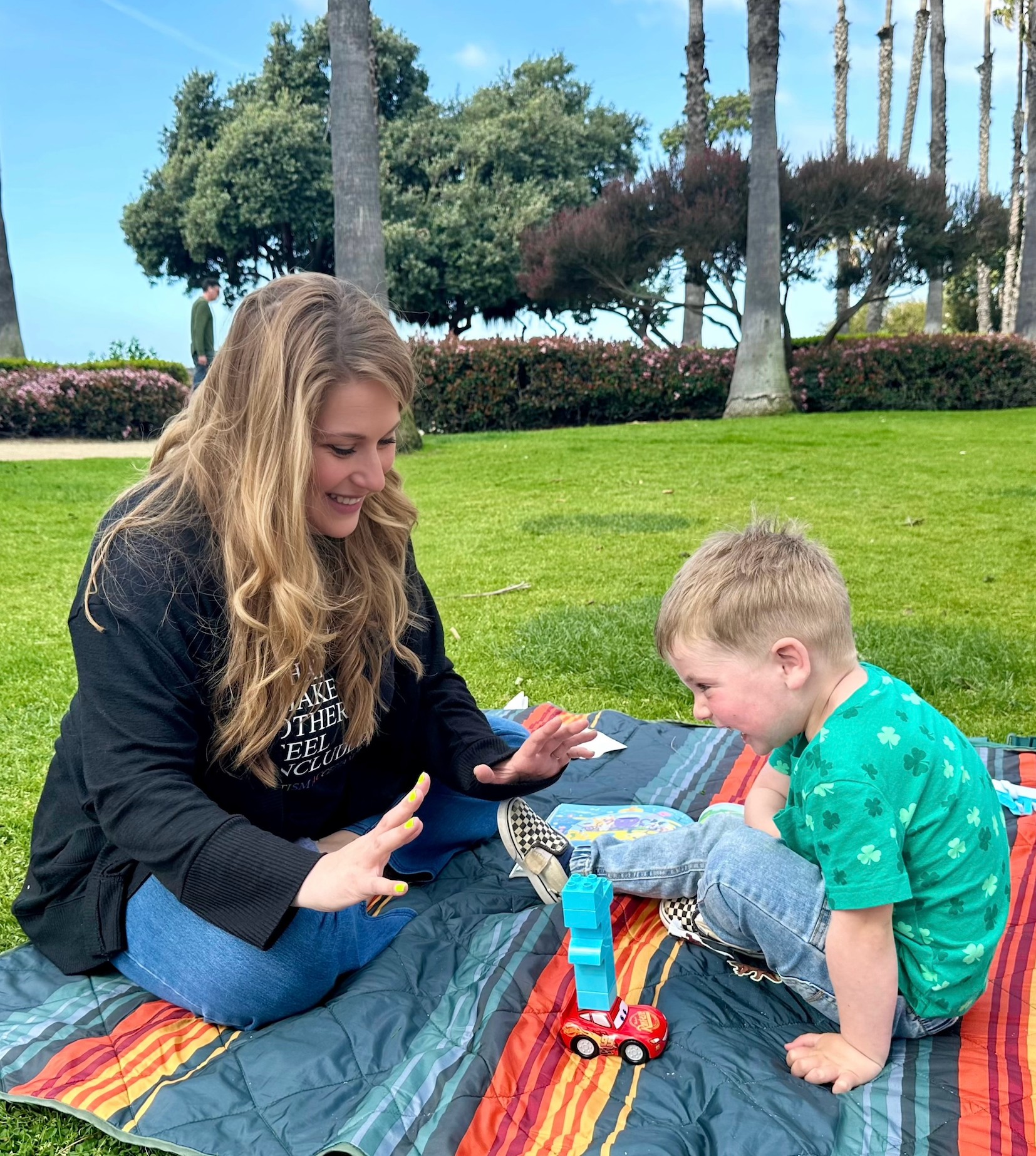
Many think of Autistic children as often needing “social skills,” when in reality, they have them! They have neurodivergent socialization skills, and this looks different from neurotypical social development. I will not change a child’s natural way of socializing with others, but I will help them to understand their preferences and tendencies so that they can feel confident about who they are and share with others if that is something they would like to do. One of the services I offer is Facilitated Playdates, which allows a child to develop self-advocacy, functional communication, sensory and emotional regulation, and a sense of belonging with a friend or sibling with whom they share common interests. I guide the interactions to support problem-solving, conflict resolution, and compromise. This is allows for the child to have experience and practice building social communication skills that are specific and most relevant to them.
Witnessing a child have a successful interaction with their family and friends is everything in this business.
Any big plans?
My plans for the future are forever changing. I want to open a neurodiversity-affirming school that supports children through all of their major transitions, including independence and adulthood. I want a fleet of speech therapy vans that can be dispatched throughout the city and reach the most underserved parts of Los Angeles. I want a collaborative sensory space that supports children and their families’ growth. The best thing about the future is that I don’t know what’s in store. All I know is that I have plenty of plans!
Contact Info:
- Website: thesocialhouse-la.com
- Instagram: @thesocialhousela
Popular
-

Que Johnson on Building Brands That Last: From Visibility to True Market Authority
-

Christina Wren Steps Into the Director’s Chair to Tell Stories That Feel Like Home
-

Portraits of the Valley
-

LA’s Most Inspiring Stories
-

JordanL on ‘Breathe,’ Belief, and Building a Movement Beyond the Music
-

Megan Birney Rudert on How Access to Light Is Powering a More Sustainable and Equitable Future


