




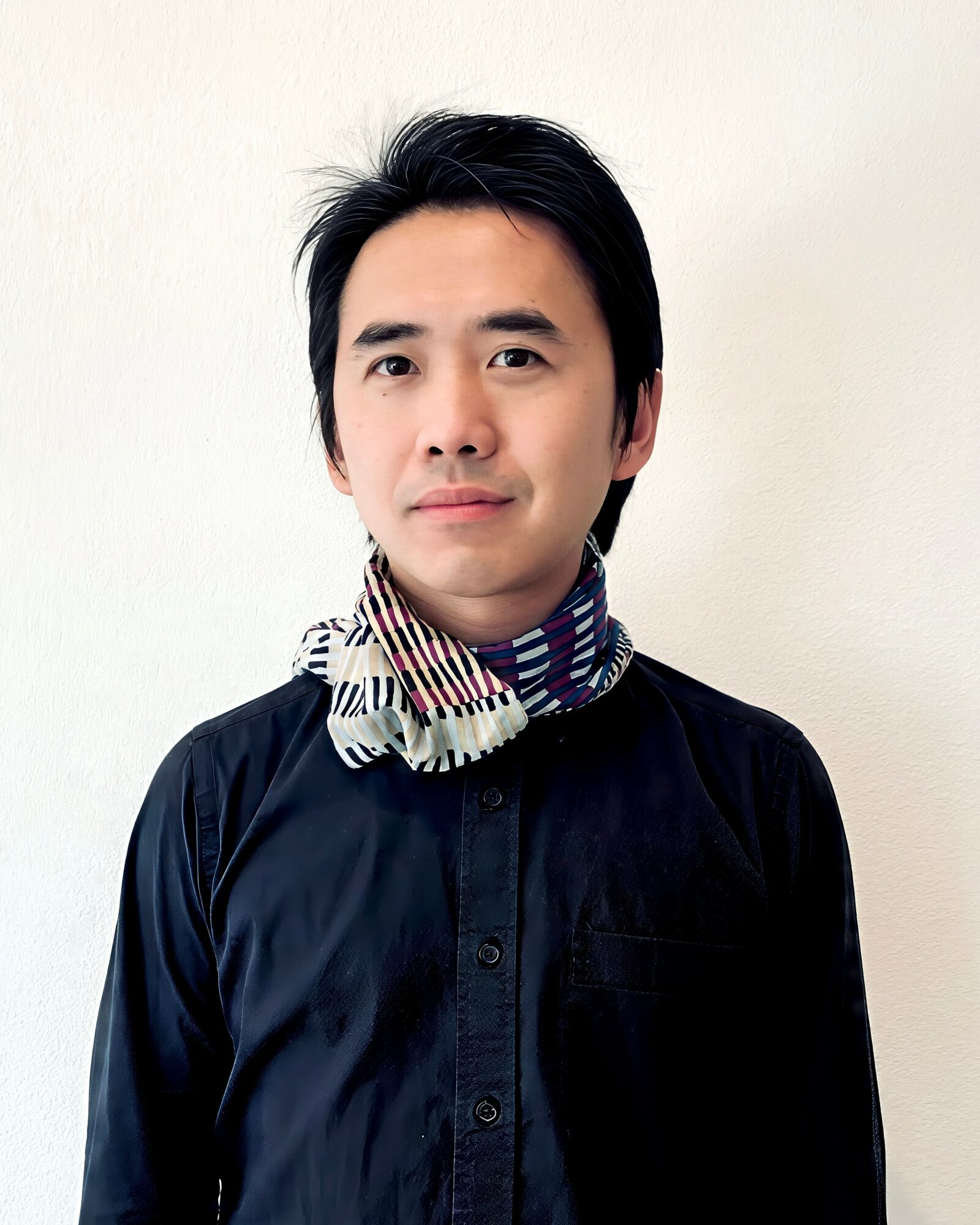
Today we’d like to introduce you to Lung Chi Chang.
Hi Lung Chi, thanks for sharing your story with us. To start, maybe you can tell our readers some of your backstory.
I grew up in Taiwan, where architectural education and early professional training tend to emphasize functionality, analysis, and responses to programmatic requirements. That environment gave me a solid foundation, but I was always drawn to design as a way of thinking, how ideas take spatial form, not just how problems get solved.
While working in Taiwan, I worked for a Japanese structural design firm and later returned to an architectural office where I had interned. That first experience taught me that even rational structural design can function as a creative tool in shaping spatial quality. It is about finding a balance between logic and poetics. In the architectural office, I came to see the architect not as a specialist, but as an integrator of people, systems, and lived experience.
Coming to Los Angeles to study architecture was a major decision in my life. I was drawn to LA by its freedom, experimental spirit, and diverse cultures, which shape both the city and its architecture. My graduate school, SCI-Arc, is an unconventional architectural school located in a former freight depot in an industrial area. The open studio environment encourages everyone to show their work and exchange ideas. This experience felt like the last puzzle piece, transforming my architectural approach in a more open and exploratory way.
I had an interestingly similar career path in the United States as I did in Taiwan. I began at a small, design-oriented studio with projects at different scales across the world, where I learned a wide range of design and fabrication techniques, from building structures, furniture, public art, and even jewelry design. I later moved to a more local firm, which helped me understand how architecture is grounded in Los Angeles, from construction methods to local regulatory processes. After obtaining my professional license and several years of practice, I finally started my own studio to pursue my own vision of architecture and design.
Can you talk to us a bit about the challenges and lessons you’ve learned along the way. Looking back would you say it’s been easy or smooth in retrospect?
Architecture is a highly localized profession. Moving to Los Angeles meant that much of my previous knowledge had to be re-understood within a different context, and professional connections had to be rebuilt from the ground up. Building both a practice and a family in a new place without an existing support network added another layer of challenge. At the same time, having experience across more than one context became an advantage, allowing me to approach problems from a different perspective rather than immediately defaulting to established assumptions.
Thanks for sharing that. So, maybe next you can tell us a bit more about your business?
Architecture and the way we practice it continue to evolve rapidly. I began my training with hand drafting, then moved into 2D computer drawing, 3D modeling, Building Information Modeling (BIM), and now AI-driven tools. That learning process has never really stopped, from my student years to professional practice in the field.
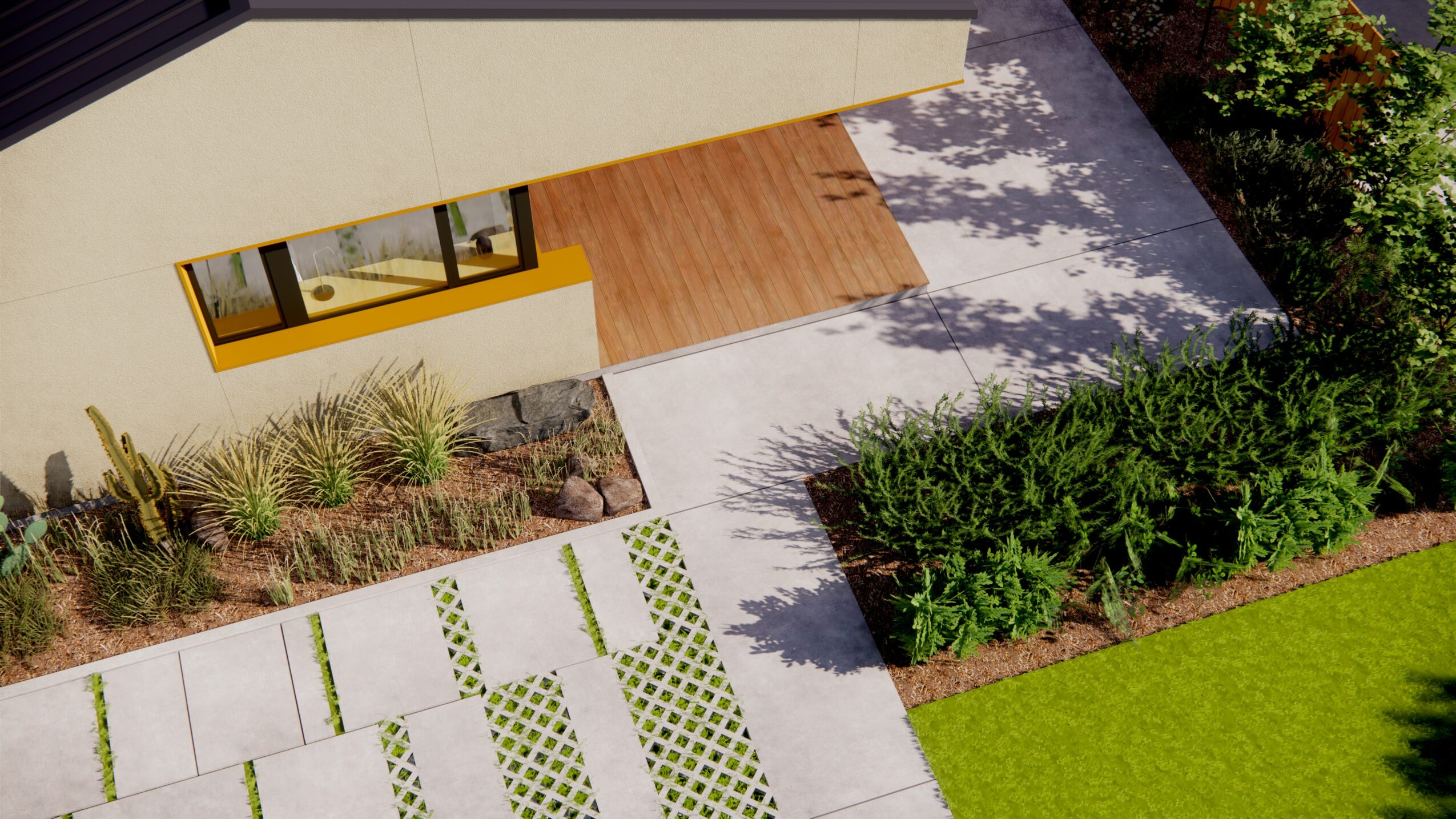
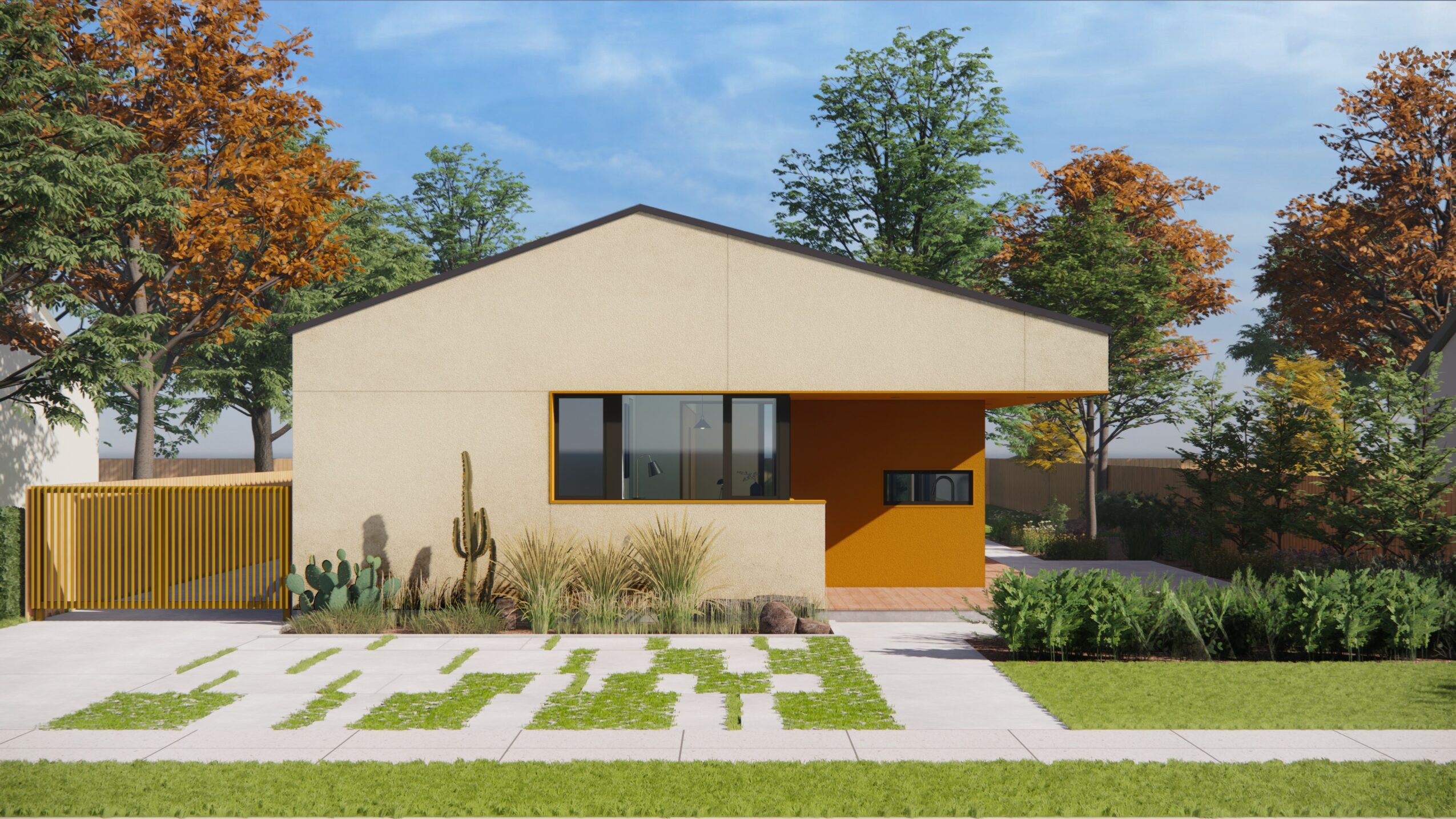
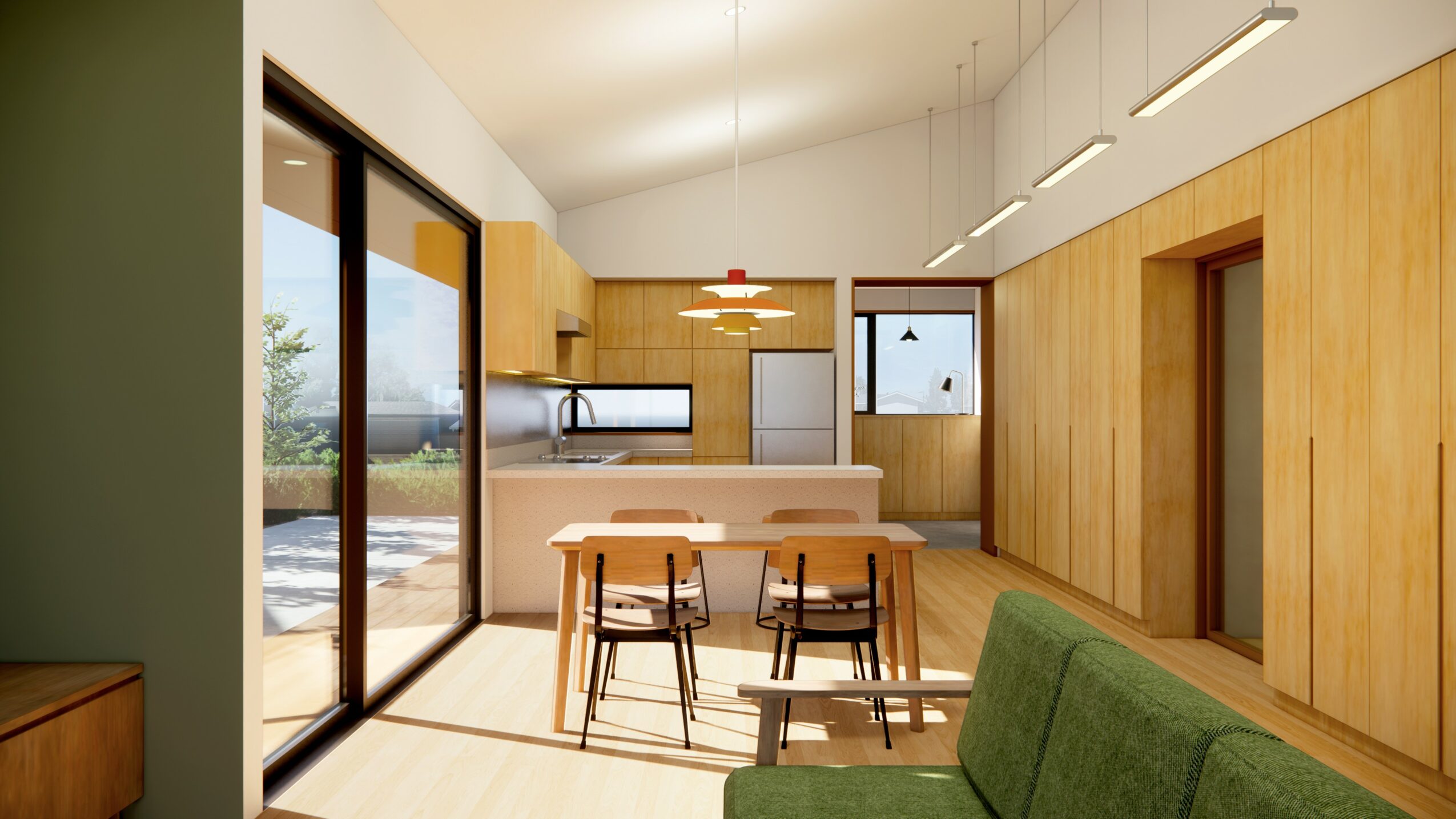
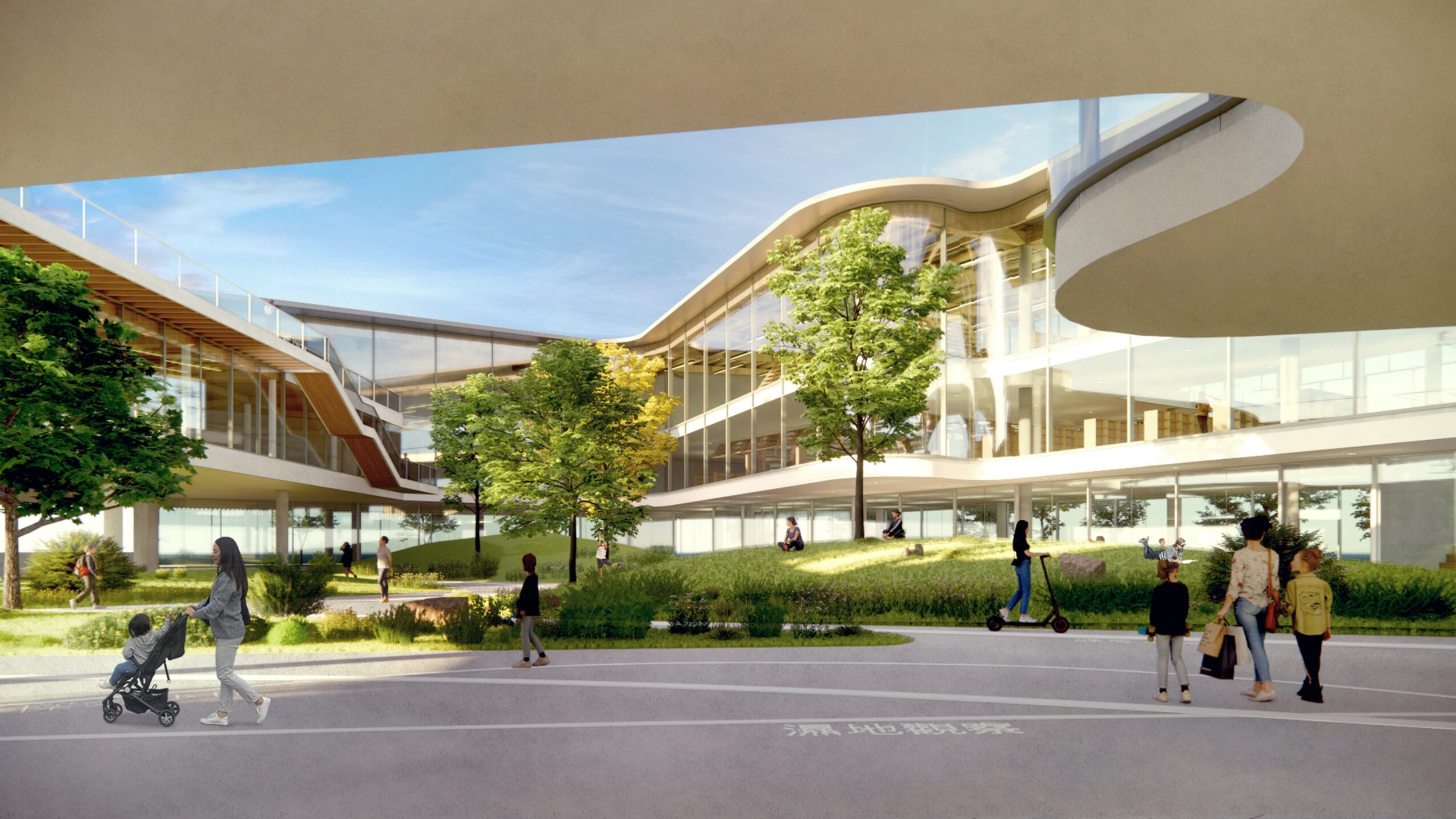
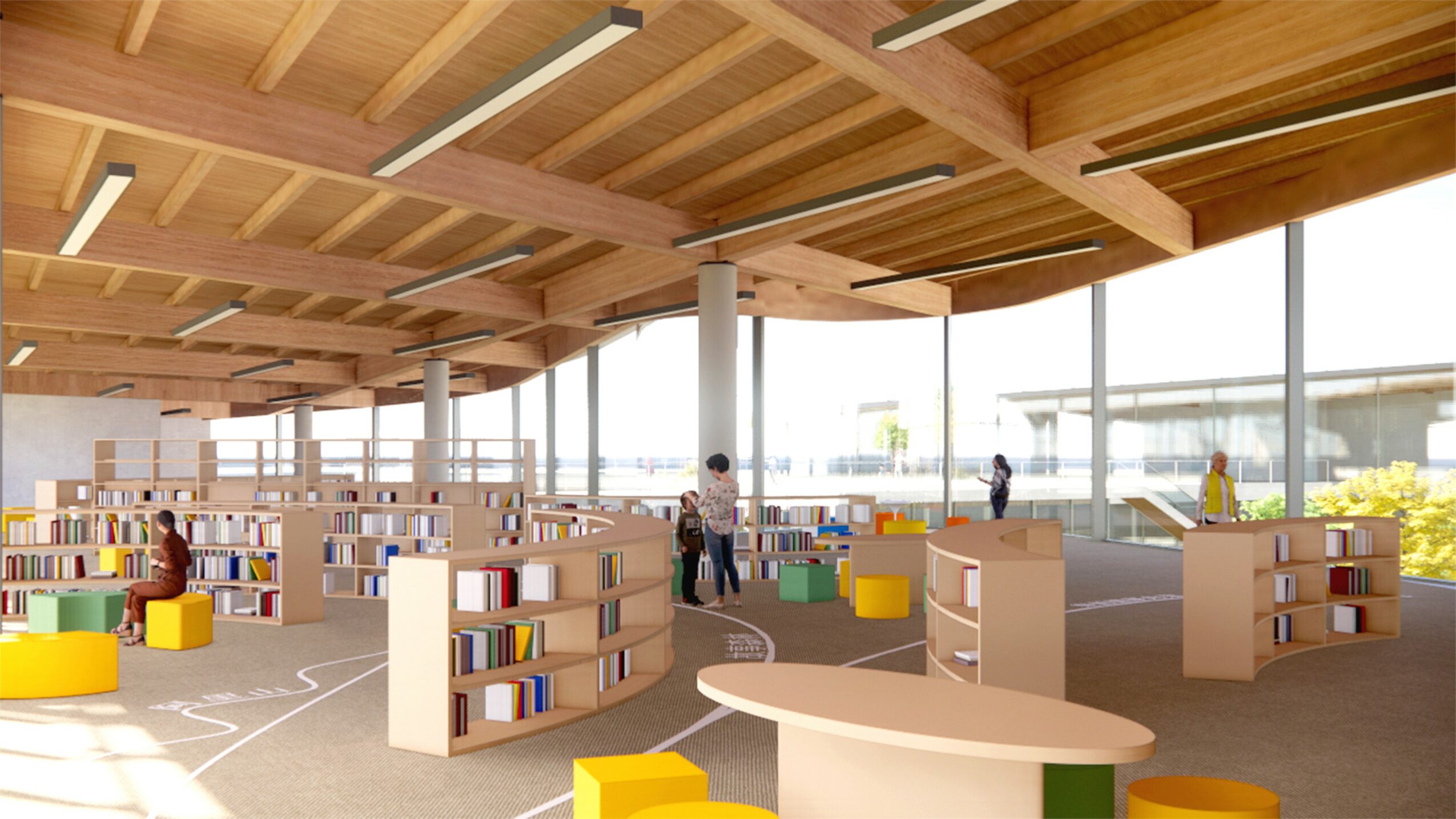
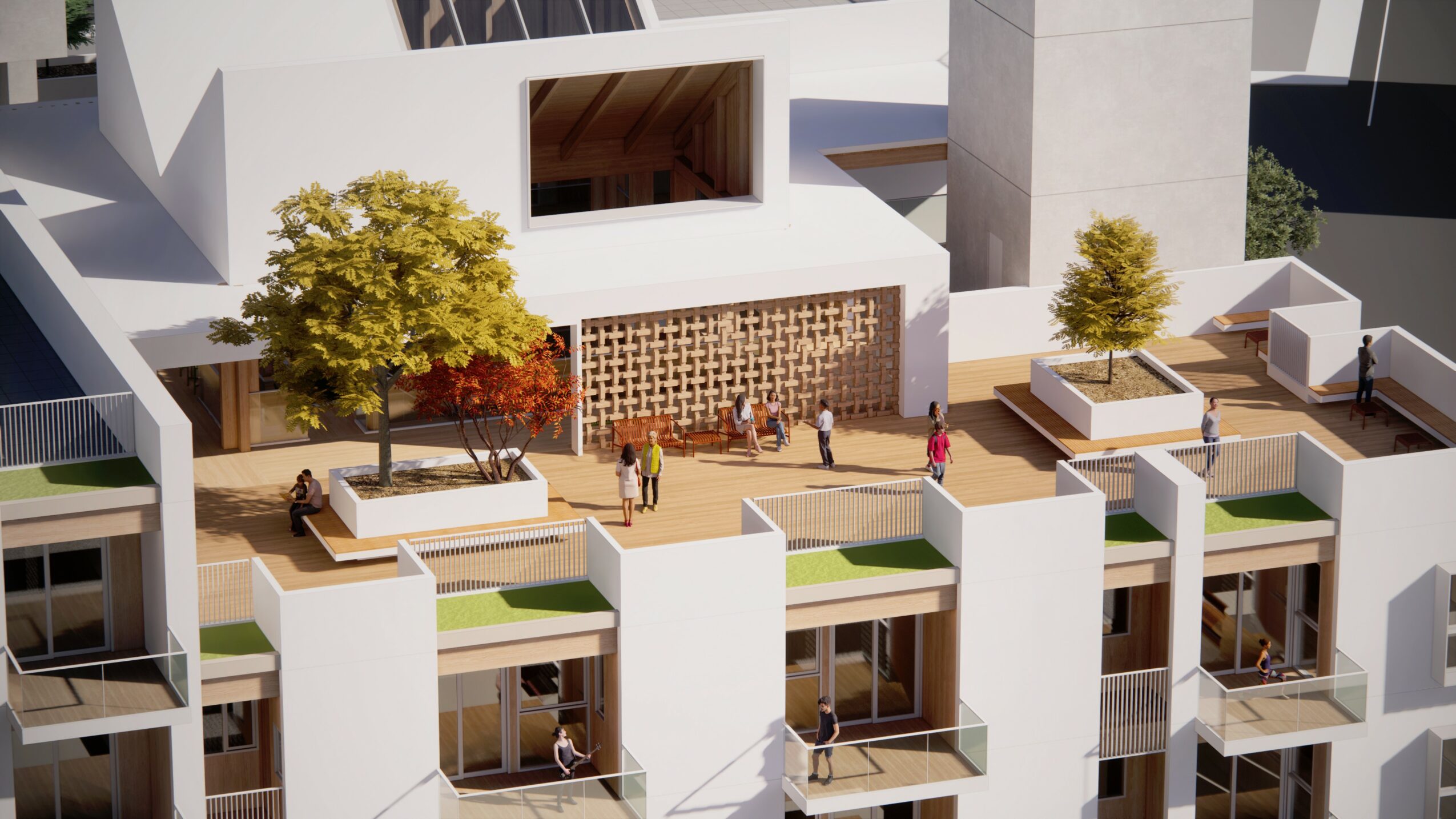
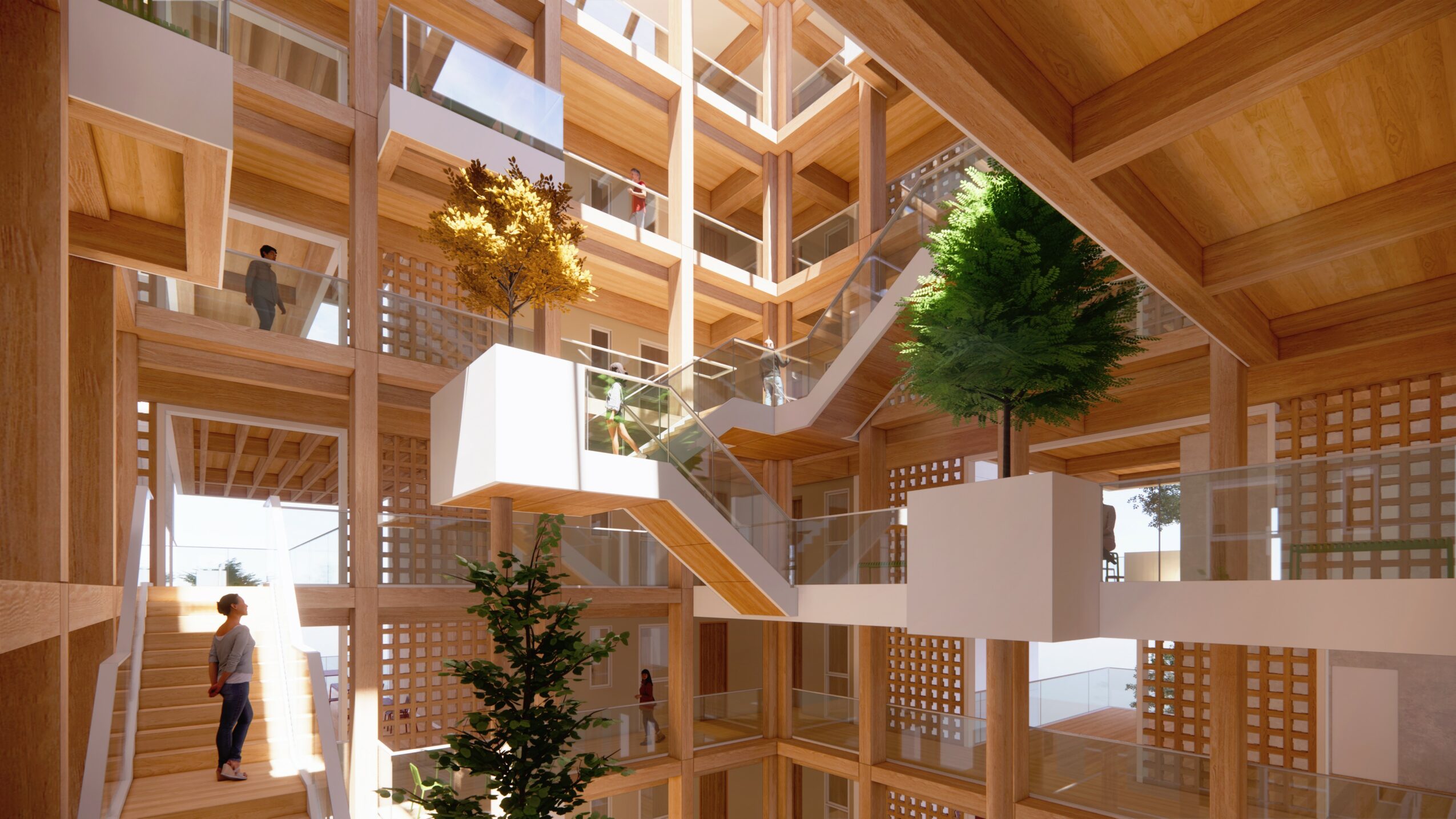
In the industry, I’ve observed a growing polarization in the profession, where practices tend to become either very large or very small. My studio operates on the smaller end of that spectrum, allowing me to stay flexible and collaborate with different teams for different projects, without being tied to a single workflow or team structure. My work ranges from cost-efficient housing systems, such as collaborations with Plugin House, to higher-end commercial projects at Century City. NALA is not just a name, but represents a set of core values, Nature, Architecture, Life, and Art, that reflect how I approach both design and creative work.
How do you think about luck?
I don’t tend to see my journey in terms of good luck or bad luck. Every choice came with both gains and losses. Before coming to the U.S., I expected to stay for only a few years, but over time I built a life here. What may look like bad luck, such as going through uncertain times or being stuck during the pandemic, also created a deeper connection that only comes from getting through some difficult moments and growing along the way. Facing an uncertain future, I try not to frame things strictly as good or bad luck, but to move forward with a grounded and open mindset. Looking back, I feel gratitude and respect for the choices I made and the consequences that followed, as they shaped not only my career, but also how I see the profession and my place within it.
Contact Info:
- Website: https://www.nalarc.com/
- Instagram: https://www.instagram.com/nalarchitecture/
Popular
-

Que Johnson on Building Brands That Last: From Visibility to True Market Authority
-

Christina Wren Steps Into the Director’s Chair to Tell Stories That Feel Like Home
-

Portraits of the Valley
-

LA’s Most Inspiring Stories
-

JordanL on ‘Breathe,’ Belief, and Building a Movement Beyond the Music
-

Megan Birney Rudert on How Access to Light Is Powering a More Sustainable and Equitable Future


