




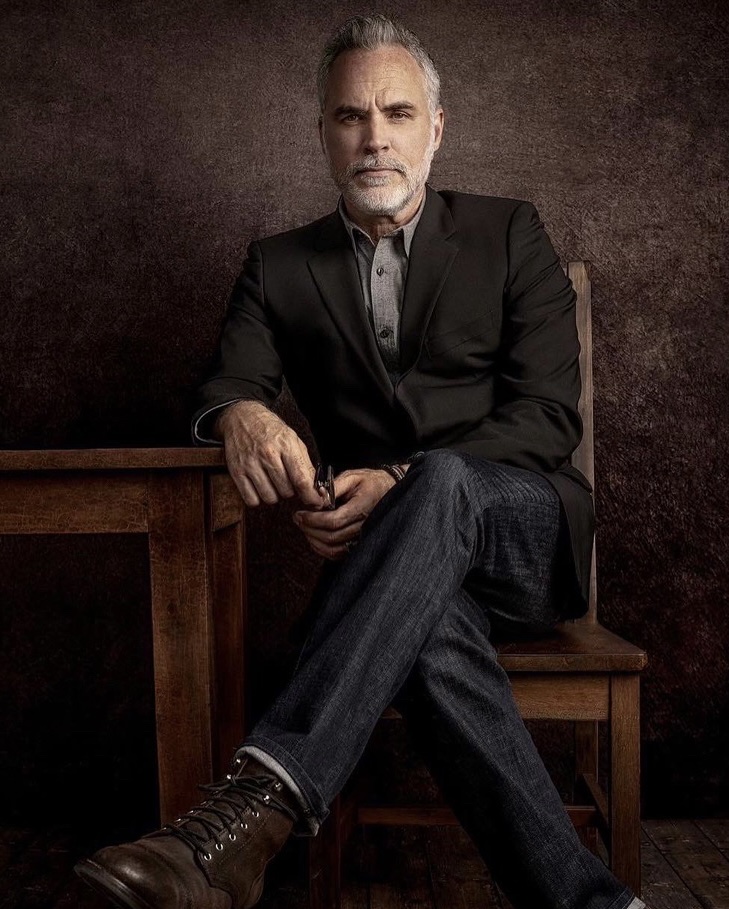
Today we’d like to introduce you to Jordan Murphy.
Hi Jordan, thanks for joining us today. We’d love for you to start by introducing yourself.
For a long time I thought my story was about becoming an actor. It turns out it was really about something much bigger — learning how to rebuild a life, show up for my family, and ultimately help other people do the same.
Today, I’m an actor and ICF Certified mindset & performance coach based in Los Angeles, working with clients across the U.S. and internationally.
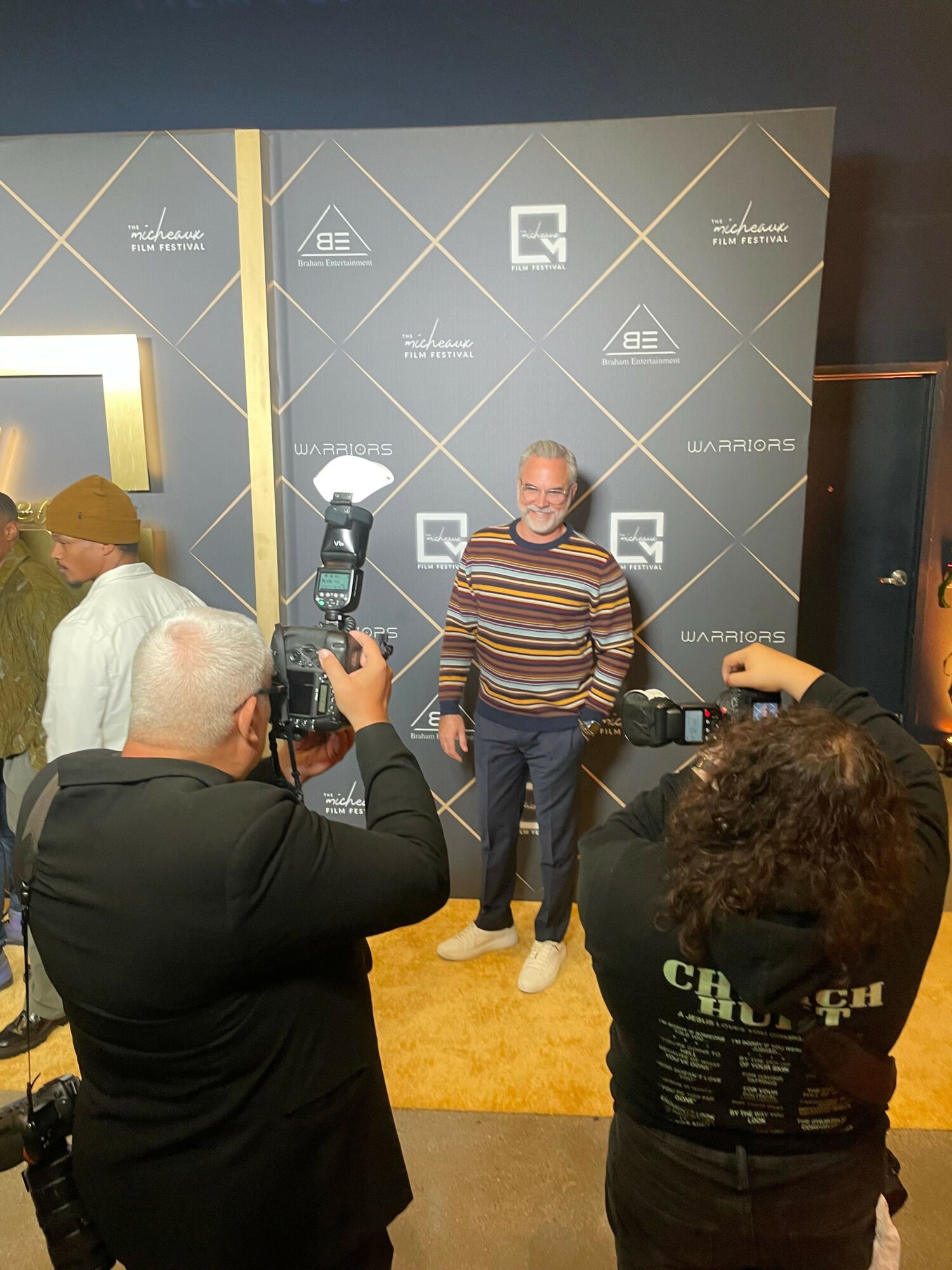
My professional life began in television. I’ve spent more than two decades working as both an actor and host across network and cable productions, including several years hosting episodic television early in my career. That experience sparked a genuine fascination with human behavior — what motivates people, what they struggle with, and how the stories we tell ourselves quietly shape the direction of our lives.
Behind the scenes, though, my personal journey had another layer unfolding. Like a lot of people, I spent years navigating a complicated relationship with alcohol. Eventually I reached a point where something needed to change, and entering recovery more than a decade ago became one of the most transformative turning points of my life. It forced me to take an honest look at my habits, my beliefs, and the identity I had built around who I thought I was supposed to be.
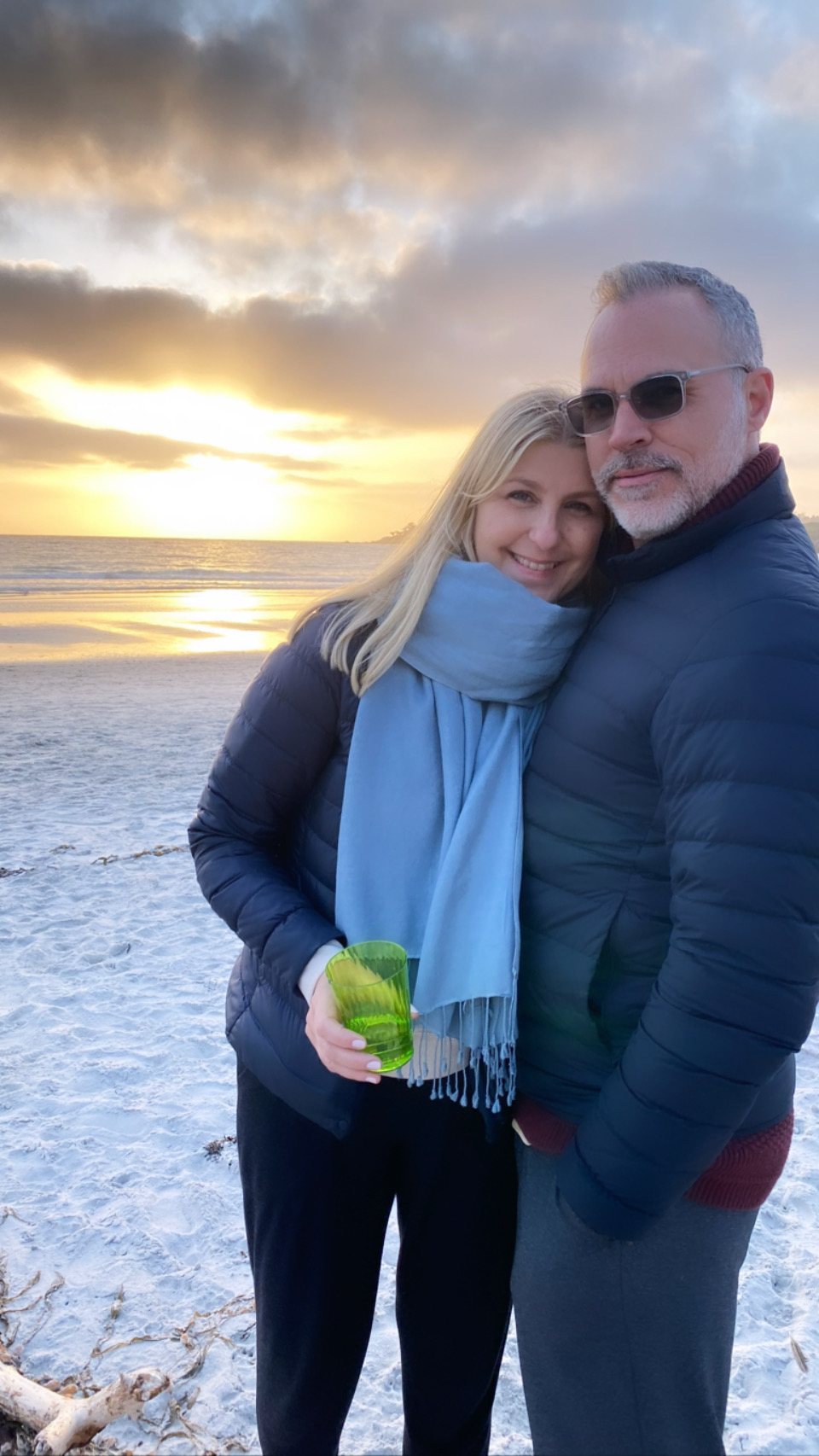
One of the biggest anchors through all of it has been my family. My wife and our kids are at the center of everything I do. Becoming a husband and father reshaped the way I think about responsibility, growth, and what it actually means to show up. Recovery didn’t just change my trajectory personally — it gave me the opportunity to be the kind of partner and dad I truly want to be.
Over time I found myself naturally gravitating toward mentoring others navigating major transitions in their own lives. That eventually evolved into formal coaching and group facilitation. I’ve also pursued formal training in coaching and received my accreditation with the ICF: International Coaching Federation, which has helped bring a more structured and professional framework to the work I do with clients.
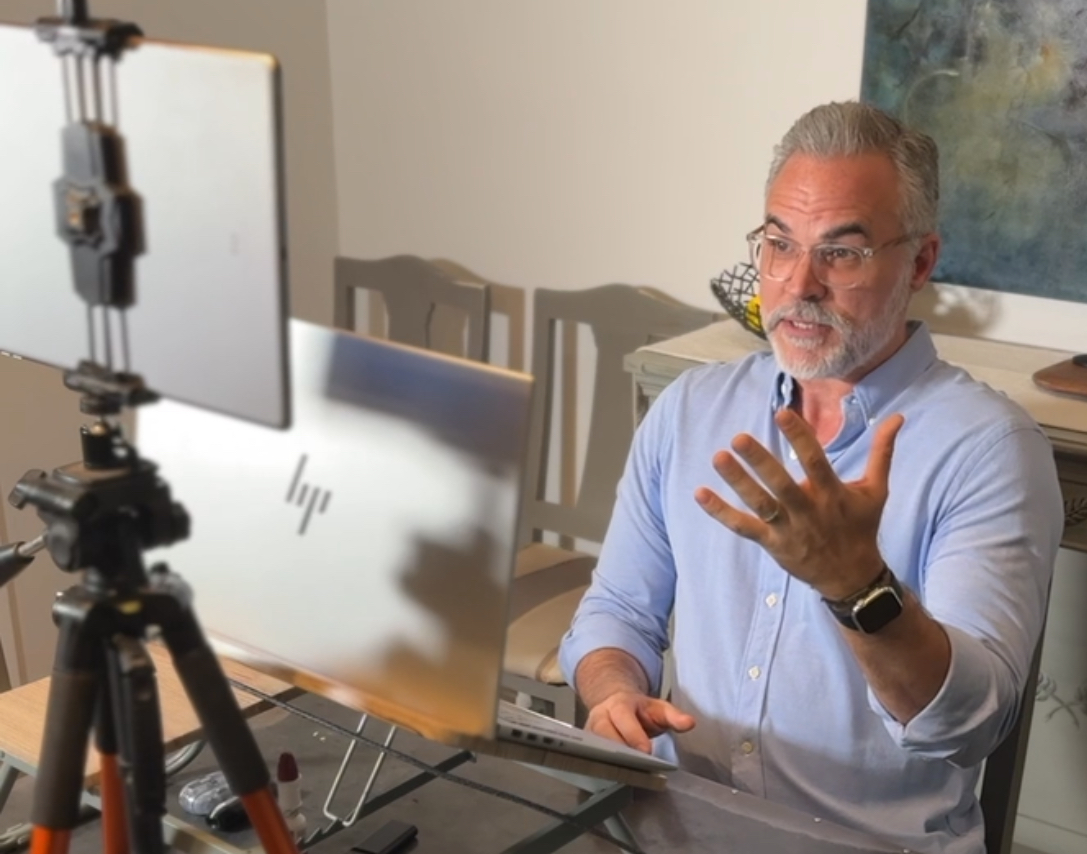
Today I work with a wide range of individuals — executives, creatives, performers, and other high achievers — helping them navigate identity shifts, pressure, and personal reinvention. Some come from recovery communities. Others are leaders or artists who simply want to operate at a higher level personally and professionally.
Because much of this work happens virtually, I now coach clients across the United States and internationally, including in the UK. What fascinates me is that whether someone is a software engineer, a Broadway performer, an entrepreneur, or someone rebuilding after a difficult chapter, the underlying challenges are often surprisingly similar. People are trying to understand who they are, what matters most, and how to actually live in alignment with that.
Acting has taught me a great deal about identity and storytelling. My own life taught me that we’re not stuck with the stories we’ve been living — we have the ability to rewrite them.
That’s what motivates me now: helping people recognize that meaningful change is possible, and that the next chapter of their life is something they can actively create.
We all face challenges, but looking back would you describe it as a relatively smooth road?
It definitely hasn’t been a smooth road. Like many people pursuing a career in entertainment, the early years in Los Angeles were full of uncertainty. From the early 90s through about 2000, I was studying, performing in theater, and working constantly on my craft, but I didn’t have much to show for it in terms of the traditional markers of success like television or film credits. I was part of a wonderful theater group and performing regularly, but financially I was scraping by and working multiple jobs just to stay afloat.
At one point I remember thinking about it like the seventh inning stretch at a baseball game. The question was whether I was going to leave early and beat the traffic or stay until the ninth inning and see how the game played out. Leaving Los Angeles would have meant giving up on the dream entirely, and something in me believed that if I stuck it out long enough, something might eventually shift.
Around that time I realized I also needed to make a practical change in my life. I had spent years bartending in Beverly Hills, and while it paid the bills, I could feel that staying in the same environment wasn’t moving my life forward. So I took what felt like a risk and applied for a sales job at a private club in Beverly Hills. It was a completely different direction, it doubled my income and, more importantly, changed my environment.
That decision turned out to be a turning point. The owner of the company began experimenting with producing online video content for the business — something that was actually quite ahead of its time, well before platforms like YouTube existed. I ended up producing and hosting those videos, and unexpectedly discovered that hosting was a natural fit for me.
Those early videos eventually became the foundation for my work in television hosting and opened doors in the industry that I never could have predicted when I first arrived in Los Angeles.
Looking back, that period taught me a lot about persistence and adaptability. Sometimes the breakthrough doesn’t come from the path you originally imagined. It comes from being willing to pivot, take a risk, and stay in the game long enough for the right opportunity to appear.
Great, so let’s talk business. Can you tell our readers more about what you do and what you think sets you apart from others?
Today, my work sits at the intersection of performance, mindset, and identity. As an actor, I’ve always been fascinated by what drives human behavior—what makes people think, feel, and act the way they do. Coaching became a natural extension of that curiosity.
Through my coaching practice, I work with high-performing individuals—including executives, creatives, and performers—who are often operating at a high level externally but feel stuck, disconnected, or unclear internally. Many of my clients are based across the U.S. and internationally, including the U.K., and what they all have in common is a desire to perform at their best without losing themselves in the process.
My approach is grounded in the idea that lasting change doesn’t come from strategy alone—it comes from identity. Before we focus on goals or tactics, we look at the internal patterns, beliefs, and states that are driving results in the first place. When that shifts, performance tends to follow.
A lot of my influence comes from years of personal development work and training, but also from real-life experience—both the wins and the mistakes. At the end of the day, my work is about helping people reconnect with who they are at their best and giving them the tools to operate from that place consistently.
Can you tell us more about what you were like growing up?
Growing up, I didn’t always feel like I fit neatly into the traditional boxes, especially when it came to the expectations around boys and sports. I wasn’t the typical jock type in grammar school and tended to be a little more sensitive and reflective. I often found myself connecting more easily through conversation and curiosity about people than through competition.
High school is really where I found my footing. Early on I tried to follow the path I thought I was supposed to take — football, baseball, the usual things — but it became pretty clear that wasn’t where I was meant to be. After getting cut from the baseball team and realizing football wasn’t my path either, I decided to audition for the school plays. That turned out to be a turning point. I ended up performing in both drama and musical productions throughout high school, and eventually earned a scholarship to study acting at Santa Clara University.
What drew me to acting originally was the emotional power of storytelling. I remember going to the movies growing up and being completely transported by the experience — sitting in a dark theater with a room full of strangers, all of us sharing the same emotional journey together. Watching great actors and directors create those moments fascinated me. Growing up in the 70s and 80s, I was immersed in some incredible cinema, and it sparked a lifelong appreciation for storytelling and performance.
Looking back, I think I was always more interested in understanding people than in trying to compete with them. That curiosity about human behavior and what drives people has stayed with me throughout my life and eventually became a big part of the work I do today.
Contact Info:
- Website: https://www.jordanmurphycoaching.com/
- Instagram: https://www.instagram.com/jordanmurphy1025/
- Linkedin: www.linkedin.com/in/jordan-murphy-a74b521b
- Other: https://www.tiktok.com/@jordanmurphycoaching?_r=1&_t=ZP-9513nSQd4pD


Popular
-

Portraits of the Valley
-

LA’s Most Inspiring Stories
-

JordanL on ‘Breathe,’ Belief, and Building a Movement Beyond the Music
-

Megan Birney Rudert on How Access to Light Is Powering a More Sustainable and Equitable Future
-

Linda Kneidinger on Building Lasting Change Through Small Steps and Self-Compassion
-

Jolana Nika on Redefining Modern Connection Through Intentional, Real-Life Experiences


