





Today we’d like to introduce you to Ellen Yang.
Hi Ellen, we’re thrilled to have a chance to learn your story today. So, before we get into specifics, maybe you can briefly walk us through how you got to where you are today?
I was born and raised in Boston, Massachusetts, but really, I grew up online. My parents would drop my siblings and me off at the local library multiple times a week, and we’d split our time between stacks of books and the library computers. I loved reading blogs on Tumblr, playing online minigames, and exploring this new digital world that was starting to take shape.
By the time I was fifteen, I started my first marketing company—back before the word “influencer” was even a thing. Digital marketing in the late 2010s was still largely dominated by ads, but I was fascinated by how YouTubers and bloggers were building real power and making deals with brands. After a few projects with local businesses, I realized social media was about to change the entire relationship between brands and audiences, and I wanted to be part of it. Throughout high school (and especially during COVID, when “remote work” was suddenly possible even as a student), I ran campaigns for 40+ brands, startups, and non-profits.
The summer before I moved to California for college, I wanted to see what marketing looked like from the inside of a startup. I joined Beacons AI as their first marketing hire, and it was the most hands-on crash course I could’ve asked for. I got to experiment, run with ideas, and watch campaigns take off—sometimes going viral. Beacons was one of the first startups to really recognize the “creator economy,” and I loved working directly with creators. That experience made me fall in love with the pace and energy of startups.
After nearly two years there, I took on a new challenge as Head of Marketing at an AI company. It was a big shift—bringing my scrappy, fast-moving style into a super technical space—but I learned a lot about leadership, management, and finding product-market fit. Meanwhile, I was studying full-time at Stanford University, majoring in English and Linguistics. That combination—working in tech while studying language as both an art and a science—really shaped the way I think about storytelling and communication.
Toward the end of college, I pivoted toward full-time writing and research. I began thinking a lot about public intellectualism—how ideas can and should reach people outside of academia. At the same time, I was becoming pretty disillusioned with AI and the ethical questions around originality and learning. So when I graduated, I decided to use my skills to elevate knowledge instead of exploit attention.
That’s when Laura Goode, a Stanford English lecturer and author, stepped in. I had taken her classes before, and she was the first person to recognize how my startup-style marketing skills could be applied to something like a book. She introduced me to the world of publishing and showed me both the challenges and the possibilities of bringing books and ideas to audiences in fresh ways. What started as a small side project with her soon grew into the beginnings of Punctuation PR.
Having someone brilliant believe in you can change everything. Laura quite literally pointed at me and said something along the lines of “I want you to help promote and market my book.” It made me believe, too: that someone who has spent a lifetime loving reading and writing might actually find a way to bridge passion with skill. For me, marketing has always been a means to an end. The end, the thing I’ve always loved most, is stories.
Today, Punctuation PR represents 10+ authors, with four books on promotion this fall, including Laura Goode’s <i>Pitch Craft</i>. I moved to Long Beach the day after graduation and officially launched the firm full-time in June. It feels like the perfect mix of everything I’ve done so far—my love of literature, my background in startups, and my belief in the power of media to make ideas travel farther. I’m excited to keep building new futures for writers and thinkers.
We all face challenges, but looking back would you describe it as a relatively smooth road?
It definitely hasn’t been a smooth road. My parents are immigrants from China, and I’m grateful every day for the personal and financial sacrifices they made for me and my two siblings so we could succeed. I grew up in a majority-white community in Massachusetts, where tradition often outweighed change, and the worldview felt small. I’m the first in my immediate family to attend college in the U.S., and I’ll always be thankful for the education and opportunities I found at Stanford. But before that, most opportunities in my life weren’t as easy to find; they were self-created. I like to joke that I “Googled” my way into college, but it’s true. I spent hours teaching myself: how to manage schoolwork in subjects like English and the humanities, where my parents couldn’t help because of the language barrier; how to build extracurriculars from scratch; even how to write my own college essays. Later, I taught myself how to code, run ads, master social media algorithms, and nearly every other skill I now rely on as the founder of a publicity firm. Today, that self-taught foundation carries me through the less glamorous parts of running a business too—bookkeeping, client acquisition, growth strategy, and my own marketing—alongside the work I love most: helping others tell their stories..
That instinct—to research, to figure things out for myself—is probably why I’ve been able to build not one, but two marketing firms before the age of 23. Still, it wasn’t always clear how to apply those skills. At Stanford, in the heart of Silicon Valley, studying the humanities often felt like swimming upstream. People were quick to tell me what I should be doing, who I should become, or how “jobless” I’d be with an English degree. Choosing literature and language—choosing to focus on what stories and ideas make us feel rather than what they can earn—wasn’t always easy, especially in a tough economy.
What carried me through was community: friends, mentors, professors, and of course, my family, who reminded me to trust my instincts and rise to challenges. Without that support, I don’t think I could have built the life I’m building now.
Appreciate you sharing that. What should we know about Punctuation PR?
Punctuation PR is a marketing and publicity firm I founded to serve writers, thinkers, and anyone working in the “thought economy.” My clients are professors, novelists, journalists, and essayists—people developing important, meaningful ideas but who often don’t have the time, resources, or insider knowledge to bring their work to larger audiences.
What Punctuation PR does is bridge that gap. I take the strategies that have made today’s influencers successful—brand storytelling, community-building, social media campaigns, podcast and media placement—and apply them to authors and intellectuals. In other words, I use the same playbook that makes digital content creators go viral, but for people whose work is books, essays, and ideas.
Punctuation PR is witness to a key time in modern thought, when many people are shifting away from institutions, mostly not by choice. While I very much believe universities and presses are absolutely critical to the health and well-being of our society, the reality is that shrinking budgets, overloaded publicists, and limited resources make it harder than ever for ideas to travel and be part of the public discourse. That’s where I see Punctuation PR stepping in—helping authors and thinkers take ownership of their own platforms and connect directly with audiences. I’ve always believed that professors and writers were the original content creators. While many people fixate on our shortened attention spans and how algorithms have worsened already short and volatile news cycles, I see it differently: to me, there’s an increased appetite for new ideas and conversations. And there’s no better time than now to be writing and thinking, when the tools for virality are right in front of us.
What sets us apart is that we’re not a traditional PR agency. Many firms focus only on the moment of a book launch, then move on. I’m invested in long-term career building. I help writers think about how to grow their platforms year-round—through Substack, podcasts, Instagram, events, or media features—so that when their next big project comes along, they already have a loyal, engaged audience waiting. In some cases, I’m helping to foster entire literary careers, which is both an incredible privilege and a deep act of trust.
Brand-wise, I’m proud that we’ve created momentum for clients across very different stages of their careers. Some are first-time authors breaking into publishing, while others are established professors or journalists looking to expand their reach. While I am certainly a publicist and marketer first, I often serve as an editor, idea incubator, and general life cheerleader too. This September, I will be traveling to the Bay Area to attend the launch events for the first two books I’ve ever supported: <i>Pitch Craft </i>by Laura Goode<i> </i>and the paperback release of<i> Mayor of the Tenderloin </i>by Alison Owings<i>.</i> Watching those books enter the world—and knowing I’ve helped connect them with readers who may not have found them otherwise—has been incredibly rewarding.
At the end of the day, I want people to know that Punctuation PR is about building new futures for writers and thinkers. I believe that stories and ideas are the most powerful things we have, and they deserve the same level of visibility, strategy, and excitement as any product launch or startup campaign.
Before we let you go, we’ve got to ask if you have any advice for those who are just starting out?
My best advice for anyone starting out is simple: just start. Don’t wait until you feel “ready,” because you’ll never feel fully ready. Try things, make mistakes, throw spaghetti at the wall and see what sticks. Every experiment, even the ones that don’t work, will teach you something.
I’m a die-hard believer in “the more you know, the better.” Every lesson, every failed attempt, every small win adds up and gives you more to work with the next time.
So when you’re faced with the choice between what you already know and what you could learn, always choose learning. That’s where growth happens, and that’s how you keep moving forward.
Contact Info:
- Website: https://www.punctuation-pr.com/
- Instagram: https://www.instagram.com/punctuationpr
- Linkedin: https://www.linkedin.com/in/ellenhyang/

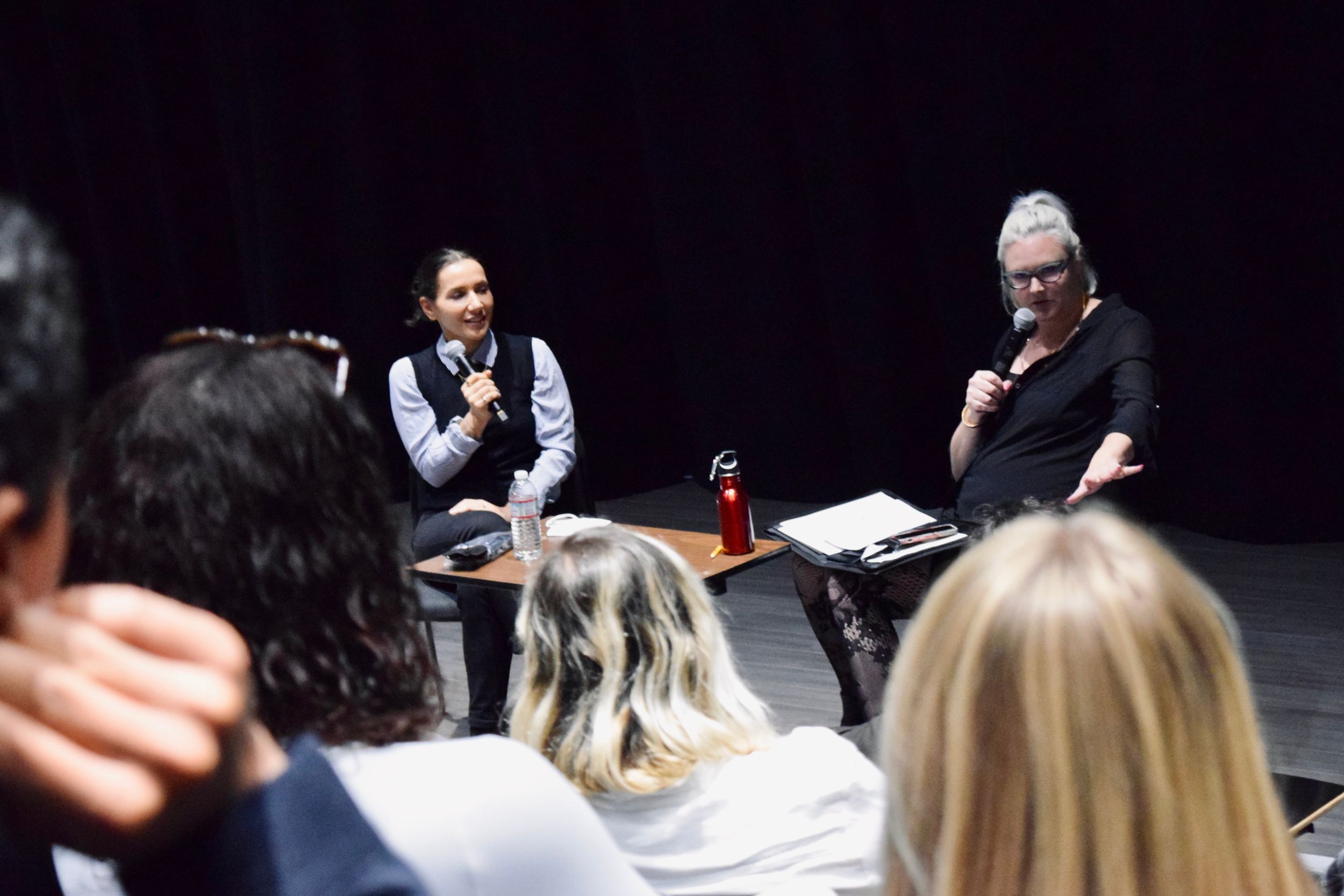
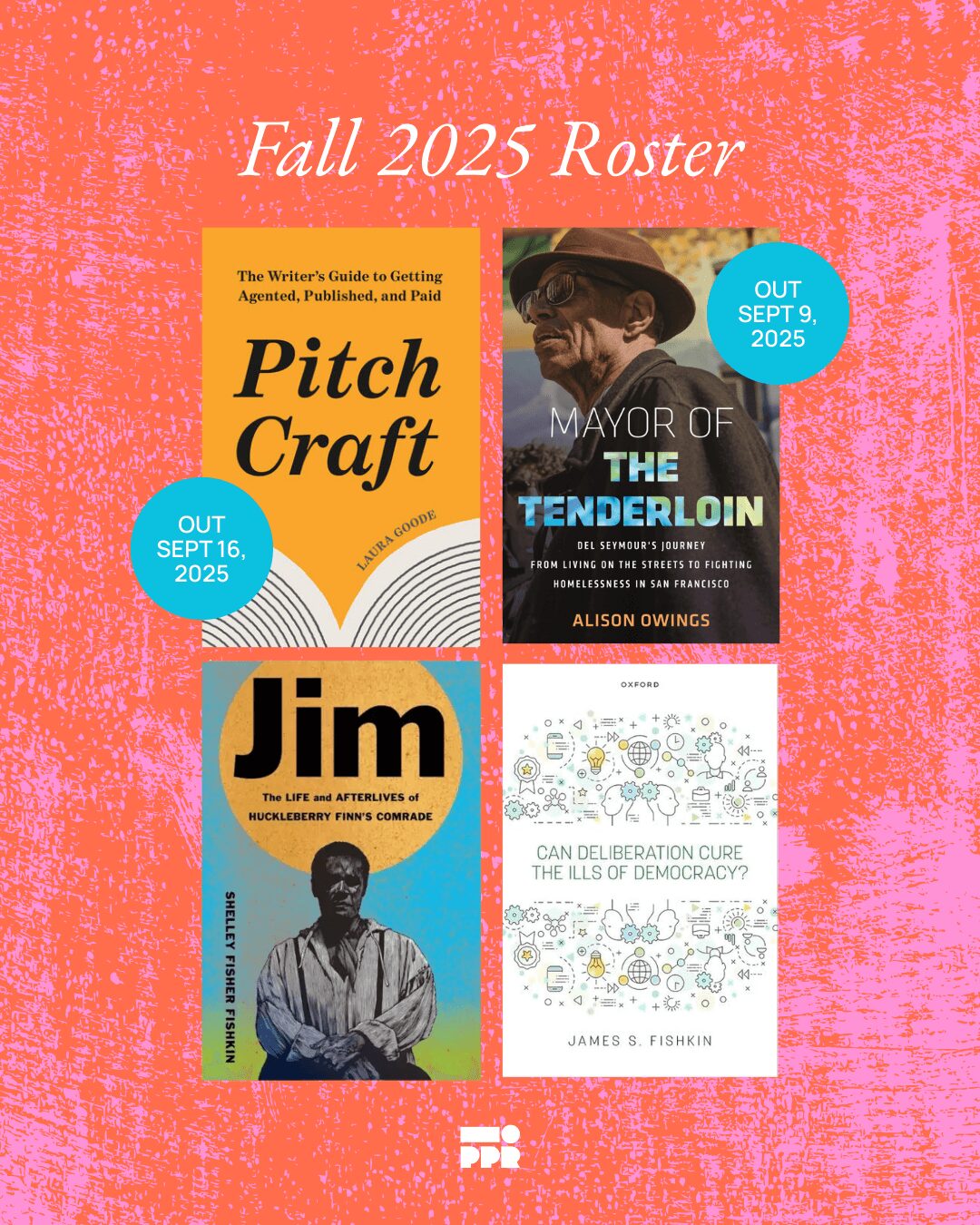


Image Credits
Julia Rose Segal, Fontejon Photography, Stanford Public Humanities
Popular
-

Que Johnson on Building Brands That Last: From Visibility to True Market Authority
-

Christina Wren Steps Into the Director’s Chair to Tell Stories That Feel Like Home
-

Portraits of the Valley
-

LA’s Most Inspiring Stories
-

JordanL on ‘Breathe,’ Belief, and Building a Movement Beyond the Music
-

Megan Birney Rudert on How Access to Light Is Powering a More Sustainable and Equitable Future


