



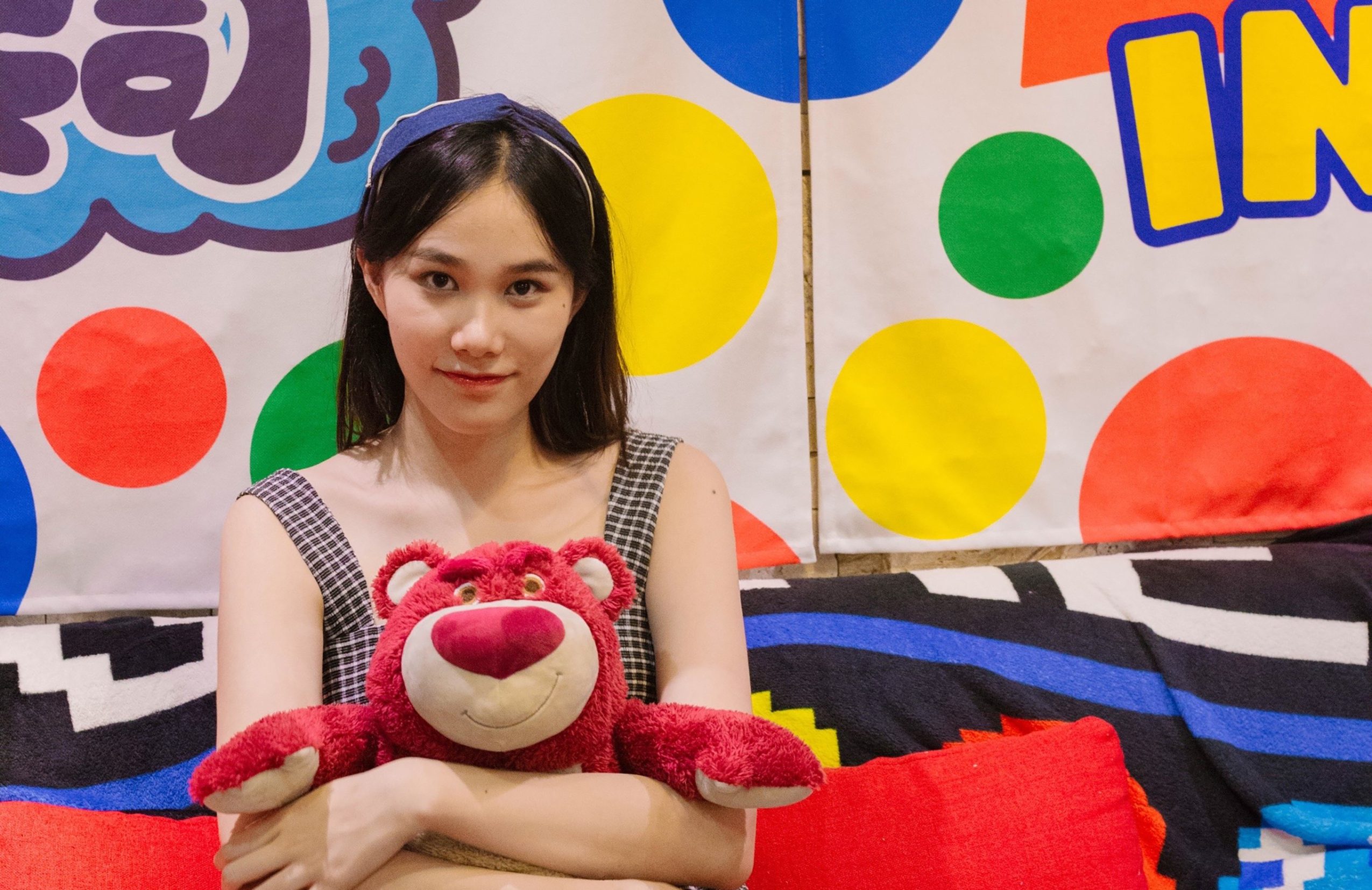
Today we’d like to introduce you to Yingying Zhu.
Yingying, we appreciate you taking the time to share your story with us today. Where does your story begin?
My journey in design has been a continuous exploration of how visual language shapes the way we understand the world and connect with one another. I’ve always been fascinated by the ability of graphic design to give form to abstract ideas, bridge different cultures, and make complex concepts accessible through seemingly simple visual expressions. For me, design has never been just about making things look beautiful. It’s about discovering new ways to communicate, tell stories, and create meaningful experiences.
I began my design education at the School of Visual Arts in New York, where I explored everything from typography and branding to interactive media and motion graphics. Living and studying in New York exposed me to a wide range of cultural influences and encouraged me to think beyond the boundaries of traditional graphic design. After graduation, I returned to China and joined Hesign, a design studio known for bringing Eastern and Western cultural perspectives together. Working on projects for museums, art institutions, and cultural brands helped me understand how design can preserve cultural narratives while reinterpreting them for contemporary audiences.
Over time, I became increasingly interested in working across disciplines rather than limiting myself to a single medium. I eventually founded my own independent design studio, off grid, in Shenzhen. The experience allowed me to explore different forms of creative expression, from exhibition identities and publications to branding and digital experiences. More importantly, it taught me to embrace uncertainty, follow my curiosity, and find connections between seemingly unrelated ideas. Running a studio was both challenging and rewarding, and it reinforced my belief that creativity often emerges when we step outside familiar boundaries.
My curiosity eventually led me back to the United States to pursue an MFA in Graphic Design at ArtCenter College of Design in California. Graduate school gave me the space to question what graphic design could be and how it might intersect with technology, culture, and social issues. During my time at ArtCenter, I also had the opportunity to work on a sponsored project with Hermès, collaborating with a cross-disciplinary team of product and graphic designers to envision hypothetical product launches. The experience allowed me to explore the relationship between product design, visual storytelling, and brand experience, while learning how different creative perspectives can come together to shape a cohesive concept.
I also became increasingly interested in generative design and augmented reality, exploring how emerging technologies could expand the way people experience visual communication. One project from this period, *Desert Echoes*, imagined an exhibition identity for Desert X that connected desert landscapes, cultural narratives, and human perception through generative typography and augmented-reality wayfinding. The project received a Young Ones TDC Winner award in 2025, and it remains an important part of my journey because it brought together many of the questions I had been exploring about design, technology, and the human experience.
Today, I’m based in the Bay Area and work at TikTok, where my creative practice continues to evolve alongside technology. In addition to developing brand identities and campaign visuals for TikTok Shop, I’m also exploring how to build brand AI agents: intelligent systems that can help translate a brand’s identity, principles, and visual language into more interactive and scalable experiences. I find this intersection particularly exciting because it raises new questions about how brands communicate, how creative knowledge can be organized, and how designers might work alongside AI without losing the human perspective that makes design meaningful.
Looking back, my journey has never followed a completely straight path. Moving between China and the United States, working independently and within larger organizations, and exploring everything from cultural exhibitions to emerging technologies have all shaped the way I think about creativity. Each experience has opened up a new perspective and often led me toward questions I hadn’t thought to ask before.
What continues to motivate me is the belief that design is an evolving language, one that can connect disciplines, cultures, and people in unexpected ways. I’m still curious about where that language can go, especially as technology changes how we create and experience the world. Rather than arriving at a fixed definition of what a designer should be, I hope to keep exploring, experimenting, and finding new ways to make ideas tangible and meaningful to others.
I’m sure it wasn’t obstacle-free, but would you say the journey has been fairly smooth so far?
It definitely hasn’t been a smooth road. After graduating from SVA, I felt quite confident in my design skills and ideas. However, my time at Hesign quickly made me realize how much I still had to learn and how much room I had to grow. I often found myself struggling with projects, feeling stuck and unsure how to push my work further. That realization was one of the reasons I decided to pursue my MFA at ArtCenter.
The journey at ArtCenter was challenging in its own way. The workload was intense, and being surrounded by so many talented peers constantly pushed me to question my own work and raise my standards. It wasn’t always easy, but it was also one of the most rewarding periods of my life. I had the chance to learn from designers with different backgrounds and perspectives, and to discover new ways of thinking about design.
In retrospect, I think the struggle is present in almost every project. Coming up with an idea that feels genuinely original and meaningful is always one of the hardest parts, but it’s also what makes design so exciting to me. I’ve always wanted my work to offer something beyond what already exists, and that ambition naturally comes with uncertainty and frustration. I’ve learned to see those moments not as signs that something isn’t working, but as an essential part of the creative process. Design is never easy, but sometimes the struggle is exactly where the most interesting work begins.
Can you tell our readers more about what you do and what you think sets you apart from others?
I’m a multidisciplinary brand designer interested in exploring how visual identity can extend beyond traditional graphic design and evolve through technology, storytelling, and new forms of interaction. My work spans brand identity, typography, digital experiences, and creative coding, and I’m particularly drawn to finding unexpected connections between disciplines to create identities that are not only visually distinctive but also conceptually meaningful.
One thing that sets my approach apart is how I incorporate coding and generative systems into branding. Rather than treating a brand identity as a fixed collection of logos, colors, and graphic assets, I’m interested in building visual systems that can generate new expressions while maintaining a consistent identity. For example, in *Desert Echoes*, a speculative exhibition identity for Desert X, I explored generative typography and augmented-reality wayfinding to connect the visual language with the landscape and the exhibition’s themes. The project received a Young Ones TDC Winner award in 2025. For me, coding becomes another creative material, one that allows a brand to behave more like a living system than a static image.
I also enjoy working across disciplines that might initially seem far apart. During my MFA at ArtCenter College of Design, I participated in a sponsored project with Hermès, collaborating with product and graphic designers to envision hypothetical product launches. It was a valuable opportunity to explore how brand storytelling could translate into physical objects, illustration, and product experiences. It reinforced my belief that a strong brand idea shouldn’t exist only on a screen or in a logo; it should be able to move naturally across different forms and touchpoints.
Today, at TikTok, I’m continuing to explore the evolving relationship between branding and technology. Alongside my work on TikTok Shop’s brand identity and campaign visuals, I’m working on building brand AI agents. I’m particularly interested in how AI can help translate a brand’s principles, visual language, and accumulated creative knowledge into an interactive system that supports more consistent and scalable brand experiences. It’s a new area with plenty of questions to explore, especially around how we can use AI to expand creative possibilities while preserving the judgment, sensitivity, and imagination that designers bring to the process.
What I’m most proud of is that my practice has never been confined to one medium or discipline. From founding my own studio in Shenzhen to exploring generative design in graduate school, collaborating on a product concept with Hermès, and now experimenting with AI-driven brand systems, I’ve continually looked for ways to push beyond familiar boundaries. I believe the most interesting work often happens at the intersections of disciplines, where different ways of thinking challenge one another and lead to something unexpected. That’s the kind of designer I hope to continue becoming: someone who can build strong brand identities while constantly reimagining what a brand can be and how people can experience it.
Networking and finding a mentor can have such a positive impact on one’s life and career. Any advice?
Beyond seeking guidance from faculty and mentors at school, I think reaching out directly to designers whose work you admire is one of the most effective ways to build connections. Sending a thoughtful cold message can feel intimidating, but you’d be surprised by how many people in the design community are willing to share their experiences and help others grow. Of course, not everyone will have the time to respond, so I think it’s important not to take silence personally and to keep reaching out genuinely.
I’d also recommend attending design conferences, participating in design forums, and joining creative communities where you can meet people who share similar interests. For me, networking isn’t just about finding someone who can help you professionally; it’s about exchanging ideas, learning from different perspectives, and building relationships over time. The most meaningful connections often begin with a shared appreciation for someone’s work or a genuine curiosity about how they think.
Pricing:
- Pricing varies depending on the scope and needs of each project. Please reach out directly to discuss potential collaborations.
Contact Info:
- Website: https://yingyingzhu.art/
- LinkedIn: https://www.linkedin.com/in/yingying-zhu-graphicdesign/
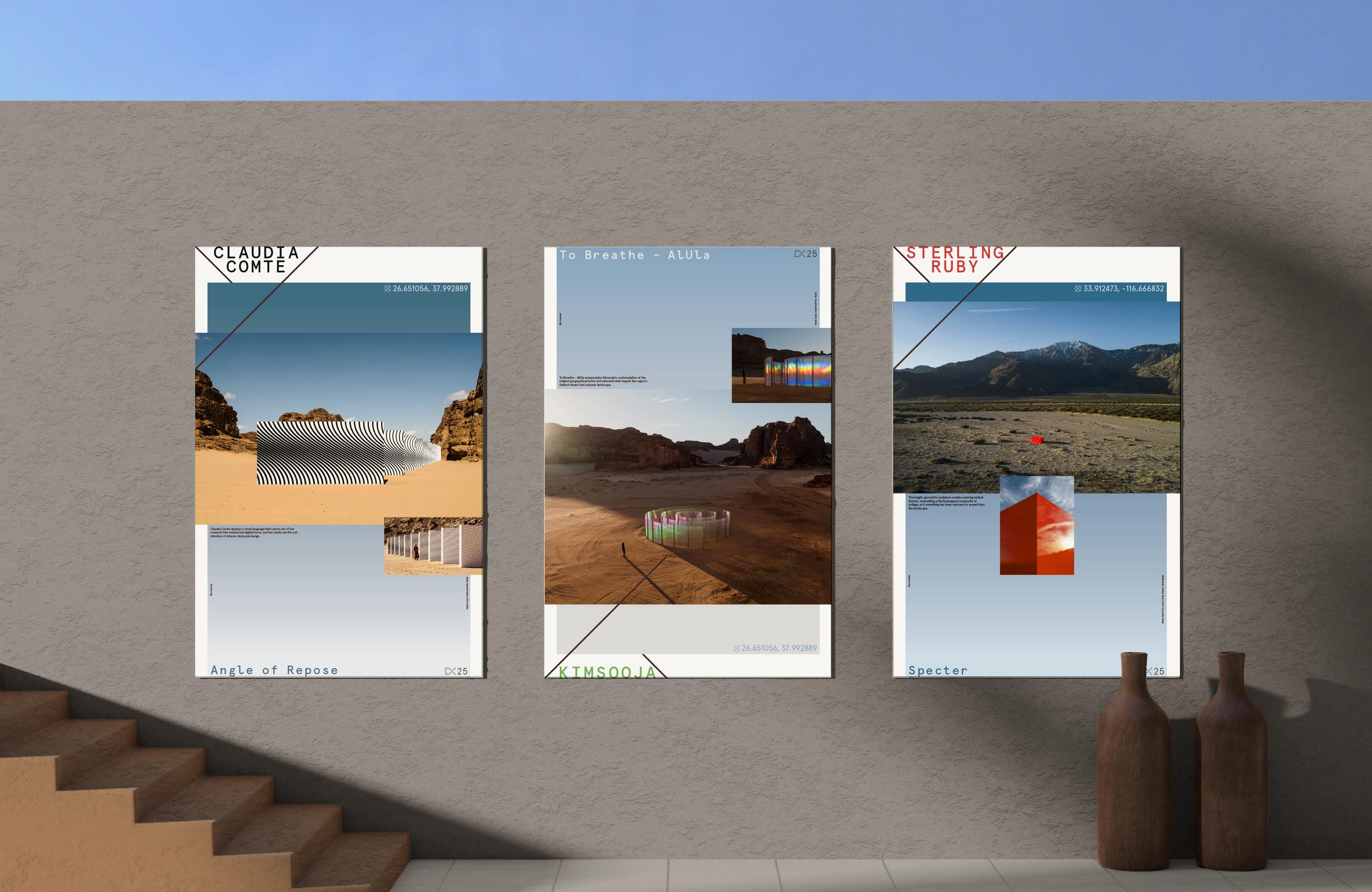
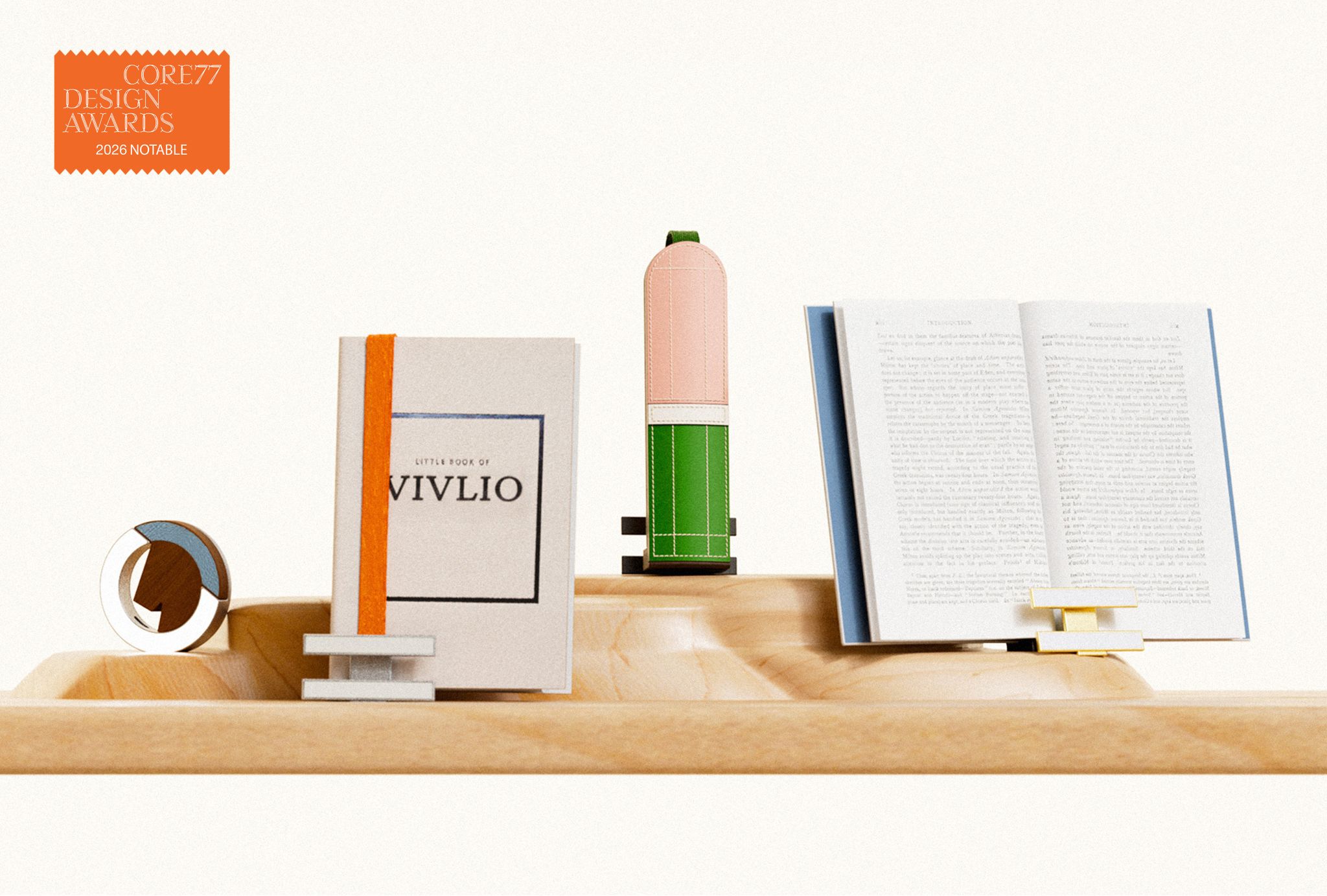
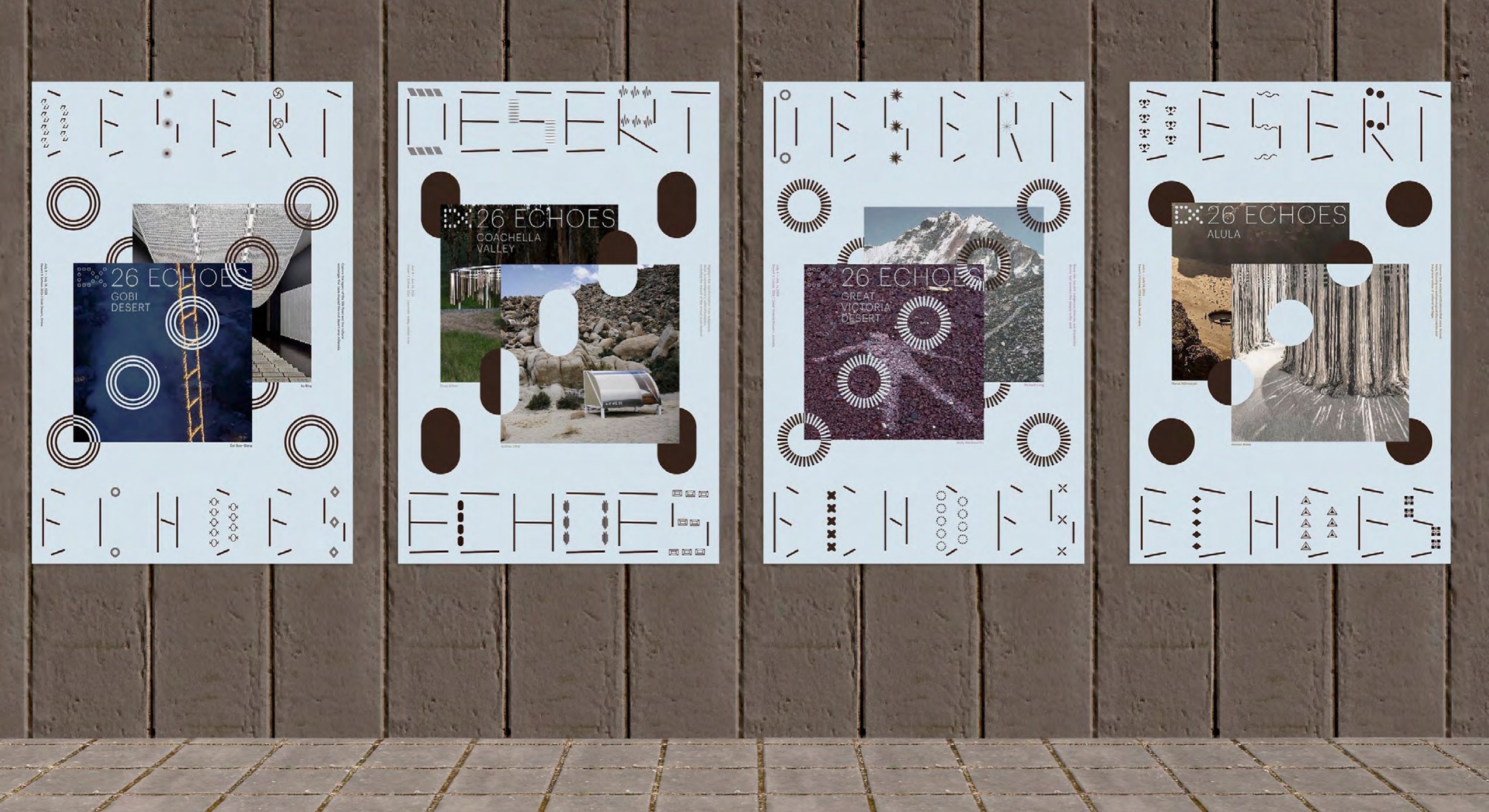
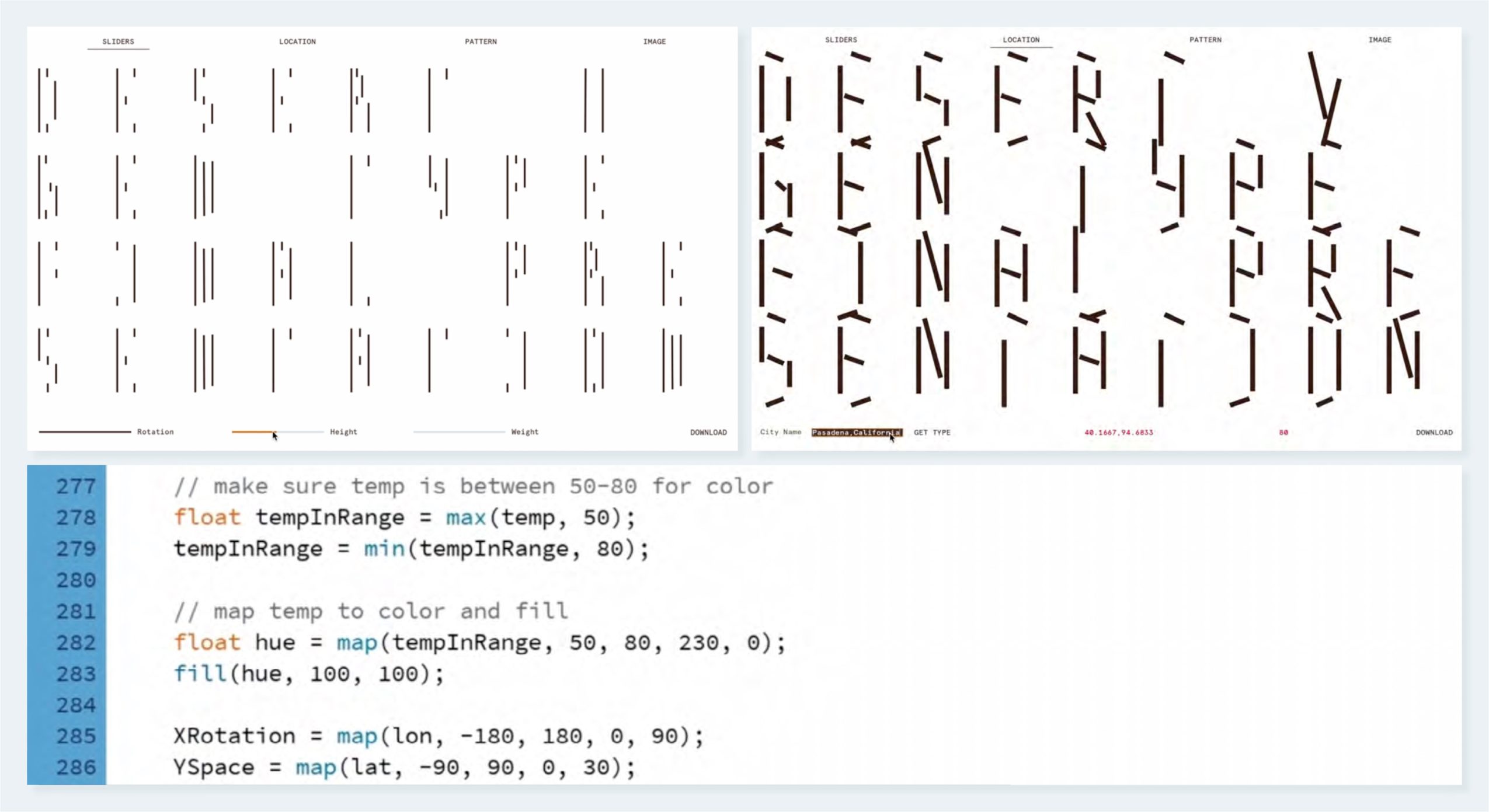
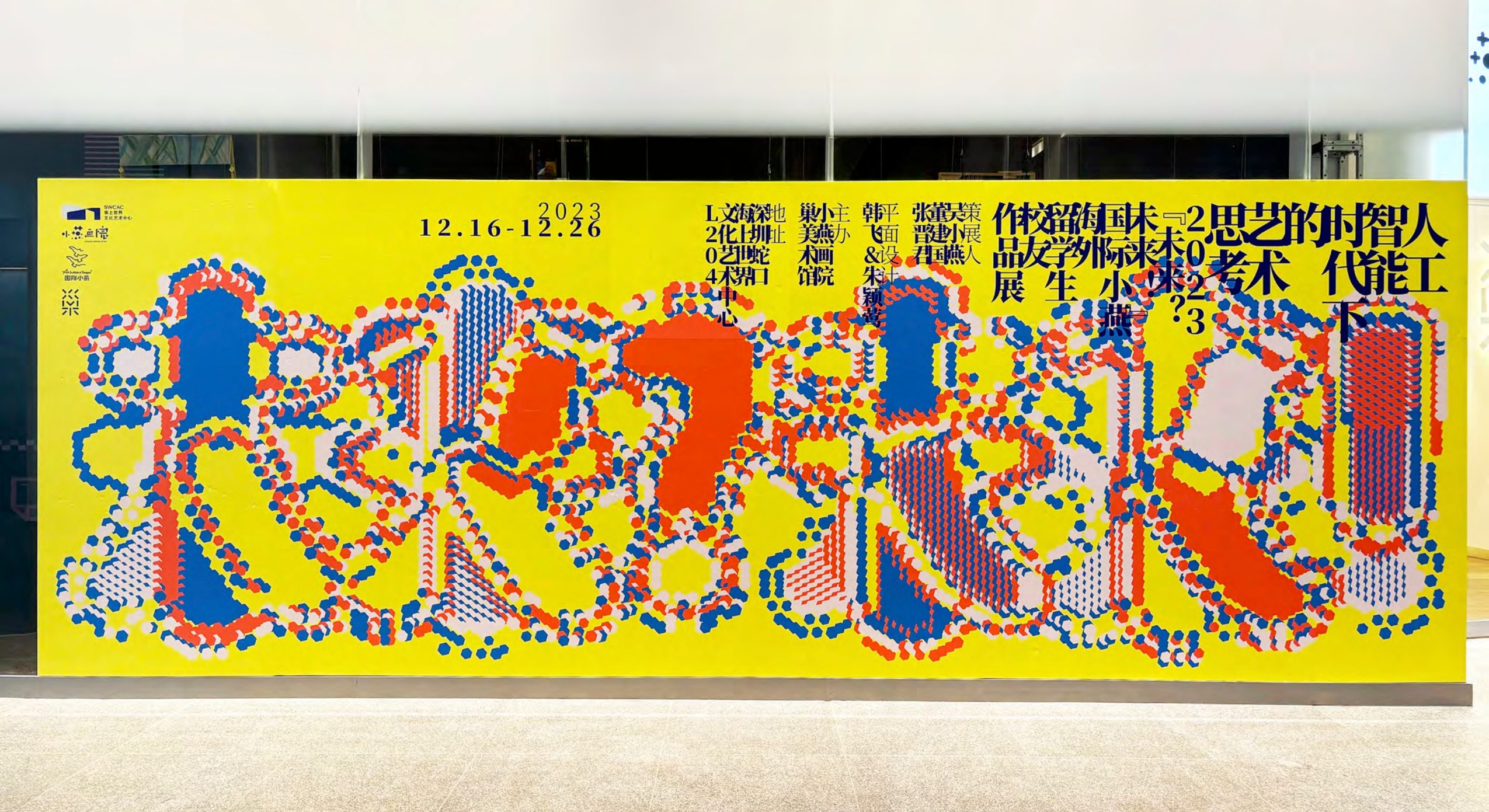
Image Credits
@Desert X
Popular
-

Portraits of the Valley
-

LA’s Most Inspiring Stories
-

Greg Hex Is Turning the Everyday Kitchen Knife Into a Modern Design Object
-

Rick Norris Learned That Building a Successful Business Means Building a Life You Actually Want to Live
-

How Olivia Rush Turned Survival Into a Mission to Help Others Keep Going
-

How Bibi Goldstein Is Helping Entrepreneurs Reclaim Their Time by Embracing the Power of Delegation


