





Today we’d like to introduce you to Tracy Doyle.
Hi Tracy, we’re thrilled to have a chance to learn your story today. So, before we get into specifics, maybe you can briefly walk us through how you got to where you are today?
I didn’t set out to become an author, a mentor, a coach, or the creator of a method. I started as a woman trying to survive her own life.
I grew up in a chaotic environment marked by poverty, addiction, and mental illness. From a young age, I learned how to be resilient, independent, and tough; skills that helped me survive but also shaped beliefs that followed me into adulthood. I became hyper-responsible, vigilant, and driven, believing that if I worked hard enough and achieved enough, I could finally feel safe, worthy, and at peace.
On the outside, that strategy worked. I was the first in my family to attend college, built a successful career in the pharmaceutical industry, and later founded and led an award-winning, multimillion-dollar business. From the outside, my life looked like a success story. Inside, I felt disconnected, misunderstood, and emotionally exhausted. The same survival patterns that once protected me were now costing me my relationships, my joy, and my sense of self.
For a long time, I believed my exhaustion was caused by circumstances: work stress, difficult relationships, external pressure. But eventually I reached a breaking point where I had to face a harder truth: the real storm wasn’t outside of me. It was inside. My thinking—shaped by unresolved life experiences—was driving how I showed up in every relationship, including the one I had with myself.
That realization changed everything.
With the help of trusted people, therapy, reflection, and daily practice, I began to see how my internalized beliefs were narrowing my world. I learned that what had been shaped could be reshaped—not through quick fixes or motivational hype, but through consistent, honest inner work. Slowly, I rebuilt connection: to myself, to others, and to a life that felt grounded instead of performative.
Over time, others began asking what I was doing differently. As I shared what I had learned, I saw the same patterns appear again and again—especially in high-achieving women who were outwardly successful but inwardly depleted. That experience became the foundation for what I later named the Aurora Method: a set of practical practices designed to help people recognize and redirect negative thinking so they can restore connection and clarity in their lives.
Writing Life Storms: Finding Your Clear Sky was not about presenting myself as someone who has it all figured out. It was about telling the truth. About naming the quiet emotional bankruptcy so many carry and offering a framework for navigating it with honesty and emotional accountability.
Today, my work is centered on helping those who are struggling with overwhelm, relationship conflicts, and feeling alone and disconnected stop outrunning emotional burnout and start listening to it. Not as a failure—but as a signal. A turning point. Proof that change is possible when we’re willing to look inward and do the work from the inside out.
That’s how I started. And that’s how I arrived here—clearer, more connected, and committed to helping others find their own clear sky
We all face challenges, but looking back would you describe it as a relatively smooth road?
No, it hasn’t been a smooth road. Not even close.
My path has been shaped by long periods of struggle—some visible, many invisible. Early in life, I learned how to survive in environments marked by instability, addiction, and emotional unpredictability. That taught me resilience, but it also taught me patterns that later became obstacles: over-responsibility, self-doubt, emotional guarding, and the belief that I had to handle everything on my own.
As my career progressed and my external success grew, those internal patterns didn’t disappear. They intensified. I struggled in relationships, felt chronically misunderstood, and carried a constant pressure to perform and prove myself. For years, I mistook endurance for strength. I believed that if I just pushed harder or achieved more, things would eventually feel better.
They didn’t.
One of the hardest lessons was realizing that success doesn’t automatically lead to connection or peace. In fact, achievement can become a powerful distraction from what’s unresolved. I spent years managing symptoms: stress, conflict, emotional outbursts, emptiness, without understanding their root cause. That disconnect eventually led to emotional burnout.
My breaking point came quietly but decisively. At my lowest moment, I had a frightening realization: I didn’t want to keep living this way. It wasn’t really about wanting to die; it was about recognizing that something inside me had become unsustainable. That moment forced an honesty I could no longer avoid. I knew that if something didn’t change internally, no external success would ever be enough.
Another major struggle was learning to look inward with responsibility instead of blame. It’s far easier to point to circumstances or other people than to examine how your own thinking shapes your experience. Accepting that my internalized beliefs were influencing my reactions, relationships, and sense of worth was uncomfortable, but it became the turning point.
There were also moments of loneliness. Growth often requires letting go of familiar identities and roles, including being “the strong one.” Choosing change meant choosing reflection over reaction and patience over quick fixes. That road can feel isolating, especially when you’ve built your life on competence and control.
The road hasn’t been smooth, but it has been meaningful. Those struggles didn’t derail my path, rather they reshaped it. They’re the reason I do the work I do today, with clarity, humility, and deep respect for how hard real change actually is.
Can you tell our readers more about what you do and what you think sets you apart from others?
Emotional Wellness Advocate, resilience champion, and resilience coach. I teach the framework that I created: The Aurora Method, through a hands-on workshop style 12-week course followed by group or individual coaching.
So maybe we end on discussing what matters most to you and why?
What matters most to me is helping people understand that emotional freedom is possible—even when they feel trapped, exhausted, or lost inside their own lives.
For a long time, I believed that the way I felt was simply who I was. I thought the emptiness, the constant tension, the feeling of being misunderstood were personal flaws or life sentences I just had to manage. I now know that many people, especially high-achieving women, are living with that same quiet despair, assuming it’s the price of responsibility or success.
It isn’t.
What matters to me is helping others see that what they’re experiencing isn’t a failure—it’s a signal. Emotional burnout, reactivity, disconnection, and hopelessness aren’t signs that you’re broken. They’re signs that something inside you is asking to be understood and reshaped.
I care deeply about this because I know how isolating it feels to look capable on the outside while unraveling on the inside. I know how dangerous it can be to normalize emotional pain, to tell yourself “this is just how life is,” or to keep pushing forward without addressing what’s really driving your thinking and behavior. I also know how transformative it is to realize that what was shaped by life experiences can be reshaped—practically, patiently, and without shame.
What matters most is giving people language, tools, and permission to stop blaming themselves and start understanding themselves. To move from reaction to reflection. From survival to choice. From feeling trapped to feeling free.
Emotional freedom isn’t about erasing the past or fixing yourself. It’s about learning how to recognize the beliefs and patterns that no longer serve you and choosing a different way forward. When people experience that shift, even in small ways, everything changes: how they relate, how they lead, how they show up for themselves and others.
That’s why I do this work. Not to offer quick fixes or inspiration, but to walk alongside people as they learn to calm the storms inside and discover the clear sky that’s been there all along.
Because no one should have to live their life believing there’s no way out when there is.
Pricing:
- 12 Week Course: $2997
- Paperback Book: 19.95
- eBook: 9.99
Contact Info:
- Website: https://www.tracydoyle.life/
- Instagram: https://www.instagram.com/tracydoyle.life/
- Facebook: https://www.facebook.com/profile.php?id=61569971194280
- LinkedIn: https://www.linkedin.com/in/tracy-doyle-aurora-co/


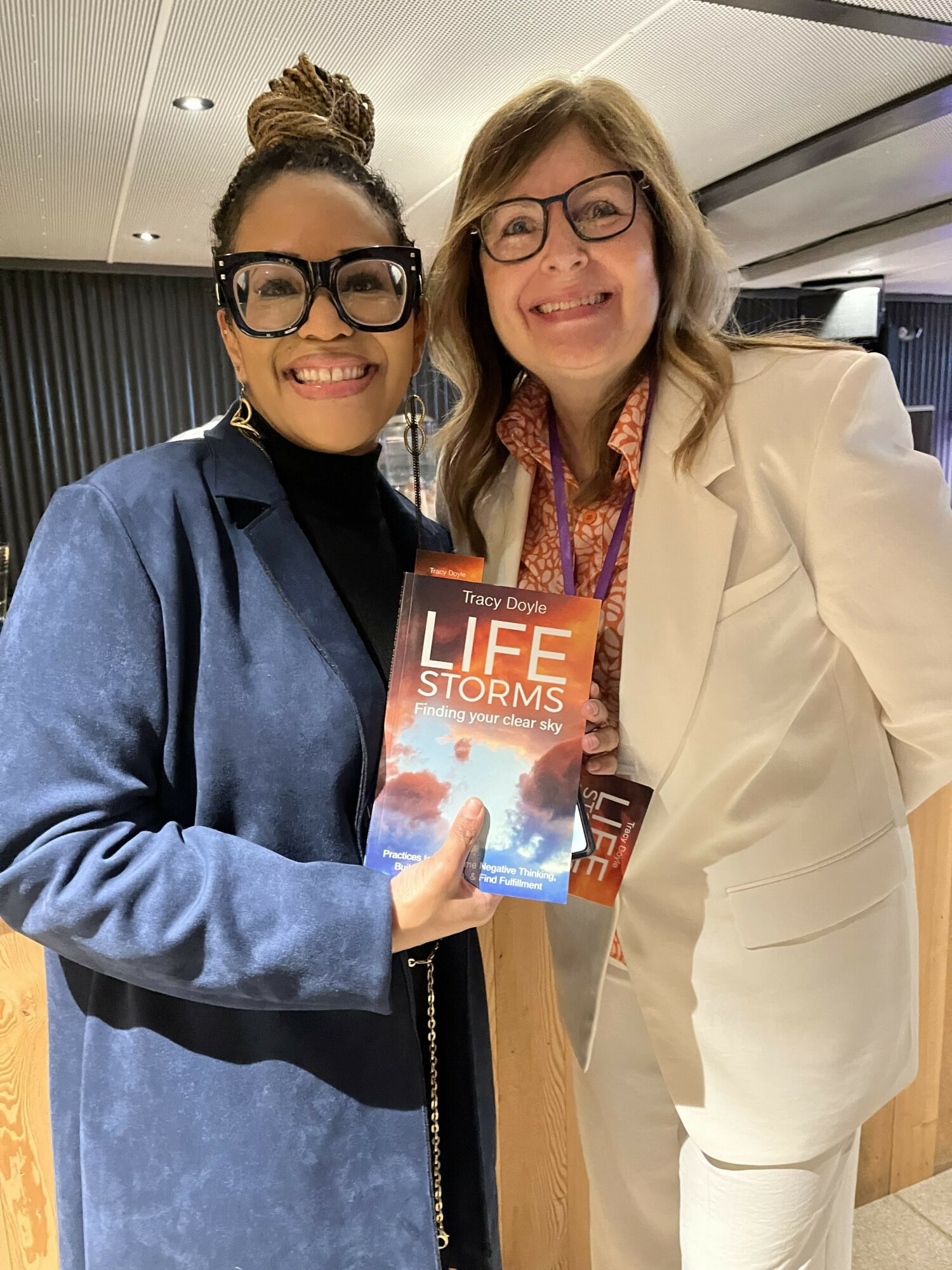
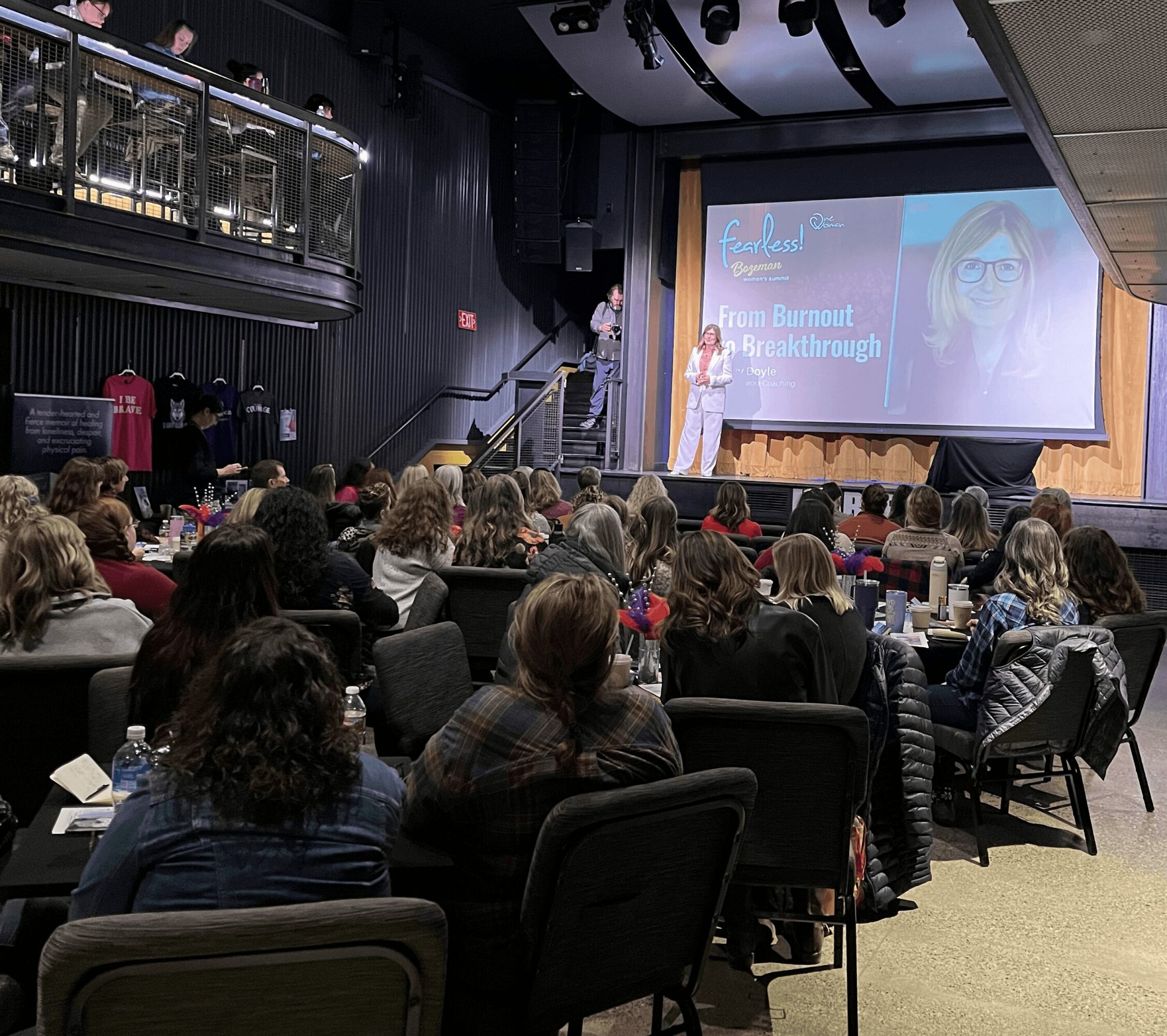
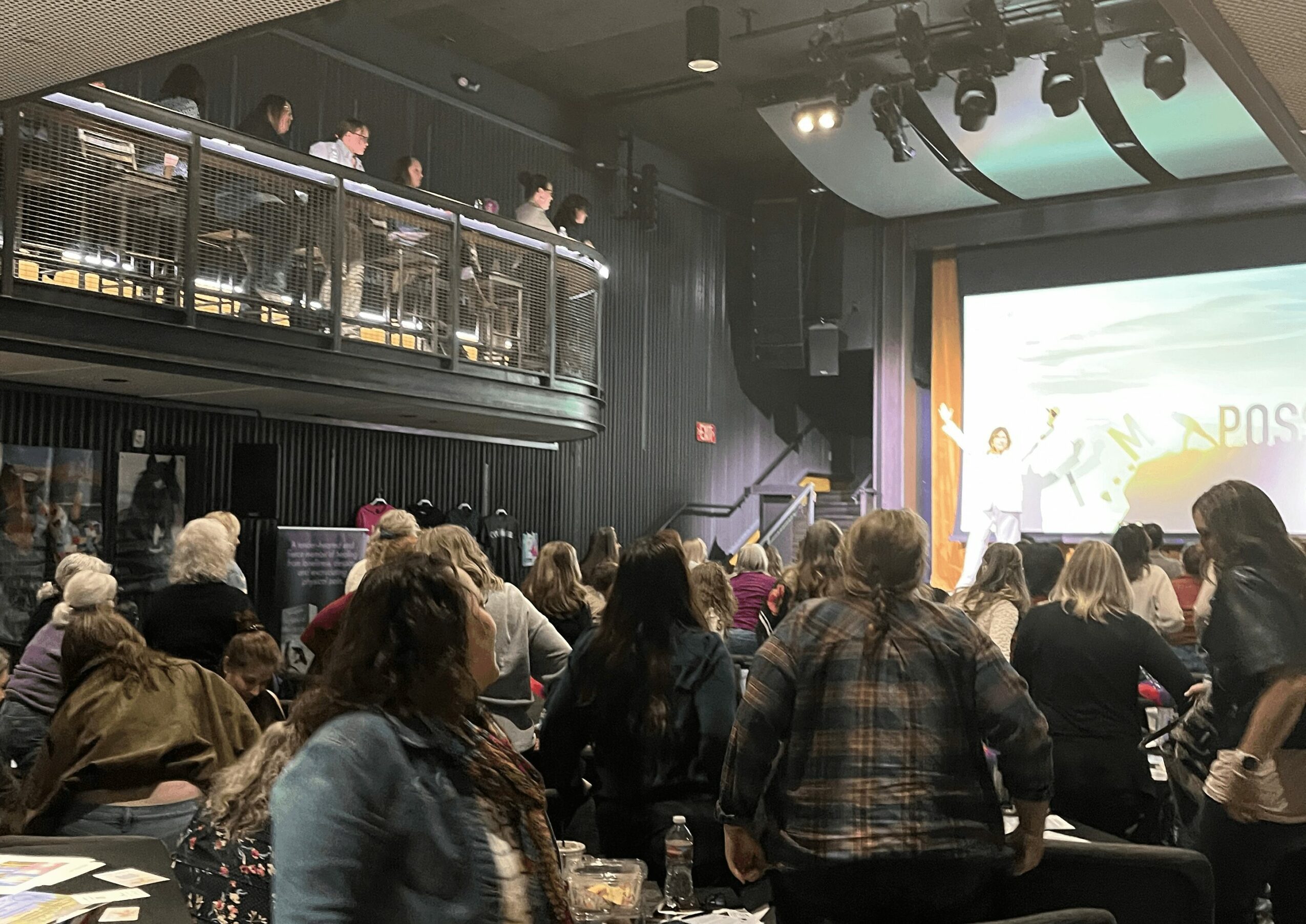
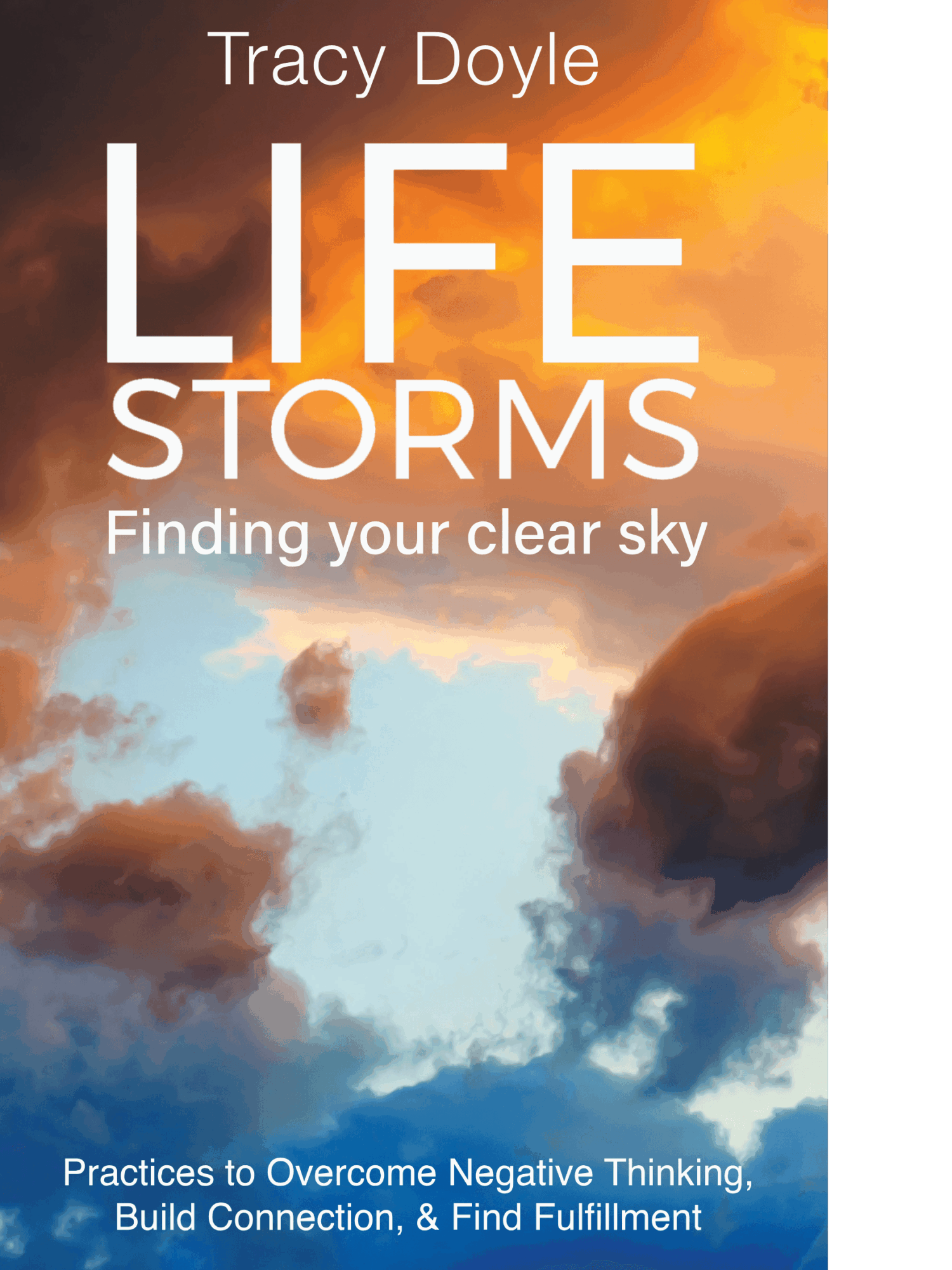


Image Credits
Maggie Yuracheck all photos except the 2 of me on stage and the one with me in white suit with African American woman and book
Popular
-

Christina Wren Steps Into the Director’s Chair to Tell Stories That Feel Like Home
-

Portraits of the Valley
-

LA’s Most Inspiring Stories
-

JordanL on ‘Breathe,’ Belief, and Building a Movement Beyond the Music
-

Megan Birney Rudert on How Access to Light Is Powering a More Sustainable and Equitable Future
-

Linda Kneidinger on Building Lasting Change Through Small Steps and Self-Compassion


