




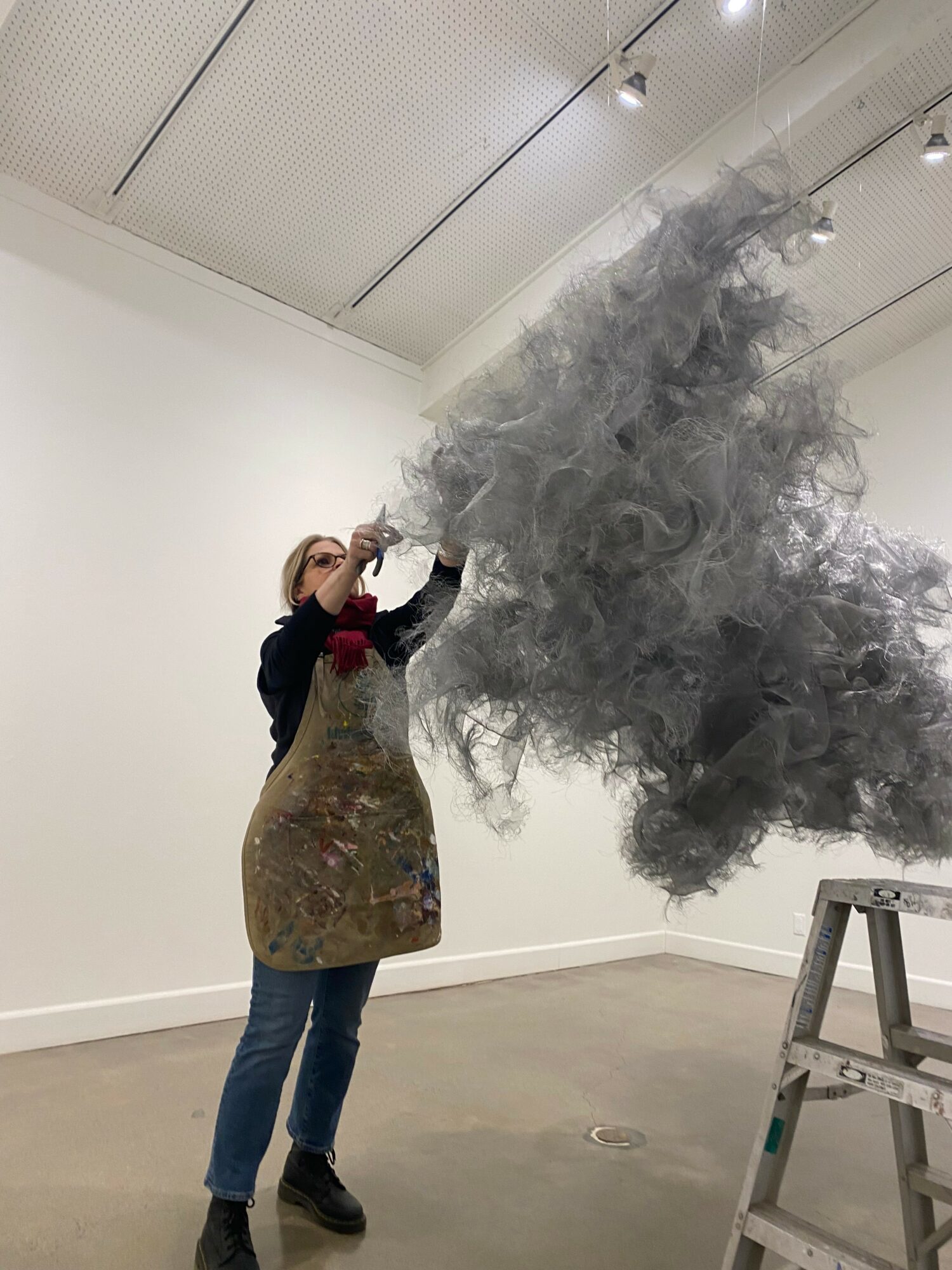
Today we’d like to introduce you to Renée Azenaro
Alright, so thank you so much for sharing your story and insight with our readers. To kick things off, can you tell us a bit about how you got started?
Renée Azenaro
Being an artist was not a choice as much as it was simply what I was going to do and be; the path that was set early on. I am from the public housing projects of Downtown Brooklyn, New York, where my early years were formed and influenced by the diverse crowds of people who were an important part in my daily life, and their lives affected me deeply. During my early years my mother would take me to amazing places such as the Brooklyn Botanical Garden or Prospect Park, while my sisters were already in school. Mostly, these days were spent at the Brooklyn Museum where I would get into trouble from the museum guards for touching the huge bronze sculptures. It turned out that getting into trouble became a direct influence on the tactile quality of my work, as I invite the viewer to gently touch my work, for which they won’t be scolded. As the only artist in the family, I was always fully encouraged to follow my creative life and arts education.
As an artist, curator, educator and mother, among other definitions of self, there have been many starts along the way. My many roles as an arts educator, curator, and arts advocate are varied and steeped in my developing, teaching and directing arts programs within social organizations throughout New York City and its boroughs. After teaching in art programs at several colleges, I found my way to Southern California as a full-time university professor and university gallery curator and director.
In my work, I explore the interior and exterior spaces of self, identity, vulnerability, and relational experiences between individuals and within communities. My work is informed by contemporary political, social, environmental, gender, and cultural issues and am intrigued by the concepts of “what lies beneath” and the “in-between” as an entry into the essence and understanding of the world around us.
The materials I use vary according to the need of the work through mixed media works or a combination of light industrial and natural materials, hemp, wire and crocheted wire forms. The materials may be used alone or in concert with traditional methods of art making processes. I move comfortably between two-dimensional and three-dimensional works, between small and large-scale works, and full gallery installations. These explorations and challenges are manifested in my art as installations, sculptures, drawings, paintings, mixed media, and picture taking, to express multiple realities.
Can you talk to us a bit about the challenges and lessons you’ve learned along the way. Looking back would you say it’s been easy or smooth in retrospect?
I don’t know of any smooth road! No, it has not been smooth, but it has been my road.
I would say some struggles have been the typical ones that many artists face -as in navigating time, maintaining studio spaces, finding exhibition opportunities and finances to support my art life. Other struggles have come from general sexism and general micro aggressions and that continue to show themselves. Struggles are not necessarily bad as they inform and nudge us to keep going, however, it would be nice to have them lessen a bit.
Alright, so let’s switch gears a bit and talk business. What should we know about your work?
My artistic practice, which is intricately bound to process, concept, and materiality, is labor intensive and intimate in nature. I tend to work on several pieces at once within bodies of work, whether the work takes form as installation work, mixed-media and other forms that I create – or as two-dimensional or three-dimensional- in my practice all work is a seed into the next individual art pieces or bodies of work. I move freely between two-dimensional and three-dimensional spheres and view the relationship between them important as they create a visual and physical conversation- especially when experienced at once.
In terms of materials, I tend to explore a wide variety, giving time to each in which to engage and learn. These may be new non-art materials that catch my interest or new ways to use materials I’ve previously used, they may be traditional or non-traditional for art making, yet each possess possibilities and limitations. I find that limitations are quite freeing when creating my work, as it opens doors previously unopened and allows for a true understanding of the materials from which to mine deeper meaning.
Conceptually, I am intrigued by the concepts of “what lies beneath”, the “in-between”, and “altering perceptions/abstractions”, as these notions offer me an entry into the essence and understanding of the world around me/us.
In my work, I explore the interior and exterior spaces of self, identity, our vulnerabilities, and the human experience within our ever-changing selves that we inhabit, share, and hide from others. It is through nuance and detail in the work that these explorations take physical form.
Inspired by light and its altering visual effects of reality onto objects, landscapes, skies, and all things, the power of light is infused into my art in varying ways, which I regard as a silent partner to any materials I use, the materials vary according to the needs and journey of the work. These explorations and challenges are manifested in my art as installations, sculptures, drawings, paintings, mixed media, video, and picture taking. My work is informed by many of life’s experiences- it is informed by the world around us through a feminist lens, and through political, psychological, social, gender, and racial constructs; justice- or the lack thereof-cultural and global events and changes. For instance, my explorations in the last several years in my “Red Series”, comprised of large to small scale mixed-media paintings and sculptures of intense detail, in which I am mining the idea of wounds, their effects on the mind and body; the various healing stages they undergo from raw and new, to the development of thick and necrotic, to thinning and healing scabs. The dual purpose and meaning of a wound’s peeling, that which covers and reveals, is as much to protect growth of new vulnerable skin underneath. My ongoing interest in wounds that are seen and unseen, emotional, psychological, and physical, with changes of color and texture from soft to layered and hard, has developed into a series of larger investigations in my work.
These pieces are my visceral and visual response to the individual and collective pain and ongoing anguish of illness and loss, the festering deep racial and social injustices, violence and hatred, and constant world upheaval. All stages of wounds need care and tending to, and which holds the possibility of hope and healing.
What quality or characteristic do you feel is most important to your success?
There are many characteristics of mine that also apply to my life as an artist. I’d say that dedication is one that stands out for me. Artists’ lives are full of daily joys, struggles and demands, many stemming from the responsibilities of both family and professional life. Despite this, we continue to maintain an art practice and work in our studios to fulfill all that an artist’s life requires through incredible perseverance. It is so much more than making the artwork—which, on its own, is demanding and intense. Artists must find the time and mental space to pursue art opportunities that involve grant funding, exhibitions, articles, artist statements, employment, and residencies. Of course, we need to have a social media presence, even if it’s minimal; on top of this, a website with a consistently updated portfolio are also needed, and, perhaps most importantly, the time to juggle all of this. The art world demands your time, and your ability to manage it; a separate and distinct part of being a contemporary artist.
Additionally, artists must contend with a great deal of rejection of their work. This rejection comes in many forms-galleries, collectors, other artists, or the public, and an artist must be secure enough in their art and personal visual voice to move beyond these external and temporary setbacks. Artists work despite these interruptions in service of their art, with dedication, commitment and fortitude. For me, being an artist calls for having many different characteristics along with the flexibility to be able to develop and add to them as needed. It is a combination of vulnerability, perseverance, and dedication, mystery and curiosity; a constant drive and desire to create a personal visual language as a main means of communication to others. Dedication allows the work and artist to fully realize the possibilities of the art.
Contact Info:
- Instagram: reneeazenaroart
- Youtube: https://youtu.be/pGx17EBf_0I
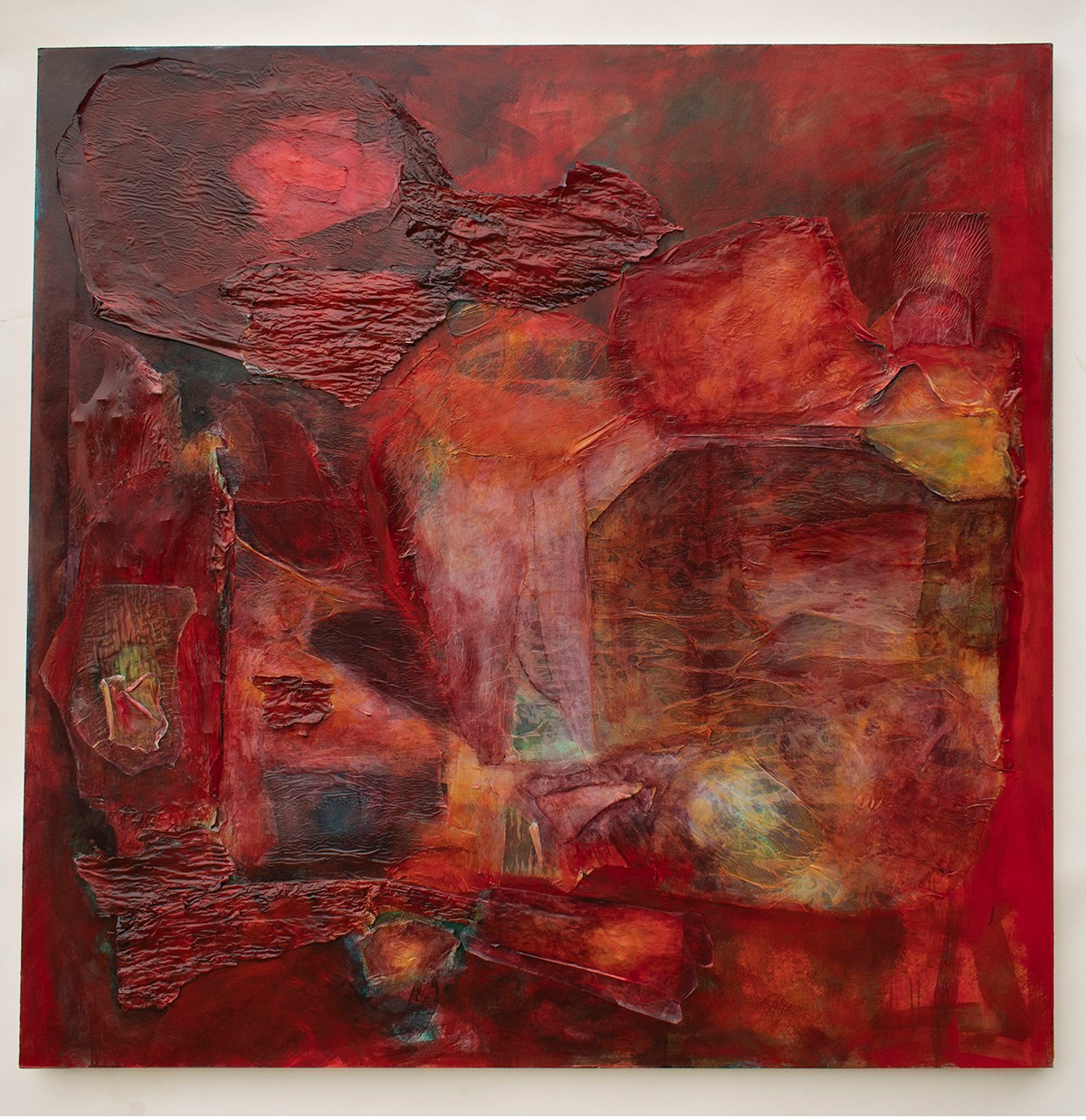
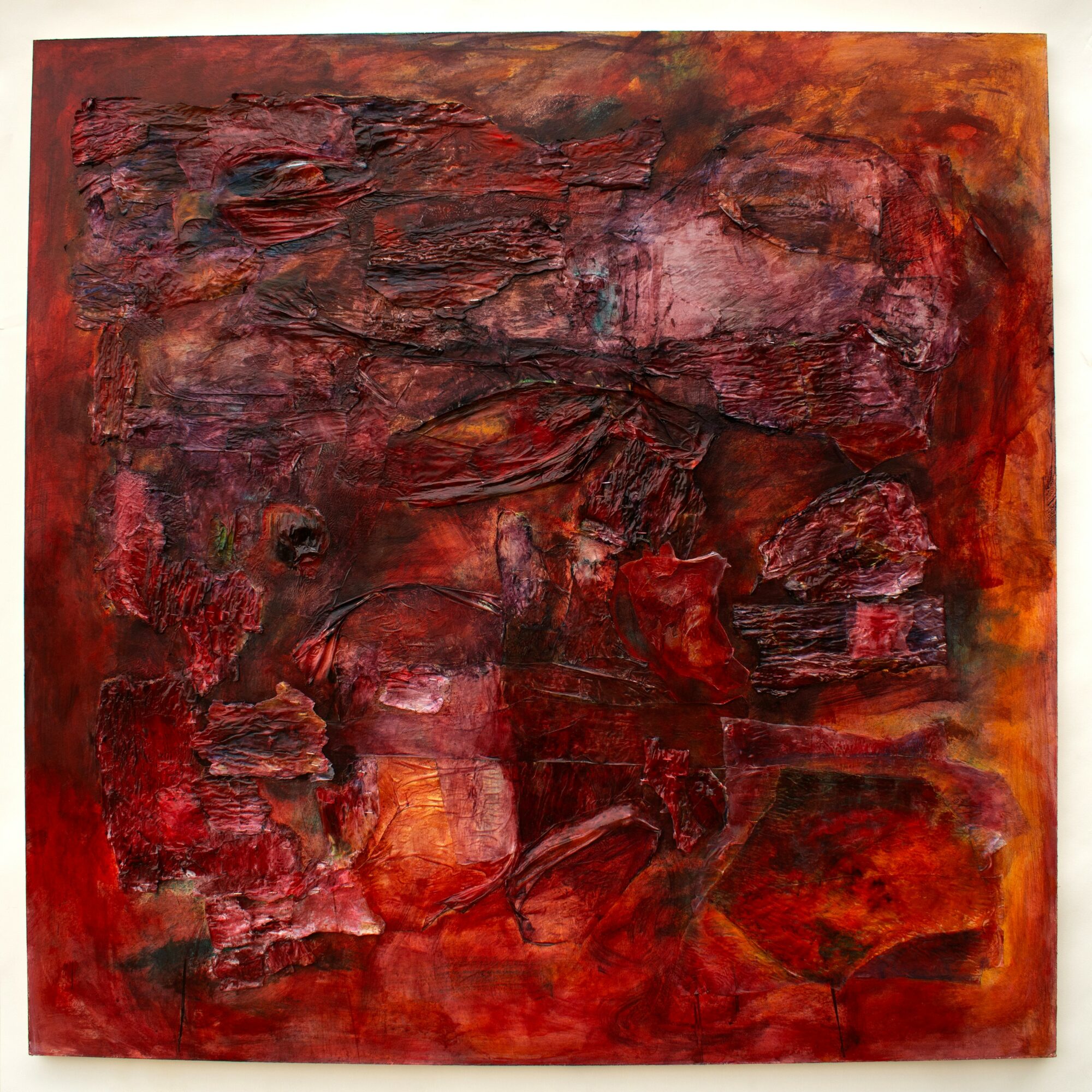
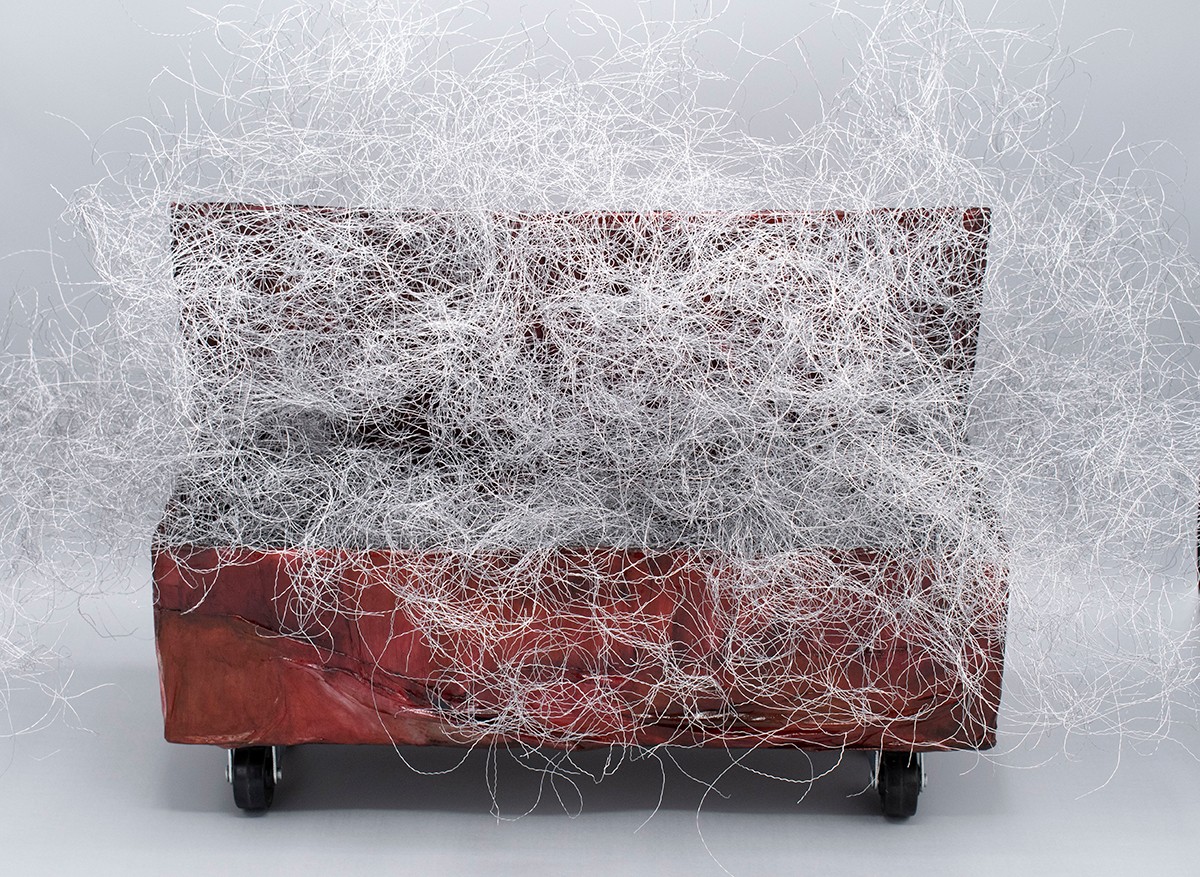
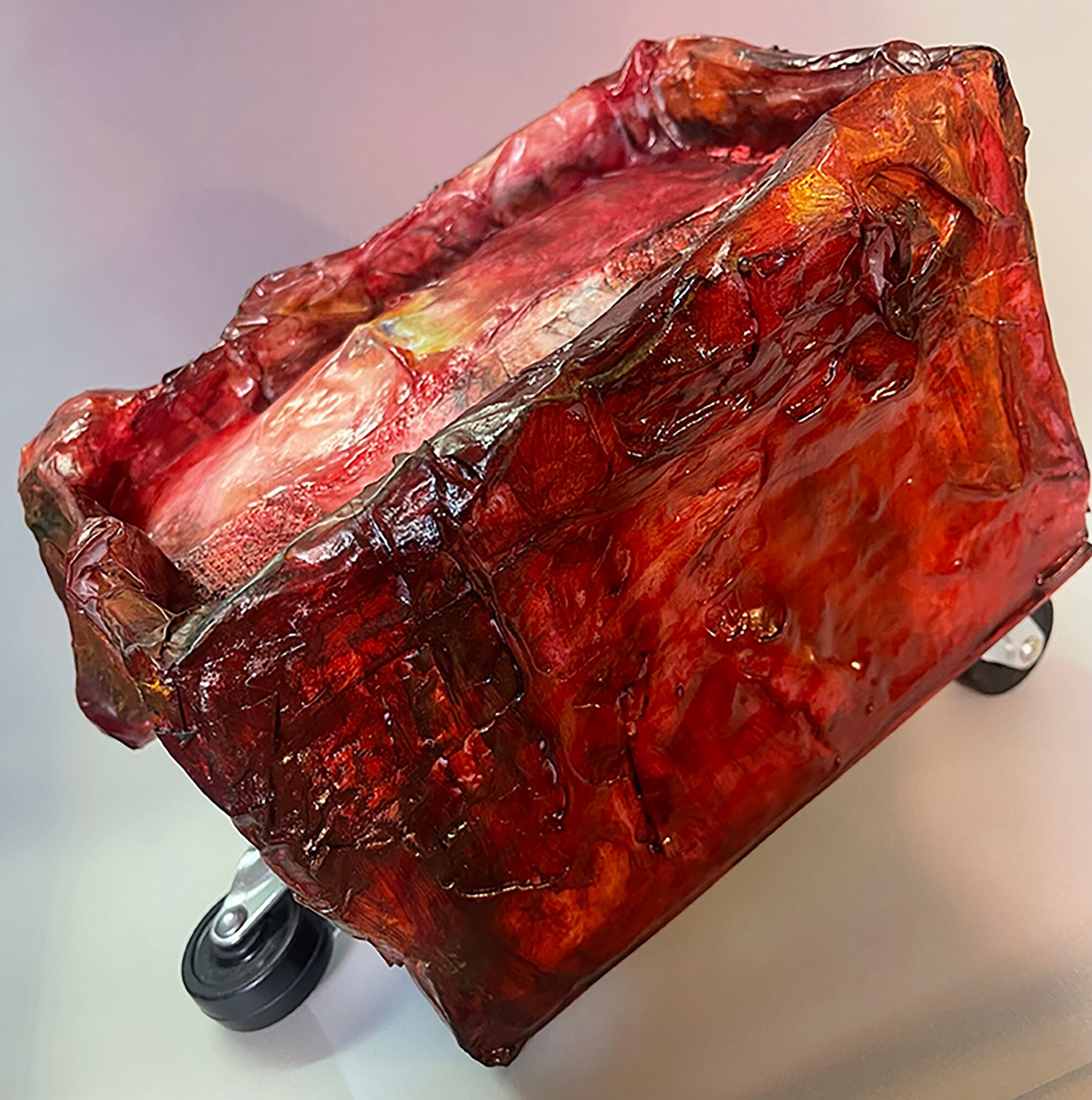
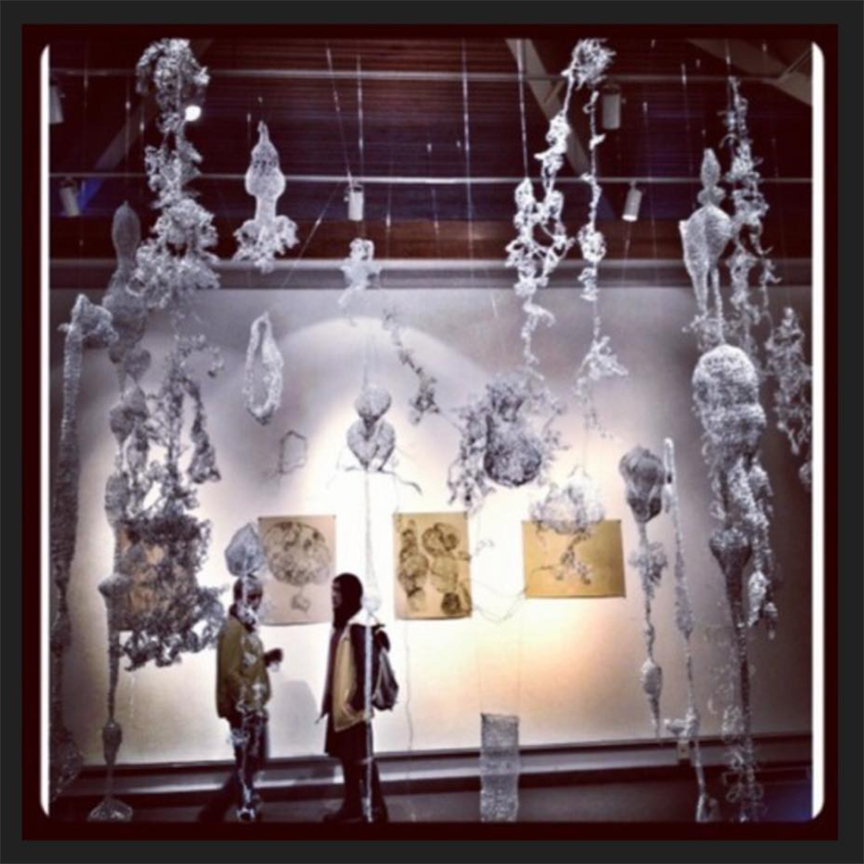
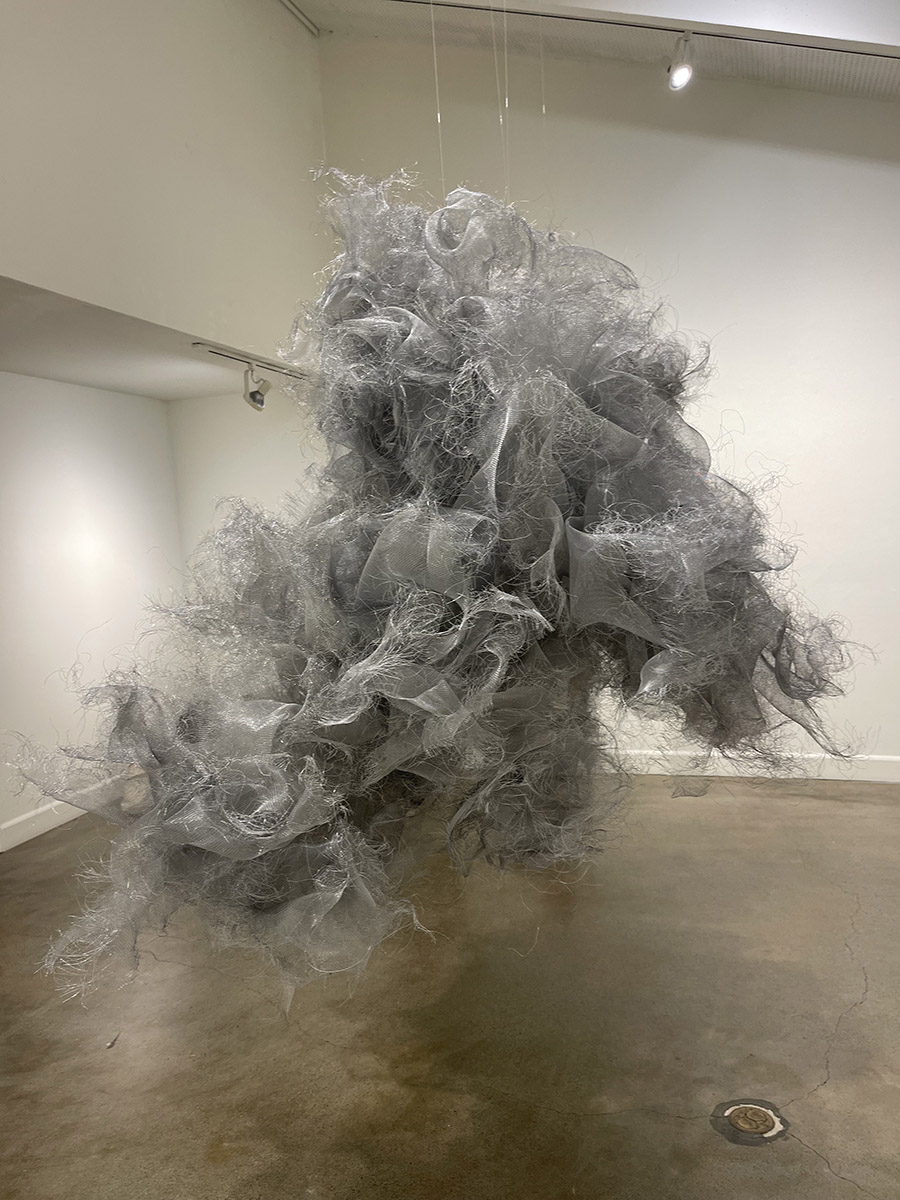
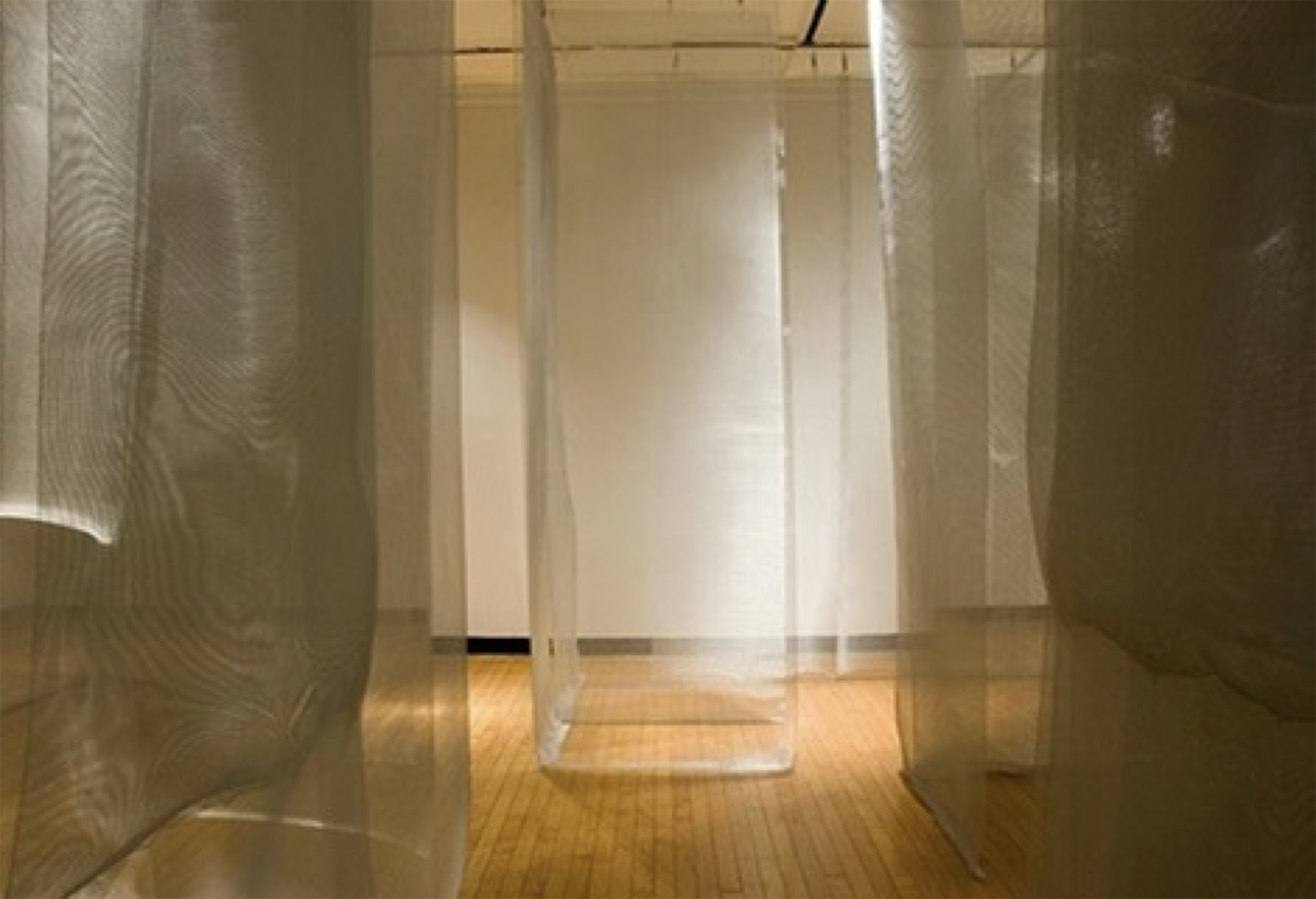
Image Credits
Renée Azenaro
Popular
-

Que Johnson on Building Brands That Last: From Visibility to True Market Authority
-

Christina Wren Steps Into the Director’s Chair to Tell Stories That Feel Like Home
-

Portraits of the Valley
-

LA’s Most Inspiring Stories
-

JordanL on ‘Breathe,’ Belief, and Building a Movement Beyond the Music
-
Megan Birney Rudert on How Access to Light Is Powering a More Sustainable and Equitable Future


