




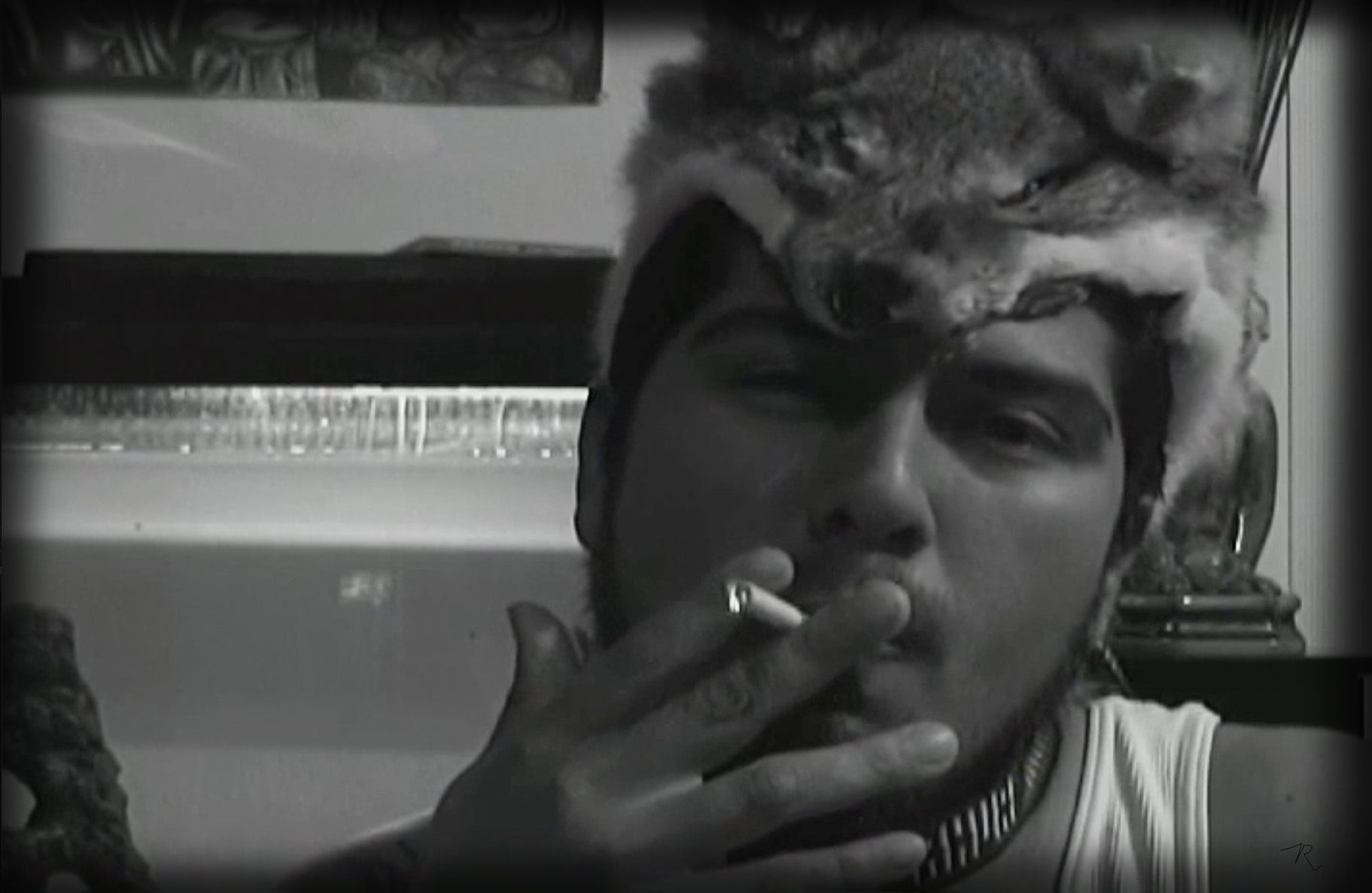
Today we’d like to introduce you to Raul Baltazar.
Hi Raul, we’d love for you to start by introducing yourself.
Meet Raul Baltazar
Thanks for having me, VoyageLA. I’m a Chicano artist with a transdisciplinary practice, born and raised in El Sereno—a working-class Mexican neighborhood just five miles from downtown Los Angeles.
I’ve always had a sharp sense of humor and a questioning mind. As a kid at All Saints Catholic School, I drew over my religious and history textbooks, using irony to challenge authority and tradition. I’d share these drawings with classmates, especially the most devout. That early irreverence still shapes my art today.
In high school at Cathedral, I got involved in Northeast L.A.’s backyard party scene. This underground world of DIY disco, punk, new wave, and Chicano style became my introduction to organizing. I helped throw parties, made flyers, and connected with party crews like The Senators, The Vigils, Teddy Boyz, Boys from Brazil, and Stigmata Martyrs. These crews were part rebellion, part fantasy, and taught me how performance and space could become cultural acts. But the scene grew chaotic and violent, and I needed a way out.
After briefly studying art at Pasadena City College, I joined the U.S. Navy to leave L.A. and start fresh. I served aboard the USS DURHAM (LKA-114) and became the ship’s unofficial artist—designing tattoos, envelopes, and satirical drawings of military life, especially in the Philippines. I was inspired by artists like Troluesse Letric, whose work critiqued systems with humor and edge.
After my tour, I rented a studio in downtown San Diego. At night, I painted and connected with Chicano muralists like Mario Torero and El Queso. I had my first art exhibition at a small café called the Gaus Haus.
In 1993, I returned to L.A. and lived with my friend Zack de la Rocha (Rage Against the Machine). We helped organize Thursday night gatherings at Regeneración, a warehouse art space in Highland Park focused on activism and solidarity with movements like the Zapatistas. Over time, I began questioning the way art was being used as political signage and felt the need to explore a more personal, spiritual direction. That realization eventually led me to step away from the “artivist” scene.
I moved to Oakland to continue my education, follow my partner, and engage more deeply in ceremony. I joined the Peace and Dignity Journeys in 1996, 2000, and 2018—spiritual runs across the continent led by Indigenous communities. We carried sacred staffs thousands of miles, ending each run in a shared four-day ceremony. These experiences transformed how I saw ritual, movement, and performance.
Back in L.A., I worked with youth through various nonprofits, teaching art to at-risk and incarcerated youth, including in juvenile halls like Sylmar where kids are doing over 100 year old stints . I continued painting and developing my studio practice. Later, I moved to New York to expand my art career. But when my father had a near death experience, I left to care for him in Mexico City. That time strengthened our relationship and deepened my connection to Mexican culture and history.
With his support, I returned to Los Angeles to finish my education. I earned a BFA in Sculpture and New Genres and an MFA in Fine Art Public Practice from Otis College of Art and Design.
Over the past 20 years, I’ve taught at institutions including Otis, UCLA, Cal Arts, and Chapman University. I’ve also created public art and murals with incarcerated youth. Projects like 7 Pillars of Virtue and One Hand Washes the Other are examples of how collaborative art can be a tool for reflection and healing.
Tochtli 7: Art, Spirit, and Levity
One of my most important performance characters is Tochtli 7, (the Aztec Bunny). It started when Self Help Graphics invited me to perform at a celebration for the Aztec Year of the Rabbit. I created a handmade mask and wore a suit sewn by Roxanne Arana’s grandmother. The character blends Indigenous tradition, humor, and the spirit of the trickster—a coyote dressed as a rabbit.
Tochtli 7 was inspired in part by Crazy Bull (Chief Phil Aaron Cummins), a sacred clown and Hayocoatl medicine man I saw dance at a Sun Dance in Big Mountain, Arizona. His presence and resilience stayed with me. While I don’t claim to be a medicine man, I see Tochtli 7 as a channel for ritual, absurdity, and critique. Through this character, I process themes like colonial trauma, climate collapse, and survival—using satire and performance as a form of prayer.
Tochtli 7 has appeared in public art actions like The Bunny Bar (CicLAvia), My Body My Blood, 4 day performance in Mexico, and Conejo vs. The Hare (L.A. Marathon). The character was central to my 2024 solo exhibition WELCOME TO THE BUNNYHOUSEat the Guggenheim Gallery at Chapman University, which explored Mesoamerican cosmology, mythology, and sacred satire.
Exhibitions and Practice
My work has been shown internationally and is part of the permanent collections at LACMA and AltaMed. Some key exhibitions include:
• WELCOME TO THE BUNNYHOUSE (2024), Guggenheim Gallery, Chapman University
• Seeing Chicanx (2024), Monterey Museum of Art
• Dirty Realism: Otra Noche en L.A. (2023), VETA by Fer Frances, Madrid
• Sisyphus Ver.20.18 (2018), National Taiwan Museum of Fine Arts
• Regeneración: Three Generations of Revolutionary Ideology (2018), Vincent Price Art Museum
• A Universal History of Infamy (2018), LACMA / Getty’s PST: LA/LA
• A Decolonial Atlas (2017–2019), Cairo, Puerto Vallarta, Boston, and Tufts University
Currently, I’m focusing on painting and two new storytelling video projects: Half Man Half Monster and Love Under Lust.
For me, art is how we remember, how we resist, and how we heal. Whether it’s in a detention center, a street procession, or a gallery, I see art as ceremony—a ritual for transformation, connection, and joy.
Would you say it’s been a smooth road, and if not what are some of the biggest challenges you’ve faced along the way?
As an artist, one of the most persistent struggles I face is not fitting neatly into any existing category. My work doesn’t comfortably sit within traditional Chicano or Latinx art spaces, nor is it always embraced by the mainstream contemporary fine art world. Even with academic credentials and a long exhibition history, I often feel like I’m the obscure of the obscure—too fluid, too layered, too hard to pin down.
There’s this ongoing pressure to be “more” of something—more Chicano, more queer, more feminist, more urban, more politically explicit, or more technically realistic. But my practice resists those labels. It lives in the tension between identities and disciplines. That ambiguity isn’t a weakness—it’s part of the medicine. My work draws from Coyote culture, the trickster traditions that exist across Indigenous cosmologies. Coyote is a shapeshifter, a disruptor, a sacred clown. Coyote teaches through contradiction, mischief, and reversal—and that’s the space where my art lives.
I make work that is ceremonial, humorous, ritualistic, and resistant. It doesn’t always translate into something easily packaged or marketable, but it’s honest. It’s a reflection of a lived, layered experience—a Chicano spirit navigating colonial aftershocks, personal mythologies, and a constantly shifting world. Coyote doesn’t ask permission to belong—Coyote creates new paths.
Can you tell our readers more about what you do and what you think sets you apart from others?
I’m a Chicano artist working across disciplines—painting, performance, video, sculpture, public art, and ritual-based storytelling. My work draws from Mesoamerican cosmology, Chicano visual culture, and Indigenous ceremonial practices, often filtered through humor, satire, and a deep sense of the sacred. I create characters like Tochtli 7, the Aztec Bunny—a trickster spirit who appears in my performances, installations, and exhibitions. Through these figures and narratives, I explore themes of identity, spiritual resilience, colonization, survival, and the contradictions we live with.
I specialize in work that lives between worlds. My projects often take place outside traditional gallery spaces—on streets, at ceremonies, in juvenile halls, or in community-based gatherings. I’ve painted murals with incarcerated youth, created large-scale performances in parks and marathons, and built sculptural installations that double as ritual offerings. At the heart of it all is a commitment to Coyote culture—the shapeshifting, humorous, sacred-clown energy that refuses to be pinned down.
What I’m most proud of is that I’ve stayed true to my path. I’ve taught for over two decades, worked with youth, cared for elders, and kept creating—even when I felt unseen by institutions or out of step with trends. My solo exhibition WELCOME TO THE BUNNYHOUSE (2024, Guggenheim Gallery) was a recent milestone—it brought together years of performance, painting, and spiritual inquiry into a deeply personal mythos. I’m also proud that my work is in the permanent collections of places like LACMA and AltaMed, and that I’ve shown internationally—from Madrid to Taiwan to Culiacán.
What sets me apart is that I don’t make work for the market—I make it for spirit, for community, for survival. My practice is both grounded and cosmic, ceremonial and absurd. I’m not chasing categories. I’m working within Coyote culture.
Can you tell us more about what you were like growing up?
After high school and a short time at Pasadena City College, I joined the U.S. Navy. At the time, I needed to get out of L.A.—the street violence around me was escalating, and I felt trapped. I also believed that to be a real artist, I had to live an extraordinary life. I wanted to gather experiences, see the world, and draw the kinds of bar scenes and street life that artists like Toulouse-Lautrec had captured—only mine would reflect the gritty reality of the military and post-colonial ports.
Another part of me wanted to see if I could make it through boot camp without losing my individuality. I wondered if I could survive a system designed to break people down and still hold onto my creativity, my sense of humor, my rebellious edge. I ended up becoming the ship’s unofficial artist—drawing tattoos, customizing envelopes, and sketching the contradictions of military life, especially in places like Subic Bay. Those early drawings were raw but honest, and they laid the foundation for the kind of observational, critical, and deeply human work I still create today.
Pricing:
- 100,000. public projects
- 30,00. 00 paintings
Contact Info:
- Website: https://www.raulbaltazar.com
- Instagram: https://www.instagram.com/mr.raulbaltazar/
- Youtube: https://www.youtube.com/@Raul.Baltazar
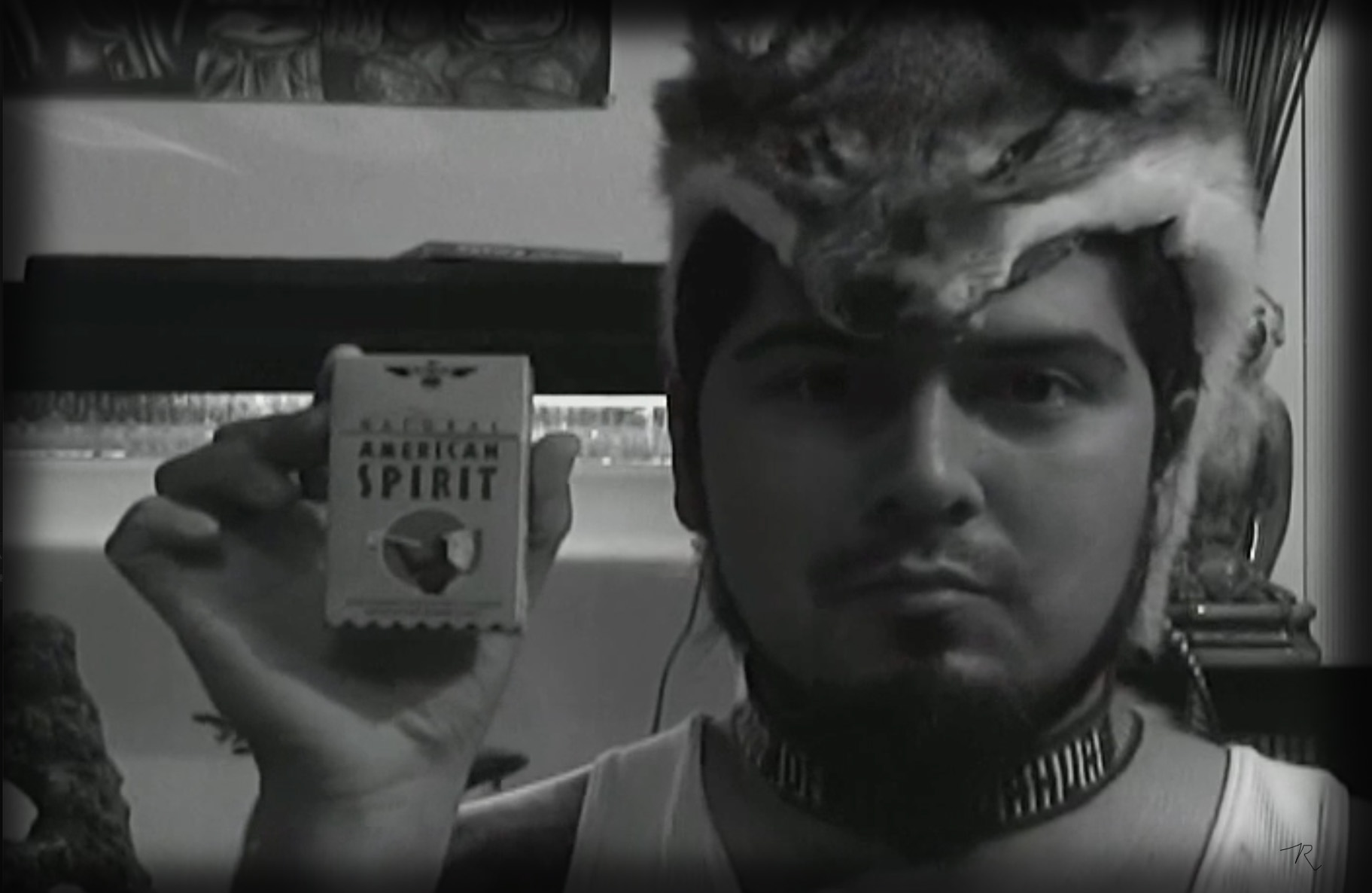
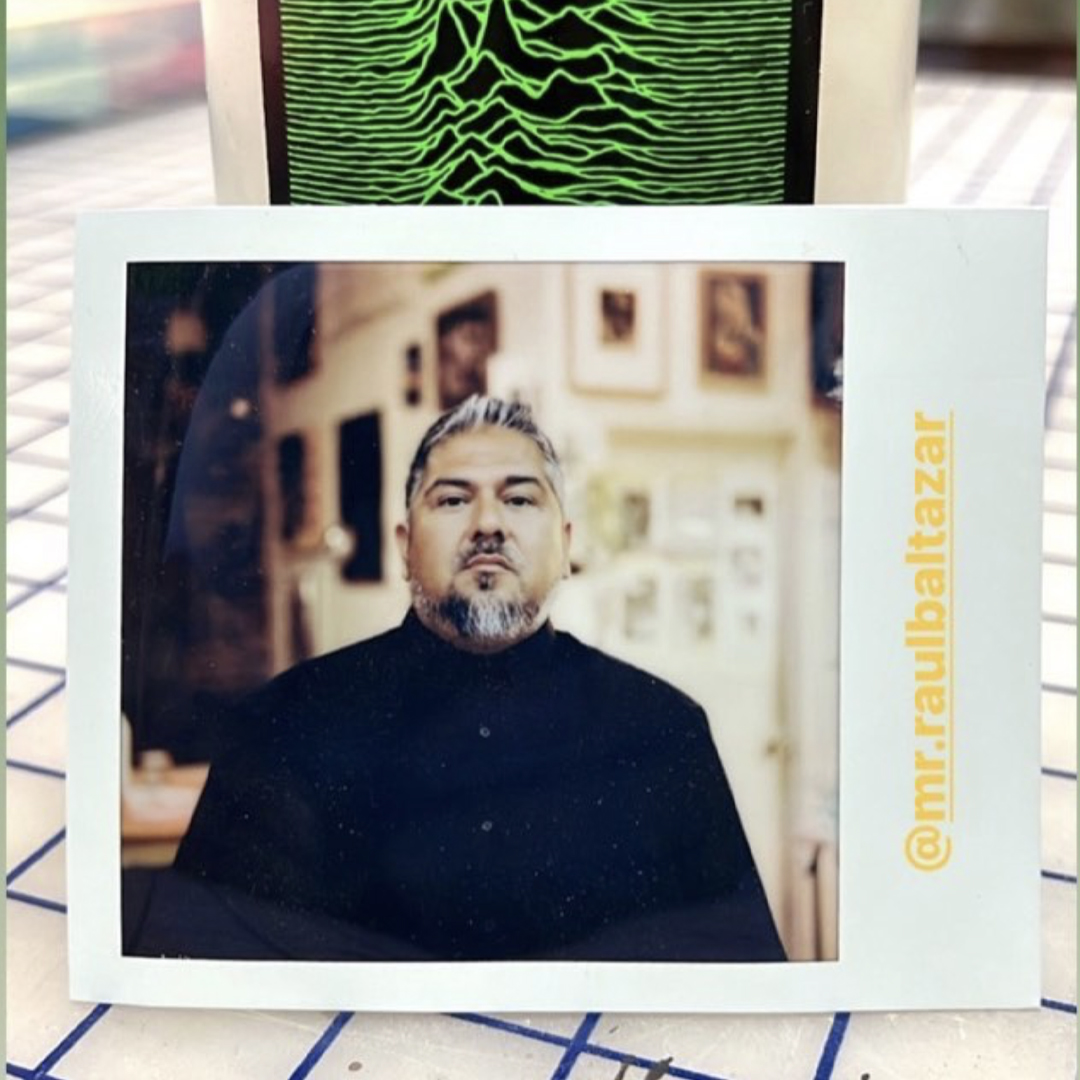
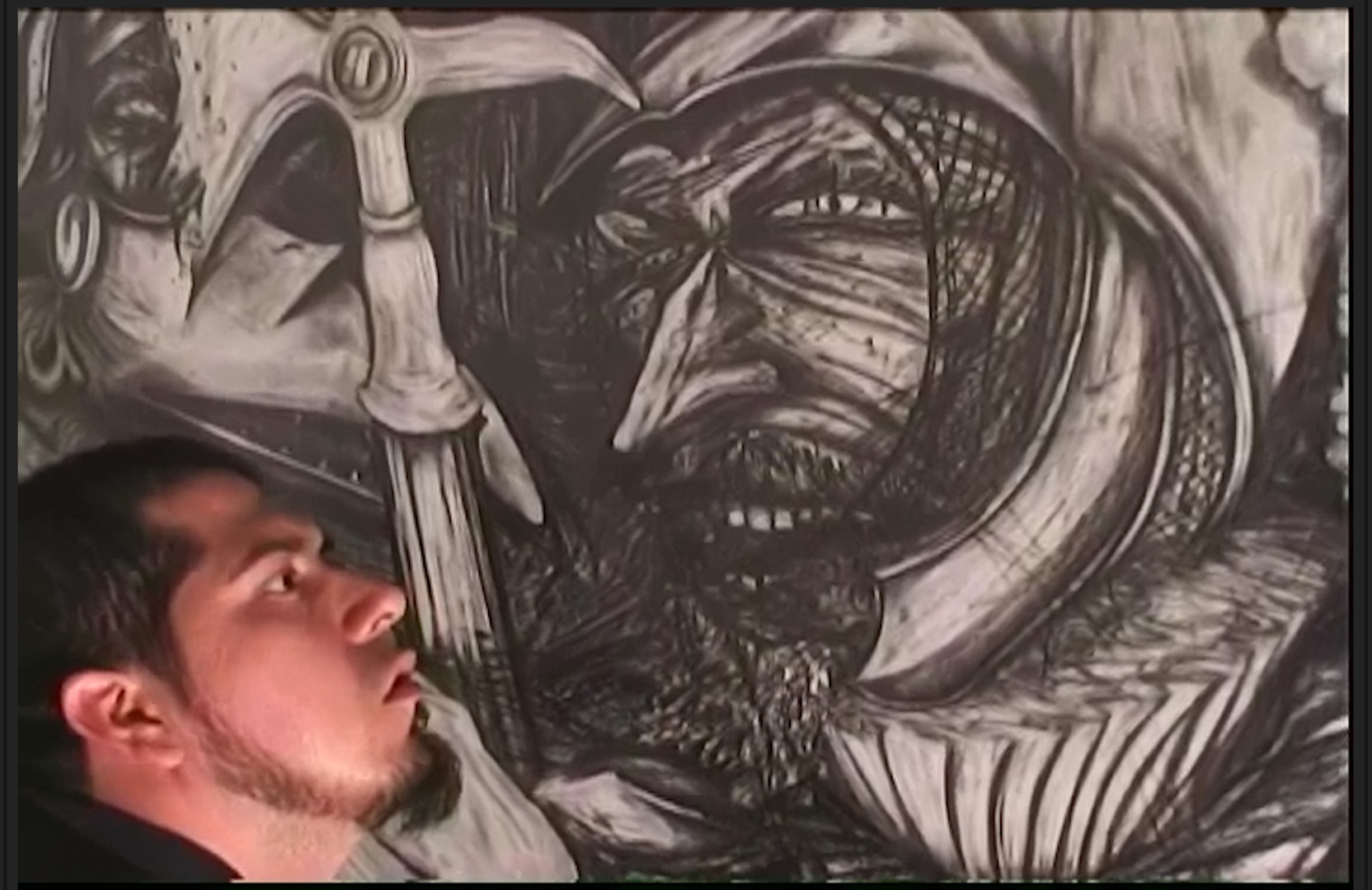
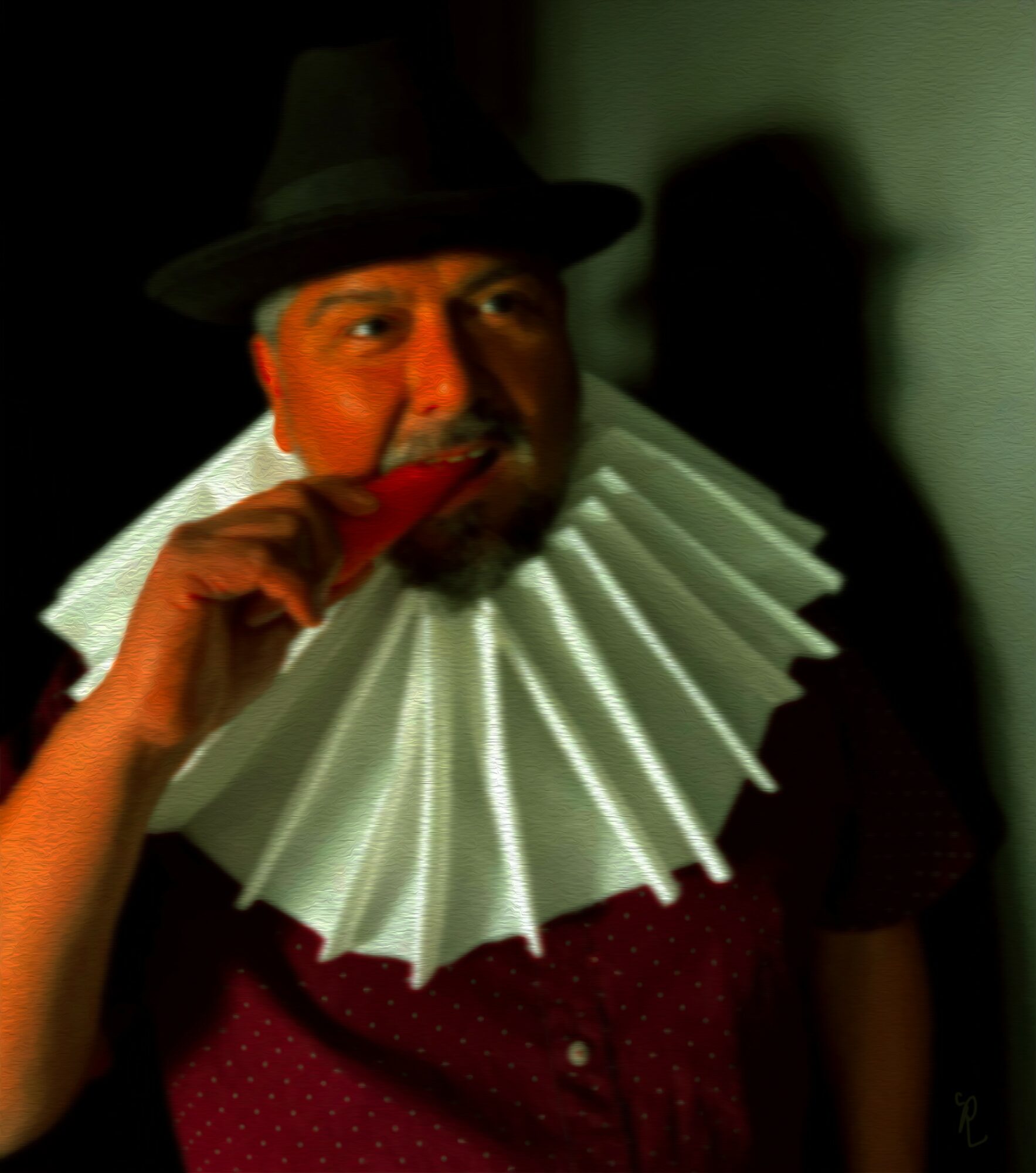
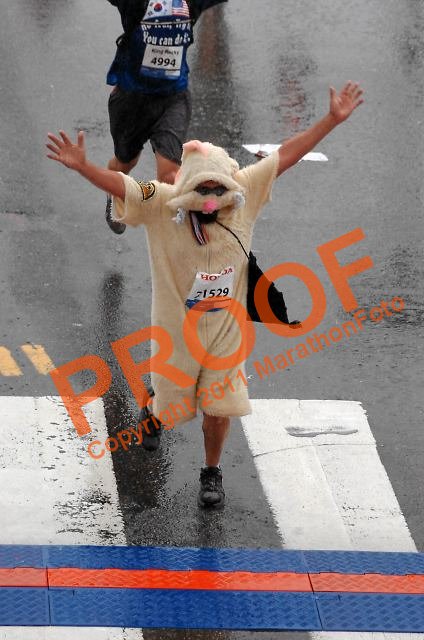
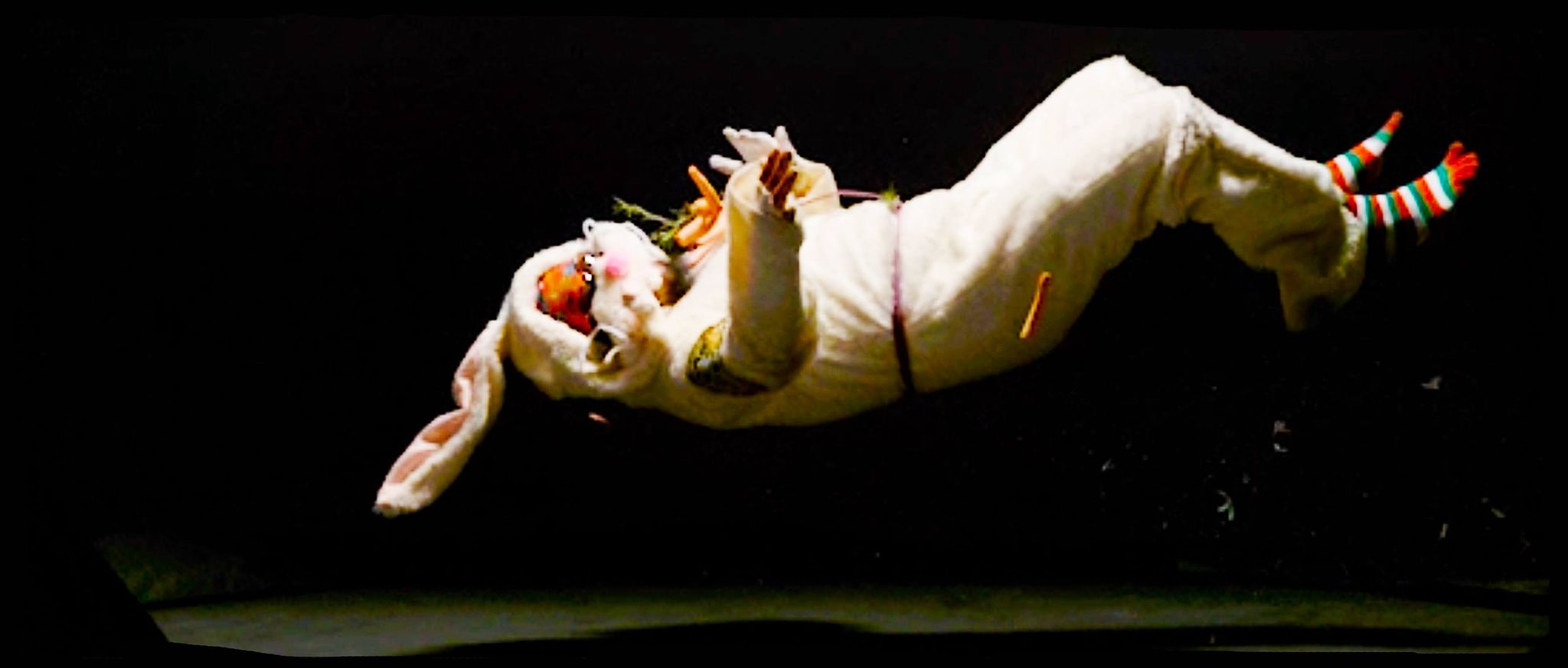
Image Credits
Jaime Munoz, Gzr, El Phantom
Popular
-

Portraits of the Valley
-

LA’s Most Inspiring Stories
-

JordanL on ‘Breathe,’ Belief, and Building a Movement Beyond the Music
-

Megan Birney Rudert on How Access to Light Is Powering a More Sustainable and Equitable Future
-

Linda Kneidinger on Building Lasting Change Through Small Steps and Self-Compassion
-

Jolana Nika on Redefining Modern Connection Through Intentional, Real-Life Experiences


