




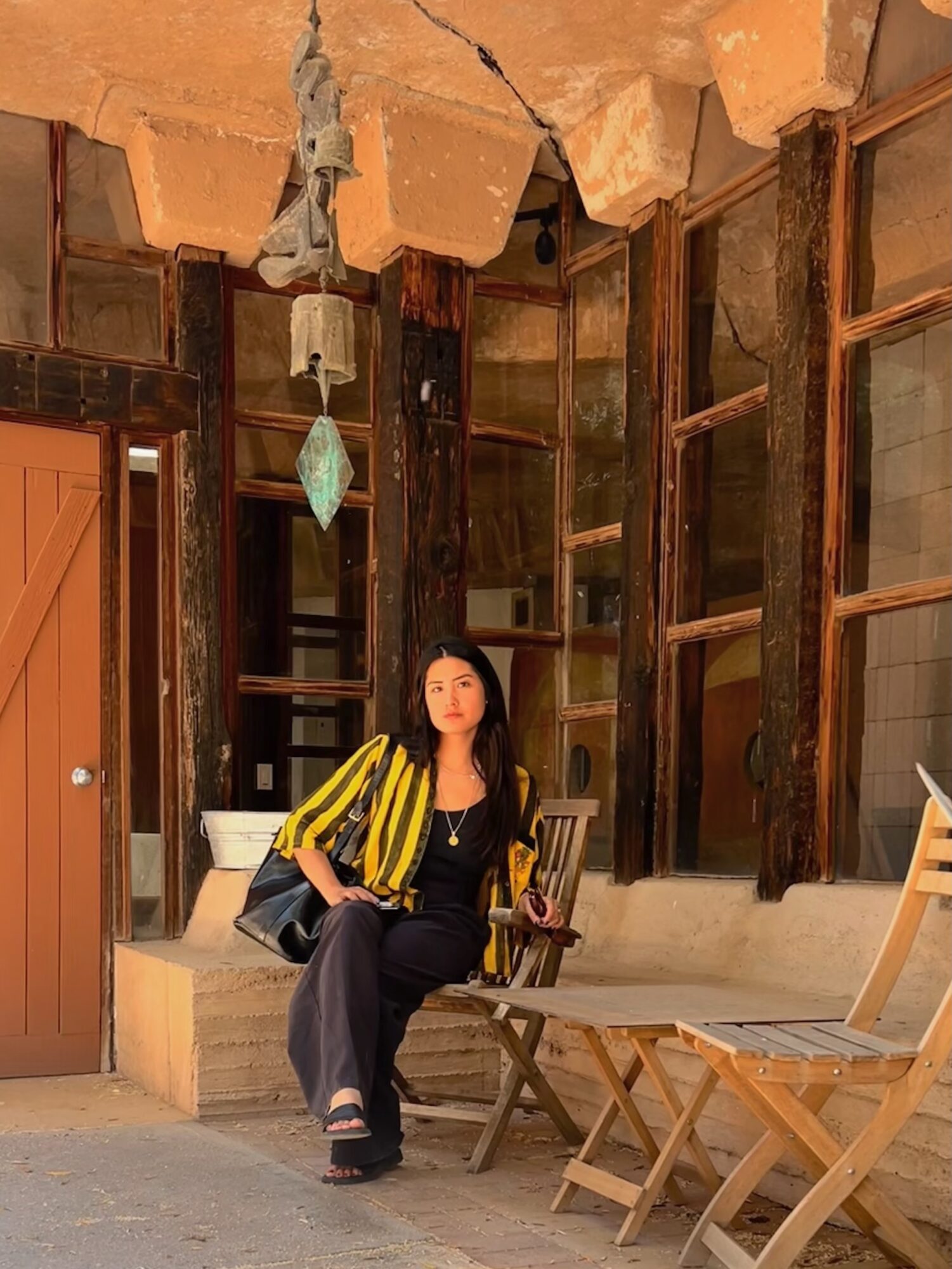
Today we’d like to introduce you to RANDI ROBINS.
Hi RANDI, so excited to have you on the platform. So before we get into questions about your work-life, maybe you can bring our readers up to speed on your story and how you got to where you are today?
My name is Randi Robins. I am a furniture and lighting fixture designer with a background in architecture and interiors.
My parents named me Randi, half-joking and half-hoping I’d be a boy. My sister and I were raised as tomboys; while other girls took dance or gymnastics, we were enrolled in tae kwon do. Summer, winter, and spring breaks were spent shadowing my dad’s multi-hyphenate approach to life as an LA handyman, landlord, and classic-car-restorer. We took as many trips to the lumber yard, hardware store, or upholsterer as we did to our family vacation home in Big Bear.
My parents’ DIY approach to the American Dream meant that instead of vacationing at our vacation home, we spent our holidays gutting and rebuilding it. The sawdust, concrete mixers, and roar of power tools became a comfort zone. These early memories provided foundational knowledge of tools, dry wall installation, window glazing, paint finishes, etc., making architecture and interior design an obvious career choice.
To this day, installations, site visits, and shop visits are still the phase of every project I look forward to the most. I have always been drawn to and fascinated by the process of making and improving spaces.
Can you talk to us a bit about the challenges and lessons you’ve learned along the way. Looking back would you say it’s been easy or smooth in retrospect?
Leading as a woman in traditionally male-dominated spaces, especially at external construction sites or metal shops, can be a regular challenge. I was always lucky to practice under or alongside very smart, very strong willed women but the industry is so steeped in male energy. Architecture and industrial design are unique creative practices because we are typically not the ones who physically produce our own designs. Trust and respect is required from all teammates to deliver final form and finish to spec.
There are also numerous hurdles beyond a designer’s immediate control. On large teams, the vision needs to align not only between design team and client, but also with engineers, financier’s investments, developer’s goals, and city officials’ approvals. Each party has unique priorities and processes that demand constant compromise.
In 2021, I shifted my focus to interiors and product design, a decision influenced by the intricate and often lengthy building process in Los Angeles. I was eager and hungry to see projects go from render to reality more quickly than the typical 5-10 years (a timeline that I felt would be further extended by the pandemic).
Focusing on lighting and furniture is definitely less of a juggling act and personally affords me more time to focus on my process and aesthetics, to ultimately consider more artful ways of living.
Appreciate you sharing that. What else should we know about what you do?
I find it so hard hard to create something new without having a context or reference for it from the past. I love to pull from old ideas, details, and/or materials that lend subtle charm and personality to the final product. For me, style, design, and decoration are about mixing eras in a way that feels unique and playful to the end user (or brand).
I enjoy re-imagining spaces and objects from time past that might feel familiar but right for today. I worked at an architecture firm where we had access to buildings with rich, “historic fabric”. These elements brought texture, character, and a sense of timelessness in ways that are challenging to capture at a large scale.
In my furniture design experience, some of the most successful and popular concepts are those that have been inspired by pieces that are out-of-production, hard to find, or simply ultra rare and increasingly difficult to access in the collectors market.
Can you tell us more about what you were like growing up?
I was so insanely crafty and I was always making something with my hands. Despite being a “corporate girly”, my mom always had crafting, beading, weaving, sewing, knitting, cooking, or baking projects organized to do with or in support of me.
The craft I spent the most time doing was jewelry making from the ages of about 9 through 13. I loved working with wire and gemstones and crystals were always my favorite. I would make my own chains, study findings, and probably had the whole Svarovski catalog memorized! I had a knack for using the pliers and would lay out my gems in a tray to make design changes and come up with colors I liked to see together. I looked forward to going to the annual gem fairs when I could source my own gemstones from a sea of vendors.
When it came time to prom, I reconnected with my crafty side and enrolled in a Saturday class at Art Center College of Design in Pasadena to make an insanely complicated knock off of a black Gucci gown. I fell in love with the campus and the international design community there, eventually earning a B.S. in Industrial Design with a focus on spatial experience and furniture design.
Contact Info:
- Website: https://randirobins.com
- Instagram: https://www.instagram.com/randixrobins
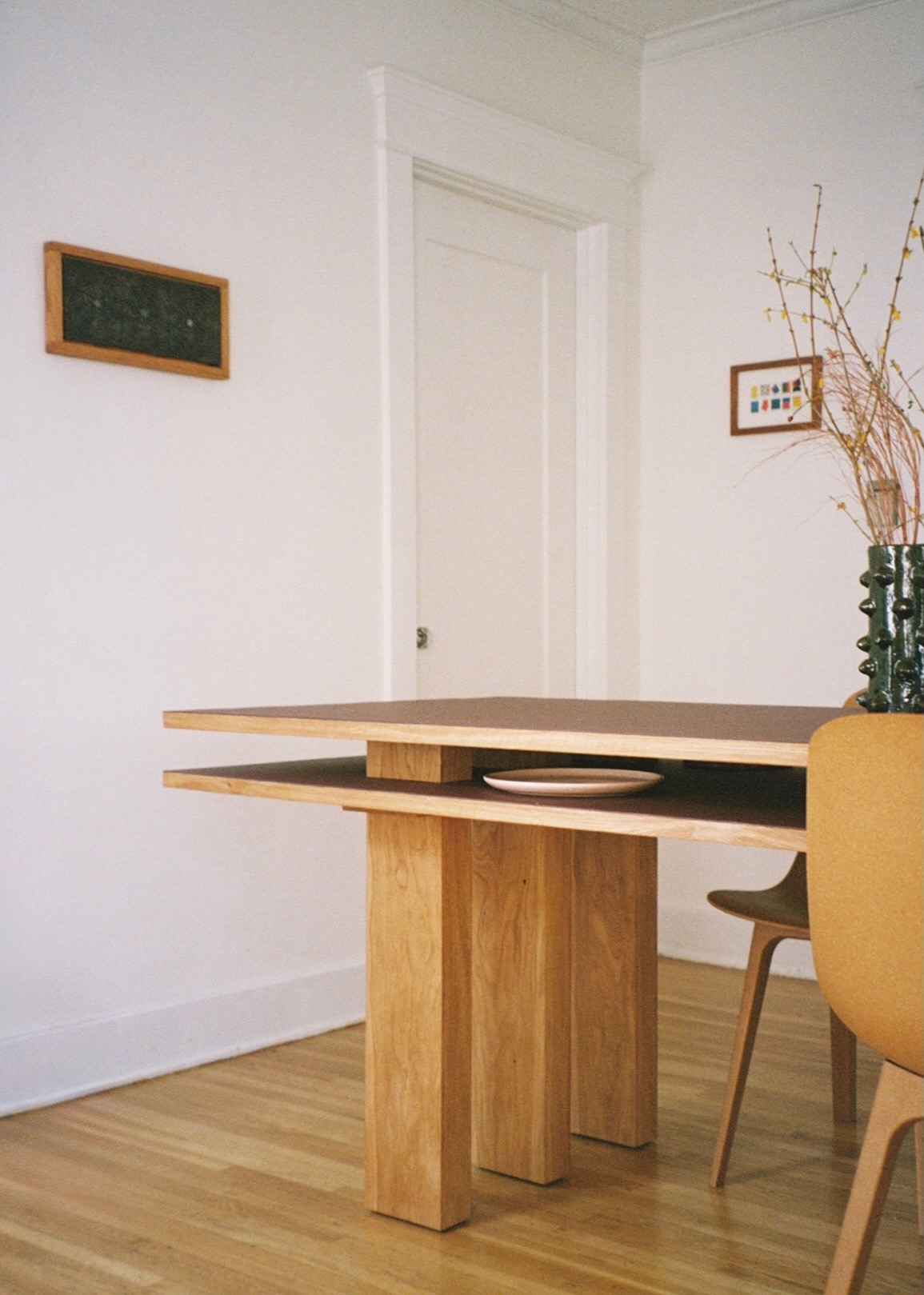
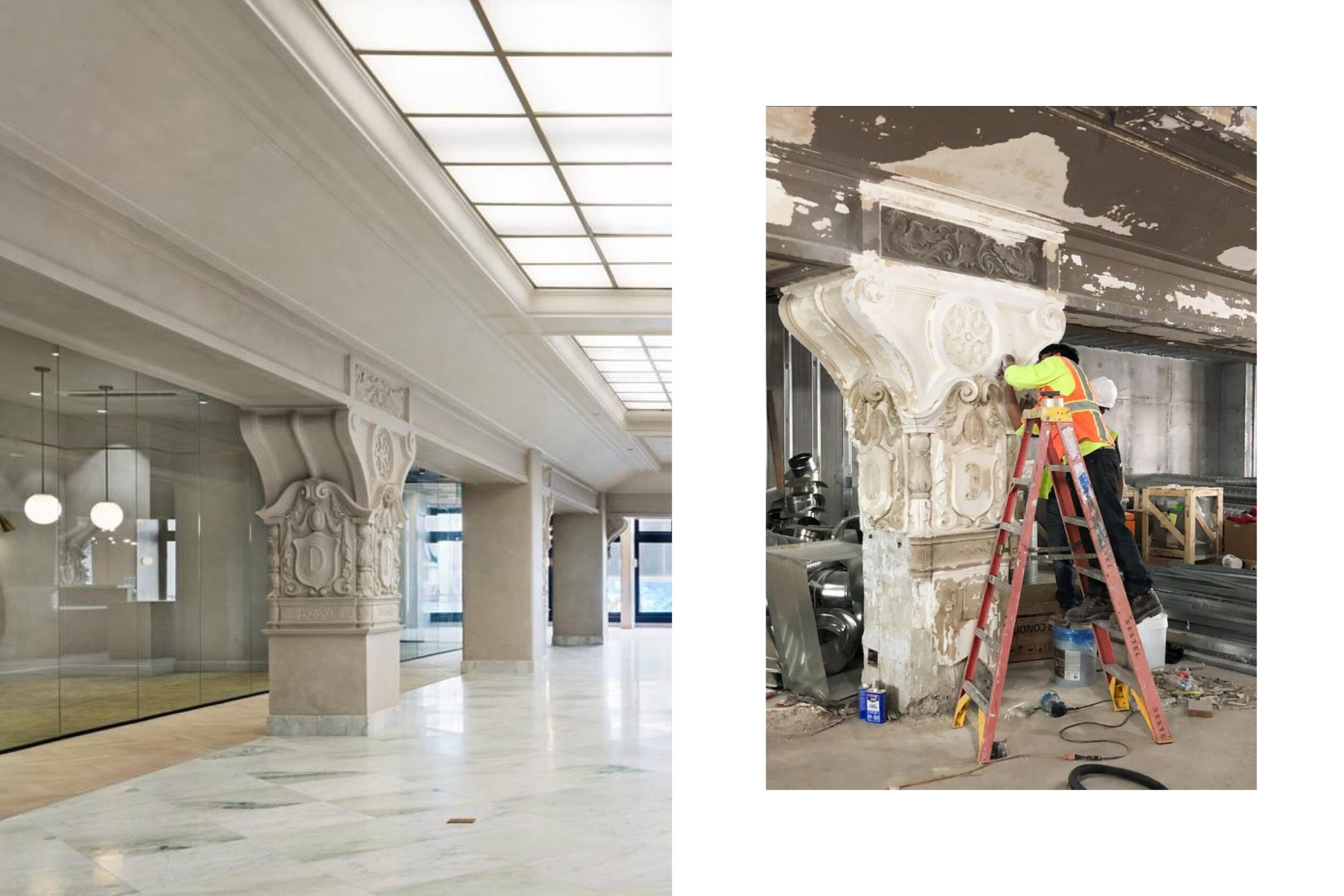
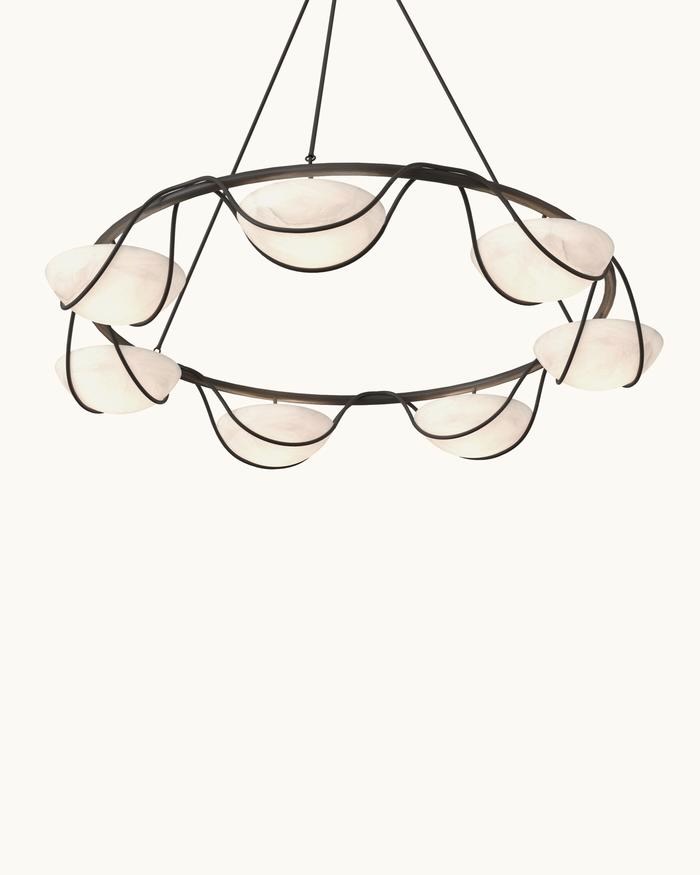
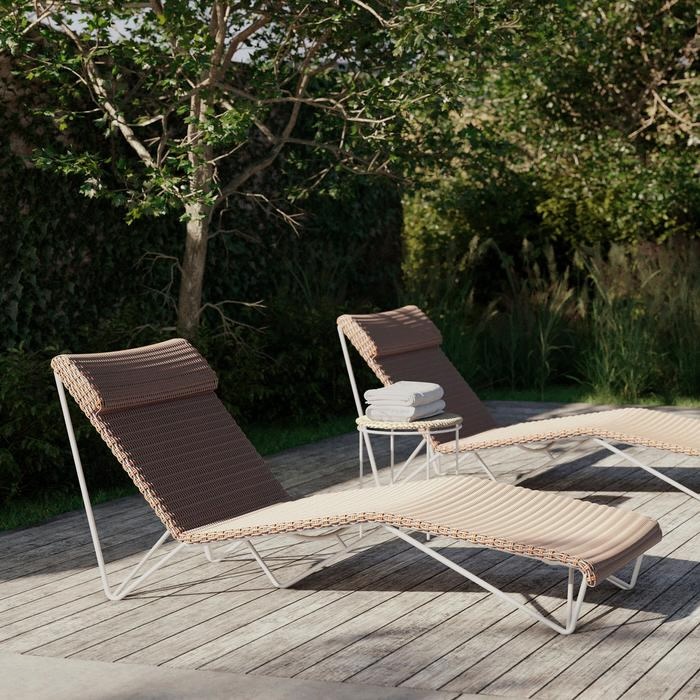
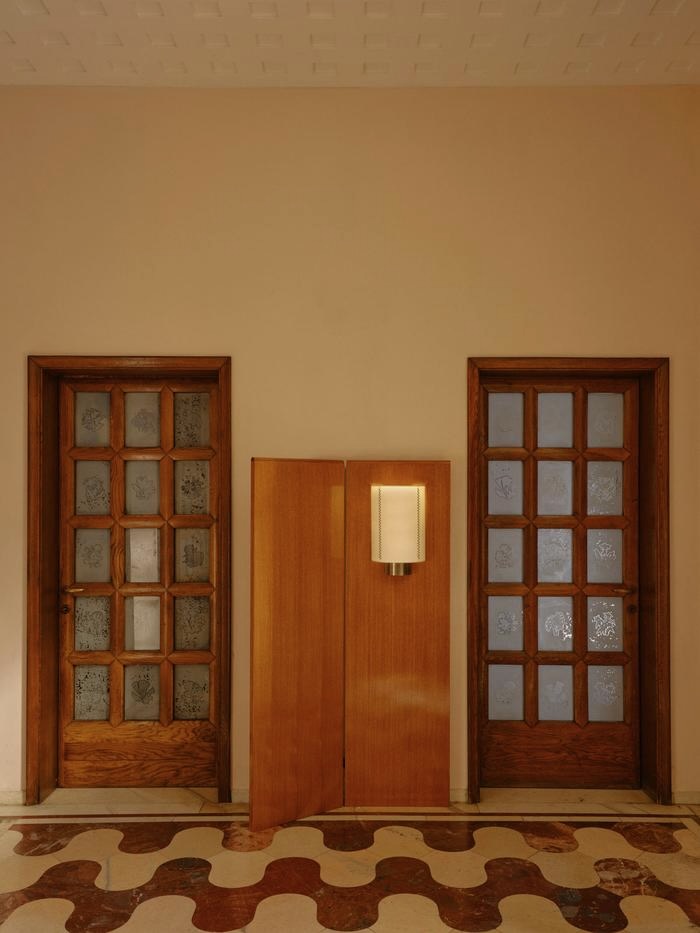
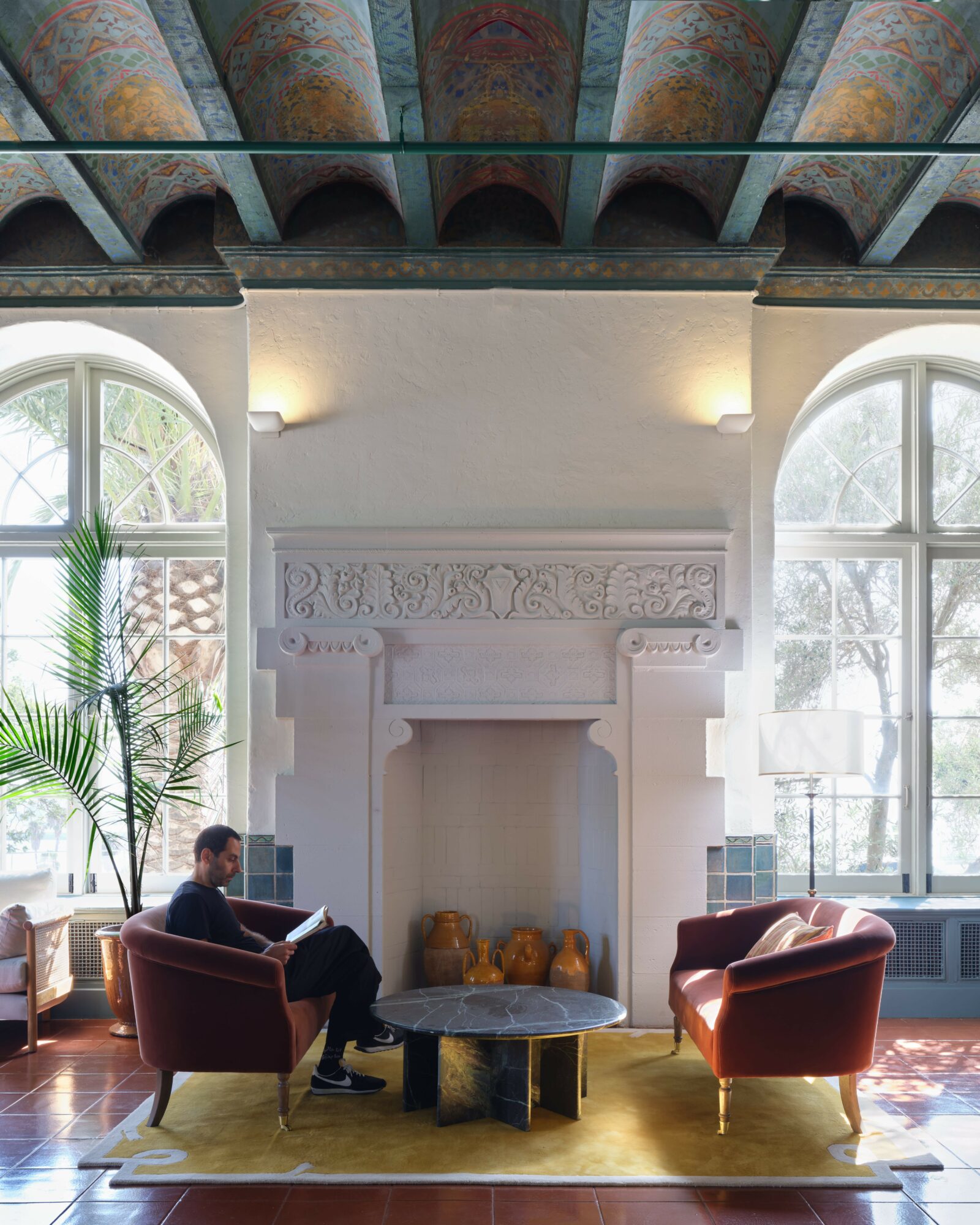
Image Credits
Guilio Ghirardi
Atelier de Troupe
West Elm
Omgivning
Popular
-

Que Johnson on Building Brands That Last: From Visibility to True Market Authority
-

Christina Wren Steps Into the Director’s Chair to Tell Stories That Feel Like Home
-

Portraits of the Valley
-

LA’s Most Inspiring Stories
-

JordanL on ‘Breathe,’ Belief, and Building a Movement Beyond the Music
-

Megan Birney Rudert on How Access to Light Is Powering a More Sustainable and Equitable Future


