




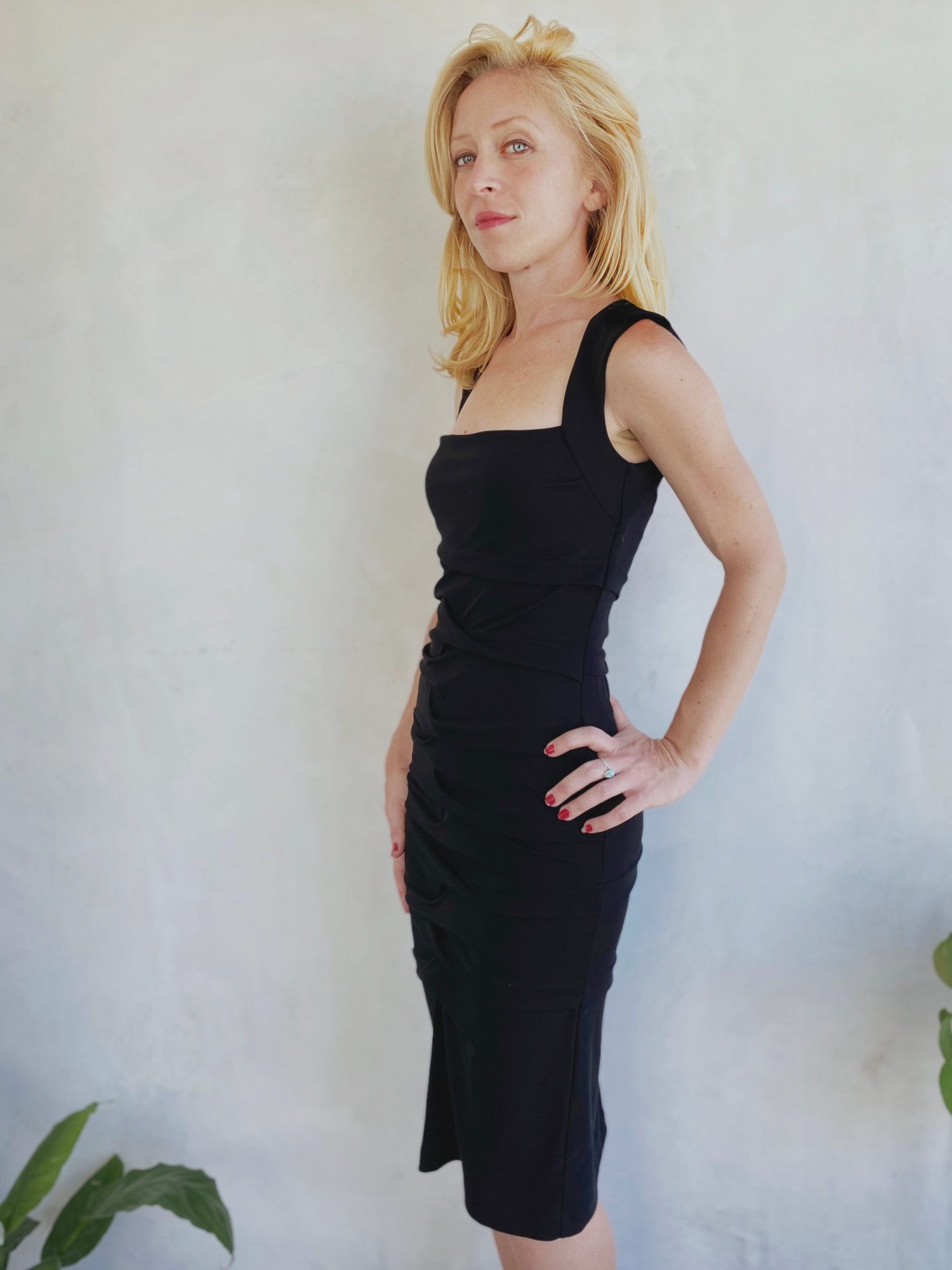
Today we’d like to introduce you to Phelan.
Hi Phelan, it’s an honor to have you on the platform. Thanks for taking the time to share your story with us – to start maybe you can share some of your backstory with our readers?
I’ve been making art for as long as I can remember. Even as a child, I could become completely absorbed in the creative process, spending hours immersed in a project. Making art felt instinctive to me; it was something that energized me and sparked my curiosity.
As a young adult, I knew I wanted to build a life around art. That led me to work in artists’ studios and art galleries, eventually becoming a fine art appraiser, a profession I’ve pursued for nearly two decades alongside my painting practice.
What I find particularly rewarding about these two paths is how deeply they inform one another. As an appraiser, I’ve had the opportunity to study exceptional works of art and museum-quality collections firsthand, developing an intimate understanding of the objects, the artists, and the decisions behind their creation. That kind of close investigation has profoundly shaped the way I think about art.
My professional life and my studio practice are in constant conversation. The knowledge and perspective I gain through my work as an appraiser often find their way into my painting in unexpected ways, continually expanding my curiosity and inspiring new directions in my own work.
We all face challenges, but looking back would you describe it as a relatively smooth road?
It hasn’t always been a smooth road, but it has felt like a natural progression. One experience has tended to lead to another, often opening doors I couldn’t have anticipated. Looking back, I can see how the different stages of my life and career have informed one another, even when the path forward wasn’t entirely clear.
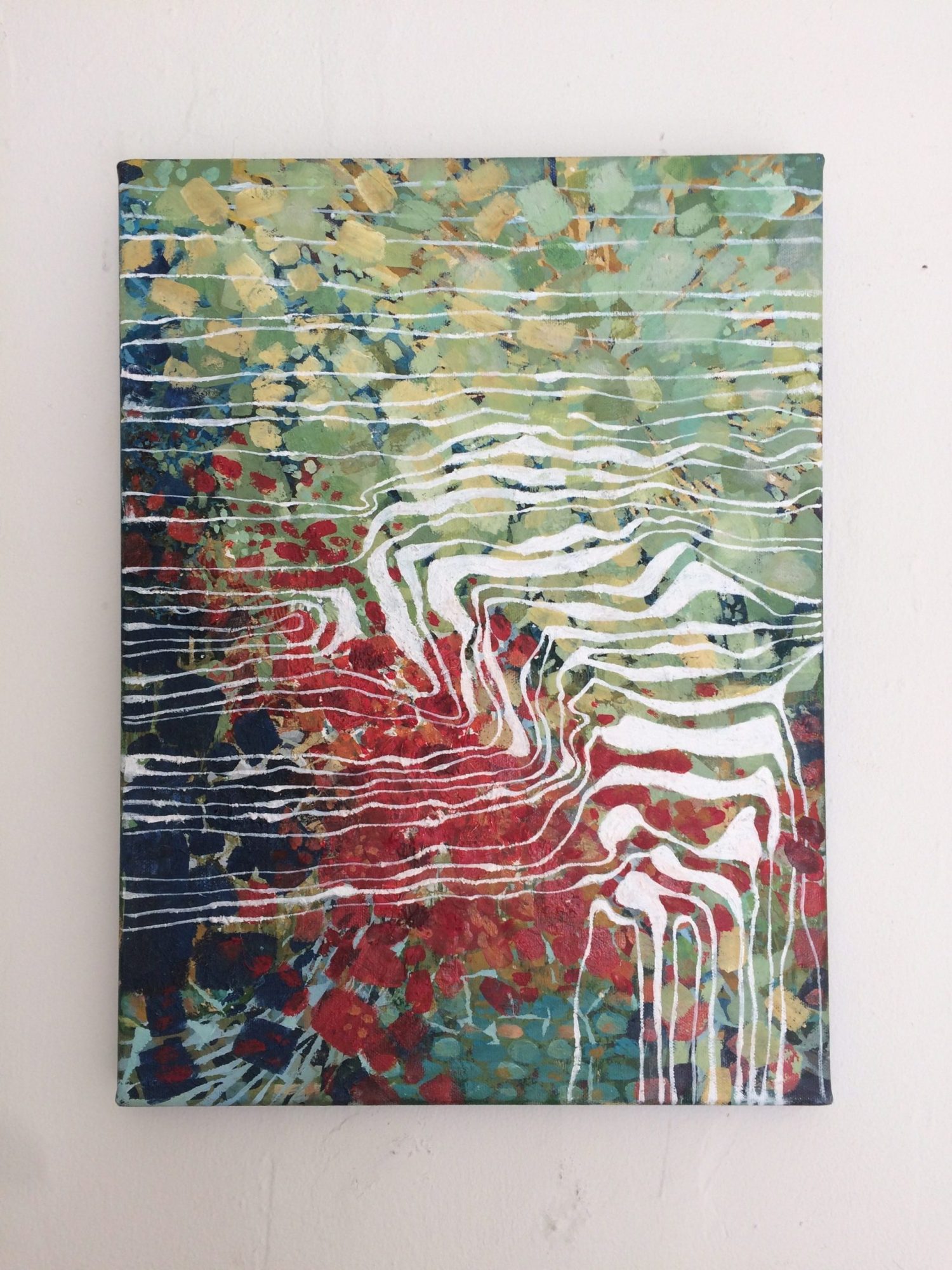
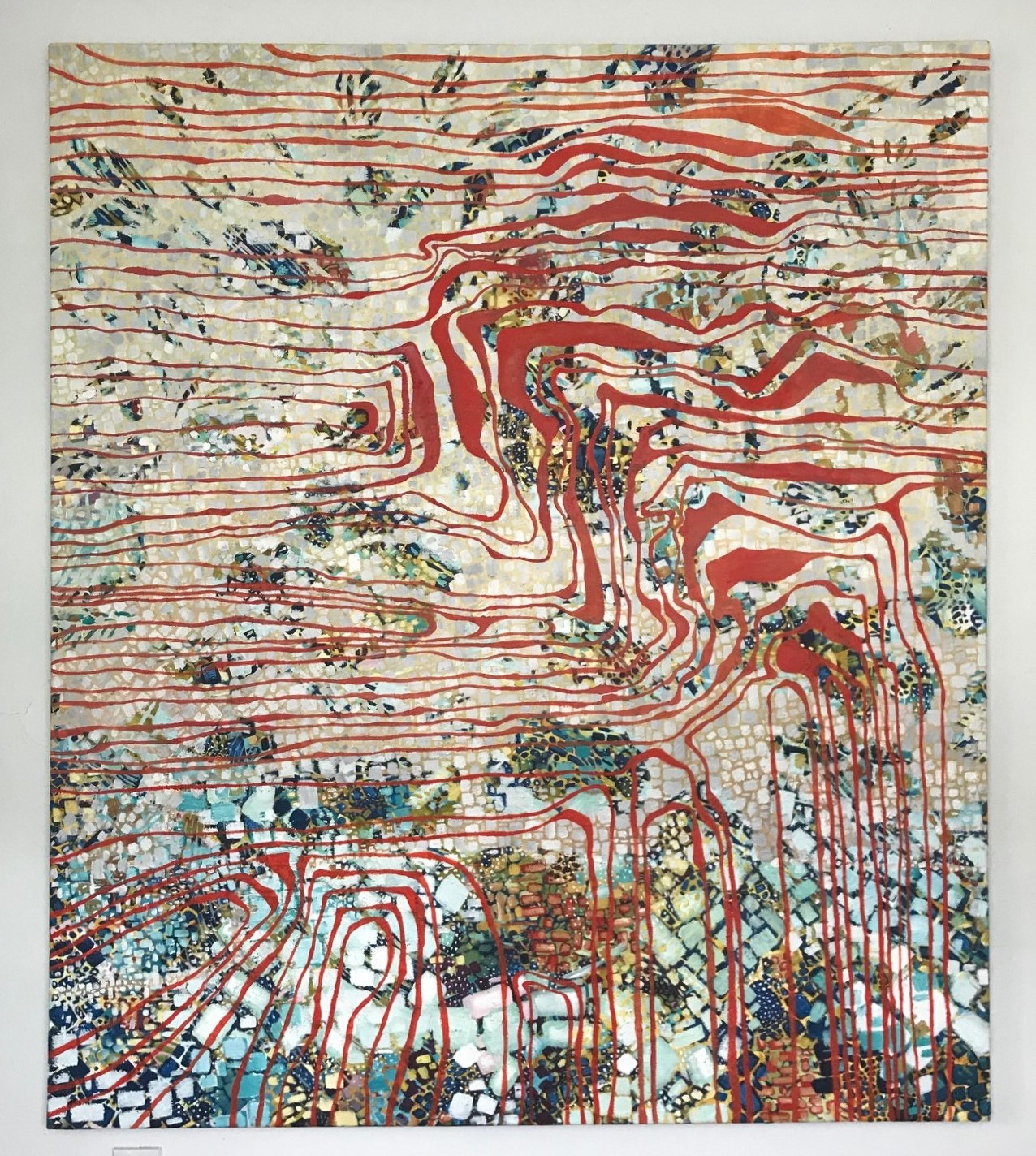
That sense of allowing things to unfold is also present in my painting practice. I build my canvases through multiple layers of oil paint, allowing colors and forms to emerge, recede, and reveal themselves over time. Although I often begin with a vision of where I want a painting to go, the process inevitably takes unexpected turns. I’ve learned to embrace those moments rather than control every outcome.
In many ways, that mirrors my experience of life. There is a balance between intention and uncertainty, between knowing what you want and remaining open to what you didn’t anticipate. I think learning to trust that process has been an important part of both my personal journey and my development as an artist.
Thanks for sharing that. So, maybe next you can tell us a bit more about your work?
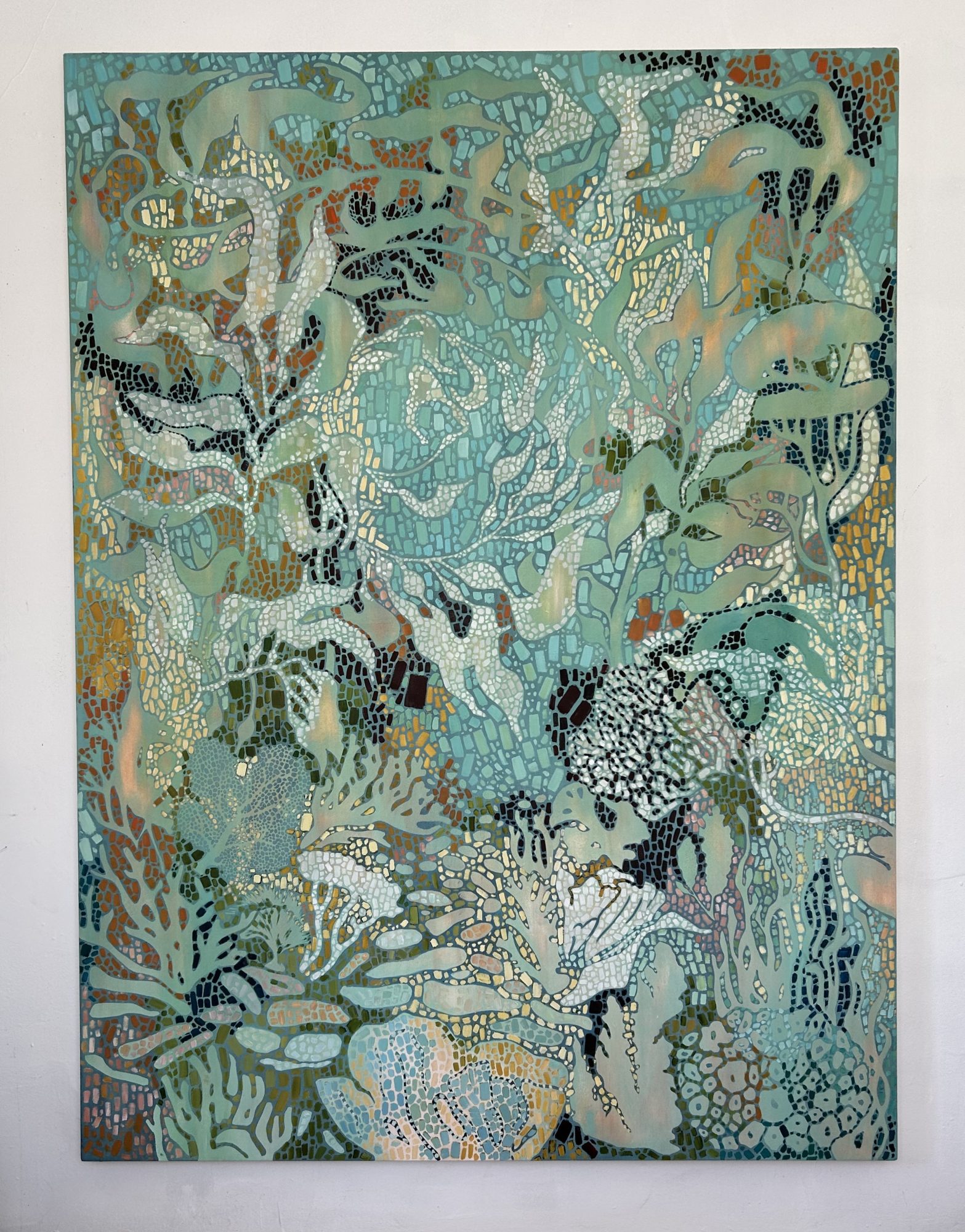
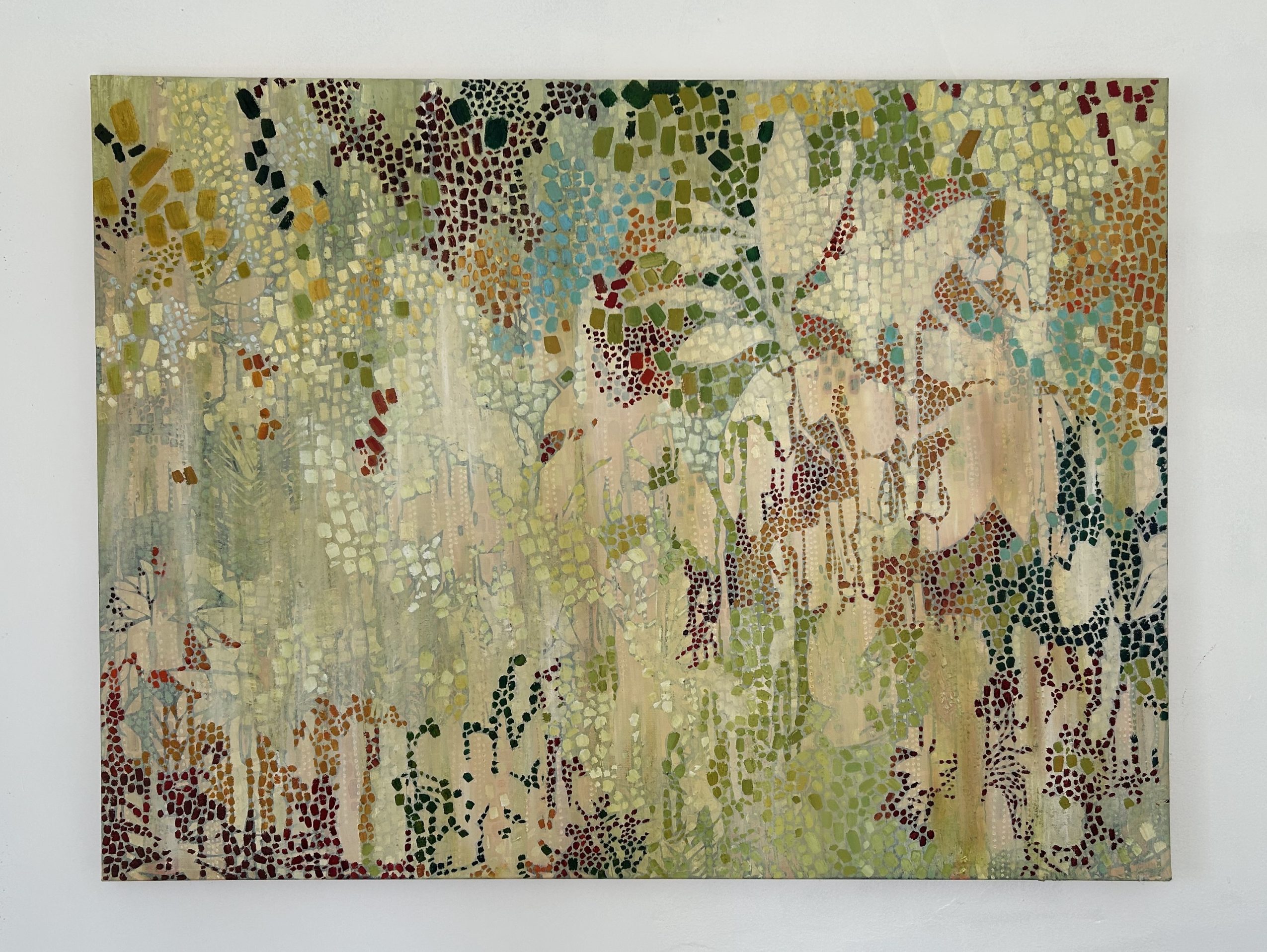
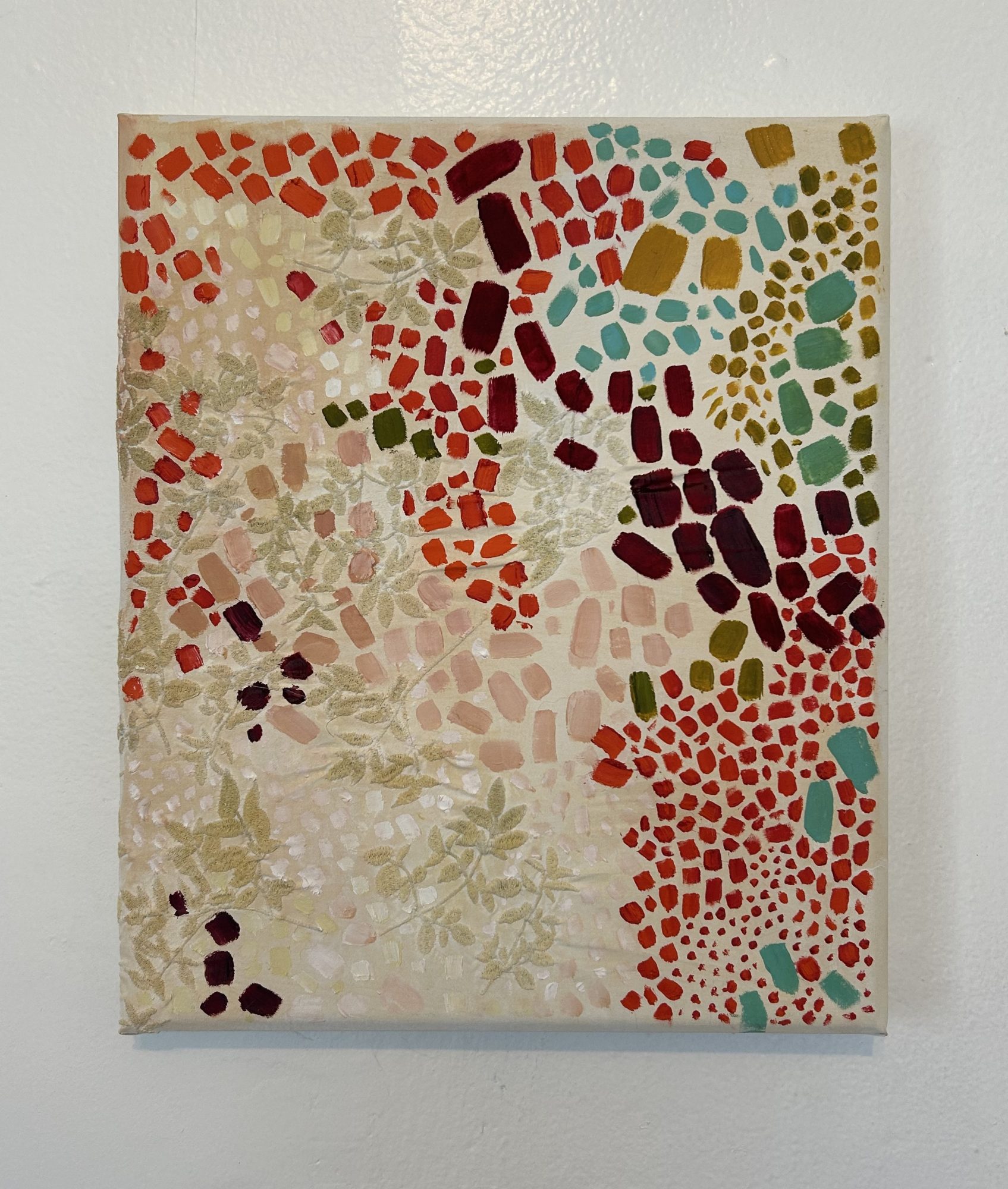
My practice centers on abstract painting, with a particular emphasis on color, layering, and the interplay between recognizable imagery and abstraction. I’m fascinated by the materiality of oil paint and its dynamic nature. I devote a lot of time to mixing colors, developing complex palettes, and building up layers that create a sense of depth and visual movement.
Within these layers, I incorporate and manipulate imagery, allowing certain elements to emerge while obscuring or dissolving others. I’m interested in that space between recognition and abstraction, where something feels familiar or evokes a memory or emotion, but is difficult to articulate precisely. Ultimately, I want the work to communicate a feeling rather than prescribe a particular interpretation.
Plant forms frequently find their way into my paintings, along with references to art historical movements such as Art Nouveau. I’m drawn to the visual language of these influences, but I’m equally interested in transforming them through my own sensibility and allowing them to evolve into something personal.
I’m particularly proud of the body of work I’ve developed over time. Each series seems to grow organically out of the one before it, creating an ongoing conversation within my practice. I find that evolution exciting because the work continues to surprise me and lead me in directions I might not have anticipated.
Although I’m continually inspired by other artists and make a point of engaging with exhibitions and art fairs, it’s important to me that my work maintains its own identity. I want it to feel deeply personal, shaped by my experiences, my curiosity, and the decisions I make in the studio. I think what distinguishes my work is the way these elements come together through an intuitive, layered process to create something that is distinctly my own.
So, before we go, how can our readers or others connect or collaborate with you? How can they support you?
I find a great deal of inspiration in connecting with other artists, particularly those working in different mediums from my own. I love hearing about their creative processes, how they approach challenges, and the ways they think about their work. Those conversations often introduce me to entirely new ways of seeing things.
A few years ago, I began working in a stained glass studio, and that experience has had a wonderful, unexpected impact on my painting practice. Working with a different material and learning a new process has expanded my perspective and brought fresh ideas into my own work. I’m always interested in opportunities to collaborate, exchange ideas, and learn from other creative disciplines.
Of course, collecting my work is also an incredibly meaningful way to support my practice. When someone connects with a painting strongly enough to want to live with it, it’s a wonderful feeling. I never take that connection for granted. Some of my most rewarding relationships have grown out of an initial conversation with a collector or their decision to bring one of my works into their home.
Ultimately, I feel very fortunate to be able to make art and to connect with people through it. Whether through creative collaboration, conversations about art, or collecting my work, I’m grateful for the people who take an interest in what I do and become part of that ongoing journey.
Contact Info:
- Website: https://phelanmcconaha.com
- Instagram: @phelan.paintings
Popular
-

Portraits of the Valley
-

LA’s Most Inspiring Stories
-

Greg Hex Is Turning the Everyday Kitchen Knife Into a Modern Design Object
-

Rick Norris Learned That Building a Successful Business Means Building a Life You Actually Want to Live
-
How Olivia Rush Turned Survival Into a Mission to Help Others Keep Going
-

How Bibi Goldstein Is Helping Entrepreneurs Reclaim Their Time by Embracing the Power of Delegation


