




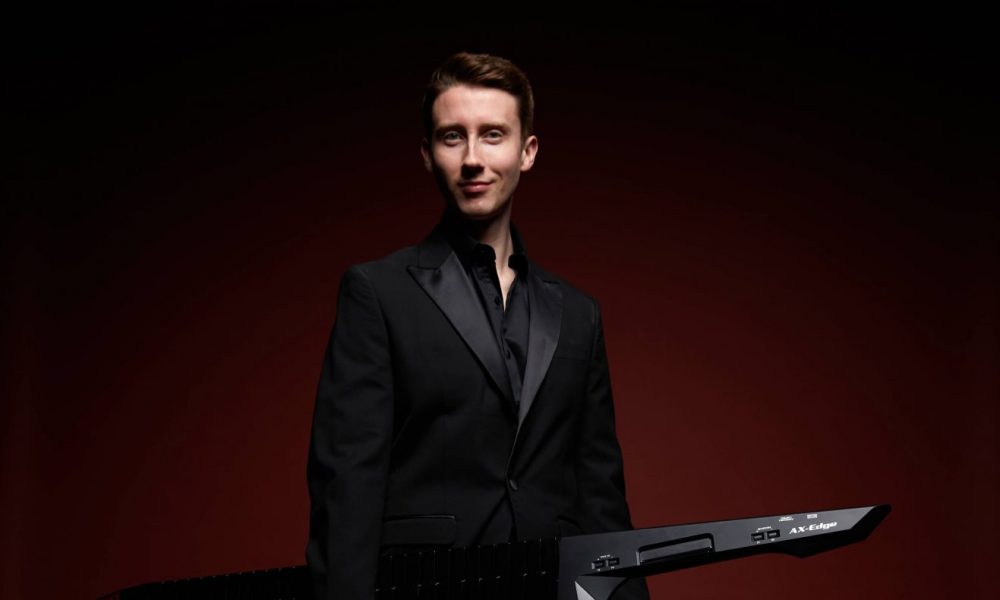
Today we’d like to introduce you to Matthew Krell.
Hi Matthew, thanks for joining us today. We’d love for you to start by introducing yourself.
I was born and raised in a small town on scenic Vancouver Island in British Columbia, Canada. I am the youngest of seven children (all from the same wonderful parents). My artistic journey began with piano lessons at age five, as was expected for all my siblings before me. Piano was an extracurricular activity for the better part of a decade. Like most young students, I found practicing to be a chore. I remember days where I would sneak up to the analog timer on our house’s oven and attempt to crank it to speed through the required 30 minutes of practice. Fortunately, I had supportive parents and a fantastic teacher, Shelley Roberts, who managed to encourage me to participate in festivals, competitions, galas, and examinations administered from the Royal Conservatory of Music (RCM). The family rule for my brothers and me was “get your RCM grade 10 certificate.” Funny enough, once this requirement was reached, it turned into “you’re so close, complete the associate’s diploma.”
Around age fourteen I discovered my passion: performing. Through piano performances, I learned that I did not suffer from stage fright; in fact, I loved engaging the audience both verbally and physically during performances (definitely too much at times). This impulse took root, and I became involved in local musical theatre, acting lessons, and comedy. I acted in plays, competed in speech and drama festivals, and frequented the orchestra pit from the piano for large-scale musical productions, eventually ending up in a Shakespeare production Off-Broadway in 2015. The culmination of my high school years was a show titled “Classical Entertained,” which I wrote, produced, and performed with one of my childhood friends and fellow pianist–Carter Johnson. The show featured an eclectic array of music for the piano, including jazz, rock, classical, and duets with comedic sketches and physical comedy to bring a unique experience to the traditional concert. I wanted to prove to myself that my vision for performing could come to fruition before entering post-secondary education.
For the first few years of undergrad, I was able to continue concertizing back in Canada between semesters, but school and professional activities eventually prevented my return to these projects. The last show was a production called Wintertainment, akin to Classically Entertained but with a holiday twist.
Going into undergrad with existing diplomas from the RCM allowed me to complete additional bachelor of music degrees, and the RCM’s rigorous requirements for music theory and analysis paved the way for my ventures into composition.
I am now in the second year of my Doctor of Musical Arts in piano performance at the University of Southern California Thornton School of Music. I am honored to be a part of the Trojan student body, and I appreciate how the music school specifically accommodates my broad interests from the classical tradition as well as including jazz, choral music, and even law. Despite the challenges of the COVID lockdowns, I was still able to grow as a student and improve my craft through dedicated teachers and digital opportunities. During this period, I returned to my show series Wintertainment and crafted an original album that fuses even more genres and styles through music software and was released on November 25, 2022!
I am thrilled to maintain a full schedule with private teaching, musical collaboration, composing/arranging, sacred music, and continued education in the diverse hub of artistic ingenuity that is Los Angeles.
I’m sure you wouldn’t say it’s been obstacle free, but so far would you say the journey have been a fairly smooth road?
For someone like me who loves live performance, it was particularly disheartening to have to divert my creative outlets to areas which wouldn’t be heard by an audience for time unknown during the shutdown. I know many other artists felt the same way, with some going so far as to switch careers. One positive was that time in lockdown gave me more freedom to compose, explore music technology, and record my playing. Getting extended recording time was helpful for doctoral auditions that require large amounts of videos as part of the application portfolio, I generally attempt to explore ways to redeem unexpected times and disappointing circumstances. I still sometimes find myself struggling with the dichotomy of the academic world and the music industry at large. Everyone with a plethora of desires and interests will understand how it becomes a balancing act of priorities–especially with the demands of a doctoral degree. I try not to wonder how things would be going differently if I prioritized acting, or a digital presence, less schooling..or dental school. Instead, I like to focus on what the present holds and what the future might. When setting goals and vision, the biggest challenge lies in that life rarely–if ever–goes according to plan. (Take the last two years!) Being patient while opportunities arise and take shape can be difficult.
What do you do, what do you specialize in, what are you known for, etc. What are you most proud of?
I am a performing artist and educator specializing in piano and keyboard instruments, music composition and theory, choral and sacred music and kazoo. I have been teaching piano/theory for eleven years and have accrued over 5,000 hours of accompanying experience–I love collaboration! The dynamic social aspects of these fields are what energize me. I imagine what stands out would be my penchant for comedy, my flare for the dramatic, and my fashion (I have too many suits). Comedy and acting tend to manifest in everything ranging from my compositions, recital repertoire choices, teaching style, marketing and more. I believe that with the amount of media people consume every day, we are starved for real connection and that laughter is the perfect personal antidote to this–especially within the classical and academic realms so often caricatured as elite, stingy, and worst of all, unwelcoming.
I aim to bring joy, reflection, and encouragement through the medium of music by presenting both popular favorites and unheard gems of classical music with the best of the present century in an engaging, entertaining, and impactful manner. My goal is to provide an avenue for my generation to discover a deeper appreciation for music of all genres and to inspire future generations to study and create more great music. The personal touch of presenting works I have written and arranged provides a wholly distinctive area for me to explore within the broader spectrum of music and entertainment. Further blending aspects of drama and comedy allow me to connect with audiences and students in an idiosyncratic manner.
Whether I’m performing as a soloist, collaborating with other soloists and groups, or teaching, I hope my interactions with music will deepen people’s understanding of themselves and the world—and provide some fun along the way.
What am I most proud of? I’m a great kisser.
One slight difference from many musicians is that I don’t experience stage fright and performance anxiety.
What sort of changes are you expecting over the next 5-10 years?
Perhaps it is wishful thinking, but I hope live performances will regain prominence over digital avenues for entertainment and music consumption. The communal aspect of humanity, making and sharing memories, is vastly more meaningful than direct exposure in isolation–especially when hyper-short, repetitive videos are the norm. Not to sound like a boomer, but these app algorithms are detrimental for creativity. I think some of this has kicked back since everything reopened actually, which is a positive. I think for the industry to shift it will have to come from the population’s desire to go out a bit more. I appreciate what certain European governments have done recently in providing funds to young people to experience live arts events (https://www.classicfm.com/music-news/germany-culture-pass-teenagers/). Thinking now of classical music, I believe most traditions will remain. There are reasons great compositions are still performed three hundred years after they are written. Repertoire that stands the test of time will continue to do so. Similarly, the output from present-day composers will take longer than a decade to settle itself into the “great” category, but this is really a golden age for new works! The talent level for young musicians is staggeringly high, and this speaks to the quality of teaching they receive. Pianists have a grounded pedagogical method and strong historical foundation and I believe it will continue to improve. It is an exciting time for music.
One shift I think will take place is that concerts will be getting shorter as our collective attention span does. When I started doing recitals in 2015, the first one was over two hours long. These days I find myself struggling to sit through a performance that length–even if it’s stellar. For my future concerts, I am planning a 60-70 minute range at most. I think it’s more important to leave the audience wanting more than to have them depart feeling exhausted or overwhelmed.
Lastly, I think that people will expand their tastes across numerous genres. If you ask nearly anyone what they listen to, the answer is invariable “it depends on how I’m feeling”. With unmatched historical access to music through streaming, people are able to interact with all kinds of music from diverse backgrounds and historical periods. This is one of the reasons I like to feature many styles within an album or recital, people don’t know what they may like unless they get to hear it!
Contact Info:
- Website: www.matthewkrellmusic.com
- Instagram: https://www.instagram.com/krell_yeah/?hl=en
- Youtube: https://www.youtube.com/channel/UCrvYEftVQuyE2YYTmQJamsw
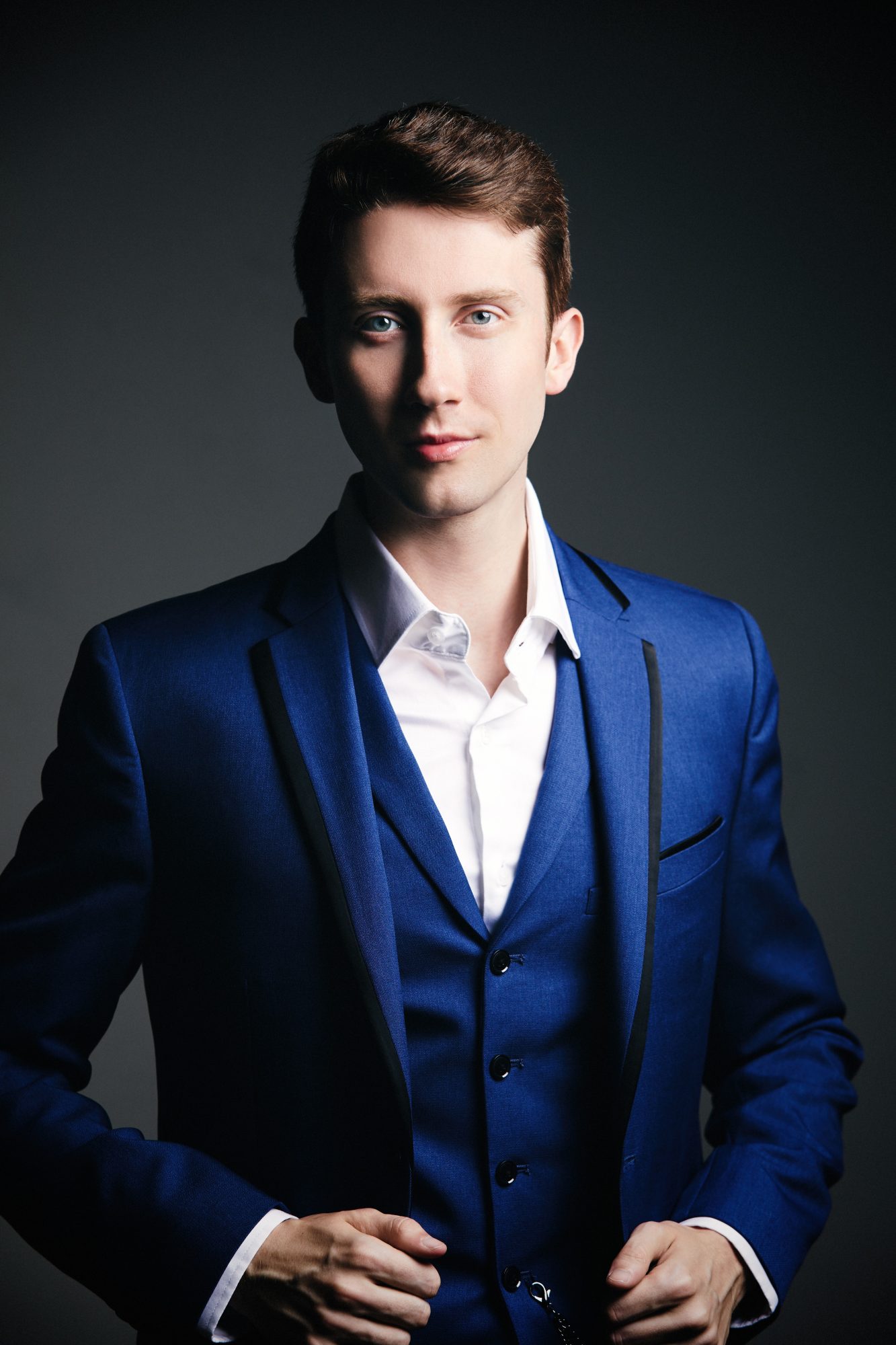
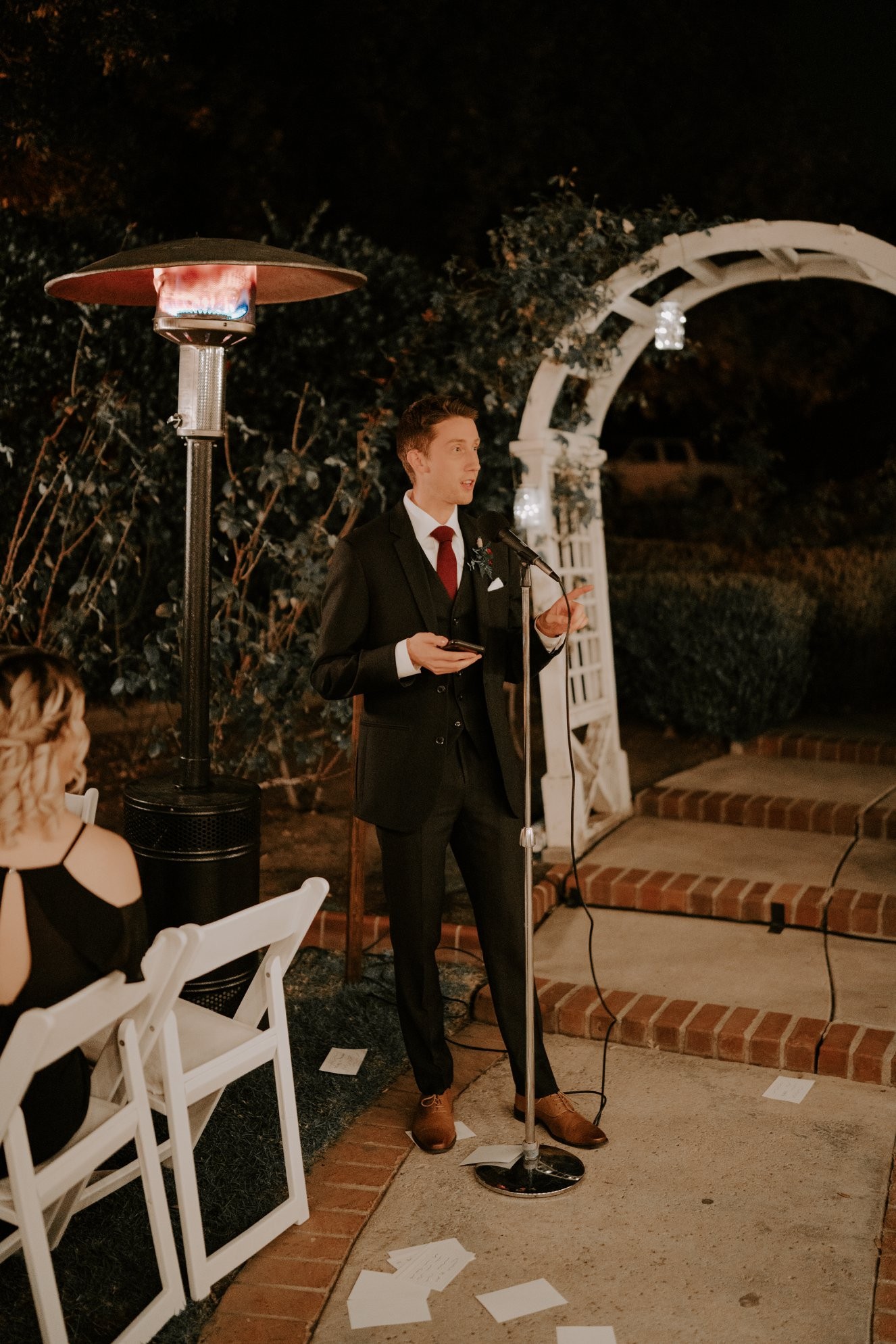
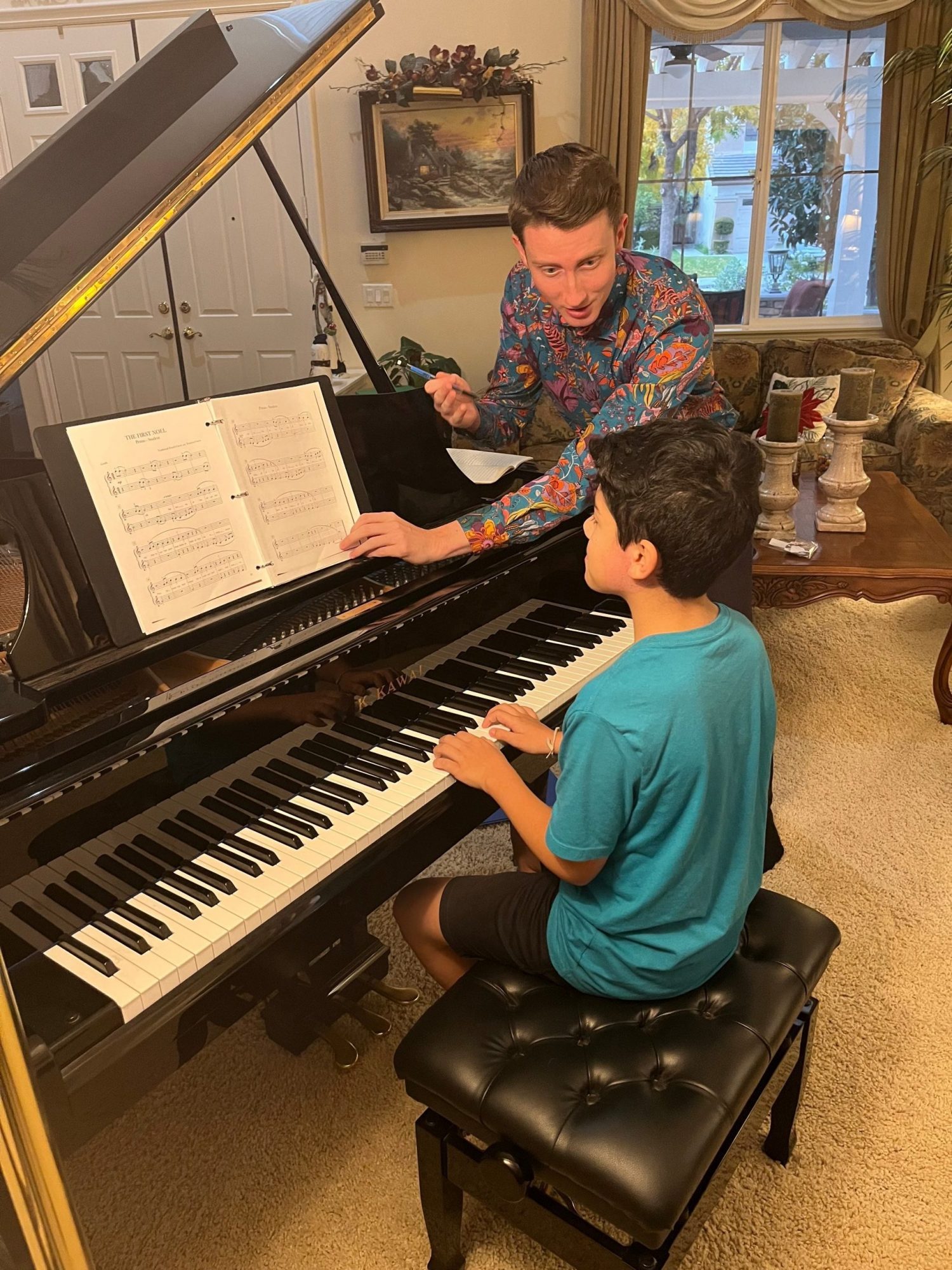
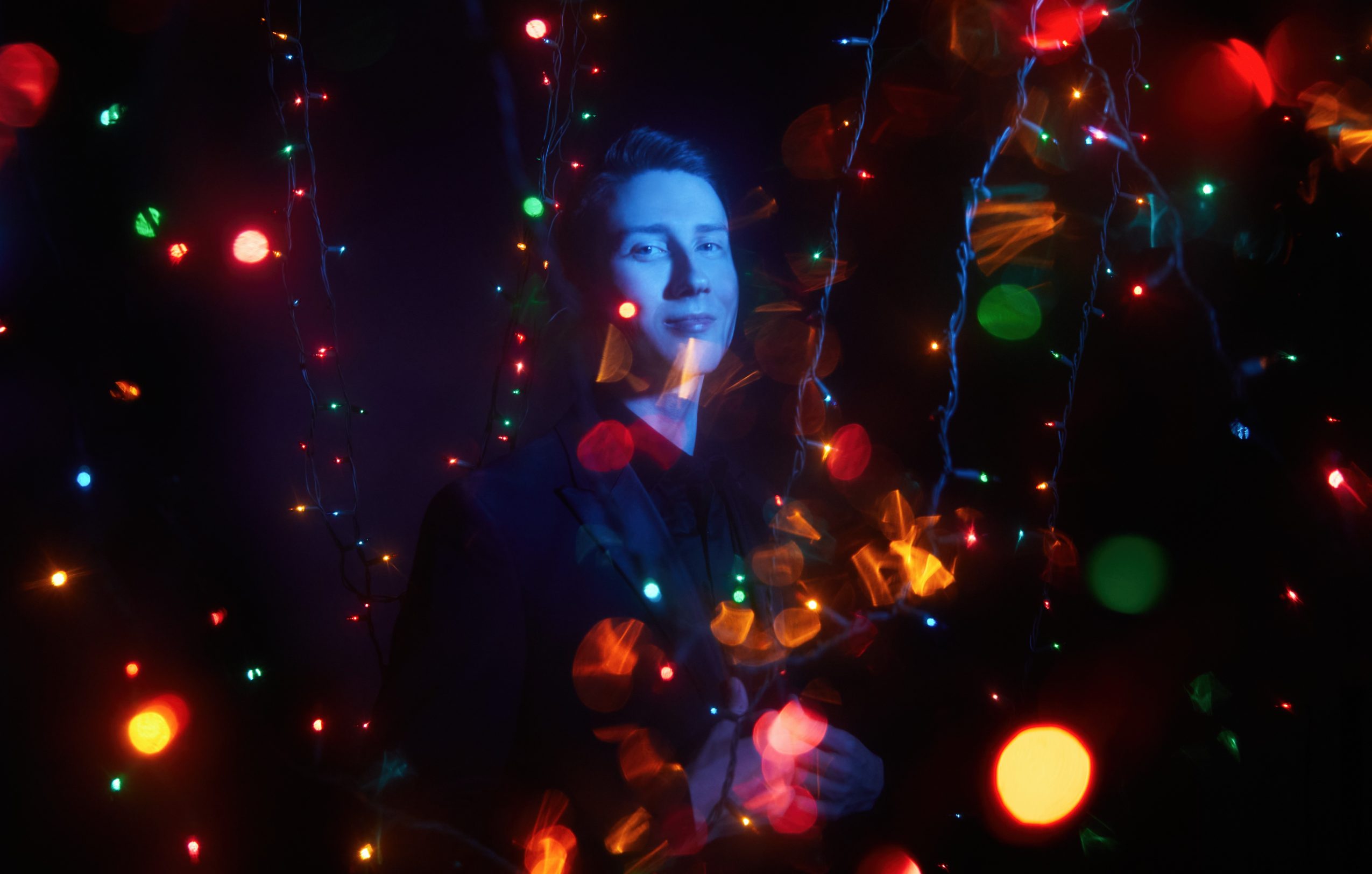 Image Credits
Lynda Allen Anna Azarov
Popular
-

Christina Wren Steps Into the Director’s Chair to Tell Stories That Feel Like Home
-

Portraits of the Valley
-

LA’s Most Inspiring Stories
-

JordanL on ‘Breathe,’ Belief, and Building a Movement Beyond the Music
-
Megan Birney Rudert on How Access to Light Is Powering a More Sustainable and Equitable Future
-

Linda Kneidinger on Building Lasting Change Through Small Steps and Self-Compassion


