



Today we’d like to introduce you to Maria Knofe.
Hi Maria, please kick things off for us with an introduction to yourself and your story.
I consider myself a visual performance artist. I’m originally from Berlin, where I spent most of my early life before moving to Tokyo as a teenager. Tokyo was really my creative awakening — it’s where I first got involved in modeling, somewhat unexpectedly. I had earned a scholarship to study there, but after the Fukushima disaster it was canceled, and I suddenly had to support myself. Modeling became a practical solution at first, but it also opened a door into the world of image-making and visual storytelling.
When I eventually returned to Berlin, I had built this large portfolio almost by accident, and modeling naturally continued. But I was always just as fascinated by what happened behind the camera as what happened in front of it. That curiosity led me to start a styling business, and I spent years working across fashion, music videos, and commercial projects. It taught me how to build a visual world from scratch — and in the process, I realized I wanted to tell my own stories more directly.
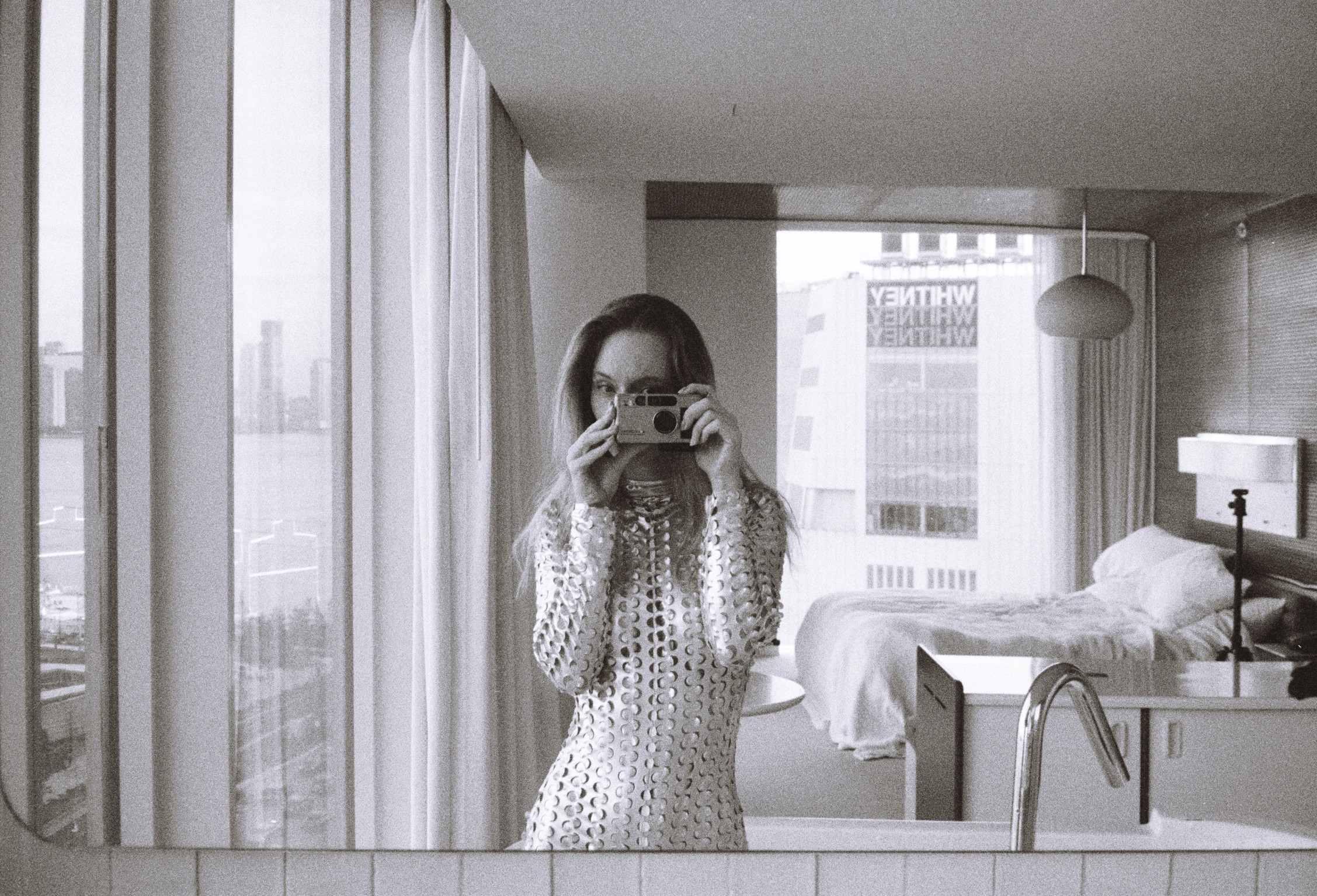
That’s when self-portraiture became central for me. Working alone with a camera felt like a way to merge all my experiences — performance, styling, light, composition — into one cohesive practice.
My connection to Los Angeles came a bit later. I first visited because a few photographers had reached out wanting to collaborate, and I wasn’t expecting it to shift anything major in my life. But the moment I arrived, something clicked. The light here, the pace, the sense of possibility — it felt expansive in a way that I hadn’t experienced before. Over time, it became clear that this was where I wanted to build the next chapter of my work, and that’s ultimately what brought me to L.A.
I’m sure it wasn’t obstacle-free, but would you say the journey has been fairly smooth so far?
I don’t think anyone in the creative world really has a smooth road — and I’m definitely no exception. In some ways, things did fall into place once I understood who I am and what I need in order to feel fulfilled. I’m a deeply creative person, and I need to express myself; that’s not optional for me. But it took time to step into that understanding.
One of the biggest challenges came from starting out in modeling. In that industry, you’re often treated as a vessel for other people’s ideas — a mannequin, a muse, but not the person shaping the vision. When you hear that enough, you start to internalize it. Even when I began exploring photography and creating my own images, there was this lingering sense that people wouldn’t take me seriously because of where I came from.
The turning point was realizing that those assumptions weren’t true. I do have a strong creative voice, a sharp eye, and a very real drive to build my own worlds. And once I allowed myself to fully claim that, everything shifted. My work became more aligned with what I actually want to be doing, and ironically, it made me better in all the other areas too — a better model, a better stylist — because I’m operating from clarity rather than insecurity. Understanding my own vision has been the most powerful change, and it’s shaped every part of my path forward.
Can you tell our readers more about what you do and what you think sets you apart from others?
My work centers around visual performance and self-portraiture on film. I use my own body — often the nude female form — as a vessel for storytelling, which allows me to explore vulnerability, transformation, and a kind of expressive rawness that feels very honest to me. I’m drawn to extreme environments and dramatic landscapes, and I love pushing myself physically and emotionally to create images that feel otherworldly.
Film is at the core of everything I do. I shoot on different formats, hand-soup my own rolls, and constantly experiment with processes that introduce an element of unpredictability. I love the limitations — the way film forces me to be intentional with light, framing, and my own presence inside the image. You can’t control everything, and that lack of control becomes part of the final story.
In recent years, I’ve been building more surreal, fever-dream-like worlds, especially through my use of neon light. I’ve been integrating neon into natural landscapes, traditional environments, and studio settings to create scenes that feel both cinematic and slightly unreal — like you’re stepping into an alternate dimension. Those experiments have led me deeper into a visual language that’s become very personal to me: a blend of the human form, elemental landscapes, and these glowing, almost magical color disruptions.
What I’m most proud of is the fact that I’ve built this practice from the inside out — combining performance, styling, light, and film into a body of work that is entirely my own. I think what sets me apart is my ability to merge self-portraiture with a very physical, experiential approach to image-making, and to create worlds that feel intimate and surreal at the same time.
What does success mean to you?
I’ve actually been thinking about this question a lot lately. We’re all living inside a system where success is usually defined through money, status, and material things — and of course we all have to operate within that to some extent. But I’ve never been a very materialistic person, so those markers have never felt like real success to me.
For me, success is freedom and peace. I know myself well enough now to understand that if I’m doing work I’m not aligned with — creatively, emotionally, or morally — I lose my sense of direction. I don’t feel motivated, I don’t feel inspired, and I don’t feel like myself. So success, for me, is being able to choose the projects that resonate with me and to build a life where my creativity isn’t compromised.
I’m also someone who needs movement. In German there’s a beautiful word, Fernweh, which literally translates to ‘the pain of distance’ — a longing for places you haven’t been yet. That feeling lives inside me constantly. Being able to travel, explore, and follow that sense of longing feels like a form of success in itself.
And ultimately, the deepest version of success is when someone looks at my work and feels something — a pull, a memory, a kind of longing of their own. If my images can evoke that emotional spark while I get to wake up every day and follow my curiosity, create my fever-dream worlds, and explore this planet… then I think that’s the closest I can get to feeling truly successful.
Contact Info:
- Website: https://www.maria-kn.com/
- Instagram: https://www.instagram.com/mariakn__
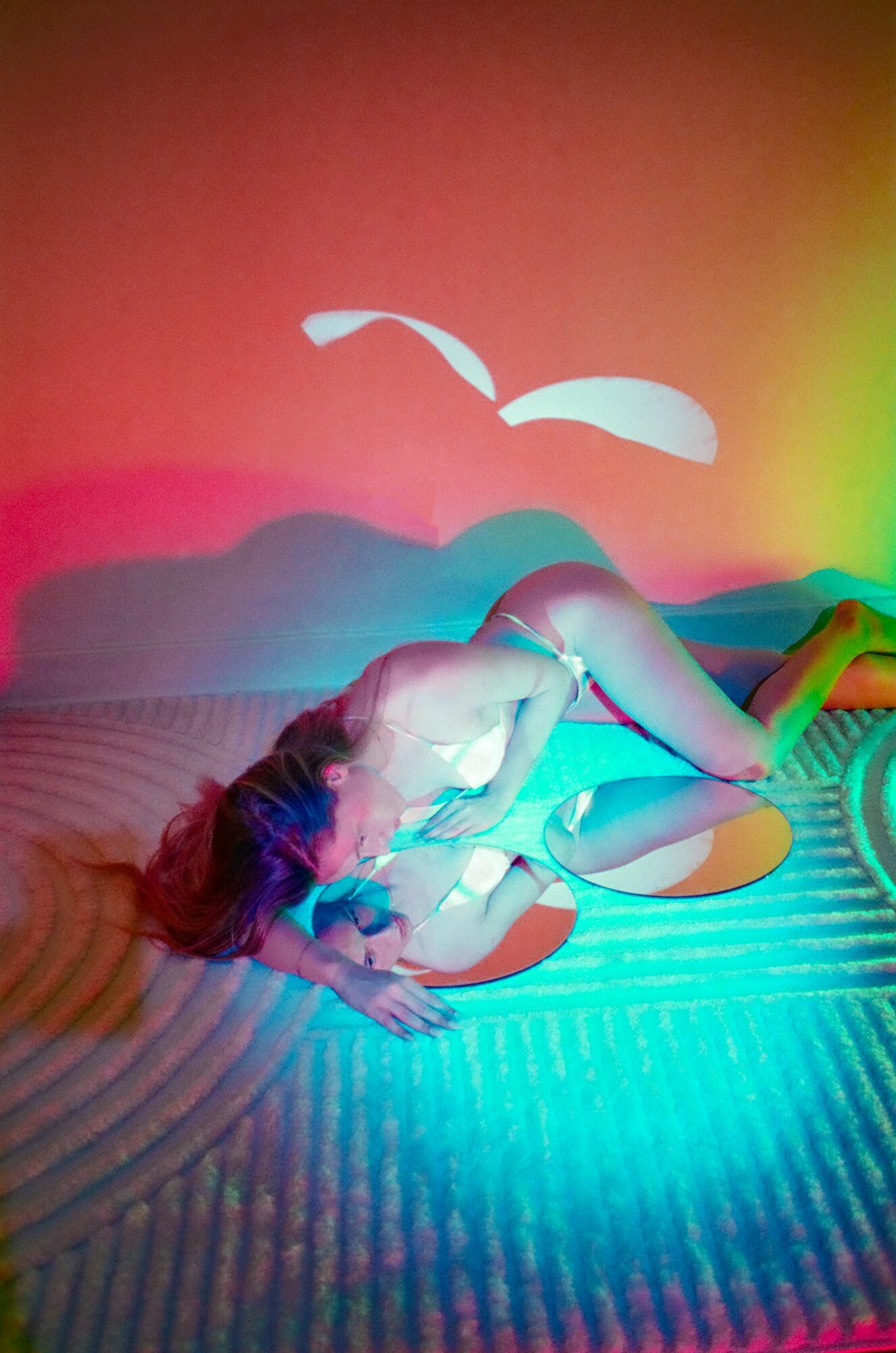
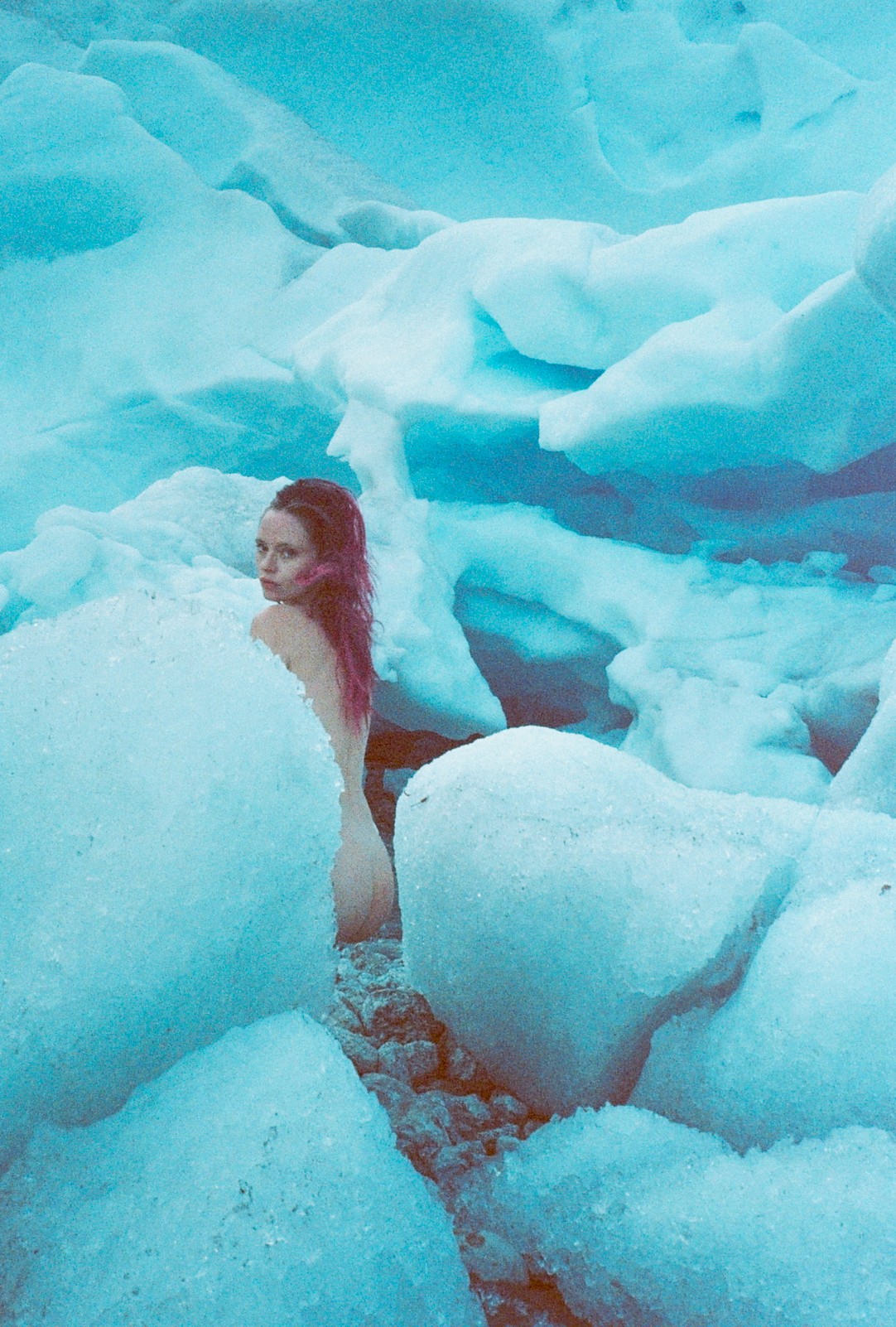
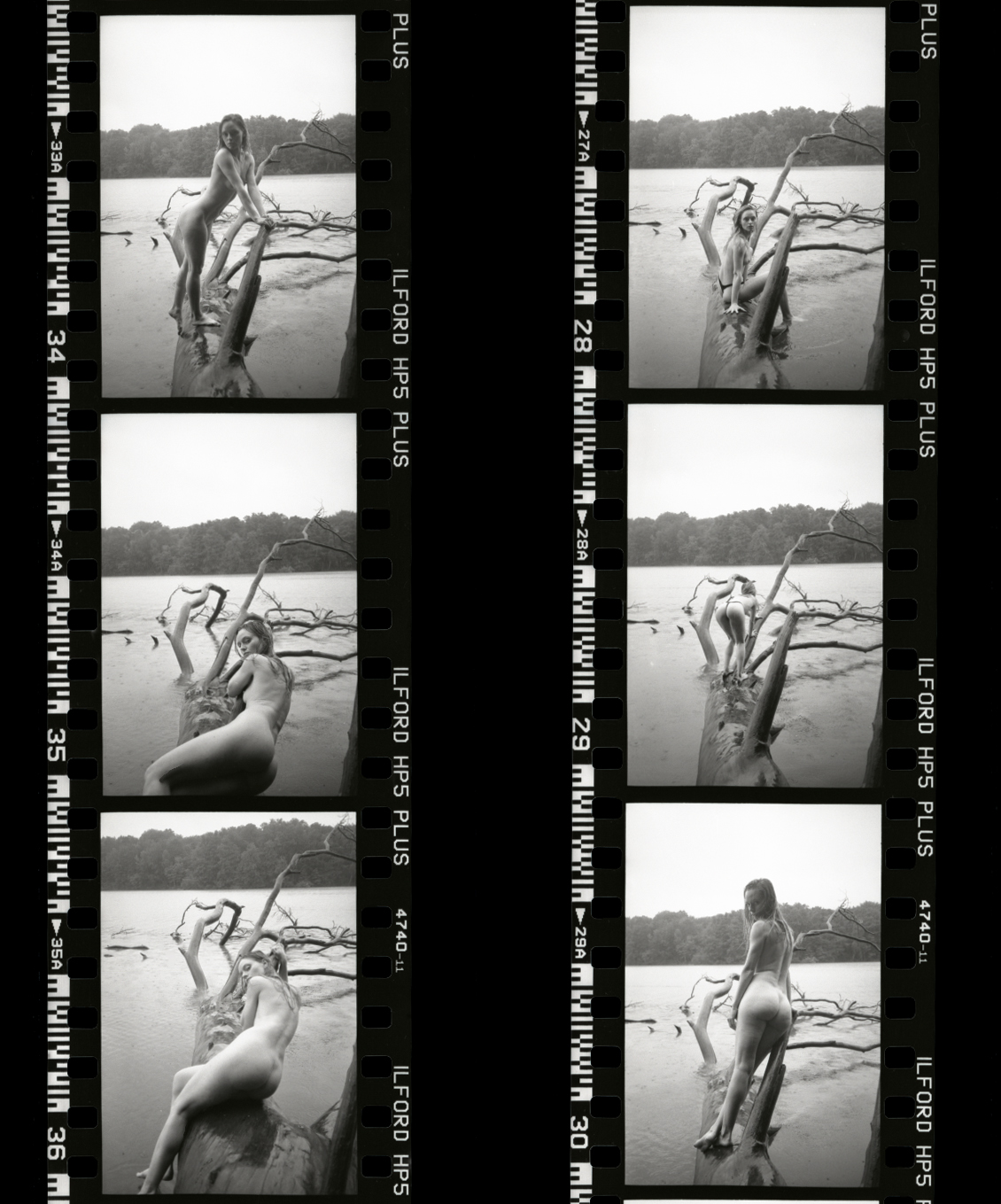
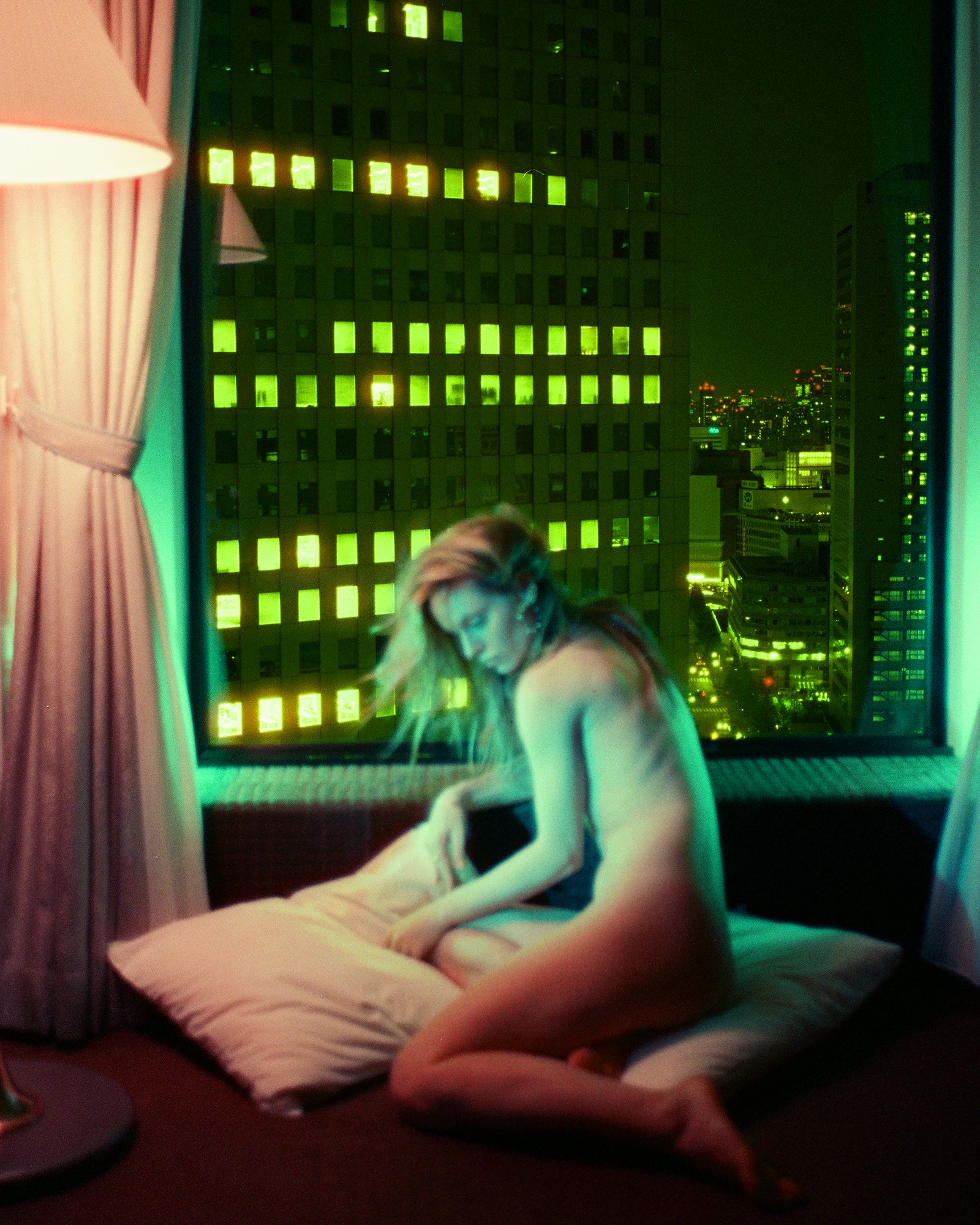
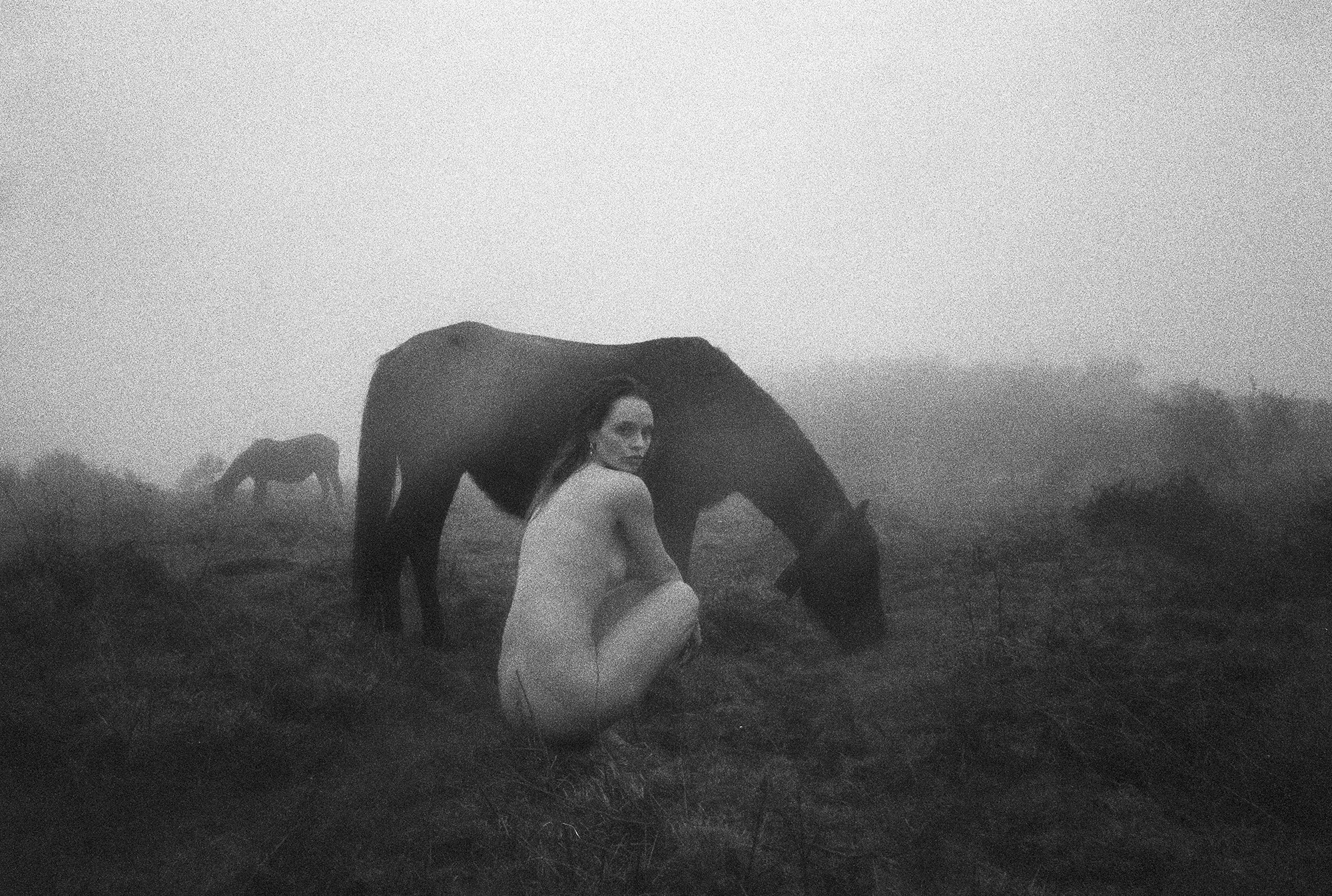
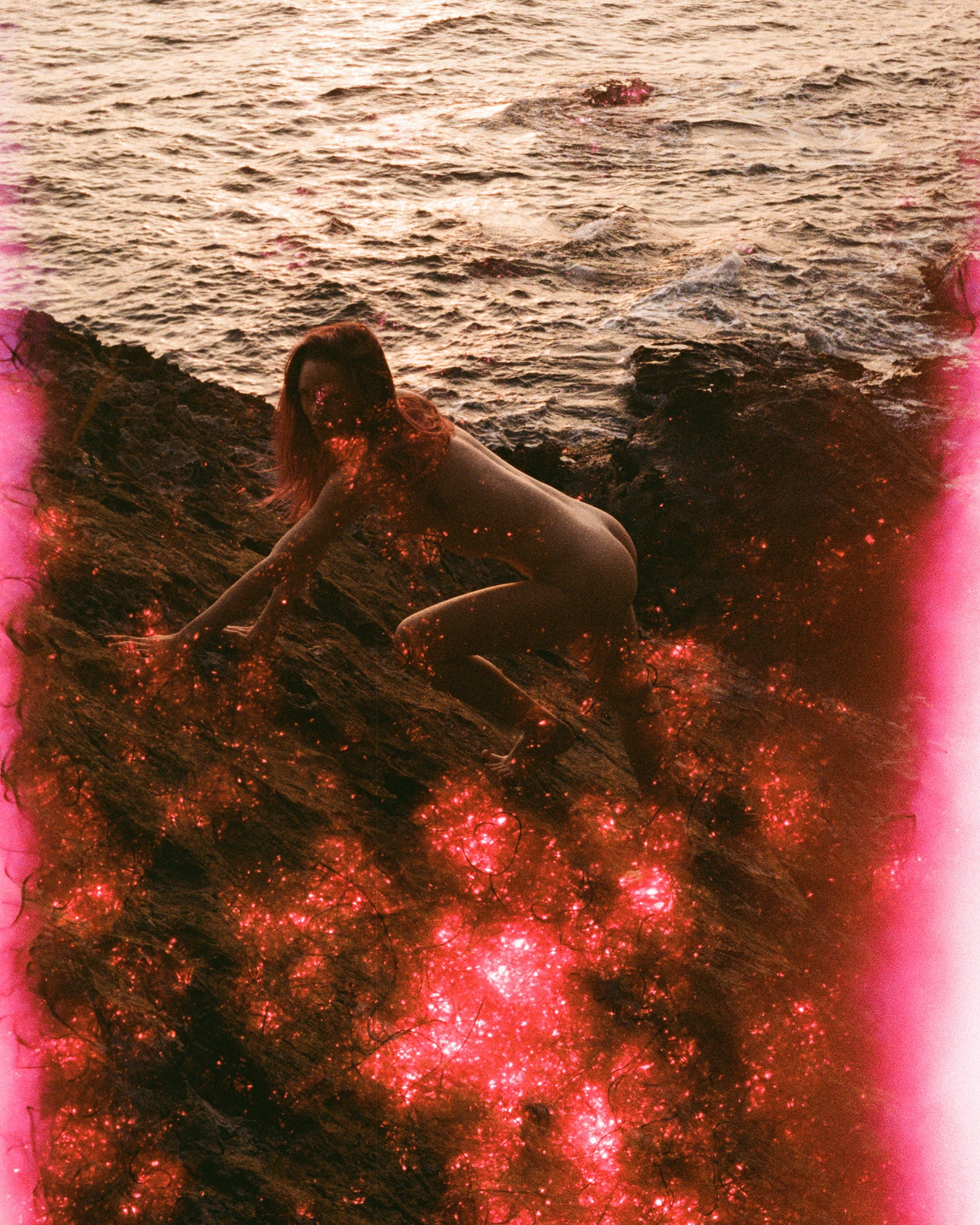
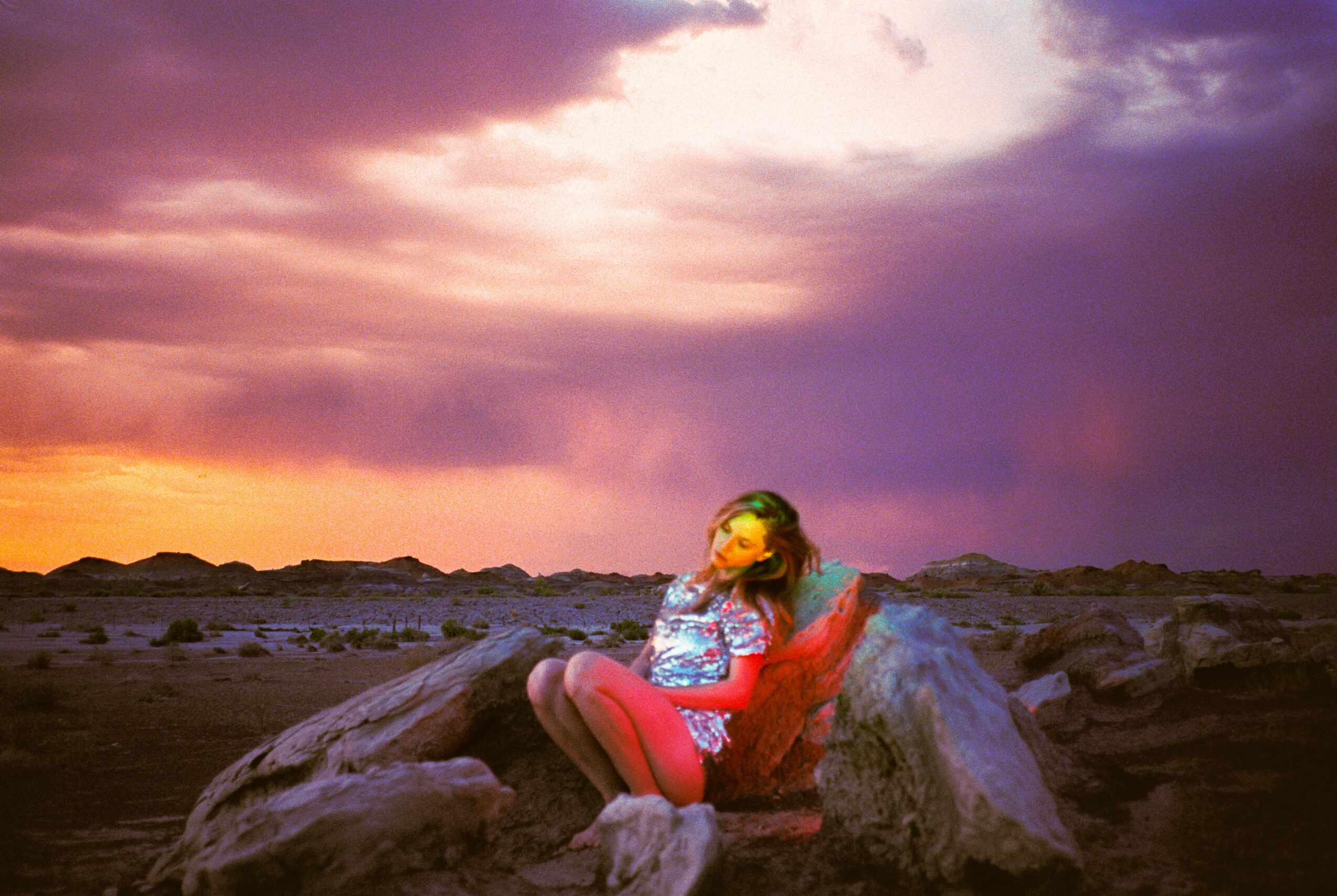
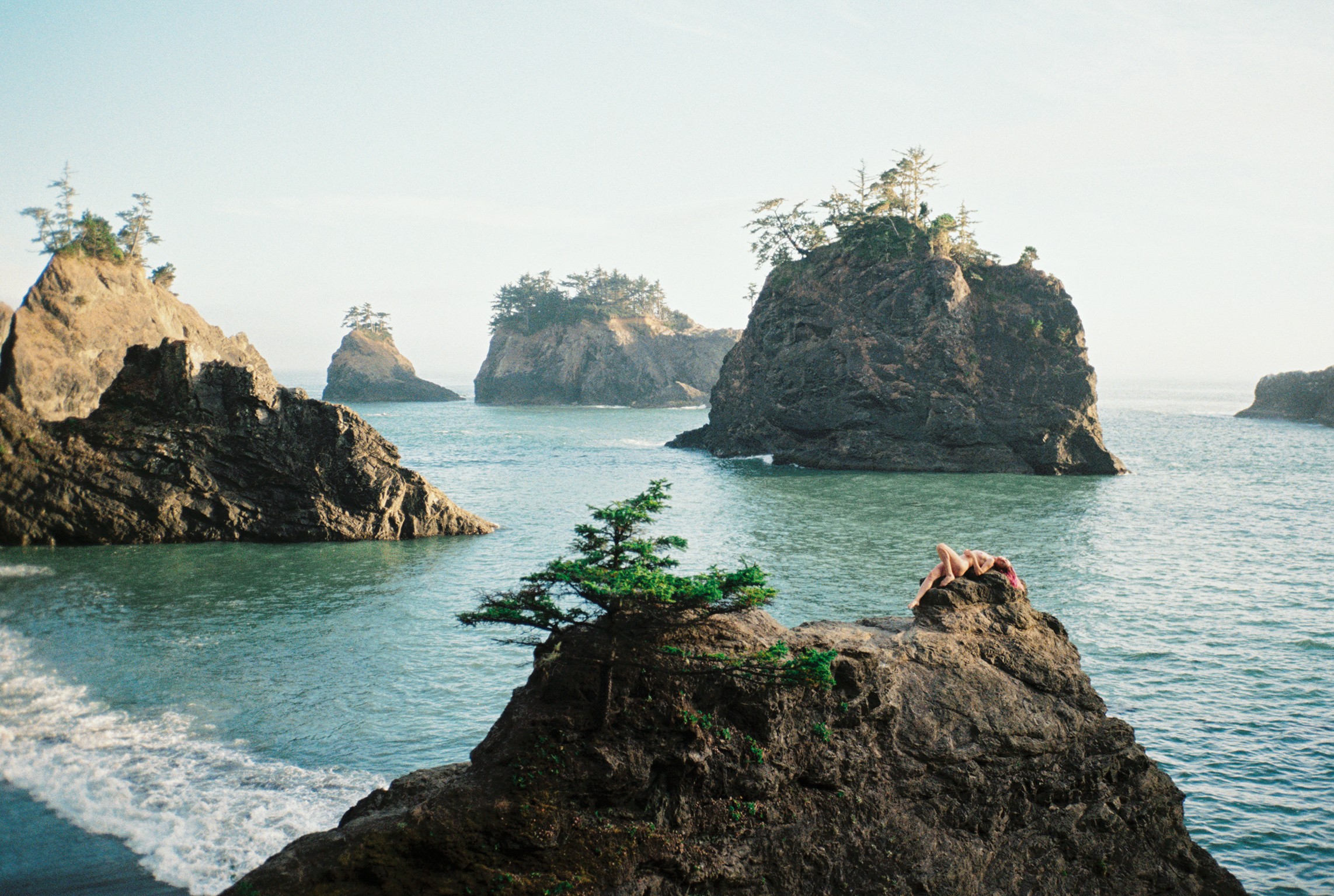
Image Credits
All images are shot by me
Popular
-

JordanL on ‘Breathe,’ Belief, and Building a Movement Beyond the Music
-

Megan Birney Rudert on How Access to Light Is Powering a More Sustainable and Equitable Future
-

Linda Kneidinger on Building Lasting Change Through Small Steps and Self-Compassion
-

Jolana Nika on Redefining Modern Connection Through Intentional, Real-Life Experiences
-
What did suffering teach you that success never could?
-
Who saw you clearly before you could see yourself?


