




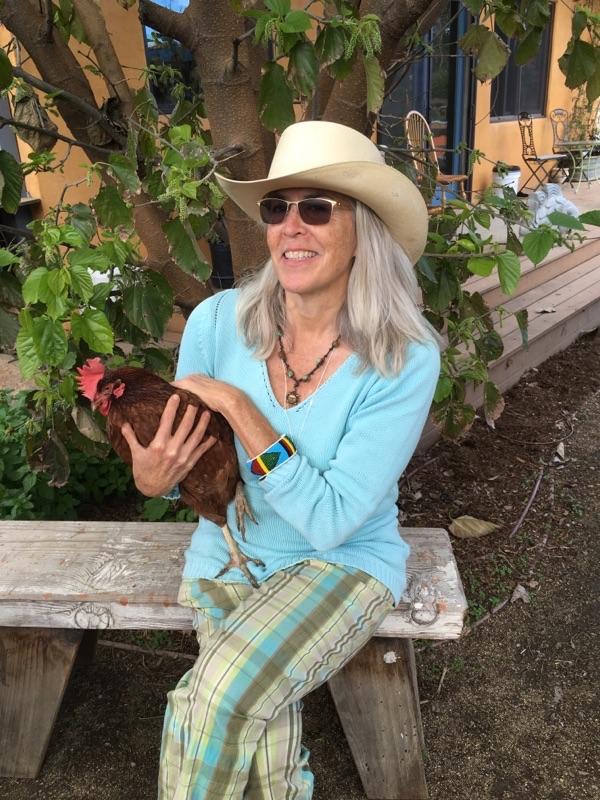
Today we’d like to introduce you to Kathleen Blakistone.
Hi Kathleen, we’d love for you to start by introducing yourself.
Our little microfarm was born as an encore career — a way for me and my husband to finally work side by side after decades of doing our own thing. Early in 2011, we came across a piece in the LA Times profiling Richland Farms, a historic agricultural neighborhood in Compton. That article fired us up. We’d been learning about aquaponics and dreamed of starting a farm. Now we just needed a place in the city where it was legal to grow food commercially. Back then in LA, you couldn’t sell what you grew in your own backyard — thankfully, that’s changed, in no small part to the advocacy of Ron Finley, the LA Food Policy Council, and many others.
We cashed out our 401K to give this thing a shot. The plan was simple: build the greenhouse, grow good food, and maybe make a little money. But first, we had to fix up the house — a dilapidated wreck that came with the land. We figured even if the business flopped, at least we’d have real estate to fall back on. By late 2013, the house was finally livable, and we celebrated our first night with friends, full of hope.
That’s when the real story began.
That same evening, two Black cowboys showed up in our driveway, horses in tow. Their stable had just burned down, and they needed a place to board their animals. At first, we hesitated — we had a greenhouse to build, and horses weren’t part of the plan. But, as often happens, we paused, reconsidered, and opened the gate. We told them they could stay for six months. That moment changed everything.
It wasn’t long before the cowboys started hosting rodeo training sessions for a local Boy Scout troop, right there in the yard. We’d serve water in real glasses and offer grapefruit slices from our tree. It was simple around here, but the conversations were rich. We’d talk about how our diets lack bitter flavors — even though they’re great for digestion — or how washing dishes by hand could be a step toward zero waste. We’d dream together about an earth worth inheriting, one with good soil and healthy food. The aquaponic farm was still the plan, but something bigger was starting to take root.
One of the cowboys, Sid, said, “Folks aren’t talking like this around here. We need this in our neighborhood.” Not long after, he helped me land a job teaching urban agriculture at the local middle school as part of an after-school program. It was through those early conversations — with the cowboys, the students, and our neighbors in Compton and South LA — that we realized our real role wasn’t just to grow lettuce. We were here to grow people. That’s when Moonwater Farm shifted, and the community space it has become emerged.
We also had long talks about the deep inequities designed into the system — how Black folks had been shut out of so many opportunities for so long, and how that history still echoed in the present. And we saw how the kids lit up just being around the horses, around good food, around people who listened.
That’s when the idea of Farm Camp was birthed. For the next ten years, we added fields, livestock, built the aquaponics system and grew a summer program for youth ages 5 to 21, complete with camp counselor training and hands-on experience making plant based lunch, tending to animals and land, and creating art. Programming soon expanded to include field trips, workshop offerings, and fundraisers for justice organizations.
We also talked about what it means to be white and landowners in a contested place like Compton. We listened to leaders like Mayesha Akbar, founder of the Compton Jr. Posse; Alberto Retana, President of Community Coalition; Veronica Flores , Executive Director Community Health Council and Clare Fox, Executive Director of the LA Food Policy Council. We built raised beds and grew food with youth wherever the need was named. And we recognized the privilege we hold — even as working-class people — to steward land in a place where land is often inaccessible.
Then George Floyd was murdered. The uprisings made the urgency of the work undeniable. We offered refuge. We named our goats after revolutionaries to keep the stories alive. And we opened our space to many.
The past decade has been transformational. We’ve poured into the land, into the people, and created a range of offerings that invite others into this urban agriculture experience. Thousands have come through — for mulberry pickings, workshops, curated wellness gatherings, fundraisers, jazz nights, and school trips. We’ve tried to meet a shared desire for agricultural knowledge, a beautiful space for contemplation, and a place of refuge.
Our latest iteration is Seed to Shelf, a yearlong paid fellowship for students ages 14 to 24. It offers hands-on experience creating an agricultural product for market. Students focus on land stewardship, plant-based remedies, or culinary practice. With support from a recent county grant, we’ve grown our capacity and formed a collective leadership team rooted in our guiding pillars: economic democracy, a just food system, and land care that honors both human and more-than-human life.
Can you talk to us a bit about the challenges and lessons you’ve learned along the way. Looking back would you say it’s been easy or smooth in retrospect?
Not at all. Our struggles revealed how hard it is to run a small business while centering community care, especially with limited resources. Being entrepreneurial often means we’re overlooked by traditional funding streams—philanthropy tends to favor nonprofits, even though our work directly serves neighbors who have long been excluded from opportunity and access.
We’ve faced financial precarity, burnout, and the constant pressure to “prove impact” in systems not built for small, land-based efforts like ours. At times, we’ve had to make difficult choices between scaling back or pushing forward without certainty.
Still, despite minimal investment, we’ve grown a space that feeds people—body, mind, and spirit. We’ve offered good food, outdoor education, and economic cooperation. We’ve mentored young people, hosted healing gatherings, and built something beautiful with our bare hands and shared vision. The road hasn’t been smooth—but it has been meaningful.
Thanks – so what else should our readers know about your work and what you’re currently focused on?
Moonwater Farm is an evolving worker run collective of teachers, makers, and urban agriculturalists stewarding a one third acre lot in Compton’s historic Richland Farms. The programming, planting plan, and partnership is decided by consensus, modeling economic democracy and prioritizing reciprocity we hope to seed beyond our fence line.
Solidarity here is practical: events run on sliding scale pricing—no one is ever turned away for lack of funds—and youth earn stipends while they learn. Last year alone we welcomed 600 students and 800 community members through fieldtrips, a paid fellowship, public workshops, and neighborhood pop ups.
Our regenerative patchwork—compost rich no till beds, aquaponic tanks, a pocket food forest, beehives, and a small crew of feathered and four legged grazers—serves as a living classroom. On any given day a visitors could enjoy jazz riffs, collard green recipes, or seed saving stories that keep Compton’s biocultural heritage alive.
Together with grassroots allies, we’re growing a welcoming third space for South LA and Long Beach families to learn, earn, and belong. As one neighbor put it, “A gem of a farm – urban farm. The kids love this place. It is a great teaching facility and haven.”
Any big plans?
We’re turning our attention close to home. Richland Farms is full of equestrians, backyard growers, aunties and Tio’s with seed stashes—yet we haven’t done enough to connect block-to-block. Later this year we intend to create a neighbor listening series to ask what would actually be useful right here: a seasonal crop swap? a small seed library at the gate? quarterly meet-ups to trade stories, skills, and food? We’re ready to try it and learn.
We’re also launching recruitment for our second paid Seed to Shelf fellowship. Youth and young adults (14-24) earn stipends while they grow, process, and develop products from the herbs, fiber, and food we raise—building culinary chops, food safety credentials, an art practice and some first steps in farm-to-market business. All the markets produced with the cohort offer sliding scale so they can see what economic solidarity looks like in action.
But our longer view extends to the Moonwater legacy. We live on this 1/3-acre, but we don’t want it to disappear behind “private property” signs when we age out. We’re exploring models—agricultural conservation easement, community or member-owned land trust, something hybrid—anything that keeps the soil healthy and the gates welcoming so food sovereignty and land access work can continue.
Contact Info:
- Website: https://www.moonwaterfarm.net
- Instagram: @moonwaterfarm
- Facebook: https://www.facebook.com/MoonwaterFarm/
- LinkedIn: https://www.linkedin.com/company/18515165/admin/dashboard/
- Youtube: https://www.youtube.com/@moonwaterfarm5381
- Other: https://www.seedtoshelf.org/
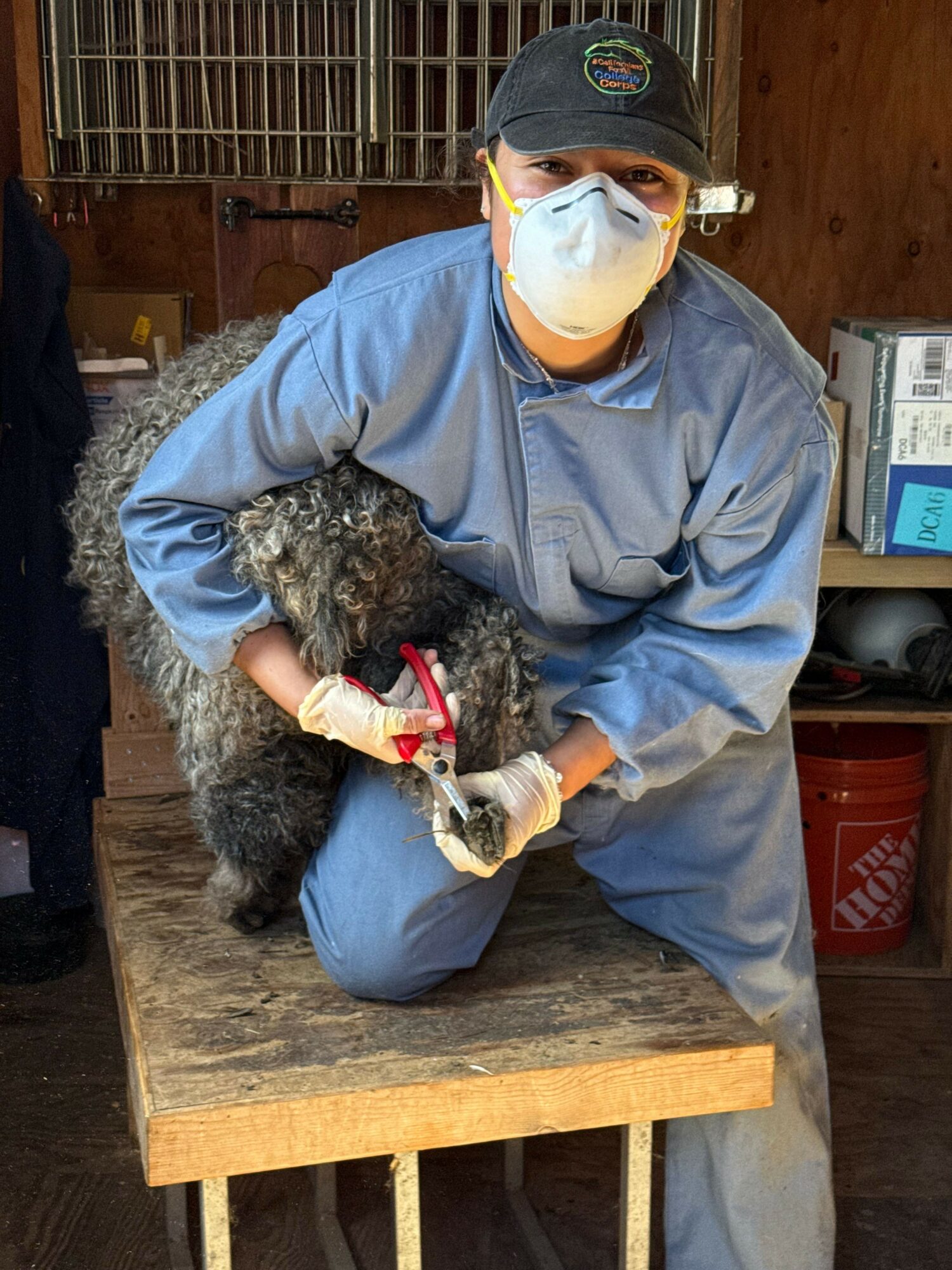
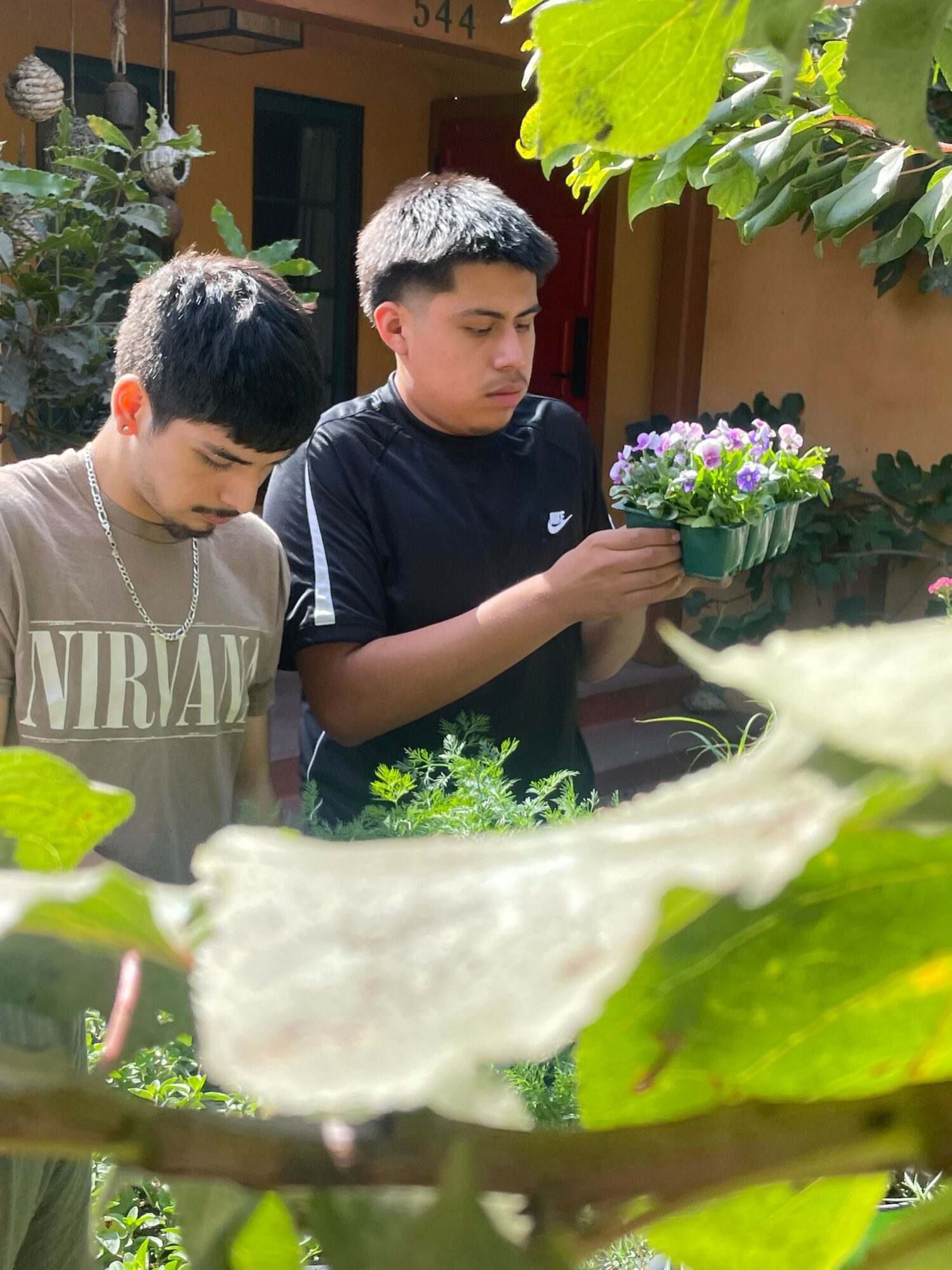
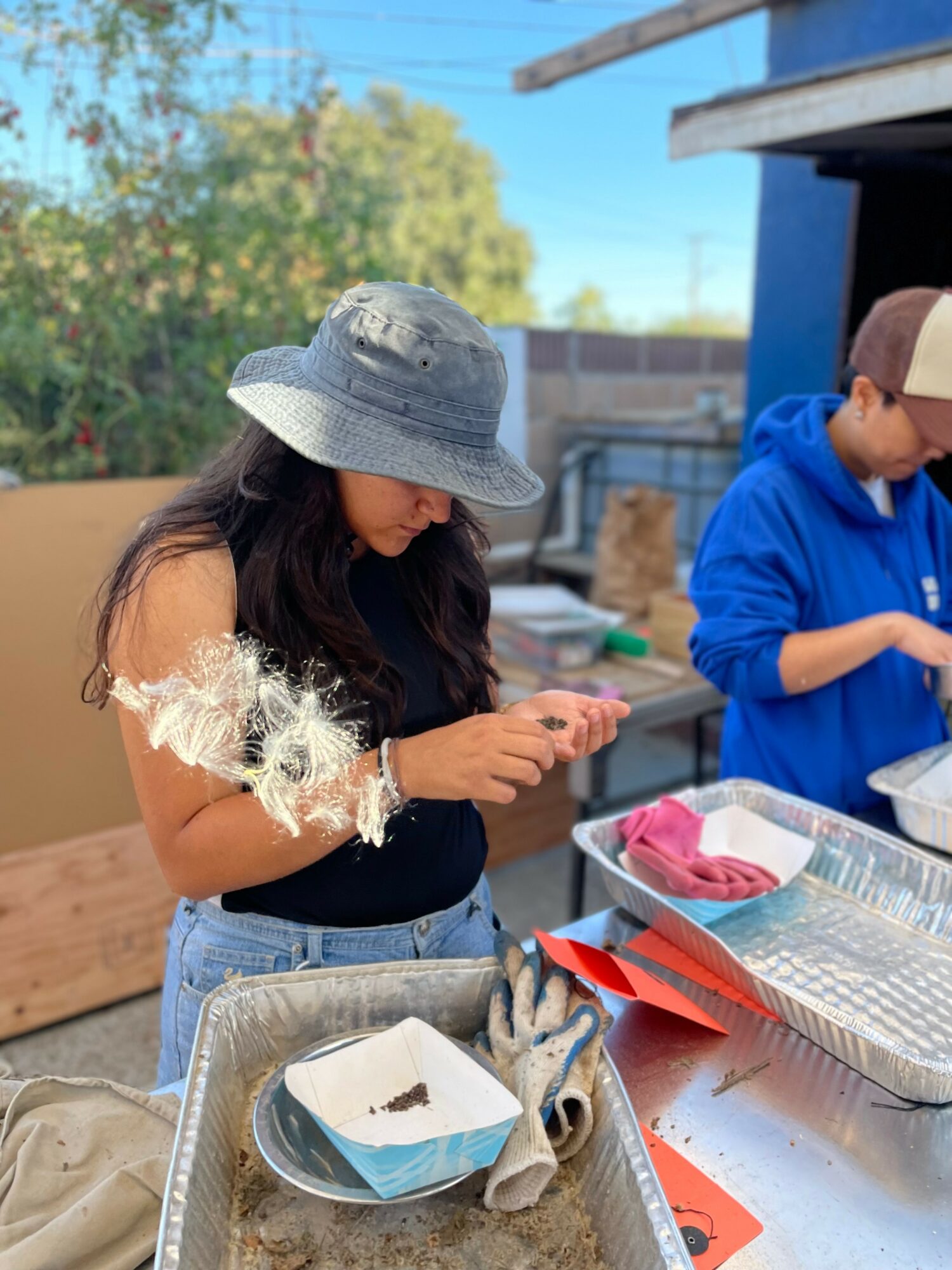
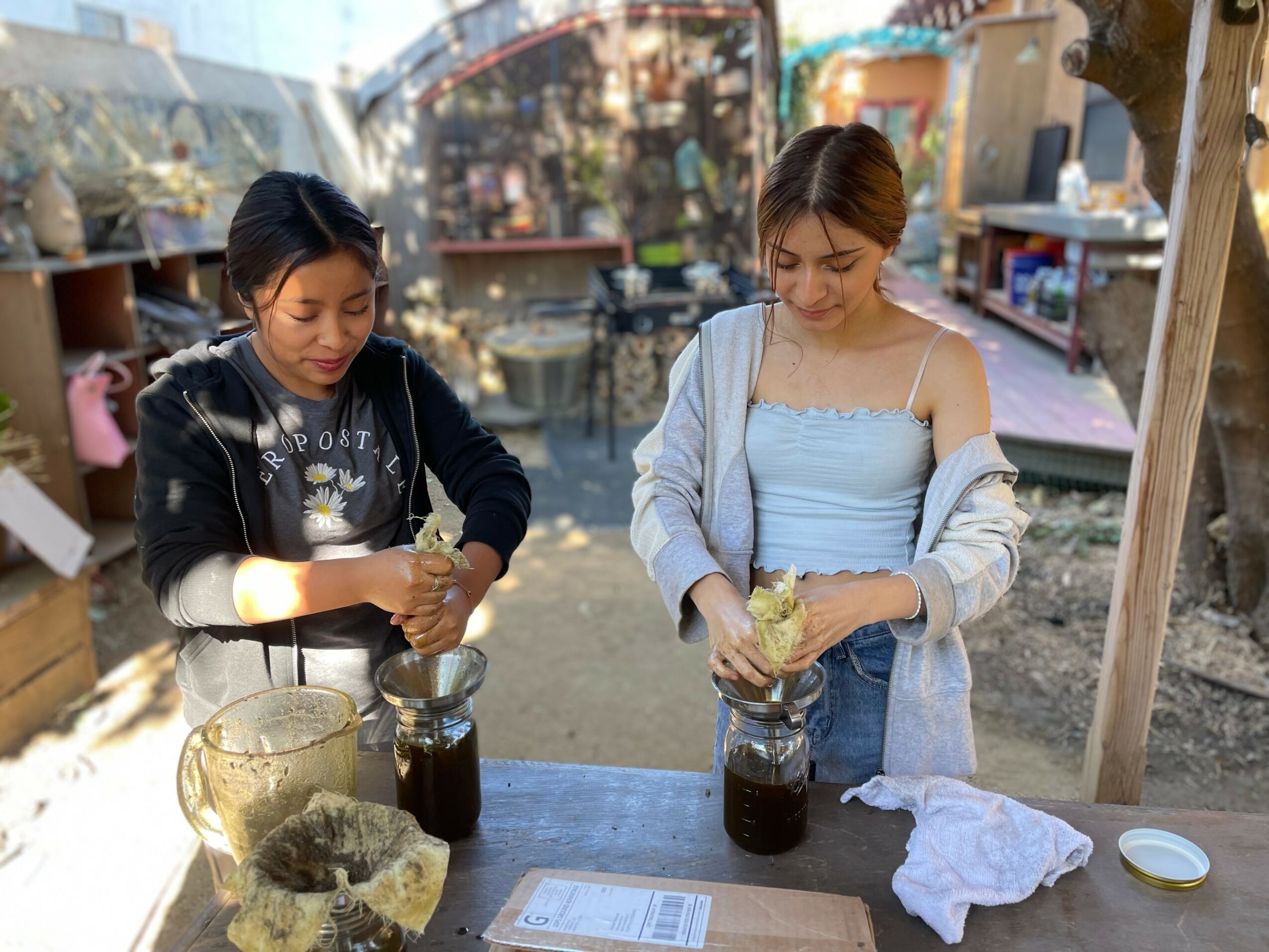
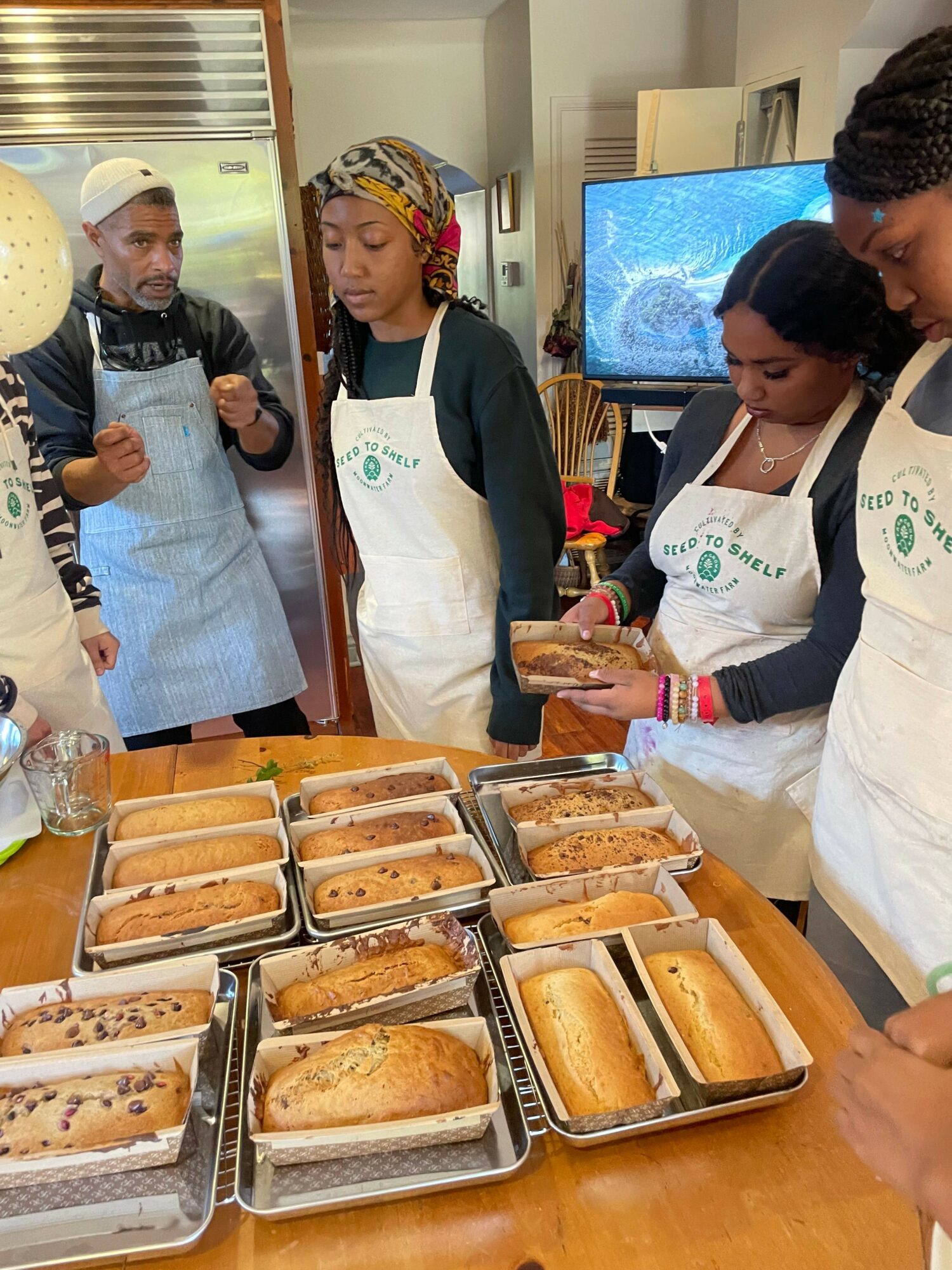
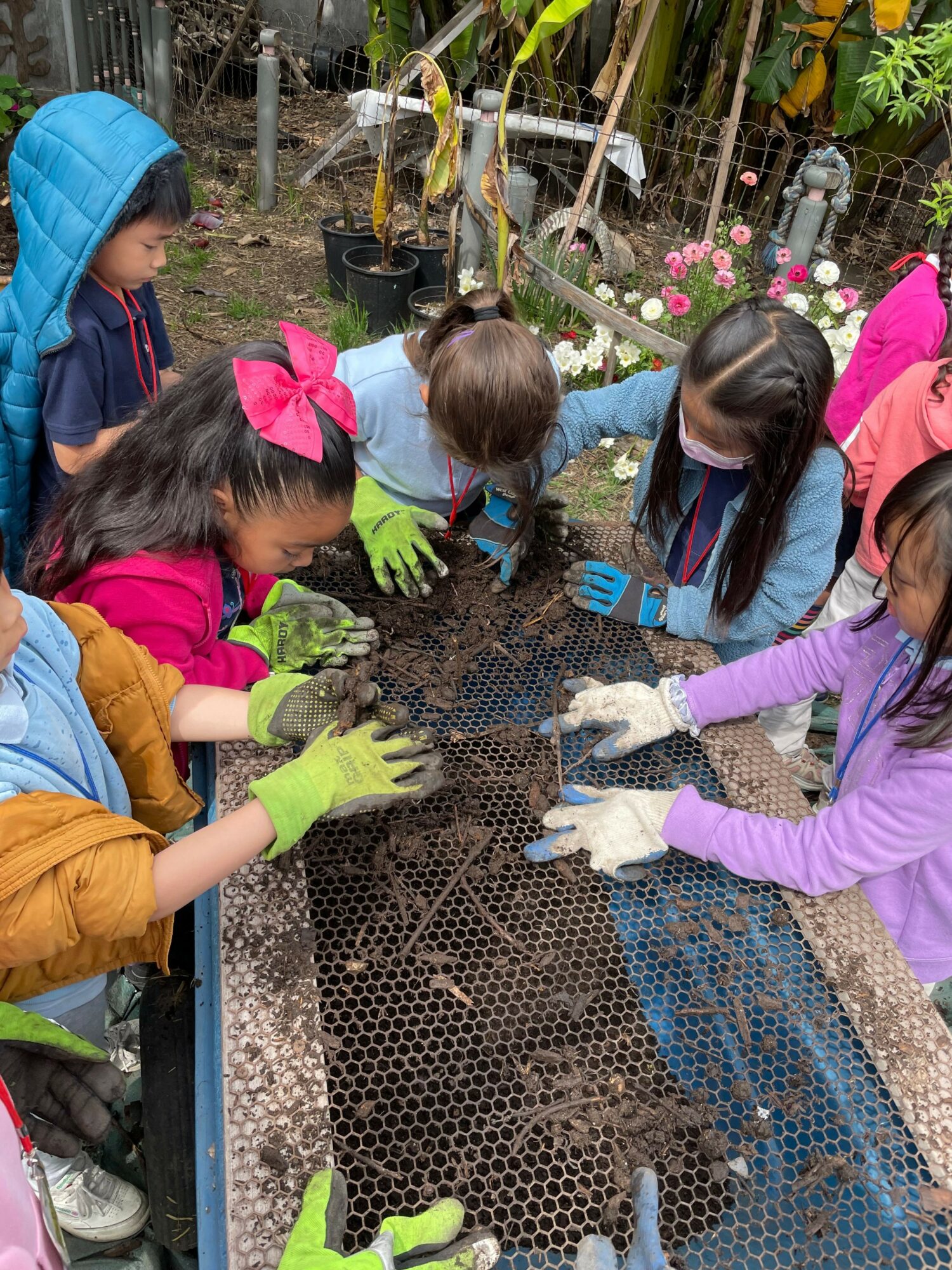
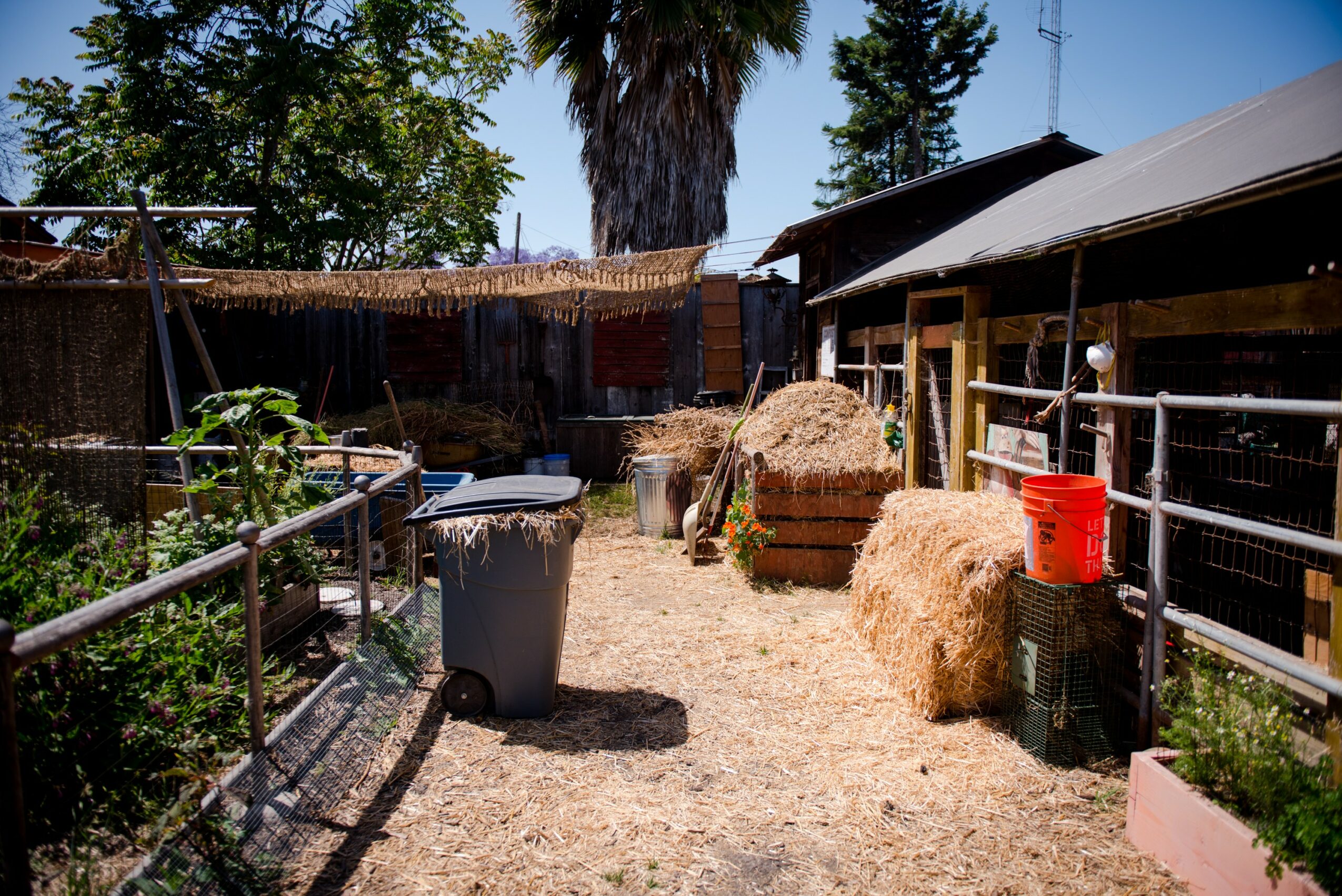
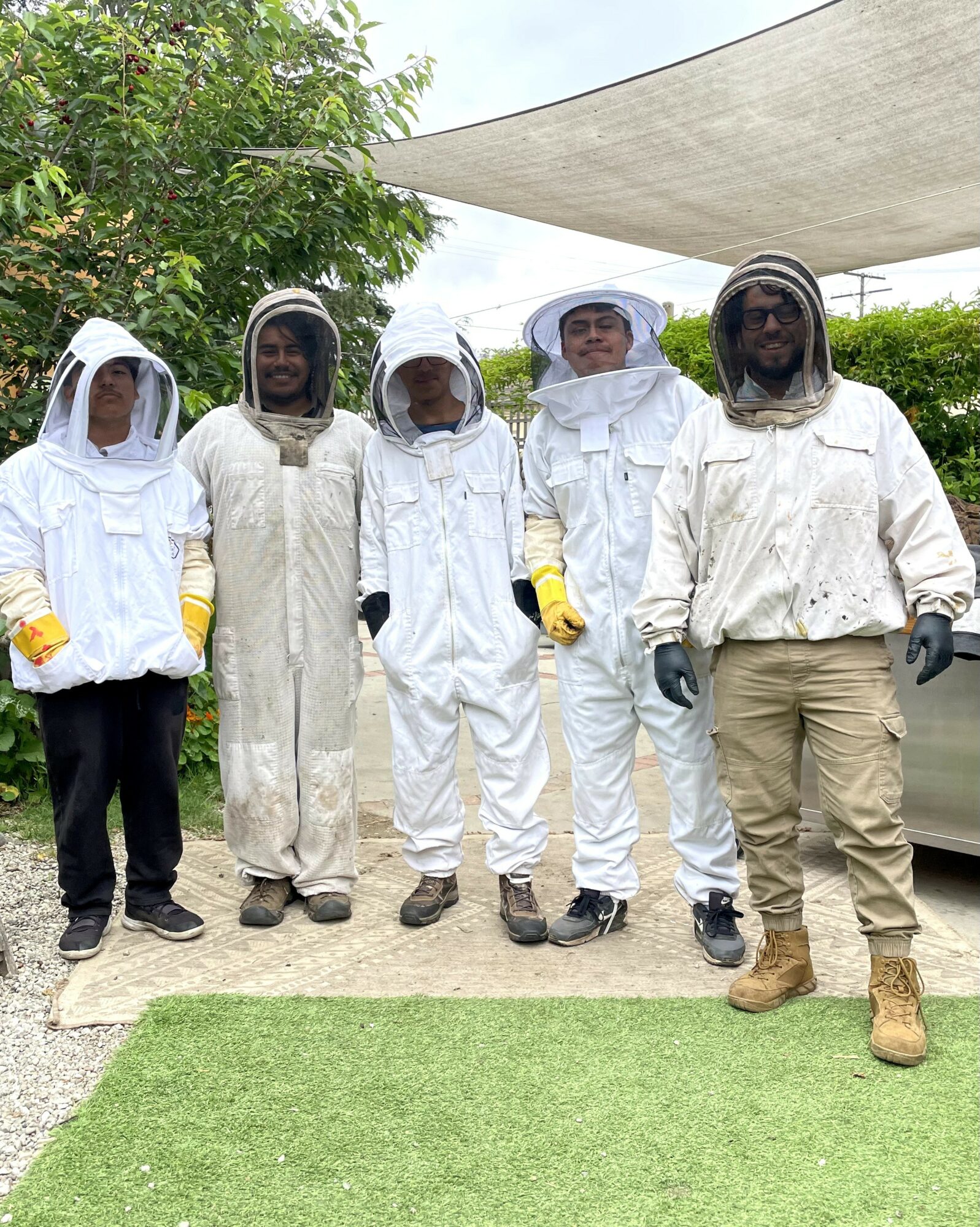
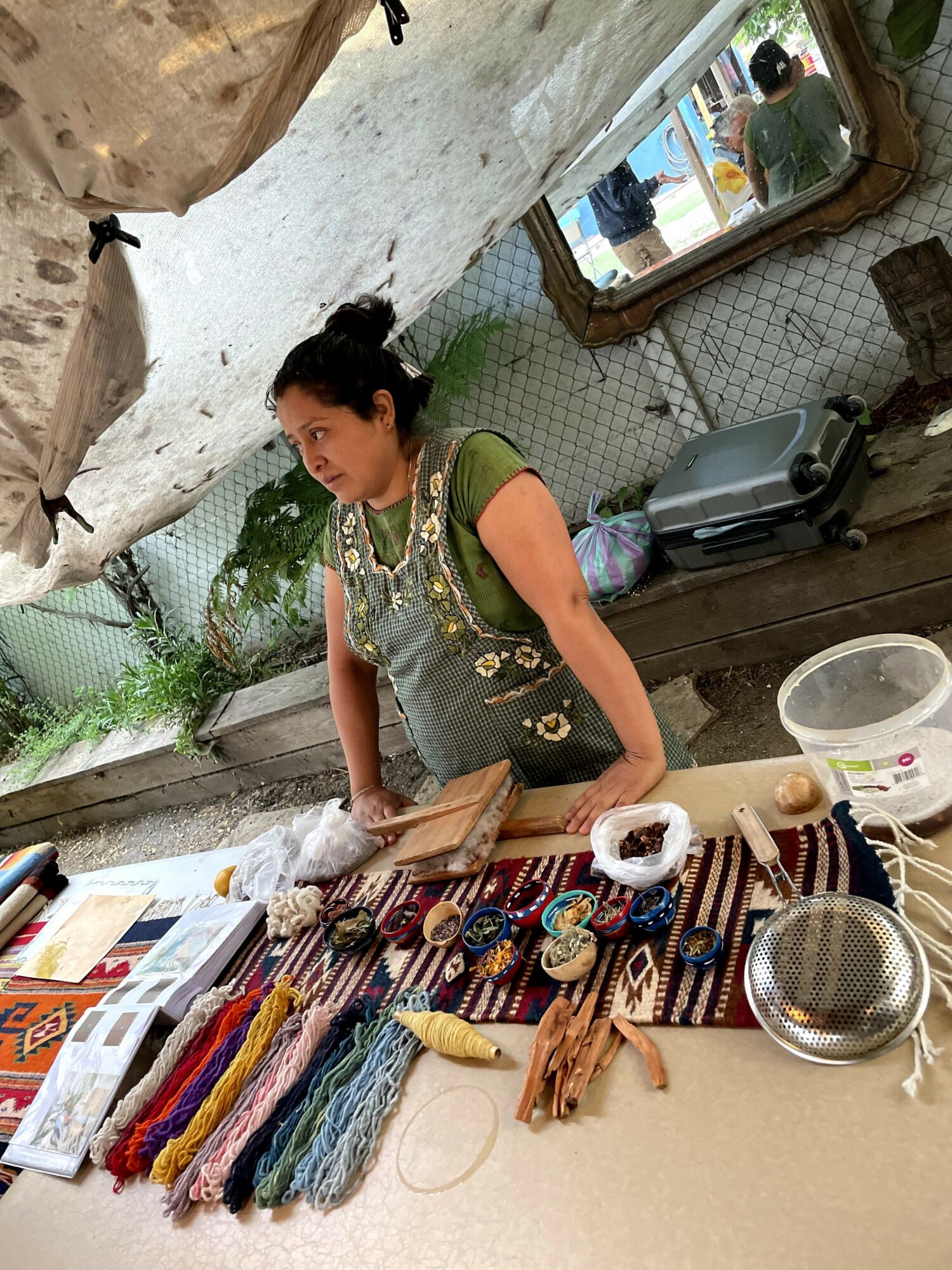
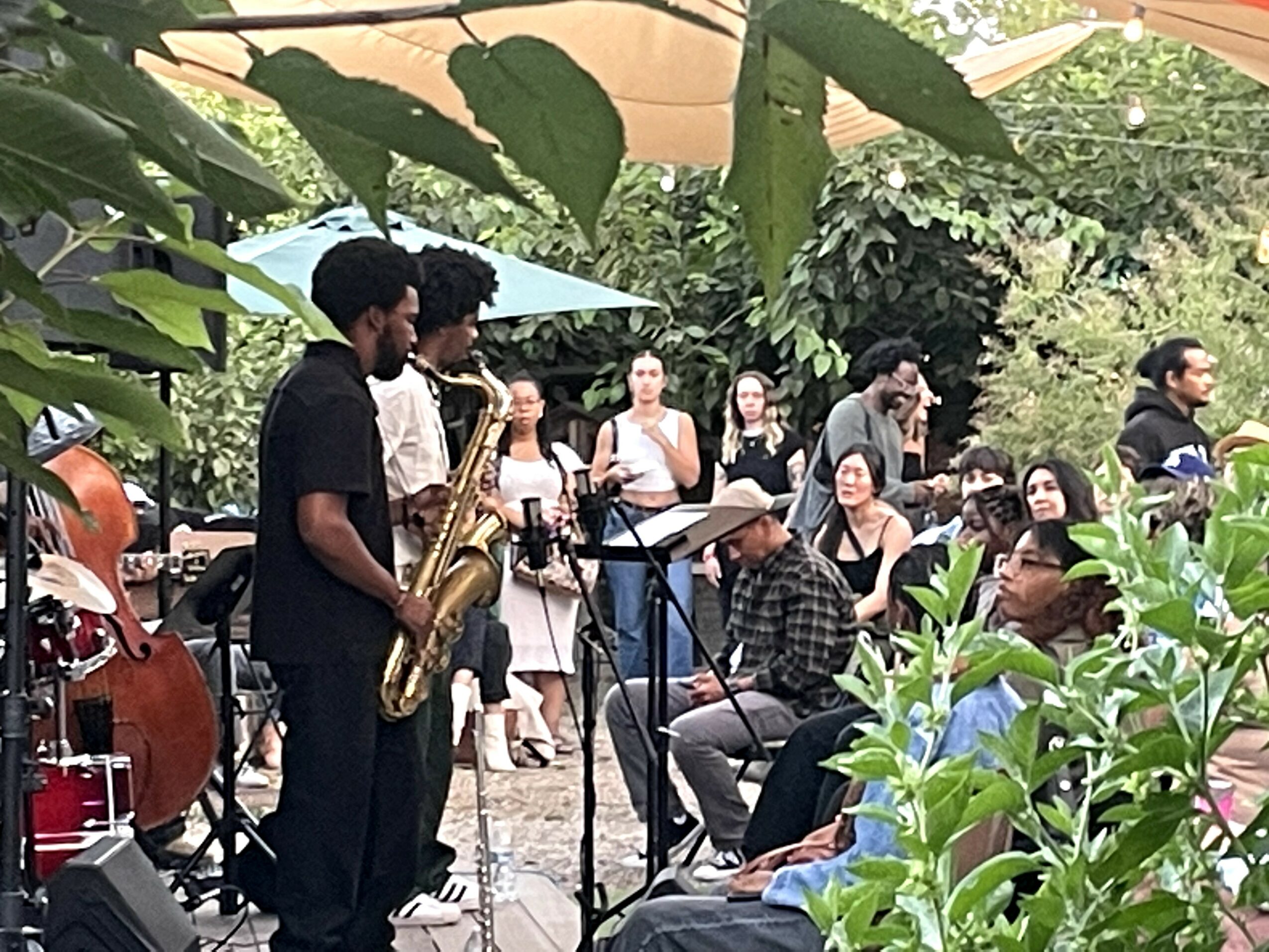
Image Credits
Lisa Whiteman – shot of farm with no people.
Popular
-

Que Johnson on Building Brands That Last: From Visibility to True Market Authority
-

Christina Wren Steps Into the Director’s Chair to Tell Stories That Feel Like Home
-

Portraits of the Valley
-

LA’s Most Inspiring Stories
-

JordanL on ‘Breathe,’ Belief, and Building a Movement Beyond the Music
-

Megan Birney Rudert on How Access to Light Is Powering a More Sustainable and Equitable Future


