



Today we’d like to introduce you to Cyrus Maroofian.
Hi Cyrus, thanks for sharing your story with us. To start, maybe you can tell our readers some of your backstory.
I think where I am today started way before I realized any of these things were connected, and honestly, it’s still evolving.
My first word was “agua,” which is kind of funny now considering how much of my life revolves around water. Obviously that didn’t mean anything to me at the time, and I definitely wasn’t a baby with some grand plan to start a clean water nonprofit, but looking back, there are all these little connections like that throughout my life that make a lot more sense now.
I studied environmental engineering at USC, partly because my dad was an engineer and it seemed like a logical path. Engineering taught me how to think analytically, solve problems, and build systems, which has ended up becoming a huge part of how I approach things now, even if the logical side of my brain doesn’t always win in the rest of my life.
While I was at USC, I went to Jamaica for spring break in 2014 and saw issues around clean water access firsthand. I came home knowing that helping people access clean water was something I wanted to be part of my life, even though I had absolutely no idea what that was supposed to look like. A few months later, I co-founded Club H2O at USC, which gave me my first little taste of trying to turn that feeling into something real. Then in 2015, I traveled to Tanzania with the Han-Schneider International Children’s Foundation and set up my first water filter in person. Over the next few years, I kept bringing a couple filters with me when I traveled to places like Bolivia, Bali, and Mexico.
Meanwhile, normal life kept moving. I graduated, got a corporate job, and ended up spending about nine and a half years there. I worked alongside my dad for a lot of that time, and even though I eventually realized that wasn’t the life I wanted for myself, I learned a lot from him about dedication, keeping your word, working hard, and leading by example. Those are things I’ve carried into basically everything I’ve done since.
Then COVID happened, I moved to Ventura, and another part of my life started opening up.
Photography had already been part of my life for a while, especially shooting with film. I’ve always liked the way having a film camera makes me slow down and actually look at where I am. When I moved to Ventura, photography became one of the ways I explored my new home, and that naturally started mixing with surfing.
I didn’t really know anybody when I moved there, so surfing became how I found community. I’d surf, photograph surfers who would eventually become my friends, meet more people, and eventually start messing around with video and making surf edits too. What started as a creative outlet turned into traveling to surf competitions, filming surfers, meeting people I had looked up to, becoming friends with people in that world, and getting opportunities I never really imagined having.
I’m still figuring out what my place in photography and filmmaking looks like. I love documenting people and places, I’m learning more about video and documentary work, and a lot of it is still me experimenting, making things, and trying to become a better storyteller.
Then in 2023, almost a decade after Jamaica, I traveled to Vietnam with Han-Schneider, the same organization that had taken me to Tanzania for my first filter installation eight years earlier. We brought 10 filters to a community, and they asked if I could come back with more.
That was the moment where I knew I needed to actually turn this into something.
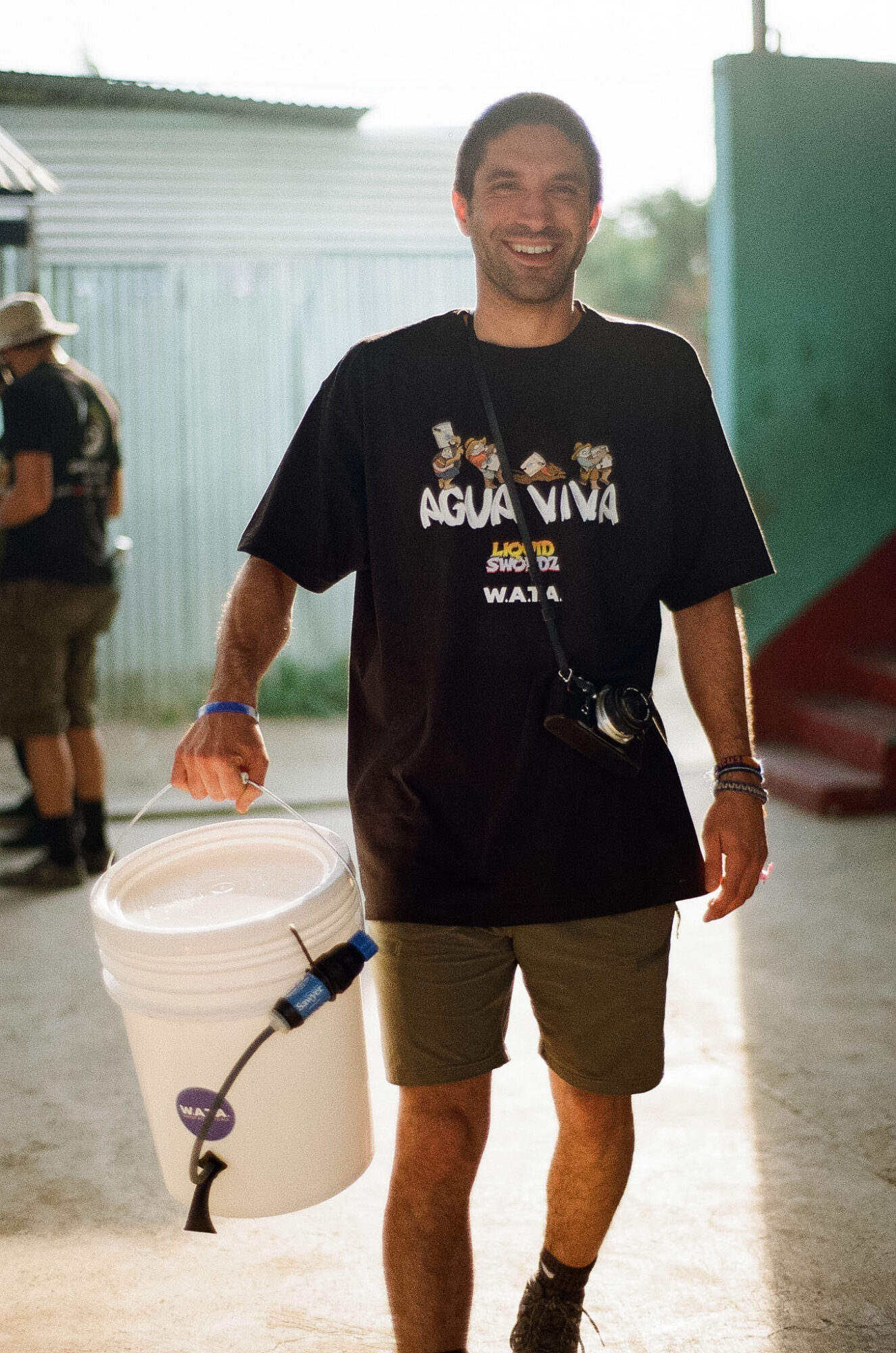
I launched Water Access To All in January 2024, and we went back to that same community with more filters. Since then, W.A.T.A. has evolved way beyond what I originally imagined.
And this is where all these different parts of my life really started blending together.
Photography and filmmaking naturally came with me into W.A.T.A. and became ways for me to share the people, places, and stories behind the work. But they’ve also created another way to connect with the communities we’re working with. Through support from Dexter’s Camera in Ventura, I’ve even been able to share film photography with kids and communities on our trips and give them the chance to experiment with something that has meant a lot to me.
Surfing started crossing over in the same way. Relationships I made through surfing eventually helped create clean water projects, especially in Myanmar, where surfers themselves have become W.A.T.A. Ambassadors. Friends from one part of my life started showing up in another. A relationship would lead to a project, which would lead to another person, which would somehow lead somewhere completely unexpected.
None of it was really planned that way. I think I’ve slowly learned that when you share the things you genuinely care about with other people and stay open to what they care about too, some pretty cool things can come from it.
And now I’ve kind of done that to myself all over again.
I left California and moved to Germany to pursue a master’s in humanitarian action. Part of that is wanting to deepen my understanding of humanitarian work and build new relationships in that space, but I also think I wanted to put myself somewhere unfamiliar again. I had built this whole community in California around surfing, photography, W.A.T.A., friends, and everything else, and now I get to see what happens when I take all of that with me and start building again somewhere completely new. I’m still running W.A.T.A., still photographing and making videos, and I’m pretty stoked to see what my relationship with the surf and creative communities in Europe becomes too.
I think I’ve gotten more comfortable with that kind of uncertainty over the years, and surfing has probably had a lot to do with it. You can check the forecast, understand the conditions, know the tides, have the right board, and think you know exactly what the ocean is going to do, then you get there and it’s completely different. At some point you have to stop trying to control everything, paddle out, and work with whatever is actually in front of you.
The more I think about it, the more I realize a lot of my life has worked that way. I can prepare, build systems, make plans, and try to put myself in the right position, but so many of the things I’m doing now came from something I never could have planned. A trip led to a relationship, a relationship led to an opportunity, surfing led to clean water work, photography created another way of connecting with people, and somehow one thing keeps feeding into another.
I don’t really feel like I’ve “gotten somewhere” yet. If anything, I feel like everything up until now has been getting me to the point where I can really start putting these different pieces together.
I’m pretty stoked to see what happens next.
Would you say it’s been a smooth road, and if not what are some of the biggest challenges you’ve faced along the way?
It definitely hasn’t been a completely smooth road, but I also want to be careful not to make it sound more dramatic than it has been. I’ve been incredibly lucky to have parents who support me and believe in what I’m doing, and I’ve had the privilege of being able to build W.A.T.A. and explore photography, surfing, and humanitarian work in the first place.
I think the challenge has been that the path I’m trying to build isn’t especially clear.
There are a lot of doctors, engineers, and people with more traditional careers in my family. I studied engineering, spent almost ten years working a corporate job, and have plenty of friends working in finance or other careers with a much more obvious structure. You generally know what the next job is, what progression looks like, and how you’re supposed to make a living.
Trying to run a nonprofit, build a life in humanitarian work, develop as a photographer and filmmaker, and understand how the surf world fits into all of that doesn’t come with the same roadmap. I’m trying to figure out how these different parts of my life can support one another without forcing them into something they’re not.
There have also been plenty of rejections, missed opportunities, friendships that changed or ended, and people I admired who disappointed me when I finally had the chance to connect with them. Some of those experiences have been hard because you build an idea in your head of how something is going to work out, and then reality goes in a completely different direction.
One of the hardest moments with W.A.T.A. was when a partner told me they didn’t believe in the water filter we were using. At the time, it felt like a rejection of everything I had built and believed in. But once I got past that reaction, I realized they were giving me information I needed to hear. That conversation eventually helped push us to incorporate water testing more directly into our programs. Now we can show communities and partners what is happening with the water rather than expecting them to trust us because we say a filter works. Something that initially felt discouraging ended up strengthening the way we operate.
I’ve had to learn that criticism and rejection aren’t always signs that I should stop. Sometimes they’re telling me to adjust. Sometimes the opportunity or relationship really isn’t right. Sometimes I need to listen more carefully. And sometimes something that feels terrible in the moment ends up putting me on a much better path later.
Photography has taught me a similar lesson. With film, you can miss a moment, expose something incorrectly, or ruin an entire roll, and there is no undo button. You have to figure out what happened, accept that the image is gone, and try to do better next time. Surfing is similar too. You can prepare, check every forecast, and still have a terrible session. You learn to adjust to what is actually happening instead of what you hoped would happen.
Another challenge for me is figuring out how to share any of this authentically. We live in a world where so much work, especially creative and nonprofit work, is tied to social media. I understand that telling the story matters. People need to know what W.A.T.A. is doing, and sharing the journey can help people feel connected to it. But I still struggle with the difference between sharing because it supports the work and posting because I want attention. Talking about myself feels uncomfortable, which is probably ironic considering I’m answering an interview question about myself right now. I’m still trying to find a way to communicate what I’m doing without making the work feel like it is centered around me.
I don’t think I’ve overcome all of these challenges. I’m still learning how to take criticism without immediately getting defensive, how to deal with rejection without letting it ruin the whole day, and how to trust a path that doesn’t always make sense while I’m on it.
What I’m getting better at is allowing things to change. A “no” can redirect me. A difficult conversation can improve the work. Losing one opportunity can create room for something I never would have considered otherwise.
I’m trying to keep moving, pay attention to what each experience is teaching me, and trust that the things that don’t work out are still helping shape where I eventually end up.
Thanks for sharing that. So, maybe next you can tell us a bit more about your work?
I think I’m still figuring out exactly what kind of photographer or filmmaker I am, and honestly, I kind of like that.
Art and creativity have always been around my family. My grandmother was an artist and one of the biggest creative influences in my life. When she realized I was getting more serious about photography, I remember her sitting me down and telling me she was happy I was allowing myself to pursue something creative and something that actually made me happy. Coming from her, that meant a lot.
Photography for me is really about exploration and documenting the things happening around me. I shoot 35mm film, and the process itself is a big part of why I love it. A lot of the photographers and images that originally made me love photography were shot on film, and I like staying connected to that.
Having a limited number of frames makes me slow down and think about what I actually want to photograph. It also humbles me constantly. I miss focus, expose things wrong, mess up rolls, or think I took an incredible photo only to get the scans back and realize I absolutely did not. There’s no screen telling me I got the shot and no instant gratification. You accept it, learn from it, and hopefully get a little better the next time.
I also love experimenting with weird film stocks. Recently I’ve been shooting a lot of Harman Red, a redscale film that can completely change the way a scene looks. It’s unpredictable, which is probably part of why I like it. One of those images recently ended up on the cover of *Classics Magazine*, which was pretty rad. Having a photograph on a magazine cover is obviously cool, but I was even more stoked that it came from experimenting with a film stock I genuinely enjoy rather than trying to make something specifically for a publication.
A lot of what I photograph comes naturally from the life I’m already living. When I moved to Ventura, surfing became a huge part of my community, so naturally I started photographing surfers and the people around me. That eventually led to making surf edits, traveling to competitions, filming surfers, and experimenting more with filmmaking and documentary storytelling.
I don’t really want to define myself only as a surf photographer, though. I love photographing people, travel, different cultures, landscapes, and the weird little moments between whatever the “main event” is supposed to be. A camera is one of the main ways I explore somewhere new and connect with the people around me.
That has naturally found its way into W.A.T.A. too. Photography and filmmaking have become ways for me to share the people, places, and stories behind our work, but they’ve also become another way to connect directly with the communities themselves.
My relationship with Dexter’s Camera in Ventura is probably my favorite example of that. They process my film and have supported my photography, but that relationship has grown into something much bigger. They’ve helped us bring photography into W.A.T.A. projects so kids and communities we work with can experiment with cameras and tell stories from their own perspective. Something as simple as finding a local camera shop eventually created opportunities on the other side of the world.
I think that’s what I’m most proud of creatively. Not necessarily one photograph or one video, even though seeing my work on a magazine cover was pretty damn cool. It’s that something I started doing because I loved it has become a way to explore, tell stories, build friendships, and connect different parts of my life.
I don’t know if I have a signature style yet, and I don’t want to pretend I do. I’m still experimenting with cameras, weird film stocks, underwater photography, surf photography, portraits, documentary work, and video.
I’m mostly trying to stay connected to why I picked up a camera in the first place: slow down, pay attention, make something intentional, and see where it takes me.
So, before we go, how can our readers or others connect or collaborate with you? How can they support you?
Honestly, reach out and say what’s up. Tell me your idea, tell me what you’re working on, tell me what you’re stoked about, or tell me about something you think we should be doing together.
Some of the coolest things I’ve done started with a really simple conversation. Our Guatemala program started with a cold email. Our work in Myanmar started because someone reached out and basically said, “Hey, this looks like the village I work in. Do you think you could help my village too?” You never really know what one conversation is going to turn into.
For W.A.T.A., the biggest need right now is funding. We’re donation-funded, and that money isn’t going toward paying me. It’s what allows us to buy more filters, support our programs and Ambassadors, help volunteers and Warriors do more, and ultimately reach more people with clean water. The more support we have, the more support I can give to the people who want to help us do the work.
There are also a bunch of ways to actually get involved. We’re always looking for W.A.T.A. Warriors, which are basically travelers, surfers, students, creators, adventurers, or whoever wants to take the mission with them. Warriors can fundraise, help distribute filters, tell stories, connect us with communities, or build a project around somewhere they’re already going. A lot of that is currently self-funded, but as W.A.T.A. grows and we bring in more funding, I want to be able to give our Warriors more resources and support too.
We also run a couple of trips throughout the year where volunteers can come into the field with us and actually be part of the work.
Our Ambassadors are a little different. They’re local students, surfers, teachers, community leaders, and other people who live in the communities where our programs exist. For that, I’m especially interested in connecting with local nonprofits and organizations that already have trusted relationships within their communities. If you’re doing great work somewhere and clean water could strengthen what you’re already building, let’s talk. That’s usually how an Ambassador network can grow naturally from within the community rather than us trying to create one from the outside.
And then bring your own thing too. If you’re a photographer who wants to teach kids, a surfer or skater who wants to use your community to help, an engineer, filmmaker, artist, athlete, educator, brand, company, or someone with a skill I haven’t even thought about yet, I’m open to figuring out what we could build together.
Creatively, I’m also starting over a little bit right now. I’m living in Germany while I work on my master’s, and I’m stoked to start finding my community in Europe. I’d love to connect with surfers, skaters, photographers, filmmakers, artists, brands, competitions, and people making interesting things over here. If you want to shoot, make a video, surf, travel, work on something together, or just meet up and share some stoke, reach out.
Ironically, Instagram probably isn’t the best way to find me right now. I haven’t really been on it since moving to Germany. I’ve been trying to stay present and actually experience being somewhere new instead of immediately turning everything into something I need to post. Plus there’s definitely been some surf fomo from some recent swells back home.
The W.A.T.A. website and my photography website both have ways to contact me, or you can reach out by email or LinkedIn. And if you know somebody you think I should meet, make the introduction.
I’m pretty open to everything. Bring what you bring to the table, tell me what you’re stoked about, and let’s see if there’s something we can do with it.
Pricing:
- $50 — Provides clean water for approximately one family of five
Contact Info:
- Website: www.saltyviewfinder.com | www.cleanwata.org
- Instagram: saltyviewfinder | wateraccesstoall
- Youtube: https://www.youtube.com/channel/UC0xTf-t-4Z-gCh6R1aMiEhw
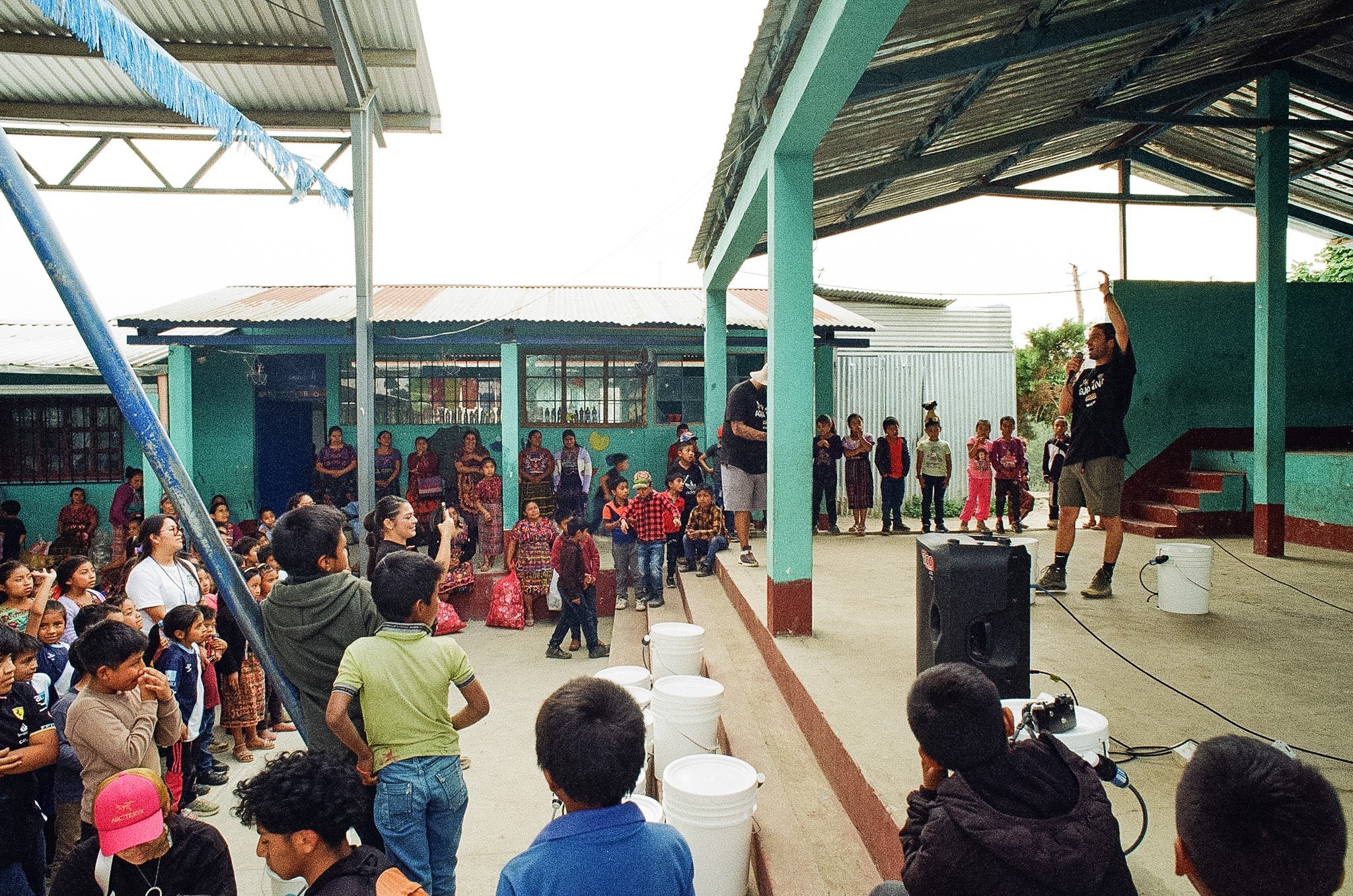
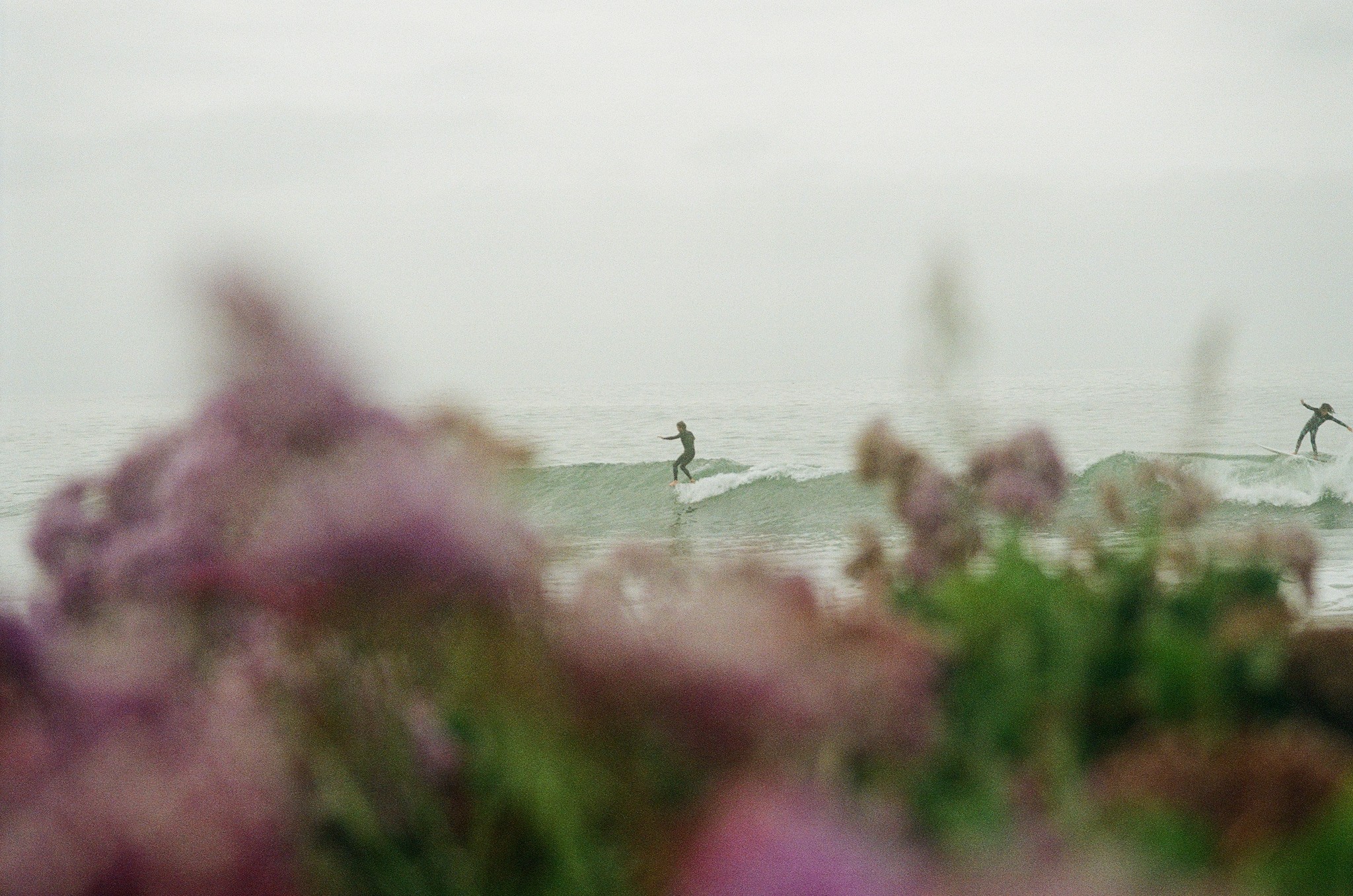
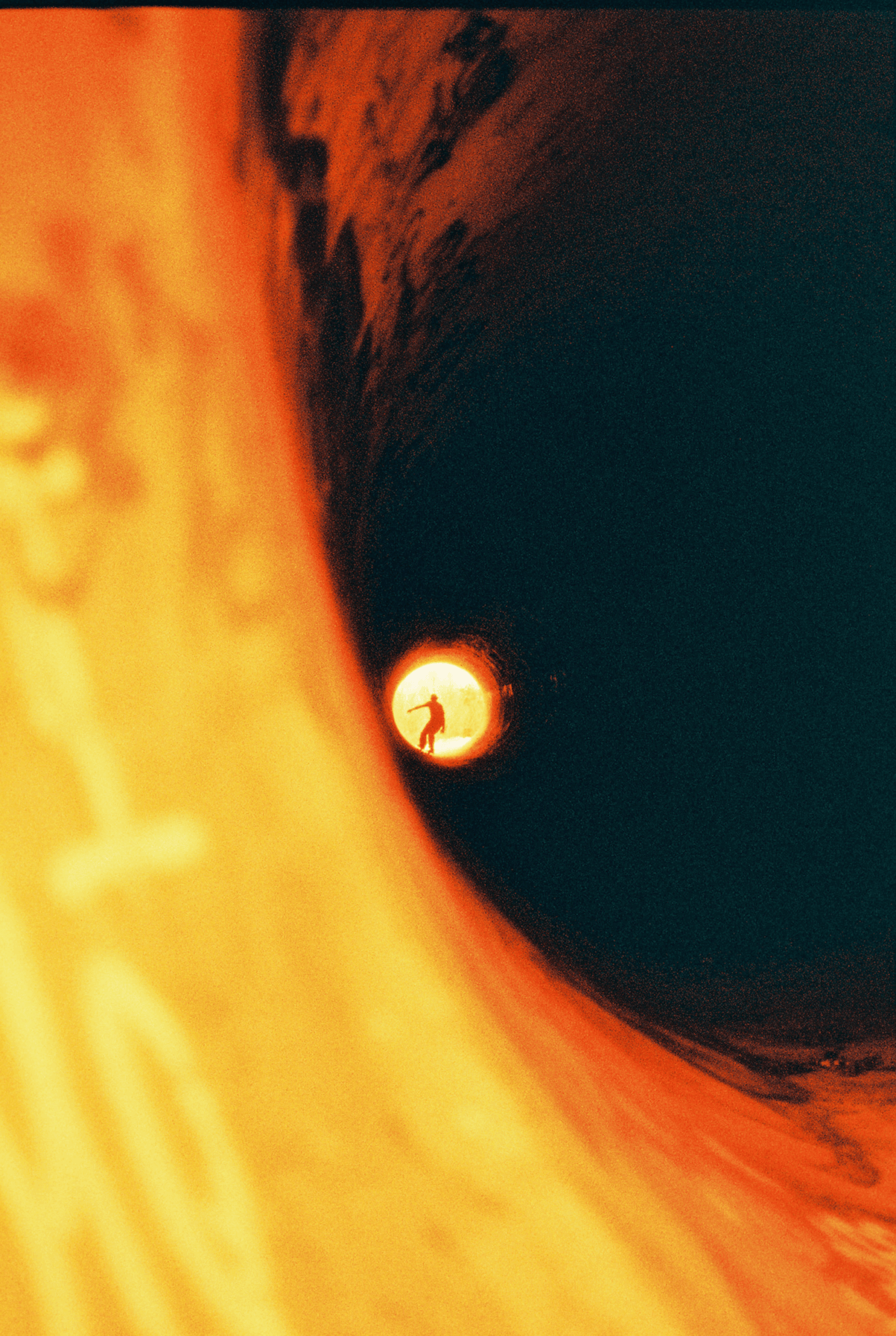
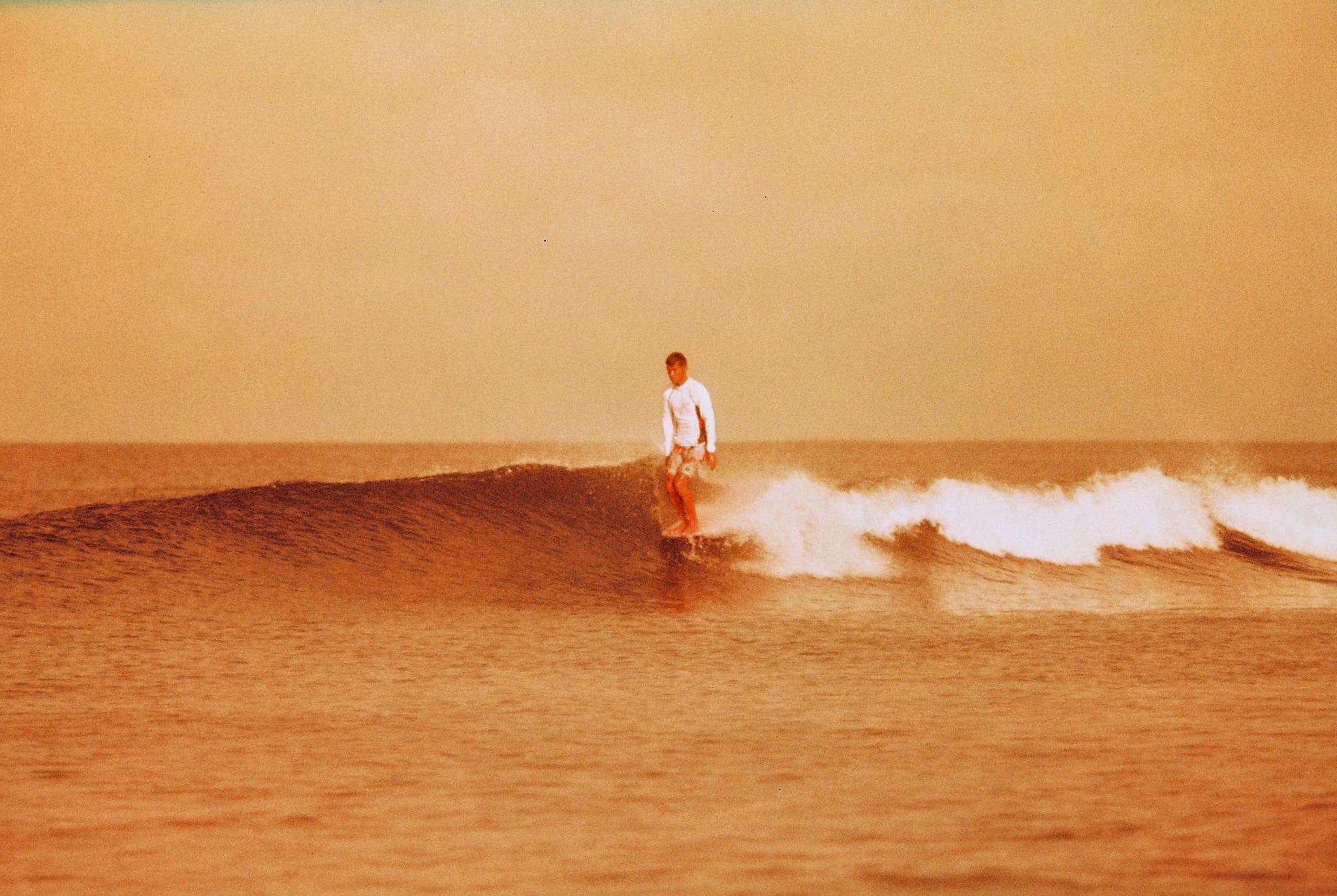
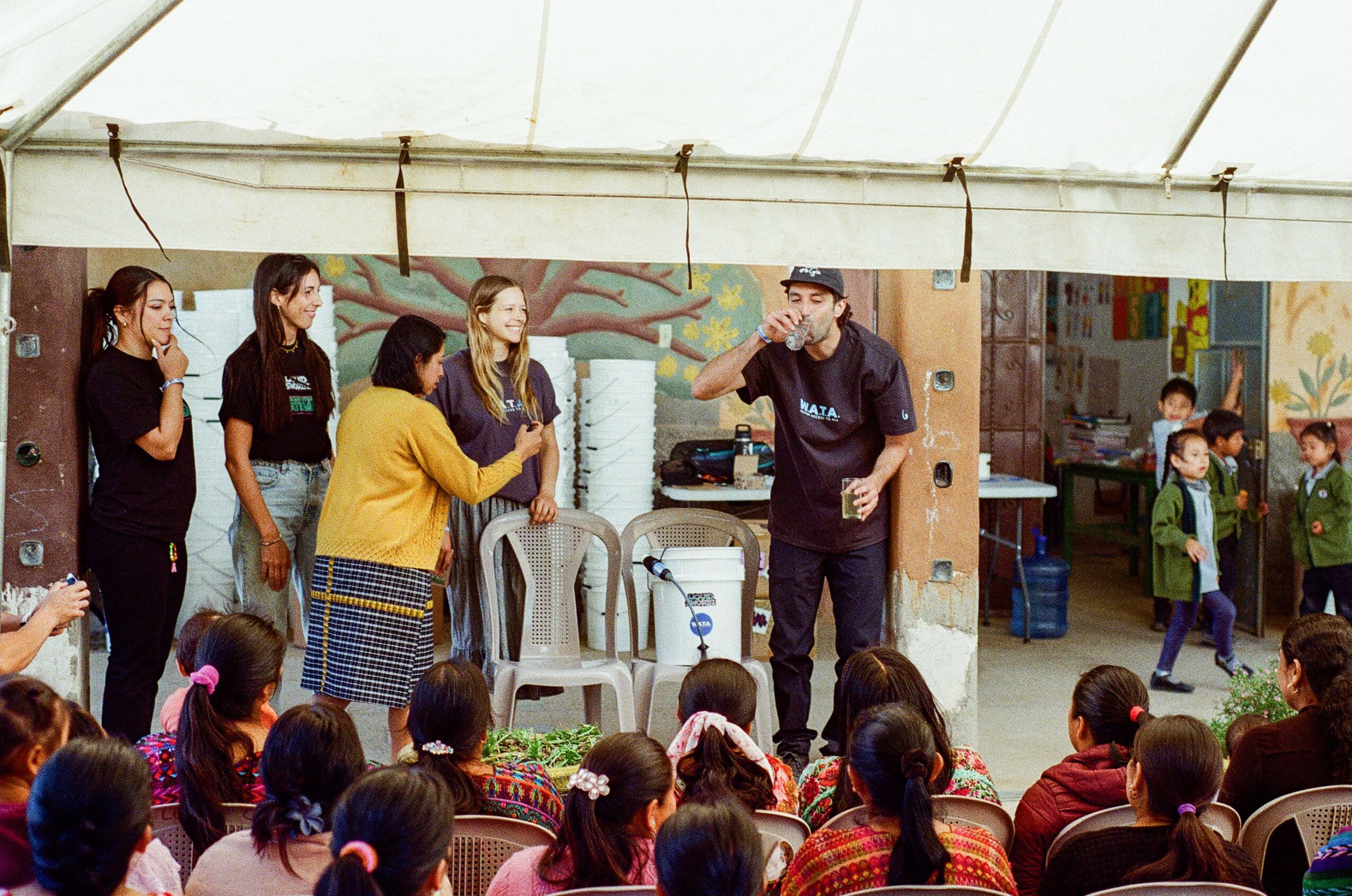
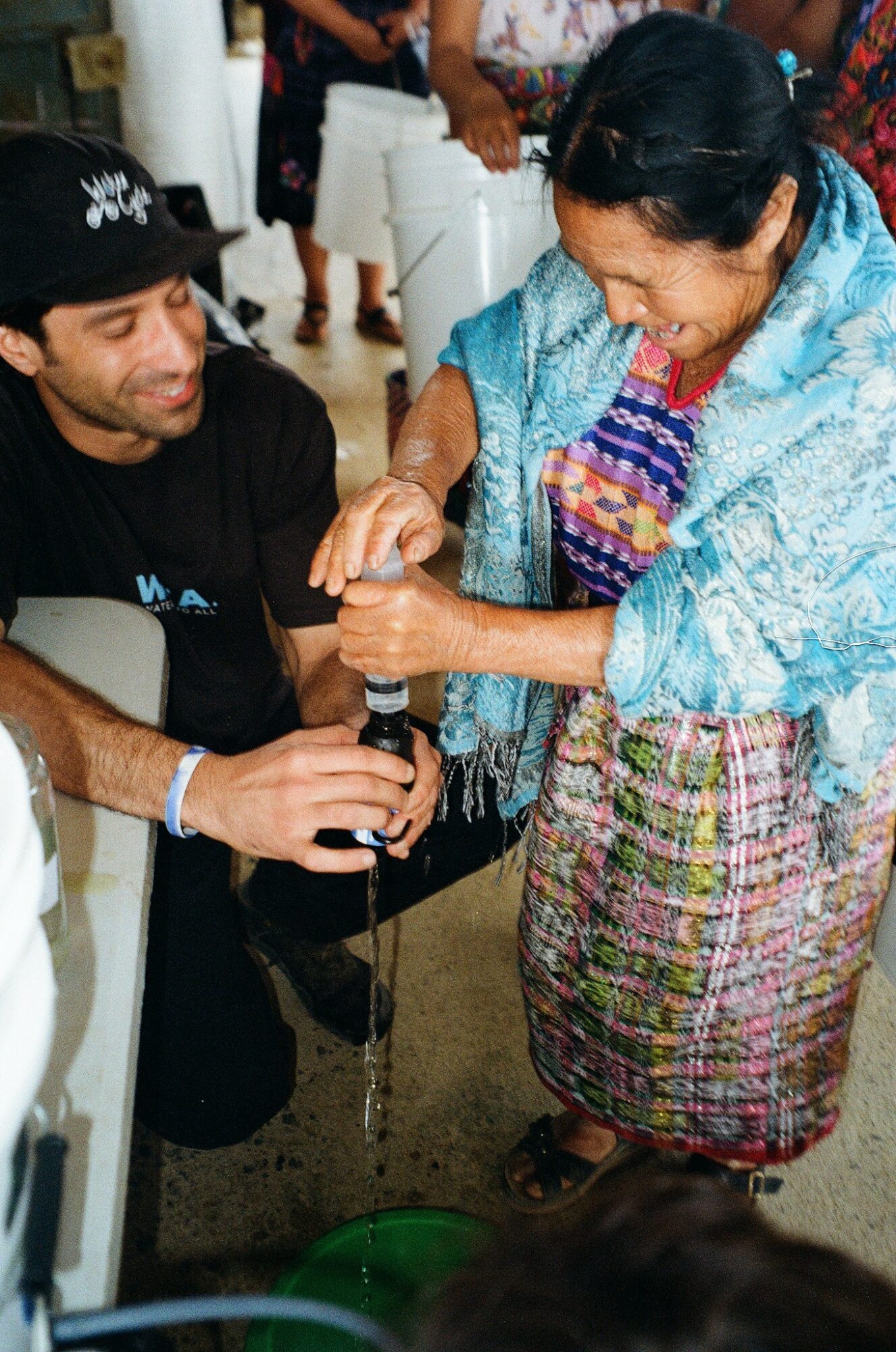
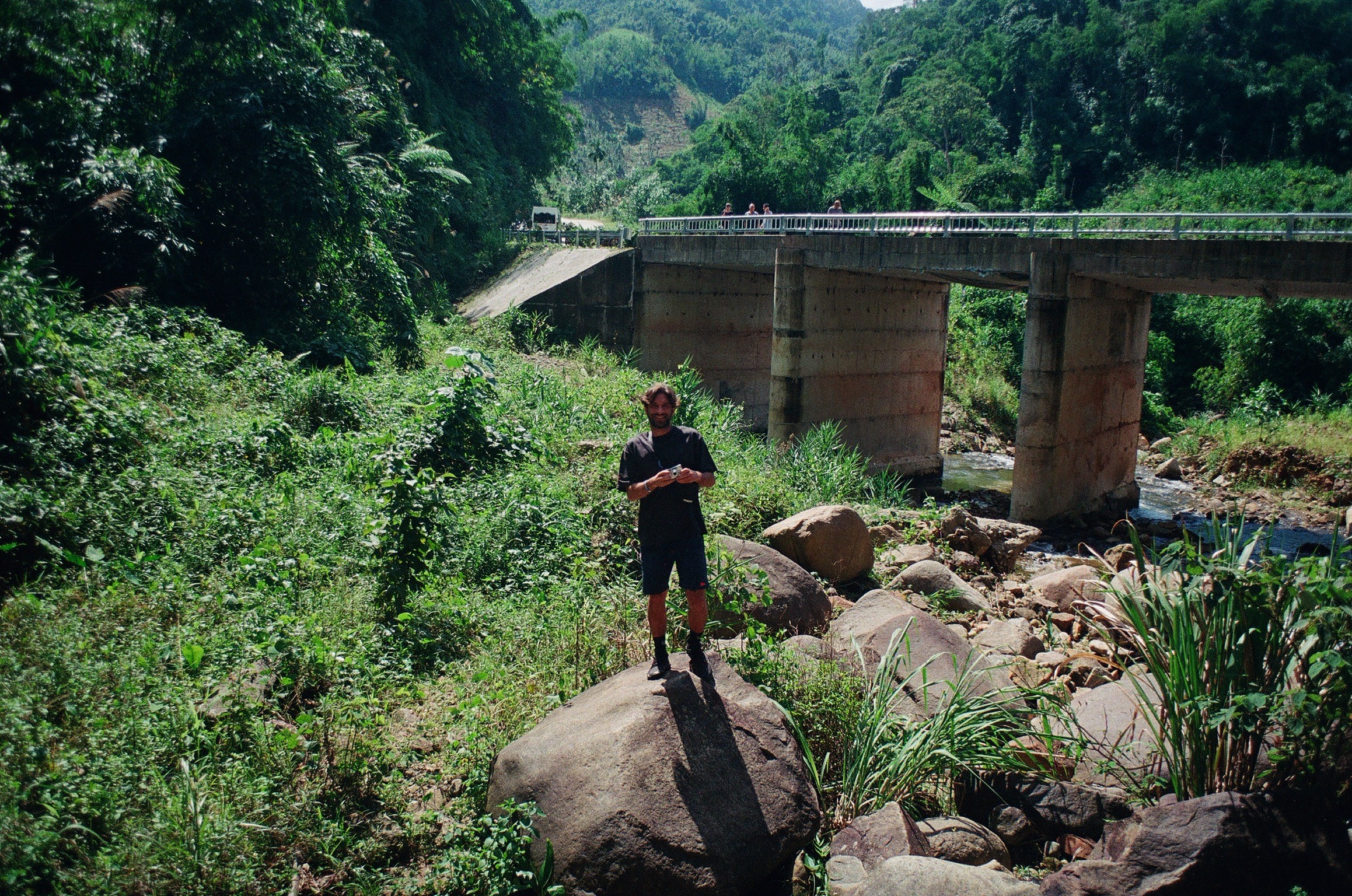
Image Credits
Greg Montano, Gaia Menni, Izaiah Martinez
Popular
-
Greg Hex Is Turning the Everyday Kitchen Knife Into a Modern Design Object
-

Portraits of the Valley
-

LA’s Most Inspiring Stories
-

Rick Norris Learned That Building a Successful Business Means Building a Life You Actually Want to Live
-
How Olivia Rush Turned Survival Into a Mission to Help Others Keep Going
-

How Bibi Goldstein Is Helping Entrepreneurs Reclaim Their Time by Embracing the Power of Delegation


