




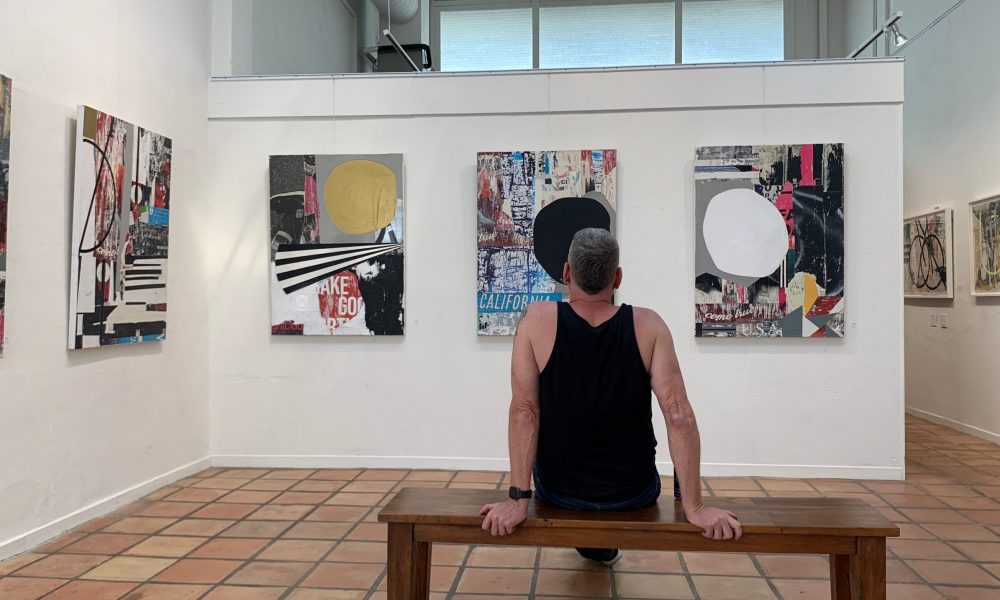
Today we’d like to introduce you to Cody Bayne.
Alright, so thank you so much for sharing your story and insight with our readers. To kick things off, can you tell us a bit about how you got started?
I come from a family with a rich artistic lineage, where artistic talents were as natural as breathing. My relatives were exceptionally gifted, playing instruments and possessing incredible drawing skills without formal training. We oft credit my great-grandfather Grady for this innate talent, as he was known for creating impressive murals in Nashville churches at just nine years old. Family gatherings turned into friendly competitions, where everyone tried to outshine one another, both musically and artistically.
However, I found myself drawn to dissonance and the unconventional. While my family excelled at traditional art and melodic music, I was interested in pushing boundaries and embracing the chaotic and the unexpected. In high school, I pursued sports but secretly indulged in creating art during my free time. I was eventually caught by the art teacher, Shirley Dumont, who, rather than reprimanding me, encouraged me to explore my artistic inclinations. She even convinced me to take the AP art history class, where I thrived despite being a pretty poor student in other subjects that didn’t interest me.
A pivotal moment occurred just before high school when I participated in an international student summer exchange program. An outing to the Moderna Museet in Stockholm introduced me to Robert Rauschenberg’s “Monogram,” a work that was so extreme and unconventional that it forever altered my perspective on art. From then on, I decided to create work that was not about conforming to traditional expectations.
My journey continued when I first pursued a major in art history at the University of Tennessee, still struggling to give myself the title of “artist.” I danced around it by studying art but not doing it. Finally convinced to take a life drawing class, it unexpectedly became transformative as I initially destroyed my drawings after each session, only to realize there was some potential for me when my work was displayed in a showcase saved for highlighting the best works from the semester.
Fast forward to 2007, I found myself in Berlin during Art Week, grappling with a short film project I was creating. I came to terms that I didn’t want to make a film; I wanted to paint or at least be a fine artist showing in galleries. I wanted to make a mark that was meaningful to me. In 2012, after five years of creating work that felt inauthentic, a significant accident and subsequent epiphany reshaped my artistic path. During my recovery, I contemplated the purpose, intention, and direction of my art. This pivotal moment led me to explore the concepts of time, place, and impermanence, using materials that bear witness to the passage of time. For the past 11 years, I have dedicated myself to this exploration and have continued to evolve as an artist.
I’m sure it wasn’t obstacle-free, but would you say the journey has been fairly smooth so far?
I can attest that it hasn’t been a smooth road by any means. It’s quite a humorous question because I’d certainly raise an eyebrow if someone claimed it was all easy peasy. In reality, there have been moments of incredible roughness and challenges along the way. However, I make a conscious effort not to let those struggles become the central focus of my narrative. I don’t believe in trauma transactionalism, and I’m determined not to let pain and suffering perpetuate a mythology within my personal story. Instead, I prefer to say that every time life has knocked me down, I’ve stood right back up emerged even stronger, and with a clearer sense of purpose. I’m fortunate to possess an unbreakable will that keeps me moving forward.
Appreciate you sharing that. What else should we know about what you do?
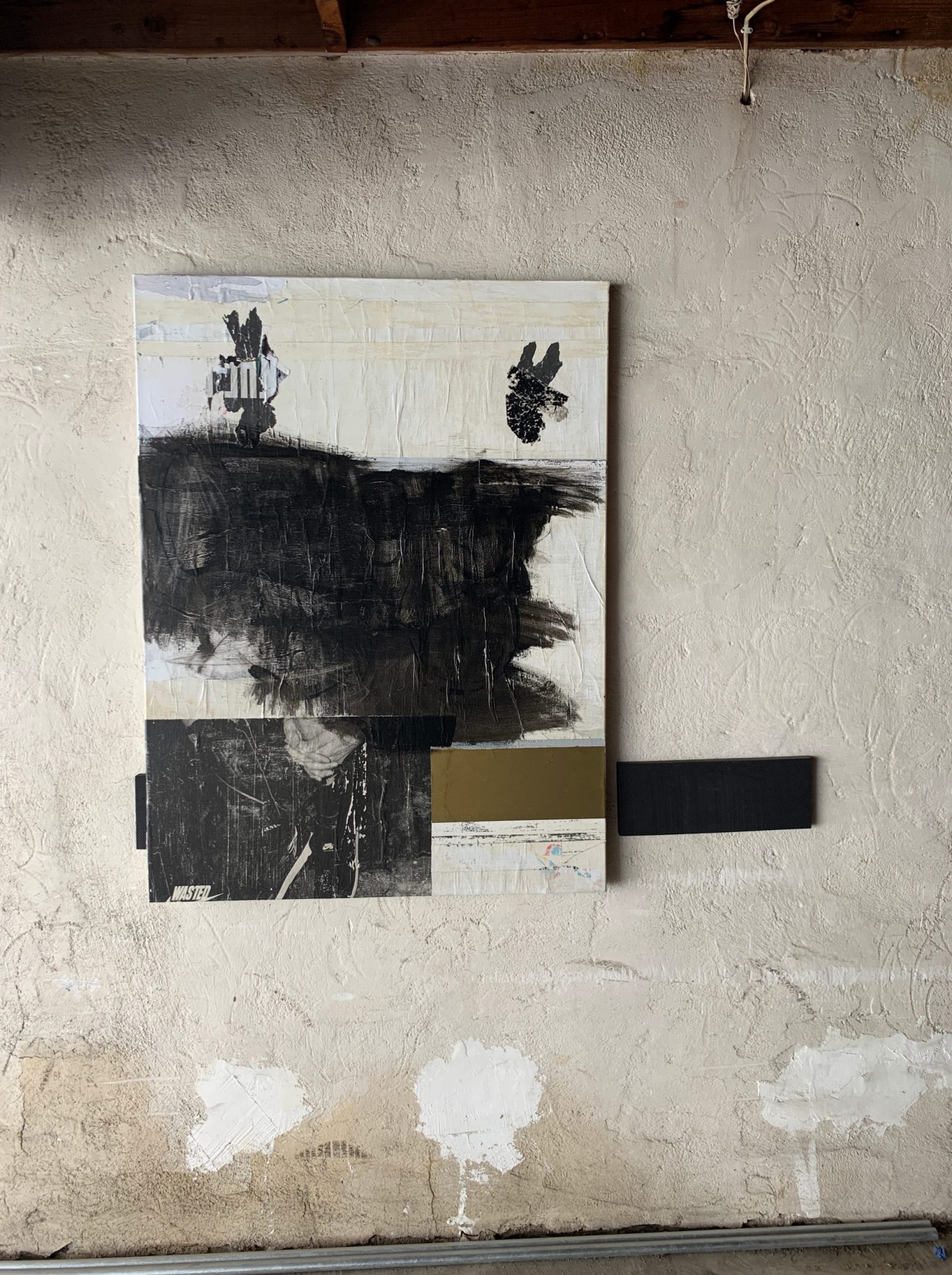
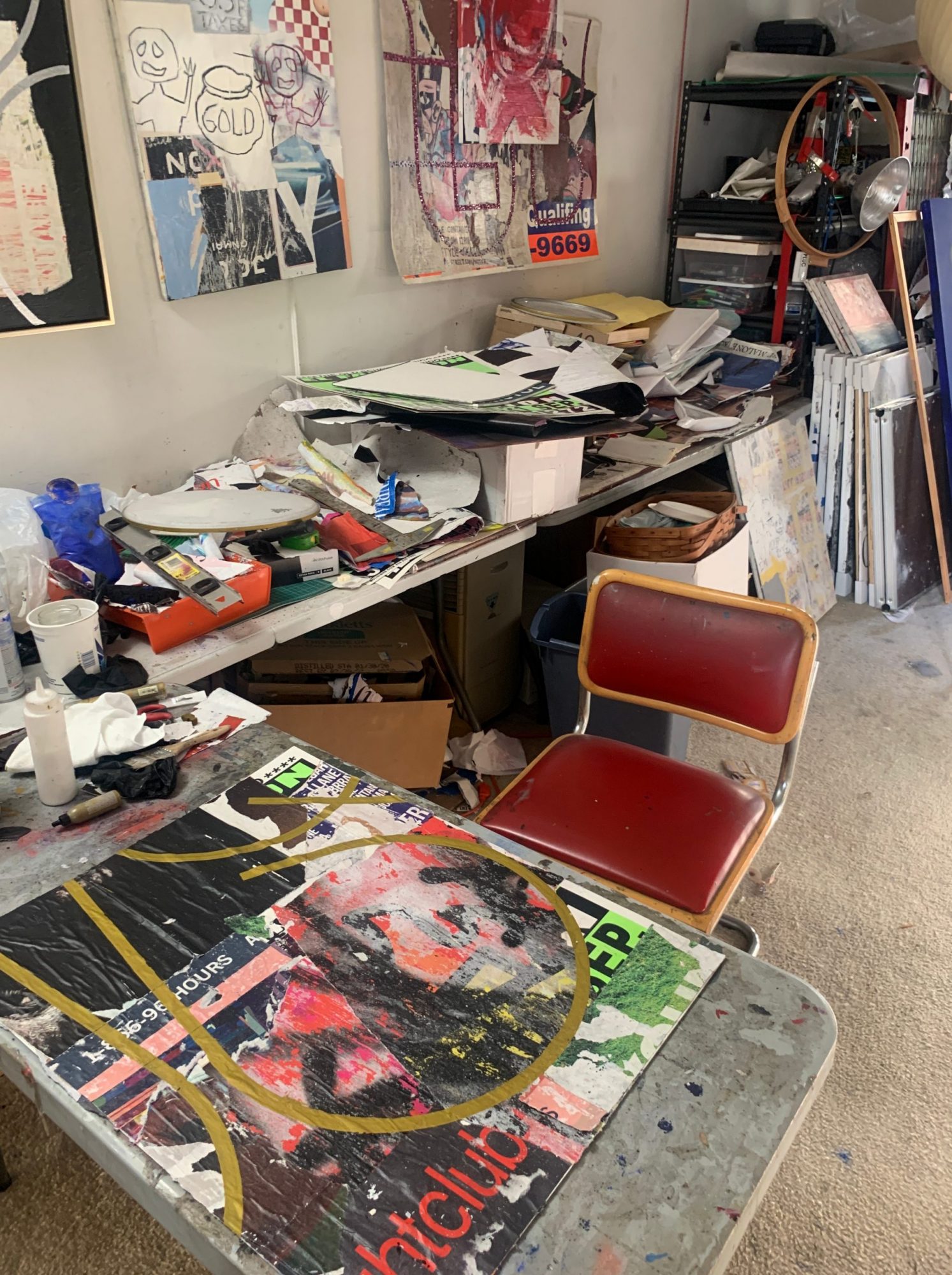
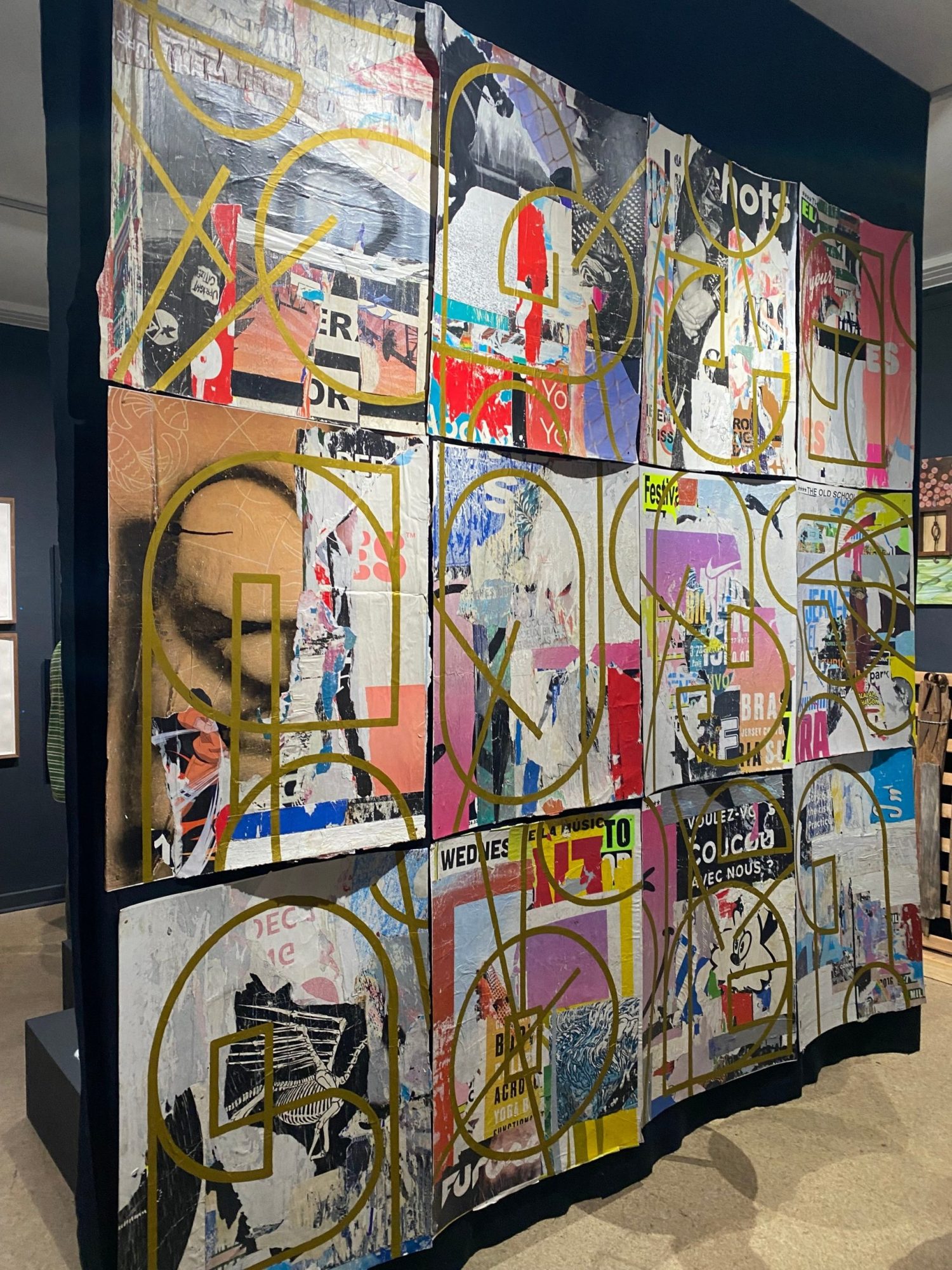
I’ve shown my work throughout the United States, Canada, and Europe, earning recognition for my interdisciplinary artistic approach. My creative practice spans across painting, mixed media, sculpture, and new media, with a thematic focus on exploring concepts of time, impermanence, identity, and place. My work is marked by a distinctive visual language that forges intellectual and emotional bonds with the audience. Frequently employing materials collected from cities around the world, I construct a visual vernacular that feels simultaneously familiar and foreign. Rooted in the influences of 20th-century art movements like Nouveau Réalisme and Art Informel, I’ve coined the terms Neo-Urban Expressionism and Urban Informalism to characterize my practice.
My process involves “harvesting” information from urban environments and arranging materials into compositions that mirror the beauty inherent in flaws and discarded information. Material as “witness” is a fundamental principle in my work. I navigate a delicate balance between structured parameters and action-oriented processes, allowing spontaneity and accidental interventions to play a significant role in shaping my creations. The unmistakable touch of my artist’s hand serves as both a symbol of humanity and a representation of the distressed conditions and environments that inspire me.
While I don’t consciously approach my work with a social commentary filter, I recognize that the poetry of the metropolis naturally sparks these conversations. My art is contemporary and academic, addressing themes of impermanence, coded vernaculars, identity, and place. Through my art practice, I’m fostering a visual dialogue that transcends physical spaces, moving from walls and streets to a personal language, facilitating a connection between contemporary art and cultural intersectionality.
Any advice for finding a mentor or networking in general?
I believe mentors are invaluable. I had to forge my path without any and often felt like I was missing something crucial. In 2014, I established an imaginary mentorship with Pierre Soulages, which, in hindsight, may seem a bit eccentric. Surprisingly, it turned out to be tremendously beneficial, resulting in a significant body of work titled ‘101 Nights with Pierre Soulages.’ Today, I was speaking to a young artist and shared some advice based on my experiences. Here are my suggestions:
1. Instead of referring to your art as a ‘hobby,’ embrace the term ‘practice’ and confidently call yourself an Artist.
2. Get your own domain and create a website immediately. Once it’s up and running, talk about it whenever the right opportunity arises.
3. Document your work thoroughly.
4. Be capable of discussing your work broadly when necessary.
5. Cultivate a network of friends who understand that some weekends, you’ll be in the studio, not at the party.
6. Make it a point to go see art regularly.
7. You’re going to be dismissed by those whose support you need most; they will eventually recognize your dedication.
8. Your first cheer squad will often be strangers; turn them into friends because you’ll need them.
9. Social media matters.
10. When artists to ask you about your art and what you’re working on, ask about their work and trade studio visits.
Be both cautious and carefree in the art world, as it contains incredible people as well as scoundrels, sometimes two sides of the same coin. One early strategy I employed was creating business cards with my name and contact information on one side and a quadrant grid displaying four of my current works on the other side. This simple tactic led to numerous studio visits and even a few exhibition opportunities.
Wake up every day as if it were your only chance, as time passes quickly, and there’s no room for waiting. If all else fails, don’t hesitate to host your own show in a garage, in your hallway, at a friend’s place a street corner… be creative; you’re an artist after all.. Display your work with confidence, and the world will respond in kind.
Oh and finally, don’t talk smack about art you’re not responding to during the opening of a show; you never know who is listening. It’s not a good look on anyone.
Contact Info:
- Website: codybayne.com
- Instagram: www.instagram.com/codybaynestudio
- Facebook: www.facebook.com/codybayne.artist
- Twitter: twitter.com/codybayne



Popular
-

Christina Wren Steps Into the Director’s Chair to Tell Stories That Feel Like Home
-

Portraits of the Valley
-

LA’s Most Inspiring Stories
-

JordanL on ‘Breathe,’ Belief, and Building a Movement Beyond the Music
-

Megan Birney Rudert on How Access to Light Is Powering a More Sustainable and Equitable Future
-

Linda Kneidinger on Building Lasting Change Through Small Steps and Self-Compassion


