



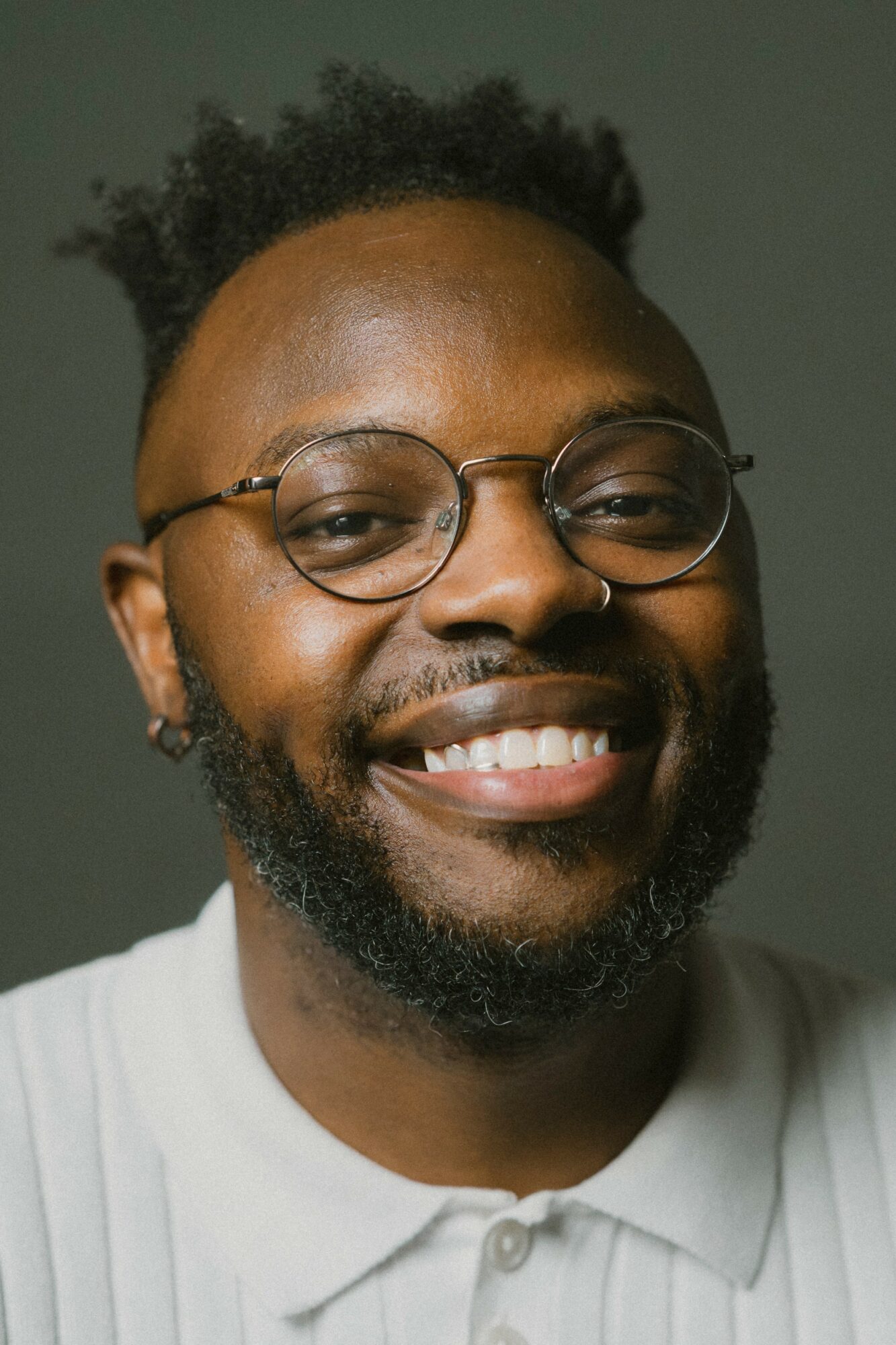
Today we’d like to introduce you to Chris Fonseca.
Hi Chris, we’re thrilled to have a chance to learn your story today. So, before we get into specifics, maybe you can briefly walk us through how you got to where you are today?
I’m Chris Fonseca, a multidisciplinary artist, dance artist, choreographer, actor and co-artistic director of Fuse Theatre. Born and raised in South East London, I became profoundly Deaf after contracting meningitis at the age of two.
As the only Deaf person in an all-hearing family, I grew up navigating my intersecting identities, different ways of communicating and finding my place within modern British culture. These experiences continue to shape who I am and the stories I tell through my work.
My passion for dance began when my aunt introduced me to the film *Breakin’. I became fascinated by the world of street dance – popping, locking, breaking and storytelling through movement. I watched the film repeatedly and began teaching myself the moves.
At the time, I didn’t see professional Deaf dancers who looked like me or shared my experiences. There was no clear path to follow, but dance gave me a language of my own and a space where I could express myself freely.
At 19, I began studying graphic communication at the University of Wolverhampton, where I later joined the Deaf dance group Def Motion. Creating alongside other Deaf artists showed me the importance of community, connection and representation.
At the age of 26, I made the bold decision to leave my 9-5 job and commit fully to pursuing dance and made a personal vow to give my dream a real chance. I wasn’t fearless, and I didn’t know exactly where the decision would lead me. I simply knew that I would always wonder “what if?” if I didn’t try.
Since then, my journey has taken me across theatre, television, film, live performance, commercial campaigns and education. I am grateful for every opportunity, every collaborator and every challenge that has helped me grow. I am still learning and evolving, But I remain guided by the same passion that began with my younger self in South East London, watching Breakin’ and beginning to discover who I was, what I wanted and the artist I could become.
Would you say it’s been a smooth road, and if not what are some of the biggest challenges you’ve faced along the way?
Breaking barriers by doing what I love has not been an easy ride. Sharing my work with wider audiences has opened doors that I am genuinely grateful for, but being seen through a wider lens has also brought a different kind of scrutiny.
As a Black Deaf artist, I have navigated audism, ableism, tokenism and racism throughout the creative process and across the wider industry. At times, I have questioned whether people were responding to the quality of my work or viewing me as inspirational simply for entering the room. I had worked hard to earn my place as a multidisciplinary artist and wanted my ideas, discipline and craft to be valued.
A turning point came when I stopped waiting for permission and began trusting my own creative formula. I gave myself the freedom to keep learning, take up space and pursue work that felt meaningful to me, rather than allowing societal norms to define what my path should look like.
Along the way, I discovered even more of the creative beauty and power of British Sign Language. BSL carries pride, culture, identity and belonging. Bringing sign language and dance together helped me understand that advocacy does not always have to be spoken – it can be felt, seen and expressed through art.
I have also learned about the power of collaboration. The right people, at the right time and in the right place and project, can shape how we learn, trust and grow. I feel honoured to have met and worked alongside so much incredible #DeafTalent throughout my journey. The communities around me have helped shape the artist I am and remind me that growth does not happen alone.
I don’t have all the answers, but I hope my work can gently shift perceptions and create more space for the depth and variety of Deaf artistry.
As you know, we’re big fans of you and your work. For our readers who might not be as familiar what can you tell them about what you do?
I have spent over ten years in the creative industry as a multidisciplinary artist, working across dance, choreography, acting and teaching.
My practice draws from street dance, hip-hop, British Sign Language and visual storytelling, weaving them into a shared artistic language. This allows me to explore how movement, intersectional identities and access can coexist as part of one experience.
Across theatre, television, film, live performance, commercial campaigns and education, I aim to challenge perceptions and encourage open conversations within the arts communities.
This journey eventually led me into leadership – as co-artistic director of Fuse Theatre CIC, where I work alongside Harry Jardine to guide a Deaf-led company creating bold, BSL-led theatre & Film. Through performances, workshops and consultancy, Fuse champions Deaf talent while building connections between Deaf and hearing communities through access and representation.
For me, leadership is not simply about holding a title. It carries a responsibility to listen, support others and help make opportunities more visible than they were when I began my career.
Teaching and mentoring emerging artists are equally important to me. Rather than presenting one fixed route, I share my creative formula as an adaptable toolkit, giving others the freedom to experiment and discover their own artistic voices in the the hope my experience can offer useful encouragement as they navigate their individual paths through the industry.
I’m grateful for the artists and communities I have connected with locally and internationally. Every collaboration continues to teach me something new, shaping work that is rooted in dignity, unapologetic in its identity, accessible and meaningful.
What would you say have been one of the most important lessons you’ve learned?
One of the greatest lessons I have learned is not to compare my journey with somebody else’s. Success unfolds differently for everyone. A slower route is not a less valuable one – sometimes, it is simply about timing.
Over the years, I have developed my own creative formula – a recipe built around what I call the 3 P’s:
– Passion: is the energy behind what you love, fuelling your motivation and guiding you towards purpose.
– Persistence: helps you continue through barriers, rejection and uncertainty.
– Patience: is understanding that progress cannot be rushed and that the right opportunity often arrives in its own time.
Being Deaf has taught me to redefine challenges, redirect my approach and build systems that work for me. This has helped me navigate obstacles in both my personal and professional life while discovering possibilities I may not have otherwise considered.
I have also realised that progress does not happen alone. Community, collaboration and honest communication have been essential. The right people listen, share and create an environment where everyone can contribute.
Accessibility belongs at the beginning of the creative process. When treated as part of the art rather than an obligation, it encourages adaptability and enriches the experience for everyone.
My advice to young people is to remain curious, develop your craft and discover what works for you. When the pathway you need does not exist, you may have to begin shaping it yourself.
Most importantly, focus on your ability and allow your own potential to lead the way.
Contact Info:
- Website: https://www.chrisfonseca.co
- Instagram: https://www.instagram.com/itschrisfonseca/
- Facebook: https://www.facebook.com/itschrisfonseca/
- Youtube: https://www.youtube.com/@itschrisfonseca
Popular
-

Portraits of the Valley
-

LA’s Most Inspiring Stories
-

Greg Hex Is Turning the Everyday Kitchen Knife Into a Modern Design Object
-

Rick Norris Learned That Building a Successful Business Means Building a Life You Actually Want to Live
-

How Olivia Rush Turned Survival Into a Mission to Help Others Keep Going
-

How Bibi Goldstein Is Helping Entrepreneurs Reclaim Their Time by Embracing the Power of Delegation


