



Today we’d like to introduce you to Carol Kim.
Hi Carol, thanks for sharing your story with us. To start, maybe you can tell our readers some of your backstory.
I often think about the quote in Terrence Mallick’s The Tree of Life where Jack goes “Father. Mother. Always you wrestle inside me. Always you will,” except I think there are two rats inside my head and one of them is a rabid, anxious, driven rat who needs constant stimulation and the other demands a slow life of indulgence. If their needs are not met, they are always prepared to ravage one another.
I think that’s why I was drawn to the arts. I not only appreciated the joy of working with my hands but also the way flow state muffled any internal turmoil, silenced the screeches of the rats. Although I was studious, I found it difficult to stay attentive in school without my mind drifting off, and I think daydreaming for 8 hours a day in primary education radicalized me to prioritize a sense of fulfillment rather than financial stability in my career. I didn’t know what industry or medium I wanted to pursue at the time, but I was certain from a young age that if I had to endure 12 years of boredom in fluorescent lit classrooms only to graduate and clock in to sit at a cubicle with equally drab lighting for the rest of my life, I would simply perish.
I started my career in the film industry taking random jobs from Craigslist while finishing my undergrad in Economics at USC to put my concerned parents at ease. I had a successful stride as a 1st AC and even joined the union in 2021, but as soon as I got comfortable, the restless rat in my head revolted. My job required me to be more technical than artistic, and I yearned to feel exhausted from a long day of working with my hands and creative problem solving. I started turning down the cushy AC work that afforded me the financial safety net despite being a freelancer and took on unpaid projects as a DP where I got to make choices on framing, lighting, and colors. Although this transition period felt rocky since I was essentially starting over from scratch, I felt assured I was on the right track as I collected a network of likeminded collaborators.
Then, during the 2023 Writers’ strike when the industry was at a halt, I took a month-long wheel throwing course at a local pottery studio with my friend. The learning curve was steep but I was very unemployed and was captivated by the tactile nature of the medium and the liberating process of constant failure and rebuilding. As a bonus, having my hands covered in clay kept me from doomscrolling in a time when the industry I dedicated my craft to for nearly a decade seemed like it was crumbling. Luckily, the film industry in Los Angeles is hard to kill no matter how rapidly it changes. Even as work picked up, I have since made pottery a large part of my artistic practice alongside cinematography.
I think throwing on the wheel is an exercise of mindfulness because clay has a way of punishing you when your thoughts drift from the present or tune in to the chatter of the rats. I know it’s human to worry, but if I could just not and instead be a machine that contemplates forms, clay, and oxides, I couldn’t be more peaceful. I think Vonnegut was criticizing American industrial capitalism when he wrote about how people are biological machines, but I would argue striving to be a machine of your chosen ambition is in fact a very human undertaking.
We all face challenges, but looking back would you describe it as a relatively smooth road?
Growing up in an academics focused household, I defaulted to the grading scale to measure my success in school. I knew as long as I received an A that it meant I was on the right track. Pursuing a career in the arts without going to art school, however, I struggled to evaluate my progress. No one was giving me a grade to tell me if I did well on my project or if it was a total flop. I looked to client satisfaction, call backs, and even engagement on social media to gauge whether or not my art was satisfactory, but I am learning to find that grading scale within myself. I still struggle, but I have been asking myself “What was the objective of this project and how was it addressed?” rather than relying on some external source to assess my accomplishment.
Thanks for sharing that. So, maybe next you can tell us a bit more about your work?
I’m a cinematographer and a potter. I shoot music videos, narratives, documentaries, and branded spots. I love finding opportunities to use my Super 8 and would love to shoot a movie like Gummo. This year, I shot my first feature film, Stray Cats, which is scheduled to be released in 2027. It’s a grungy indie horror film with a cast of girls from Jumbo’s Clown Room featuring Danny Trejo and Enrique Bunbury. It was a blast and I learned a whole lot and I can’t wait to see it come together.
As for my pottery, my emphasis is in marbling and crystalline. There are many combinations of clay to marble with, but there is a pair that I find particularly awestriking, which is porcelain and Sable Black. These two clay when marbled together can render a wide range of results that can look like a stormy sky, wispy clouds, or the bottom of the ocean. I also enjoy making pieces out of the reclaims of these two clay because the cobalt content in Sable Black turns the reclaimed clay a soft blue when reduction fired. This was a delightful discovery for me as I dread glazing but this clay body looks incredible bare.
Although I think crystalline pottery is one of the most beautiful innovations of the ceramic world, it took me a while to try it out myself. The technique involves a finicky process that creates amazing patterns on the pot, but the glaze is not considered food safe. As a lifelong enthusiast of functional art, I held a high standard for structural integrity and careful engineering with every vessel I made, and I struggled to see the value in such a fragile medium. But one day, my friend Kat said “beautiful, hence useful” about a vase I criticised for being aesthetic but not practical, and her comment helped me reframe my philosophy around utility in art. I still prioritize practicality when making my pieces, but also keep in mind that function is in the eye of the beholder, and I allow myself to explore forms and glazes that I may have avoided in the past.
Networking and finding a mentor can have such a positive impact on one’s life and career. Any advice?
As someone who dreads networking events, I still occasionally ask my colleagues this question. What has worked for me was doing my best at the job I was doing and being vocal about where I want to be. As long as you’re curious and willing to learn, I think your people tend to find you.
Contact Info:
- Website: https://www.yerolkim.com
- Instagram: cinematography insta: @yerolkim pottery insta: @porcelain.thrown feature film Stray Cats insta: @straycatsmovie
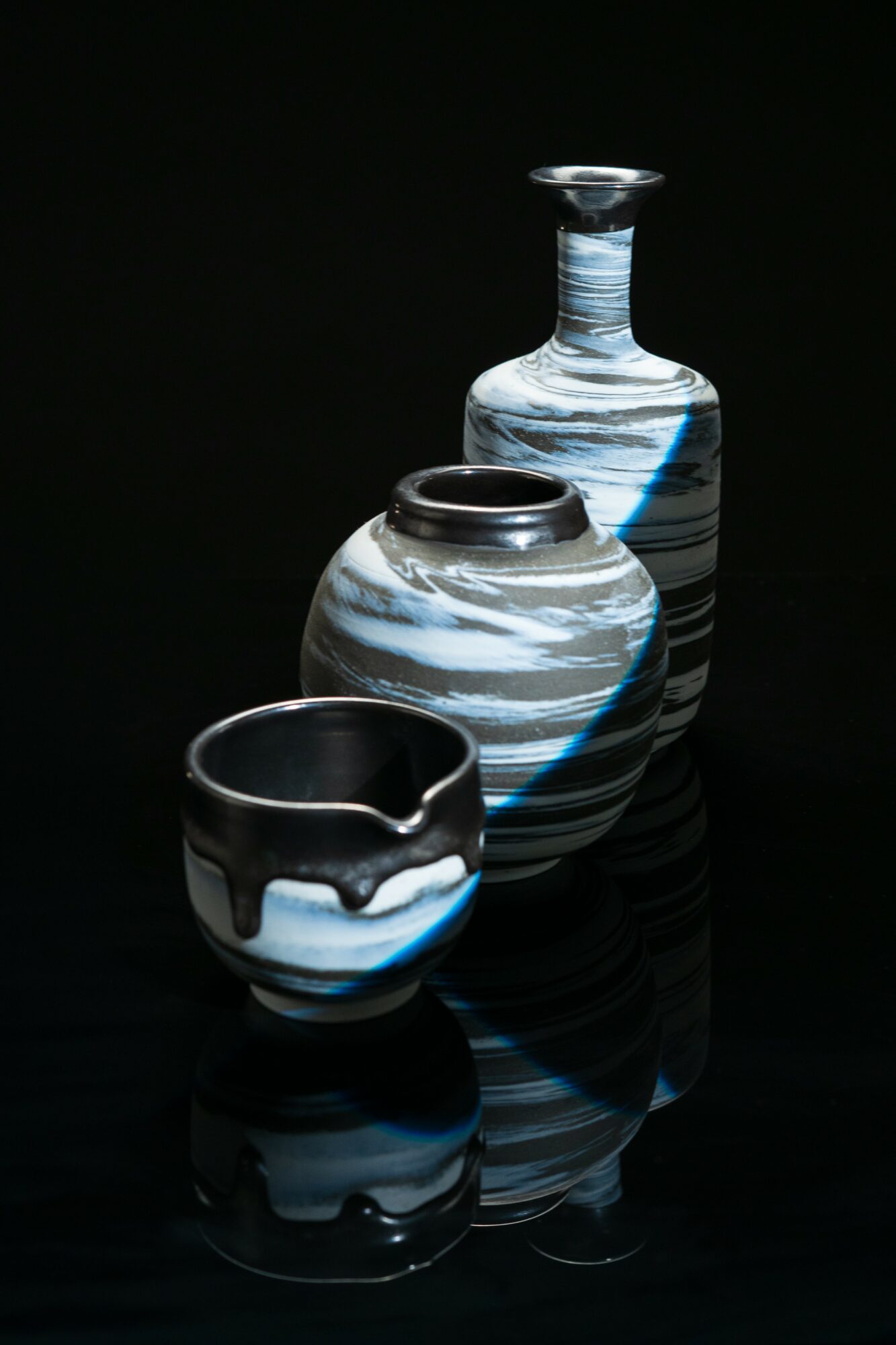
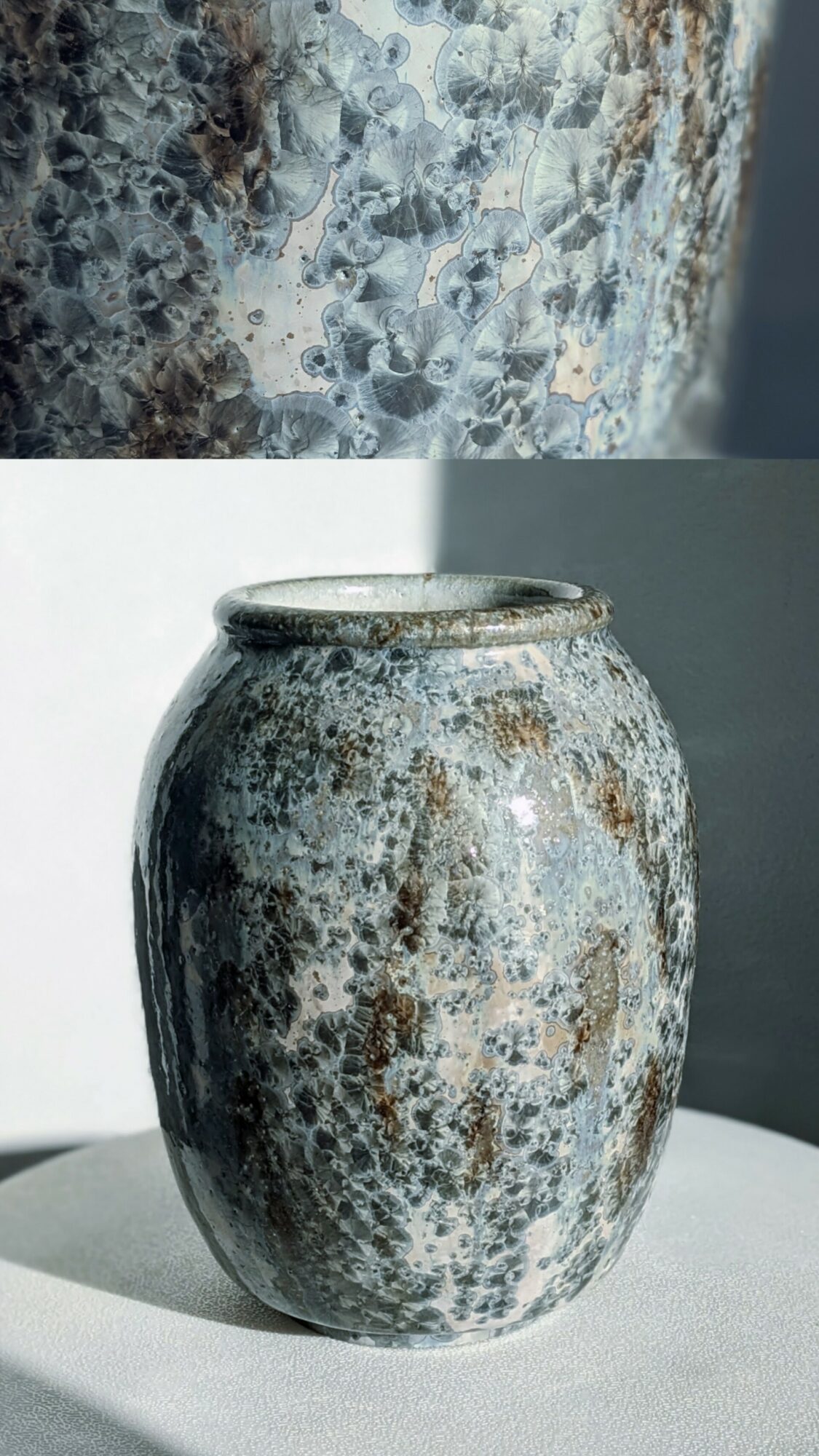
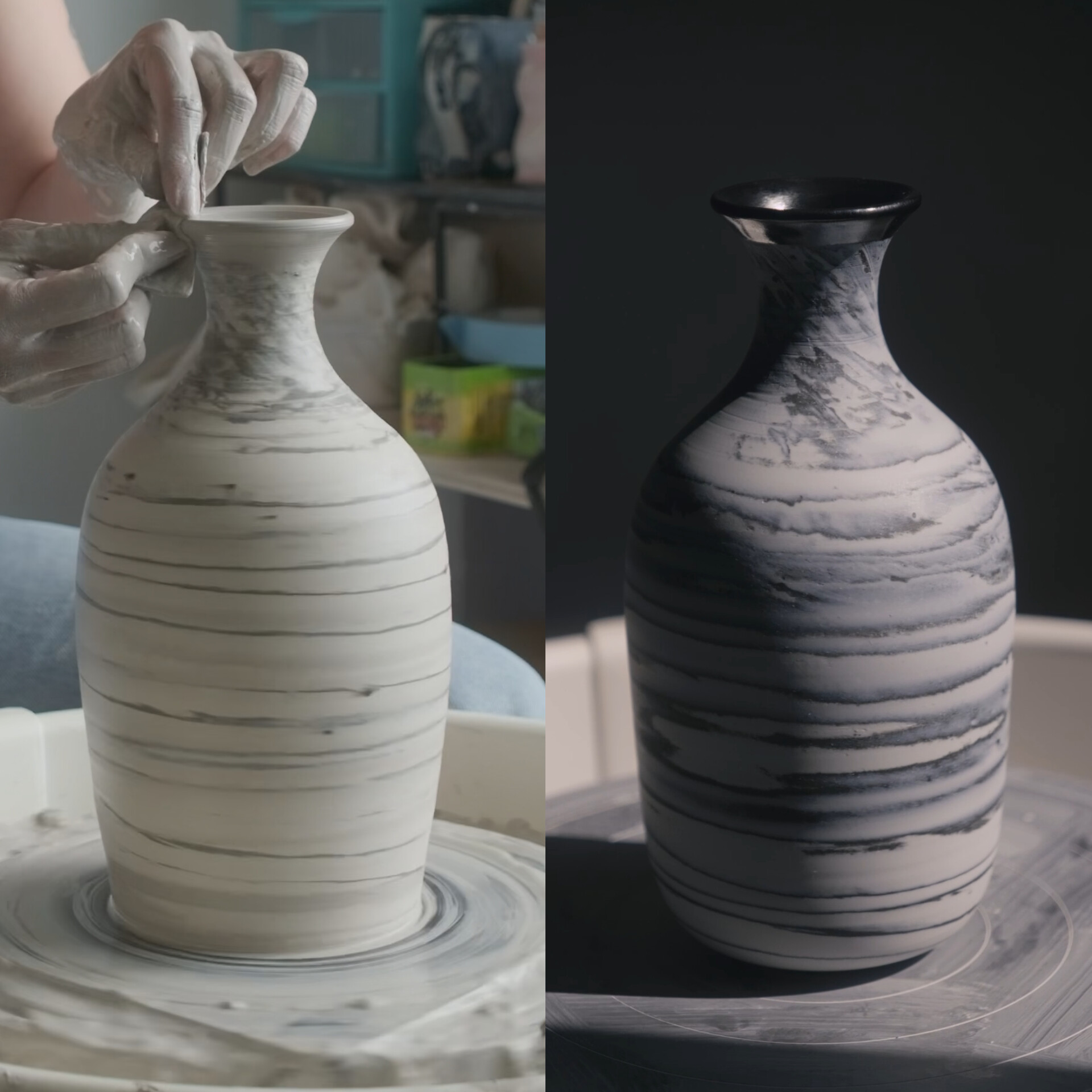
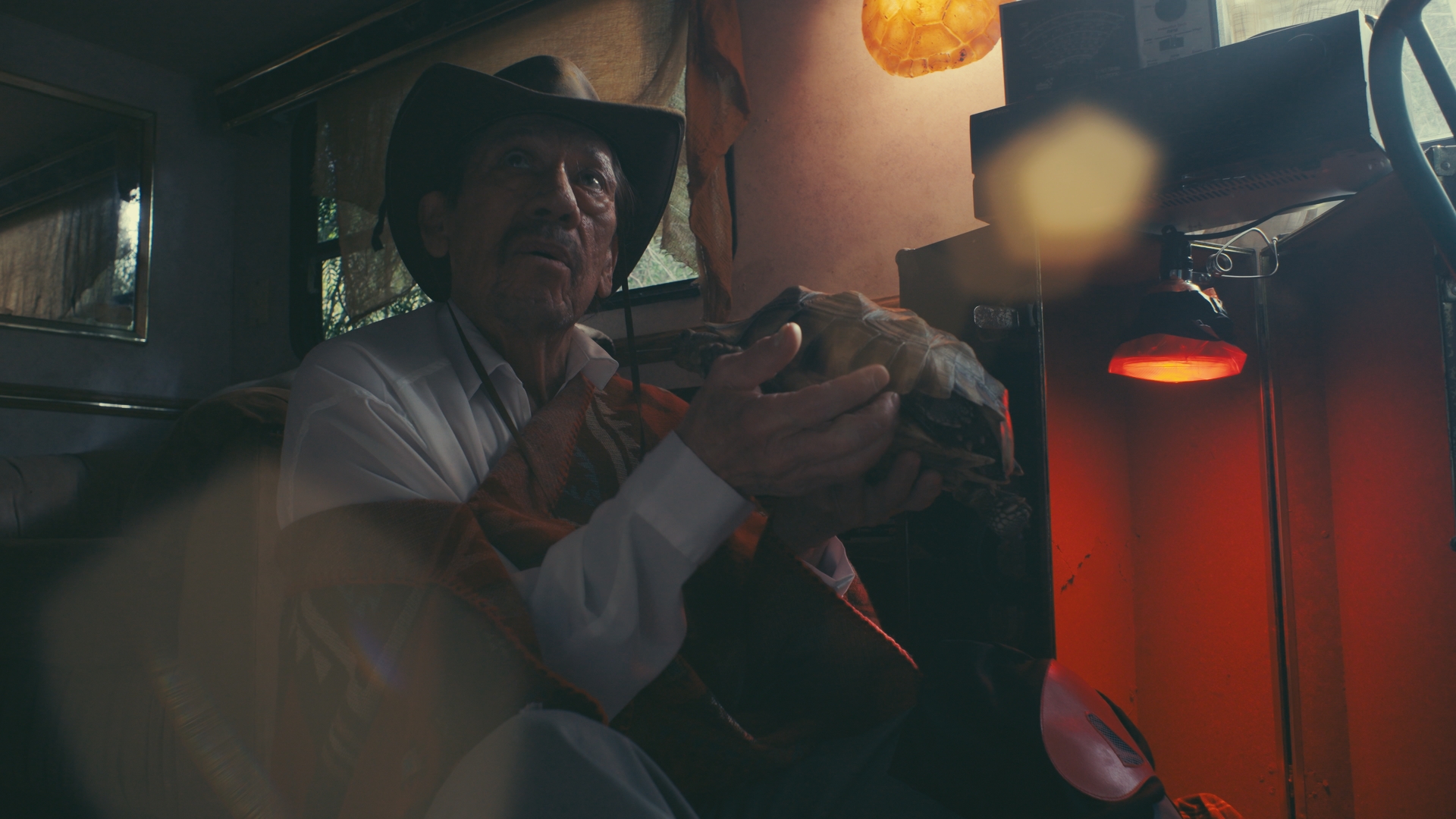
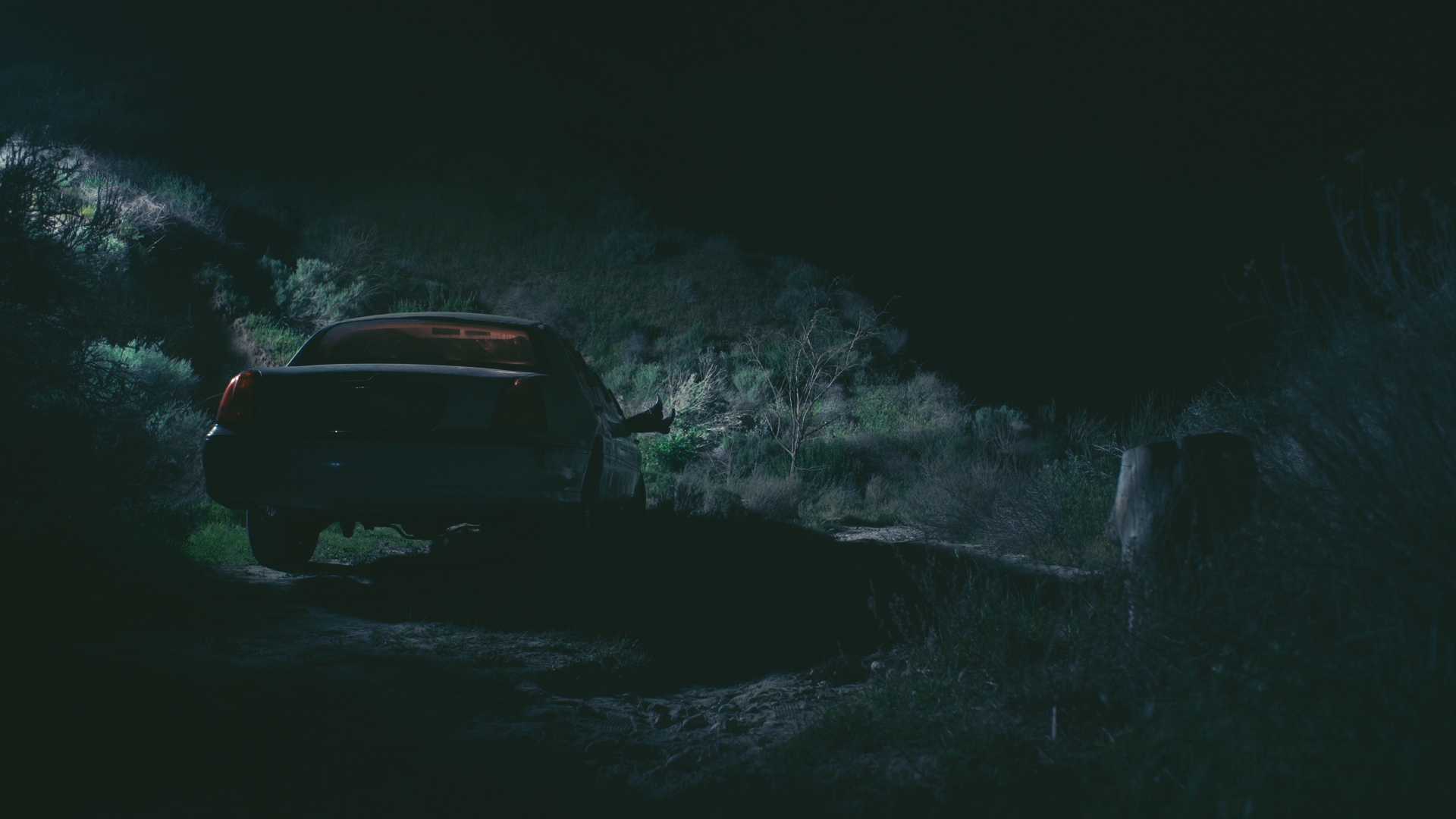
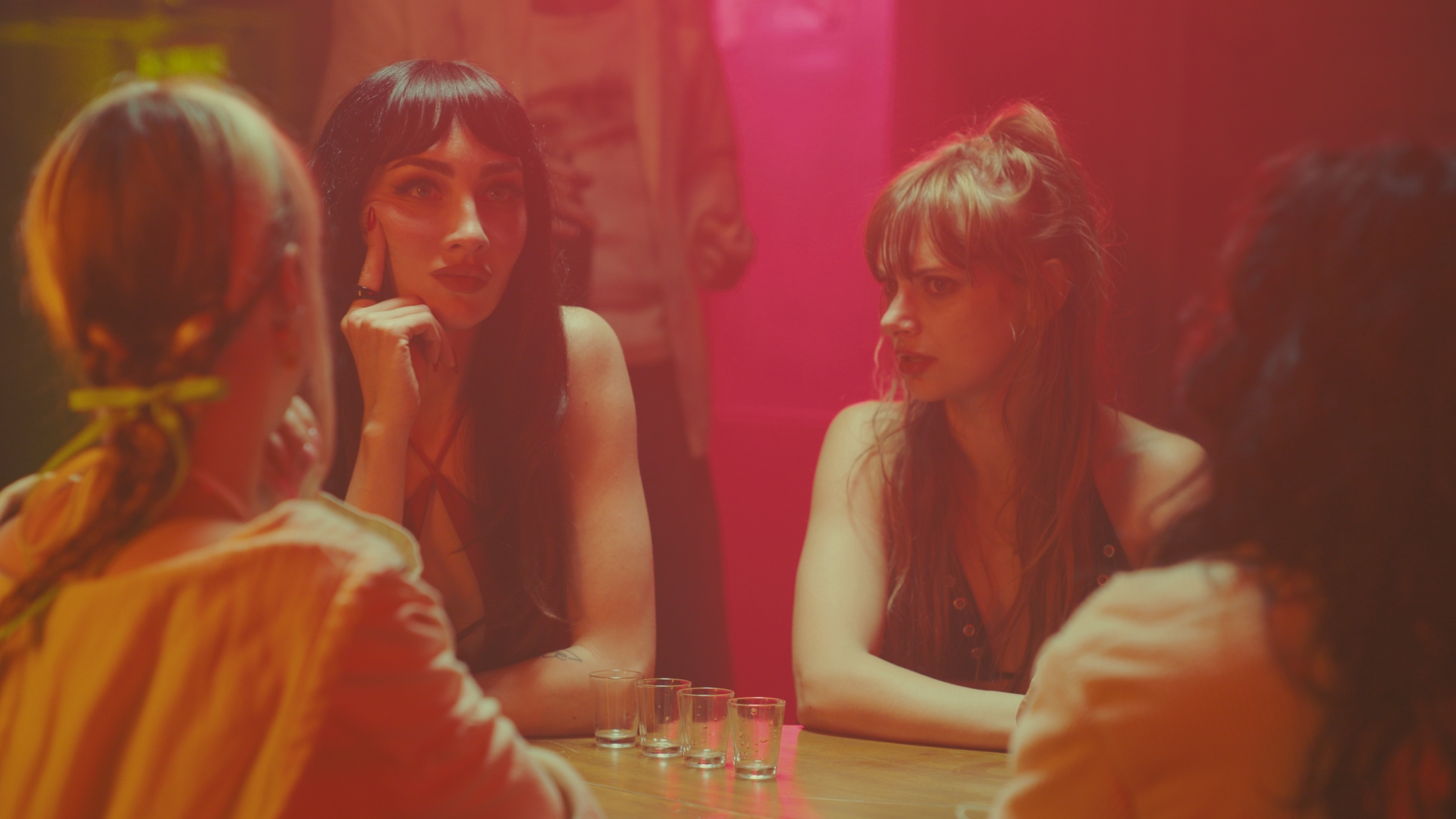

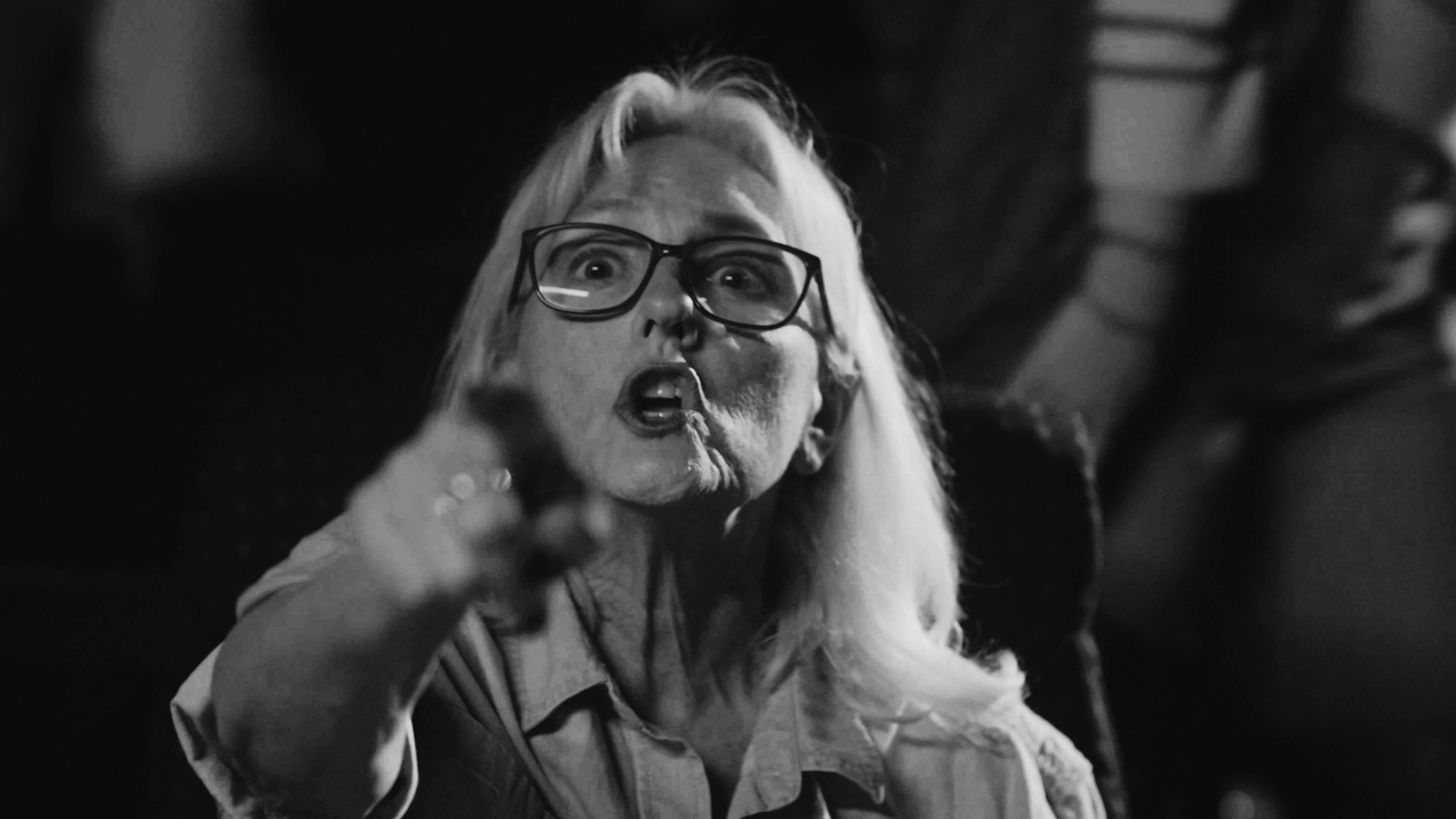
Image Credits
(three marbled pots in one photo) Jose Mendoza
Popular
-

Portraits of the Valley
-

LA’s Most Inspiring Stories
-

Greg Hex Is Turning the Everyday Kitchen Knife Into a Modern Design Object
-

Rick Norris Learned That Building a Successful Business Means Building a Life You Actually Want to Live
-

How Olivia Rush Turned Survival Into a Mission to Help Others Keep Going
-

How Bibi Goldstein Is Helping Entrepreneurs Reclaim Their Time by Embracing the Power of Delegation


