




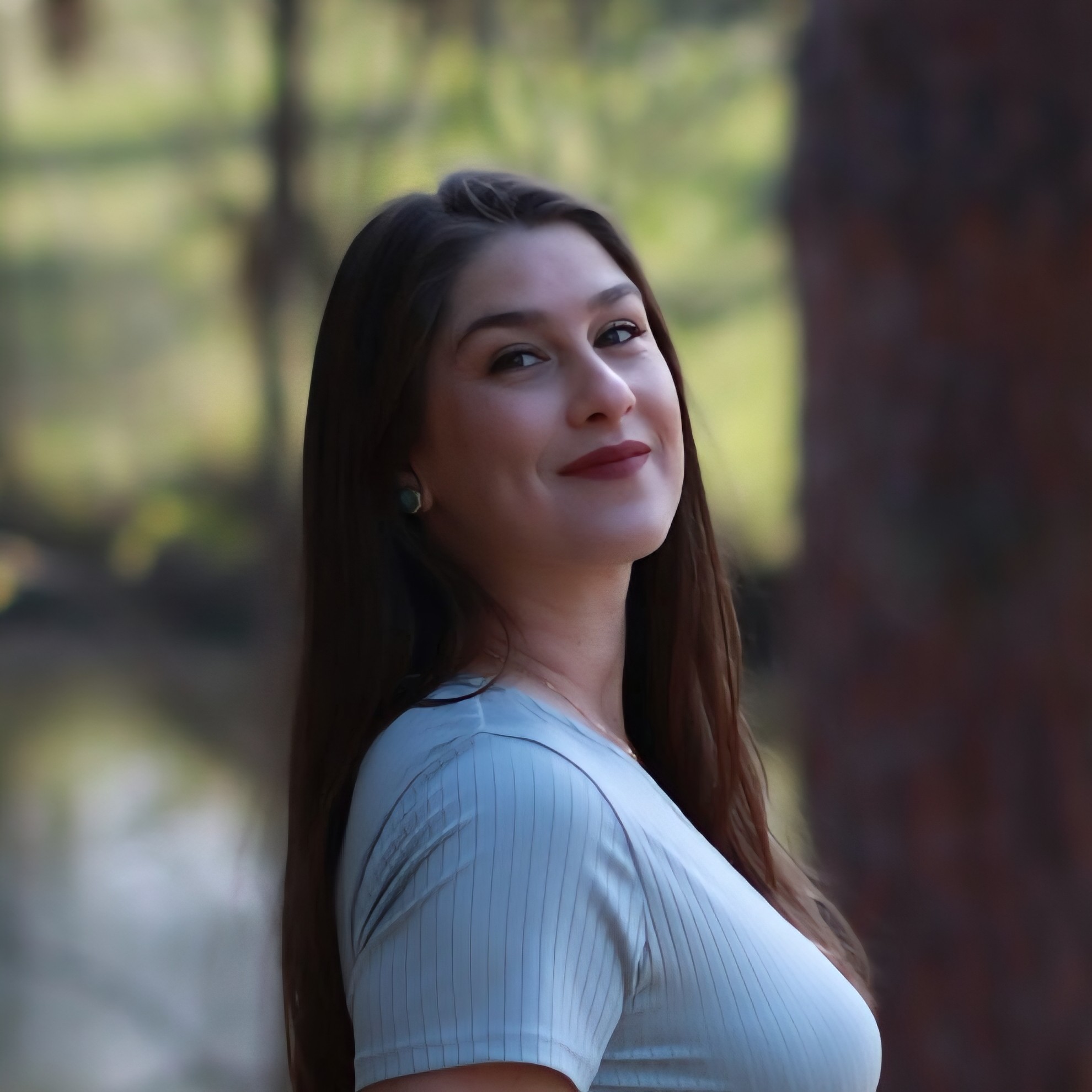
Today we’d like to introduce you to Alyssa Stubbs.
Hi Alyssa, so excited to have you on the platform. So before we get into questions about your work-life, maybe you can bring our readers up to speed on your story and how you got to where you are today?
Native Bloom Design grew out of my background in sociology, sustainability work, and a long-standing interest in how people interact with their environments. I earned my bachelor’s degree in sociology from Cal State Long Beach, where I focused on community systems and the ways our surroundings shape daily life. That foundation strongly influences how I approach design today.
I later studied permaculture design in Thailand, which deepened my understanding of regenerative systems, climate appropriate planting, and working with nature rather than against it. Seeing intentional design restore damaged land and support local ecosystems reinforced my belief that landscapes can be both practical and restorative.
Living in Southern California made the disconnect between traditional landscaping and our climate impossible to ignore. I saw water-intensive lawns struggling to survive, homeowners confused by rebate programs, and a lack of clear guidance for people who wanted to make environmentally responsible choices. That gap is what pushed me to start Native Bloom Design.
I intentionally built Native Bloom Design as a design-only studio. I focus on planning, plant palettes, hardscape guidance, water management, and designs that meet local rebate requirements, while collaborating with trusted installation partners rather than handling installs myself. This allows me to stay focused on design quality, education, and realistic budgeting.
Today, I work with residential and small commercial clients across Southern California, helping them create landscapes that are climate-appropriate, functional, and built to last.
I’m sure it wasn’t obstacle-free, but would you say the journey has been fairly smooth so far?
Although I am grateful, it has not been a completely smooth road. While most of my clients already value sustainable, climate-appropriate landscapes, the early challenge was building visibility and traction as a newer, design-focused business.
Like many small businesses, growth required time, consistency, and wearing many hats. I had to refine my processes, build trust, and make sure my work reached the right audience.
Another ongoing challenge has been balancing the growth of Native Bloom Design with being a mother of two. Finding a rhythm that supports both my work and my family has taken intention and adjustment.
These experiences shaped how I work today. They reinforced the importance of clear communication, steady growth, and building a business that is sustainable not just environmentally, but personally as well.
Alright, so let’s switch gears a bit and talk business. What should we know about your work?
What matters most to me is how each project is approached. I genuinely care about the people I work with and take time to understand how they live, what they value, and what they need from their outdoor space. Every client and every site is different, and I treat them that way. The work is nuanced, and I believe good design starts with listening.
I am especially drawn to creating clean, modern, functional outdoor spaces that feel intentional and easy to live in, while still being rooted in sustainable, drought-tolerant practices. I aim to honor California’s native plants and local habitat without sacrificing clarity, comfort, or beauty. For me, sustainability and aesthetics are not at odds. They work best when they are thoughtfully integrated.
I focus on creating a process that feels supportive and clear rather than overwhelming. From early conversations through design decisions, I help clients feel informed and confident, whether we are talking through plant choices, layout, or rebate-friendly options that fit their budget.
What I am most proud of is my ability to balance ecological responsibility with real life. I aim to create landscapes that feel welcoming and intentional, not overly wild or impractical, while still supporting native plants, pollinators, and climate-appropriate systems. That balance of care, connection, and practicality is what truly sets my work apart.
Networking and finding a mentor can have such a positive impact on one’s life and career. Any advice?
I have found that mentorship and networking often happen naturally through continued learning and showing up consistently. I have focused on taking courses, educating myself, and staying engaged in spaces where people are already doing the kind of work I admire. Those environments have led to meaningful conversations, guidance, and connections over time.
Rather than searching for one formal mentor, I have learned a lot by building relationships with multiple people at different stages of their careers. Asking thoughtful questions, being open about what I am learning, and staying curious has been more effective for me than trying to force a specific mentorship relationship.
Networking, for me, has worked best when it feels genuine. I prioritize connection over transactions and focus on learning, collaborating, and contributing where I can. Over time, that approach has helped me build a supportive and evolving professional network.
Contact Info:
- Website: https://Www.Nativebloomdesign.com
- Instagram: https://www.instagram.com/nativebloomdesign?igsh=MzRlODBiNWFlZA==
- Facebook: https://www.facebook.com/profile.php?id=61580609642548&mibextid=ZbWKwL
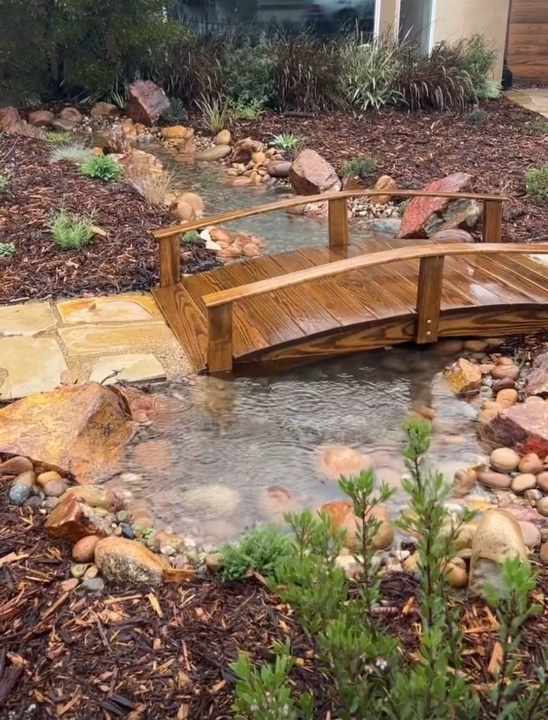
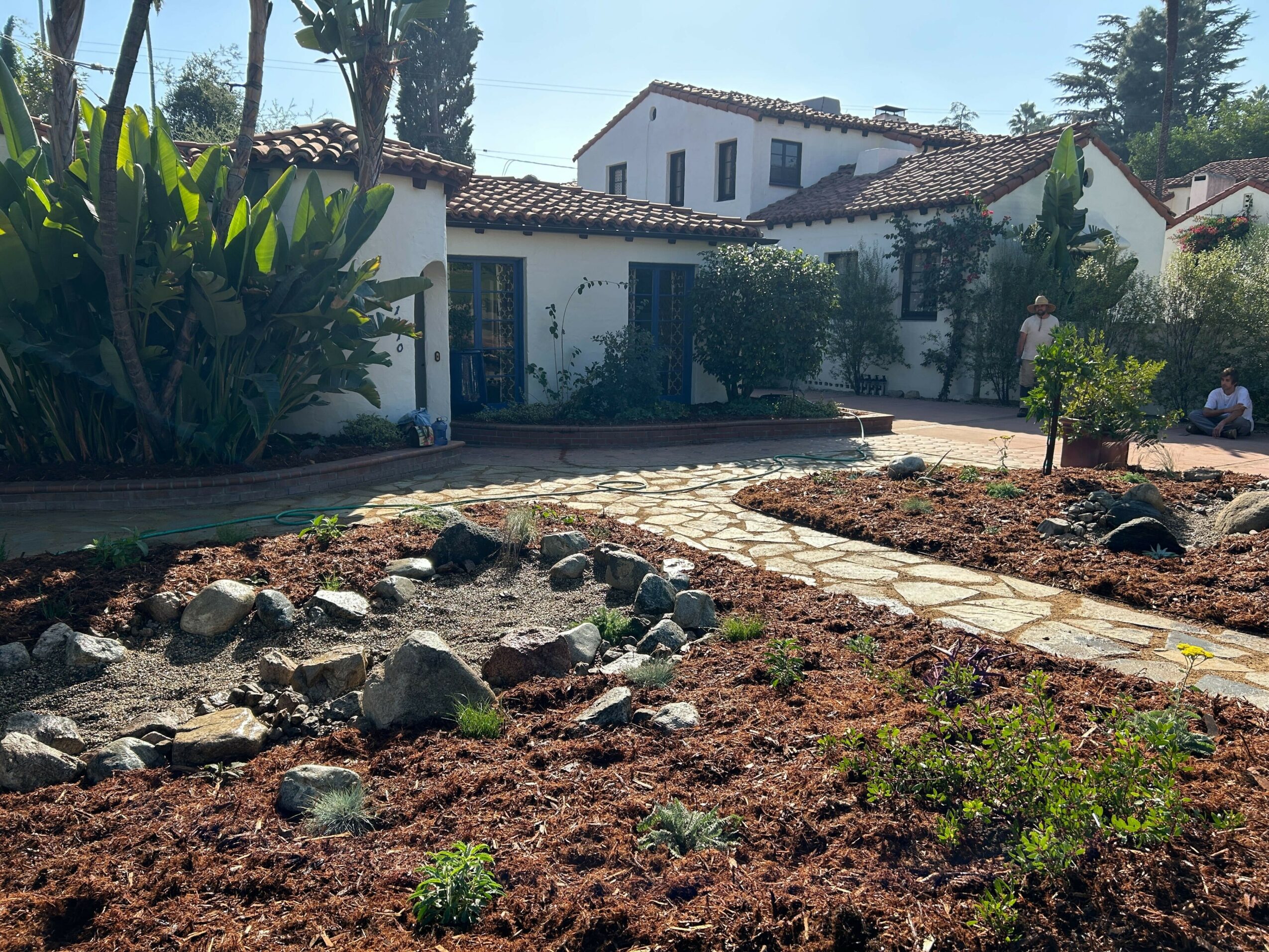
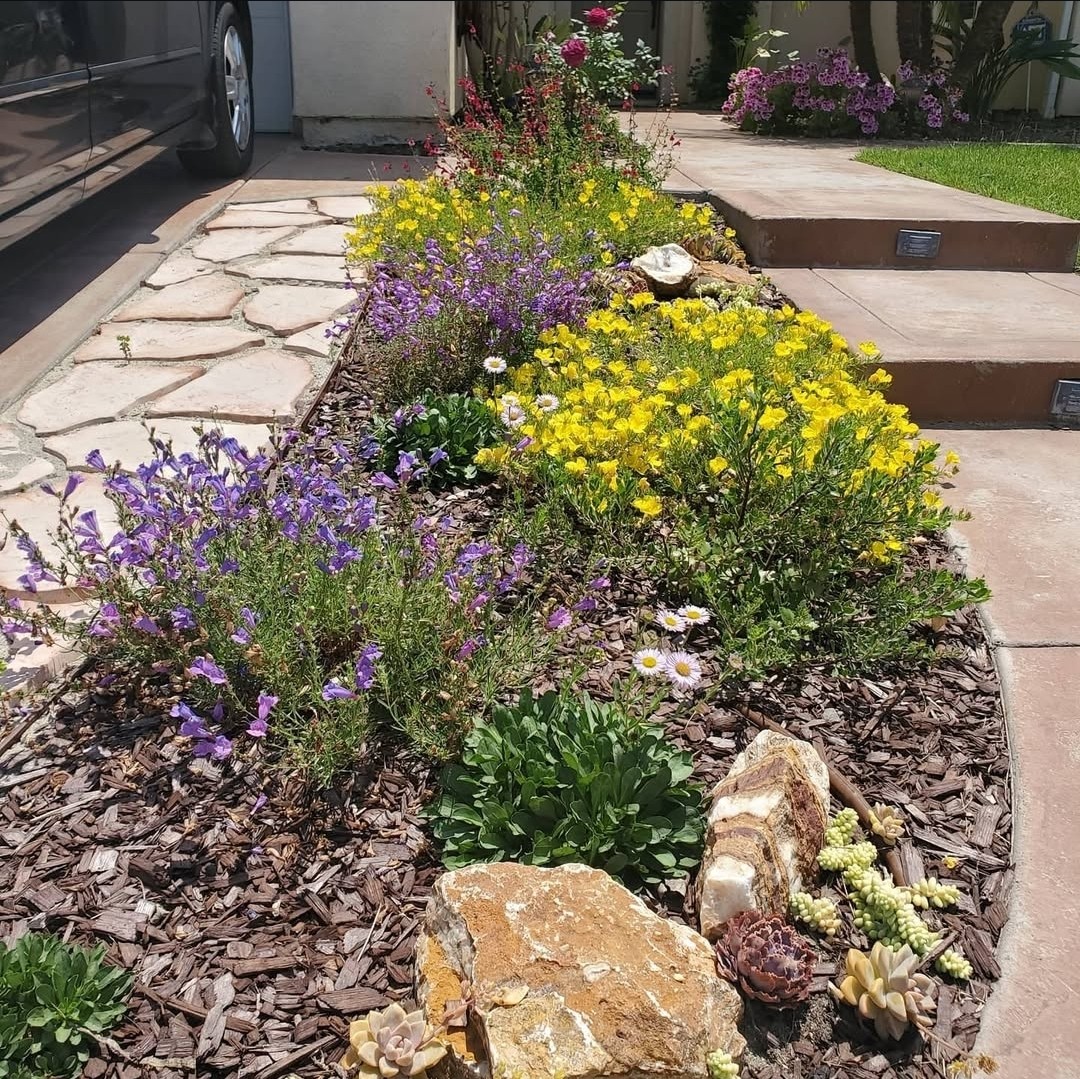
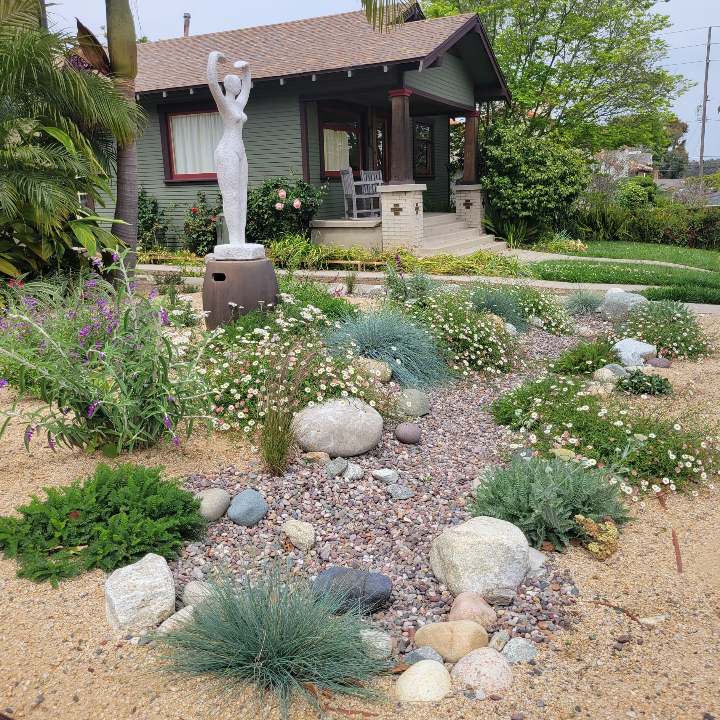
Image Credits
Ruben Otero – Main Photo
Popular
-

Que Johnson on Building Brands That Last: From Visibility to True Market Authority
-

Christina Wren Steps Into the Director’s Chair to Tell Stories That Feel Like Home
-

Portraits of the Valley
-

LA’s Most Inspiring Stories
-

JordanL on ‘Breathe,’ Belief, and Building a Movement Beyond the Music
-

Megan Birney Rudert on How Access to Light Is Powering a More Sustainable and Equitable Future


