





We recently had the chance to connect with Arthur Wang and have shared our conversation below.
Hi Arthur, thank you for taking the time to reflect back on your journey with us. I think our readers are in for a real treat. There is so much we can all learn from each other and so thank you again for opening up with us. Let’s get into it: When was the last time you felt true joy?
I recently completed my Trombone Sonata, commissioned by Dr. Li Kuang, Assistant Professor of Music (Trombone) at Portland State University, which will receive its world premiere on January 23, 2026, at Portland State University, where I will also serve as Composer-in-Residence. Written for tenor trombone and piano, the three-movement work aims to contribute to the relatively limited repertoire of trombone sonatas by offering a new addition to the standard literature. The opening movement bursts with the vitality of Brazilian choros; the second evokes the lyricism and nostalgia of Hollywood’s Golden Age; and the finale, rhythmically charged and intense, brings back earlier motives in a unified and brilliant conclusion. I am truly looking forward to its premiere.
Can you briefly introduce yourself and share what makes you or your brand unique?
I’m Arthur Wang, a composer, arranger, and music producer based in Michigan. My music lives at the intersection of classical, film, jazz, and electronic sound worlds — I’m drawn to how these languages can blend and transform to tell stories that feel both cinematic and deeply personal.
My works have been performed by ensembles such as the American Modern Ensemble, Jasper String Quartet, Eastman Jazz Ensemble, Michigan State University Wind Symphony, and the Mansfield Symphony Orchestra, etc. and I’ve been fortunate to receive recognition including the Shanghai International Electronic Music Composition Competition First Prize and being a finalist for the 2021 and 2025 ASCAP Morton Gould Young Composer Award, etc.
What excites me most is creating music that connects people across genres and cultures. I love weaving together orchestral color, rhythmic energy, and emotional storytelling — from symphonic collaborations with Maestro Octavio Más-Arocas and the Mansfield Symphony Orchestra, to projects with Missy Smith’s BIODANCE Modern Dance Theatre that explore the space between concert music, film, and multimedia.
Great, so let’s dive into your journey a bit more. What’s a moment that really shaped how you see the world?
One moment that truly changed how I see the world was when I began practicing meditation. It taught me to perceive time and emotion differently — to experience stillness not as emptiness, but as a vivid kind of presence. Over time, I realized that composing music is, in many ways, the same practice. When I write, I’m creating a space where sound and silence breathe together — a kind of sonic meditation that invites both performer and listener to step beyond ordinary time. Moving forward, I hope to explore even more deeply the relationship between music, time, and space, and how sound can reshape the way we experience reality itself.
What fear has held you back the most in your life?
The fear that has held me back the most is the fear of losing myself in a world that often measures everything by achievement and productivity. In such a results-driven time, it takes real effort to live quietly — to stay present, authentic, and true to my own artistic voice. There were moments when my pursuit of perfection or external success made me overly self-critical, and I began to lose touch with the spontaneity that first drew me to music. I’m still learning to let go of that pressure and return to a more honest, peaceful space where creativity feels free again.
Next, maybe we can discuss some of your foundational philosophies and views? Whose ideas do you rely on most that aren’t your own?
I often draw on ideas that come from timeless thinkers rather than contemporary trends — the wisdom of the Buddha, Krishnamurti, and Laozi has deeply influenced how I see art and life. Their teachings remind me to stay present, to observe without judgment, and to create from a place of awareness rather than ambition. These ideas help me stay grounded as a composer — to trust silence, to listen more deeply, and to let music emerge rather than be forced.
Okay, so let’s keep going with one more question that means a lot to us: What is the story you hope people tell about you when you’re gone?
I don’t spend much time thinking about how I’ll be remembered. Nothing really lasts forever — not names, not reputations — and that impermanence actually feels freeing to me. What matters is staying sincere in the moment and writing music that feels honest and alive.
That said, if my music continues to be performed after I’m gone — in concert halls, universities, or small community spaces — that would make me incredibly happy. There’s something beautiful about the idea that sound can keep living its own life, even when I’m no longer here to hear it.
Contact Info:
- Website: https://peiyaowangmusic.com
- Youtube: https://www.youtube.com/@arthurwangmusic
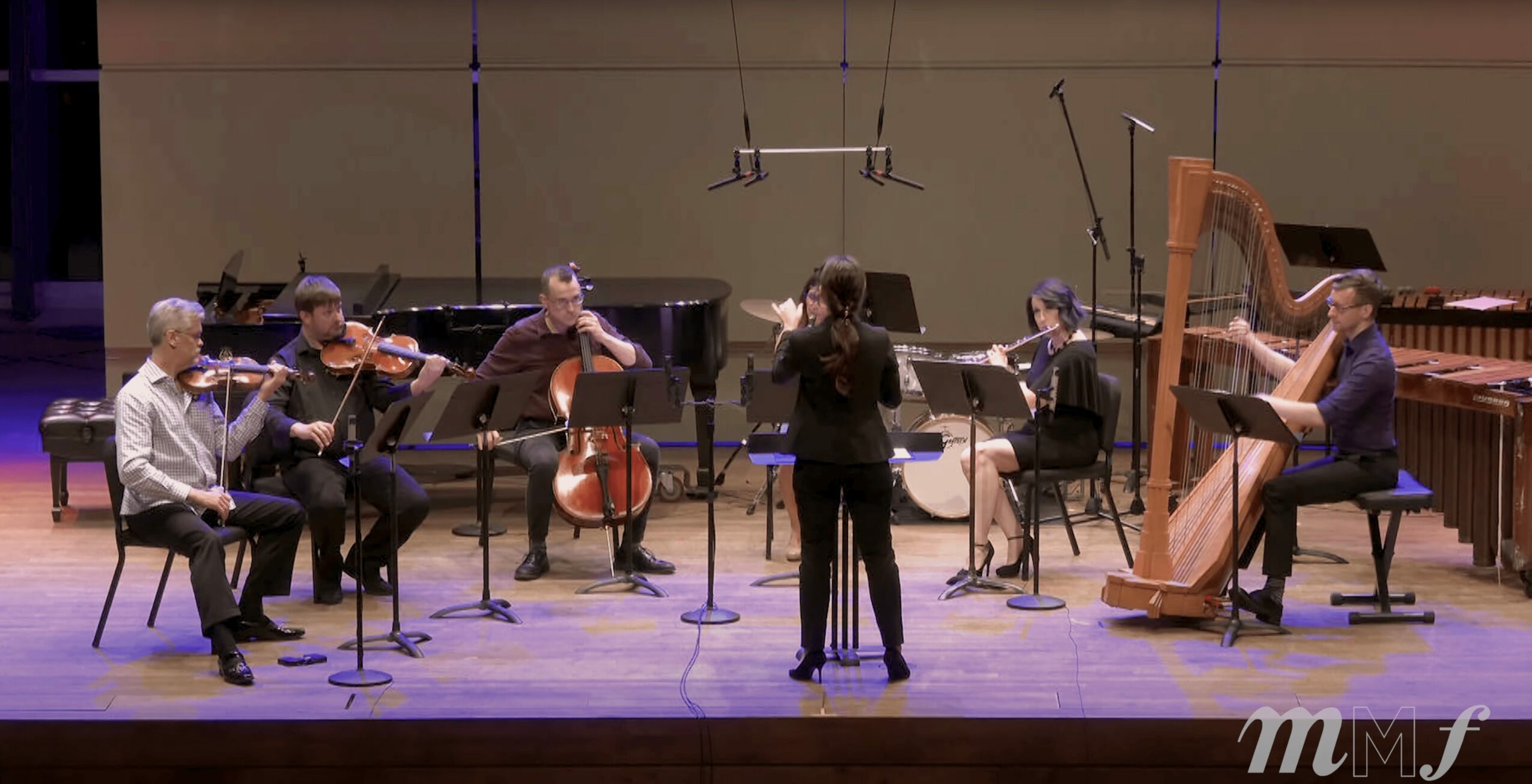


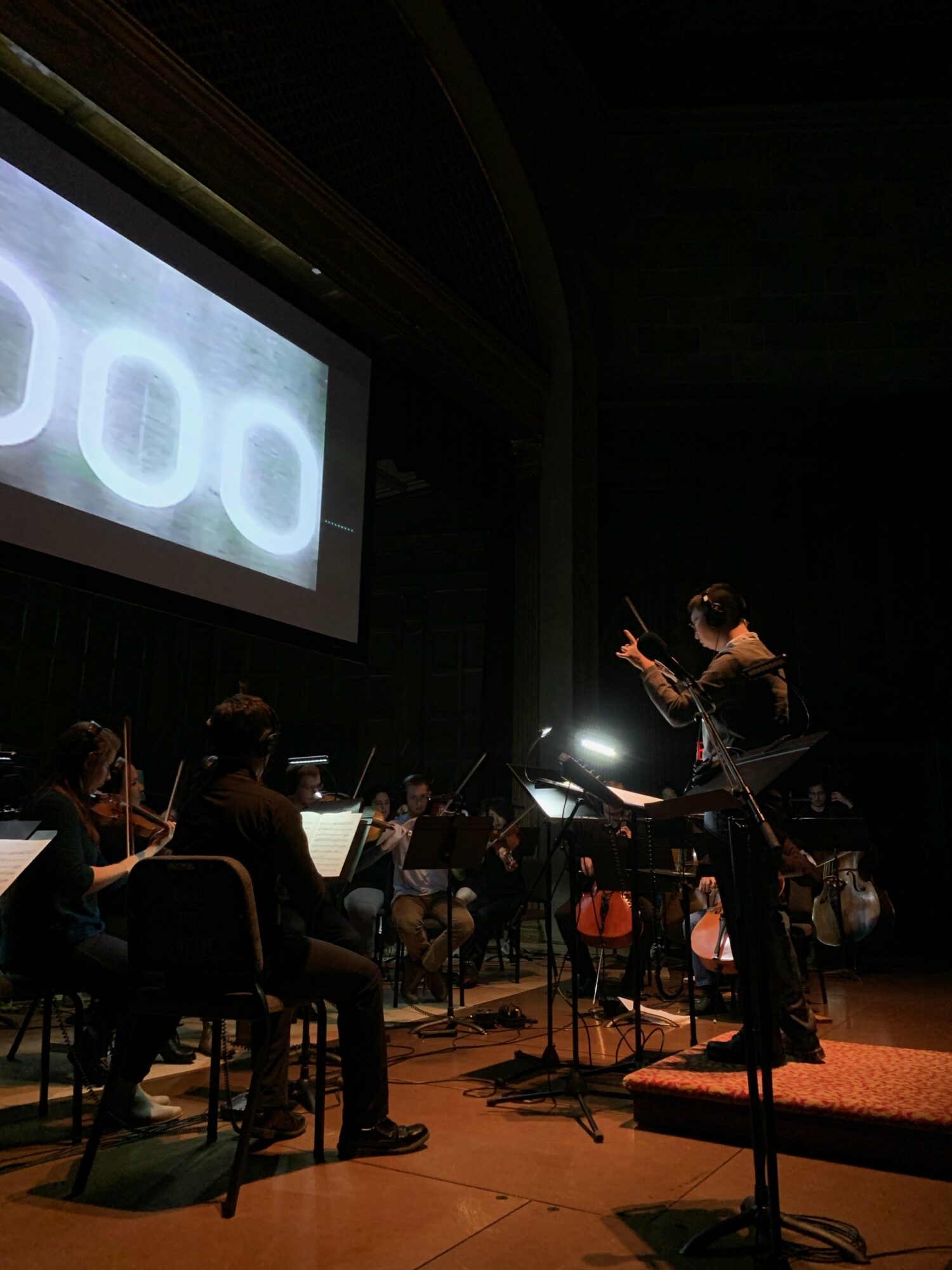
Image Credits
Sally Yu
Popular
-

Portraits of the Valley
-

LA’s Most Inspiring Stories
-

JordanL on ‘Breathe,’ Belief, and Building a Movement Beyond the Music
-

Megan Birney Rudert on How Access to Light Is Powering a More Sustainable and Equitable Future
-

Linda Kneidinger on Building Lasting Change Through Small Steps and Self-Compassion
-

Jolana Nika on Redefining Modern Connection Through Intentional, Real-Life Experiences


