



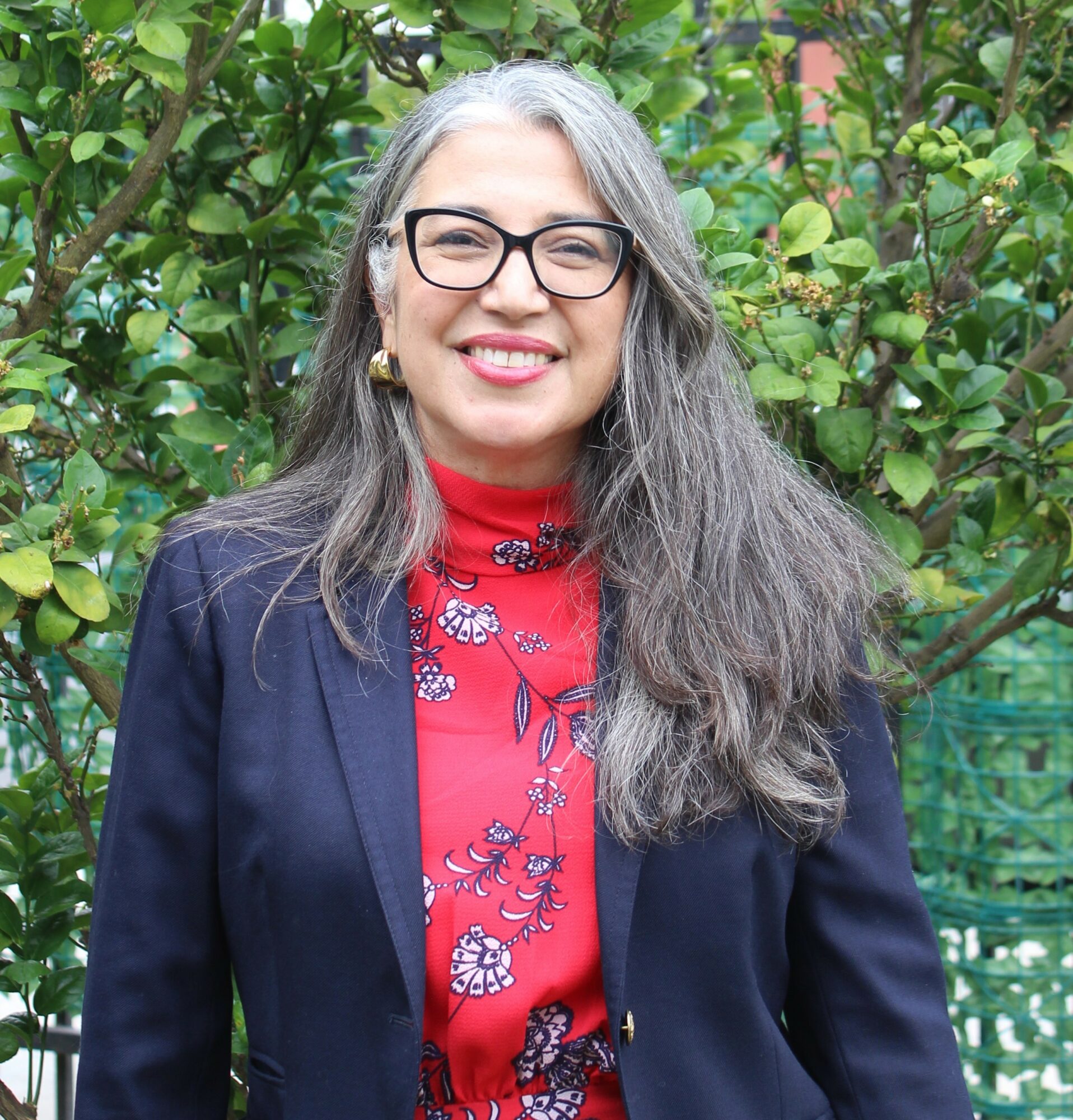
Diana Pinto shared their story and experiences with us recently and you can find our conversation below.
Diana, so good to connect and we’re excited to share your story and insights with our audience. There’s a ton to learn from your story, but let’s start with a warm up before we get into the heart of the interview. Are you walking a path—or wandering?
For the past 2 years or so, I have felt like I have been wandering more than walking a path, but it’s been intentional, uncomfortable but intentional. Most of my life has been a series of boxes to check off. I grew up in a low income community and as the eldest daughter of immigrant parents, I found myself constantly making practical decisions, I didn’t have the luxury to wander, I needed to ensure I was able to not only support myself financially but be a support to my family when needed as well.
When I started addressing my trauma about 2 years ago I discovered a few things about myself, including that I have ADHD and characteristics of Autism. It’s my autism traits and probably trauma too, that love staying on a path, it feels safe, I know where everything is, per se. Wandering is not comfortable for me, but I’ve forced myself to wander, so that I can get to better know myself. Growing up, I didn’t have the opportunity to explore much because I needed to be practical, work came before fun, wandering was not efficient and it certainly didn’t pay the bills. Now, as an adult, I have come to realize that I often abandoned myself to survive in my youth. So, now that I’m an adult, I have autonomy and I decided I wanted to wander, I wanted to experience things I never did before, I wanted to get to know myself better and that’s where I am at currently in my journey. Wandering and becoming comfortable with the lack of check lists. But I guess I am walking a path I’m just wandering through it.
Can you briefly introduce yourself and share what makes you or your brand unique?
Hello! My name is Diana Pinto, and I am the Executive Director of South Central Los Angeles Ministry Project (South Central LAMP), a small nonprofit organization based in South Central Los Angeles that supports immigrant women and their children.
South Central LAMP was founded in the aftermath of the 1992 civil unrest by eight congregations of women religious (often known as nuns or sisters). The agency was created to support the most marginalized communities and to empower families through education.
Our Family Literacy Program is grounded in five key components: English and parenting classes, parent-and-child interactive literacy activities, early childhood education (serving infants through preschool-aged children), and family advocacy. Within these core areas, we also provide a wide range of wraparound services designed to support the whole family, including early childhood developmental evaluations and assessments, referral services, mental health support, leadership development, weekly food distributions, and diaper distributions, among others.
At the heart of our mission is teaching women the importance of their role in their children’s lives—helping them understand that they are their children’s first and most important advocates. This message is especially critical for the families we serve, many of whom come from patriarchal cultures where women’s voices are often underrepresented and authority is viewed as strictly top-down.
Growing up, I often saw the consequences of this mindset, and I believe that is why I was so drawn to this mission. When I first began working at South Central LAMP 17 years ago, one of my goals was to help children in our program see beyond the world they knew—to understand that where you start does not determine where you end.
Out of that vision, we created a summer program called Camp LAMP. Through this program, children and their mothers experience a camp-like environment that includes field trips throughout Los Angeles County. One of their favorite destinations—requested year after year—is Underwood Family Farms. For many families, it is the furthest they have ever traveled from South Central Los Angeles. While they love the farm itself, they often share that their favorite part is the drive. They move from a tightly packed city into wide open spaces, hills, and massive boulder formations—a striking contrast to their everyday reality. To me, that moment captures the magic of our work. While our academic programs prepare children for school, we also believe deeply in human development and expanding what families believe is possible.
As I continued my work at South Central LAMP, I came to a deeper realization. A part of me was trying to protect those children from the trauma I had experienced myself. Over time, I understood that the most powerful form of prevention was not just supporting the children—it was strengthening the mothers. I wanted the women we serve to recognize their power and agency, not only in their own lives, but in the lives of their children. I wanted for them what I had always wanted for my own mother.
I now recognize that my own healing journey runs parallel to the work we do at South Central LAMP. As I learned more about trauma, I came to understand that we are all shaped by our experiences—both good and bad. But the most transformative lesson I learned is that healing is possible, not metaphorically, but scientifically. My autism traits thrived as it enjoyed having a new special interest- the brain! Our brains are wired for survival, often keeping us in fight-or-flight mode long after the danger has passed. Without intentional work, the brain holds tightly to what once kept us safe.
As I began to heal, I brought these insights into our programming at South Central LAMP. We are now becoming a trauma-informed agency, recognizing that if trauma is not addressed, it can quietly govern our thoughts, behaviors, and relationships. Our brains seek evidence to reinforce identity, and identity shapes how we see ourselves and our possibilities. Through intentional practices, we can create new neural connections in the brain and begin to rewrite those narratives.
Sharing this framework with the women we serve has been integral to our work. It allows them to recognize the autonomy they hold in their own healing journeys—and to understand that as they heal themselves, they interrupt generational trauma. This, to me, is one of the most powerful gifts we can give our children.
The work is not easy. It requires patience, reflection, and the ongoing practice of retraining our thoughts. But liberating ourselves from limiting beliefs is worth it. That is what I want for the families we serve: for them to see their trauma as part of their story, not the defining chapter; to recognize their own potential beyond those experiences; and to pass that freedom on to the next generation.
Great, so let’s dive into your journey a bit more. Who saw you clearly before you could see yourself?
Growing up, I often felt small, unlovable, and unremarkable. I was blessed, however, to have teachers who truly saw me—my intelligence, my wit, my humor—without judgment, criticism, or expectation. With them, I felt accepted, and that acceptance eased the discomfort I carried from what I had learned at home.
But the person who changed my life most by seeing me more clearly than I ever saw myself was my teenage boyfriend, whom I met when I was 15. He often surprised me with how he viewed me. He believed I could do anything. He saw me as funny, smart, and capable of fulfilling my dreams.
I struggled with his vision of me. It was uncomfortable to have someone see in you what you couldn’t yet see yourself. I questioned whether he was sincere or just a 15-year-old boy saying what he thought his girlfriend wanted to hear.
After 28 years of marriage, I’m pretty confident he was sincere. He is still the person in my life who pushes me toward the things that scare me, who sees my potential even when I doubt it, and who believes in what I can accomplish long before I do.
Was there ever a time you almost gave up?
There have been a few moments in my life when I almost gave up. Two in particular stand out.
The first was when I was in college, working three jobs while paying for tuition, rent, and all my bills. Because of my home environment, I chose to leave as soon as I could, which meant taking on a lot of financial responsibility very early on. I remember one day sitting alone in my apartment with no food except a single can of tuna, which I had to share with my cat because I had run out of money for both of us. I cried and thought, Why am I doing this? I should just find a full-time job and quit school.
But my boyfriend at the time—now my husband—reminded me that short-term suffering could lead to long-term stability. He told me that my education would open far more doors than a 40-hour-a-week job ever could. So I carried on, eventually earning a master’s degree in history. It remains one of my proudest accomplishments—not just because of the degree, though I was the first in my family to go to college, but because of what that experience taught me about my own resilience.
The second time I almost gave up was when I nearly didn’t even try.
I had been at South Central LAMP for five years, beginning as a family advocate—teaching parenting classes, making referrals, and conducting home visits—before becoming Program Director, a role I deeply loved. I had the opportunity to help bring services and programs to life that truly supported the families we serve. When the opportunity arose to become Executive Director, my immediate reaction was that I wasn’t the right person. The responsibility felt overwhelming, and I doubted whether I had the skills to lead the agency into its next phase.
My love for the mission and the work was strong, but my fear was stronger. I worried that under the wrong leadership, something very special could be lost. Once again, my husband encouraged me to go for it—even if I didn’t feel ready. He reminded me that my love for the agency and the families we serve would give me the fire to learn the skills I needed to lead. He was right.
After 12 years as Executive Director, I’m happy to report that I did not cause the downfall of the agency. Could someone else have done a better job? Maybe. But what I do know is that we’ve accomplished things that often feel impossible for an organization of our size.
During COVID, we stayed open to support our community, shifting how we delivered services rather than stepping away. We knew our families would be among the most affected—living in small spaces, often with three generations under one roof, many not qualifying for government support or unemployment. We partnered with the city to provide hotspots, secured iPads for the women in our programs, continued early childhood education for our children, and offered parenting and English classes for the women. We also hosted community testing and distributed free tests and face masks, as well as providing a drive through food distribution for over 100 families a week. Every decision we made centered on supporting families through an incredibly difficult time while minimizing the harm of school closures on our youngest learners.
I don’t know what another Executive Director might have done in my place. What I do know is that every choice I made came from a place of care, responsibility, and deep commitment to our community.
I am profoundly grateful that I didn’t give up on myself—that I chose to step into this role—because in the end, I learned that the most important thing you can do as a leader is show up for people. My greatest contribution to the agency is my commitment to those we serve and our mission.
Next, maybe we can discuss some of your foundational philosophies and views? What’s a belief or project you’re committed to, no matter how long it takes?
My long-term dream has been to have a permanent home for the agency. Since its inception South Central LAMP has rented space in the neighborhood, but I would love for us to have the financial capacity to build a space that is environmentally friendly, meets the needs of the families we serve as well as our staff and can be a meeting space for community.
Thank you so much for all of your openness so far. Maybe we can close with a future oriented question. What do you understand deeply that most people don’t?
I believe that most people are inherently good, and that the actions they present to the world often stem from unhealed wounds or trauma. I believe that if we all took the time to address the parts of ourselves that were abandoned or hurt, the world would be a more peaceful place. So often, unaddressed trauma shapes our relationships and influences how we see the world. It’s why people repeat patterns or feel uncomfortable receiving sincere kindness. It’s what I see when I watch the news and see people who are anti immigrants or anti supportive social services for society. People who are angry at the world and attack those who are different than them. In the end, it is their trauma that manifests as anger, somewhere inside of them is someone who was not listened to, who’s needs weren’t met and who has not learned to express themselves in a healthy manner. I don’t agree with the way they express themselves in anger, but I do see the reality of where it comes from.
Contact Info:
- Website: https://southcentrallamp.org
- Instagram: https://instagram.com/southcentrallamp
- Linkedin: https://linkedin.com/company/89512908
- Facebook: https://facebook.com/southcentrallamp
- Youtube: https://www.youtube.com/watch?v=OJr1EdciDvA
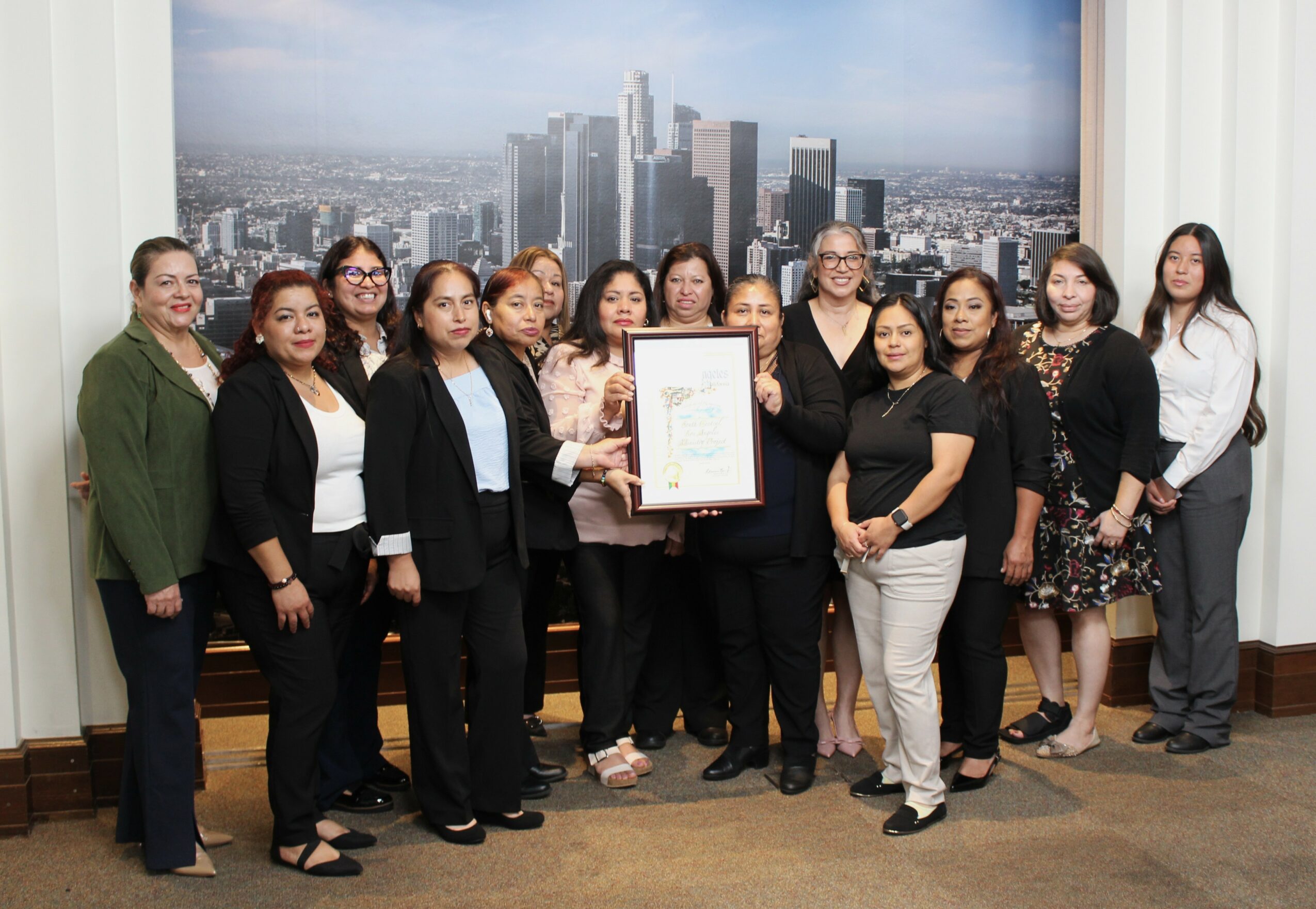
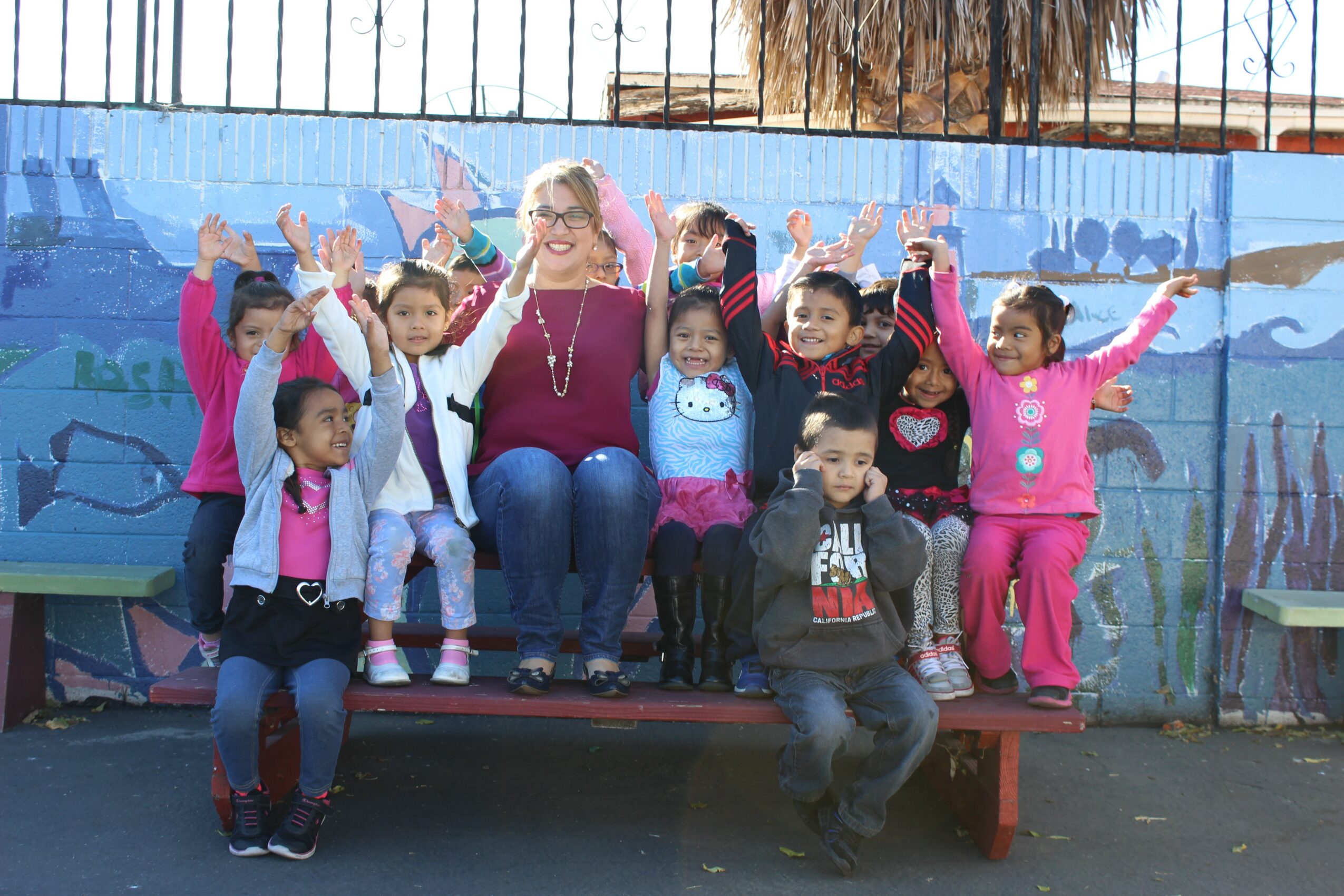
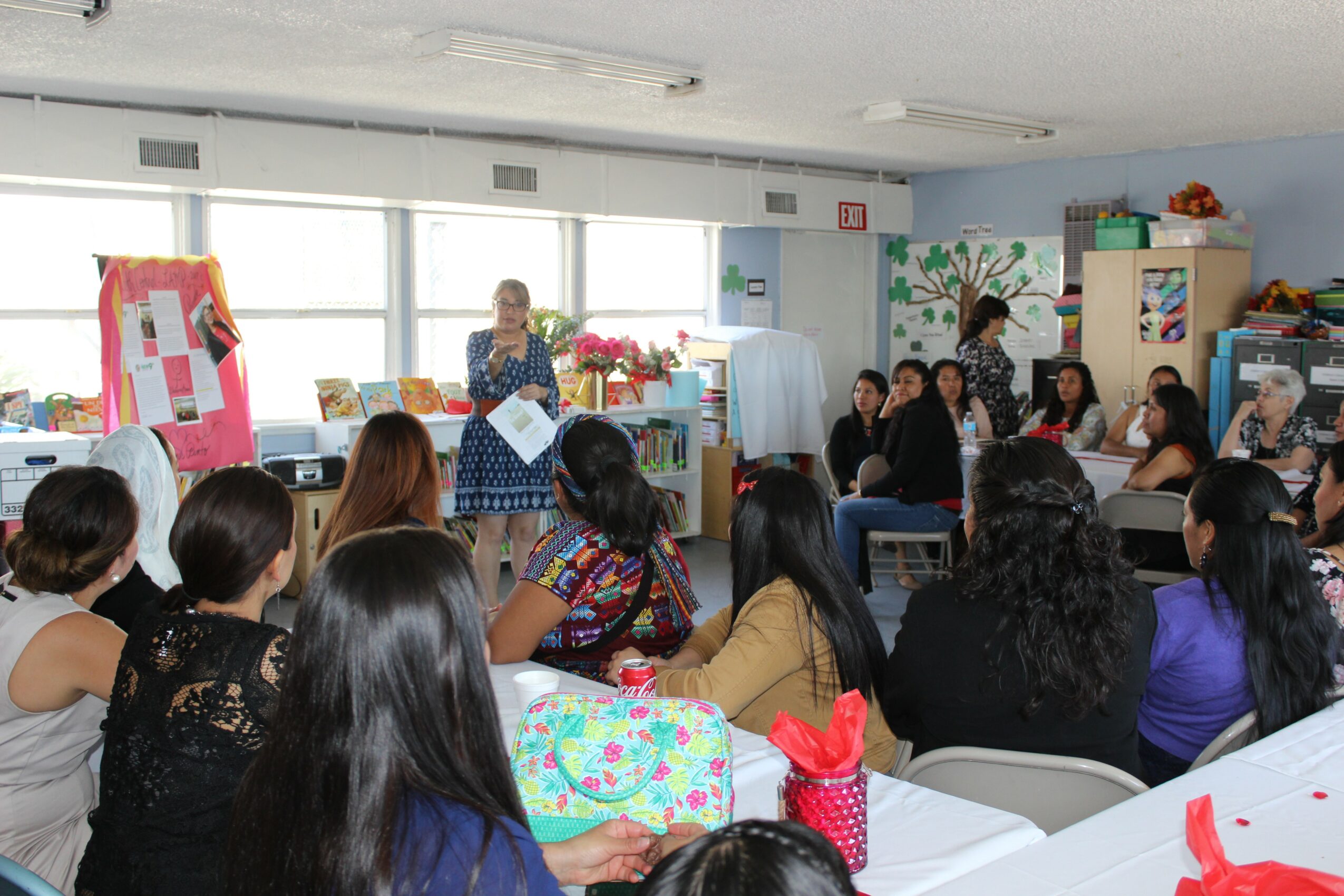
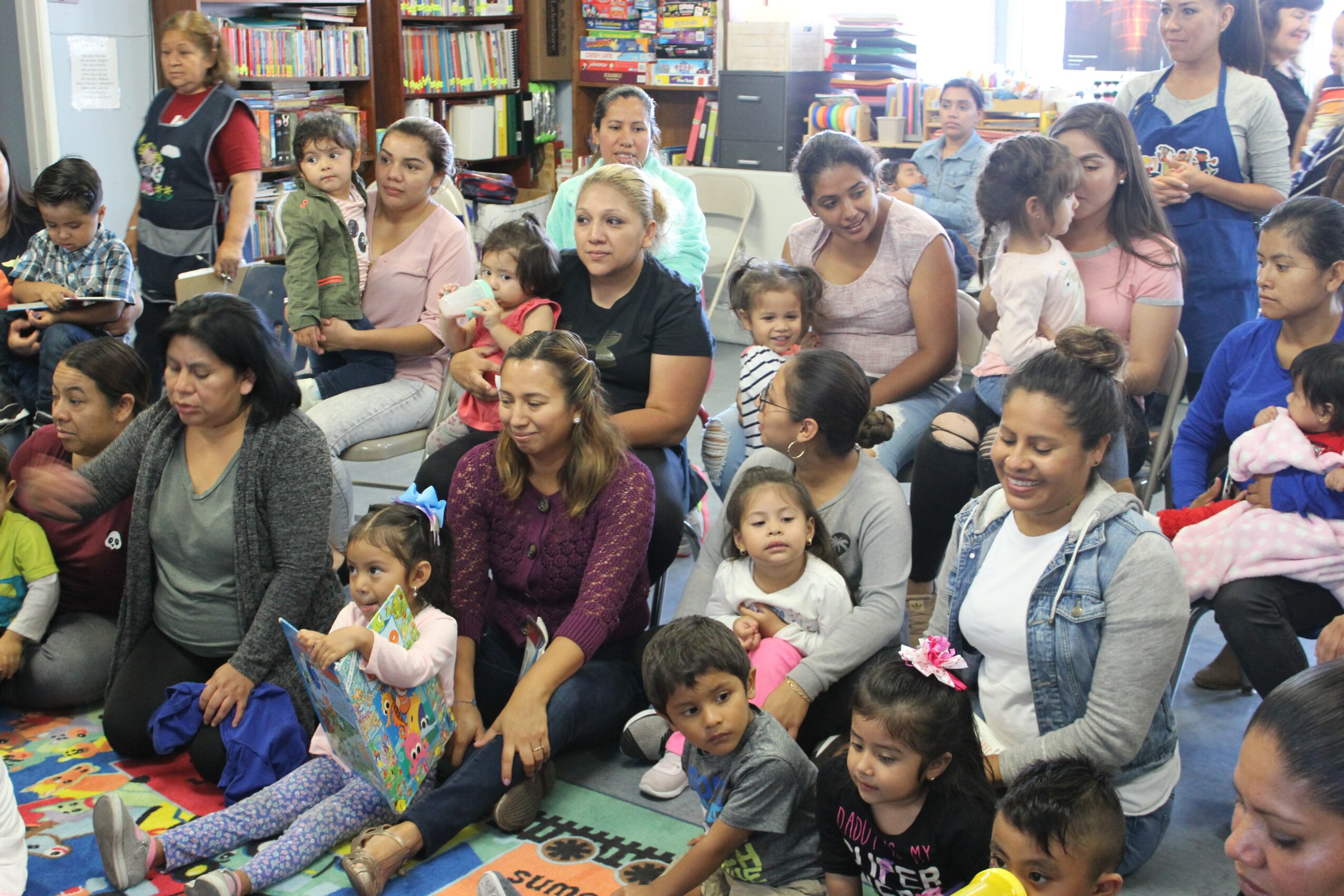
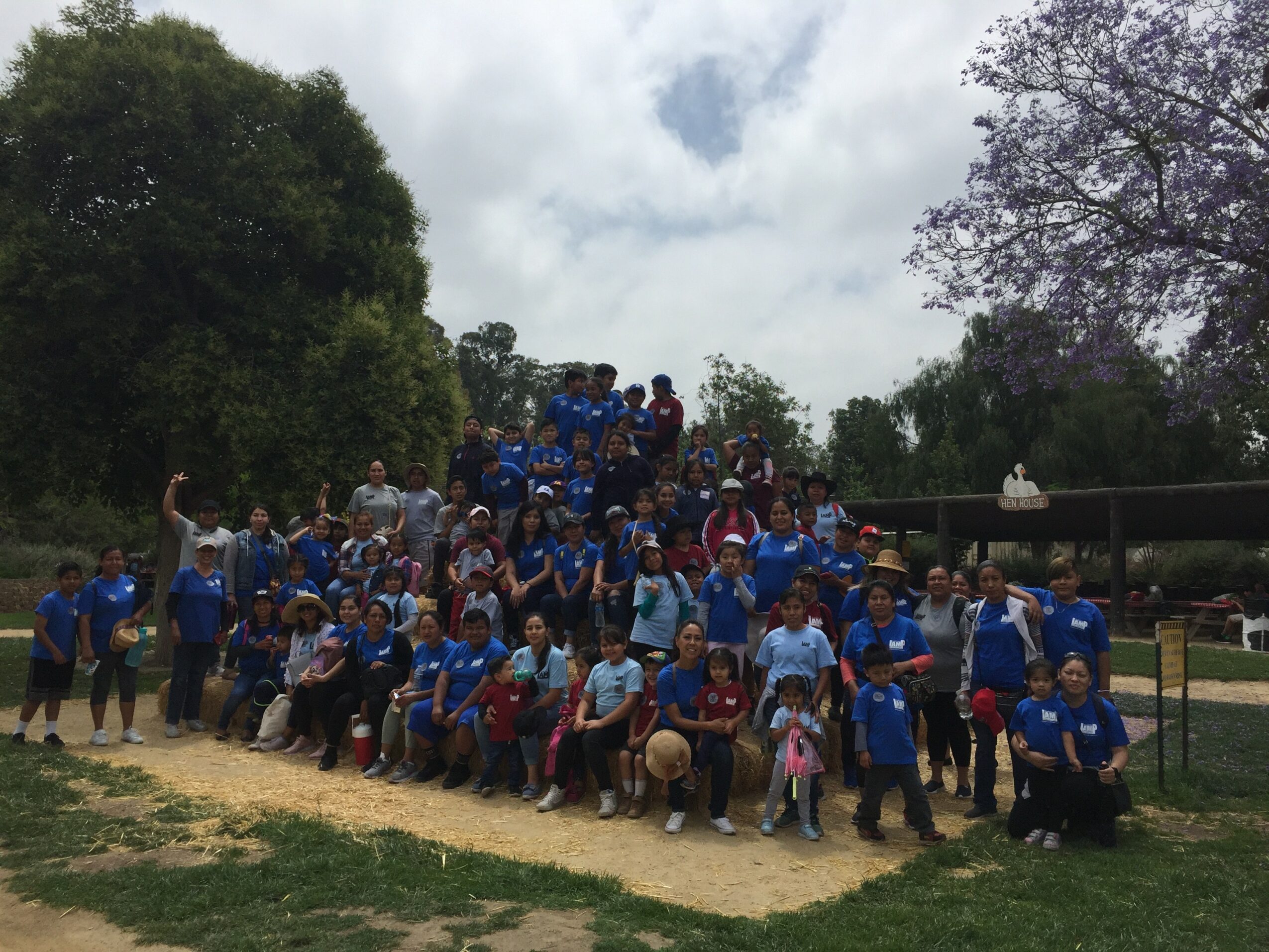
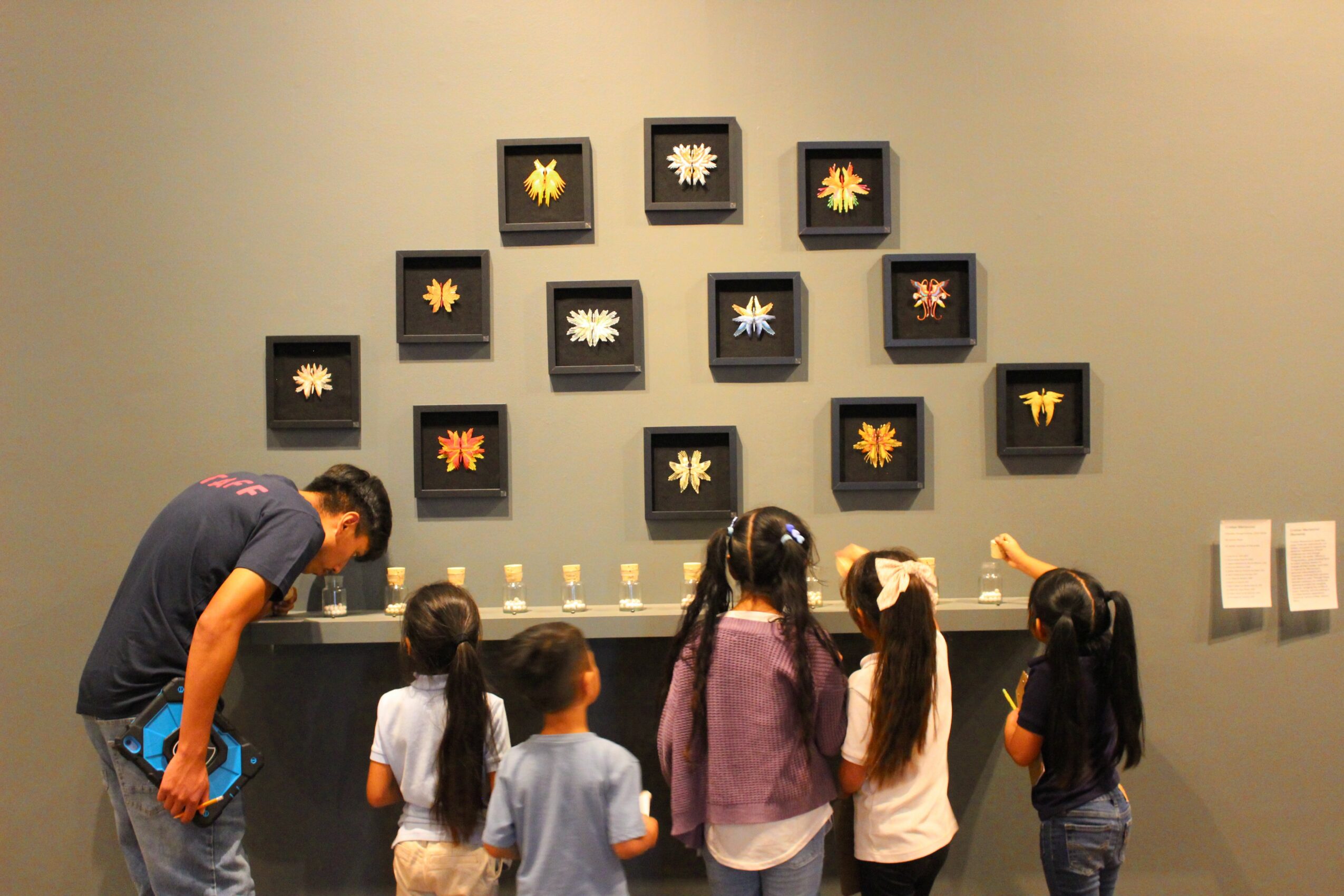
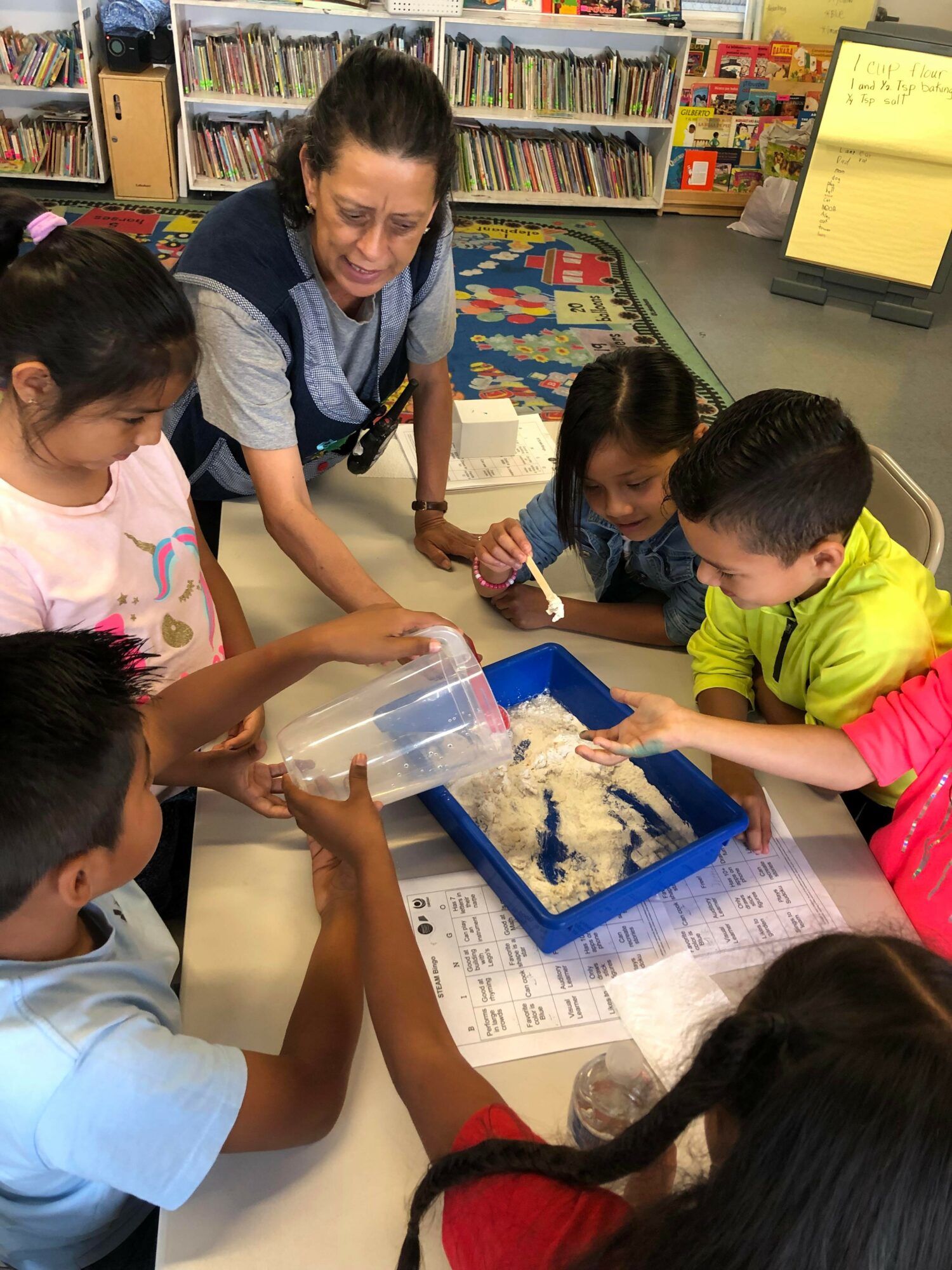
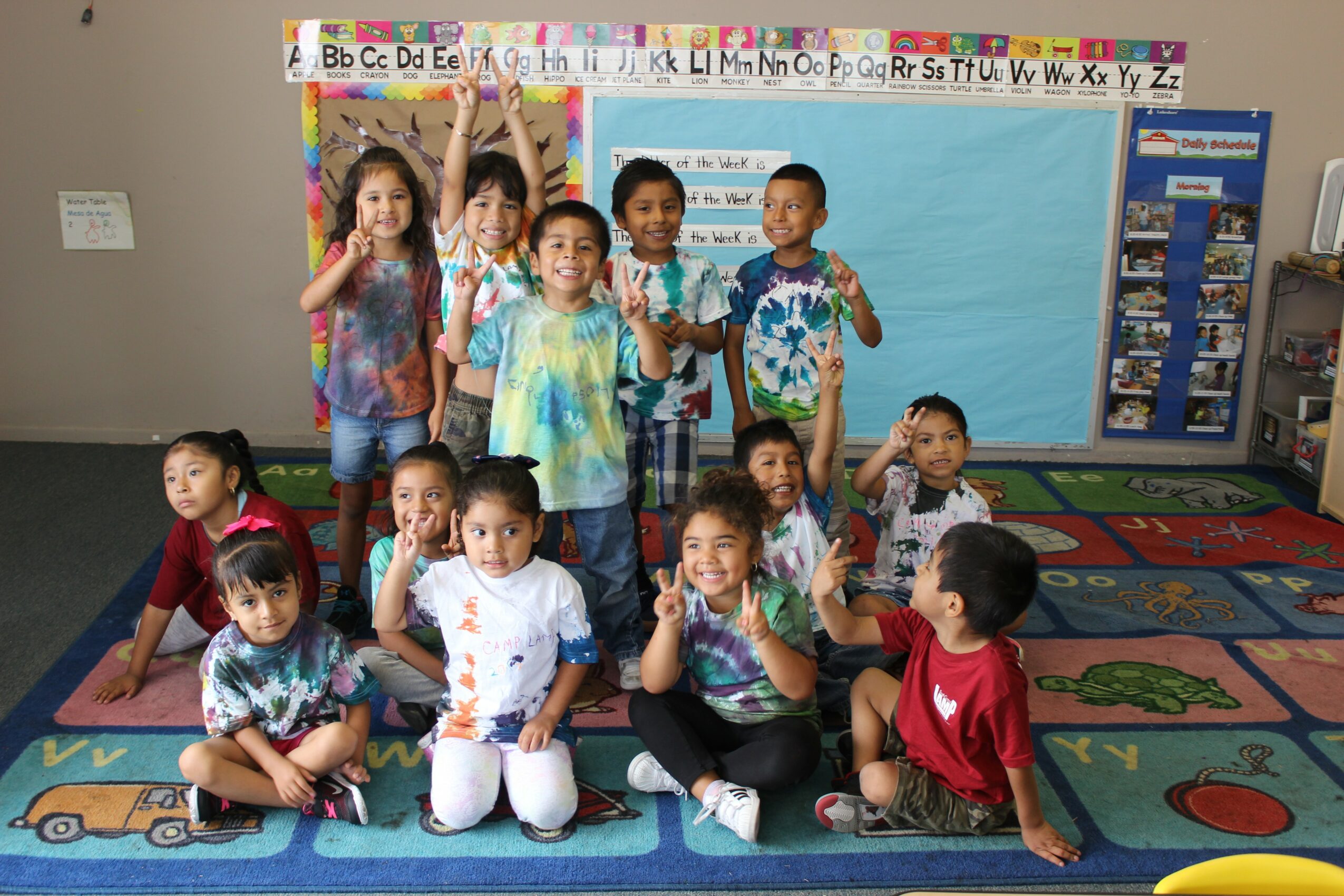
Image Credits
South Central LAMP
Popular
-

Portraits of the Valley
-

LA’s Most Inspiring Stories
-

Greg Hex Is Turning the Everyday Kitchen Knife Into a Modern Design Object
-

Rick Norris Learned That Building a Successful Business Means Building a Life You Actually Want to Live
-

How Olivia Rush Turned Survival Into a Mission to Help Others Keep Going
-

How Bibi Goldstein Is Helping Entrepreneurs Reclaim Their Time by Embracing the Power of Delegation


