




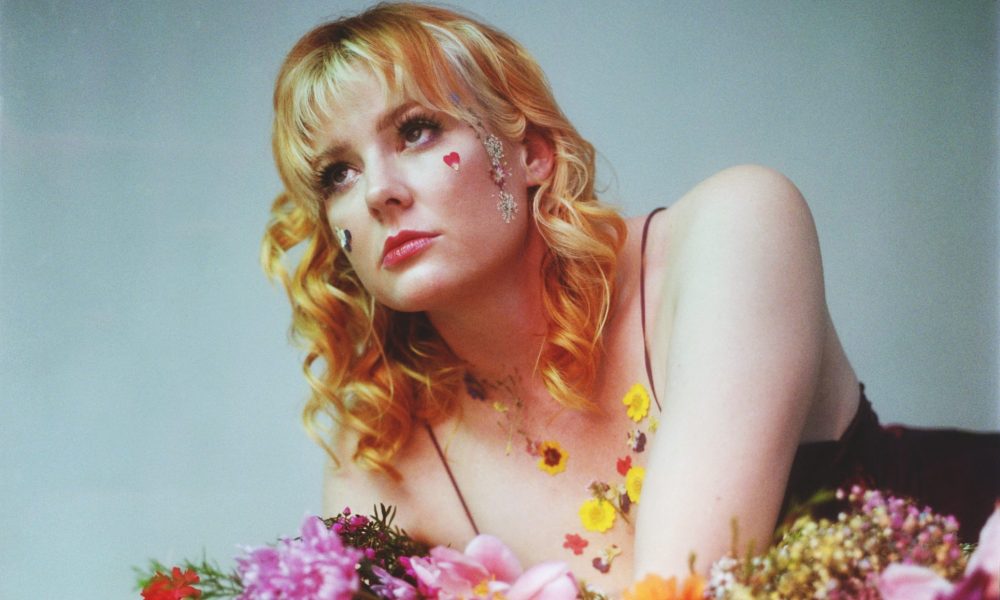
Today we’d like to introduce you to MC Hentz.
Hi MC, please kick things off for us with an introduction to yourself and your story.
I’ve been singing and writing music my whole life, but only really threw myself into it five years ago after a *very* long and bumpy road. By the time I started putting together my first EP, I had a 62-page word document full of lyrics to work from. Ten years of anecdotes and adjectives.
I released my first single (and music video) a year ago this month – a queer anthem called Phases, and my first full EP, Overripe, this past December. Nothing has brought me as much joy as recording and sharing these songs has. To finally have the relative stability and self-esteem to pursue my greatest passion is surreal. That’s not to say it isn’t still an uphill battle, but I’ve integrated my obstacles into my life in a way that allows me to create and move forward while still giving myself grace.
My second EP comes out this summer (another five songs on top of the six that are out now), and I’m already working on number 3.
I’m sure it wasn’t obstacle-free, but would you say the journey has been fairly smooth so far?
Oof yeah, it has *not* been a smooth road. Sometimes it’s hard for me to not get stuck in just how much I’ve had had to work through to be where I am today. It’s a fine line between letting the challenges and obstacles we face define us and acknowledging how impactful they’ve been on the kind of people we become and the art we create. We want to be seen and understood and known but no one wants to be “that (fill in trauma/diagnosis here!) artist.” Especially in a capitalist and ableist society that values productivity and resilience above all else. It’s scary to admit our limitations. The stigmas are real and stifling – but how else do we foster empathy and understanding in a chaotic world. Honesty breeds change.
I’ve struggled with my mental health since I was a kid. Anxiety, depression, ADHD. I’ve always been incredibly sensitive to other people’s feelings, perceived rejection, loud noises… social interactions. In my late teens, I developed severe PMDD (which went undiagnosed until three years ago) that made me suicidal and vaguely paranoid for a full week before my period. Every month. I thought that was normal, spoiler alert. It’s not.
I’ve got chronic pain, chronic illness, and I’m a survivor of sexual assault. I didn’t let myself admit I was queer until I was in my mid-twenties (though I’d known since I was six) due to a whole lot of internalized shame and homophobia.
All these things are integral to who I am and the kind of music I make. It took me a really long time to get to the place where I can *finally* put myself out there. Yes, it’s happening later than I wanted, later than most people get started – but that doesn’t mean it’s any less valuable. The stories I have to tell after all of these “bumps” in the road are endlessly more meaningful than anything I could have written at 22. It is never too late.
As you know, we’re big fans of you and your work. For our readers who might not be as familiar what can you tell them about what you do?
I call my music lyric-heavy indie pop with a folk heartbeat. To me, the words are everything. I always start with lyrics and build a melodic world around them, which, I’ve learned over the last few years, isn’t the norm. But as someone who faked their way through learning piano, violin and guitar by playing by ear and never learning how to read sheet music, it tracks.
The most essential part of the creative process for me is vulnerability. I want to make music that makes people feel seen, less alone, and held. My style of songwriting is, much like the rest of me, an open book. It’s confessional. There aren’t many subjects (or any for that matter) I’m afraid or ashamed to talk about. My second single “How to keep a secret,” for example is a deep a dive into the effects of victim-blaming sexual assault survivors. Writing and recording and sharing that song helped me process a lot of unhealed wounds I didn’t know were still gaping wide. Every step of the process is therapy.
What does success mean to you?
My definition of success has drastically changed as I’ve gotten older. I used to be so driven by the promise of external validation, but the second you get it, it stops being enough. It’s a bottomless pit. Like those studies that show that lottery winners’ happiness goes back to baseline only months after they win the jackpot. These days success, at least for me, largely comes from within.
It’s writing and recording a song and putting it out there AT ALL, not how many people listen to it. It’s what you learn in the process of creating, and sure okay, yes this is external but it’s the one person who sent you a message that says hey, this helped me through a rough time. But it’s not a packed house or getting added to a Spotify playlist. It’s a feeling you get by leaving something better than you found it, self-discovery, growth, any positive impact you have on the world. That’s enough for me.
Contact Info:
- Website: https://dallowaymusic.com
- Instagram: https://www.instagram.com/dallowaymusic/
- Youtube: https://www.youtube.com/@dallowaymusic
- Other: https://www.tiktok.com/@dallowaymusic?lang=en
 Image Credits
Flower photo: Nick Rasmussen Blue bed photo: Sela Shiloni
Popular
-

Portraits of the Valley
-

LA’s Most Inspiring Stories
-

Rick Norris Learned That Building a Successful Business Means Building a Life You Actually Want to Live
-

How Olivia Rush Turned Survival Into a Mission to Help Others Keep Going
-

How Bibi Goldstein Is Helping Entrepreneurs Reclaim Their Time by Embracing the Power of Delegation
-

Victoria Hasson is Redefining Voice Coaching Through Community and Collaboration


