




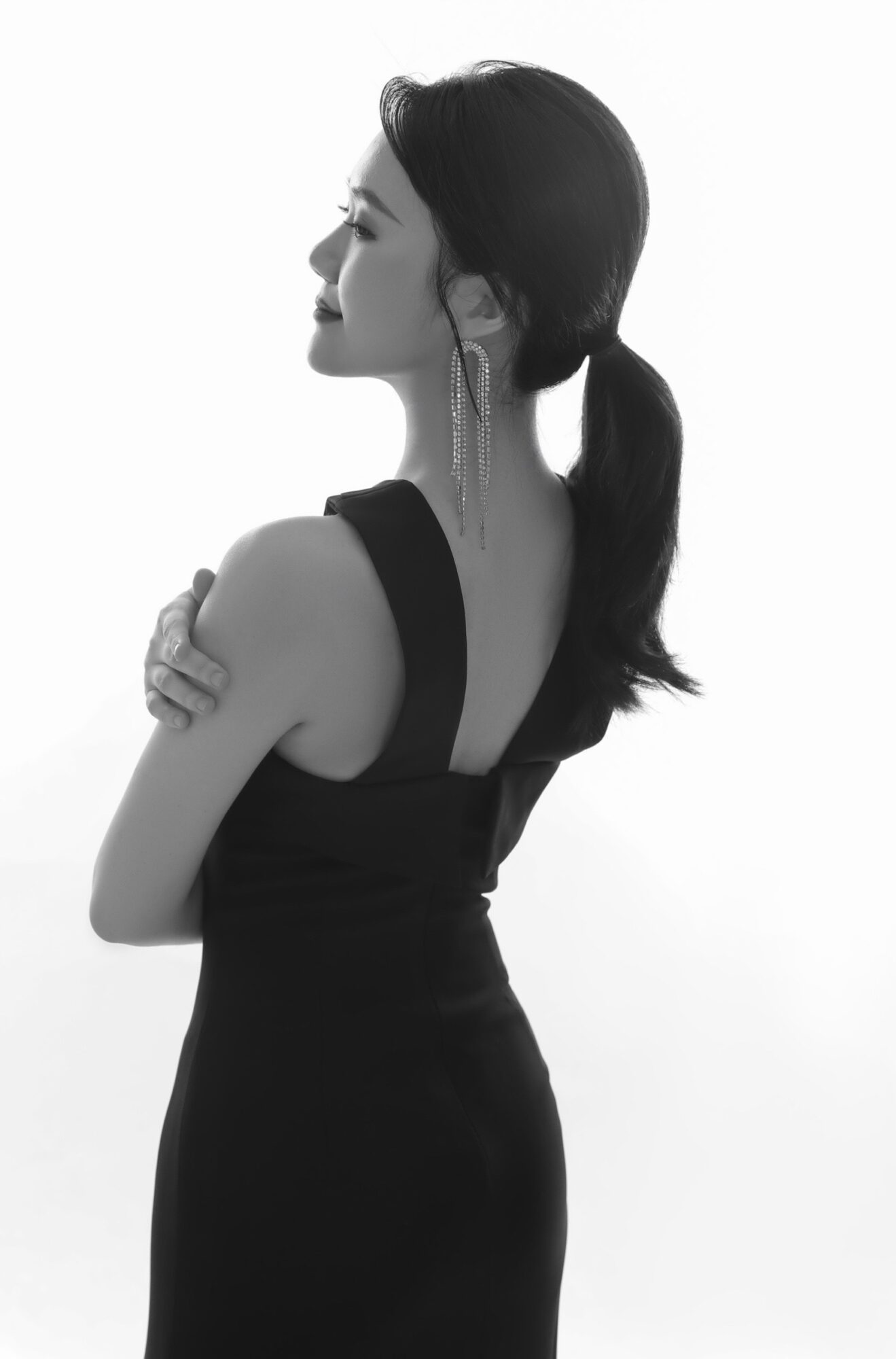
Today we’d like to introduce you to Xinyue Gu.
Hi Xinyue, we’re thrilled to have a chance to learn your story today. So, before we get into specifics, maybe you can briefly walk us through how you got to where you are today?
I began studying piano at a young age in China, where I first developed a deep connection to classical music. From the beginning, I was drawn not only to the technical aspects of playing, but also to the expressive and emotional depth that music can convey. This curiosity led me to pursue advanced studies in the United States, where I earned my Master of Music degree from the Indiana University Jacobs School of Music and my Doctor of Musical Arts degree from the University of Kansas.
My time in the United States was transformative. It exposed me to new artistic perspectives and challenged me to rethink my understanding of sound, phrasing, and musical style. During this period, I began to develop my artistic identity, particularly through exploring how the lyrical refinement of the French piano tradition can interact with the introspective depth of Eastern aesthetics.
A defining turning point in my career came in early summer 2025, when I received an email from composer Émile Naoumoff, professor at the Indiana University Jacobs School of Music and the last disciple of Nadia Boulanger. In that message, he shared a newly composed work titled Daydream, writing, “Dear Xinyue, today I wrote this piece for you—I hope you will like it.” This was not only a meaningful artistic recognition, but also a moment of deep trust that shaped the direction of my artistic development.
Shortly afterward, in May 2025, I gave the world premiere of Daydream at the Shanghai Oriental Art Center, and in the same concert I presented the Asian premiere of his work Tristesse. Also in May 2025, I presented the East Coast premiere of Naoumoff’s Mazurka at Harvard University’s Lehman Hall. My interpretation was widely praised, and a published review noted that my performance represented “a significant milestone in bringing Naoumoff’s work from academic circles to a broader international audience,” highlighting both my technical command and interpretive depth. This experience reinforced my role not only as a performer, but as an interpreter and advocate for contemporary repertoire.
In August 2025, I performed in Germany at historic venues such as Schloss Britz and Schloss Lichtenau, where I gave the European premieres of Daydream and Tristesse. These performances allowed me to connect with audiences across different cultural contexts and further develop a broad and flexible expressive range.
I was invited to serve as a jury member for an international piano competition at Carnegie Hall in New York in October 2025, where I also performed works by Émile Naoumoff. Performing in such an internationally recognized venue in this dual role has further strengthened my belief that music can serve as a universal language.
In addition to my work as a solo performer, I am actively engaged as a collaborative pianist, working with vocalists, instrumentalists, orchestras, opera productions, and ballet programs. These experiences have deepened my understanding of musical communication and reinforced the importance of listening and interaction in performance.
I have also been invited to serve as a jury member for international competitions, including the Brahms International Piano Competition, the Beethoven International Piano Competition, and the American Concert Stars International Music Competition.
Alongside performing, I am deeply committed to teaching and artistic exchange. I have presented masterclasses for the Music Teachers National Association (MTNA) and currently serve as Vice President of the Asian Classical Music Initiative (ACMI), where I work to promote cross-cultural dialogue and international collaboration in music education. I believe that teaching is not only about technique, but about helping students develop their own artistic voice and a deeper connection to music.
Looking back, my journey has been shaped by both tradition and exploration. Today, I see my work not only as performing music, but as connecting cultures, expanding repertoire, and contributing to a more global and evolving vision of classical music.
Can you talk to us a bit about the challenges and lessons you’ve learned along the way. Looking back would you say it’s been easy or smooth in retrospect?
It has not always been a smooth road. Like many musicians, my path has involved both artistic and personal challenges, especially in adapting to different cultural and educational environments.
Moving to the United States for my studies was a significant transition. I had to adjust not only to a new academic system, but also to different musical expectations and ways of thinking about interpretation. At times, this meant re-evaluating my approach to sound, phrasing, and even my understanding of musical style.
Another challenge has been developing my artistic identity. As a pianist working between Eastern and Western traditions, I have often had to navigate different aesthetic perspectives and find a way to integrate them into a coherent voice. That process takes time and requires both openness and self-reflection.
There were also moments of uncertainty, particularly when working on new repertoire or preparing premieres, where there is no established tradition to rely on. In those situations, I had to learn to trust my musical instincts while remaining open to collaboration and dialogue with composers and other musicians.
However, these challenges have been essential to my growth. They have helped me become more adaptable, more reflective, and more confident in my artistic decisions. Looking back, I see that the difficulties were not obstacles, but necessary steps in shaping who I am as a musician today.
Alright, so let’s switch gears a bit and talk business. What should we know about your work?
I am a pianist and educator whose work centers on bridging classical tradition and contemporary expression. My performance career focuses not only on standard repertoire, but also on introducing newly composed works to the stage, particularly through close collaboration with living composers.
In recent years, I have been deeply involved in premiering works by composer Émile Naoumoff, including world, Asian, and European premieres. These experiences have shaped my artistic identity as a performer who brings new music to life, helping it move beyond academic circles and connect with wider audiences. This aspect of my work is something I am especially proud of, as it contributes to the ongoing development of the classical repertoire.
At the same time, my background allows me to approach music from a cross-cultural perspective. Having trained in both Eastern and Western traditions, I am interested in how different musical languages and aesthetics can inform one another. This perspective influences both my performance and my teaching, where I encourage students to develop their own artistic voice while remaining grounded in stylistic and historical awareness.
In addition to performing, I am actively engaged as a collaborative pianist, working with vocalists, instrumentalists, and ensembles. This has strengthened my sensitivity to listening, communication, and musical interaction, which I see as essential to meaningful music-making.
I am also committed to education and artistic community-building. Through teaching, masterclasses, and my work with international organizations, I aim to support the next generation of musicians and to create opportunities for cross-cultural exchange.
What sets me apart is this combination of roles: I see myself not only as a performer, but as someone who connects repertoire, people, and cultures. Whether through premieres, collaboration, or teaching, my goal is to contribute to a more dynamic and inclusive vision of classical music.
What quality or characteristic do you feel is most important to your success?
One quality that has been essential to my growth is curiosity. I have always been driven not only to improve technically, but to understand music on a deeper level—its structure, its language, and its emotional meaning.
This curiosity has also shaped the way I approach different musical traditions. As a musician trained in both Eastern and Western contexts, I am constantly exploring how different perspectives can coexist and enrich one another. Rather than seeing music as fixed, I see it as something living and evolving, shaped by both tradition and personal experience.
At the same time, I believe that curiosity must be balanced with discipline. Developing as a musician requires patience, consistency, and a willingness to revisit the same work over time with new understanding. That process of continuous refinement has been central to my artistic development.
Ultimately, this combination of curiosity and discipline has allowed me to grow not only as a performer, but also as a collaborator and educator, always seeking new ways to connect with music and with others through it.
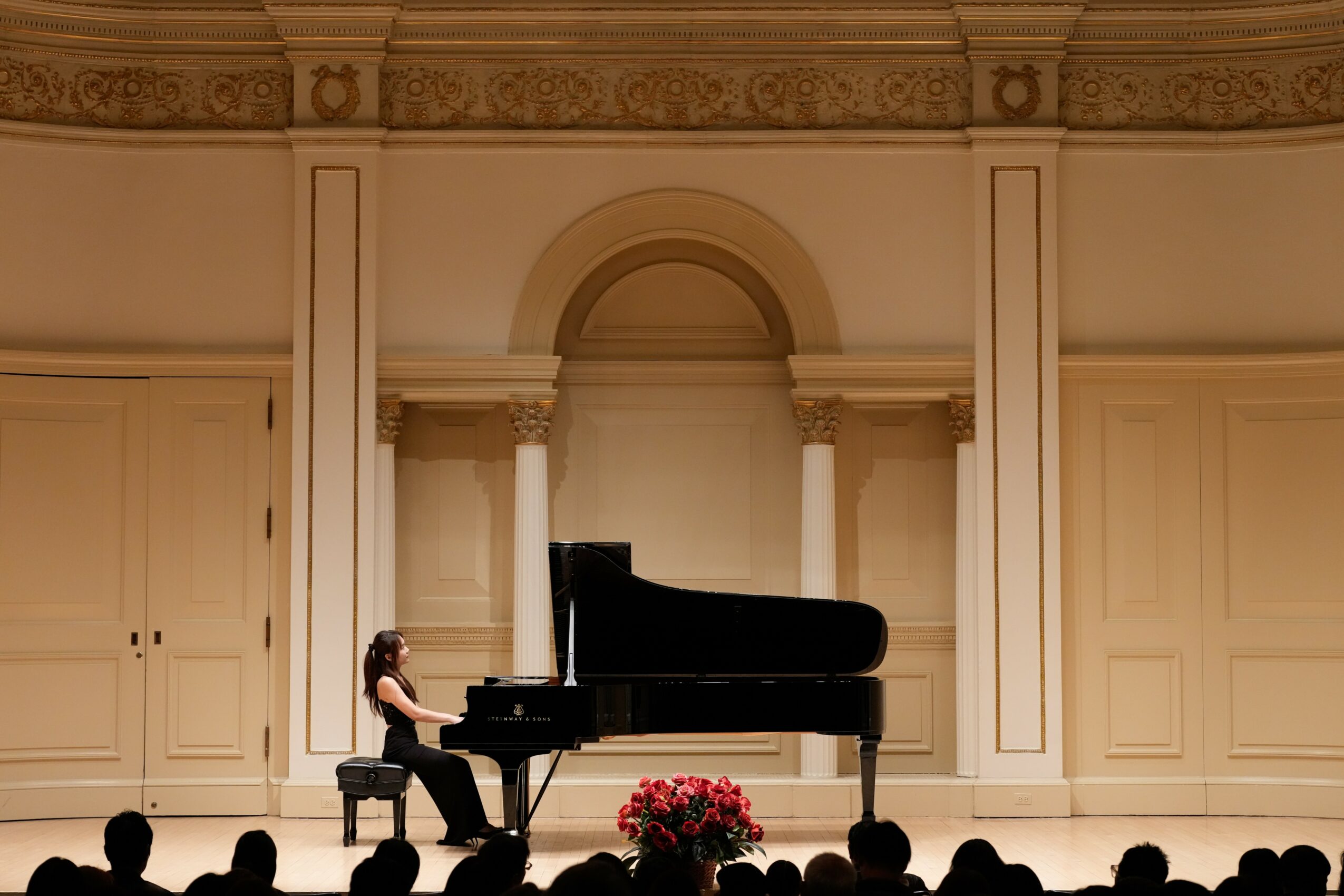
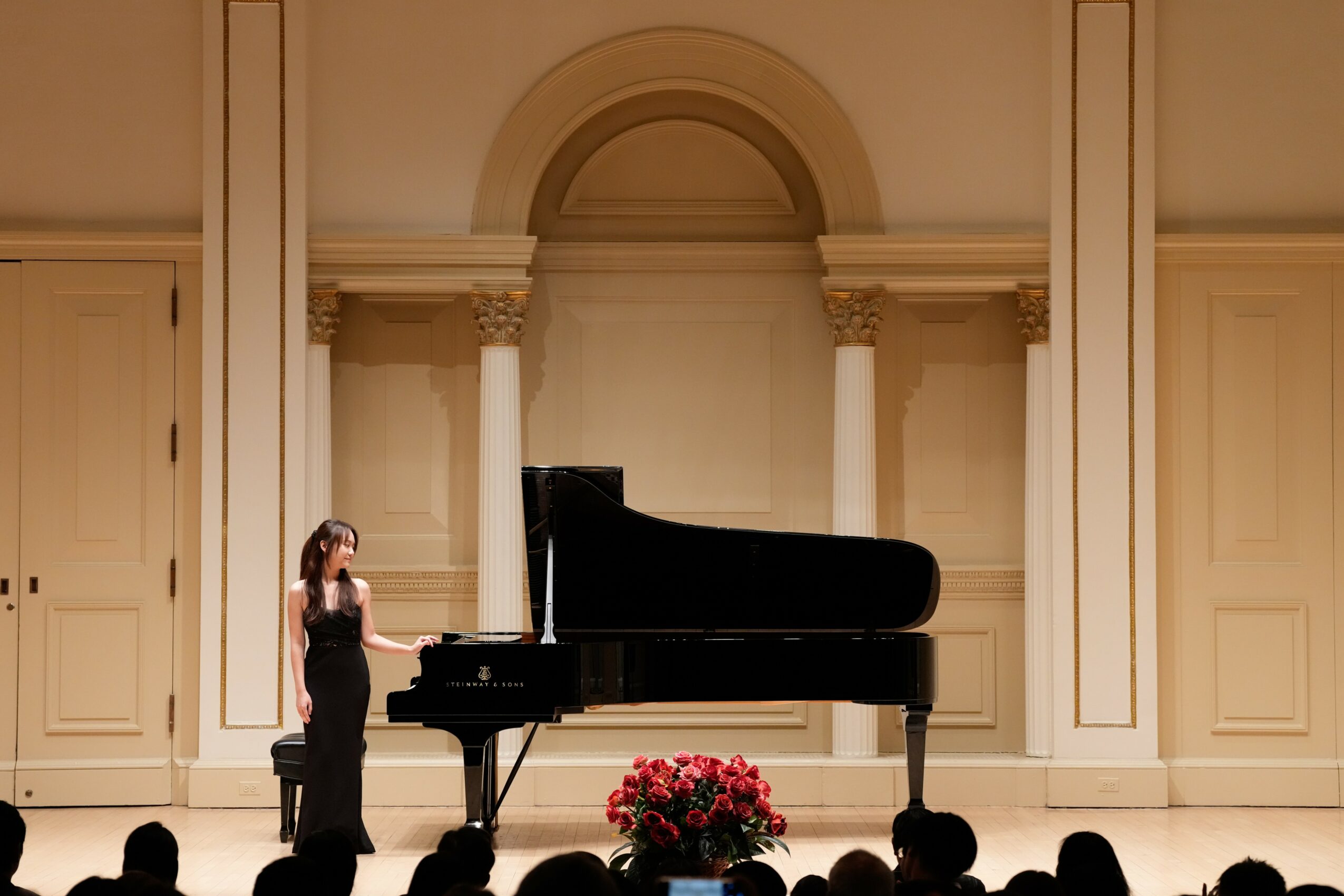
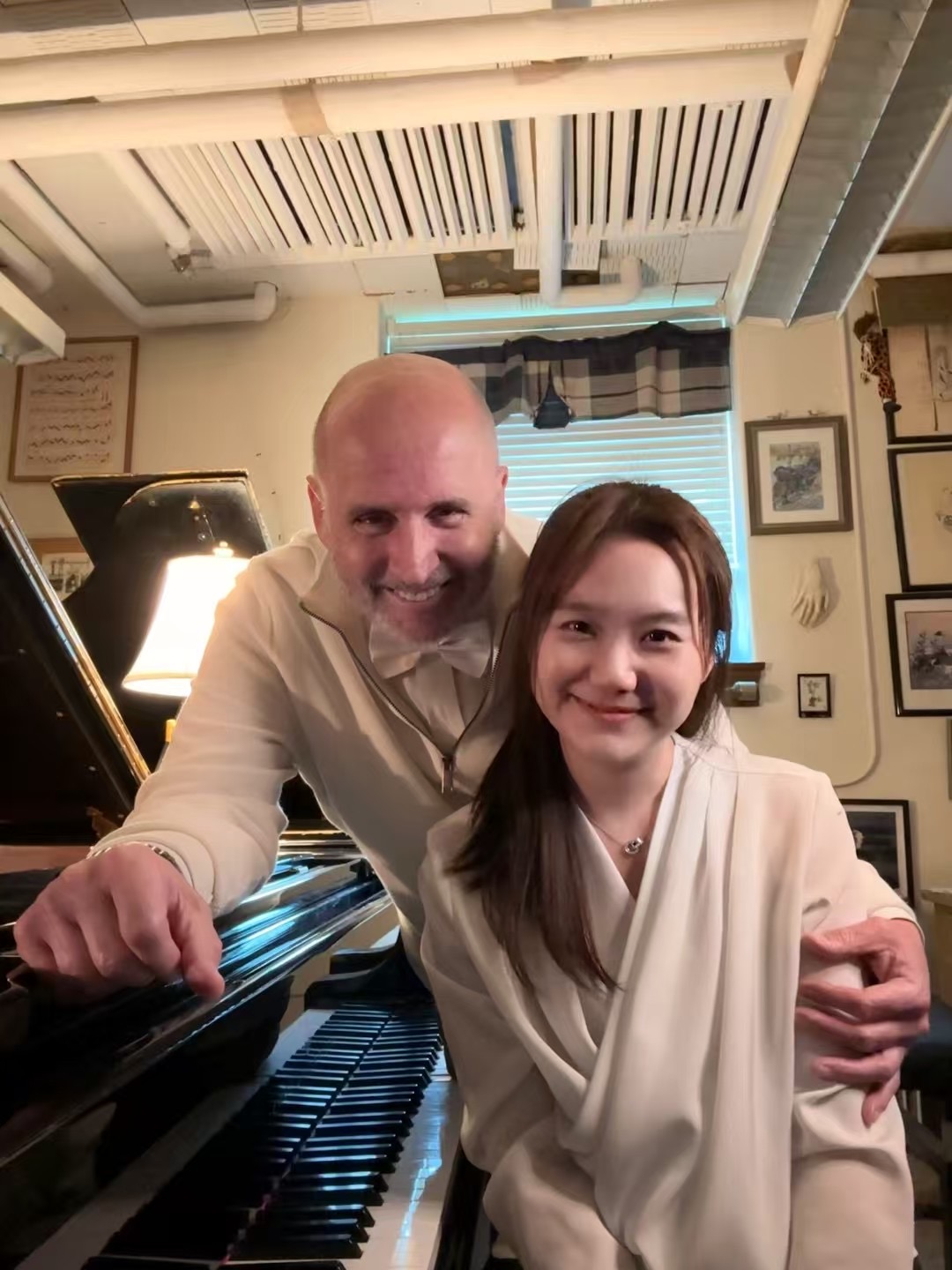
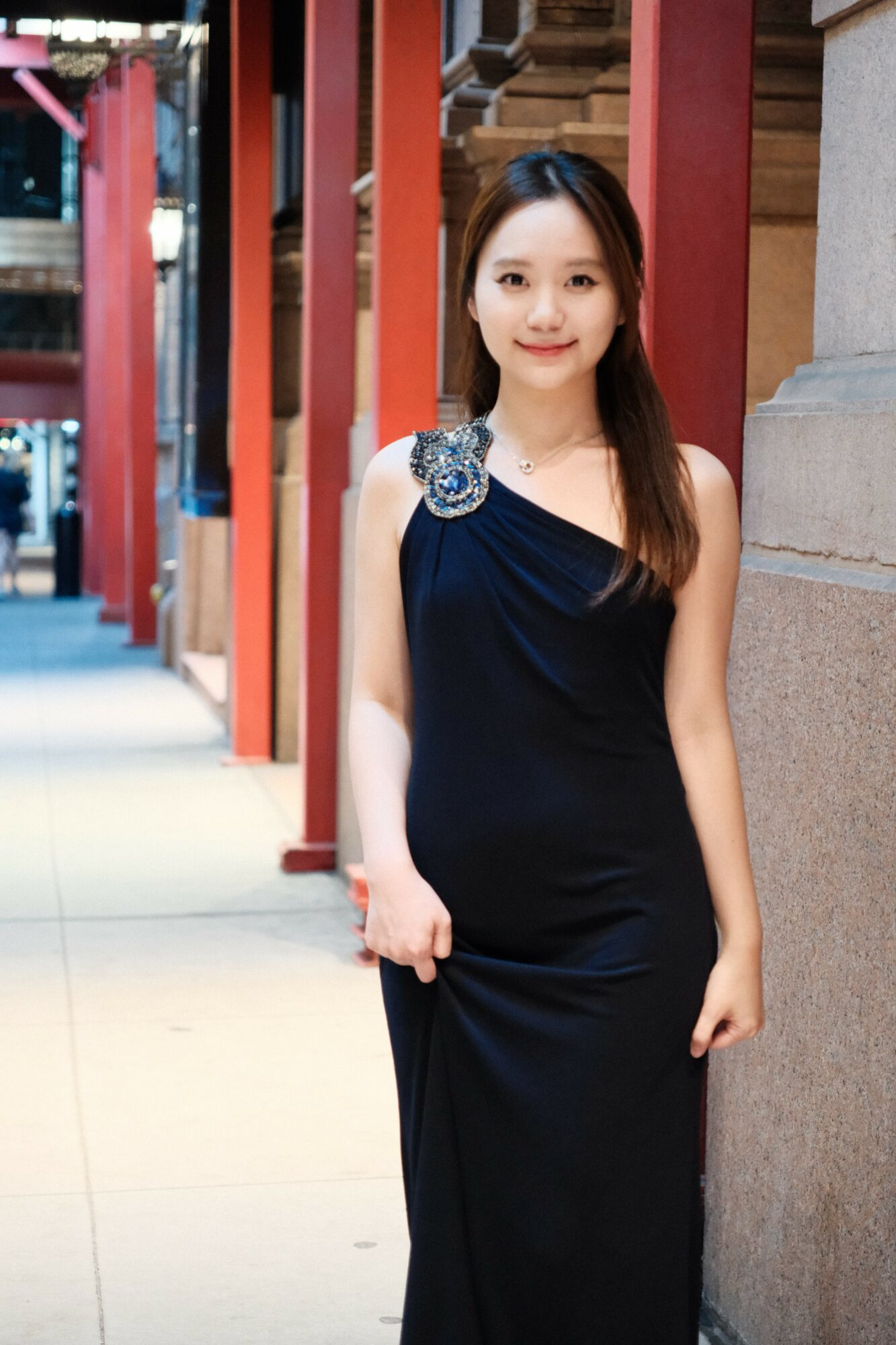
Image Credits
image 1-2: Performance in Carnegie Hall
image 3: Xinyue Gu and Emile Naoumoff
Popular
-

Portraits of the Valley
-

LA’s Most Inspiring Stories
-

Rick Norris Learned That Building a Successful Business Means Building a Life You Actually Want to Live
-

How Olivia Rush Turned Survival Into a Mission to Help Others Keep Going
-

How Bibi Goldstein Is Helping Entrepreneurs Reclaim Their Time by Embracing the Power of Delegation
-

Victoria Hasson is Redefining Voice Coaching Through Community and Collaboration


