




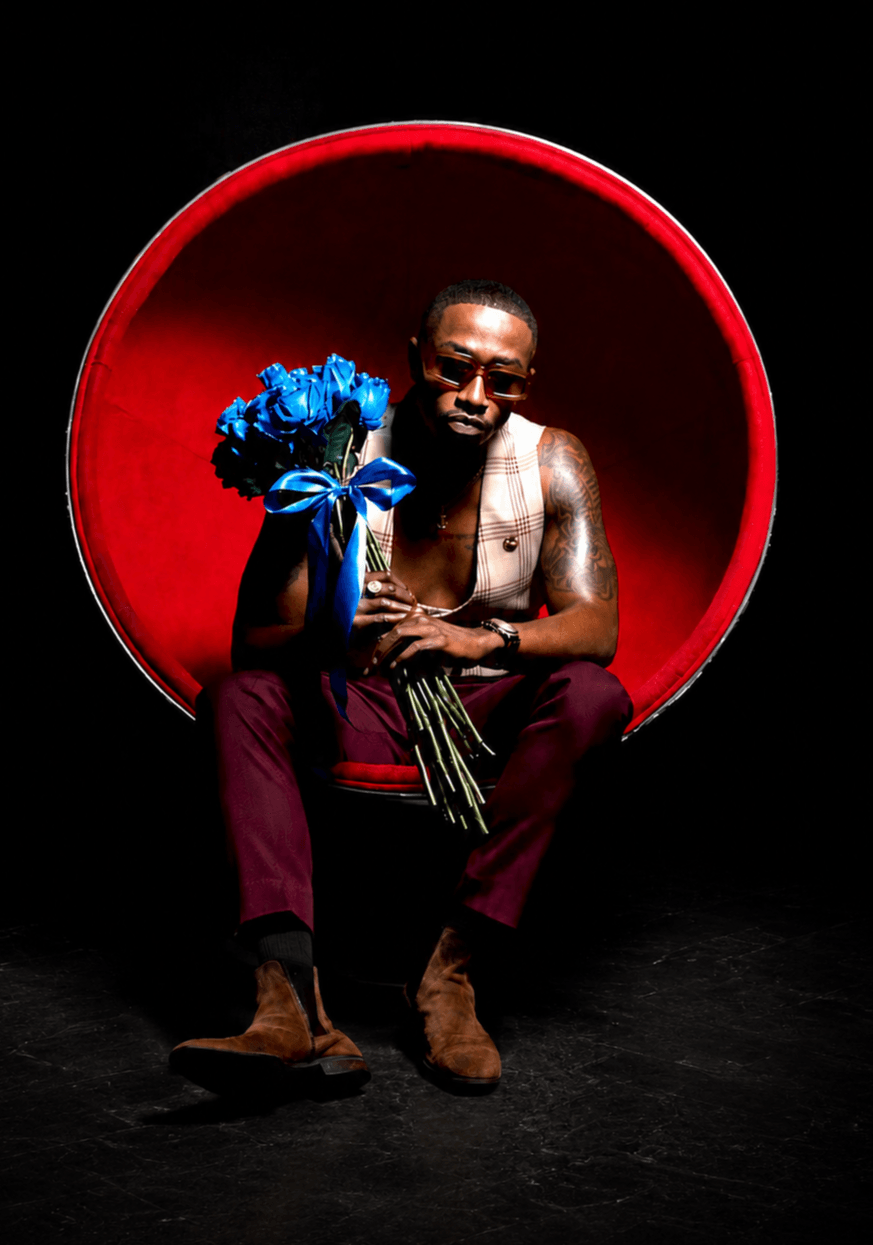
Today we’d like to introduce you to Mike Terrell.
Alright, so thank you so much for sharing your story and insight with our readers. To kick things off, can you tell us a bit about how you got started?
My name is Mike Terrell. I’m originally from Philadelphia, PA, and currently based in Los Angeles. I’m a singer, songwriter, actor, vocal producer, and creative, but music has really been the foundation of my life for as long as I can remember.
I started singing around eight years old in church. Music was always around me growing up, but one of the biggest turning points for me was joining the Keystone State Boychoir while I was still young. That was really my first introduction to music on a professional level. Through the choir, I had the opportunity to travel and perform around the world while receiving an education in music that I didn’t fully realize the value of at the time. I learned music theory, how to read sheet music, vocal technique, and was exposed to everything from classical and opera to gospel, jazz, pop, Jewish music, and music from cultures all over the world. That experience expanded my ear and ultimately helped shape the vocalist and musician I am today.
From there, I attended the Philadelphia High School for Creative and Performing Arts, better known as CAPA, where I was a theater major. After graduating, I moved to Chicago to attend Columbia College Chicago. I initially studied Audio Design and Production before eventually transitioning into Music Business with a minor in Theater.
Chicago was where a lot of things started coming together for me professionally. I began performing more and eventually started singing background vocals for local artists and even some established artist. I quickly realized that background singing was something I genuinely loved. There’s an art to being a great background vocalist. It requires you to understand your voice, but also understand how to use it in service of someone else’s vision. What started locally eventually turned into professional opportunities and became a major part of my career.
Eventually, I made the move to Los Angeles, and that’s when things really began to accelerate. The background vocal world opened up for me in a much bigger way, and I started getting opportunities to work, perform, travel, and continue developing my craft at another level. Being in those rooms and working alongside so many talented people taught me a lot about artistry, professionalism, and what it actually takes to build a career in this industry.
But somewhere along that journey, I realized that while I loved helping bring other artists’ visions to life, I had spent a lot of time standing in the shadows of other people’s light. I knew I had my own stories to tell, my own perspective, and my own sound that deserved the same energy I had spent years giving to everyone else.
So I started releasing my own music and really investing in myself as a solo artist.
I’ll always love singing background, and I don’t think it’s something I’ll ever completely stop doing. It’s a part of who I am and has played a huge role in making me the artist I am today. But this chapter of my life is about stepping into my own light. It’s about taking everything I’ve learned from church, the Boychoir, theater, Chicago, Los Angeles, and years of supporting other artists, and pouring all of that experience into Mike Terrell.
That’s really where I am today: building my own world, telling my own stories, and allowing people to finally meet me as the artist at the center of the stage.
Alright, so let’s dig a little deeper into the story – has it been an easy path overall and if not, what were the challenges you’ve had to overcome?
No, it definitely hasn’t been a smooth road, but it’s been a rewarding one nonetheless. I don’t believe that anything worth having is always going to come easy, and I think a lot of the challenges I’ve experienced have helped shape me into the artist and person I am today.
I actually started my professional journey as an actor, and I still act today. One thing acting teaches you very quickly is how to hear “no.” You audition constantly, and you’re going to hear no way more often than you hear yes. By the time you see your favorite actor land that huge role or have that career-changing moment, you’re seeing the “yes.” You’re not seeing the countless auditions, rejections, callbacks that didn’t go anywhere, and opportunities they almost got before that moment happened.
I learned early on to carry that mentality into every part of my career. A “no” doesn’t necessarily mean I’m not talented enough or that something isn’t going to happen for me. Sometimes it just means not yet, not this opportunity, or not this room. You keep going.
Background singing came with its own set of challenges. Talent is obviously important, but there’s an entire business behind getting into the right rooms. I had to learn who the contractors were, how people actually booked these opportunities, how to build and maintain genuine relationships, and how to navigate an industry where everybody you meet may not necessarily have your best interest at heart. You learn how to decipher who genuinely believes in your gift, who wants to help develop it, and who may simply see an opportunity to benefit from it. Those things can seem small when you’re first starting out, but they become incredibly important as your career grows.
Transitioning into being a solo artist has honestly been fun. I wouldn’t even describe it as the hardest part of my journey because I try to pray before I make major moves and allow God to orchestrate my steps. My faith has given me a level of peace throughout this process. That doesn’t mean everything magically becomes easy, but I don’t feel like I have to force every opportunity or have every single answer right now.
If anything, one of the biggest realities of being an independent artist is simply how much goes into it. It’s expensive! Beyond creating great music, there’s marketing, content, visuals, promotion, business decisions, contracts, strategy, and consistency. I’ve never been the biggest social media person, so I’ve had to completely switch my brain and learn that side of the industry too. Suddenly, you’re not just thinking about the song. You’re thinking about how to market it, what content to create, how to edit that content, when to post it, how to stay consistent, and how to make smart business decisions behind the scenes.
I’m still learning. I think I’ll always be learning.
But the beautiful thing is that I genuinely love what I do. I love my career. I love making music. I love performing. I love the process of creating something that didn’t exist before and watching it become real. So yes, there have absolutely been challenges along the way, and I know there will be more, but I wouldn’t trade the journey for anything.
The road hasn’t always been smooth, but it’s mine, and I’m grateful for where it’s taking me.
Thanks for sharing that. So, maybe next you can tell us a bit more about your work?
At the center of everything I do, I’m an artist. I’m an R&B singer and songwriter, but I also work professionally as a background vocalist, vocal producer, vocal coach, and actor. I’ve been fortunate enough to build a career where all of those different sides of me can coexist, and I think each one has made me stronger at the others.
As an artist, I like to say I make music for the hopeless romantic. I’m somebody who genuinely loves love, but I’ve also experienced a lot of different versions of it: the good, the bad, the heartbreak, being single, being in relationships, situationships, temptation, and everything in between. So when you listen to my music, you’re going to get all of those perspectives.
My latest single, “On This Side,” is a perfect example of that. My music lives in R&B, but I like to think of what I do as experimental R&B because I’m very musical and I don’t like putting too many limitations on what a Mike Terrell record can sound like. I know my sound, but within that sound, I love experimenting with different sonics, genres, arrangements, and ways of using my voice.
Authenticity is probably the biggest thing that sets me apart. Everything I sing about comes from somewhere real. It could be an experience I’ve had, an emotion, a memory, or even a conversation. Before I write a record, there’s usually a real conversation happening with my team about life. We talk about our stories and experiences and how they relate to whatever we’re creating. Then we build from there. I never want to make music just because something sounds cool. I want you to be able to feel the story and the vision behind it.
Vocally, I think my versatility is also a huge part of who I am. My background exposed me to so many styles of music, and professionally I’ve had to learn how to use my instrument in a lot of different ways. I can be soft and intimate, powerful and soulful, or very acrobatic vocally. I can sing R&B, gospel, jazz, classical music, pop, and adapt my voice to different genres and environments. I consider myself a vocal chameleon in that way, but regardless of what I’m singing, I still want you to know that it’s me.
That versatility has allowed me to have an incredible career as a professional background vocalist as well. I currently sing with Jonathan McReynolds, previously toured with Jon B, and was a member of Kanye West’s Sunday Service Choir. Over the years, I’ve also had the opportunity to perform or record with artists including Stevie Wonder, Alicia Keys, Post Malone, Charlie Wilson, Will Smith, Chloe Bailey, Davido, Omarion, Smokey Robinson, and many others.
That work has also led to two Grammy nominations as a supporting vocalist on Jonathan McReynolds’ projects, My Truth, which was nominated for Best Gospel Album, and Closer, which was nominated for Best Gospel Song. I’ve also had some really special opportunities as a solo vocalist, including performing the National Anthem for both the LA Clippers and LA Sparks. This October, I’ll also have the honor of performing the National Anthem for an NFL International Game in London, which is another one of those moments I’m really looking forward to.
Then there’s the acting side of my career. I’ve appeared in projects including Twenties, Wu-Tang: An American Saga, Empire, The Chi, and Chicago P.D., and acting and theater have always played a major role in how I approach storytelling and performance. I think that part of my background naturally finds its way into my music too because I don’t just hear songs. I see them. I see the story, the visual, the character, and the world around the record.
But when I think about what I’m most proud of, it honestly isn’t one credit or one name on my résumé. I’m most proud of how far I’ve come.
When I first started chasing this dream, the dream grew with me. It’s not that I never believed I could be where I am today. I just didn’t understand how many possibilities existed. Every time I reached one goal, the goalpost moved a little further. Something that once felt huge became proof that maybe I could go even bigger.
Some of my favorite accomplishments are what my family and I call “mommy moments,” those moments where I get to do something that makes my mom proud and gives her another reason to brag about her son. Those mean more to me than people probably realize.
And one of the things I’m proudest of is finally having the confidence to step out as a solo artist. There was a point when I was scared to do it. I had spent years being comfortable supporting other artists and helping their visions come to life. But as my career grew, my confidence grew with it. Every opportunity, every room I walked into, every stage, every session, and every accomplishment gave me more reason to believe in myself, my voice, my sound, and most importantly, the stories I wanted to tell.
I’m also a God-fearing man who loves love, and I think that comes through in who I am and what I create. I’ve experienced enough of love to know that it isn’t always pretty or perfect, and I’m not interested in pretending that it is. That gives me a lot to write about.
So when you enter the world of Mike Terrell, I want you to get authenticity, musicianship, great vocals, real lyrics, emotion, passion, and storytelling. I want you to hear the record and feel the vision behind it.
Everything comes from a real place.
In terms of your work and the industry, what are some of the changes you are expecting to see over the next five to ten years?
I think the next five to ten years are going to be really interesting for the music industry, especially for independent artists.
One of the biggest conversations is obviously going to be AI. As independent artists, I think we’re entering a world where we’re not only competing with other artists anymore, but potentially AI-generated artists and AI-generated music. I’m not against technology or innovation, but I do think there needs to be some kind of distinction between music created by actual artists and music that is completely generated through AI.
I would love to see some type of verification or transparency that allows listeners to know when they’re experiencing music created organically by a real artist versus something that was generated artificially. There are people who have spent their entire lives developing their voices, learning instruments, studying music, writing songs, performing, and truly dedicating themselves to the craft. I think protecting that has to remain important. Hopefully, the industry can regulate AI in a responsible way before we reach a point where technology starts taking away from the people who actually create the art.
I also think the way artists make money has to continue evolving. I would love to see some new technology or format come along that gives us the modern-day equivalent of physical music sales. I’m not saying everybody is suddenly going to start buying CDs again, although I wouldn’t be mad at it, but I would love to see something that brings that level of value back to music. Streaming completely changed how people consume music, but I hope the next evolution of streaming creates better opportunities for artists to actually make sustainable money from their music.
I think we’re also already watching the relationship between artists and record labels change. There was a time when a label could discover an artist, develop them, help shape their image and sound, build their audience, and then introduce them to the world. Now, artists are being expected to build their own worlds first.
We’re building our audiences through social media, creating our own content, releasing our own music, developing our brands, building communities, and proving that people are already paying attention. Then a label may come into the picture once the artist already has momentum. I think that shift is only going to continue. Artists are realizing how much they can accomplish independently, so labels are going to have to continue redefining what value they bring to an artist who has already built something successful on their own.
Ultimately, I know music is going to look different five or ten years from now. I don’t think anybody can completely predict what that difference will look like yet. My hope is that whatever comes next still leaves room for creativity to be fun, human, and authentic.
Technology should give artists more ways to create, connect, and build careers. It shouldn’t replace the heart of why we make music in the first place.
As long as we protect that, I’m excited to see where the industry goes.
Contact Info:
- Website: https://MikeTerrellOfficial.com
- Instagram: https://www.instagram.com/iammiketerrell?igsi=NTc4MTIwNjQ2YQ%3D%3D&utm_source=qr
- Facebook: https://www.facebook.com/michael.adkins.773124?mibextid=wwXIfr
- Twitter: https://x.com/iammiketerrell?s=11
- Youtube: https://youtube.com/@miketerrellofficial?si=_ApXHYuVI241HI9G
- Soundcloud: https://on.soundcloud.com/sN9ZSa8qSIvdqR8NGY
- Other: https://www.tiktok.com/@iammiketerrell?_r=1&_t=ZP-99GiDGyOkLH
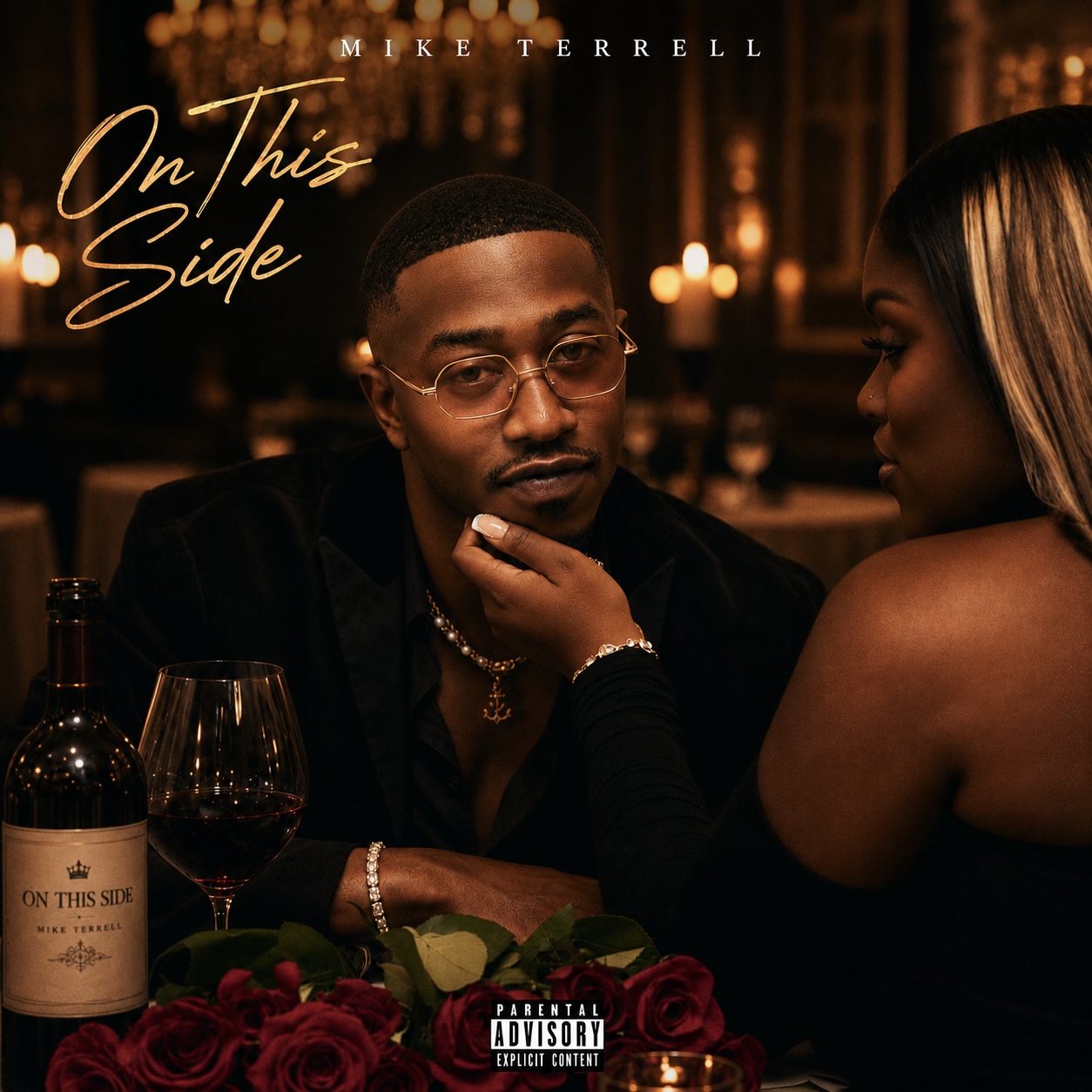
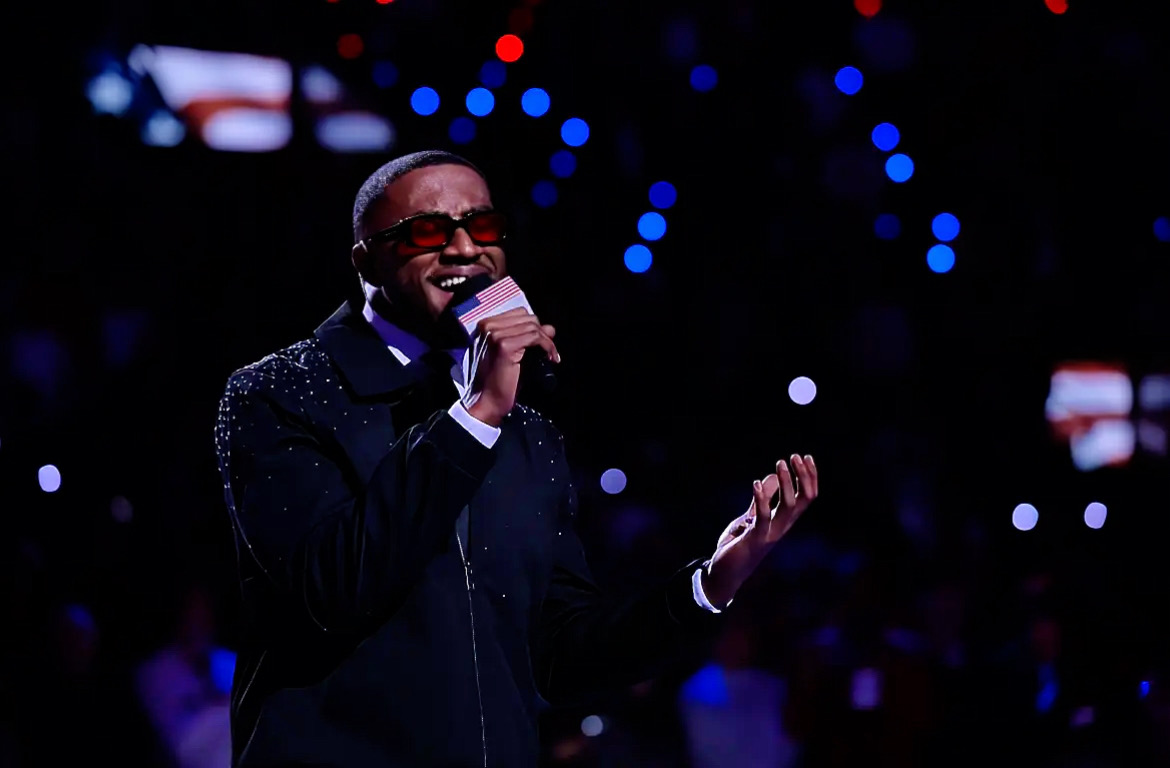
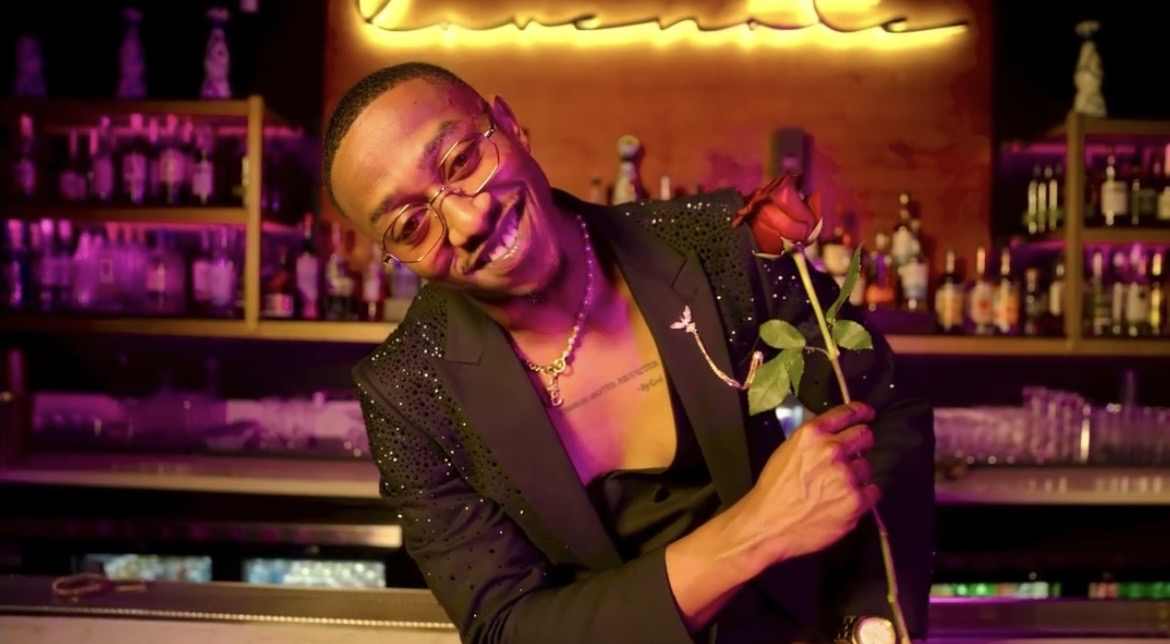

Image Credits
Richard Lomibao
Jairus Mack
Eezy Films
Chan C Smith
Deen’s Vision
Popular
-

Portraits of the Valley
-

LA’s Most Inspiring Stories
-

Rick Norris Learned That Building a Successful Business Means Building a Life You Actually Want to Live
-

How Olivia Rush Turned Survival Into a Mission to Help Others Keep Going
-

How Bibi Goldstein Is Helping Entrepreneurs Reclaim Their Time by Embracing the Power of Delegation
-

Victoria Hasson is Redefining Voice Coaching Through Community and Collaboration


