




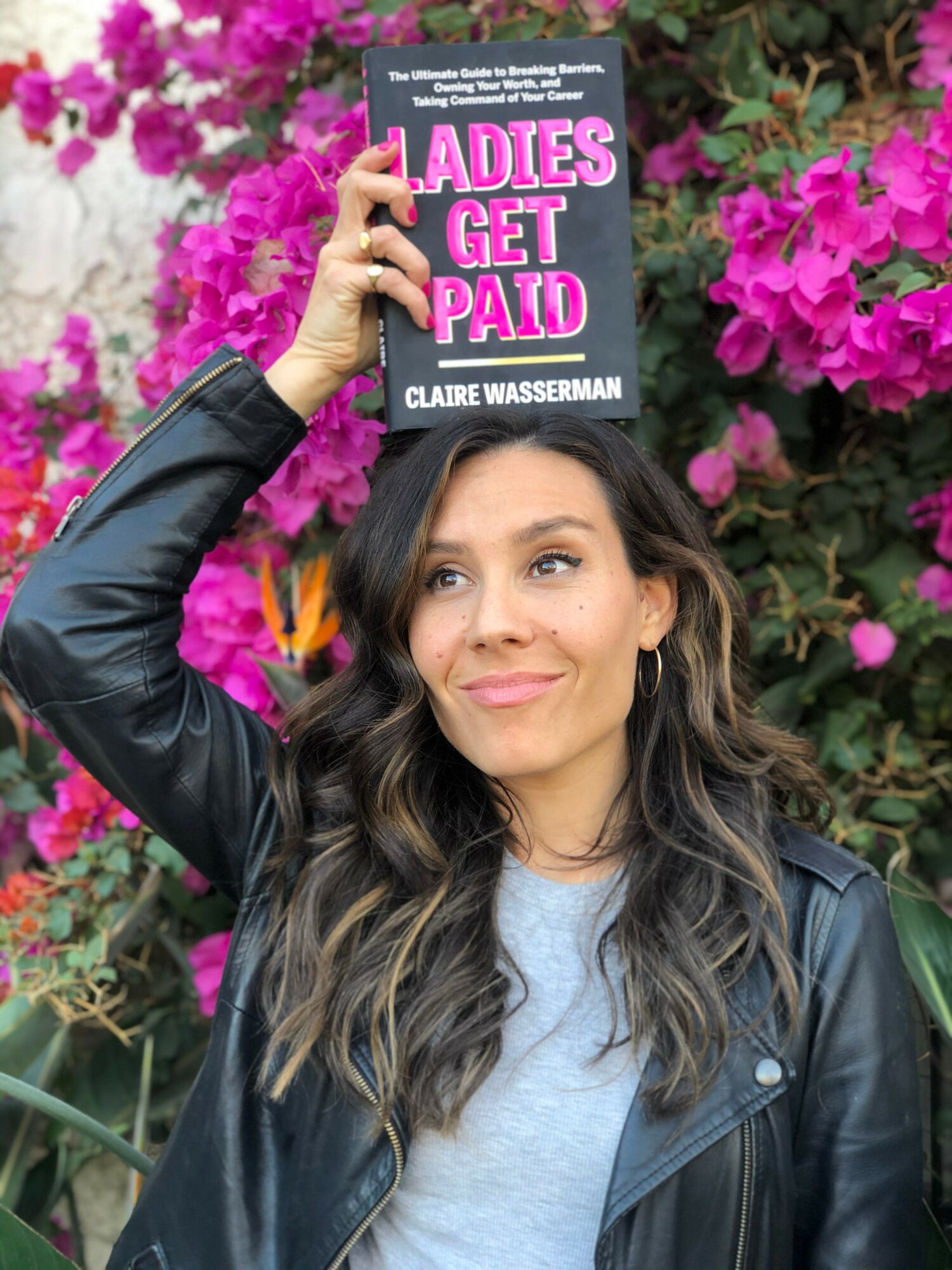
Today we’d like to introduce you to Claire Wasserman.
Hi Claire, thanks for sharing your story with us. To start, maybe you can tell our readers some of your backstory.
I was 30, working in experiential marketing in the ad and tech worlds, and I went to a big advertising festival to bring in clients. Instead I spent the week getting asked whose wife I was, and having a man slur “you’re hot” at me while I pitched him a business idea. I came home and slept for two days. Then I did the thing I’d always done: turned it inward. Was my dress too short? Was I too friendly?
That was the first time I noticed the loop instead of just living inside it. And once I saw it in myself, I couldn’t stop seeing it in every woman I knew.
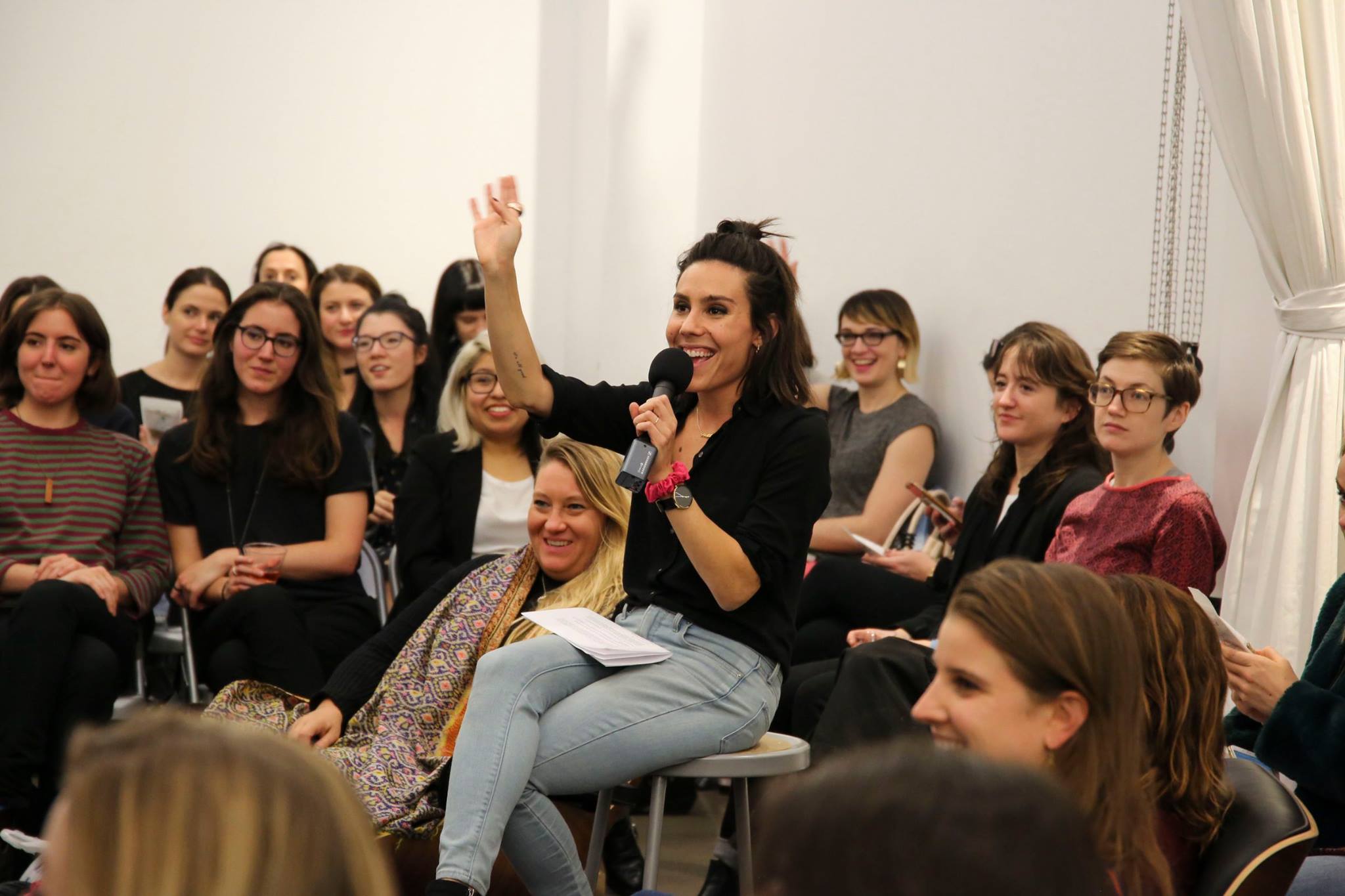
So in 2016 I gathered about 100 women in an apartment in New York and asked them to say out loud what they were being paid. To explore our relationship with money, yes. But more importantly: power.
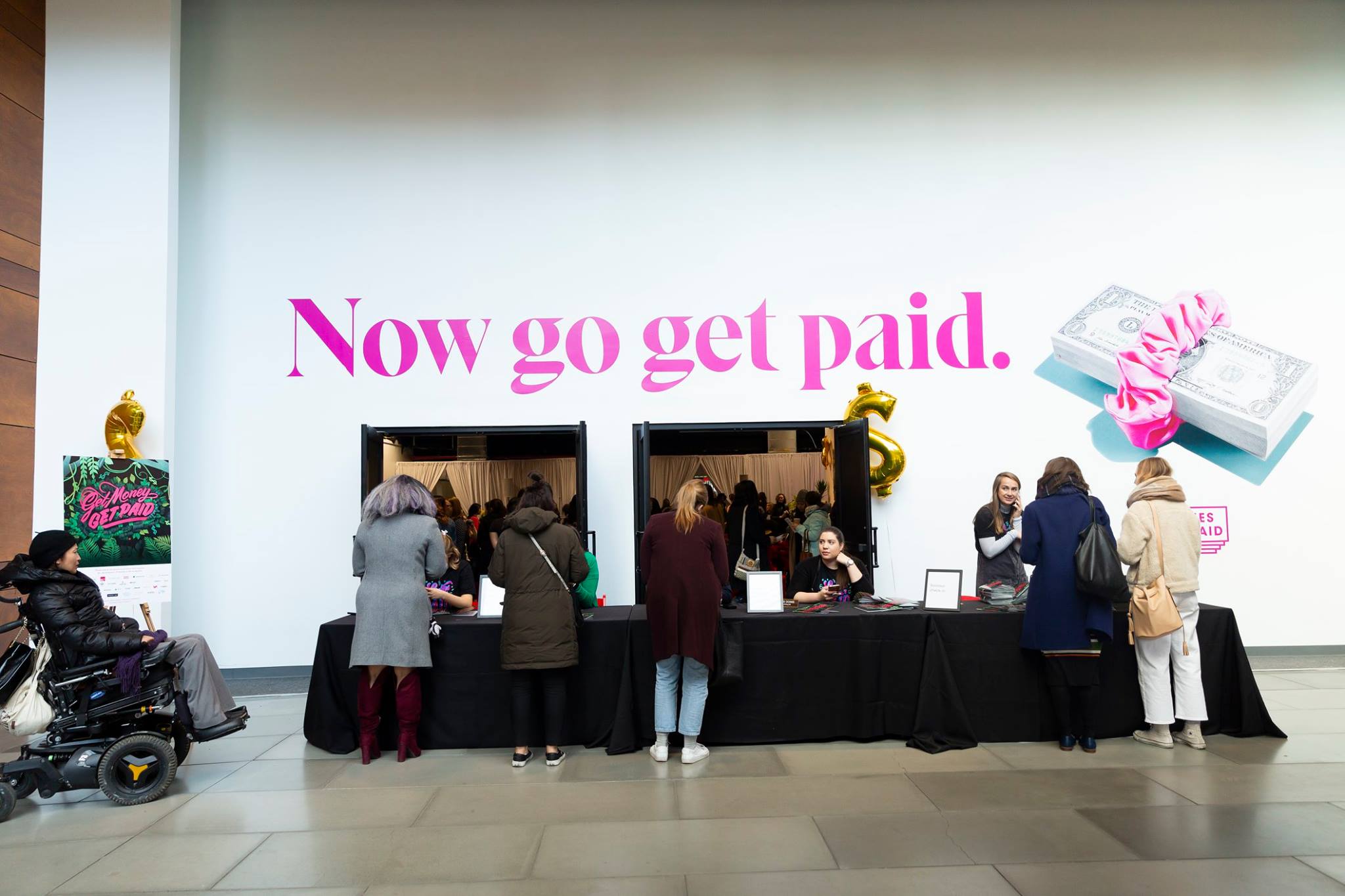
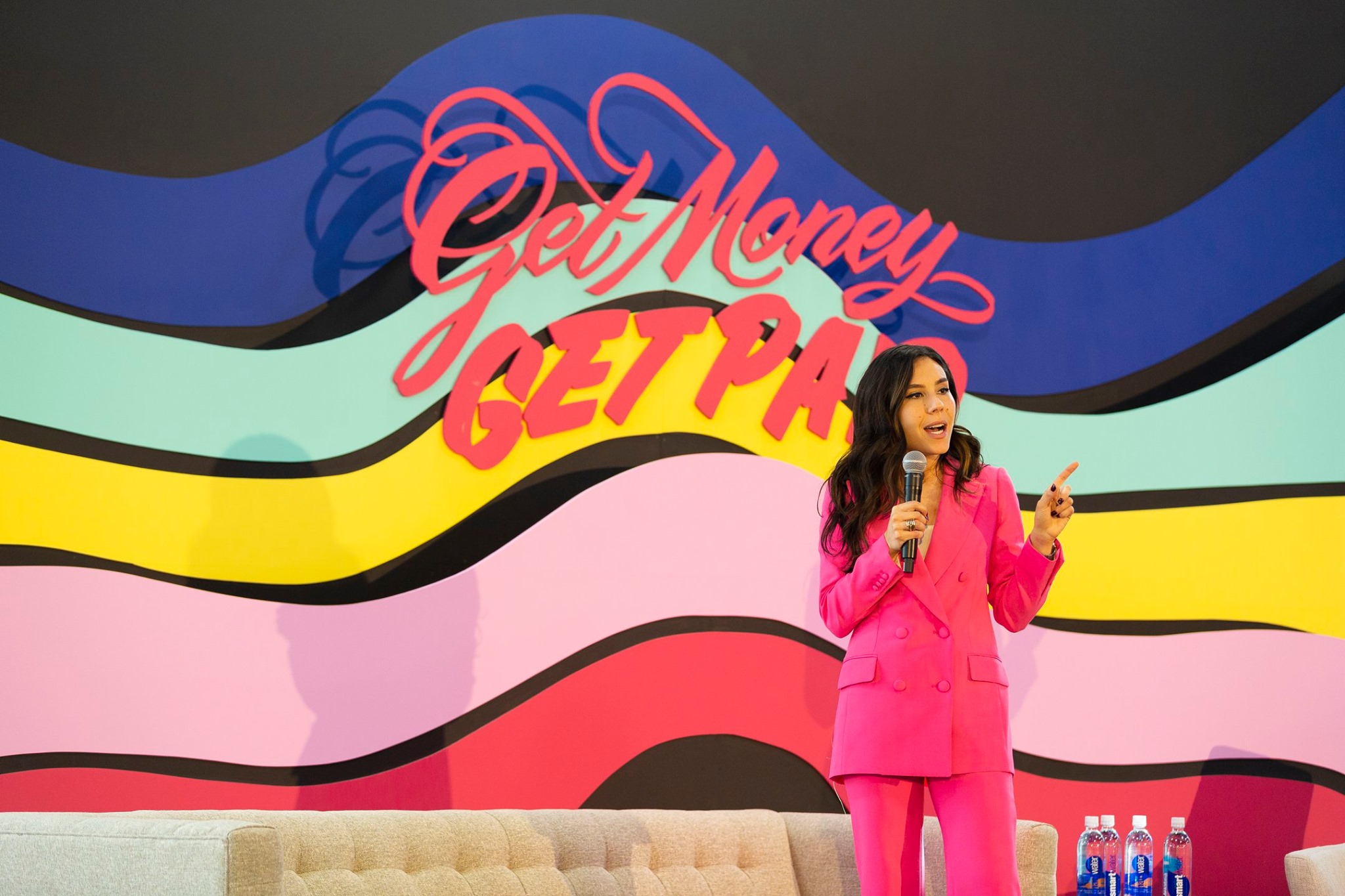
That became Ladies Get Paid. It grew into 50,000 women gathering in cities across the country to talk about work, money, and self-worth. I traveled the country teaching women to negotiate, and they’ve since negotiated millions of dollars in raises. There were workshops, six conferences (one had 150 people, one had 10,000), a book with Simon & Schuster that ended up on shelves in Target, a morning on Good Morning America, a Nike ad. I bootstrapped it to seven figures.
Then I lost it. A divorce. A lawsuit from men’s rights activists who argued we were discriminating against them. A pandemic that ended the business model overnight. And a son born with a serious heart condition. I went from seven figures to six figures of debt and food stamps.
Everything I had spent years teaching other women about money and worth, I had to learn again in my own body. That’s not a line. I knew every negotiation script. What I did not know was what to do when my own hands shook opening a bank statement.
That’s the work I do now. I’m interested in the intersection of identity and money: how who we are, and what we’ve been taught to expect, shapes what we believe we’re allowed to ask for. Self-advocacy is the specialty, and salary negotiation is its sharpest tool, because it’s the most direct lever any individual woman has on the wage gap. But the script is the last ten percent. The rest is figuring out why asking feels like a threat.
To get better at that part, I went and got a Master’s Certificate in Financial Psychology and Behavioral Finance, and I’m finishing a certificate in Polyvagal Theory under Dr. Stephen Porges.
Today I’m in Los Angeles with my wife and our twins, coaching women one-on-one, writing the newsletter to 40,000 people, hosting the podcast, and maybe bringing the in-person events back, starting here in LA.
The email I used to get after every event is still why I do this. It always said the same thing: “Wow. I thought I was the only one.”
Would you say it’s been a smooth road, and if not what are some of the biggest challenges you’ve faced along the way?
No. And the parts that were hardest weren’t the parts that looked hard from outside.
The lawsuit was the first real one. In 2017 a men’s rights group came after us for holding women-only events, arguing we were the ones discriminating. We had to cancel gatherings while we figured out whether we could afford to fight. I was running a company built on women being in a room together, and suddenly the room itself was a legal liability. We crowdfunded the defense. I learned that you can be doing the exact thing you set out to do and still have it used as evidence against you.
Then COVID took the room away entirely, which was the whole business model. While struggling to rebuild, my son was born with a serious heart condition and spent almost two years in and out of hospitals. (What made it more difficult was that we had his sister – he’s a twin – to also care for.)
I went from seven figures to six figures of debt and food stamps. And the shame of that was specific: I was the woman on television telling other women how to get paid. I couldn’t open my own bank statements. For a long stretch I avoided looking at numbers entirely, and I knew exactly what that avoidance was, and I did it anyway. Knowing the pattern doesn’t exempt you from the pattern.
What I’d tell someone in the middle of it: the rebuild is not one decision. It’s a lot of very small, unglamorous ones, made while you feel like a fraud. I said out loud to my audience that I was struggling, which felt like career suicide and turned out to be the most useful thing I’ve ever done, because hundreds of women wrote back to say they were struggling too and had never admitted it publicly.
Even now it isn’t smooth. Running a coaching business means the income moves in waves, and I still feel it in my body when the calendar looks empty. The difference is I notice it now instead of getting run by it.
We’ve been impressed with Ladies Get Paid, but for folks who might not be as familiar, what can you share with them about what you do and what sets you apart from others?
Ladies Get Paid started as a room full of women saying their salaries out loud, and ten years later it’s still fundamentally that: a place where women say the things about money and work they’ve been trained not to say.
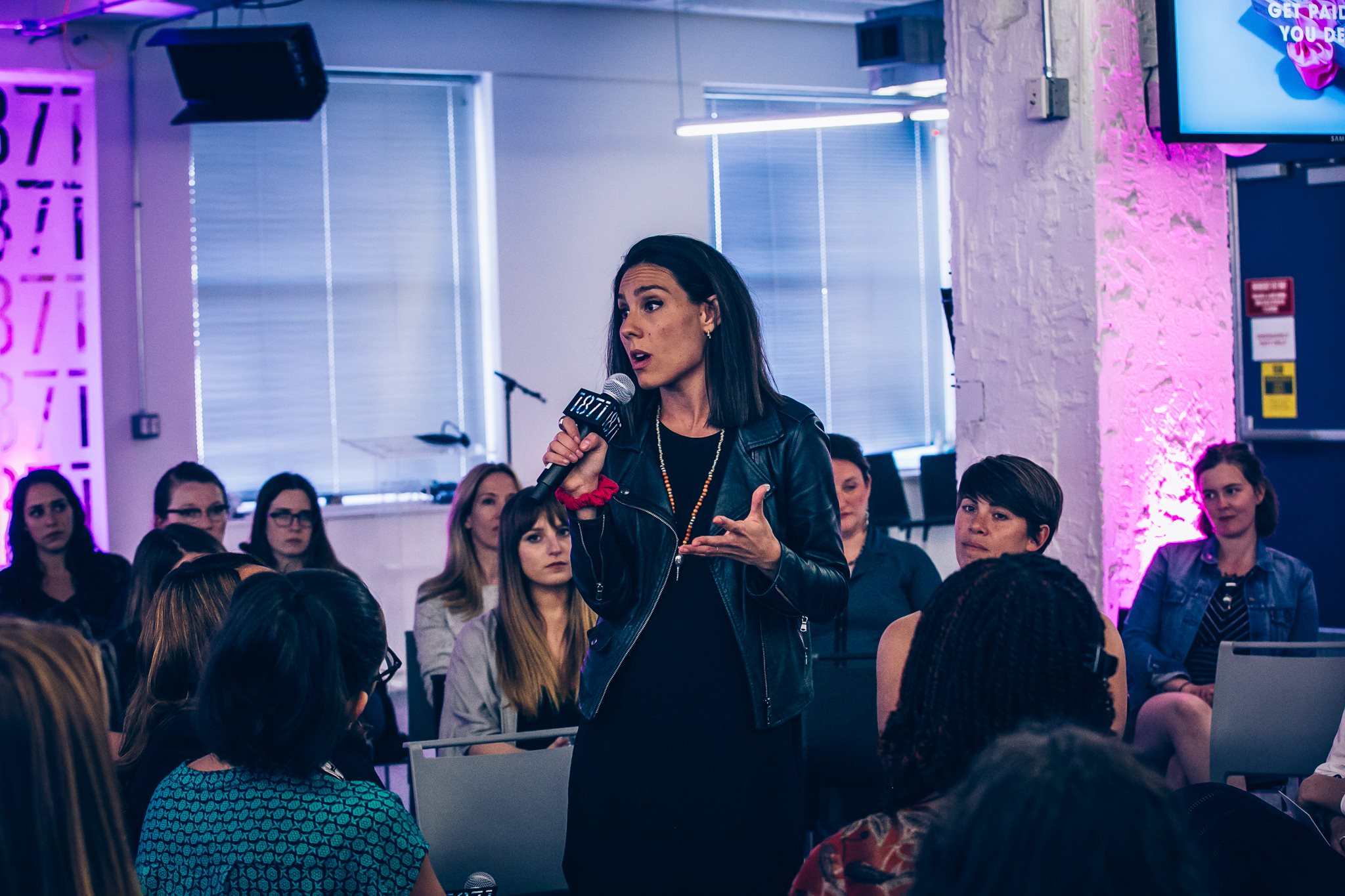
What I do now is coaching, one-on-one, plus the podcast and newsletter that reach about 40,000 people, plus speaking and workshops for companies, with a focus on improving your relationship with money (and yourself.)
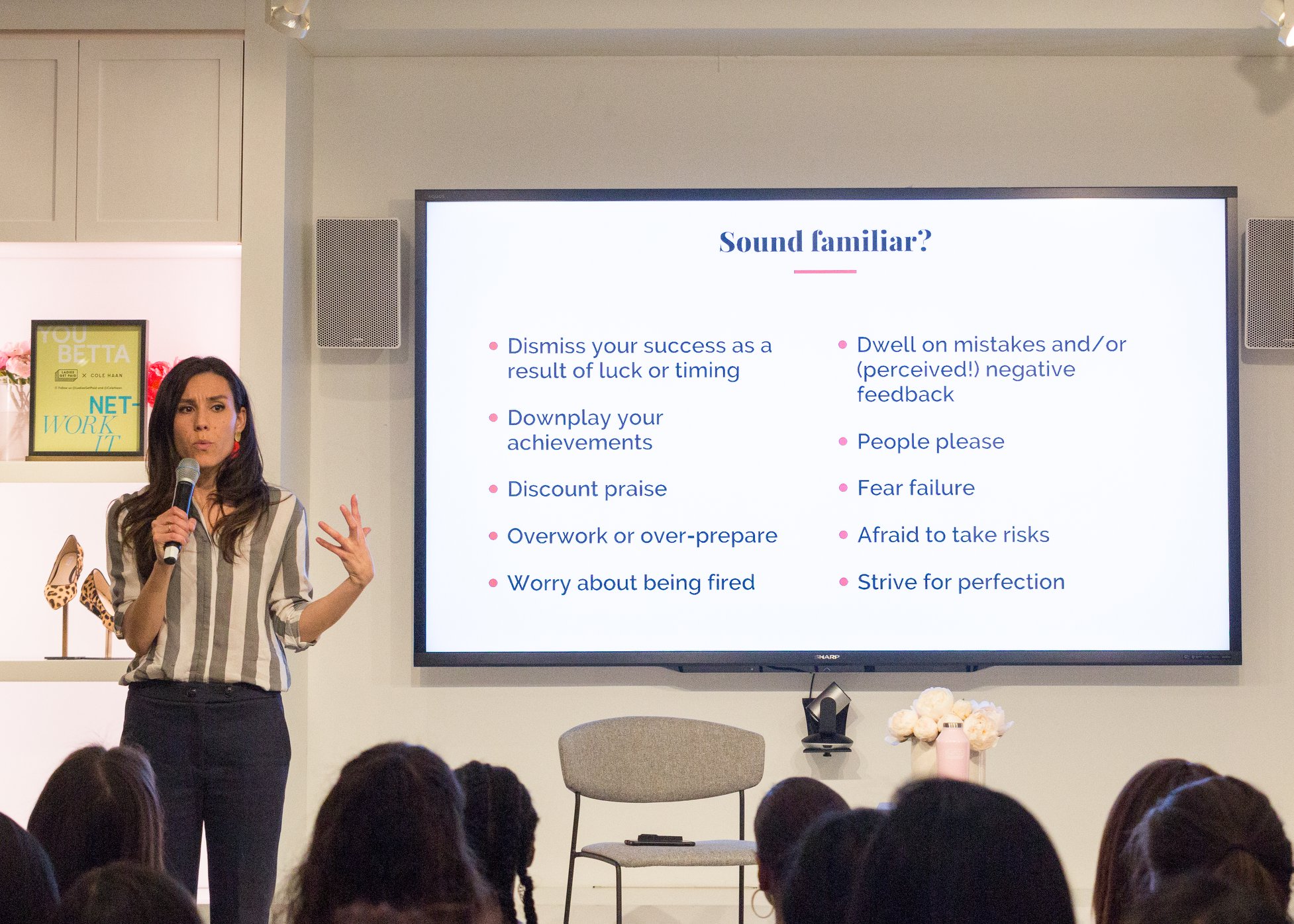
My specialty is self-advocacy, with salary negotiation as its sharpest tool. It’s the most direct lever any individual woman has on the wage gap. But I think what sets my work apart is that I don’t start with the script. Most career coaching hands you the language and assumes the problem is that you didn’t have the words. In my experience the words were never the issue. Women come to me knowing exactly what to say and physically unable to say it. Their voice changes. They apologize before they’ve asked for anything. They accept the first number before their brain catches up.
So the work goes underneath that: where did you learn what you’re allowed to ask for, what happens in your body when you ask, and what would it take to ask anyway. That’s why I got the Master’s Certificate in Financial Psychology and Behavioral Finance and why I’m finishing the Polyvagal Theory certificate with Dr. Stephen Porges. I needed a real framework for the part of this that isn’t strategy.
I’m also honest that I had to learn it in my own body. I lost a seven-figure business and ended up on food stamps while I was publicly the person telling women how to get paid. I don’t coach from above it. I coach from having been in it.
Brand-wise, the thing I’m proudest of isn’t the book or the TV segments. It’s an email I got after every single event, and still get after nearly every vulnerable thing I publish: “Wow. I thought I was the only one.” Nine years of that. If the whole thing amounts to a bunch of women feeling less alone with their money shame, I’ll take it.
What I’d want your readers to know: the newsletter and podcast are free, and they’re the real front door. The podcast includes actual recorded coaching sessions, so you can hear a woman work through the thing you’re stuck on rather than listen to me theorize about it. Start there. Everything else follows from that.
ladiesgetpaid.com · @clairegetspaid
Risk taking is a topic that people have widely differing views on – we’d love to hear your thoughts.
People assume I’m a risk-taker because I quit a stable job to start a company with a provocative name. I don’t experience myself that way at all. What actually happened is that staying started to feel more dangerous than leaving.
That’s most of what I think risk is. We call something risky when it’s unfamiliar, and we call the familiar thing safe even when it’s quietly costing us a decade. Staying in a job where you’re underpaid and slowly disappearing is a risk. It just doesn’t announce itself in the same way.
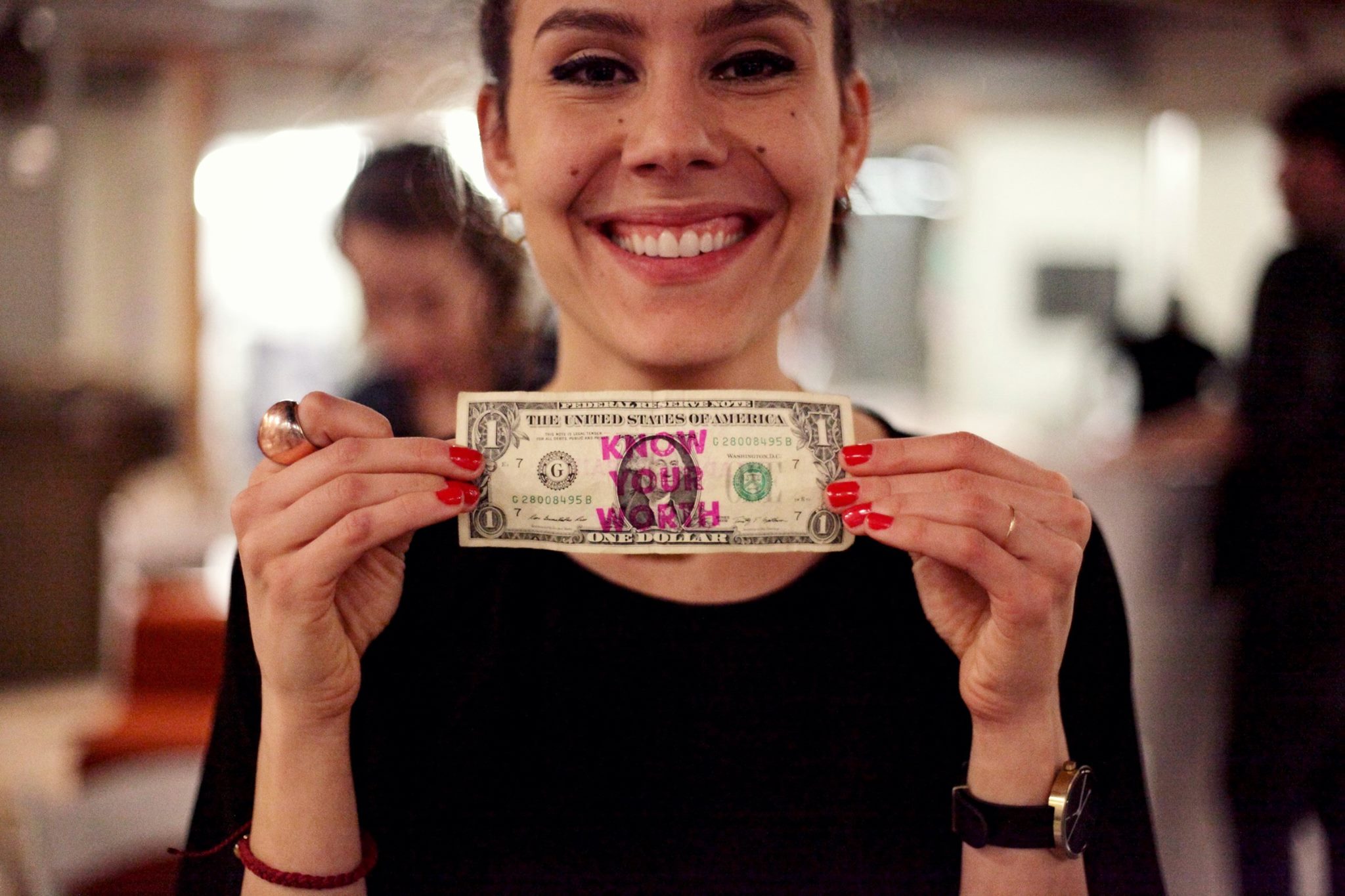
The genuinely risky things I’ve done haven’t been the business moves. They’ve been the ones where I could be seen and judged. Standing up in a room and being the first person to say my salary out loud. Publishing an essay about being on food stamps while I was known as the woman who teaches women to get paid. Telling 40,000 subscribers I was struggling instead of posting the highlight reel.
The thing I’ve had to learn is that my body doesn’t distinguish between “this could hurt my reputation” and “this could kill me.” It runs the same alarm. So the question I ask now, and that I ask my clients, isn’t “am I scared.” I’m always scared. It’s: what’s the actual downside, in specifics, and can I survive it? And on the upside, what is this inviting me to grow into?
Contact Info:
- Website: https://www.ladiesgetpaid.com
- Instagram: https://www.instagram.com/clairegetspaid
- LinkedIn: https://www.linkedin.com/in/clairewasserman/
- Youtube: https://www.youtube.com/LadiesGetPaid
- Other: https://ladiesgetpaid.substack.com/



Popular
-

Portraits of the Valley
-

LA’s Most Inspiring Stories
-

Rick Norris Learned That Building a Successful Business Means Building a Life You Actually Want to Live
-

How Olivia Rush Turned Survival Into a Mission to Help Others Keep Going
-

How Bibi Goldstein Is Helping Entrepreneurs Reclaim Their Time by Embracing the Power of Delegation
-

Victoria Hasson is Redefining Voice Coaching Through Community and Collaboration


