



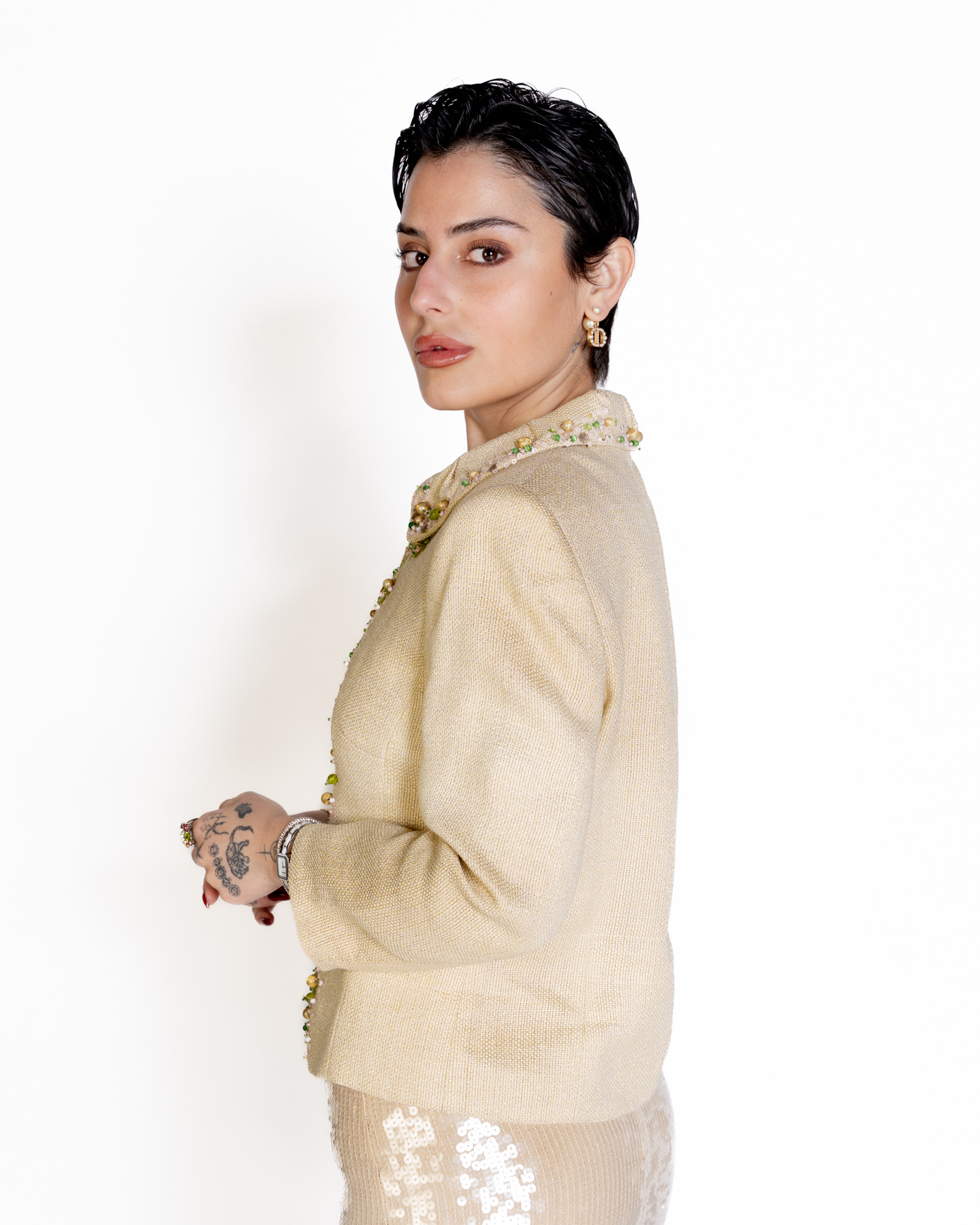
Today we’d like to introduce you to Lale Boz.
Alright, so thank you so much for sharing your story and insight with our readers. To kick things off, can you tell us a bit about how you got started?
I was born and raised in Istanbul, and retail was part of my life long before I ever thought about building a business of my own. My family was in the fashion retail industry, so I grew up around stores, customers, merchandising, and the constant movement of that world. I think that experience shaped my understanding very early on that retail is about much more than a transaction. It can create culture, community, identity, and a real sense of belonging.
I moved to the U.S. for college and studied Economics and Political Science at Boston University. After graduating, I moved to New York and began working in strategy, research, sustainability, and brand development. Normal started in 2020 from my Brooklyn apartment, without a traditional business plan. At the time, I was simply documenting the process of creating my own home and sharing the independent designers, vintage pieces, artists, and spaces I was discovering along the way. It began as an interior design journal and community, and very organically grew into something much larger.
As the platform grew, people began reaching out to me to help with their own spaces, which led to Normal becoming an interior design studio. I was always drawn to vintage, secondhand, and independent design rather than mass-produced pieces, and I became increasingly interested in the people and businesses behind the things I was sourcing.
Los Angeles became an important part of that evolution. Living between New York and LA exposed me to two completely different design and retail cultures, and LA in particular gave me the space to experiment with what Normal could become beyond an interior design studio. The vintage community, architecture, independent creative scene, and way people live with design here had a major influence on me and on the company.
In 2023, I produced our first Not-A-Normal Show in Los Angeles. The idea was to take everything Normal had been doing digitally and through interiors and bring it into a physical environment: independent designers, vintage dealers, artists, collectors, and people who simply love discovering something they haven’t seen everywhere else. That first show became the foundation for what is now one of the largest parts of the business.
Since then, Normal has grown into an ecosystem spanning large-scale retail shows, interior design, and modern estate and collector sales. We’ve produced shows across New York and Los Angeles, taken over everything from former department stores to historic buildings, and created a platform that has supported thousands of independent businesses along the way.
What feels most meaningful to me is that the different parts of Normal now connect back to the same idea that started in my apartment in 2020. We help people discover objects and the people who make or find them. We help those objects become part of someone’s home and life through our interior work. And through our estate sales, we eventually help meaningful pieces find their next home and begin another chapter.
I built Normal independently and have learned almost every part of the business by doing it: producing events, designing spaces, building partnerships, managing vendors, developing creative campaigns, and figuring out how to grow something while protecting what made people connect with it in the first place. The company looks very different today than it did when I started, but the core of it hasn’t really changed. I’m still interested in creating spaces where commerce feels human, design carries a story, and people discover something, or someone, they might not have found otherwise.
I’m sure it wasn’t obstacle-free, but would you say the journey has been fairly smooth so far?
It definitely hasn’t been a smooth road. Normal has grown very organically, which has been one of the most exciting parts of the journey, but it also meant there was never really a roadmap for what I was building.
When I started Normal, I wasn’t setting out to create an events company, an interior design studio, or an independent retail platform. I was following my curiosity and responding to what people were connecting with. Every new chapter required me to step into something I hadn’t necessarily done before and learn quickly. I think a lot of entrepreneurship is having the confidence to move forward before you feel completely ready.
One of the biggest challenges has been learning how to grow without losing the instinct that made Normal resonate with people in the first place. As something becomes bigger, there are more expectations, more opinions, more people depending on your decisions, and inevitably more criticism. In the beginning, you can make decisions almost entirely from intuition. As a founder, eventually you have to learn how to balance that intuition with responsibility.
The Not-A-Normal Show has probably taught me this more than anything. We create temporary worlds inside unconventional and often historic spaces, and there are hundreds of moving pieces behind what someone ultimately experiences over a weekend. Things go wrong. Buildings surprise you. Plans change. There have been moments where circumstances completely outside of my control became my responsibility simply because my name was attached to the experience.
Those moments were difficult, but they changed me as a leader. I learned that leadership isn’t about preventing every problem. It’s about how you respond when the plan falls apart, how you communicate when people are looking to you for an answer, and whether you are willing to take responsibility even when the easiest thing would be to point somewhere else.
I’ve also had to become comfortable being misunderstood. Building something differently means there isn’t always an existing reference point for people to understand it. Normal sits somewhere between retail, design, events, community, and cultural programming, and for a long time I felt pressure to define it in a way that fit neatly into an established category. Eventually, I realized that not fitting neatly into one was actually the point.
There have been wrong decisions, wrong partnerships, difficult conversations, periods of exhaustion, and plenty of moments where I questioned myself. Building independently has also meant that every decision feels incredibly personal because I have been so close to every stage of the company.
But I think the biggest shift has been understanding that resilience isn’t just continuing at all costs. Sometimes it’s changing your mind, letting go of an idea you were attached to, rebuilding something that isn’t working, or admitting that the version of you who started the company isn’t necessarily the person who can lead its next chapter.
I’m still learning that. Normal has grown tremendously, but in many ways I feel like I’m only beginning to understand what it can become. The difficult parts haven’t made me less ambitious. They’ve made me much more intentional about what I build, who I build it with, and what I want it to stand for.
Appreciate you sharing that. What should we know about Normal New York?
Normal New York is an independent platform for retail, design, and discovery. Today, the company operates across three interconnected areas: the Not-A-Normal Show, our interior design studio, and our estate and collector sales.
What connects all three is a belief that the things we live with should have stories, and that the people behind those things deserve to be discovered.
We produce large-scale curated retail experiences bringing independent designers, vintage dealers, artists, collectors, and emerging businesses together under one roof. Rather than approaching them as traditional markets or trade shows, we think about each edition as its own temporary retail world. The venue, curation, visual identity, programming, and mix of businesses all become part of the experience.
The spaces themselves have become an important part of Normal’s identity. We have taken over former department stores, landmark buildings, unexpected commercial spaces, and other architecturally significant locations across New York and Los Angeles. I’ve always been interested in the relationship between retail and place, and I love the idea of temporarily reactivating a building and giving people a new reason to experience it.
Curation is equally important. We intentionally bring vintage and contemporary independent design into the same environment because I think discovery becomes much more interesting when those worlds are allowed to exist together. Someone might come looking for archival fashion and leave having discovered a young furniture designer, an artist, a jewelry brand, or an object for their home. That cross-pollination is a huge part of what makes the shows feel different.
Our interior design studio takes that philosophy into residential and commercial spaces. We specialize in interiors that mix vintage and secondhand pieces with contemporary independent design and art. We’re much less interested in creating a room where everything comes from the same source or looks like it was purchased at the same moment. We want spaces to feel collected, personal, and reflective of the people who live in them.
The third part of Normal is our estate and collector sales. We approach them through the same lens of storytelling and curation, helping significant collections, homes, and inventories find their next audience rather than treating the process purely as liquidation. In many ways, estate sales complete the circularity of the company: we discover objects, introduce them to new people, place them into homes, and eventually help existing collections begin another life.
What I’m most proud of is that Normal has grown without losing discovery at its center. We have been able to create opportunities for thousands of independent businesses while building a community of people who genuinely want to shop differently and know who and what they are supporting.
I also think our independence has allowed us to remain curious. Normal doesn’t need to fit perfectly into the definition of an event company, design studio, marketplace, or media platform. We can move between those worlds and create something new at their intersection.
Ultimately, I want people to understand that Normal isn’t just about selling things. We are interested in building an ecosystem around independent creativity: creating places for people to be discovered, giving objects context and longevity, and making retail feel cultural, social, and exciting again.
Can you talk to us a bit about the role of luck?
I think luck has played a huge role in my life and in Normal, both good and bad. I don’t really believe in the version of entrepreneurship where everything that happens can be attributed to strategy or hard work. Timing matters. The people you happen to meet matter. Being in a certain city at a certain moment matters. Sometimes an opportunity appears that you could never have planned for.
So much of Normal happened that way. I didn’t start the company with a five-year plan for what it would become. One opportunity led to another. A person discovered our work and introduced me to someone else. A space became available at exactly the right moment. Something I experimented with unexpectedly resonated with people and became an entirely new part of the business.
But I’ve also learned that luck only gets you to the door. You still have to recognize the opportunity, be willing to take the risk, and then do the work to turn that moment into something lasting. Some of the most important decisions I’ve made with Normal started with an opportunity I wasn’t necessarily prepared for. I said yes first and figured out how to make it happen afterward.
Bad luck has been equally formative. There have been projects where circumstances changed overnight, things outside of my control went wrong, or something I was convinced would be a breakthrough turned into a very difficult experience. At the time, those moments can feel incredibly unfair. With distance, I can see that many of them forced me to make decisions I probably wouldn’t have made otherwise. They changed the way I lead, the way I choose partners, and sometimes even the direction of the company.
I also think being an immigrant has shaped the way I think about luck. Moving from Istanbul to the United States and building a life and company between different cities has made me very aware of how much a life can change because you decided to go somewhere, meet someone, or take an opportunity without knowing exactly where it would lead.
So yes, I believe in luck. I’ve been incredibly lucky in many ways, and incredibly unlucky in others. But I think the part we have some control over is what we do next. Some of the best things that have happened to me came from being willing to follow an unexpected opportunity, and some of the hardest things that have happened to me eventually pushed me toward something better.
Maybe that’s the relationship I have with luck now: I don’t expect everything to happen for a reason, but I do believe you can give meaning to what happens by what you choose to build from it.
Contact Info:
- Website: https://www.normalnewyork.com/
- Instagram: https://www.instagram.com/laleboz
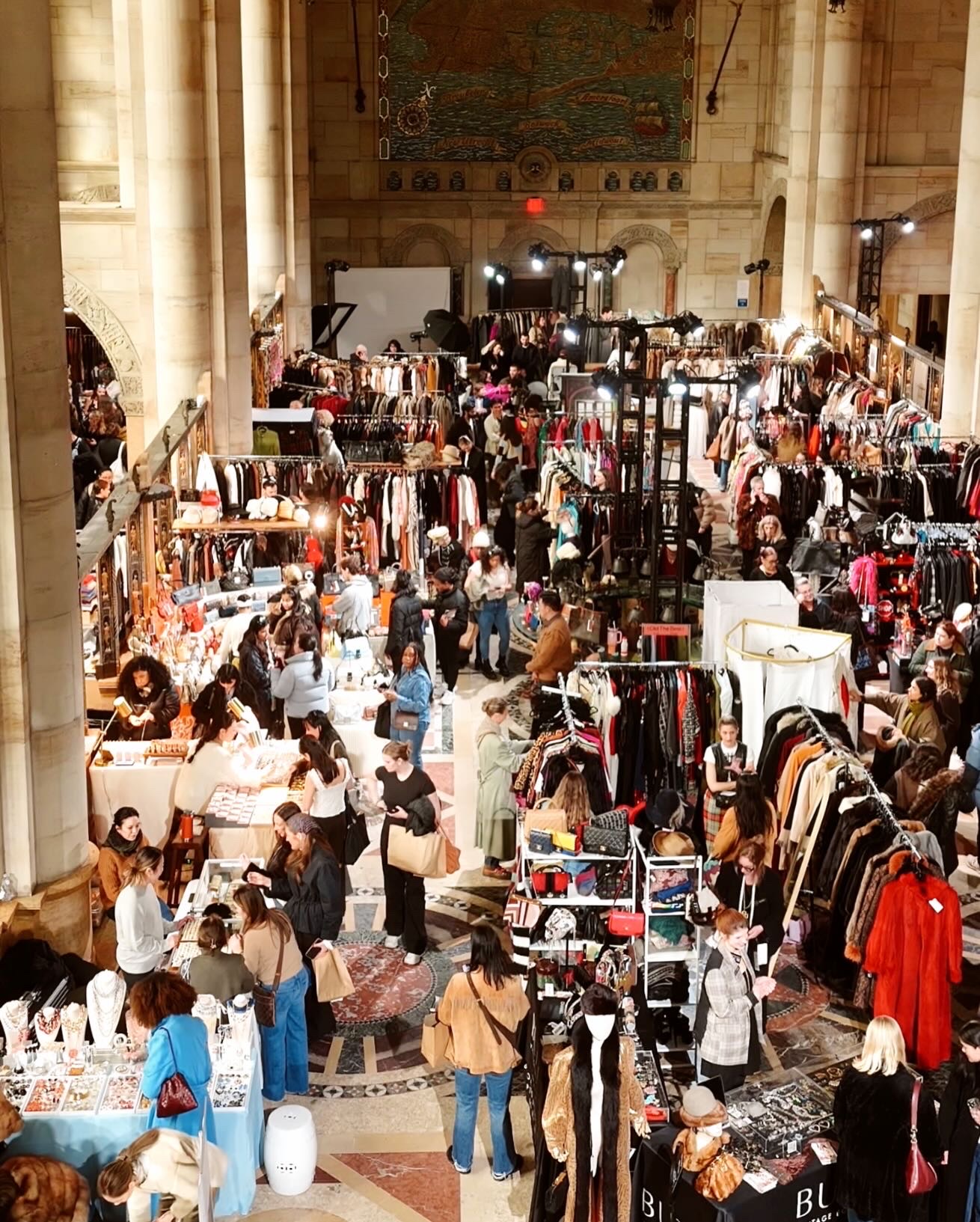
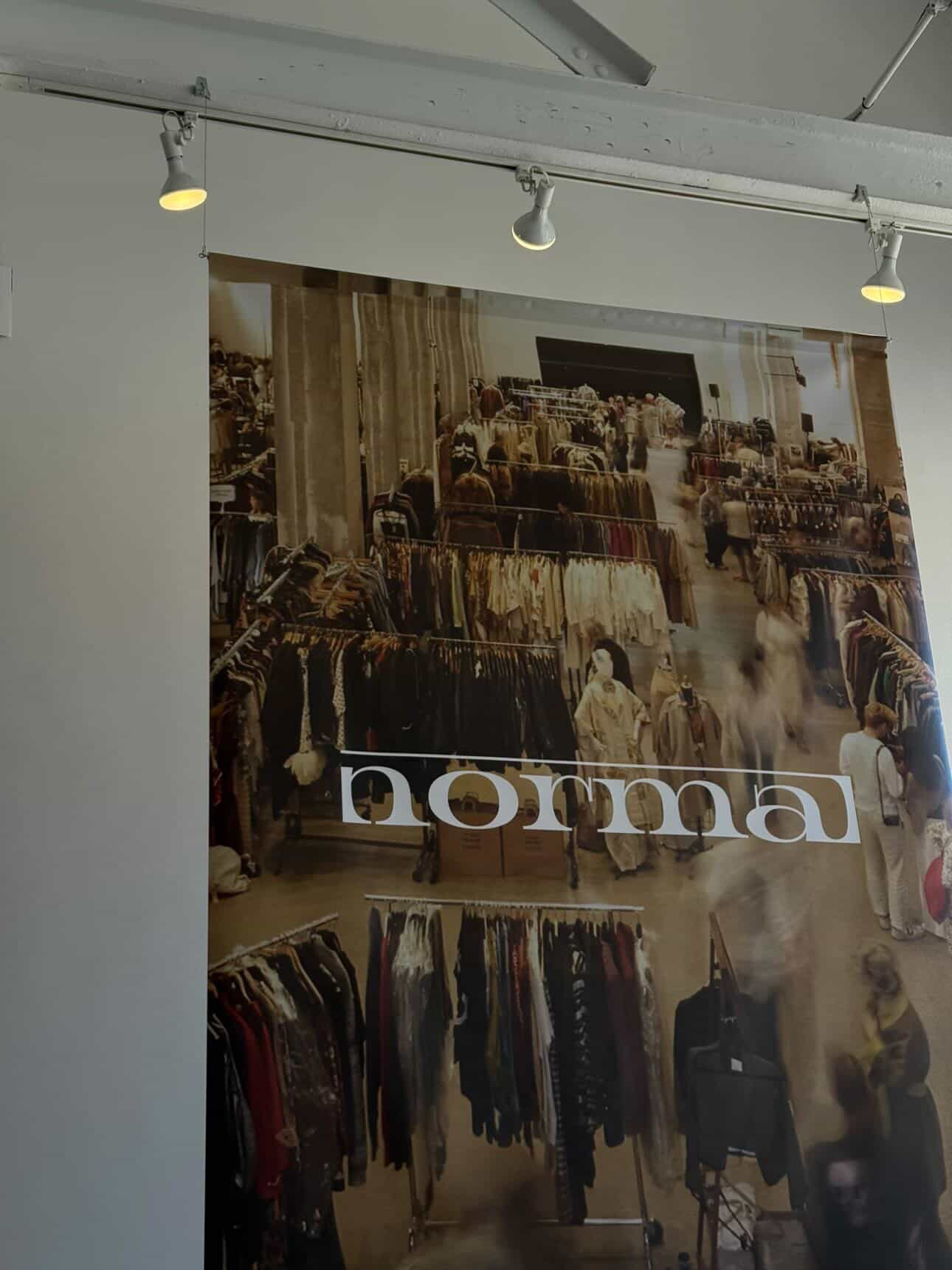
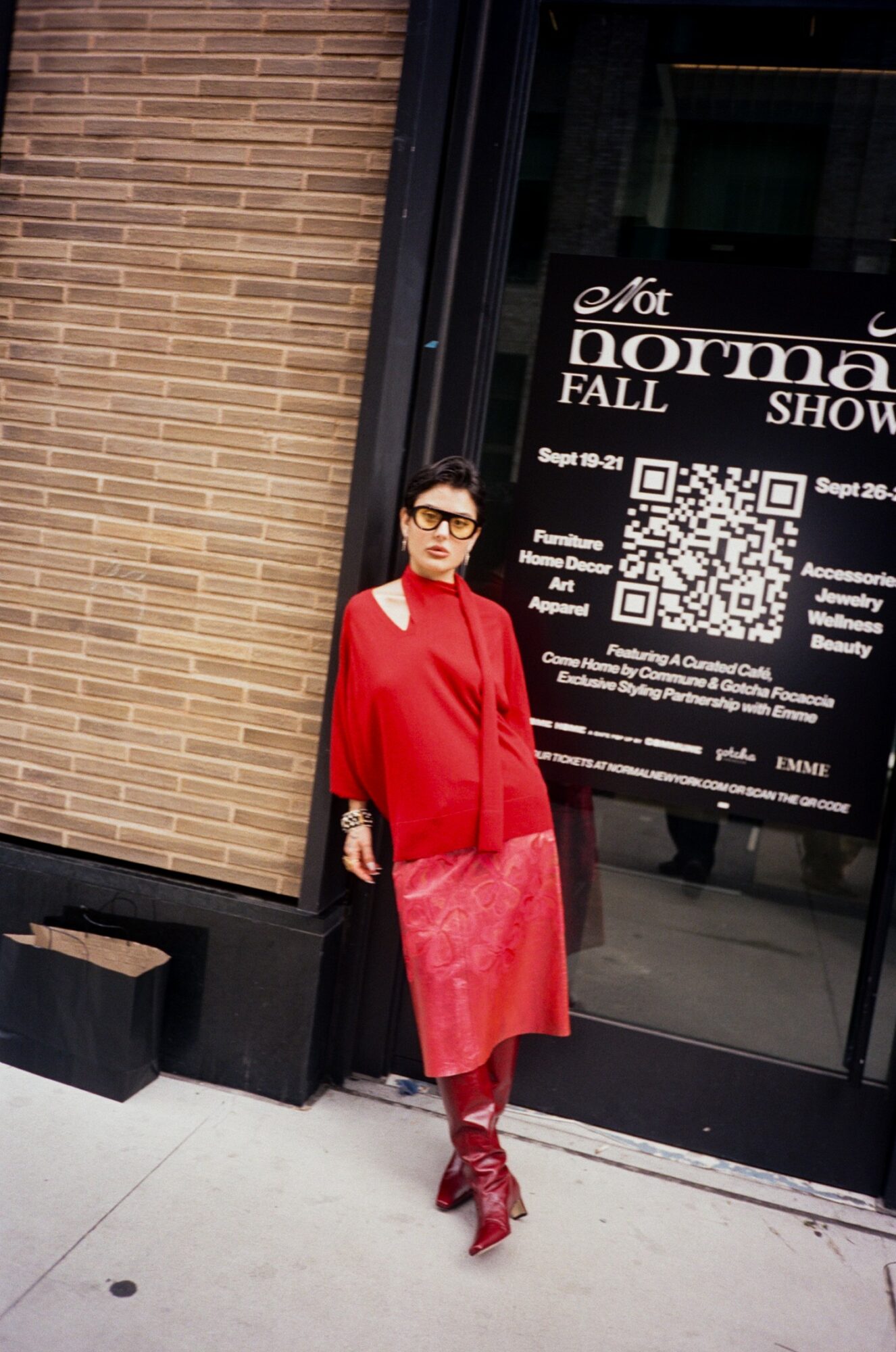
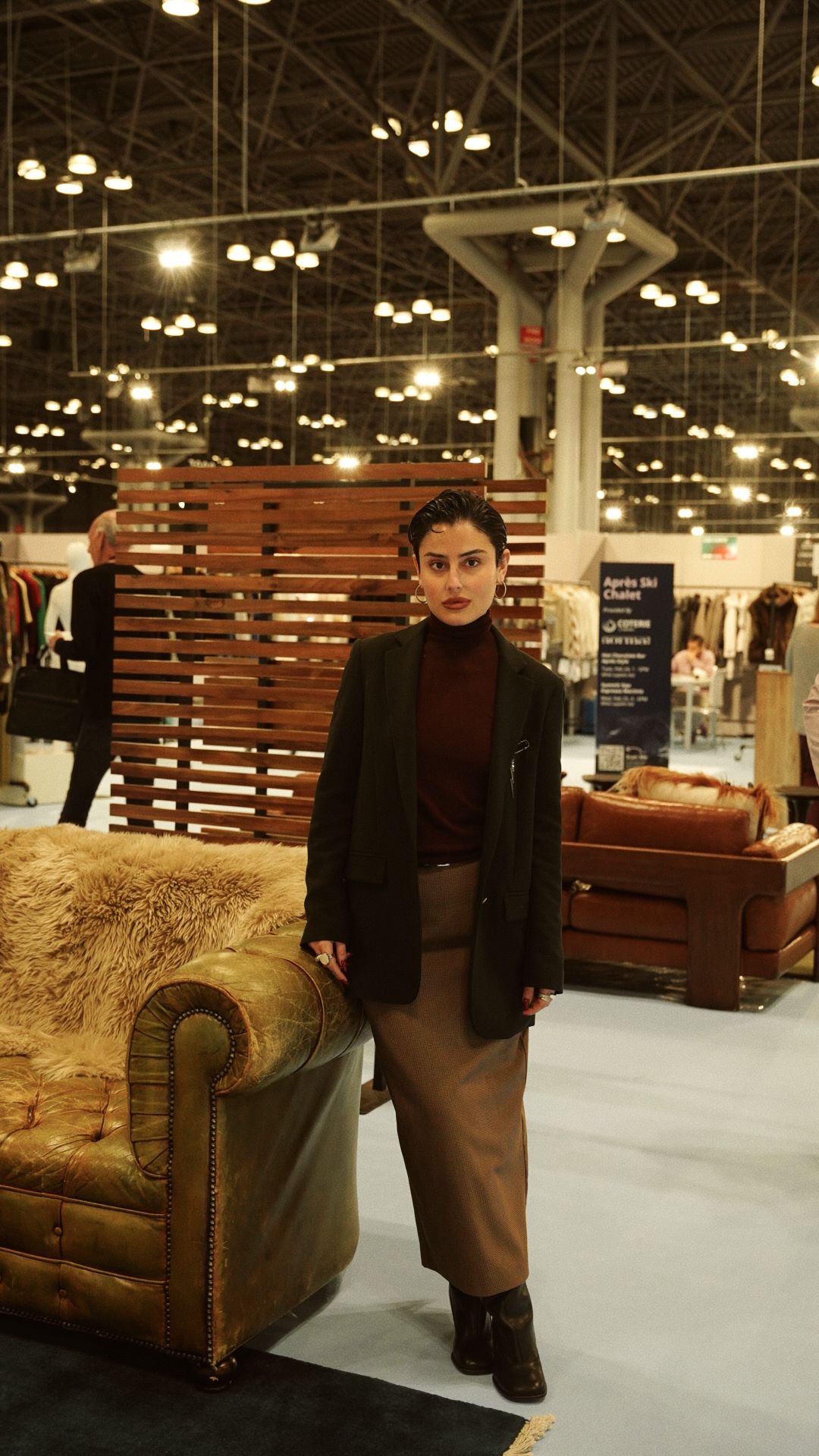
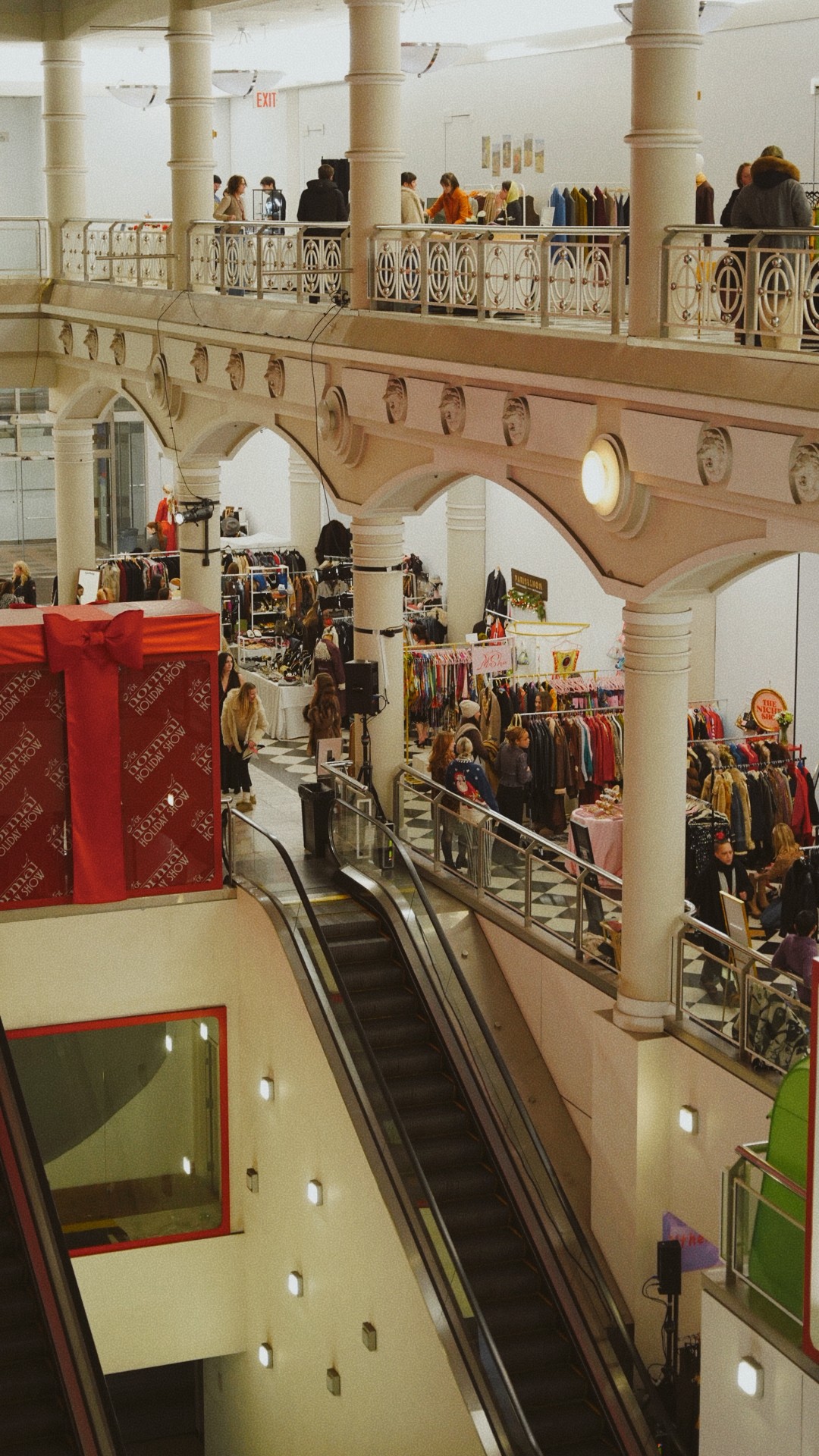
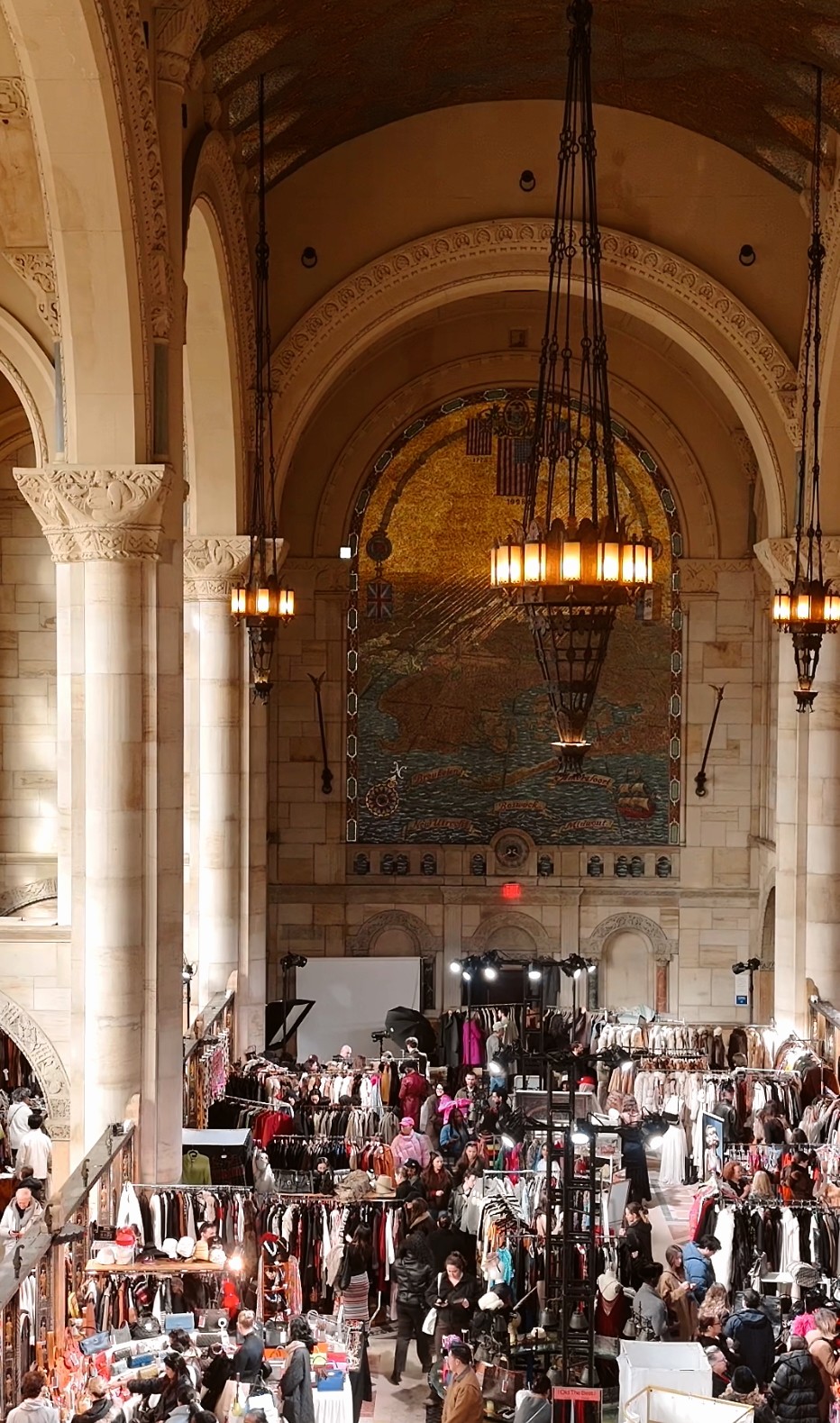
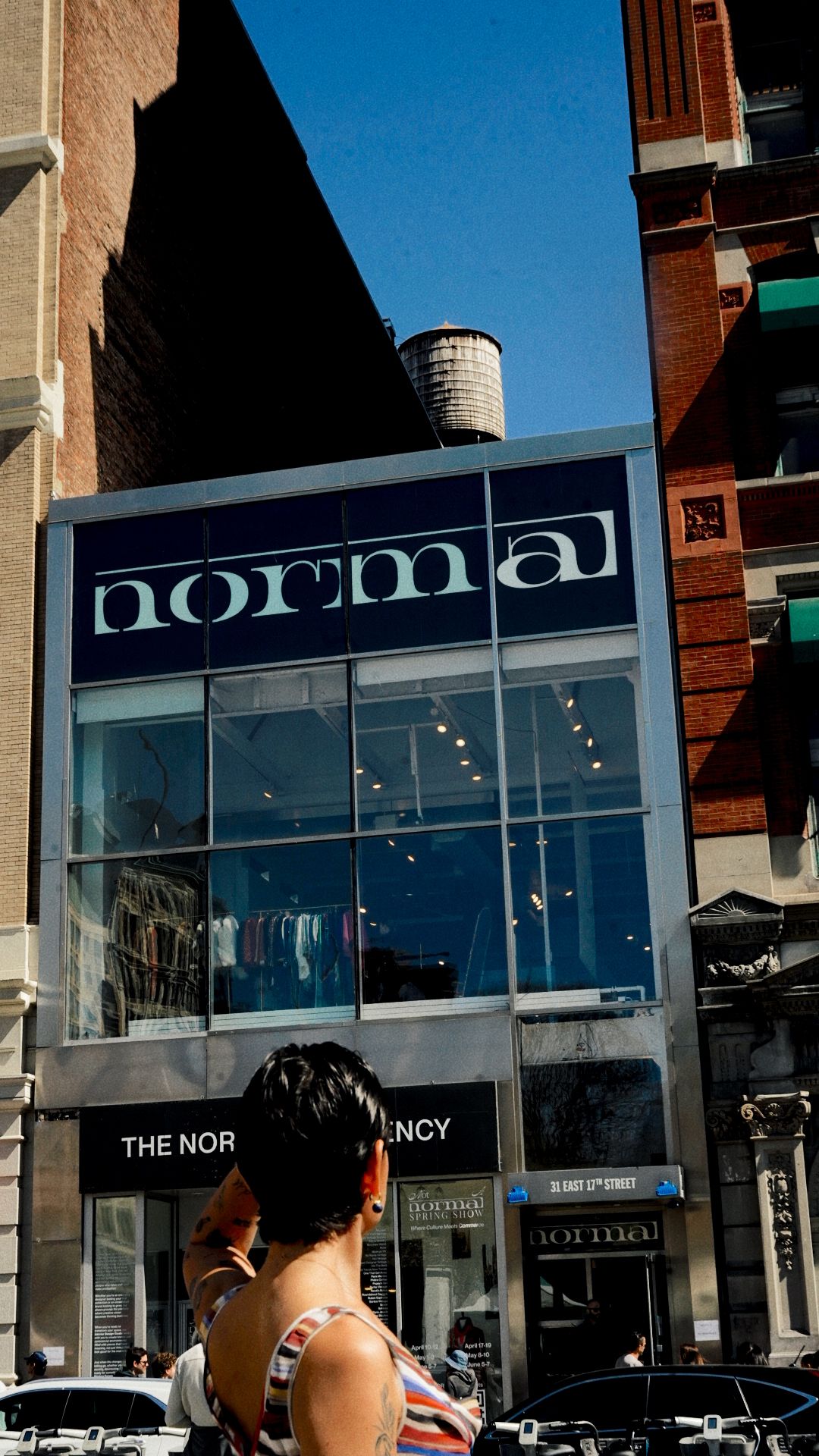
Image Credits
Photos by Handle with Care by Diego Antorveza
Popular
-

Portraits of the Valley
-

LA’s Most Inspiring Stories
-

Rick Norris Learned That Building a Successful Business Means Building a Life You Actually Want to Live
-
How Olivia Rush Turned Survival Into a Mission to Help Others Keep Going
-

How Bibi Goldstein Is Helping Entrepreneurs Reclaim Their Time by Embracing the Power of Delegation
-

Victoria Hasson is Redefining Voice Coaching Through Community and Collaboration


