




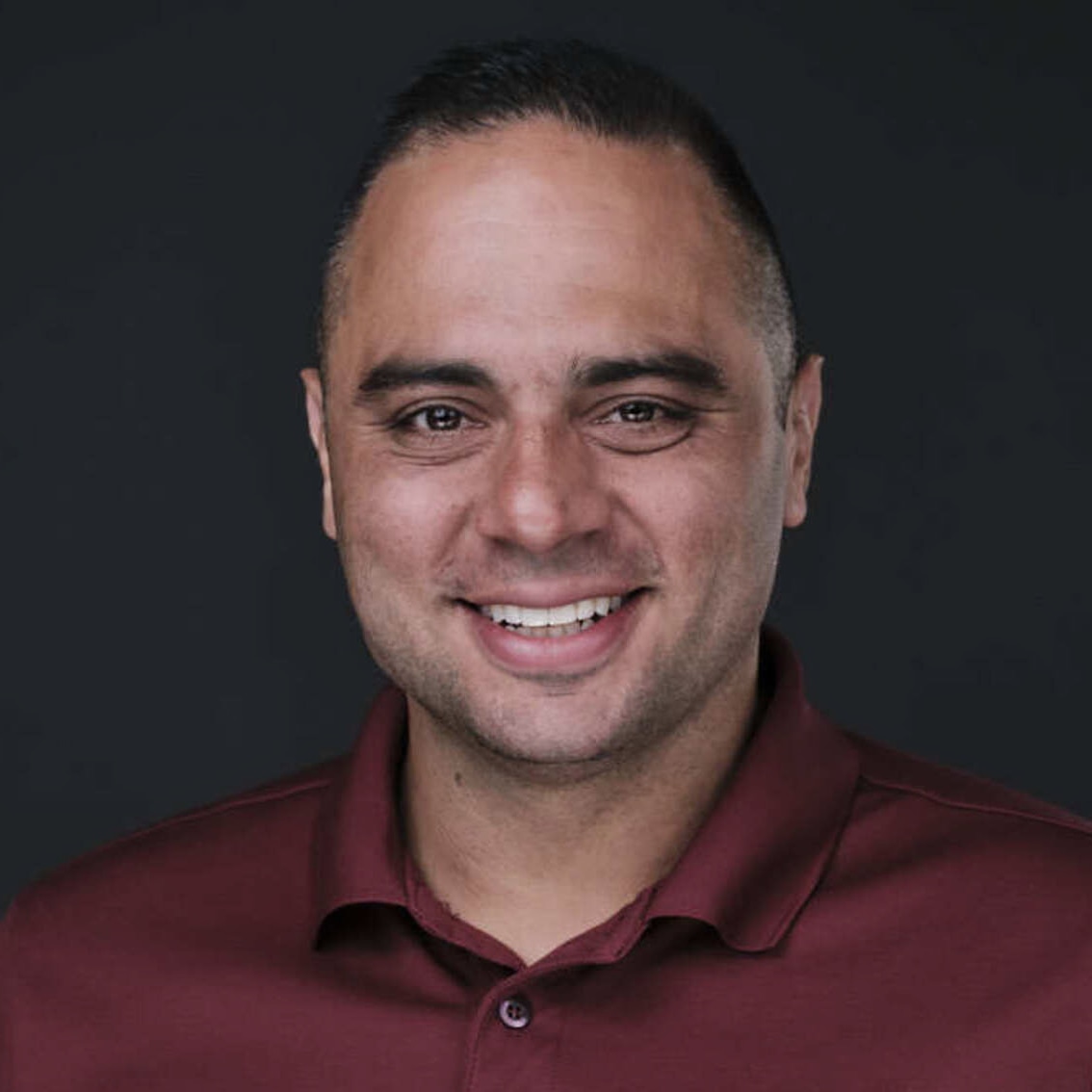
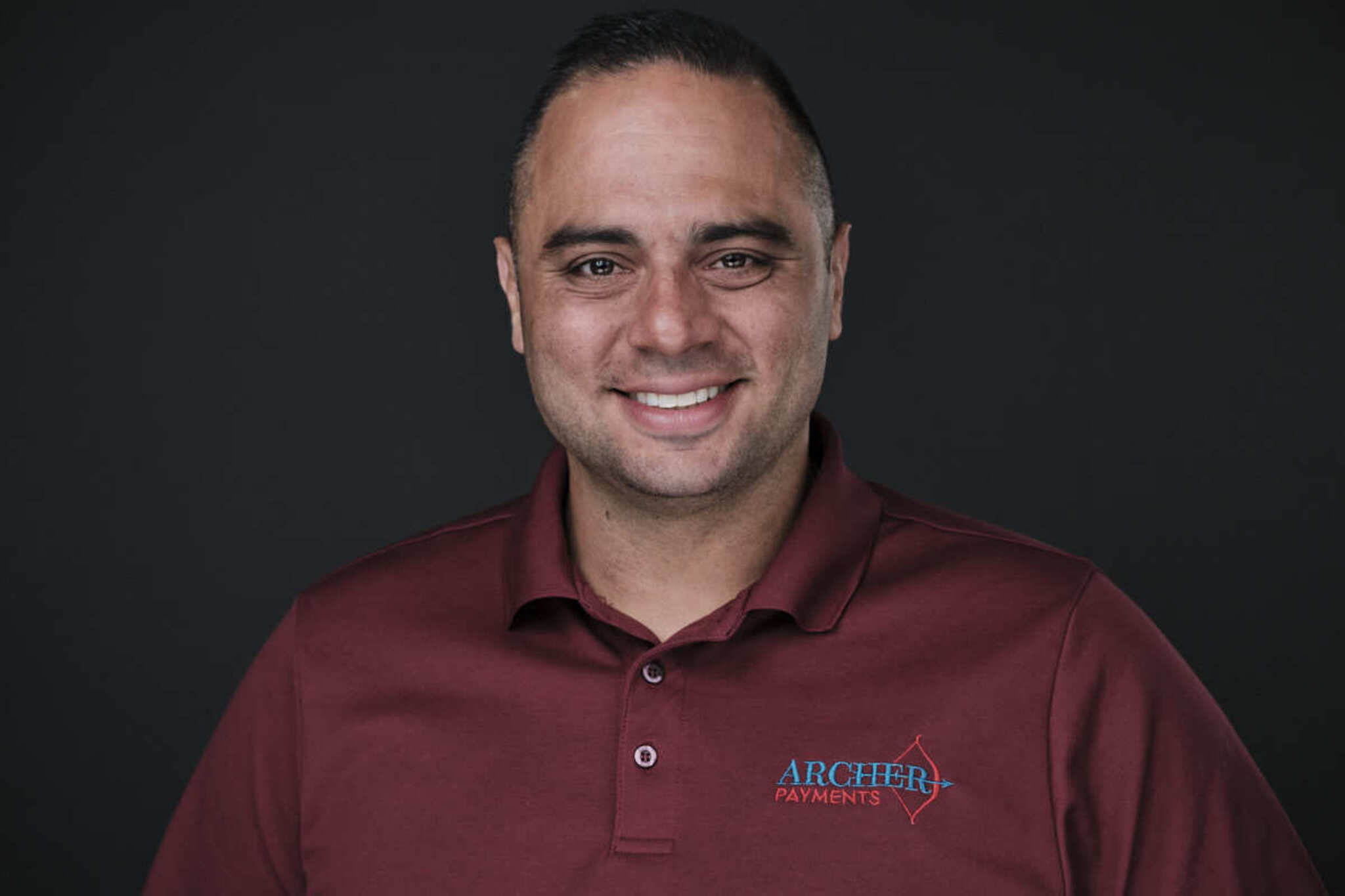
Today we’d like to introduce you to Arash Dounel.
Hi Arash, so excited to have you on the platform. So before we get into questions about your work-life, maybe you can bring our readers up to speed on your story and how you got to where you are today?
My path to founding Archer Payments wasn’t necessarily a straight line into the payments industry. It was really the convergence of two areas I had been passionate about for most of my career: finance and technology.
I originally studied Management Information Systems and Information Technology because technology was always where my interests were. But professionally, my career took me into banking and financial services. I spent 13 years in banking, including 11 years in investments and brokerage, where I had the opportunity to work closely with clients and help them navigate important financial decisions.
That experience shaped the way I think about business to this day.
As a financial advisor, your responsibility goes well beyond offering a product. You have to understand the client, their objectives, their financial circumstances, and the consequences of the recommendations you make. There is an enormous amount of trust involved in that relationship. I learned to take ownership of the client experience and to approach every relationship with the care, accountability, and sense of fiduciary responsibility that comes with being entrusted with someone’s financial well-being.
When I eventually entered the payments industry, I saw an opportunity to bring those same principles into a business that was also much closer to my original passion for technology.
Payments sit at a fascinating intersection of **finance, technology, and commerce**. Yet I found that the traditional merchant-services industry was often very transactional. A business would be sold a processing solution, given a rate sheet and equipment, and the relationship could effectively end there.
I wanted to approach it differently.
That philosophy became the foundation for **Archer Payments**.
I built Archer around the idea that a payments company should operate more like a financial consultant and long-term technology partner than simply a credit card processor. When a business entrusts us with something as fundamental as how it gets paid, I believe we have a responsibility to understand that business, protect the relationship, continually evaluate its payment environment, and advocate for solutions that genuinely make sense for the client.
That means looking beyond the surface-level processing rate. We examine how a business accepts payments, where unnecessary costs may exist, how its systems communicate with one another, how payments affect the customer experience, and where technology can improve efficiency and visibility.
My background in technology has become increasingly relevant as the payments industry has evolved. Payments today are no longer just about moving a credit card transaction from Point A to Point B. They intersect with software, accounting systems, e-commerce, CRM platforms, recurring billing, data, security, automation, and now artificial intelligence. In many ways, the industry has evolved toward exactly the intersection of finance and technology that originally interested me.
Over time, Archer has grown largely through relationships and referrals. That is something I’m particularly proud of because, to me, a referral represents trust. Someone is putting their own reputation behind introducing you to another business owner.
Today, we work with businesses across healthcare, dental, hospitality, professional services, retail, e-commerce, and B2B environments. As our clients have become more sophisticated, our role has expanded as well. We increasingly serve as an advisor on the broader payments ecosystem rather than simply providing processing services.
At the same time, I never want Archer to lose the personal accountability that the company was built around. Technology should make us better at serving clients, not more distant from them. In an industry that is becoming increasingly automated and commoditized, I believe having someone who actually knows your business, answers the phone, understands your objectives, and takes responsibility for the relationship is incredibly valuable.
Looking ahead, we’re continuing to invest heavily in technology, automation, AI, data analysis, and payment optimization while maintaining that advisory approach.
Ultimately, Archer Payments represents the combination of the different chapters of my career: my foundation in technology, my years in banking and investments, and the principles of trust and responsibility I learned from advising clients.
The technology has changed, and the industry has changed, but the principle I brought with me has remained the same: **when someone entrusts you with an important part of their financial life or their business, you have an obligation to treat that trust with the seriousness it deserves.**
I’m sure it wasn’t obstacle-free, but would you say the journey has been fairly smooth so far?
It definitely hasn’t been a smooth road, but I think some of the challenges have ultimately helped define what Archer Payments is today.
One of the biggest challenges was entering an industry that has historically been very transactional and price-driven. Payment processing is incredibly competitive, and business owners are constantly approached by companies promising lower rates or better technology. Unfortunately, that has also created a certain amount of skepticism toward the industry.
Coming from banking and investments, I was accustomed to building relationships around trust, advice, and long-term financial objectives. I wanted to bring that same mindset into payments, but I quickly learned that building an advisory-oriented business in an industry often treated as a commodity takes time. You have to earn the opportunity to demonstrate your value.
Another challenge has been the pace at which the industry changes. Payments have evolved dramatically—from traditional terminals and merchant accounts to integrated software, e-commerce, mobile payments, contactless technology, embedded payments, automation, and now AI. Staying relevant means constantly learning and being willing to evolve.
Fortunately, my background in technology made that challenge something I genuinely enjoyed. Instead of resisting change, we have tried to build Archer around it. Some of the biggest opportunities in our business have come from asking how new technology can improve the experience for both our clients and their customers.
There are also the challenges that come with building any business: developing a reputation, earning referrals, competing against much larger companies, finding the right partners, making mistakes, and learning where to invest your time and resources. When you’re building something of your own, there isn’t always a roadmap. You make decisions with the information you have, learn quickly, and adjust.
Perhaps the biggest lesson for me has been that growth and trust both take time. There are very few shortcuts to building a reputation.
That realization has actually reinforced the philosophy behind Archer. We don’t need to be everything to everyone, and we don’t necessarily need to be the largest payments company. We want to be the company our clients trust enough to call before making an important decision about their payments or financial technology.
The challenges along the way have pushed us to become more knowledgeable, more technologically capable, and more disciplined about the type of company we want to build. In that sense, the difficult parts of the journey haven’t just been obstacles—they’ve helped shape our identity.
Thanks – so what else should our readers know about ARCHER PAYMENTS?
Archer Payments is a payments consulting and financial technology company, but I think the easiest way to describe what we do is that we help businesses make better decisions about how they get paid.
Payment processing can be surprisingly complex. Behind every transaction is an ecosystem of card networks, issuing banks, interchange costs, processors, gateways, software platforms, security requirements, and increasingly sophisticated technology. Most business owners understandably don’t have the time or desire to become experts in all of that—they simply want their payments to work, their costs to be reasonable, and someone knowledgeable to call when they need help.
That’s where Archer comes in.
We work with businesses to evaluate and improve their entire payments environment. That can include payment processing, cost and fee analysis, point-of-sale and payment technology, e-commerce, recurring payments, B2B payment optimization, integrated software solutions, surcharging and other cost-management strategies, and helping businesses connect payments more effectively with the systems they already use.
We have developed particular expertise working with healthcare and dental practices, professional services, hospitality, B2B companies, retail, and e-commerce businesses. These are often organizations where payments aren’t necessarily simple and where understanding the operational side of the business is just as important as understanding processing rates.
What sets Archer apart, in my opinion, is our approach.
My background is in banking, investments, and technology, so I never viewed payments as simply selling a merchant account. We approach the relationship much more like an advisor would. Before recommending something, we want to understand the business: How do you get paid? What does your customer experience look like? What technology are you already using? Where are the inefficiencies? What are you actually paying? And most importantly, what are you trying to accomplish?
Sometimes the right answer is lowering processing costs. Other times it’s improving cash flow, automating a manual process, integrating payments with existing software, improving the checkout experience, or simply giving the business greater visibility into what it is paying and why.
Another important distinction is that we combine technology with personal accountability. Payments are becoming increasingly automated, but I don’t believe service should become anonymous. Our clients aren’t just account numbers. We want to know their businesses, understand their objectives, and be there when something matters.
Brand-wise, that’s probably what I’m most proud of.
The name Archer represents precision, direction, and hitting a target with purpose. I think that reflects the company we’ve tried to build. We’re not interested in chasing every transaction or being everything to everyone. We’re interested in developing long-term relationships and helping our clients make thoughtful decisions about an increasingly important part of their businesses.
I’m also proud that much of our growth has come through referrals. In financial services, I learned that one of the greatest compliments a client can give you is trusting you enough to introduce you to someone they know. We’ve carried that philosophy into Archer, and our reputation and relationships have become some of our most valuable assets.
Looking forward, we’re particularly excited about where payments, data, automation, and artificial intelligence are converging. We’re investing in technology that allows us to analyze businesses more intelligently, identify opportunities more quickly, and provide clients with better information. But our philosophy is that technology should enhance the advisor-client relationship rather than replace it.
Ultimately, I want people to understand that Archer Payments isn’t just another credit card processing company.
We want to be the call a business owner makes when they have a question about payments—whether they’re wondering if they’re paying too much, considering new technology, opening another location, changing software, selling online, improving their customer experience, or simply trying to understand an industry that can be unnecessarily complicated.
If we can simplify that complexity, advocate for our clients, and earn the position of being their trusted payments partner, then we’re doing what Archer was created to do.
What quality or characteristic do you feel is most important to your success?
I would say **trustworthiness, coupled with a genuine sense of responsibility for the people I serve**, has been the most important quality in my success.
My years in banking and investments taught me that when someone trusts you with an important part of their financial life, you have to treat that responsibility with tremendous care. I’ve carried that same philosophy into Archer Payments.
For me, success has never been about simply closing a deal. It’s about what happens afterward. Did we make the right recommendation? Did we deliver what we promised? Are we still answering the phone when there’s a problem? Are we continuing to look out for the client’s interests as their business evolves?
I also believe strongly in intellectual curiosity. My original background was in technology, and I’ve always enjoyed understanding how things work and finding better ways to do them. In payments, where finance and technology are constantly evolving, that curiosity has been incredibly valuable. You have to remain a student of your industry regardless of how long you’ve been in it.
But ultimately, I keep coming back to trust. Expertise may get you into the conversation, but character determines whether people want to continue doing business with you.
Some of the relationships I’m most proud of are the ones where a client no longer thinks of Archer as simply their payments provider—they call us when they’re considering a change, evaluating a new technology, or just want a second opinion.
To me, earning that level of trust is a much better measure of success than any individual transaction.
Contact Info:
- Website: https://www.archerpayments.com
- Instagram: https://www.instagram.com/archerpayments
- Facebook: https://www.facebook.com/archerpayments
- LinkedIn: https://www.linkedin.com/in/arashdounel/
Popular
-

Portraits of the Valley
-

LA’s Most Inspiring Stories
-

Rick Norris Learned That Building a Successful Business Means Building a Life You Actually Want to Live
-

How Olivia Rush Turned Survival Into a Mission to Help Others Keep Going
-

How Bibi Goldstein Is Helping Entrepreneurs Reclaim Their Time by Embracing the Power of Delegation
-

Victoria Hasson is Redefining Voice Coaching Through Community and Collaboration


