




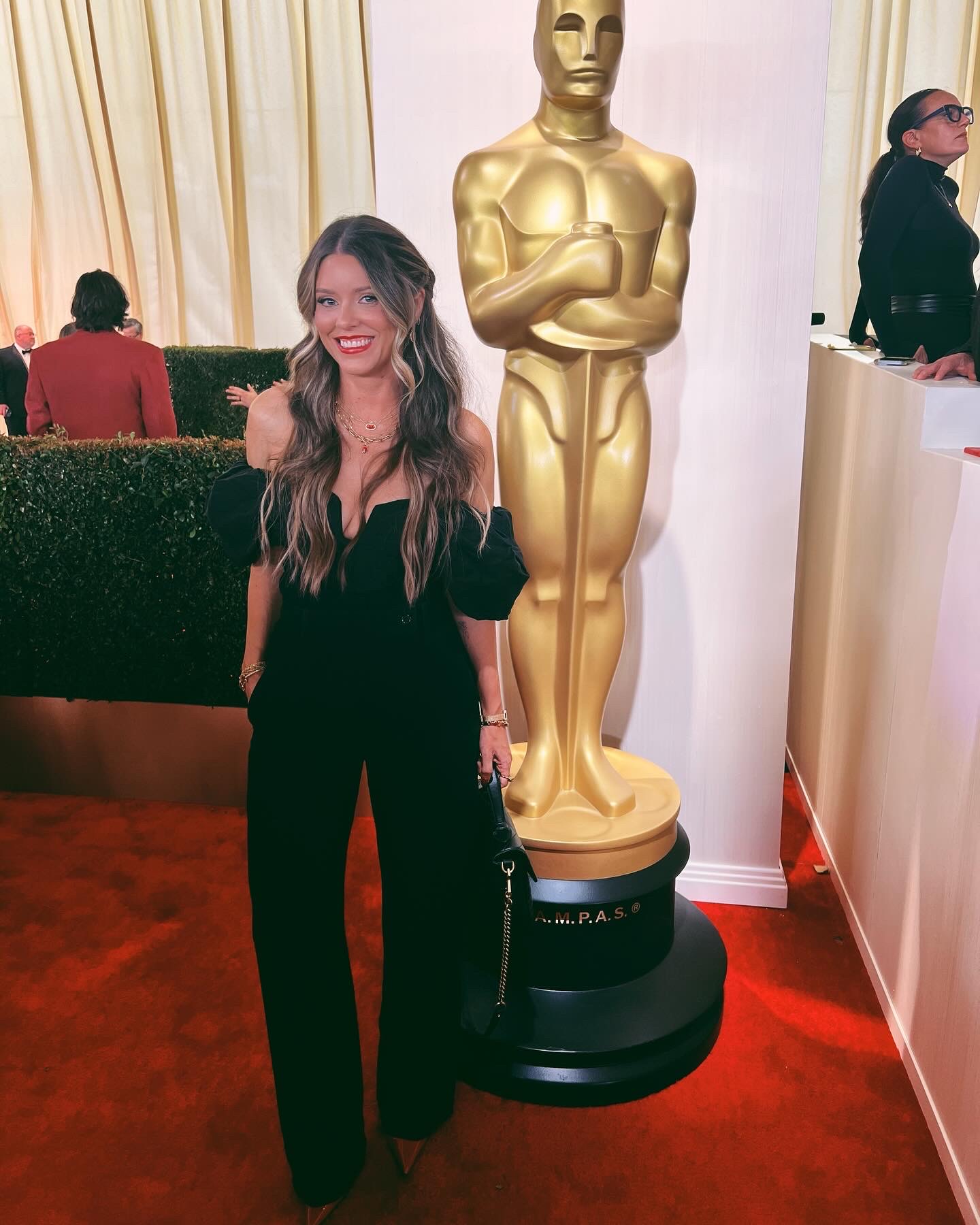
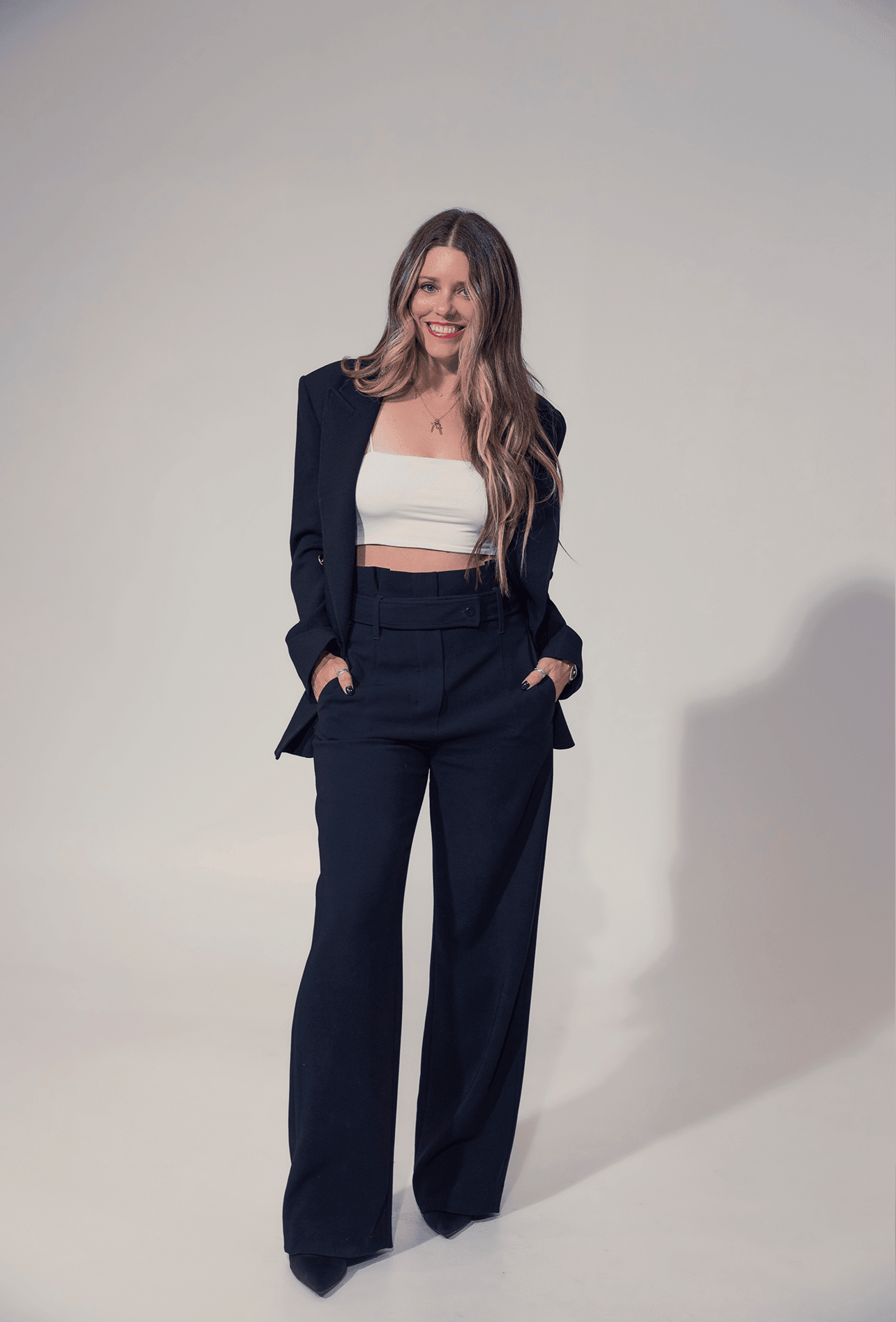
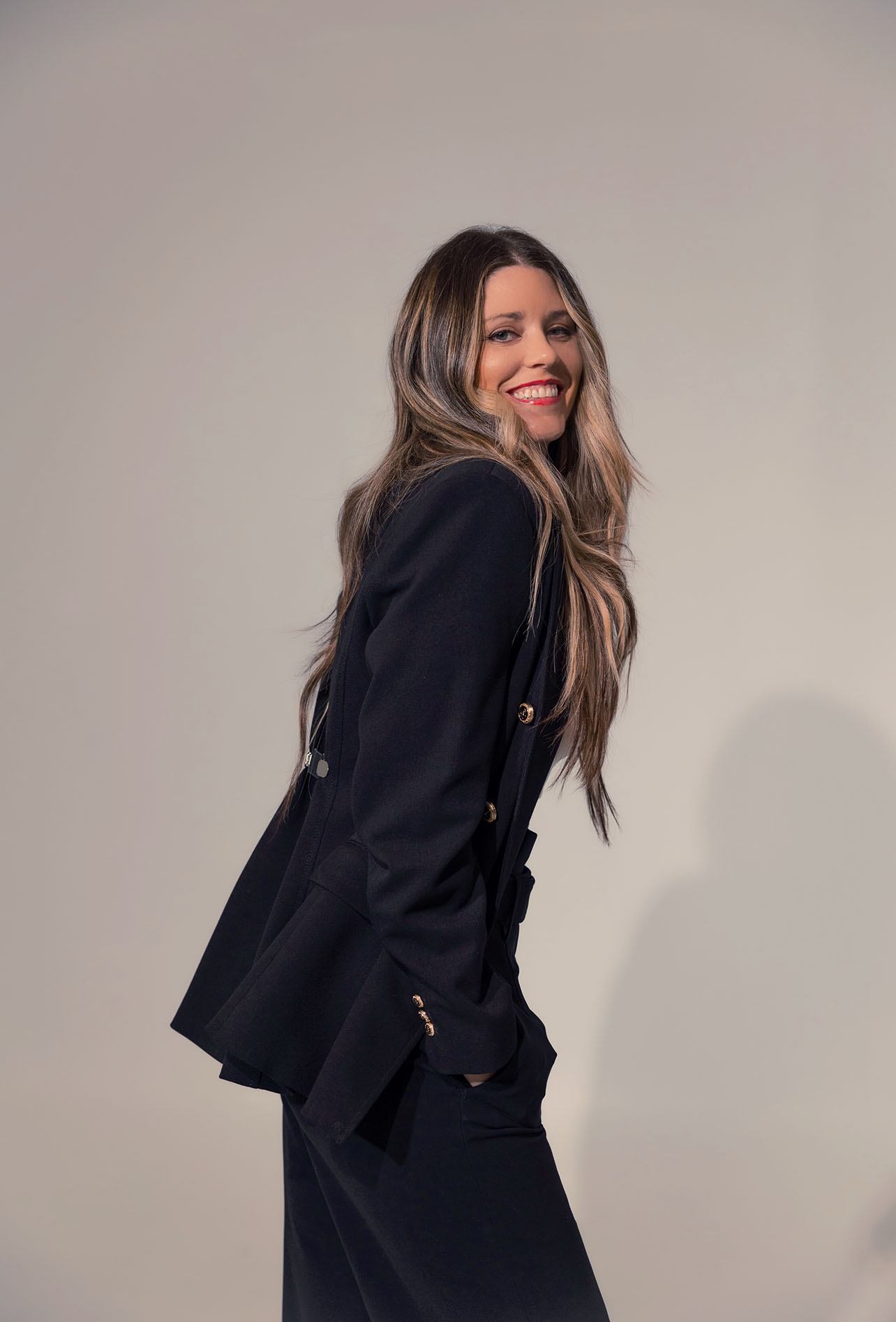
Today we’d like to introduce you to Jordana Ripp.
Hi Jordana, we’d love for you to start by introducing yourself.
My career path started about as far from entertainment marketing as you can get. I grew up in Perth, Australia competing as a national and international springboard diver, which taught me a strange but useful lesson early: you can put in the work, execute exactly as planned, and still not land it the way you wanted. That’s turned out to be decent training for a career built on algorithms and constant pivots.
I studied media and psychology at Murdoch, then did a Masters of Marketing at Curtin, and somewhere in there did a summer at UCLA that planted the idea of LA a lot earlier than I actually got here. Before I made the jump, I was already dabbling on the creator side, blogging and partnering with brands like New York Fashion Week and L’Oreal, getting into the early social media world around 2012, which is really where I first understood what it meant to build an audience and put yourself out there publicly.
I landed my first studio job at Sony Pictures Television in 2015 and spent the next several years working my way through their digital marketing and publicity teams, first across their TV networks, then into brand marketing for shows like The Good Doctor and The Crown, and eventually running digital and social strategy for Impossible Science, an award-winning digital-first show I helped grow from zero to 500,000 subscribers on a shoestring budget.
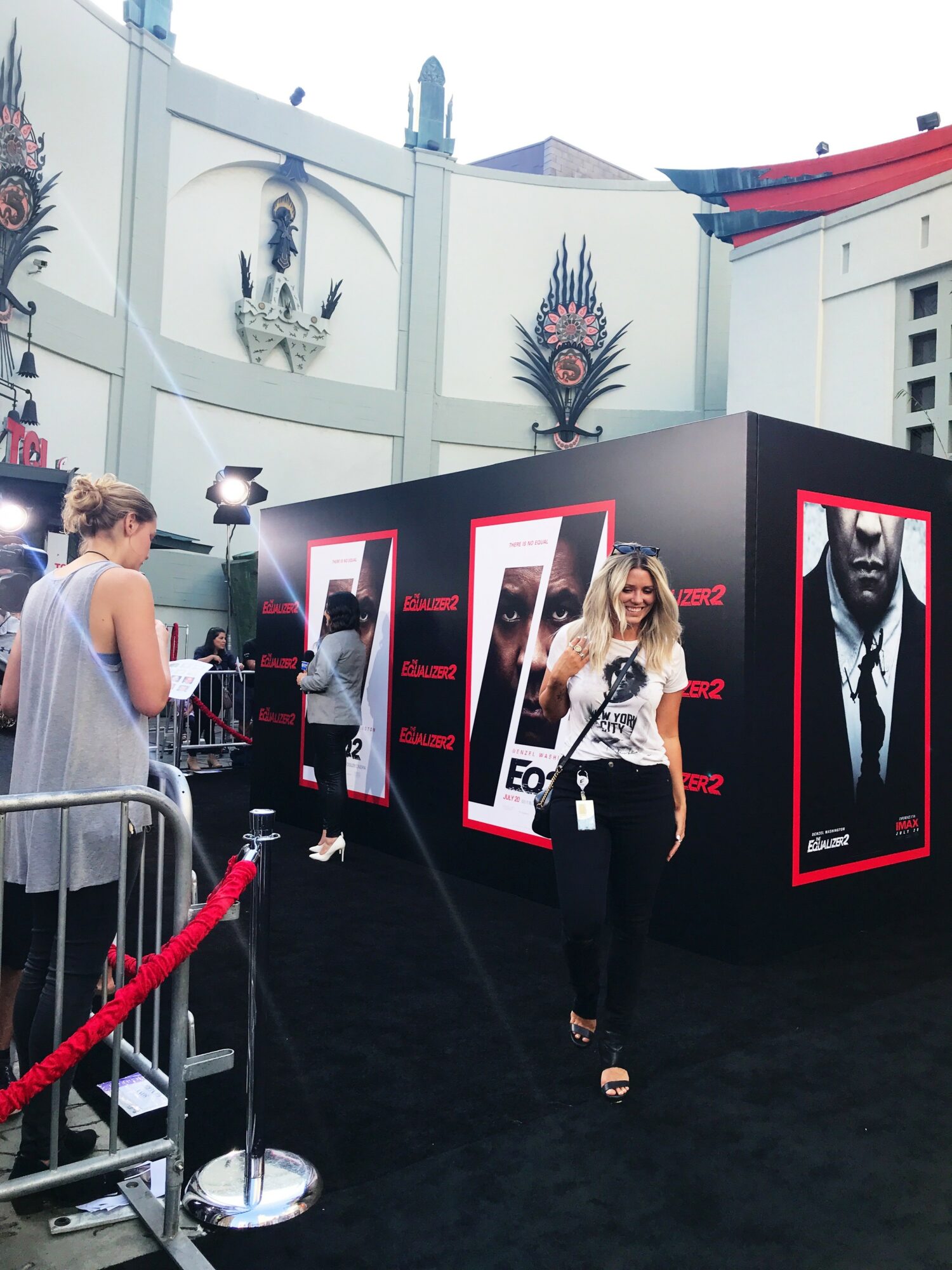
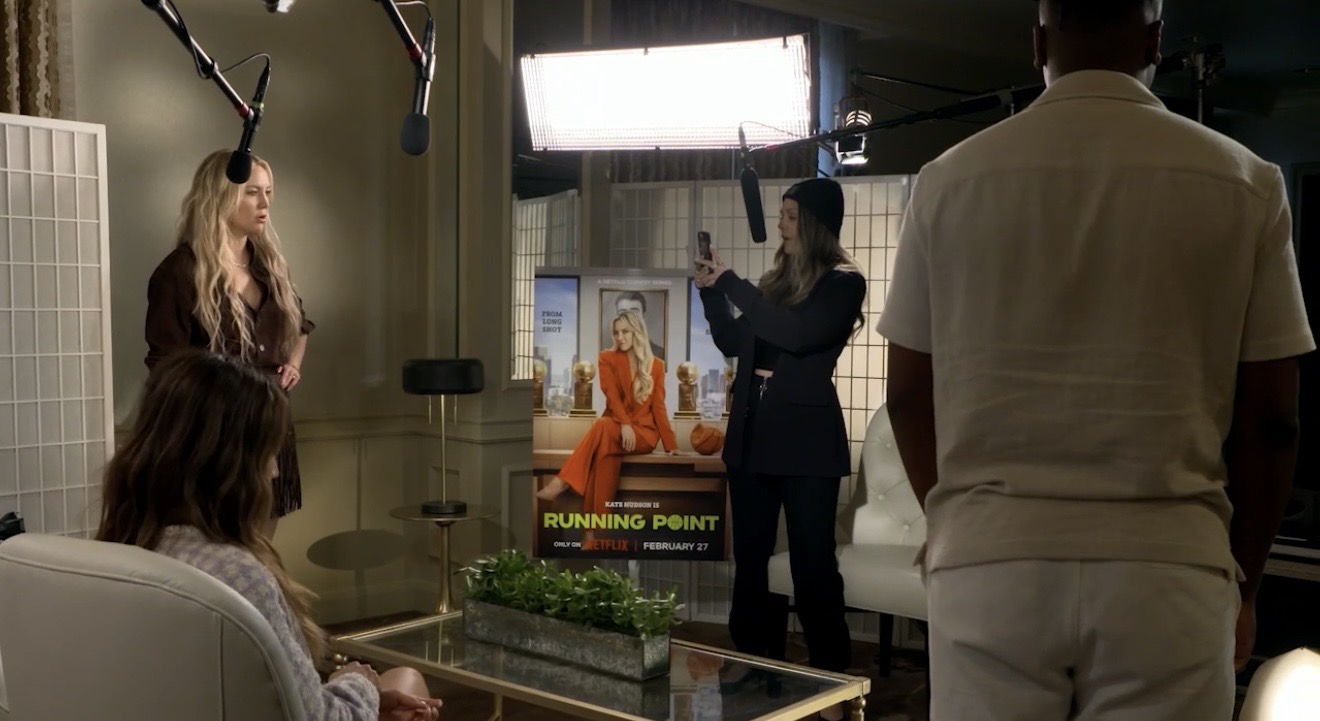
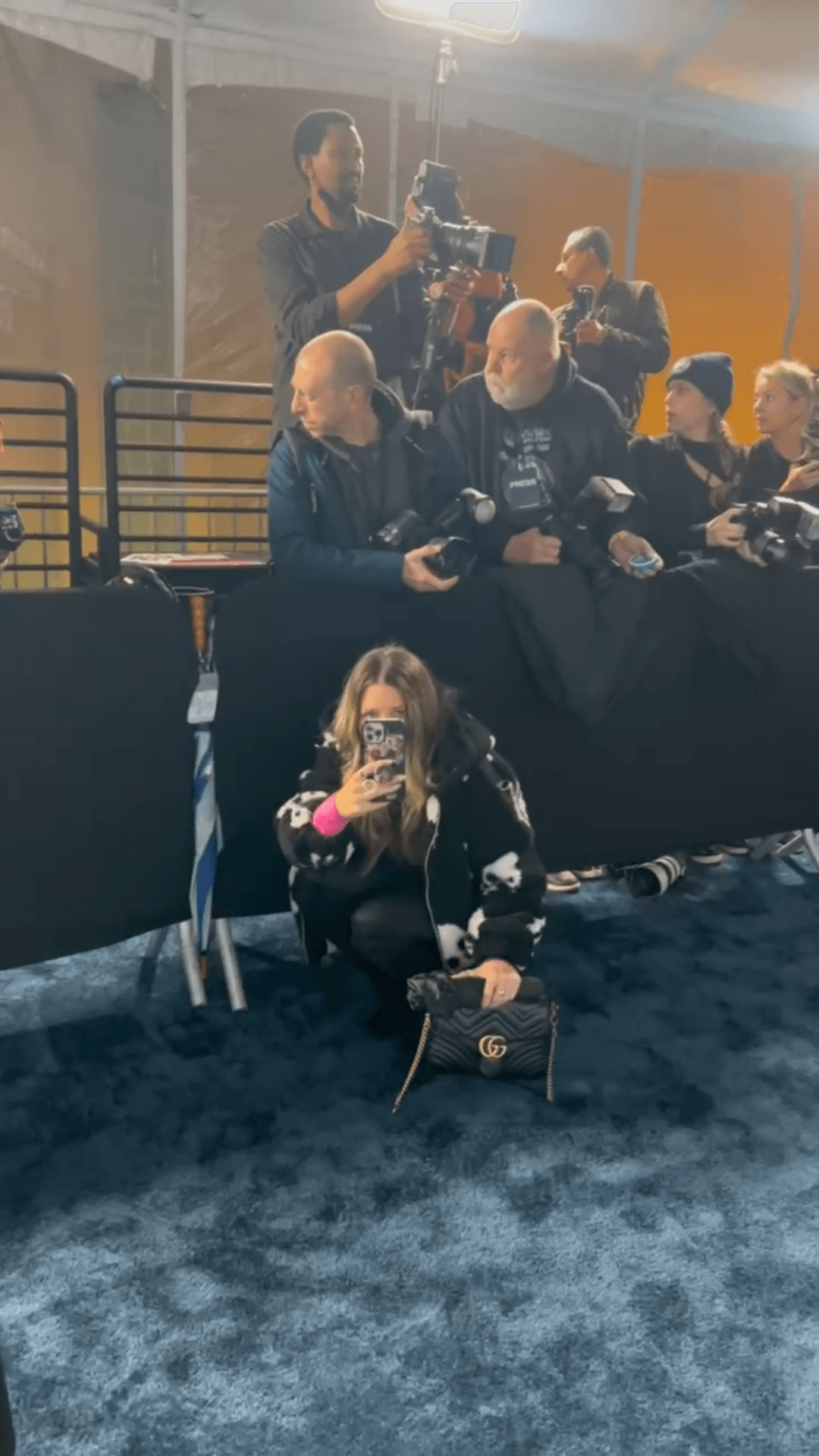
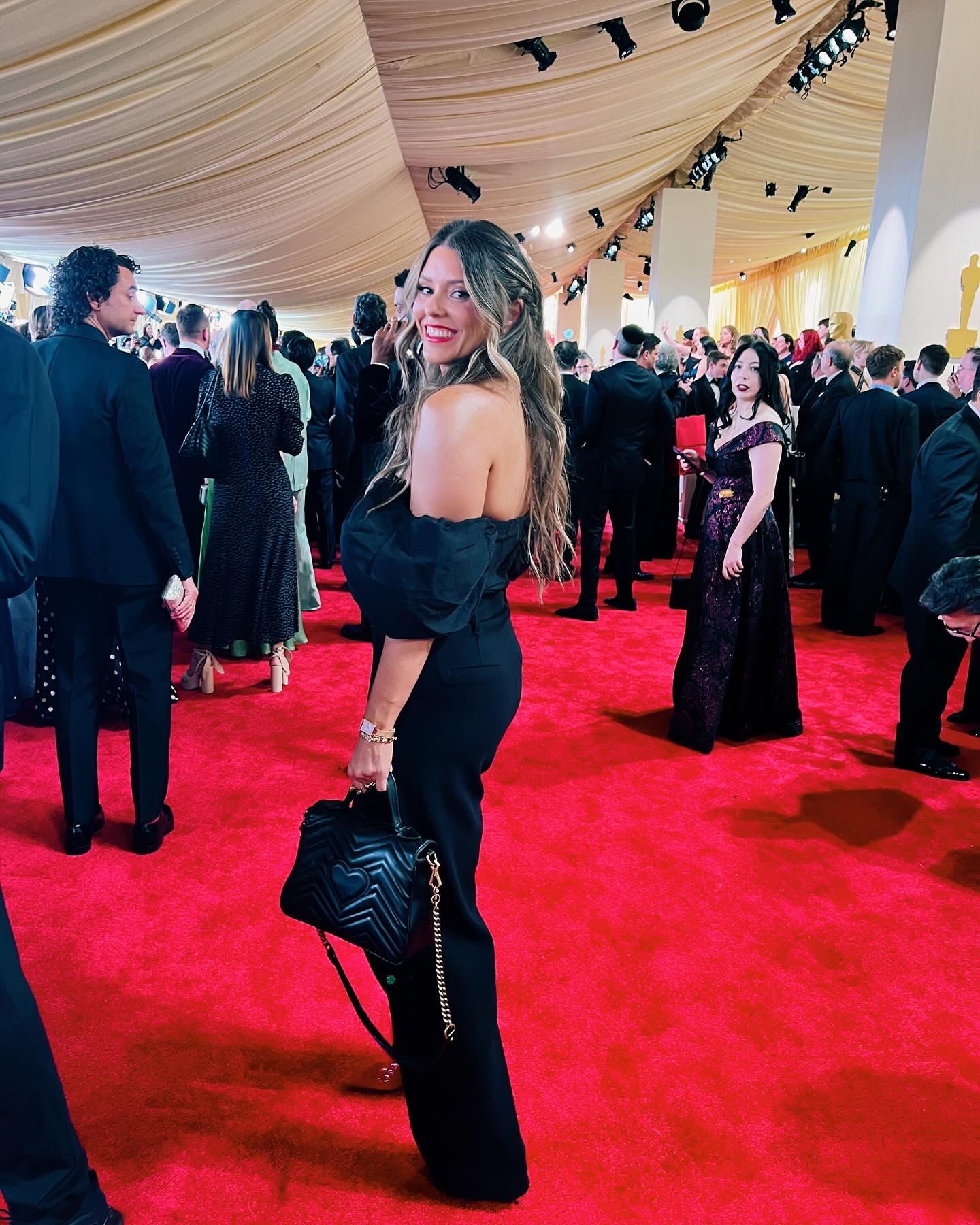
Along the way I got to work my first red carpet, help shape campaigns for franchises I never thought I’d get near out of film school, and eventually take on Oscars content, which is still one of the highlights of my career. But I also lived through the instability every entertainment marketer knows: layoffs, restructures, an industry that keeps shifting under everyone’s feet.
That instability is ultimately what pushed me to build something of my own. In 2023 I launched Unscrippted Creative, and today I work across brand strategy, talent management, and digital growth, bringing the studio-side thinking I built over 15 years directly to the creators and brands who need it most.
Would you say it’s been a smooth road, and if not what are some of the biggest challenges you’ve faced along the way?
It hasn’t been smooth, no, though I don’t think anyone’s really is. One of the hardest stretches came right at the start. I moved to Los Angeles with no contacts and no industry foothold, and trying to get anyone to notice me was genuinely challenging and deflating. It was crickets for the longest time. I’d given myself a deadline in my head for when I’d need to make something work, and it was only a few weeks before that deadline that I landed my first role at Sony. That stretch taught me early on how much of this industry runs on persistence that doesn’t look like progress from the outside.
The layoffs came later and hit differently. Working inside major studios means living through restructures that have nothing to do with your performance and everything to do with a business decision made several levels above you. I went through more than one of those, and each time it forced me to rebuild not just my role but my sense of where I actually stood in this industry.
Going independent in 2023 came with its own version of that instability. There’s no studio brand backing you when you’re pitching a client for the first time as Unscrippted Creative instead of as someone from Sony Pictures Television. I had to learn how to sell my own experience on its own terms and get comfortable with the fact that some months would be steady and others wouldn’t be.
There’s also been a harder internal struggle underneath all of that, one I actually work through with my own clients now. When your income and your identity are both tied to how well you’re performing in a given month, it’s very easy to let a slow quarter tell you a story about your worth that isn’t true. I’ve had to learn to separate the two, which is honestly a big part of why I built a Guardrails guide for creators as a mental framework to build into the content strategy. I utilized it myself before I started implementing it with creators.
As you know, we’re big fans of UNSCRIPPTED Creative. For our readers who might not be as familiar what can you tell them about the brand?
Unscrippted Creative is a consultancy built at the intersection of entertainment marketing and the creator economy, working with both brands and talent. On the brand side, that looks like content strategy and production, digital marketing, influencer relations and campaign work for studios, streamers, and consumer brands. On the talent side, I manage a roster of creators, helping them build their digital footprint, land brand partnerships, and grow sustainably across platforms.
What I specialize in, and what genuinely sets me apart, is that I’ve sat on both sides of the table. I spent over a decade on the studio side at Sony Pictures Television, so I understand exactly how brands think, what they need from a partnership, and how a pitch actually gets greenlit internally. Very few people managing talent have actually built and run a studio’s digital strategy themselves, and that dual perspective changes the quality of advice I can give both my brand clients and my creators.
What I’m currently most proud of is a focus on the mental health side of my creator clients having watched all of them over the years be impacted in various degrees. I’ve build a framework called Guardrails that helps to reframe creator capacity, meaning burnout, overexposure, and mental load, as a business and commercial risk issue rather than just a personal wellness concern. That distinction matters because it means brands and management teams start treating a creator’s capacity as something to plan around strategically, the same way they’d plan around budget or timeline, instead of something to address only after someone’s already burnt out. I’ve created a free resource around that framework, including a creator rate guide and a pitch generator to help clarify the path a bit better for new creators.
If there’s one thing I want people to take away about Unscrippted, it’s that the work isn’t just about growth for growth’s sake. It’s about building something sustainable, for the brands I work with and for the creators I manage, in an industry that doesn’t always make sustainability easy.
What sort of changes are you expecting over the next 5-10 years?
I see three major shifts coming, and honestly, they’re already underway.
The first is AI. It’s advancing at the speed of light, and we’re still in the early stages of it, yet the generative consumer products already out there are scary good. But I think the biggest takeaway won’t actually be the flashy generative stuff. It’ll be how AI gets embedded into day-to-day processes, filing footage, data input, campaign formatting, the parts of the job that eat hours but don’t require much brainpower. That’s where you get real time back, and the win isn’t the time saved itself, it’s what you shift that time toward. The brands and creators who pull ahead will be the ones who reinvest that saved time into the parts of the work that actually require judgment and taste, not the ones chasing the newest generative tool.
The second is mental health protocols and protections finally getting real teeth. We’re already seeing the early signs, companies like Meta facing lawsuits over the psychological impact of their platforms, and I think that’s just the beginning. Right now the industry still largely treats a creator’s burnout as their personal problem to manage. That will change when the legal and financial risk starts landing on the platforms and companies profiting from that exposure, not just the individual absorbing it. That’s the whole premise behind Guardrails, and I think in five to ten years it won’t be a niche framework, it’ll be standard practice.
The third is the shift into vertical streaming and micro-moments. Studios are already learning to market to the little pockets of time that used to be considered dead space, standing in line for coffee, commuting to work, waiting for something to load. Content is being built specifically for those windows now, vertical, fast, disposable in the best sense. I think that only accelerates, and the entertainment companies who figure out how to build real IP and brand loyalty inside fifteen-second windows are going to be the ones who win the next decade.
Contact Info:
- Website: https://www.unscripptedcreative.com
- Instagram: https://www.instagram.com/unscripptedcreative
- LinkedIn: https://www.linkedin.com/company/unscrippted-creative
- Other: https://www.linkedin.com/in/jordana-ripp-01
Popular
-

Portraits of the Valley
-

LA’s Most Inspiring Stories
-

Rick Norris Learned That Building a Successful Business Means Building a Life You Actually Want to Live
-
How Olivia Rush Turned Survival Into a Mission to Help Others Keep Going
-

How Bibi Goldstein Is Helping Entrepreneurs Reclaim Their Time by Embracing the Power of Delegation
-

Victoria Hasson is Redefining Voice Coaching Through Community and Collaboration


