




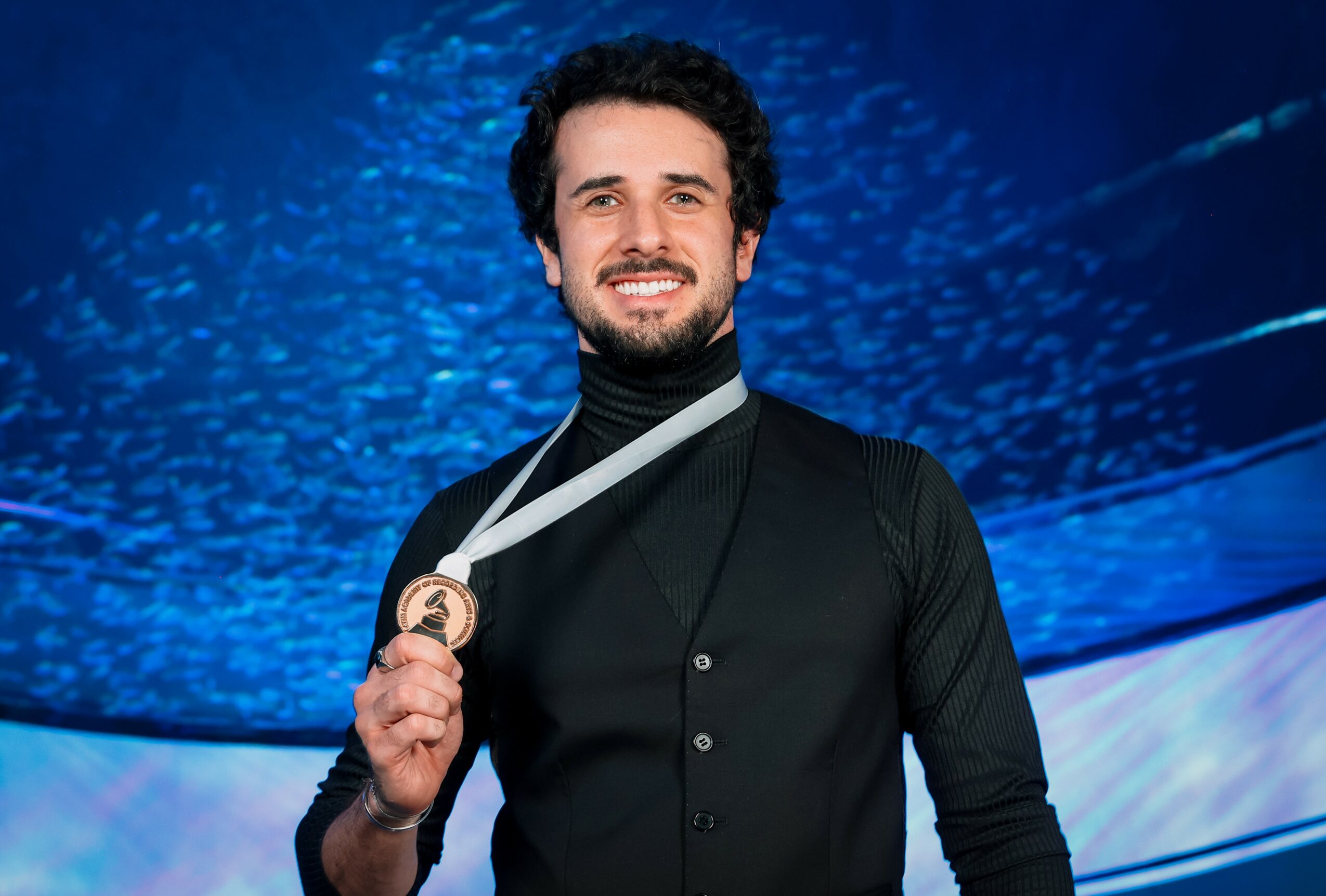
Today we’d like to introduce you to Pedro Peixoto.
Alright, so thank you so much for sharing your story and insight with our readers. To kick things off, can you tell us a bit about how you got started?
My story with music started in Brazil, long before I imagined it could become my profession. I was playing guitar, recording music in bedrooms, and becoming increasingly fascinated not only by the songs themselves, but by why certain records made me feel something.
Interestingly, my original path was very different. I studied Electrical Engineering at university and was following a much more conventional career. But during that period, a college friend and I built a very small studio in the backyard of his grandmother’s house. We didn’t have much equipment or resources, but we had time, curiosity, and an obsession with making records sound better.
That was where I discovered audio engineering. The idea that sound could be approached with both technical precision and artistic sensitivity immediately connected the two sides of my personality. I loved engineering, but I also loved emotion, music and creativity. Once I understood that mixing could bring all of those things together, I knew that was what I wanted to pursue.
I started producing, recording and mixing artists in Brazil, gradually building relationships and learning through every project. There was no single breakthrough moment. It was a long process of trying to make every record better than the previous one, developing my own taste and eventually understanding that the job of a mixing engineer is much more than making something technically correct.
For me, mixing is storytelling. My role is to understand what the artist is trying to communicate and use sound to make that emotion stronger. Sometimes that means making something huge and immersive. Sometimes it means knowing when not to touch something. The technical side matters enormously, but ultimately nobody listens to a song because the frequencies are perfectly balanced. They listen because the music makes them feel something.
Over the years, I’ve been fortunate to work with artists from Brazil and around the world, including Lagum, IZA, Jota Quest, Anavitória, Sandy, Vitor Kley, Zeeba, FRENSHIP, Grace Gachot and Big Mountain, among many others. Records I’ve worked on have now surpassed one billion streams worldwide.
One of the most meaningful milestones has been receiving five Latin GRAMMY nominations throughout my career. Three of those came consecutively in one of the categories that means the most to me as an engineer, Best Engineered Album. Those nominations came with Depois do Fim by Lagum in 2023, Era Uma Vez by Mobi Colombo in 2024, and Enquanto Os Distraídos Amam by Pedro Emílio in 2025.
I’ve also always believed that knowledge becomes more valuable when you share it. I started teaching audio while I was still building my own career, simply sharing the things I was learning along the way. That eventually grew into another major part of my life. Through online courses, workshops and mentorship programs, I’ve now taught more than 10,000 students, many of whom have gone on to build their own careers in music.
Los Angeles became another important chapter in that journey. Being in L.A. put me closer to a music community I had admired for years and exposed me to a different level of collaboration, culture and creative exchange. It also reinforced something I had already begun to understand. Great records can come from anywhere.
Today my work connects Brazil, Los Angeles and artists in different parts of the world, and I see that international perspective as a big part of who I am professionally.
At this point in my career, the goal is not simply to accumulate credits or awards. I want to keep working with artists who care deeply about their music and help create records that have a real identity, records that people can recognize, connect with and hopefully remember.
I started in a tiny backyard studio trying to understand why certain songs sounded the way they did. In many ways, I’m still doing the same thing today, just with more experience, better rooms, bigger projects and a much clearer understanding that my real job is to help turn an artist’s intention into emotion through sound.
Can you talk to us a bit about the challenges and lessons you’ve learned along the way. Looking back would you say it’s been easy or smooth in retrospect?
It definitely wasn’t a smooth road. One of the biggest challenges was simply where I was starting from.
When I decided to pursue audio professionally in Brazil, the ecosystem was very different from what you find in places like Los Angeles, London or New York. Mixing engineering was not really recognized as a career on its own, access to high end equipment was extremely limited and expensive, and we didn’t have the same level of specialized audio schools, programs or professional training available locally.
So the challenge was not only financial. Information itself was difficult to access.
I realized early on that if I wanted to compete at an international level, I couldn’t limit my education to what was available around me. I became almost obsessive about learning. I took every course I could find, studied books, analyzed records and tried to understand how the engineers behind the albums I loved were actually working.
I studied with engineers such as Michael Brauer, Joe Chiccarelli, Tony Maserati and Tom Elmhirst, people whose careers include records with artists like Coldplay, John Mayer, The Rolling Stones, Beyoncé, Jason Mraz, Adele and Amy Winehouse. I joined Mix With The Masters from its earliest years, studied Bob Owsinski’s books and constantly searched for any source of professional information I could access.
At the time, investing in that education was not easy. International courses were expensive when converted into Brazilian currency, and professional equipment was even more difficult to afford. Most of what I built came gradually, project by project, using the money I was making from my own work to invest back into my career.
There was also a personal challenge. My father did not support my decision to pursue music professionally in the beginning. He was against the idea, especially because I had studied Electrical Engineering and already had a much more conventional and predictable career available to me. I understood his perspective, but I also knew that I needed to follow my own path.
Because of that, I had to become financially independent in my decisions very early. I couldn’t wait for someone to finance the career, buy the equipment or create the opportunity for me. I had to work with what I had, make my own investments and slowly build everything myself.
Looking back, I think those limitations had a major impact on the professional I became. When you don’t have unlimited equipment, great studios or information readily available, you learn to be resourceful. You learn to listen carefully, solve problems and make the most out of whatever is in front of you.
Years later, being able to work internationally and receive multiple Latin GRAMMY nominations, especially three consecutive nominations for Best Engineered Album, makes that journey particularly meaningful to me. I came from a place where I wasn’t even sure that being a mixing engineer could become a real career, and eventually found myself being recognized internationally specifically for the engineering side of making records.
I think that is also one of the reasons education became such an important part of my career. I remember how difficult it was to find high level information when I was starting, so once I had access to that knowledge and accumulated my own experience, I wanted to make it more accessible to the next generation of producers and engineers coming from Brazil and other places where those resources are still limited.
Appreciate you sharing that. What else should we know about what you do?
I am a mixing engineer and music producer originally from Brazil, and most of my work revolves around one idea: using sound to strengthen the emotional intention of a song.
I specialize in mixing, but I have always seen mixing as much more than balancing frequencies or making a record technically polished. To me, a great mix should create depth, movement and emotion. It should help tell the story of the song without calling attention to the technical process behind it.
Over the years, I have had the opportunity to work with artists from Brazil and around the world, including Lagum, IZA, Jota Quest, Anavitória, Sandy, Vitor Kley, Zeeba, FRENSHIP, Grace Gachot and Big Mountain, among many others. The projects I have worked on have collectively surpassed one billion streams.
One of the things I am most proud of is the recognition I have received specifically for the engineering side of making records. I have been involved in five Latin GRAMMY nominated projects throughout my career, including three consecutive personal nominations for Best Engineered Album in 2023, 2024 and 2025.
In 2023, I was nominated as both recording engineer and mixing engineer for Lagum’s album Depois do Fim. In 2024, I received another nomination as recording engineer and mixer for Mobi Colombo’s Era Uma Vez. Then, in 2025, I was nominated again as mixing engineer for Pedro Emílio’s Enquanto Os Distraídos Amam.
Three consecutive nominations in an engineering category are particularly meaningful to me because they recognize the part of the process that I have dedicated most of my life to developing. Mixing can sometimes be an invisible profession to the general public. When we do our job well, people simply experience the music. So being recognized by other professionals for the sonic craftsmanship behind those records means a lot to me.
I think one thing that sets me apart is the combination of an analytical background and a very emotional approach to music. I studied Electrical Engineering before becoming a full time audio professional, so I naturally developed a deep interest in the technical side of sound. At the same time, I have never wanted my mixes to feel technical. The engineering should serve the emotion, not the other way around.
I am also very interested in creating dimensional and immersive mixes. Depth, width, dynamics, texture and the relationship between foreground and background are a major part of how I think about music. I want a mix to feel like a space the listener can enter rather than simply a collection of instruments coming out of two speakers.
Another important part of my professional life is education. Because high level audio education was difficult for me to access when I was beginning my career in Brazil, I eventually became very passionate about sharing what I had learned. Over the years, I have taught more than 10,000 students through courses, workshops and mentorship programs.
I am proud of the awards and the records, but I am equally proud when I meet an engineer or producer who tells me that something they learned from me helped them build a career of their own.
Today, my career connects Brazil, Los Angeles and an increasingly international group of artists. That perspective has become an important part of my identity as a mixer. I grew up with Brazilian music and its incredible rhythmic and harmonic diversity, but I was also heavily influenced by American and British record making. Bringing those worlds together has shaped my taste and the way I approach records today.
Ultimately, I think what I want to be known for is fairly simple. When an artist sends me a song, I want them to feel that I understood what they were trying to say and helped them say it more powerfully. The technical knowledge, the equipment and the experience are all tools. The final goal is still emotion.
If we knew you growing up, how would we have described you?
I was always very curious and naturally divided between technical things and creative things. Music became a big part of my life early on, especially playing guitar and trying to understand how records were made.
At the same time, I was very analytical, which eventually led me to study Electrical Engineering. Looking back, that combination of creativity and technical curiosity explains a lot about why I became a mixing engineer. I was always interested not only in enjoying music, but in understanding why something sounded or felt a certain way.
I also tended to become very focused when something interested me. That curiosity eventually turned into years of studying recording, production and mixing, and ultimately became my profession.
Pricing:
- None
Contact Info:
- Website: https://www.pedropeixoto.com
- Instagram: https://www.instagram.com/pedropeixotoaudio
- Youtube: https://www.youtube.com/peixotoaudio
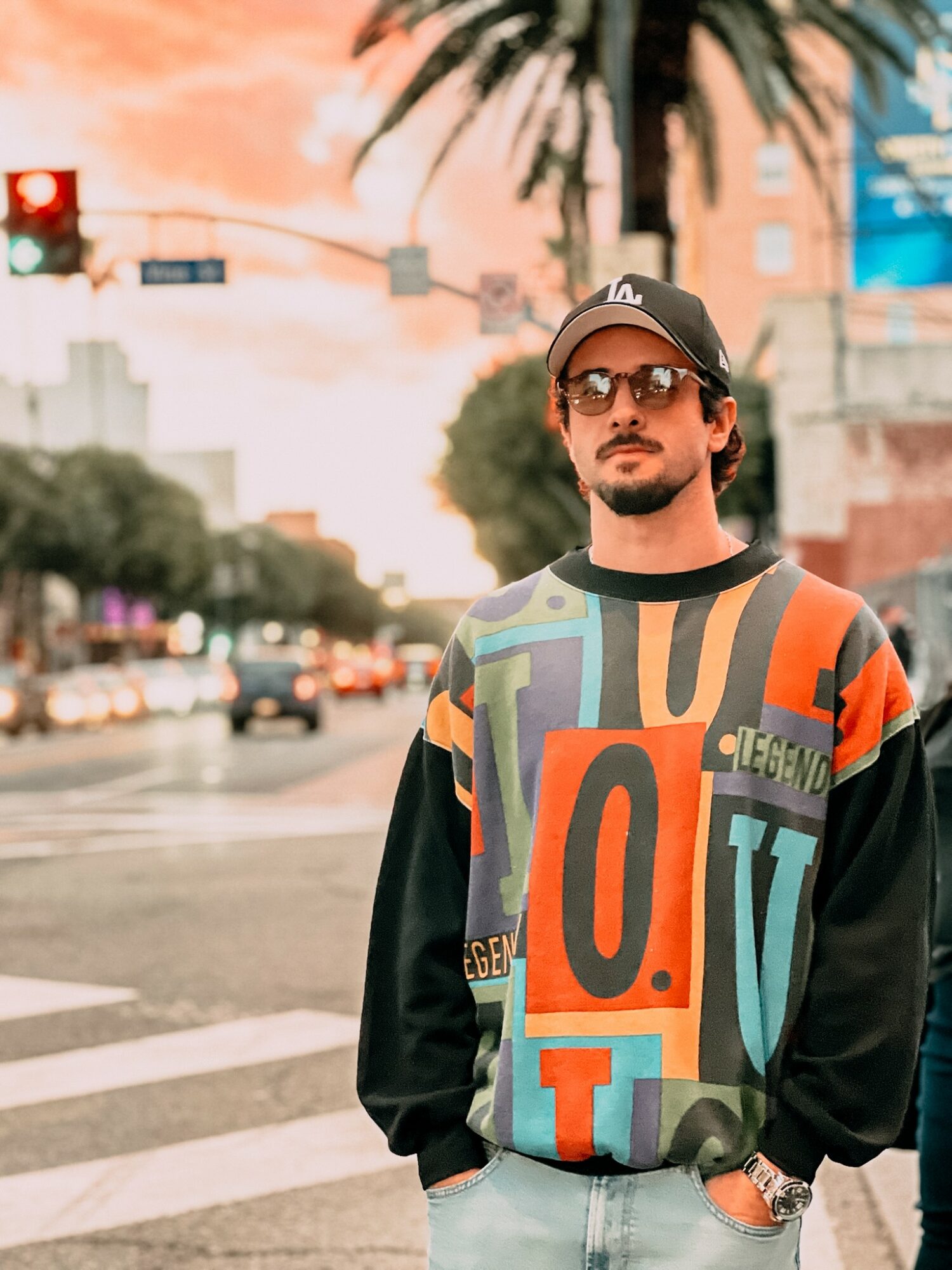
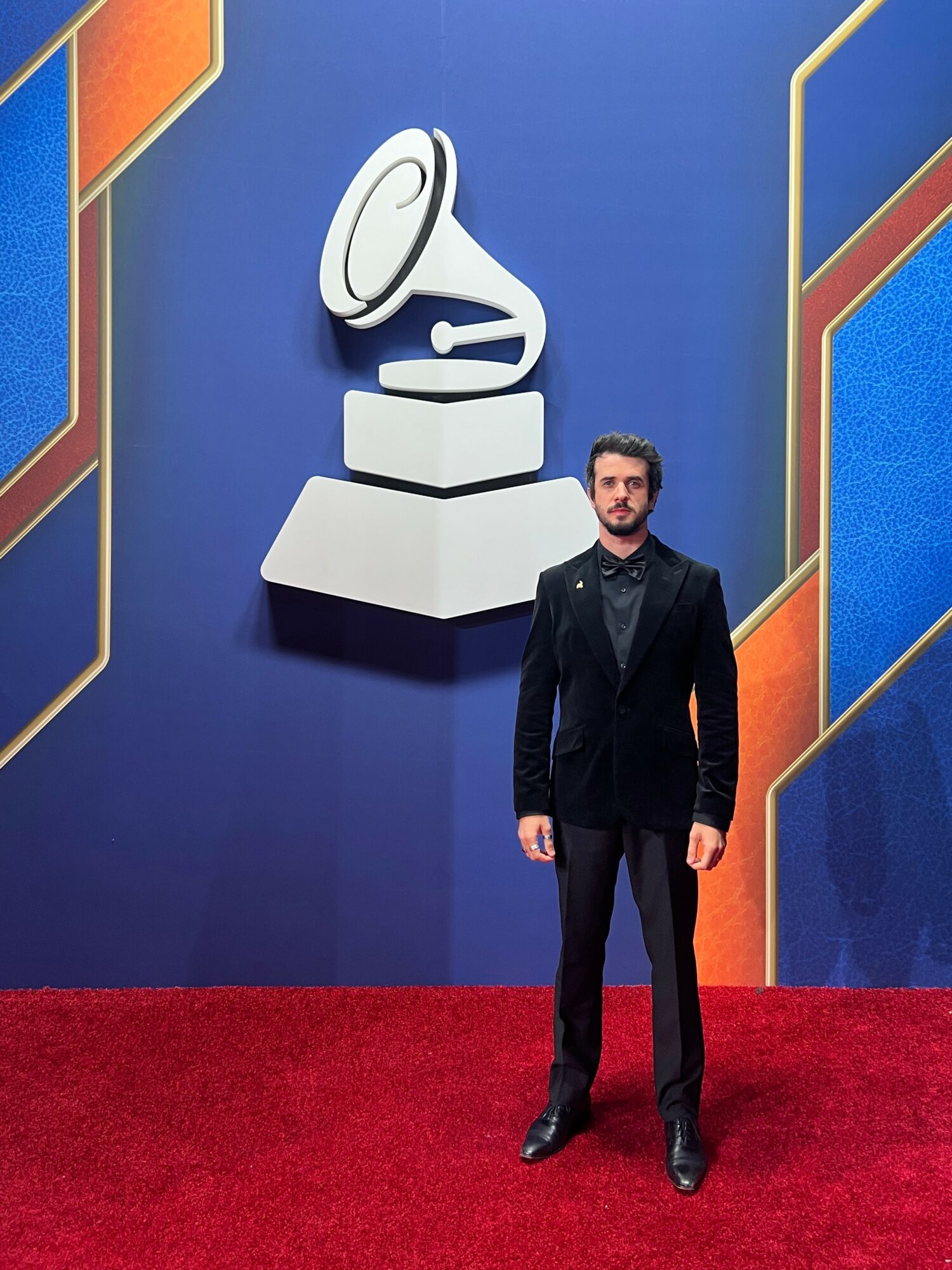
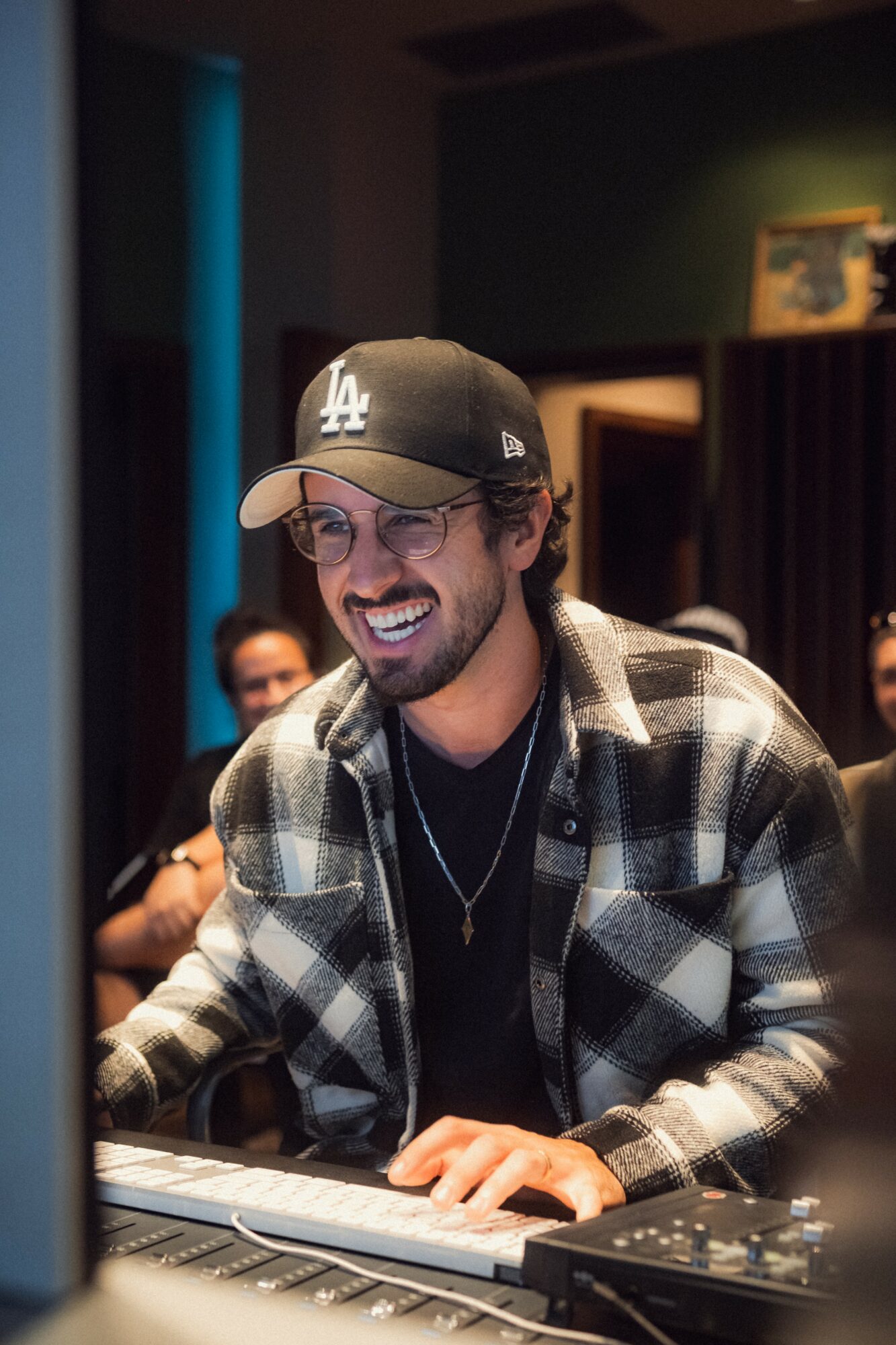
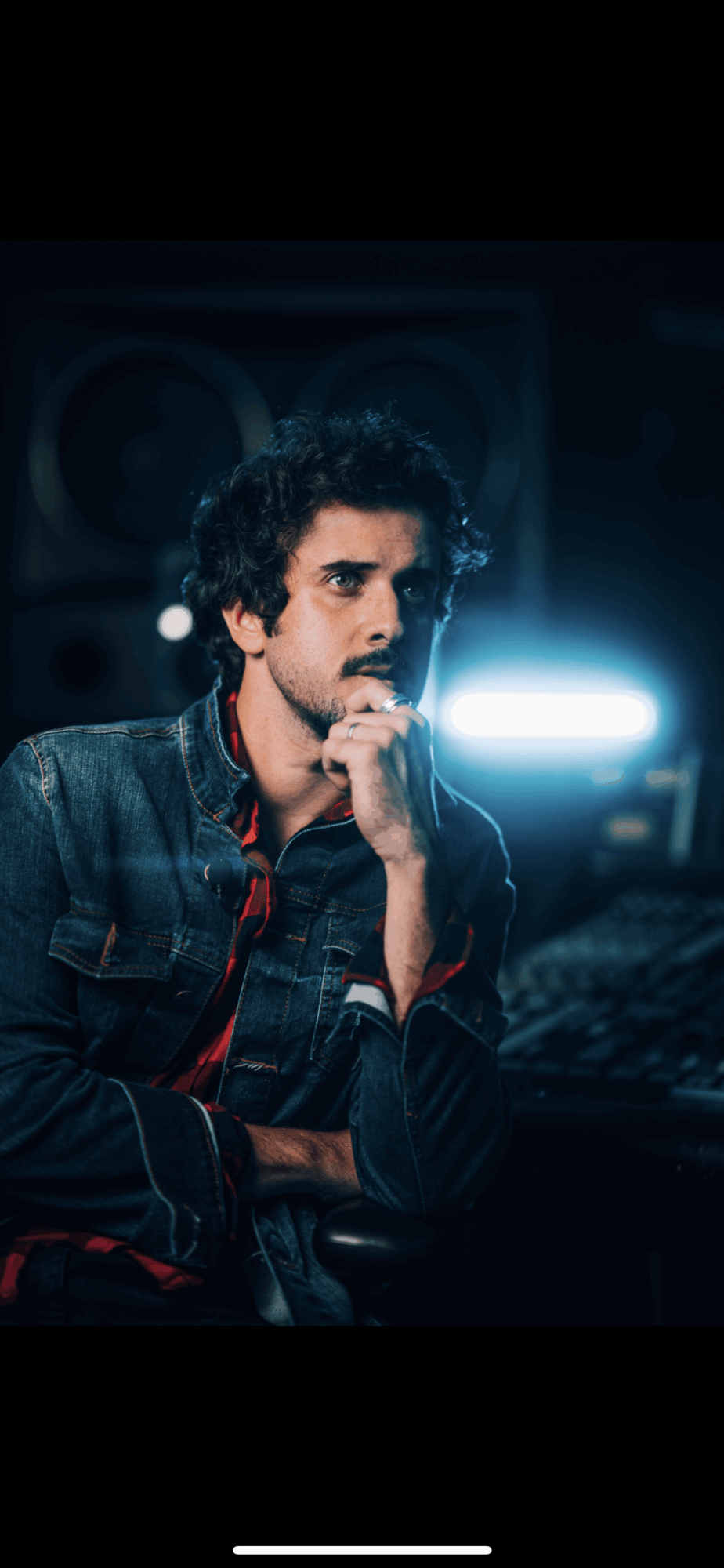
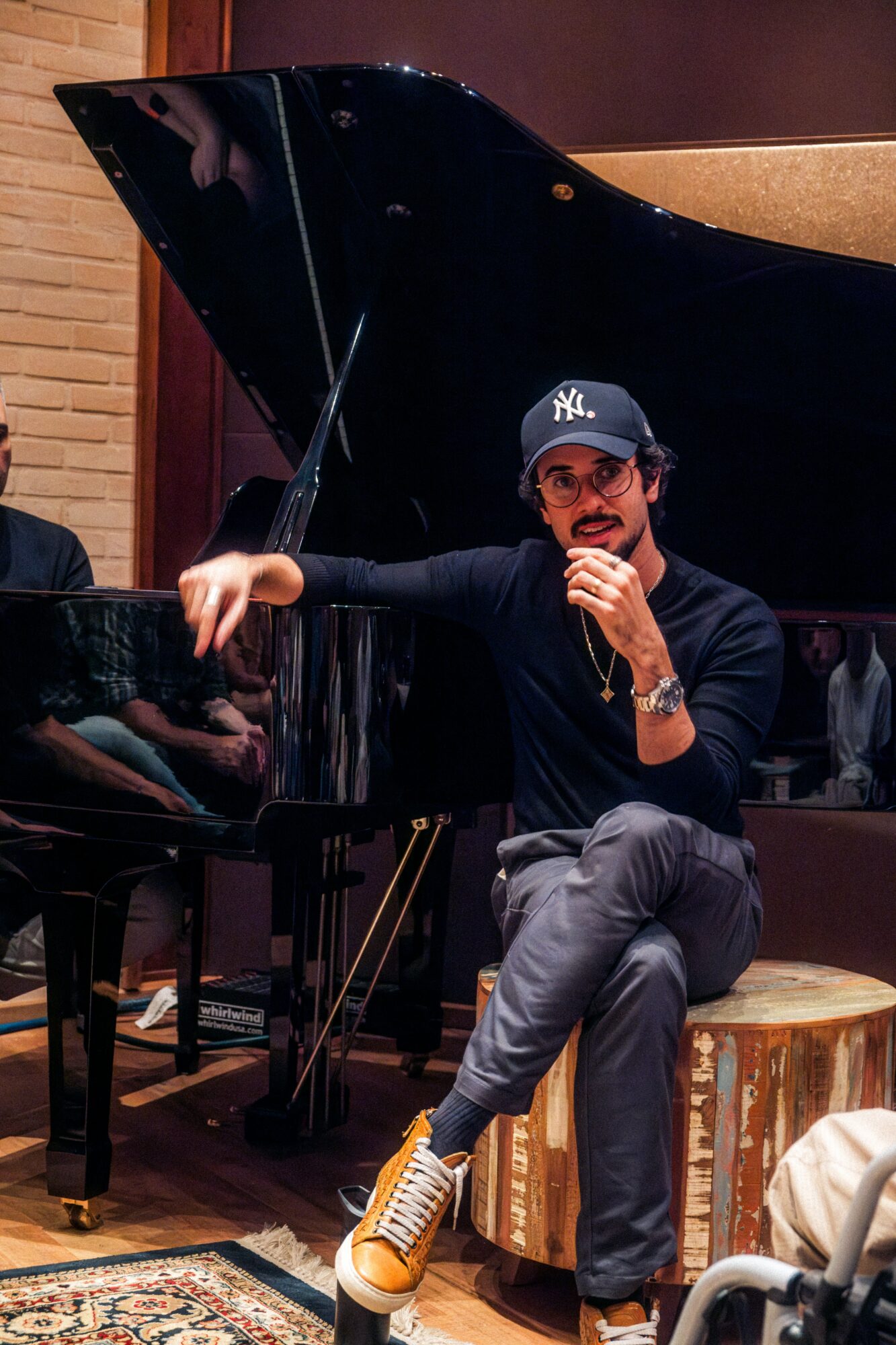
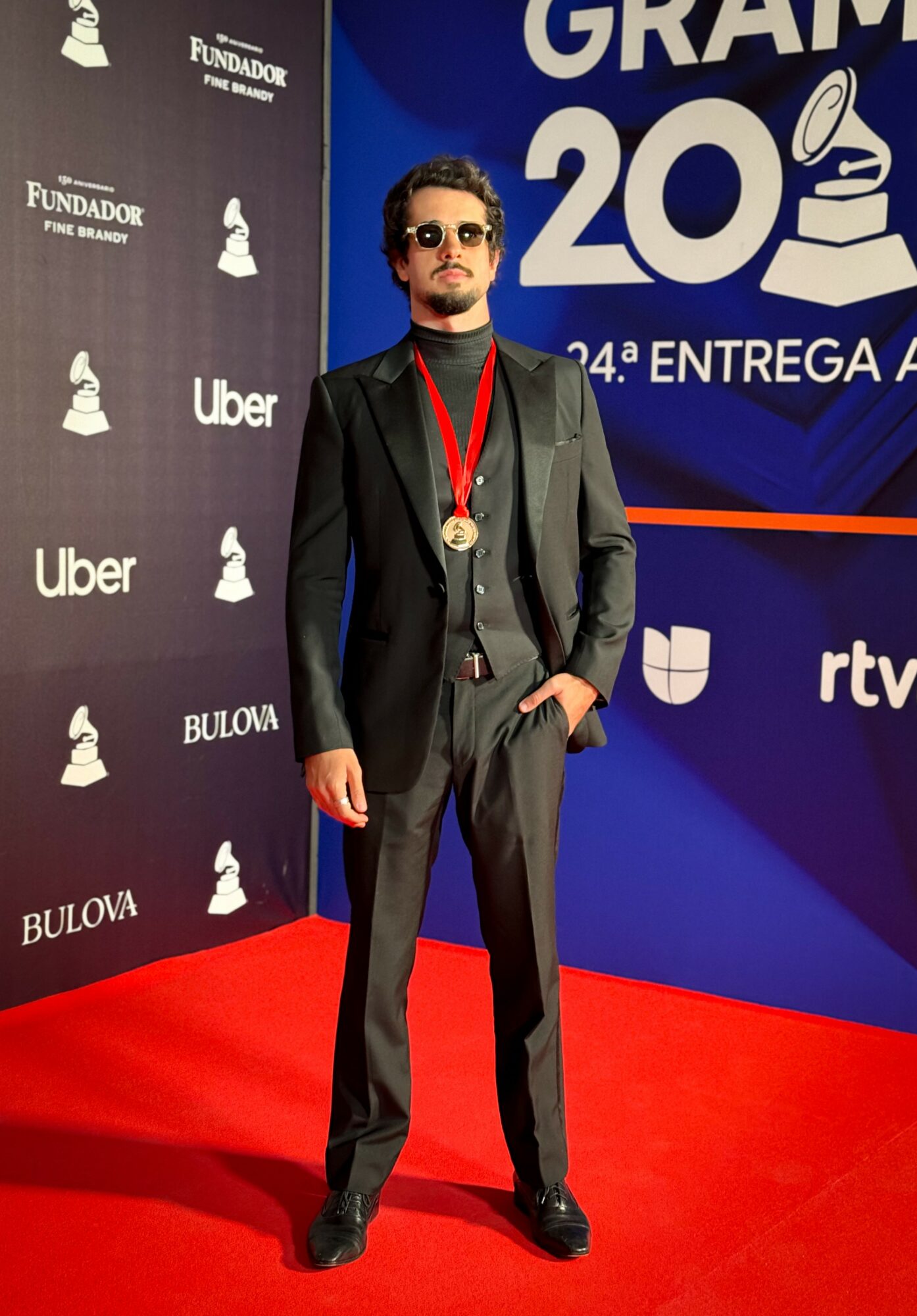
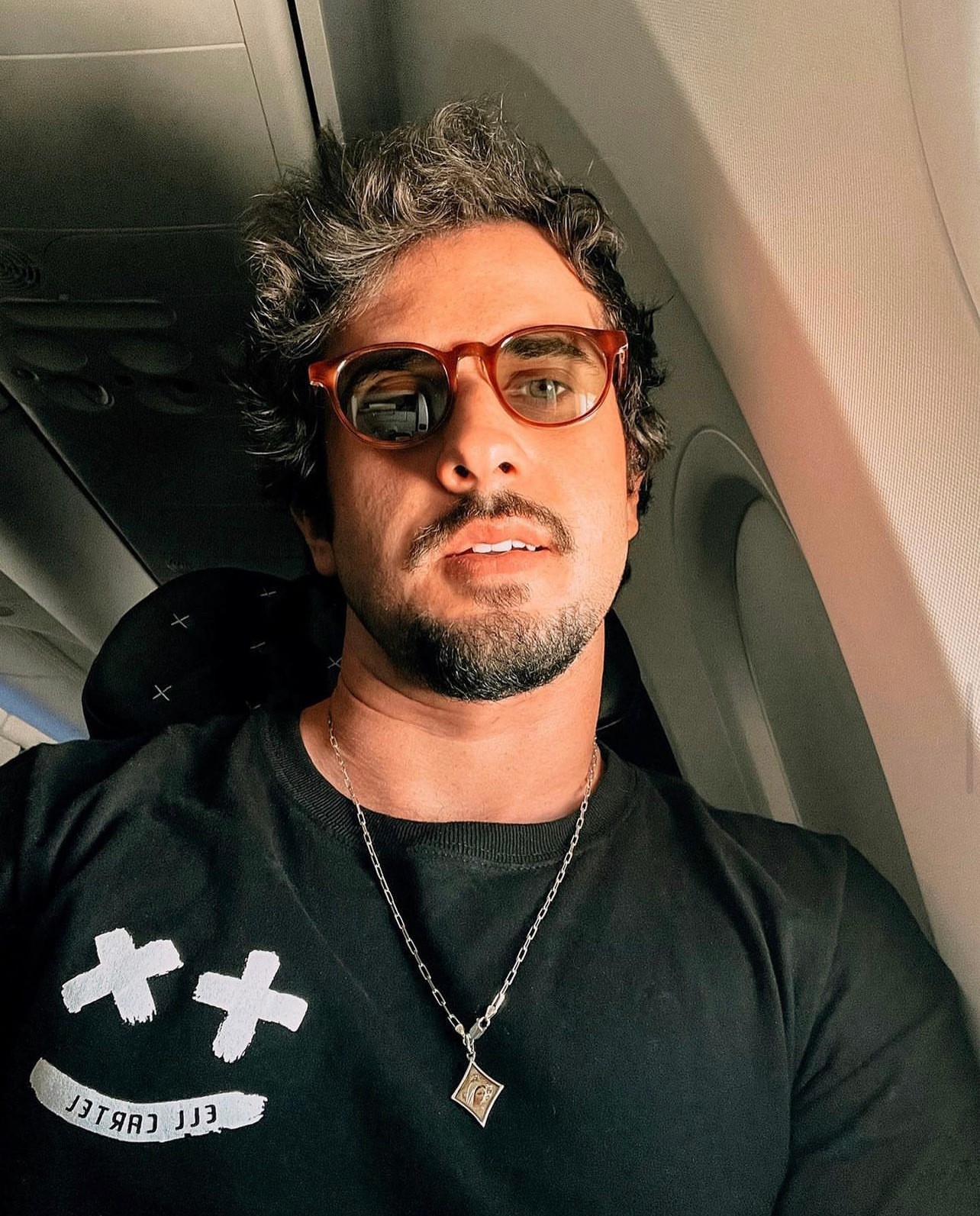
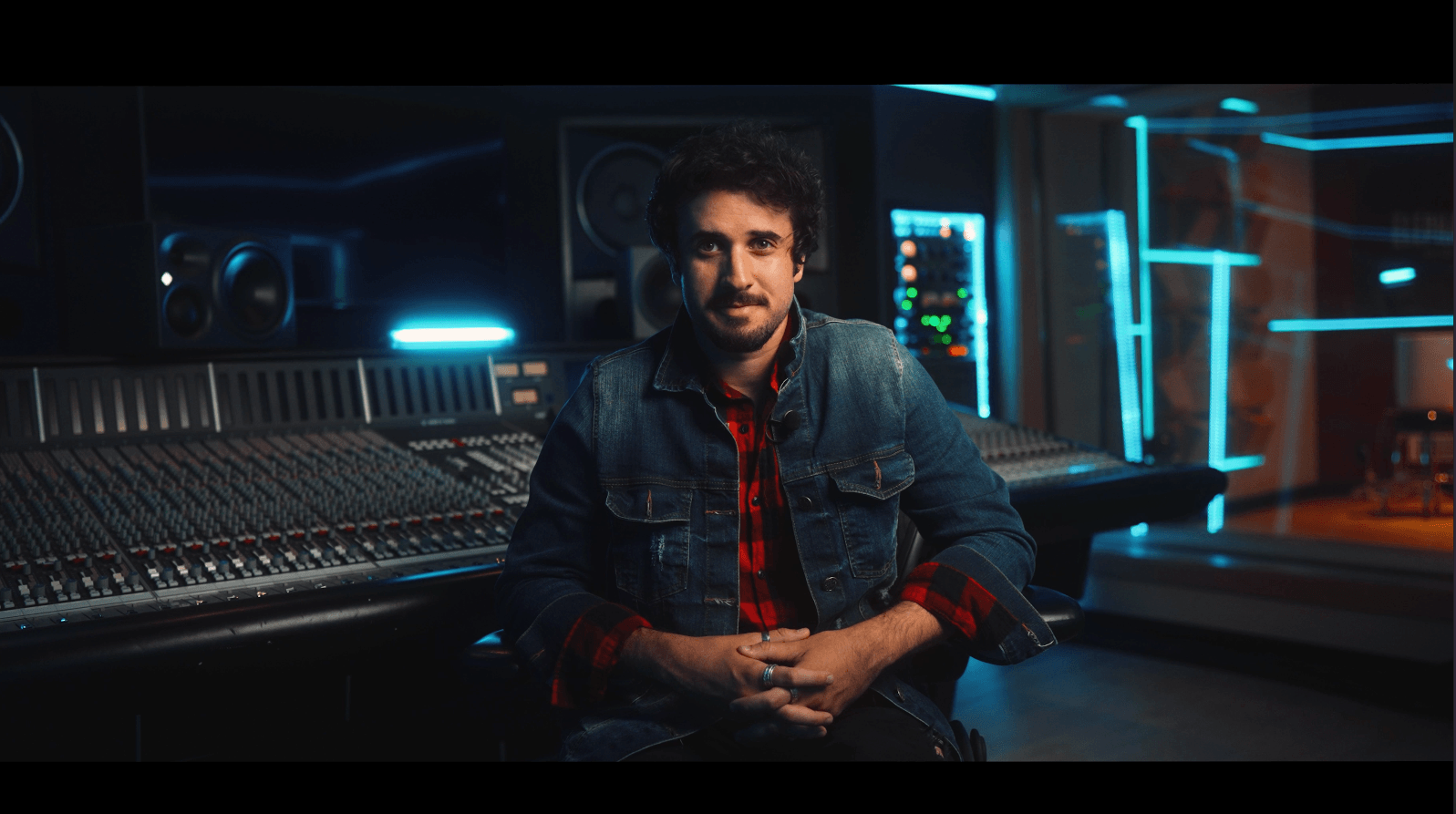
Image Credits
IMG_3593 (4) – Latin Grammys 2023 – Best Engineered Album Nominee – Sevilla (Spain)
IMG_6271 – Latin Grammys 2024 – Best Engineered Album Nominee – Miami (USA)
IMG_4420 (1) – Latin Grammys 2025 – Best Engineered Album Nominee – Las Vegas (USA)
PEIXOTO MIX SONASTÉRIO-5 – Sonastério Studio – Nova Lima / Minas Gerais (Brazil)
Screen Shot 2023-06-06 at 7.53.27 PM (1) – Elephant Office – Governador Celso Ramos / Santa Catarina (Brasil)
IMG_3175 – Los Angeles – 2026
Popular
-

Portraits of the Valley
-

LA’s Most Inspiring Stories
-

Rick Norris Learned That Building a Successful Business Means Building a Life You Actually Want to Live
-

How Olivia Rush Turned Survival Into a Mission to Help Others Keep Going
-

How Bibi Goldstein Is Helping Entrepreneurs Reclaim Their Time by Embracing the Power of Delegation
-

Victoria Hasson is Redefining Voice Coaching Through Community and Collaboration


