




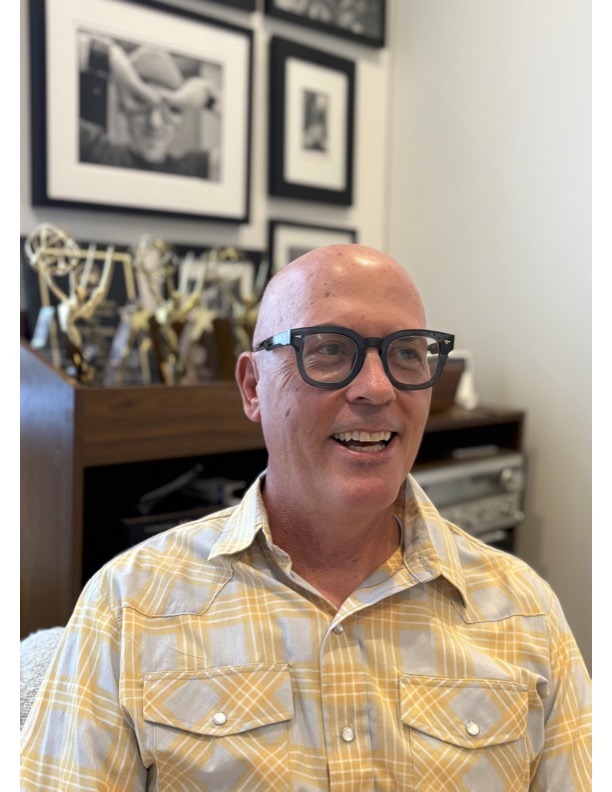
Today we’d like to introduce you to Erik Himmelsbach-Weinstein.
Hi Erik, thanks for sharing your story with us. To start, maybe you can tell our readers some of your backstory.
I’m a Los Angeles native, on the older side of Generation X. I moved around a lot as a kid, largely because my mother (who gave birth to me at 18) and father divorced when I was 2. She eventually married three times, but there were large periods when she was a single mom. We bounced from West L.A. to Venice to the San Fernando Valley – Sepulveda (now North Hills), Chatsworth, back to Sepulveda, then Granada Hills. Friends could be hard to come by, but this constant movement triggered a lifelong interest in telling L.A. stories, particularly those that have fallen through the cracks, or have been unjustly forgotten over time; these were the stories I most related to.
My love for journalism began in earnest at James Monroe High School, where I became the editor in chief of the weekly newspaper, the Monroe Doctrine. Editing the school paper gave me a sense of direction for which, for better or worse, there has been no Plan B. As a freshman at Cal State Fullerton, I was so focused on a journalism career that I began working on the Daily Titan the first semester of my freshman year, all while working nights and weekends at the L.A. Times as a prep sports clerk. It wasn’t fun, and I quickly realized embracing my college experience was more important than rushing to start my professional life and I transferred to UC Berkeley.
At Berkeley, I latched onto guiding principals that have shaped the rest of my life, primarily due to my housing situation as a resident of the co-op Barrington Hall, which was ground zero for alternative living, radical politics, and drug experimentation. The city of Berkeley shut the co-op down a few years after I graduated, but after living there with so many weird and interesting people, I aspired to live as colorful a life as possible.
Can you talk to us a bit about the challenges and lessons you’ve learned along the way. Looking back would you say it’s been easy or smooth in retrospect?
Any obstacles and challenges I faced stem from the environment from which I grew up. I was a child of a dysfunctional broken home (seven marriages between my parents) and there was no one encouraging me to achieve, either as a student or a professional. My mom was often broke and distracted, so anything I did was considered “great.” My greatest motivator, interestingly enough, was my parents. I looked at their lives and told myself, “I want just the opposite of that.” It’s largely worked, as a professional, as a husband, and as a parent. My life and career has been rich, rewarding, and rarely dull, but I’m not satisfied. My best work is still ahead of me.
As you know, we’re big fans of you and your work. For our readers who might not be as familiar what can you tell them about what you do?
My first real job was working as an editor at a glossy monthly regional magazine called Orange Coast, in Costa Mesa. It was a great opportunity and I learned a lot, though Orange County superficiality was definitely not my scene, and my sensibilities clashed with those of the publisher. After four years, I found my first dream job – as managing editor of the alt-weekly Los Angeles Reader. At 28, I could more or less shape our coverage as I saw fit, and I was surrounded by a staff of talented, rebellious writers and editors who saw things outside the prism of the mainstream media narrative. But, with the Internet looming, and the underresourced Reader in a race with the LA Weekly for advertisers it could never win, was bought and closed. I bounced around for a few years, working in New York as managing editor at Spin, at an Internet startup, a radio syndication company, nd freelancing, mostly covering music, television, film and books, for publications like Rolling Stone, Time Out New York, and Details. I even had a column for L.A. Citybeat called “Valley Boy.” After a year as managing editor of an adult internet industry trade magazine, I realized it was time to branch out. So I transitioned into TV production. For several years, I ran my own company — Gravity Hill Productions — and produced episodes of VH1’s Behind the Music and ESPN’s 30 For 30 franchise, among many other projects. I led production teams, directed shoots, wrote scripts, and oversaw postproduction. These project fed my passion for sports, music, and pop culture. Though I’m particularly proud of having produced ESPN’s “The Marinovich Project” and the VH1 Rock Doc “Monterey 40,” I eventually tired of the uncertainly of freelancing. In pursuit of more stability, I was hired at the Los Angeles Times, thanks largely to having the unusual combination of production skills and a background in print journalism. At the Times, I oversaw video for sports, features, food, and entertainment for more than five years. During my time there we got great engagement on social platforms, revolutionized the Times’ approach to video, and won many awards — including several Emmys — but, unfortunately the department was gutted by the 2024 layoffs. Standout projects there included overseeing a mini-doc that took an unconventional approach to the crimes of Charles Manson (“L.A. in the time of Manson”) and a mini-series taking a broad look at Fernando Valenzuela’s rookie season with the Dodgers and its impact on the city’s Latino population (Fernandomania @ 40″).
I was also grateful I was able to write at the Times. I had four front page Column One bylines while I was there, feeding my passion for digging into lesser known stories about the city, including an exploration of my Chickasaw relatives, who were pioneers in early Hollywood. I had been writing personal essays for the Times about my family for years; one, called “My Three Dads,” resulted in the archetypal Hollywood experience: five minutes of fame. Major talent agencies called me for meetings and I had breakfast with Sally Field, who told me she wanted to play my mother in a proposed movie. Like most of these stories, ultimately nothing happened.
Writing about my Chickasaw family jump started a rabbit hole dive into learning more about my family and the Chickasaw culture. The story was fortuitous in another way, as well, as I worked as director of communications for a California Native nonprofit for 18 months.
Now, I’m just trying to be a good parent to my adult kids and to find new ways to utilize my creativity. I’m focused on writing as a way to make some sense of my life.
If we knew you growing up, how would we have described you?
Because we moved so much when I was a kid, fitting in has been a constant in my life. I knew early on I was on my own. I taught myself how to read at 3, listening to Disney stories on a plastic suitcase record player, while following along with the accompanying book. I became super competitive academically in my early elementary school years at Coeur d’alene in Venice.
I loved reading and listening to music, much more than playing outside with the other kids. I didn’t really fit into the traditional childhood mold, and it was easy to isolate, as I was the only child in the house. I actually enjoyed it. My parents didn’t understand this, and sent me to a psychiatrist. All I can recall about these appointments is talking about the Beatles with the doctor — my obsession with the group started at 6. Though my parents didn’t know what to make of me, I was lucky to be accepted into a gifted program run by a student teacher named Lynn McFarland Busia, who became a mentor and surrogate mother, convincing me I could do whatever I wanted. We are still friends 50 years later.
We moved to the Valley when I was 8, and mom and her second husband divorced soon after, which started a journey through the Valley – I attended three schools in 5th grade – until we settled in an apartment across the street from Langdon Avenue Elementary. I found friendships through music (debating the merits of KISS and Elton John) and began to love playing baseball, as it was something I was pretty good at, particularly when I started wearing glasses and could actually see the ball. And I still loved to read, although not the usual kid stuff – I wrote book reports on Vincent Bugliosi’s Helter Skelter and The Essential Lenny Bruce in 6th grade.
While at Sepulveda Junior High School, I unsuccessfully auditioned twice for “The Gong Show” – once with a group of kids dressed as cowboys playing “The William Tell Overture” on kazoo while someone rode a hobby horse and shot off a cap gun. The other was performing Elvis Costello’s “Mystery Dance.” accompanied by piano. I was a terrible singer.
The high school newspaper gave me a sense of place and my own tribe of friends, as I rejected the shallowness of school popularity and those who pursued it. Instead, my friendships were with kids who didn’t front squeaky clean perfection, those from broken homes who stole cars, smoked weed, popped black beauties, and drank Bacardi and Cokes until they puked. I wasn’t anywhere close to delinquent level, but this was a crowd in which I fit in and was accepted without judgment.
At 19, my mother showed me a tattered old photo of a baby sitting in a hospital bassinet. She said it was my brother. When she and my father divorced, she was pregnant (I was 2). Given our tenuous financial situation – welfare, food stamps – my grandparents told my mom, then just 20, that she could absolutely not keep the baby. He was given up for adoption. Years later, I found him through an America Online adoption room; it turned out he attended a rival high school, so conceivably, we could have attended the same parties at school. We made many efforts to grow closer, but we had little in common, and he had very little curiosity about his birth family. So we eventually drifted apart. soon after I wrote a story about our attempts to connect.
Contact Info:
- Website: https://www.valleyboy.net
- Instagram: https://www.instagram.com/erikhw/
- Facebook: ook.com/erik.himmelsbachweinstei
- LinkedIn: https://www.linkedin.com/in/erik-himmelsbach-weinstein-78bb71/
- Youtube: https://www.youtube.com/watch?v=AXqBeJrKinE&t=325s
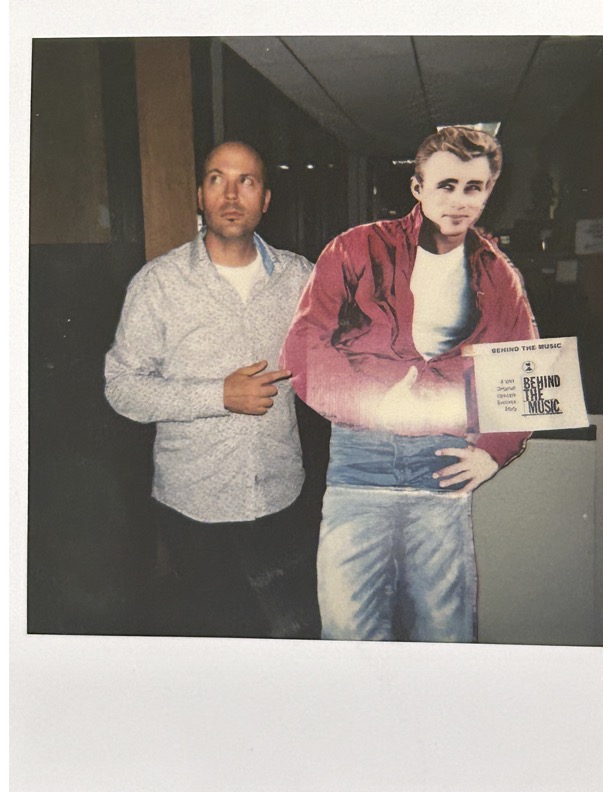
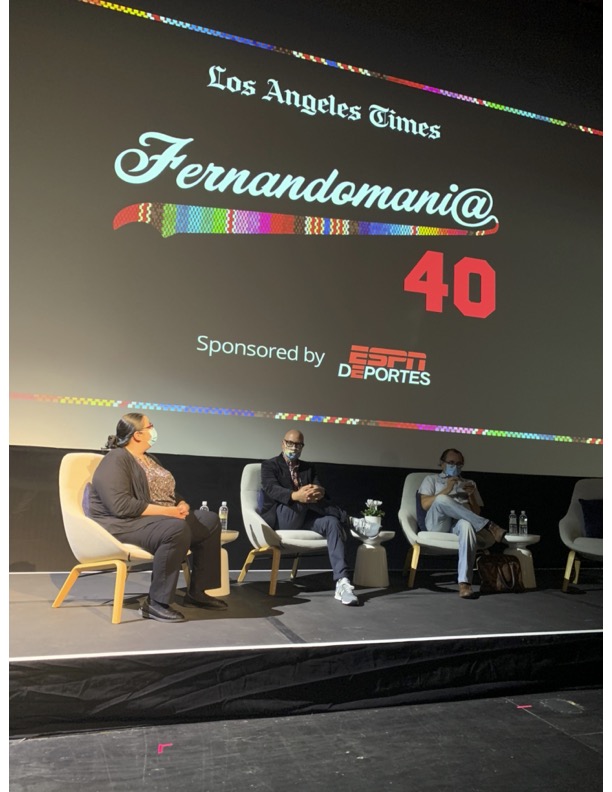
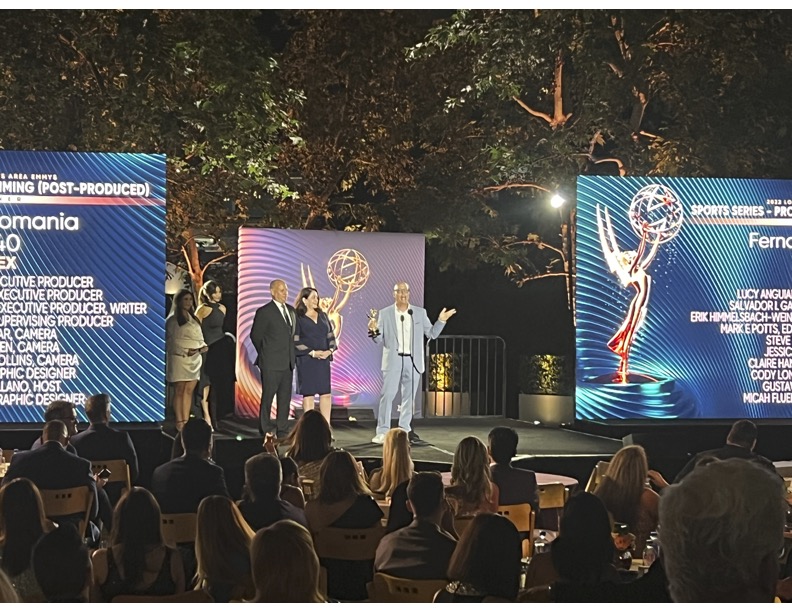
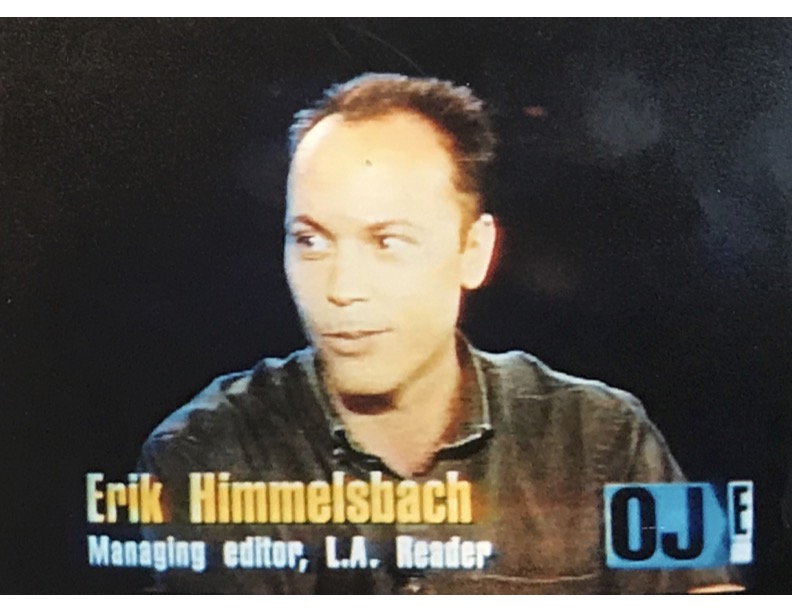
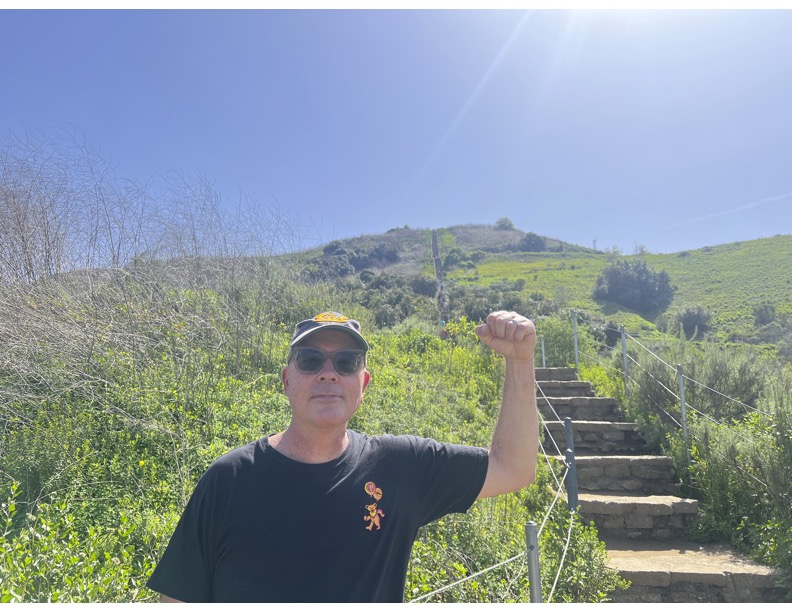
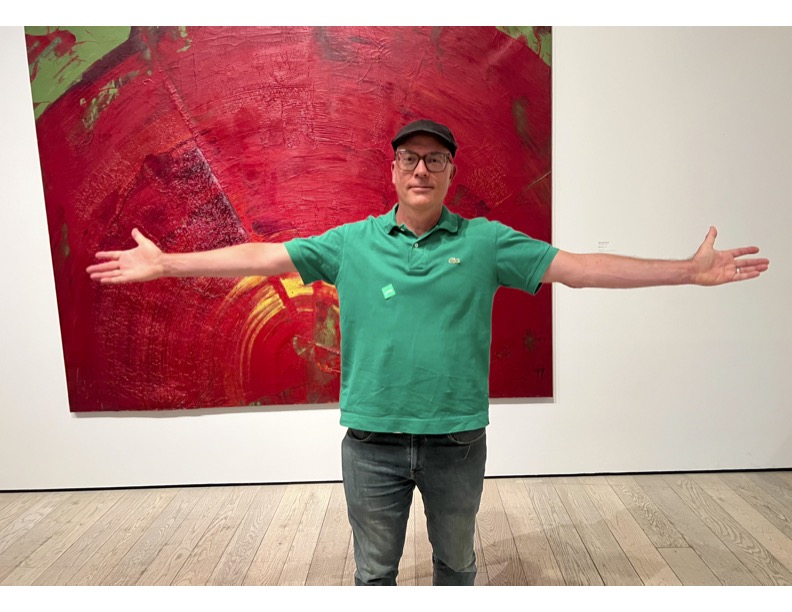
Image Credits
Personal photo: Liv Weinstein. other photos: Carrie Kneitel, Steve Appleford, Barb Held
Popular
-

Portraits of the Valley
-

LA’s Most Inspiring Stories
-

Rick Norris Learned That Building a Successful Business Means Building a Life You Actually Want to Live
-
How Olivia Rush Turned Survival Into a Mission to Help Others Keep Going
-

How Bibi Goldstein Is Helping Entrepreneurs Reclaim Their Time by Embracing the Power of Delegation
-
Victoria Hasson is Redefining Voice Coaching Through Community and Collaboration


