




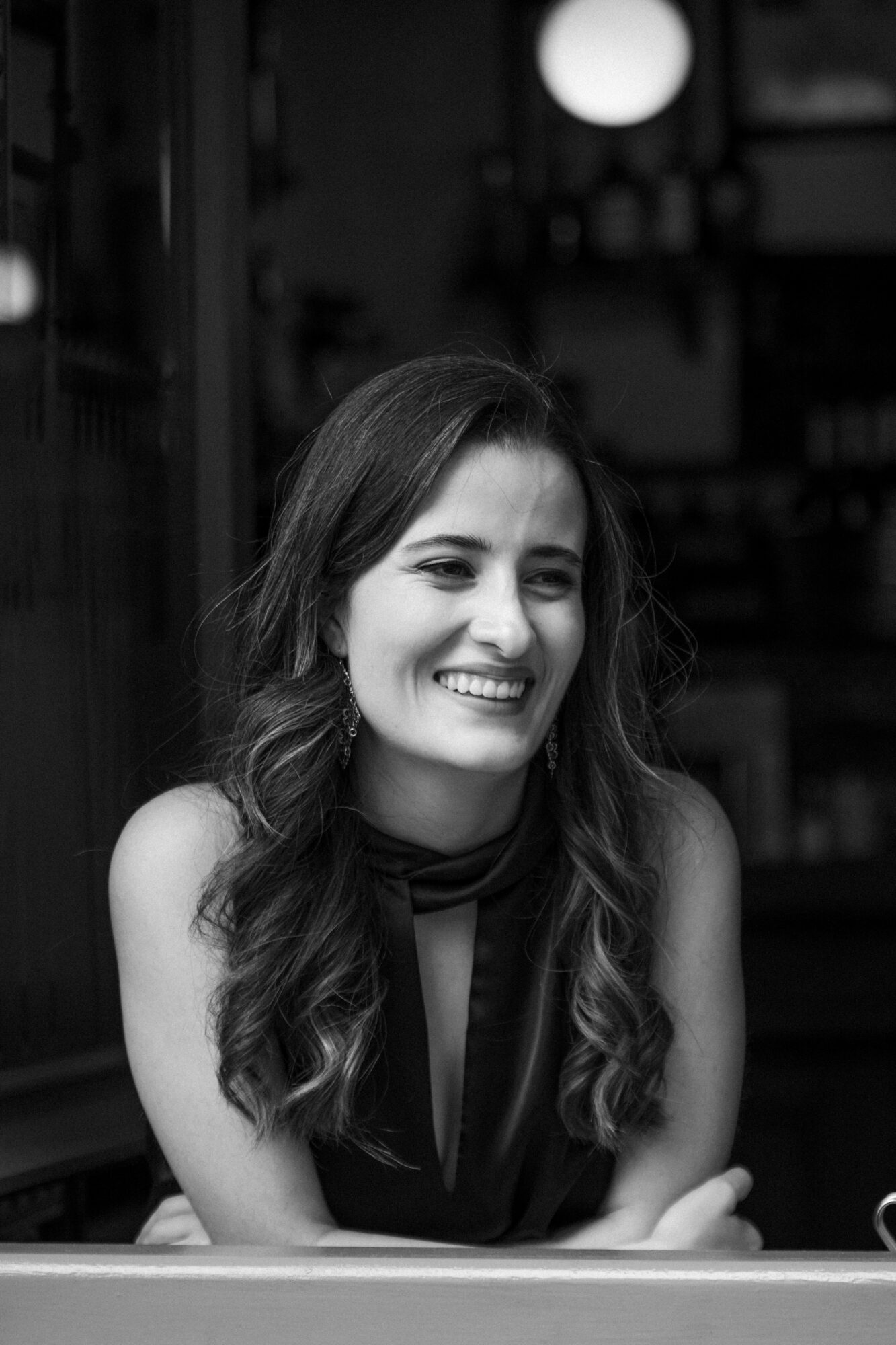
Today we’d like to introduce you to Morgana Acevedo Cordero.
Hi Morgana, thanks for joining us today. We’d love for you to start by introducing yourself.
I grew up in a family of artists, which naturally fostered my deep connection to music and storytelling from a very early age. My grandmother was a painter, my father and aunt are photographers, my mom and uncle are film directors. In fact, I fell in love with film music early on and ended up composing my very first soundtrack when I was just fifteen for one of my mom’s feature films.
That passion led me to pursue formal training at the Berklee College of Music in Boston, where I received the Berklee Latin American Scholarship and graduated Magna Cum Laude in Film Scoring. Right after graduating, I moved to Los Angeles to launch my professional career, working as a Music Editor and Score Coordinator alongside renowned composer Lucas Vidal (Fast and Furious, Élite).
That experience opened the door to contributing to a wide range of high-profile productions for platforms like Netflix, Amazon Prime, and Movistar+, including projects such as Élite, Xtremo, The Minions of Midas, and others.
Today, I’m based in Madrid (about 7 years now), composing scores across feature films, television shows, video games, and special projects—ranging from the Goya-nominated short film film Nacer to scoring for Paris Fashion Week 2025.
Can you talk to us a bit about the challenges and lessons you’ve learned along the way. Looking back would you say it’s been easy or smooth in retrospect?
It definitely hasn’t been a smooth, linear road… It’s had its fair share of highs and lows.
One of the main challenges in this line of work is the lack of guaranteed stability. Because everything is project-based, you have to learn to navigate periods of uncertainty and get comfortable with that rhythm. There are times when financial instability can be stressful, and times when tight deadlines demand intense, around-the-clock focus.
When you’re younger and less experienced, it’s very easy to throw yourself entirely into the work and overlook your physical and mental health. Over time, though, going through those high-pressure cycles teaches you invaluable lessons. I’ve learned how crucial it is to set boundaries, prioritize my well-being, and cultivate a healthy work-life balance.
At the end of the day, despite the struggles, I think the reward far outweighs the difficulty. Being able to do what I truly love every day is an incredible privilege. That passion is what keeps me grounded and continually motivated.
Alright, so let’s switch gears a bit and talk business. What should we know about your work?
At its core, my specialization is composing for visual media—whether that’s feature films, television, video games, or artistic performances. I absolutely love blending acoustic and electronic textures.
In film scoring, my approach is usually very structured and precise. Normally, when I score a movie, I work around exact timecodes and sync points to ensure every musical gesture fits the scene like a glove.
However, one of the projects I am most proud of—and one that completely shifted my perspective on composition—happened last year when I was asked to compose the soundtrack for a runway show at Paris Fashion Week, which featured a live performance with two ballet dancers.
Unlike film, where the visual is fixed and I write to match it, this project was very collaborative. I created musical sections while the dancers developed their choreography alongside my music, and we adjusted back and forth. Instead of scoring to a picture, we were building two art forms together in real time. It pushed me out of my confort zone and made me compose with a different kind of freedom. I think this stands out as one of the most rewarding creative experiences of my career so far.
Is there anything else you’d like to share with our readers?
If there’s one thing I’ve learned through every score and project, it’s that music has a unique way of unlocking emotions that words or visuals alone can’t reach. That include silence! 🙂
Film scoring is often called ‘the invisible art’ because when it’s done right, it seamlessly weaves into the story without pulling you out. But it carries so much of the emotional weight. I hope whenever readers watch their next movie or play a game, they take a second to listen to the score and feel how much heart goes into those sonic worlds.
Contact Info:
- Website: https://play.reelcrafter.com/i8F5hL5vT225VIvC5m2Wwg
- Instagram: http://instagram.com/morgana.music/
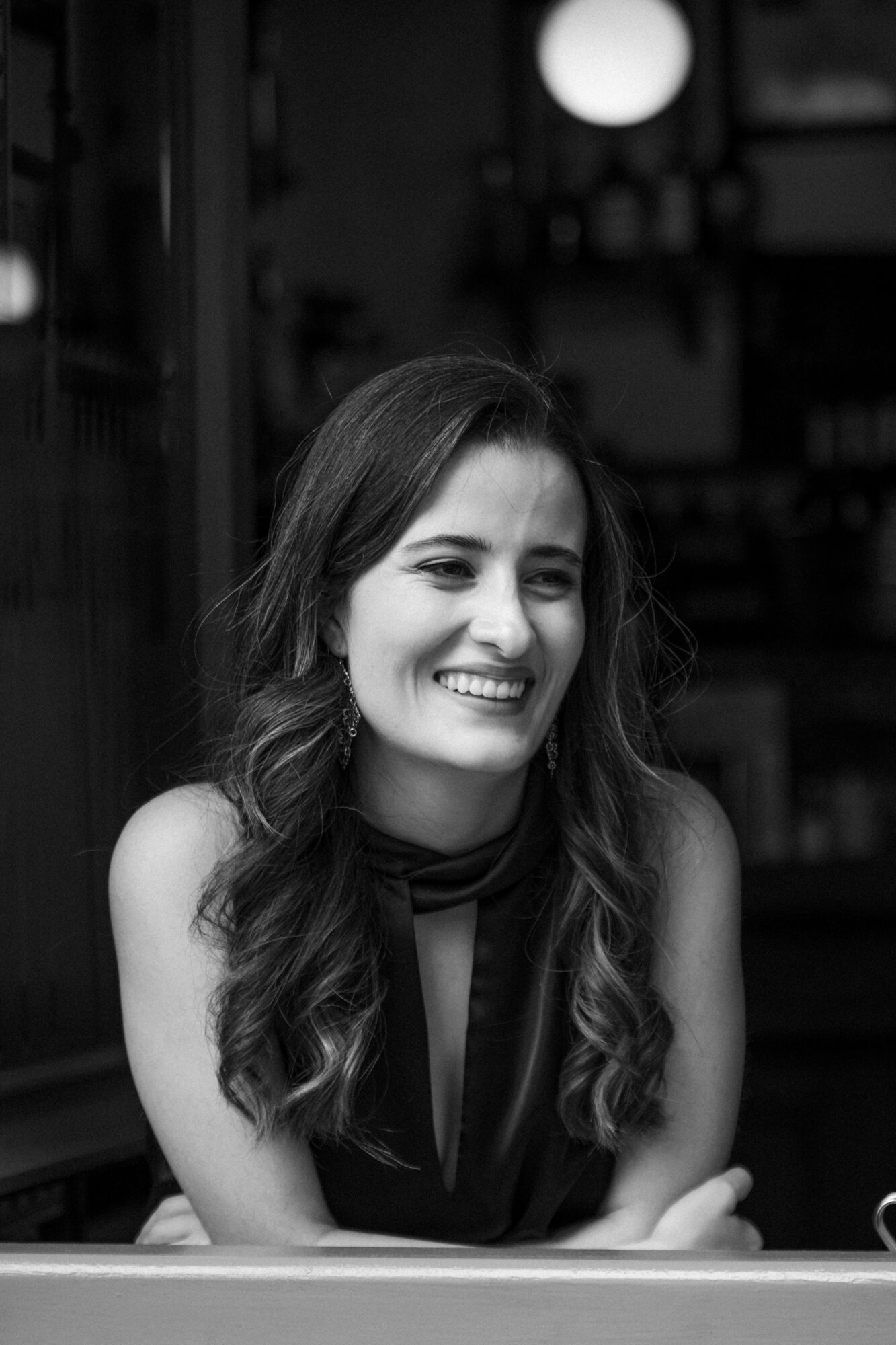
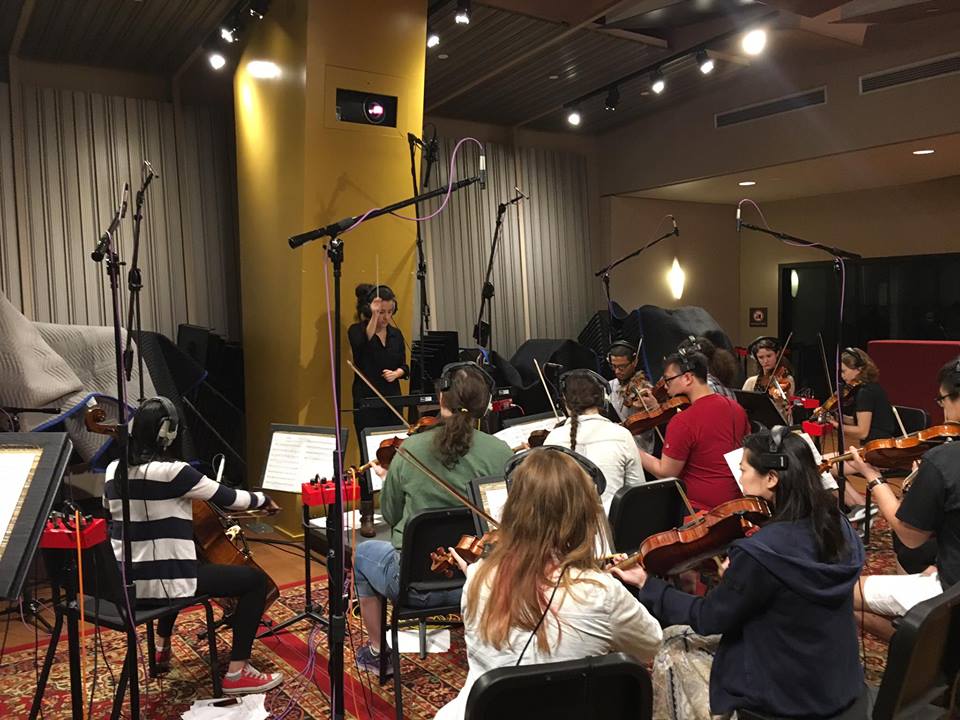
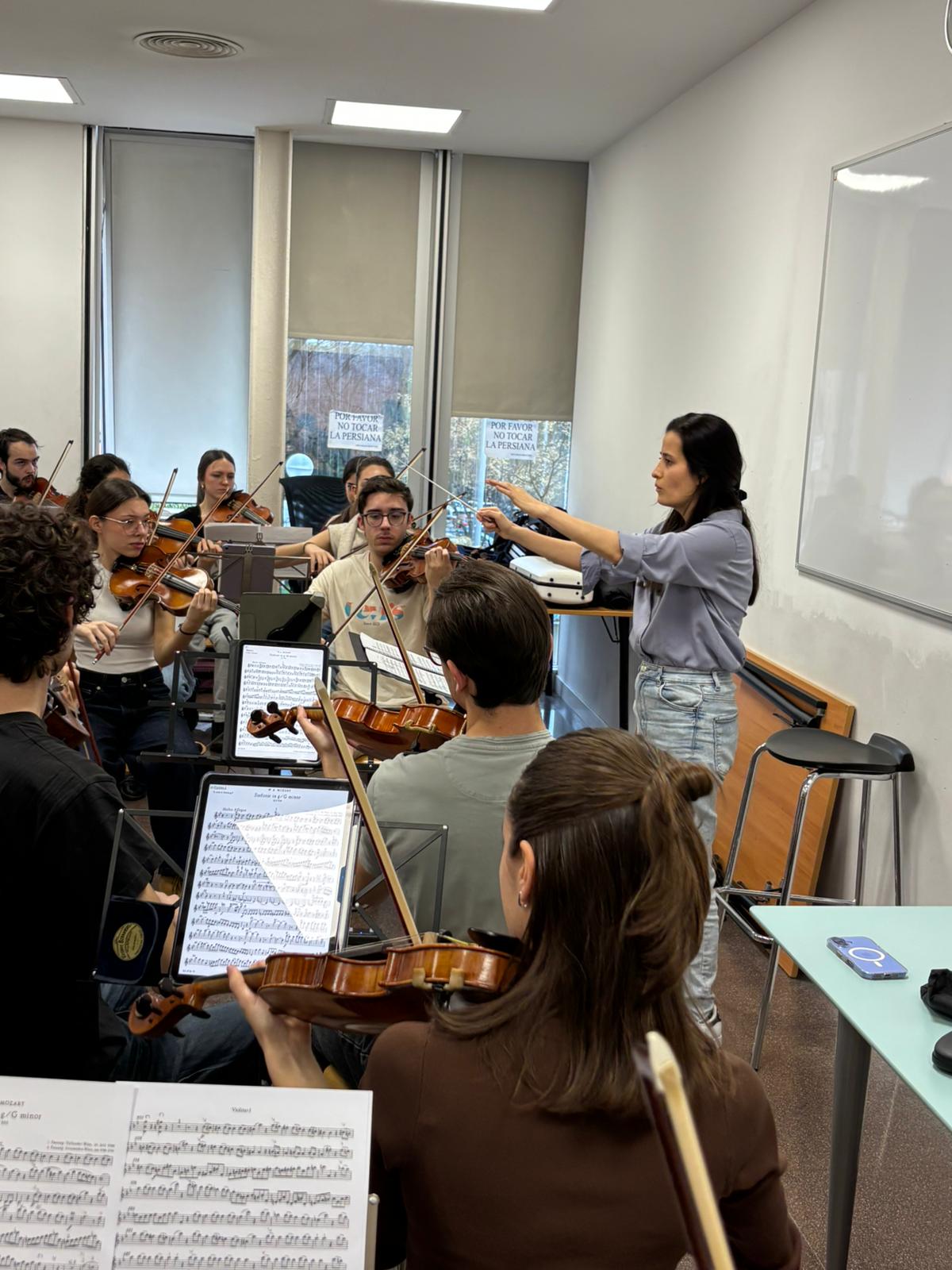
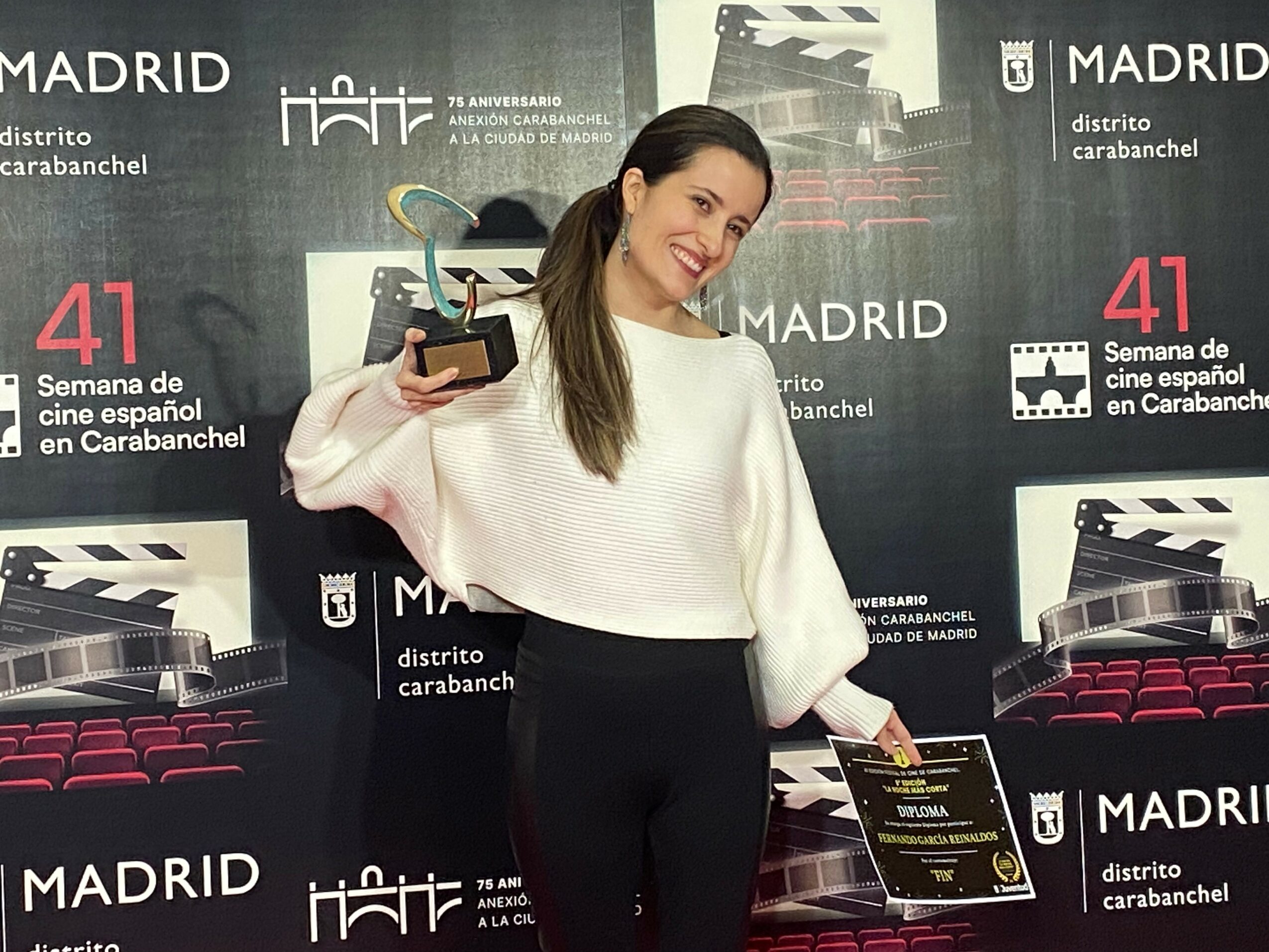
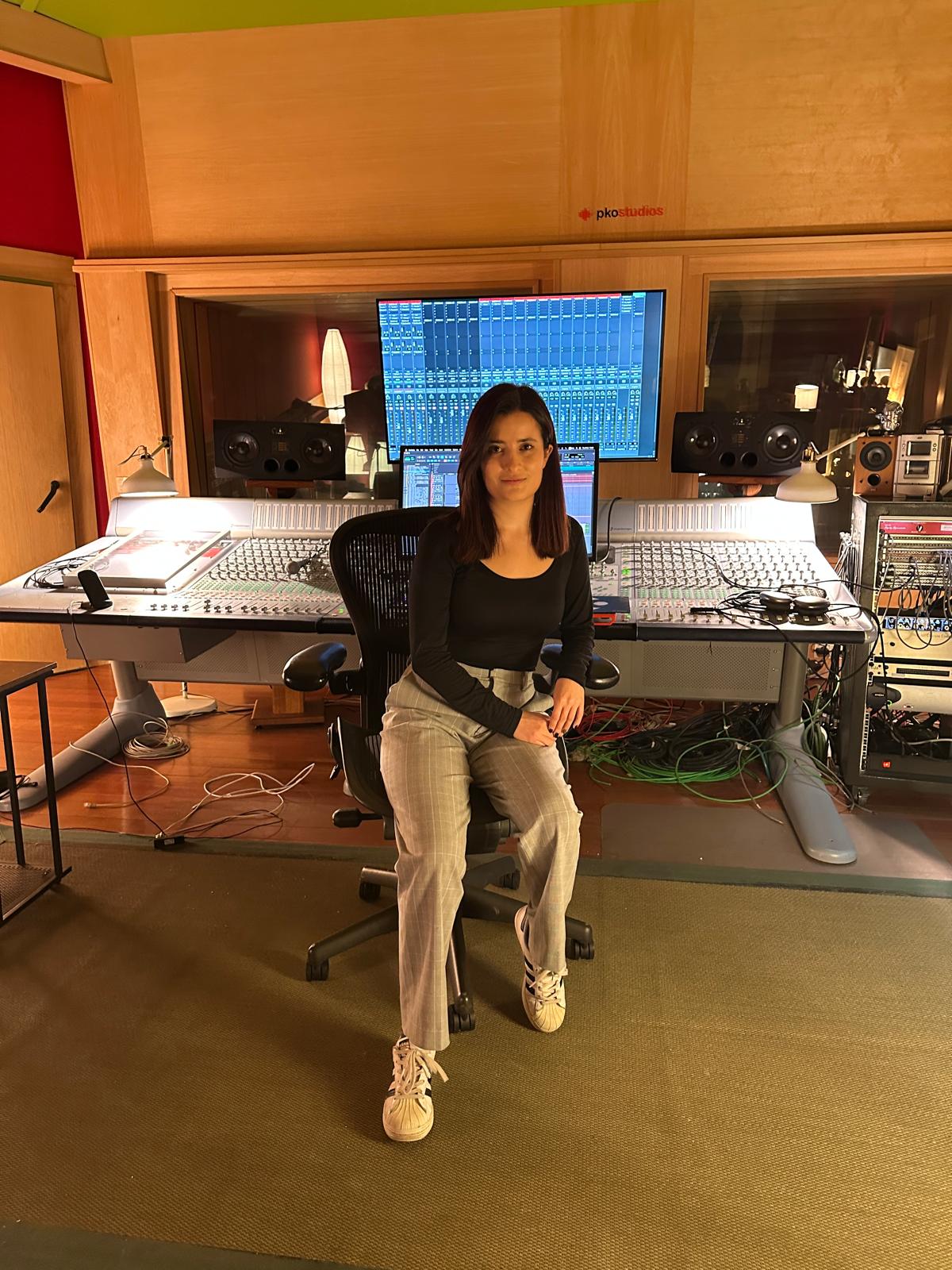
Image Credits
Josep Pinyol
Popular
-

Portraits of the Valley
-

LA’s Most Inspiring Stories
-

Rick Norris Learned That Building a Successful Business Means Building a Life You Actually Want to Live
-
How Olivia Rush Turned Survival Into a Mission to Help Others Keep Going
-

How Bibi Goldstein Is Helping Entrepreneurs Reclaim Their Time by Embracing the Power of Delegation
-
Victoria Hasson is Redefining Voice Coaching Through Community and Collaboration


