



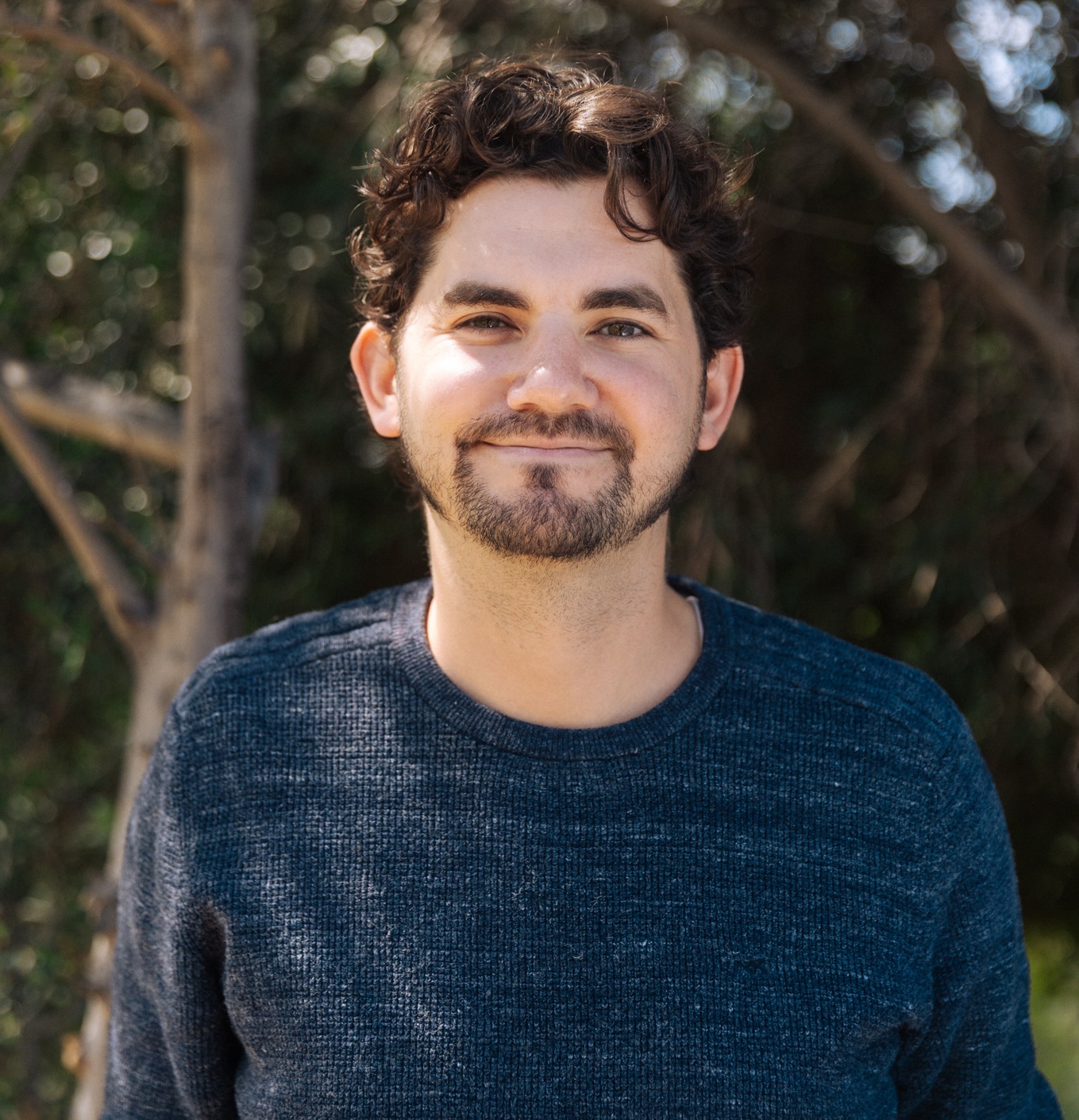
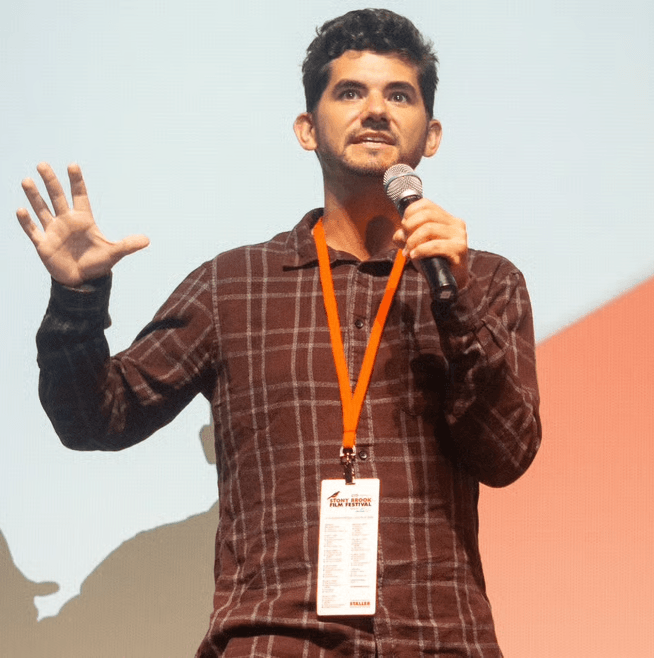
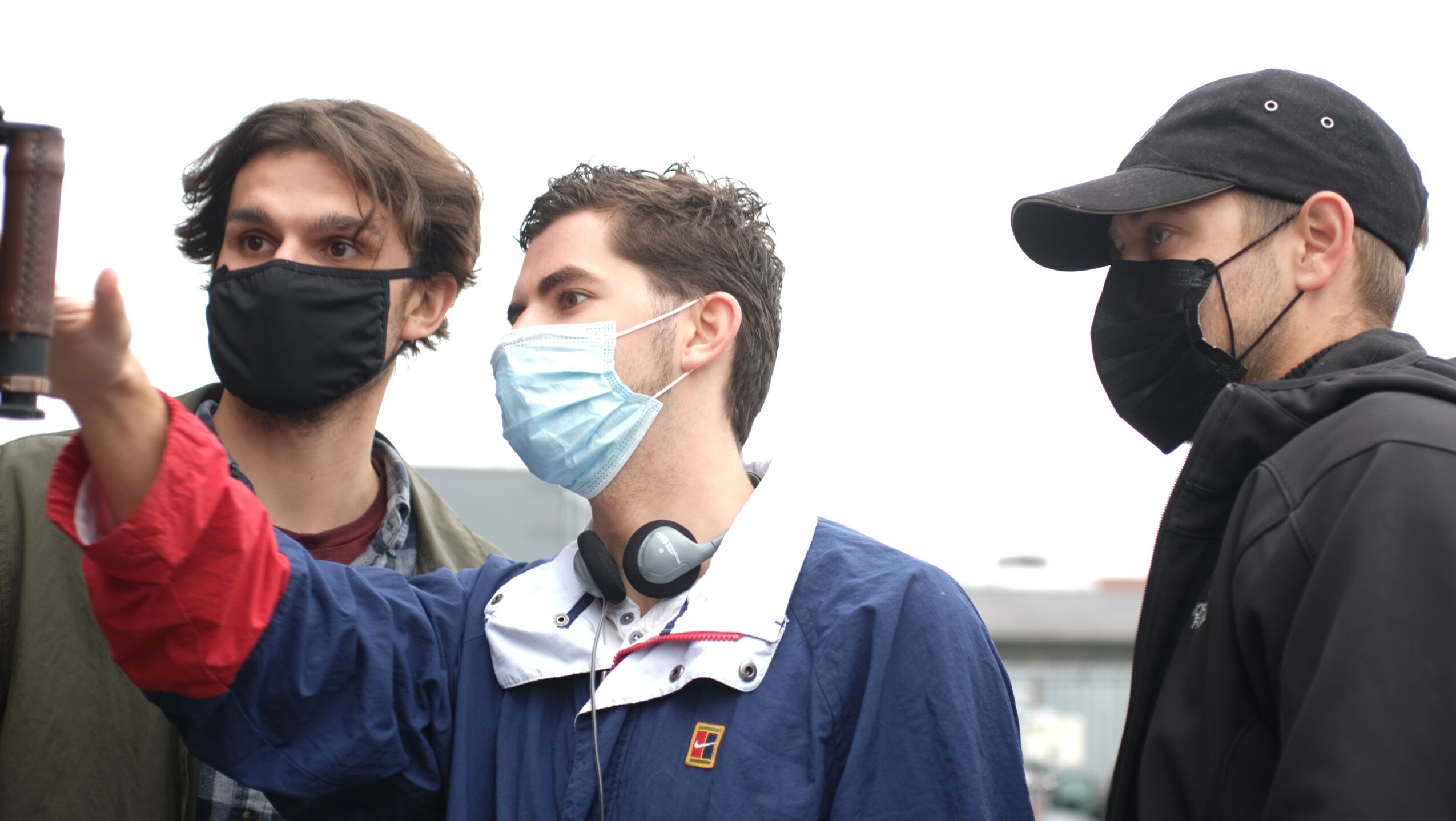
Today we’d like to introduce you to Derrick Owens.
Hi Derrick, thanks for sharing your story with us. To start, maybe you can tell our readers some of your backstory.
I was born and raised in Richmond, Virginia. I had a pretty classic suburban childhood, running around the neighborhood with my friends playing sports or hanging out at the creek behind my house. I suppose the more unconventional aspect was that when I was ten, my parents decided that we’d become a foster family. My two biological sisters and I grew up with foster siblings and my family ended up adopting my youngest sister, whose father had been undocumented. That didn’t feel atypical at the time. That was just what our family life was, but I think those experiences did open me up to thinking about the world outside of our suburban bubble.
In terms of being exposed to the arts, my mom taught drawing and painting classes out of our basement before becoming an art teacher at a public school. My sisters definitely took more after my mom and were natural artists. Their work was always all over our house, and I always joke that the day I realized I wasn’t going to be a painter was the day I found my drawings hanging in our basement bathroom. In fairness, I could barely draw a stick figure.
As I got older, I really gravitated towards writing and photography. I loved writing for my high school newspaper and I thought I wanted to be a sports journalist. I was also in love with movies, watching everything that I could, but that didn’t seem like a realistic career. There was a newspaper in our town but I didn’t know anyone that made movies. When I got to college, I took a filmmaking course in the first semester and became totally hooked. I switched my major within a month.
When I graduated, I wasn’t ready to move out to Los Angeles, even though a lot of my friends came out right away. I think I was afraid of getting settled into my career too fast. I ended up joining AmeriCorps, and I spent a year in a small town on the Big Island of Hawaii teaching film and media at a middle school. I genuinely loved the work, but I couldn’t stop thinking about making films.
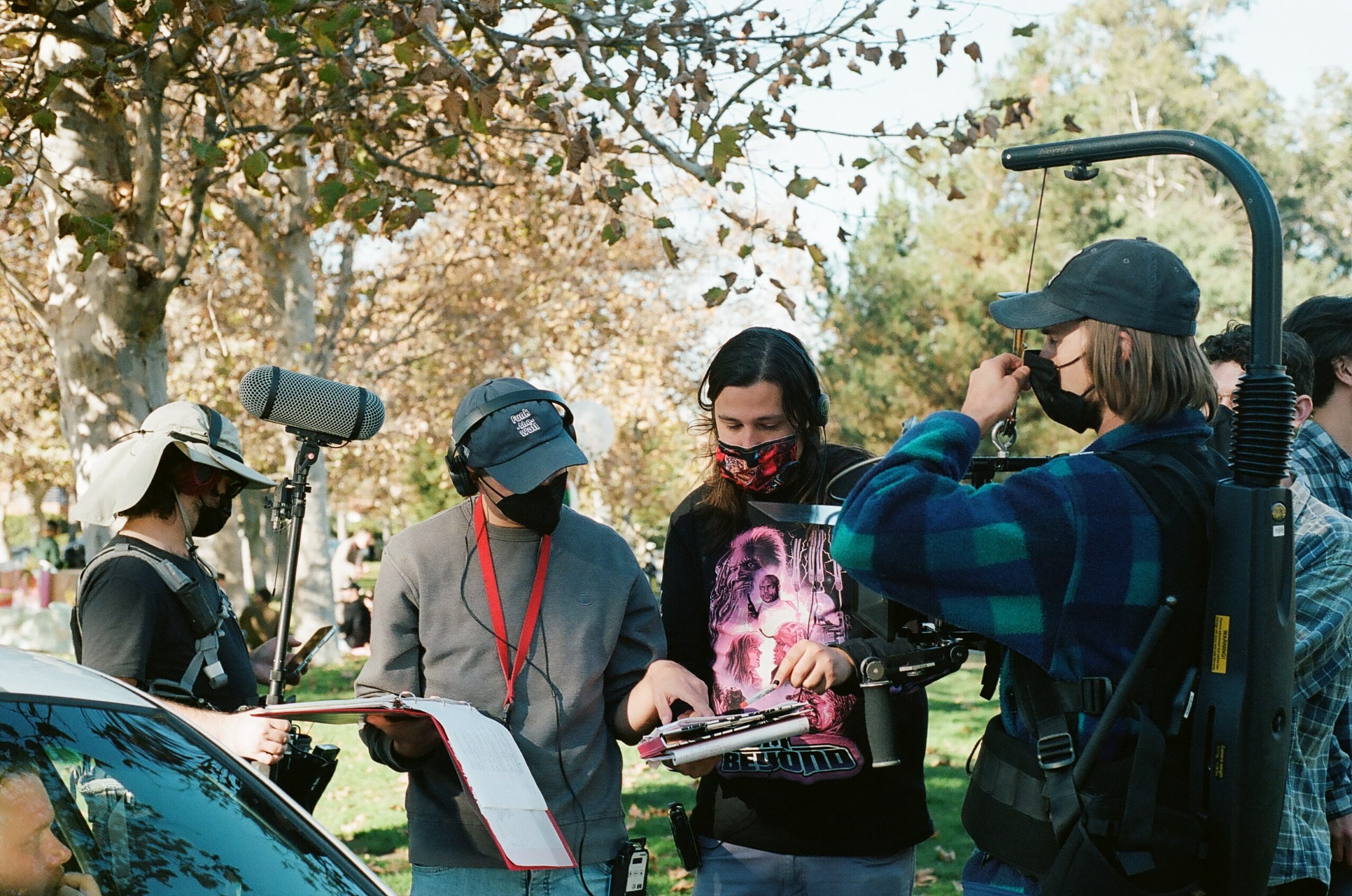
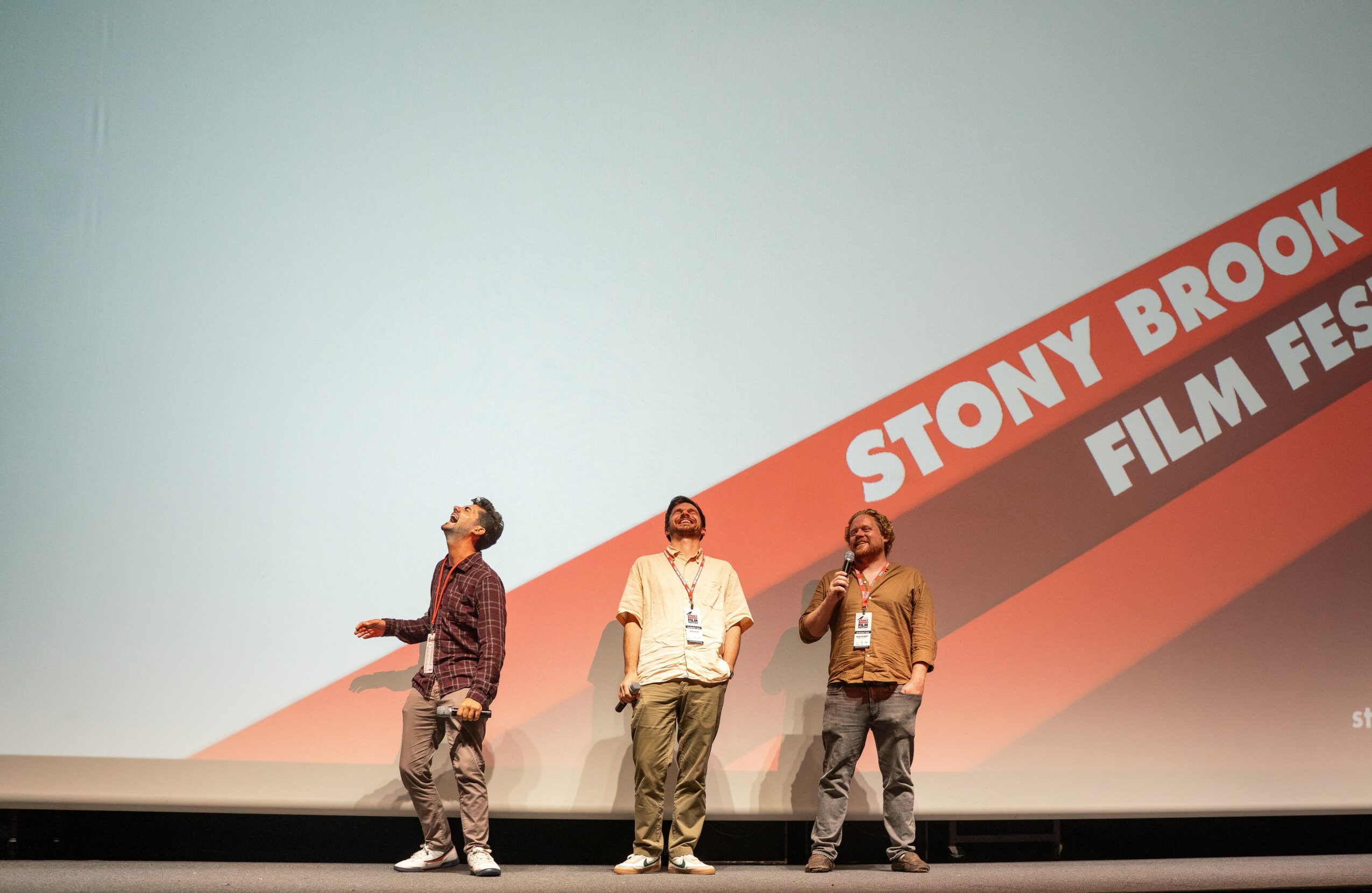
After that, I moved to New York for two years, where I worked as an NBC Page, but I had really started to gravitate towards independent film. I produced my first feature, Roman Candles, on nights and weekends while working at NBC. That experience then led to my directorial debut, Month to Month, which I co-wrote and co-directed with Mike Koslov. That’s the project that brought me to Los Angeles. In many ways, making that film was my grad school. We crowdfunded and produced the film along with writing, directing, and editing it. We got to do a festival and screening tour with the film a couple years ago, and it was released on Amazon Prime and Tubi earlier this year.
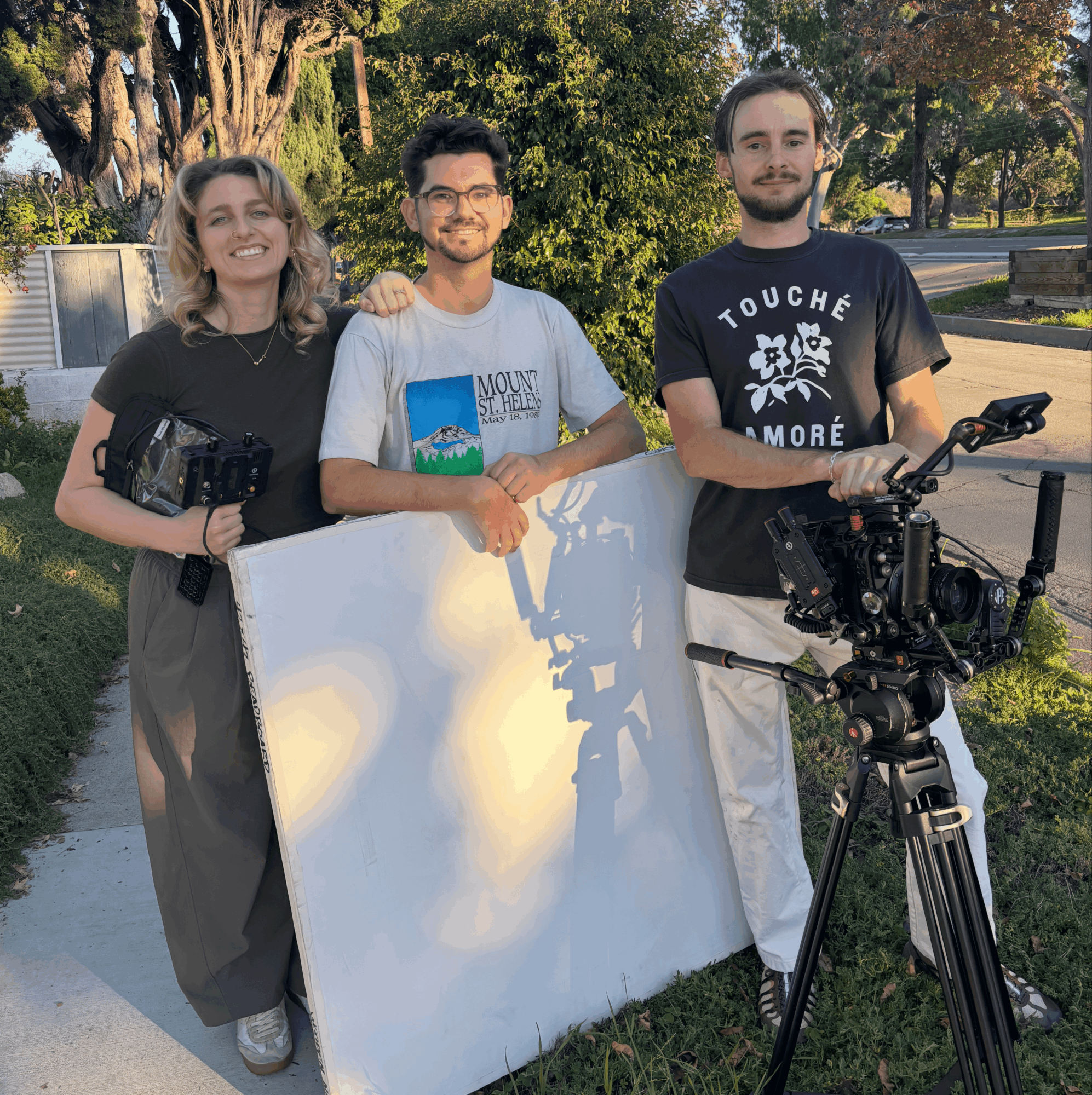
Over the course of making Month to Month, I began to produce and direct short-form content at a small ad agency. I left that company in 2025 and formed High & Low Films with two of my longtime friends and collaborators, Isobella Antelis and Logan Regnier. We started the company to make cinematic videos for mission-driven brands and organizations, and it’s been exciting to watch that work grow over the last year.
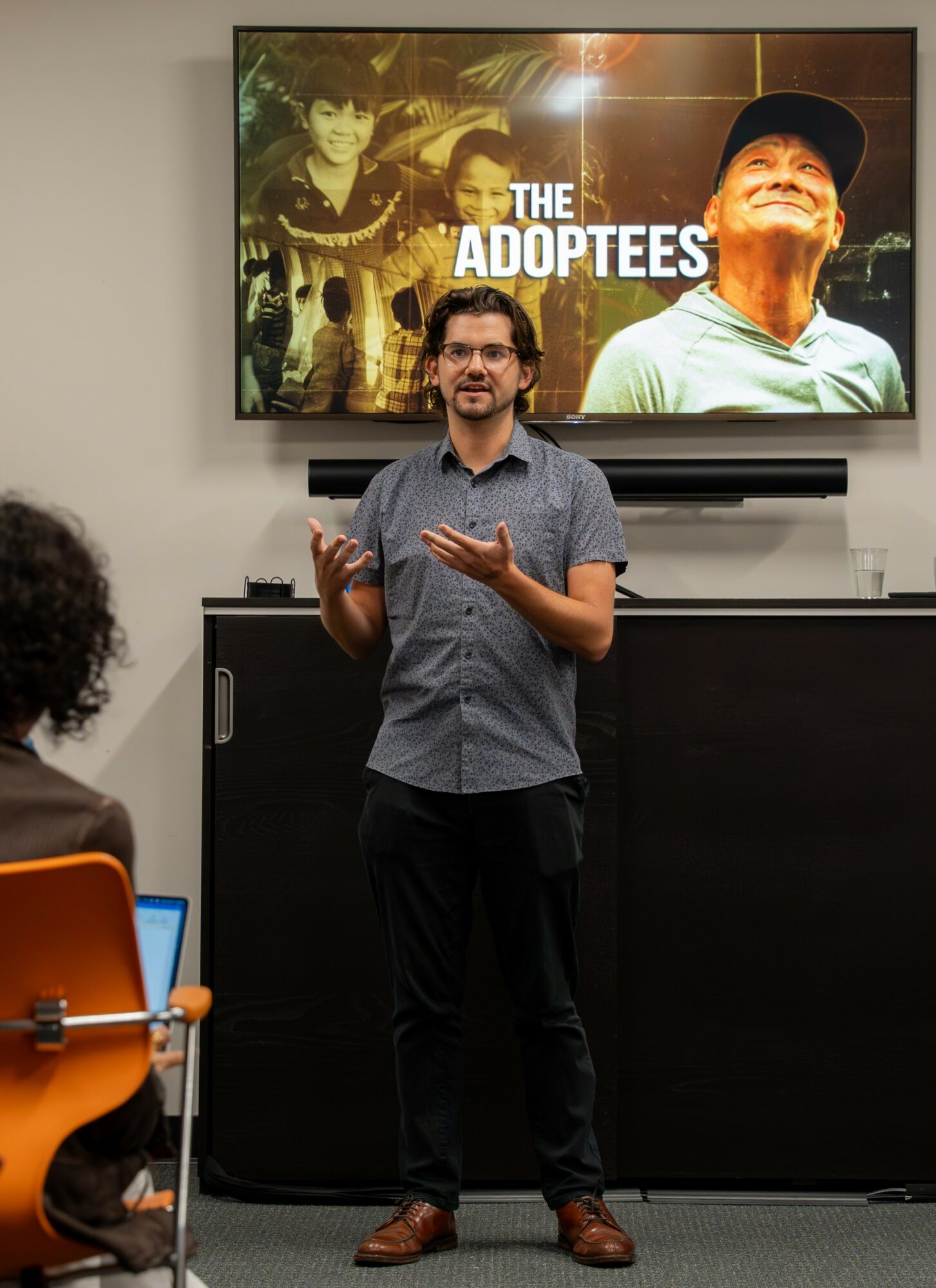
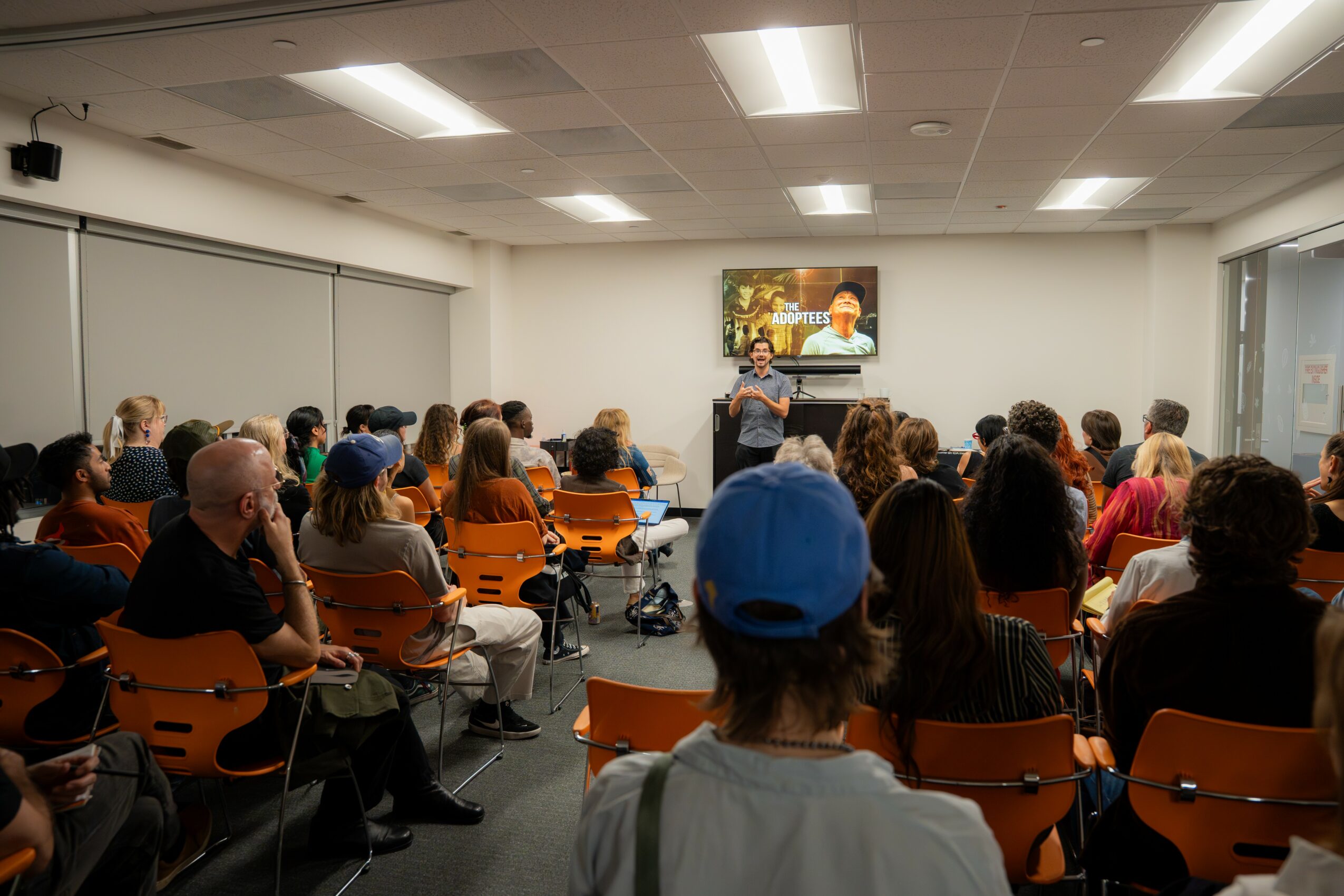
I’ve also been working on my second feature film, a documentary called The Adoptees, which is currently in production. The film follows my friend Mike Frailey on his journey reclaiming his life story, fifty years after being evacuated and adopted out of Vietnam at the end of the war. Mike and I met while working together at the school in Hawaii, and our friendship is really where the project came from. Because of that experience growing up in an adoptive family, it’s also a really personal project. I’ve gotten to explore my own upbringing and connect with adoptee communities across the world. We are scheduled to wrap shooting on the film next year with a festival premiere in 2028.
Alright, so let’s dig a little deeper into the story – has it been an easy path overall and if not, what were the challenges you’ve had to overcome?
It hasn’t been easy, but I think that’s most of our stories. This is a difficult industry for anyone to navigate, especially those of us coming in without family or some other preexisting connections. In the eight years since I graduated college, we’ve gone through a pandemic, two strikes, corporate consolidation, the implosion of streaming, and now AI. This is an industry that was already struggling and has now become harder and more competitive.
This is a city of freelancers, myself included, and everyone feels the squeeze. I know so many talented people that just want to work. In addition, getting projects financed is really challenging. With the documentary I’m working on, so much PBS and public funding has been slashed in just the last two years. All of this takes a toll. It can be depressing and disheartening, because it feels like the ability to do your work, get it seen, and make a living is shrinking.
That said, I do see things beginning to change. I see filmmakers and many in the industry beginning to push back against these trends. I find that people are really willing to share the new ways they are approaching these problems. There’s less gatekeeping and a real desire to imagine something different moving forward, new systems of finance, production, and distribution that are ethical and artist-friendly. I see grassroots movements like Block the Merger or Stay In LA as bringing our industry together to combat these issues head-on.
Can you tell our readers more about what you do and what you think sets you apart from others?
My work really exists in two different lanes. The first is my filmmaking practice. These are the features and short films I’ve been directing and producing for almost a decade. That’s the kind of work I’ve been dreaming about making since I was a teenager. I’m someone that generally resists putting myself in a box and tying myself to one specific type of story or genre. My first film was a comedy-drama inspired by the slacker films of the 90s. My second film is a world-spanning historical documentary. On the surface, those two projects seem very different, but, for me, they are connected. With each project, I find myself going back to this question of what makes for a meaningful life, not necessarily for the people in power, but for those of us on the ground level. I try to incorporate everything I make with humor and pathos, and I’m really drawn to the idea that films, instead of solely being an escape from reality, can let us see the beauty in the details, warts and all.
The other lane is the work I do for brands, organizations, and campaigns through High & Low Films. This work extends from everything I’ve learned working in independent film. I’m proud that we create really high-quality content because we’ve learned how to get the most out of our resources, but even more importantly, it’s about the process. Our work on indies lives and dies on the authenticity of the story we’re capturing, whether it’s narrative or documentary. We bring that ethos to everything we work on. One of my proudest moments was directing a campaign video for a Los Angeles School Board candidate last cycle. At the time, there were no active teachers serving on the school board, and this candidate was looking to change that. We spent time with her and her campaign volunteers as they went door to door through her district talking to voters. We went to her home and spent time with her family. I’m proud of what we created, and she ended up winning her race by nearly 20 points.
What matters most to you?
What matters most to me is my community. I think that starts with my family. My parents really shaped my values and encouraged me to follow my passions. They made everything possible, and I’m always indebted to them for that. They really demonstrated how to live with integrity. My sisters continue to inspire me through their work and the people they’ve become, and they mean everything to me.
I wouldn’t be anywhere without the support of my friends. I’m really lucky to have incredibly talented friends who I’ve been able to collaborate with over the years. They’re the ones that make this work so much fun. I also have a lot of friends and family, outside of the industry, who have supported me in pursuing this dream. They continue to show up for me however they can. That is really moving, and it matters to me to do the same for them.
Lastly, I really mean community in the larger sense. We live in a time where greed, selfishness, and fear have possessed so many of our institutions. Investing in our communities is more important than ever. Our neighbors are being kidnapped, and our tax money is supporting unjust foreign wars. We have a responsibility to do something. As a citizen, I think this means getting involved, donating our time and money, and pushing for real systemic change. As a filmmaker, I think that means not just trying to tell meaningful stories, but using those stories to push for change or bring people together. I think that’s our responsibility.
Contact Info:
- Website: https://www.derrickowens.com/
- Instagram: https://www.instagram.com/_derrick.owens/
- LinkedIn: https://www.linkedin.com/in/derrick-owens/
- Other: https://derrickowens.substack.com/
Popular
-

Portraits of the Valley
-

LA’s Most Inspiring Stories
-
Rick Norris Learned That Building a Successful Business Means Building a Life You Actually Want to Live
-
How Olivia Rush Turned Survival Into a Mission to Help Others Keep Going
-
How Bibi Goldstein Is Helping Entrepreneurs Reclaim Their Time by Embracing the Power of Delegation
-
Victoria Hasson is Redefining Voice Coaching Through Community and Collaboration


