




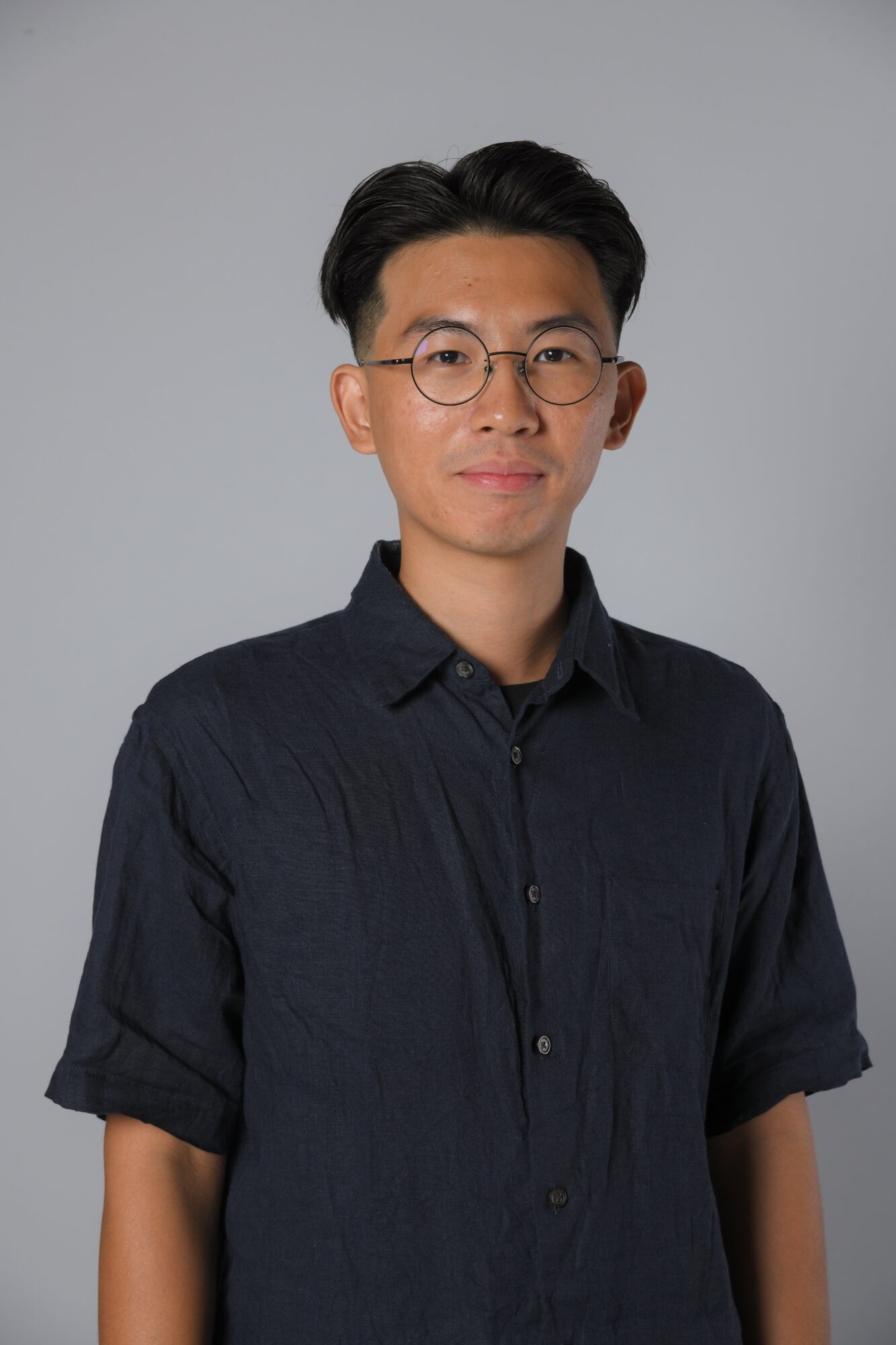
Today we’d like to introduce you to Chun-Chih Chen.
Hi Chun-Chih, so excited to have you on the platform. So before we get into questions about your work-life, maybe you can bring our readers up to speed on your story and how you got to where you are today?
I was born and raised in Taiwan, and I’m currently in my second year at the American Film Institute, pursuing my MFA in Cinematography.
When I was a child, watching movies with my parents was an important family ritual that brought us together. My father was a big fan of Hollywood blockbusters, and we would spend weekends watching DVDs of movies like Die Hard and Jurassic Park. The stunning images on the screen sparked my imagination, and the stories in those films became a portal to worlds beyond my own life.
When I was 10, I got my first camera. It was a small point-and-shoot digital camera, and I became obsessed with it. I tried to learn everything I could about photography through books and the Internet. I loved exploring the world through a lens, and I was fascinated by how changing the perspective could change the way we see things.
At 18, I decided to apply to film school because I wanted to become a filmmaker. However, I was rejected, and instead, I went to university to study languages. But I was determined to keep learning about film. I joined my university’s cinema club, where I was introduced to hundreds of films that I probably would never have encountered otherwise. I also took several film courses outside my major and participated in student films. That was when my passion for filmmaking really began to take shape.
At university, I learned a great deal about cinematography through American Cinematographer magazine, and I discovered that many of the great cinematographers I admired, such as Wally Pfister, who shot The Dark Knight and Inception, had studied at AFI. In 2019, I began considering coming to the U.S. to pursue an MFA in cinematography, but I didn’t feel ready yet. Instead, I started working professionally on film sets in the lighting department, which became my entry into the filmmaking industry. Over the following years, I worked on feature films, streaming series, commercials, music videos, and documentaries, gradually making my way into the camera department. I often moved between large productions with hundreds of crew members and much smaller personal projects where it was just me and the director. Those experiences taught me how to adapt to different environments and, most importantly, the value of collaboration.
I also participated in several filmmaking workshops, ranging from documentary filmmaking to Steadicam. These experiences helped me develop both my technical knowledge and critical thinking, allowing me to better articulate and realize my visual ideas while collaborating with other filmmakers. During the same period, I shot six short films as a cinematographer.
In 2024, one of those films, Boy in the Secret Forest, was selected for the Taipei Film Festival and Kaohsiung Film Festival, two of Taiwan’s most notable film festivals, and went on to screen at festivals across Asia and Europe. I learned so much from making that film, and the experience gave me the confidence to finally pursue the MFA I had been thinking about for years. I applied to the American Film Institute and moved to Hollywood in 2025 to continue my journey as a cinematographer.
We all face challenges, but looking back would you describe it as a relatively smooth road?
It was not a smooth road from the very beginning. I still vividly remember the day I received that rejection letter. It was devastating at the time. But looking back, I’m glad I didn’t come straight out of film school when I first started my career. Instead, I learned how to make movies by doing the work in the field. I spent years working on film sets as a grip and electrician, trying to learn everything I could about filmmaking.
My undergraduate studies also helped me tremendously. Studying languages taught me how to break down and analyze texts, which later became a very useful tool when I approached scripts and stories. Because I didn’t really belong to any particular group or community, I often felt like an outsider. But that perspective eventually became an advantage. It pushed me to think outside the box and look at things from different perspectives.
Along the way, I met many wonderful friends and collaborators, and I feel incredibly lucky to have had the support of my family and friends. I think making movies is like running a marathon. You will encounter countless obstacles along the way, but through trial and error, you gradually learn how to move forward and eventually reach the finish line. And for me, I still feel like I’m only at the beginning of that journey.
Thanks for sharing that. So, maybe next you can tell us a bit more about your work?
As a cinematographer, I work closely with the director to create the visual world of a film through lighting and camera work. I like to think of myself as a visual artist who makes both creative and technical decisions based on the story. Lenses, filters, and lighting can all evoke different emotions and shape how an audience experiences a film. I design and orchestrate these visual elements to help tell the story.
I approach every project with a story-first mindset. I carefully analyze the script and bring my own perspective to the conversation with the director. For me, every technical challenge is also an opportunity to explore creative solutions that support the core of the story. I always strive to bring my visual ideas to life, even when working with limited resources.
I’m particularly interested in stories about memories, love, and separation—especially how we recall memories, how they change over time, and how they shape our present identity. Growing up in a society that was relatively conservative about emotional self-expression, I often felt that I had to hide behind a facade. This created a deep internal conflict because, deep down, I was desperate to share my thoughts and eager to be understood.
However, I found a way to express myself and connect with the world through filmmaking. I discovered that a film could transform a personal emotion into a message for audiences who might be facing similar struggles. When I experienced that connection, it touched me on a personal level in a way I had not expected. It allowed me to empathize more deeply with other people’s feelings, and I realized that I wanted to make films that could touch others in the same way that films had touched me.
I hope my work can resonate with audiences and let them know that they are not alone during those painful moments. This shared perspective on the human condition is one of the most powerful things about film and visual storytelling, and it continues to motivate my dedication to cinematography.
How can people work with you, collaborate with you or support you?
I am always open to collaborating with artists and storytellers who are passionate about sharing their feelings with the world. I enjoy being involved in a project from the early stages and having conversations about the story, emotions, and visual language. What matters most to me is having a shared passion for the story.
I’m also always happy to connect with people who are interested in film, visual storytelling, or simply want to have a conversation about the creative process. For me, filmmaking has always been about connecting with people, and I’m grateful for every opportunity to meet new collaborators.
Contact Info:
- Website: https://www.chunchih-dop.com/
- Instagram: https://www.instagram.com/chunchih_chen/
- Other: chunchih.film@gmail.com
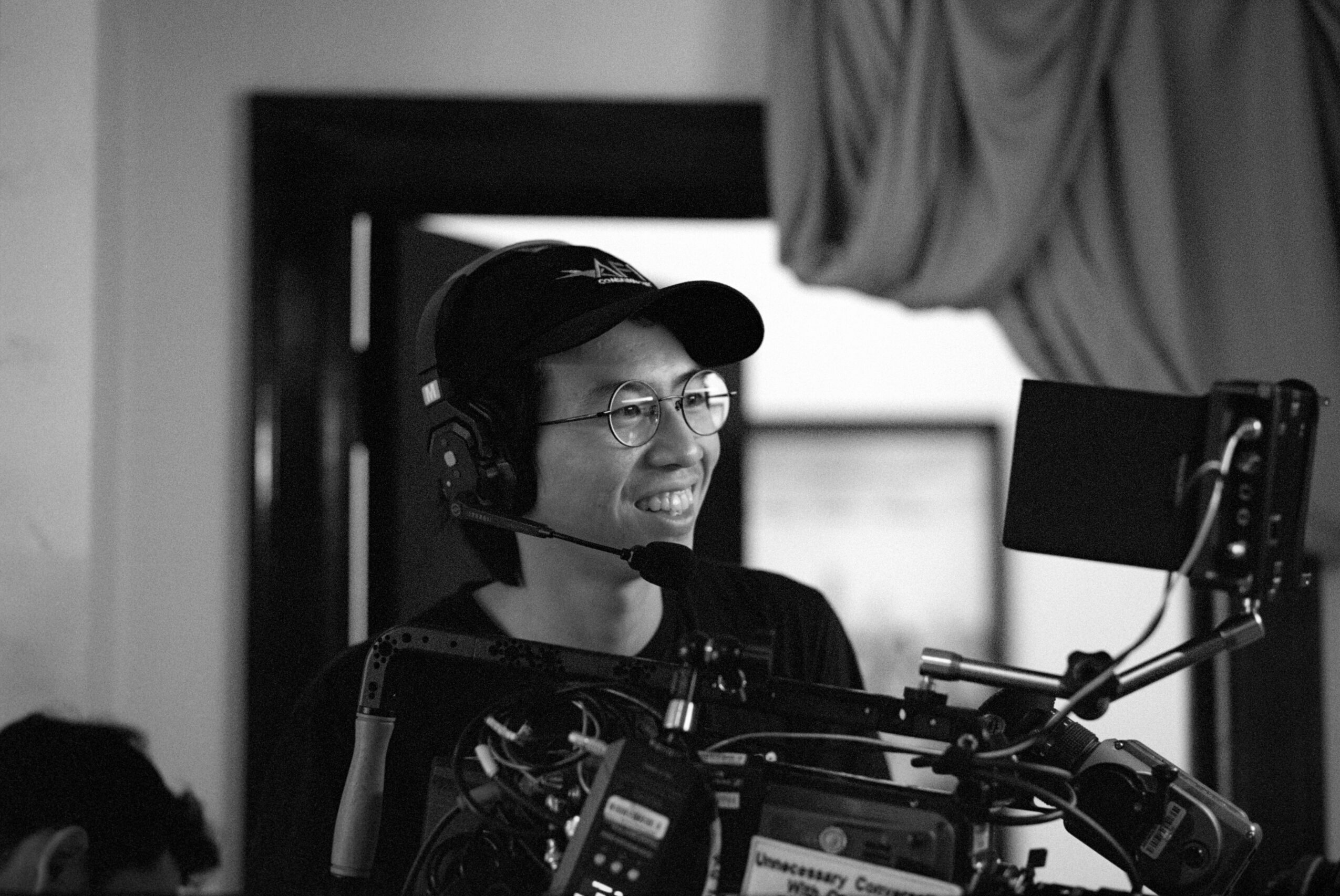
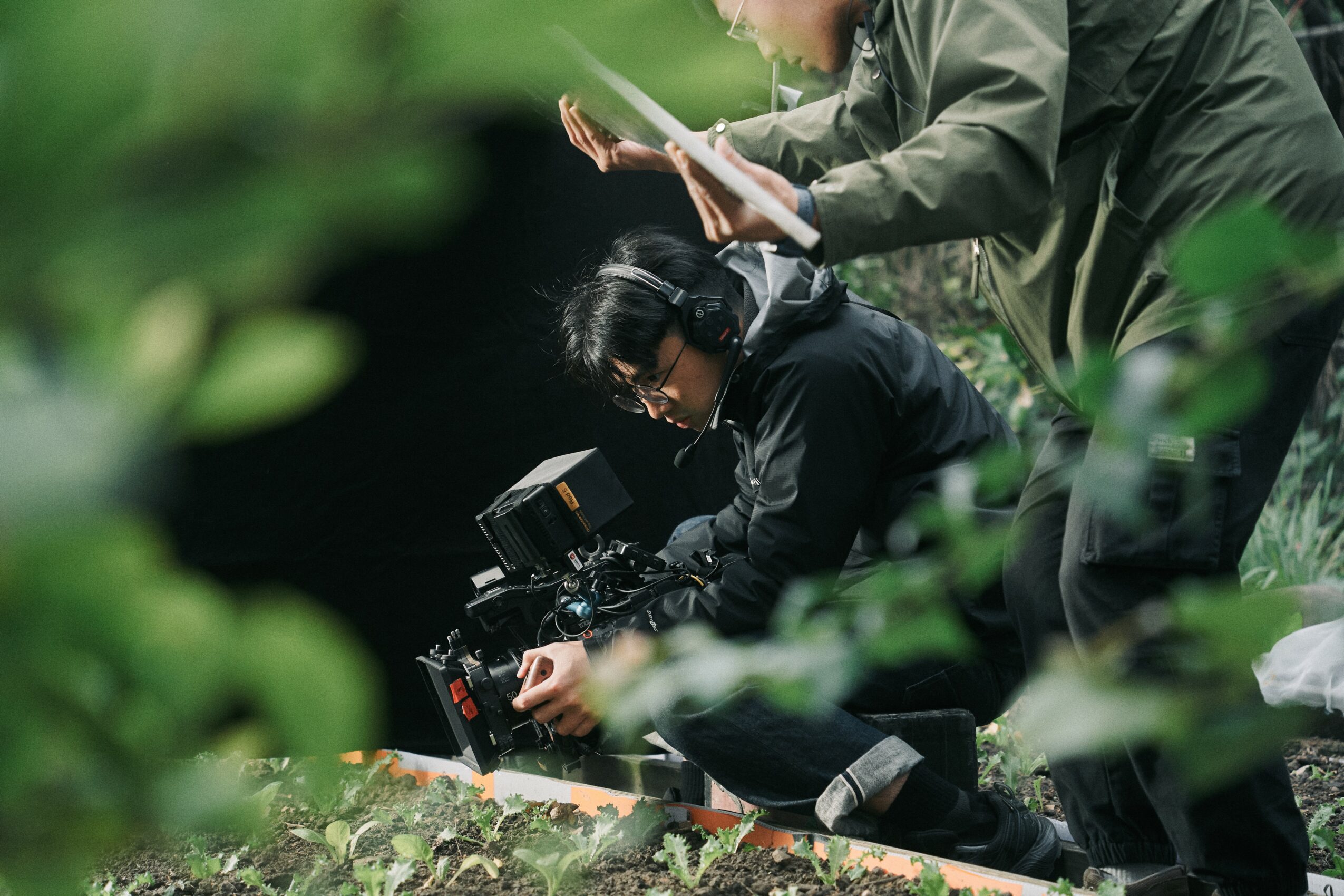
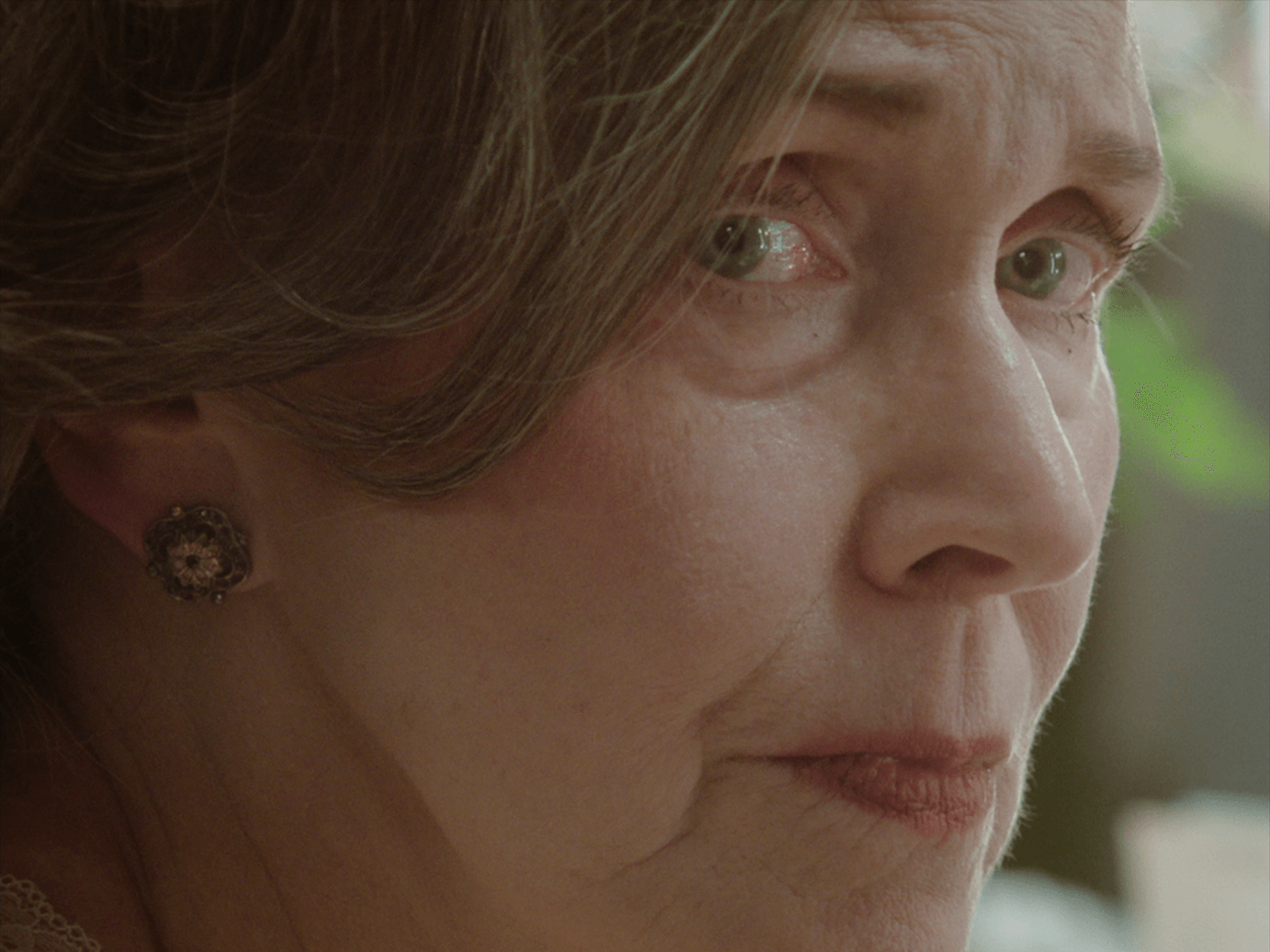
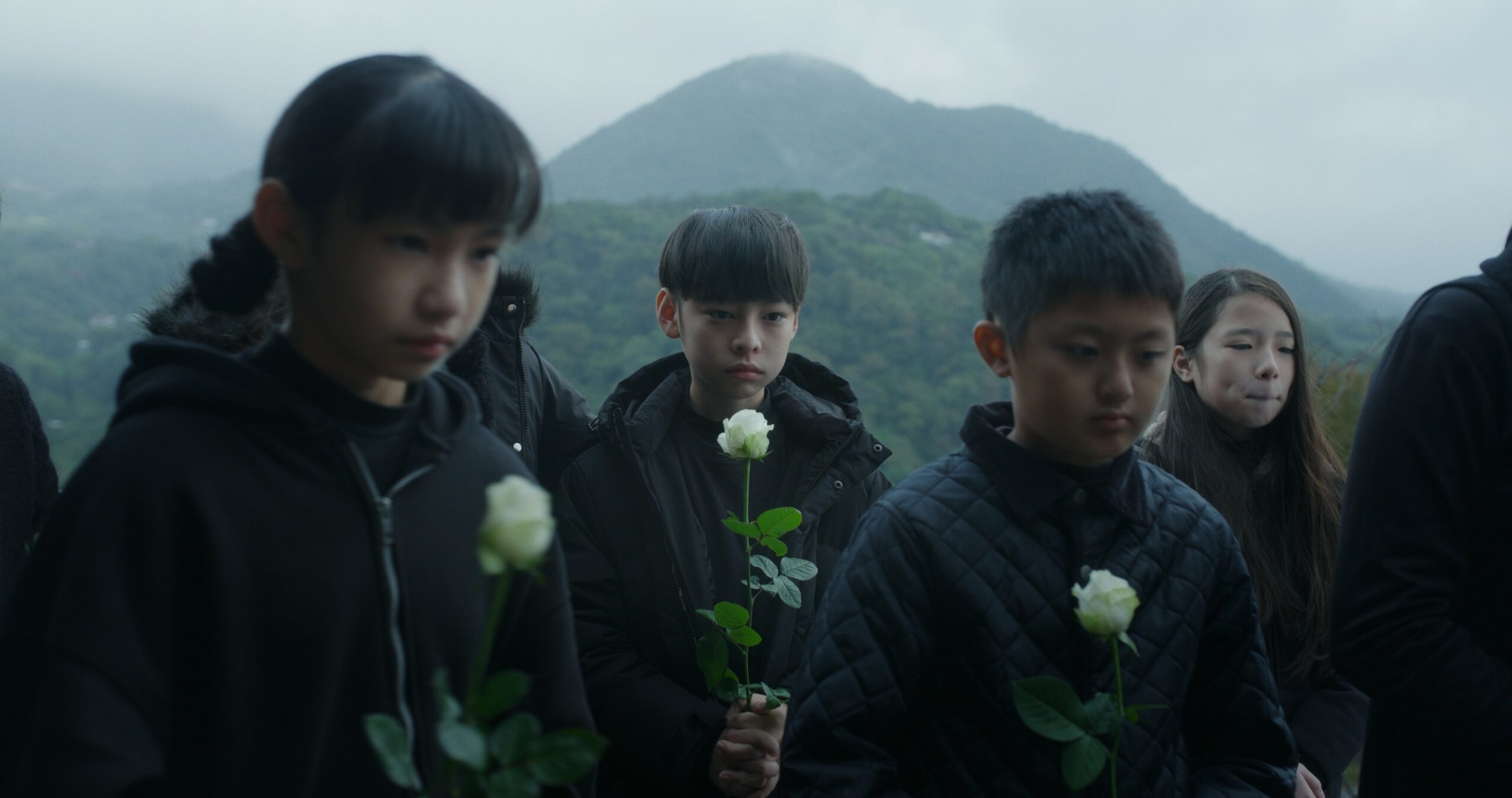
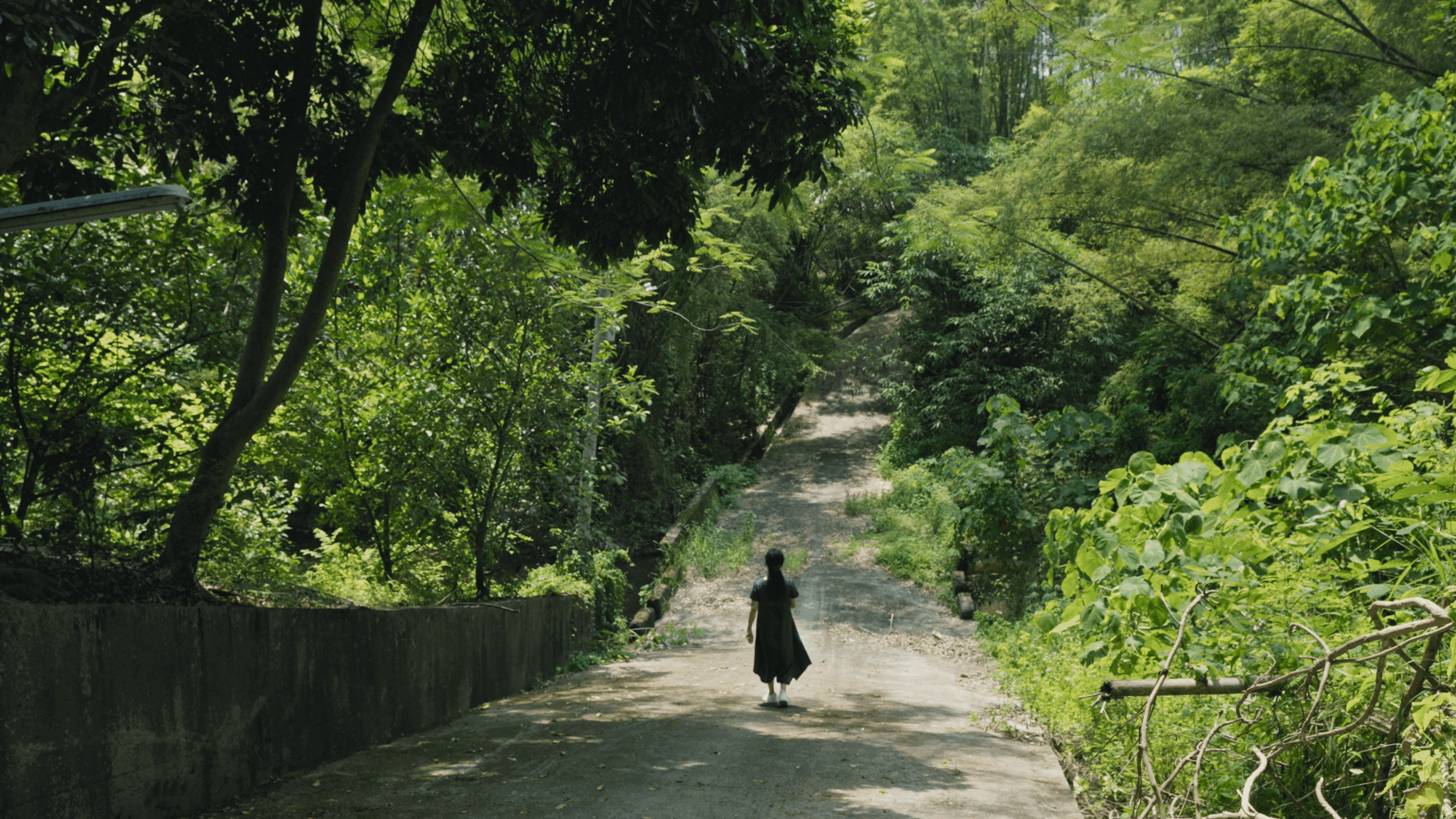
Image Credits
Eternal Party – Directed by Olivia García
Boy In The Secret Forest – Directed by Tseng Tzu-Yen
Scenes from a Memory – Directed by Tseng Tzu-Yen
Popular
-

Portraits of the Valley
-

LA’s Most Inspiring Stories
-

Rick Norris Learned That Building a Successful Business Means Building a Life You Actually Want to Live
-

How Olivia Rush Turned Survival Into a Mission to Help Others Keep Going
-

How Bibi Goldstein Is Helping Entrepreneurs Reclaim Their Time by Embracing the Power of Delegation
-

Victoria Hasson is Redefining Voice Coaching Through Community and Collaboration


