




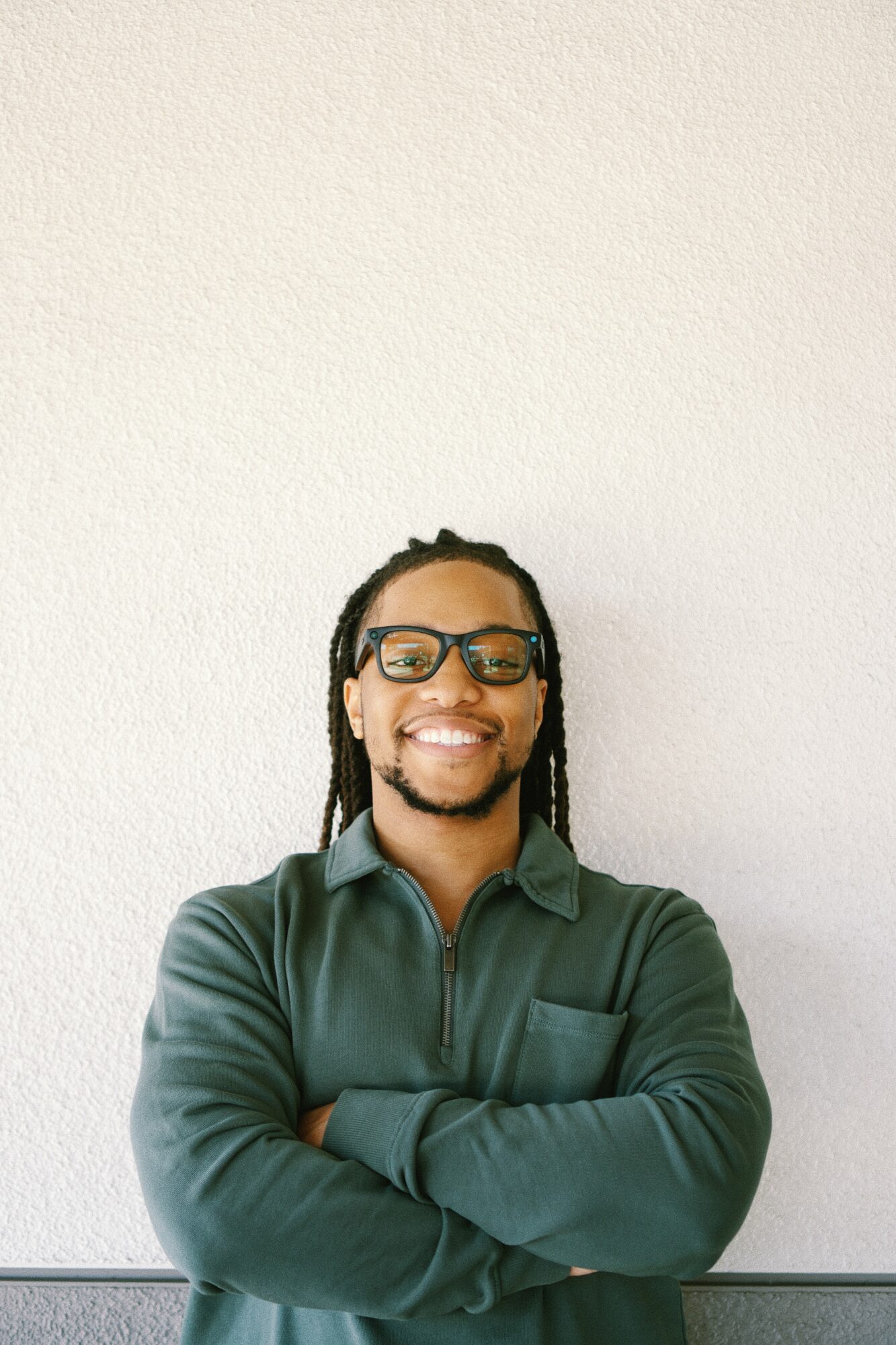
Today we’d like to introduce you to Anthony Foster.
Alright, so thank you so much for sharing your story and insight with our readers. To kick things off, can you tell us a bit about how you got started?
My interest in production really started when I was a kid. I was always fascinated by what happened behind the scenes of movies. I loved watching bloopers, behind-the-scenes footage, green screen setups, and anything that gave me a glimpse into how everything was actually made. At the time, though, I didn’t know anyone who worked in the industry, so I didn’t really understand that something I found so fascinating could actually become a career.
I naturally found my own ways to explore it. I played basketball growing up, and I would try to film my own games and edit highlight reels just for fun. Looking back, those were probably some of my earliest experiences with filming and editing, even though I didn’t think of it that way at the time.
When I got to Indiana State University, I originally chose IT as my major because it felt like the practical route. But going into my sophomore year, I realized that even though IT could provide a good living, I didn’t see myself being happy doing it long-term. I remember thinking that if I was going to spend my life working, I wanted to at least give myself a real chance at doing something I actually enjoyed. So I took a risk and changed my major to Communication and Media.
Around that same time, an opportunity came up to work on ESPN3 productions through Indiana State. My roommate and I met with the director at the time, and he hired us. Funny enough, shortly after hiring us, he left. When the new director came in, he had no idea who we were, but luckily, we were already in the system, so we were able to stay on and continue working.
That became my real introduction to professional production. The broadcasts were student-led, and we worked live home games across basketball, football, volleyball, baseball, and other sports. We had students operating cameras, directing, announcing, running live replay, and helping put together the entire broadcast. I got experience operating cameras from different positions and learned firsthand how much goes into making a live production happen. It gave me a hands-on education that I couldn’t have gotten from a classroom alone.
During my junior and senior years, I wanted to start creating on my own, so I saved up and bought my first camera, a Sony a6500 with a 35mm lens. That was a big deal for me because it was the first time I had ever spent more than $1,500 on something other than a car. Most of that money came from cutting hair on the side while I was in school.
When I bought the camera, I honestly didn’t know much about how to use it. Things like ISO, shutter speed, aperture, and all the technical aspects of operating a camera were foreign to me. YouTube became my classroom. I would watch tutorials, go out and practice, make mistakes, come back, learn some more, and keep shooting.
Eventually, practicing turned into getting paid to create. I started doing graduation photos, headshots, weddings, quinceañeras, music videos, and a lot of run-and-gun style projects as an independent videographer. Every job forced me to learn something new, whether it was lighting, camera settings, editing, storytelling, or simply learning how to work with different clients and personalities.
Around that same period, cutting hair ended up connecting me to someone who would have a huge impact on my life. One of the football players whose hair I cut told me about a former teammate of his who was working in wedding filmmaking. He introduced me to Renard, who eventually became one of my best friends and mentors.
For the first time, I had someone close to me who was actually doing what I had always been interested in. I watched Renard pursue filmmaking and eventually move to Los Angeles. Seeing someone I personally knew doing it made the possibility feel real. Until then, this industry had always felt like this distant world I saw through behind-the-scenes videos. Now I had someone right in front of me showing me that there was actually a path into it.
In 2018, during my senior year, I visited Los Angeles and took my first Steadicam lesson. Funny enough, I didn’t like it at all at first. It was heavy, uncomfortable, and I remember thinking, “There’s no way I can do this.”
Renard encouraged me not to give up on it. He explained it to me like working out: when you first start lifting weights, the weight feels extremely heavy, but as you continue training, your body adapts and what once felt impossible eventually becomes manageable. He told me Steadicam would be the same way. I just had to fight through that beginning stage.
That advice stuck with me.
Looking back, that period of my life was really defined by taking risks. I had changed my major. I had saved money from cutting hair and invested it into my first camera without knowing exactly where it would take me. I was teaching myself filmmaking through YouTube, freelancing wherever I could, traveling to Los Angeles before I had even graduated, and trying something as intimidating as Steadicam without knowing whether I could actually make a career out of any of it.
I graduated from Indiana State in May 2019, but I didn’t immediately move to Los Angeles. That summer, while I was still living in Indiana, I decided to commit to Steadicam and bought my first rig in July. I didn’t have productions lined up to practice on or a crew around me every day. A lot of the time, it was just me at home putting the rig on, practicing by myself, and trying to get better. I knew that if this was something I wanted to seriously pursue, I needed to put in the hours before the opportunities came.
Then, in December 2019, I packed up and moved to Los Angeles.
The timing ended up being pretty crazy. I had only been in LA for a few months when COVID hit in March 2020 and productions essentially came to a stop. I had just moved across the country to pursue a career in an industry that suddenly wasn’t working. For a while, there simply wasn’t much work to be had.
But around June, things started picking back up. Productions began moving again, opportunities started coming in, and from there, everything really took off.
Since then, that Steadicam I initially thought was too heavy has become a major part of my career. I’ve now been operating Steadicam for seven years, and I’ve had the opportunity to work across a wide range of productions, including television, short films, music videos, branded content, commercials, and other projects. I’ve worked on productions for major brands and platforms including Nike, Apple Music, and Vevo, as well as directly with record labels and alongside so many talented artists and creatives.
When I look back at everything, there’s a full-circle feeling to it. I went from being a kid fascinated by behind-the-scenes footage without knowing a single person who worked in the industry, to becoming one of the people behind the camera creating the work I used to be so curious about.
But I also don’t feel like I’ve reached the end of that story.
Right now, I’m intentionally working across a wide range of projects because I want to continue expanding my range as a filmmaker. I love being a Steadicam operator and I’m grateful for everything that craft has allowed me to experience, but I also know there’s more that I want to accomplish. One of my biggest goals is to continue growing creatively and eventually move further into directing.
I’ve spent years learning how productions work from behind the camera—watching directors, cinematographers, producers, artists, and crews bring ideas to life. Now I want to take everything I’ve learned from those experiences and continue developing my own voice as a filmmaker.
I’m proud of how far I’ve come, but I still feel like there’s much more for me to achieve. That’s probably what continues to motivate me the most.
Alright, so let’s dig a little deeper into the story – has it been an easy path overall and if not, what were the challenges you’ve had to overcome?
It definitely hasn’t been a completely smooth road, but I also never expected it to be.
There have been plenty of jobs I thought I was going to get that didn’t work out. There have been opportunities I was excited about that went in another direction. There have also been relationships I thought were strong that eventually ended or changed. And, of course, there have been times when I’ve made mistakes or handled situations in ways that other people may not have agreed with.
I don’t really look at any of those things as regrets, though. I look at them as obstacles, challenges, and growing pains. Especially when you’re building a career as a freelancer, so much of your growth comes from experience. You learn how to communicate better, how to work with different personalities, how to handle rejection, how to maintain relationships, and sometimes how to accept when something simply isn’t meant for you.
One of the biggest challenges of freelancing is also the uncertainty. You don’t always know when the next job or check is coming. There can be moments when work is extremely busy and other moments when things slow down. You have to learn how to be comfortable with that uncertainty and trust yourself and trust God enough to keep going.
At the same time, I’m very aware of how blessed I’ve been. I’ve been able to support myself through freelance work, stay stable, build a life in Los Angeles that I genuinely enjoy, and make a living doing something I once didn’t even know was possible for me.
So no, the road hasn’t always been smooth, but I wouldn’t want to erase the difficult parts either. A lot of those experiences have helped shape the person and filmmaker I am today. I’m still learning, still making mistakes, and still growing. To me, that’s just part of the journey.
Thanks – so what else should our readers know about your work and what you’re currently focused on?
I’m a Steadicam operator, which I would describe as a pretty specialized and niche position within the film industry. It requires you to own and understand your equipment, but more importantly, it requires a unique connection between the physical and technical sides of filmmaking.
Depending on the camera package, you can be carrying anywhere from 50 to 80 pounds while still being responsible for actually operating the camera. A lighter setup like an Alexa Mini is one thing, but once you start working with larger cameras or film cameras, that weight can increase quickly. At the same time, you’re composing the shot, watching your surroundings, paying attention to your distance from talent, listening to dialogue for cues, hitting marks, and making sure you’re not going to trip, collide with an actor, or put anyone in an unsafe situation.
When you’re doing something high-action, all of those things are happening at once. You might be running with the camera while tracking talent, maintaining your composition, anticipating their movements, and navigating the environment around you. There’s a physical and mental coordination to Steadicam that I really enjoy.
It can be a very high-pressure job—it just doesn’t always feel that way to me anymore because I genuinely have fun doing it.
Earlier in my career, there were definitely shots and situations that made me nervous. As I’ve gained experience, that nervousness has turned into confidence. There are projects I work on now that involve long, continuous one-take shots where there really isn’t room for an operator mistake. Having a director, DP, artist, or production trust me with that responsibility means a lot to me.
That trust is probably one of the things I’m most proud of. I don’t necessarily measure my career by one particular project or credit. I look at the fact that many of the people who hire me choose to work with me repeatedly. In a freelance industry where your reputation and relationships mean so much, I take a lot of pride in that.
Steadicam also requires stamina. When you’re working a 10-to-12-hour day, you have to maintain a certain level of physical conditioning while still being mentally sharp enough to deliver consistent work toward the end of the day. It’s a craft that has challenged me physically, creatively, and technically, and that’s part of why I’ve stuck with it.
I think what sets me apart is that I’m confident in what I can do without believing that I know everything. I’m always willing to learn. I listen to feedback and criticism from directors, DPs, other operators, and crew members because I’m constantly trying to improve my craft. No matter how many years I do this, I never want to reach a point where I think there’s nothing left for me to learn.
Ultimately, I want people to feel like they can trust me when I step onto their set. They can trust me with the shot, with their vision, with the safety of the people around me, and with the pressure that comes with getting it right. To me, that trust and the relationships I’ve built are some of the things I’m most proud of.
So maybe we end on discussing what matters most to you and why?
What matters most to me is knowing that I added value to the project and helped bring the creative vision to life. Whether we’re doing a complicated long take or the DP and director have a very specific visual style they’re trying to achieve, my job is to understand that vision and translate it into camera movement.
I don’t want to just show up and operate a Steadicam. I want my work to contribute to the story and help accomplish what the director, DP, and creative team envisioned. Sometimes that means executing a technically difficult shot, and other times it means knowing when the camera movement should be subtle and simply serve the moment.
At the end of the day, when the director, DP, creative agency, and everyone involved is happy with what we created, I feel like I’ve done my job well. That feeling is extremely rewarding to me.
It also goes back to relationships. When people have a positive experience working with me and trust me enough to bring me onto their next project, that means a lot. I want people to remember not only the quality of the work I delivered, but that I was someone they enjoyed creating with and could depend on. Every successful project becomes another opportunity to build those relationships and hopefully continue creating together.
Contact Info:
- Website: https://www.steadifoster.com
- Instagram: @fostervisuals
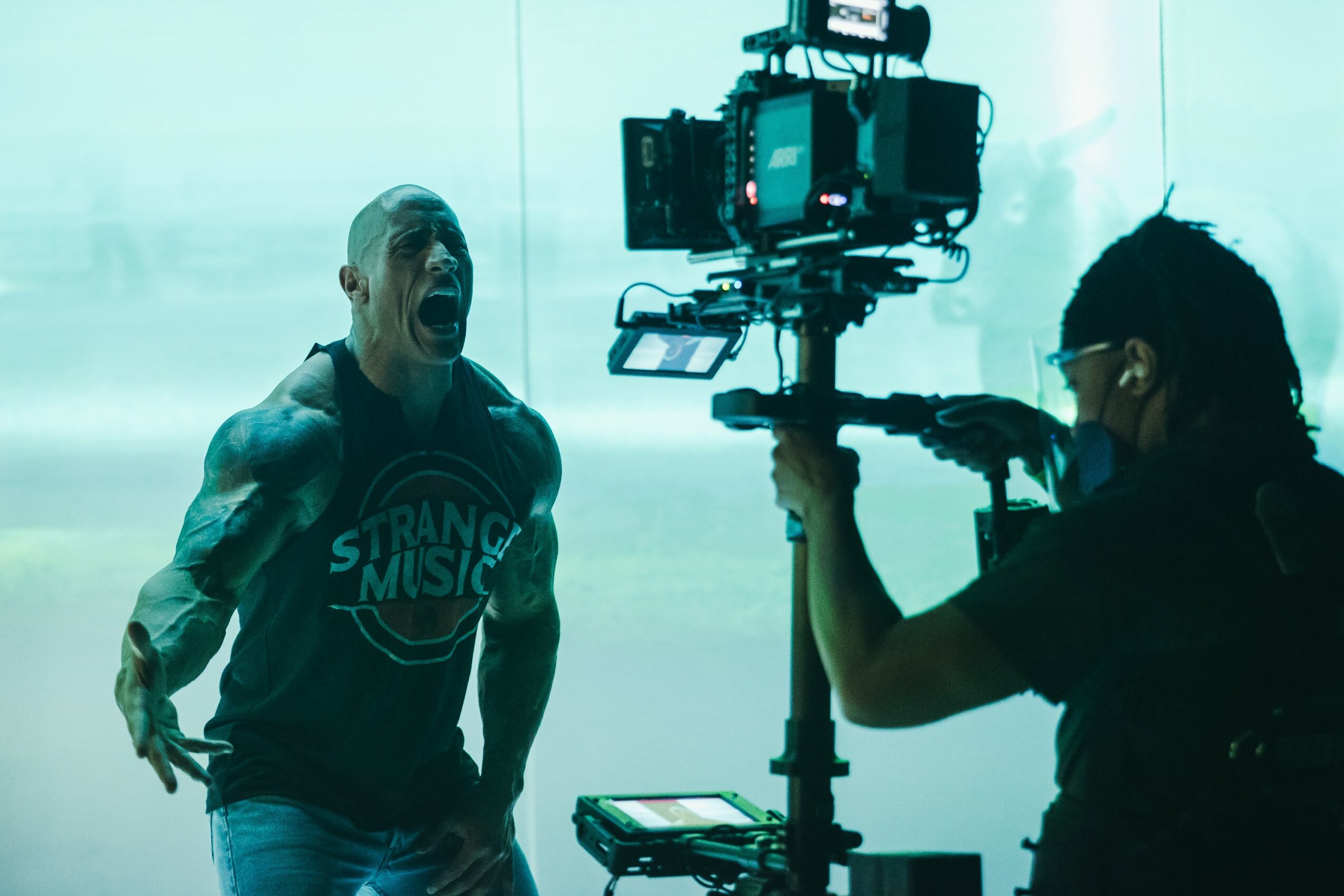
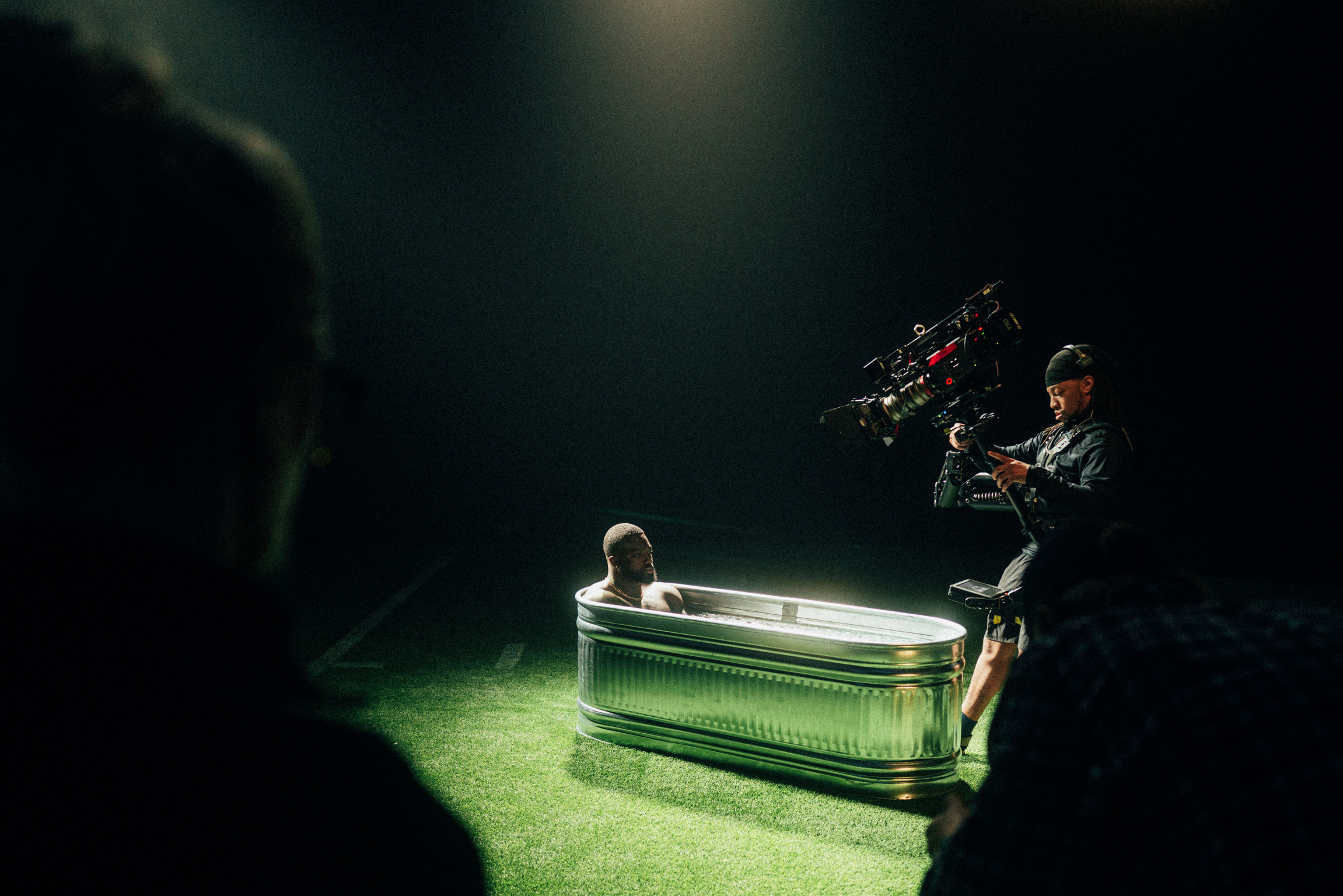
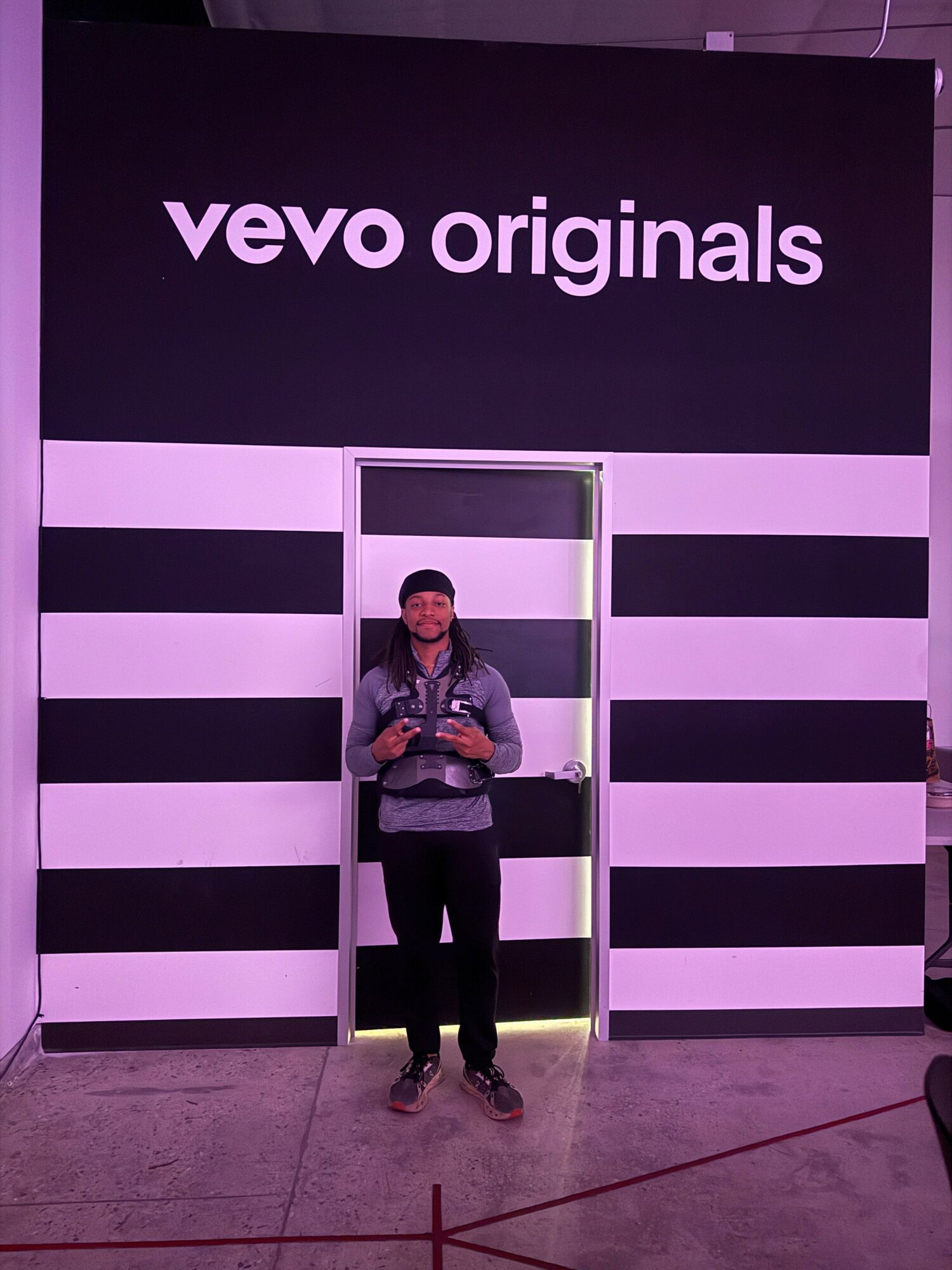
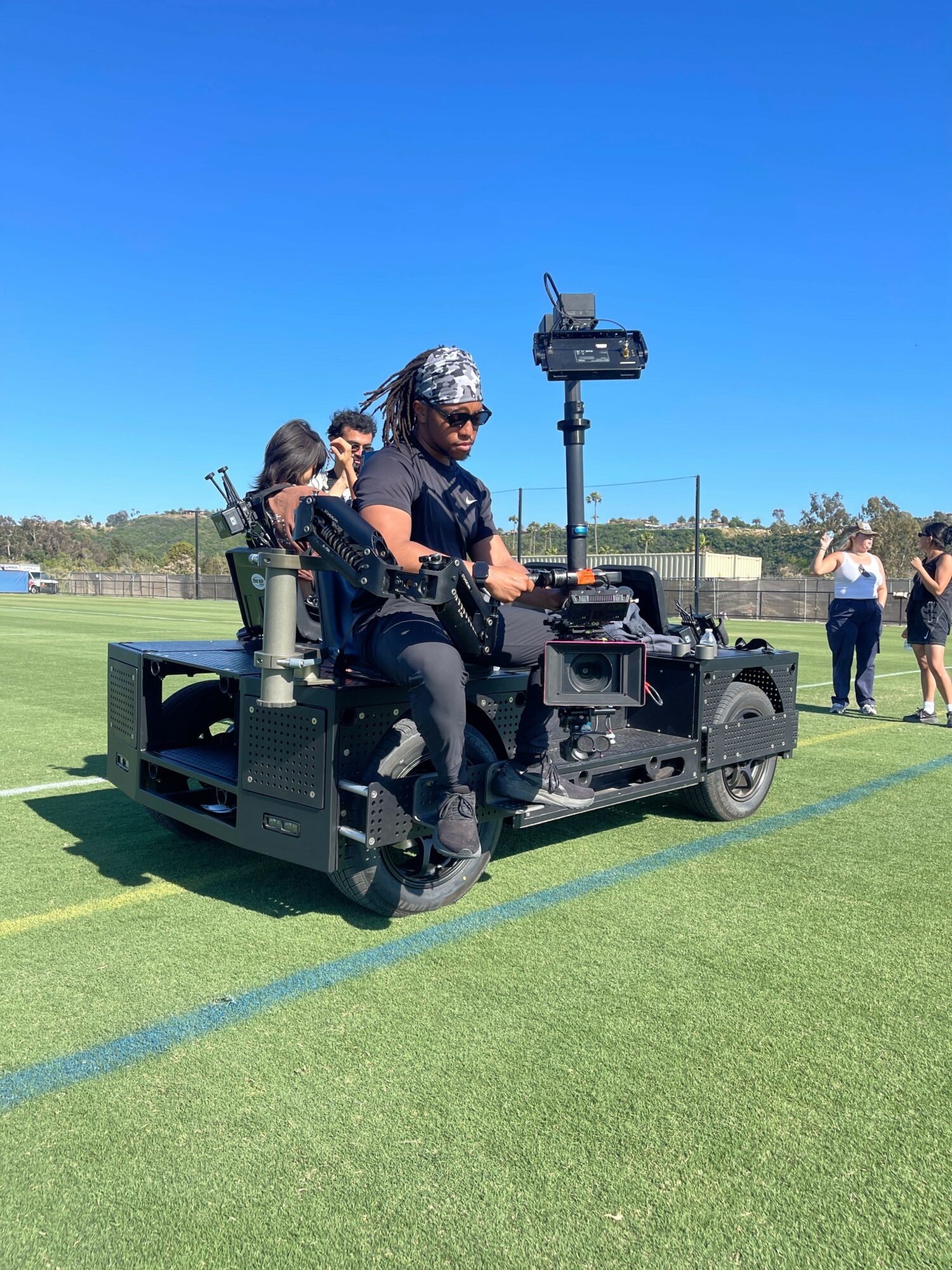
Image Credits
Eric Kaufman (LA Rams Photo)
Popular
-

Portraits of the Valley
-

LA’s Most Inspiring Stories
-

Rick Norris Learned That Building a Successful Business Means Building a Life You Actually Want to Live
-
How Olivia Rush Turned Survival Into a Mission to Help Others Keep Going
-

How Bibi Goldstein Is Helping Entrepreneurs Reclaim Their Time by Embracing the Power of Delegation
-

Victoria Hasson is Redefining Voice Coaching Through Community and Collaboration


