




Today we’d like to introduce you to Hamad Ali.
Hamad, we appreciate you taking the time to share your story with us today. Where does your story begin?
My journey started in Bahrain, where I developed an early interest in art, film, and visual storytelling. I always knew I wanted to create, but filmmaking eventually became the medium that allowed me to bring all those interests together.
That passion took me to the United States, where I completed my MFA in Film Production at Full Sail University in Orlando before moving to Los Angeles. LA became an important part of my journey. I worked across different sets and productions, collaborated with people from different backgrounds, and gained a much deeper understanding of both the creative and practical sides of filmmaking.
Eventually, I returned to Bahrain and continued building Pearl Dust Production, my own production company. Today, Pearl Dust allows me to work across Bahrain and internationally while maintaining many of the relationships and connections I built in Los Angeles. We collaborate with individuals, creatives, and production companies on projects of different scales.
Looking back, the direction has remained quite consistent: I want to write, produce, and direct stories rooted in the Middle East and Asia, while creating them in a way that allows them to connect with audiences around the world. For me, it has always been about staying connected to where I come from while continuing to think internationally.
Would you say it’s been a smooth road, and if not what are some of the biggest challenges you’ve faced along the way?
It definitely hasn’t always been a smooth road. Early on, one of the biggest challenges was simply finding acceptance and a way into the industry. Film is very relationship-driven, and when you are starting out, you have to prove yourself and build that trust. Once you begin finding your place and building genuine relationships, things start moving faster, but new challenges always appear.
It has also been interesting to watch the industry change. A few years ago, I don’t think there was the same international appetite for Middle Eastern stories that we are beginning to see today. The industry is becoming more open to different voices and cultures, which is exciting, but there is still a lot of work to do.
For me, the challenges today are different. It becomes a constant balancing act between ambition and reality: how do you produce something at a realistic budget while still putting the highest possible quality on screen? And once you make it, how do you get it distributed and in front of the right audience? Distribution can be especially challenging when you’re still establishing yourself internationally.
The interesting thing about this industry is that the more you learn, the more you realize how much more there is to learn. I think I’ve become comfortable with that. Every project teaches me something, and every challenge changes the way I approach the next one.
Can you tell our readers more about what you do and what you think sets you apart from others?
I work primarily as a filmmaker, writer, director, and producer, and through **Pearl Dust Production**, I develop and produce films and creative projects while also collaborating with filmmakers, creatives, and production companies both locally and internationally. I enjoy being involved from the earliest stages of an idea through production and post-production, especially when it comes to building the world and identity of a project.
What I think defines my work most is my interest in taking stories, traditions, and ideas rooted in Middle Eastern culture and presenting them through a cinematic language that can connect with audiences anywhere. I don’t want the cultural elements to simply be decoration; I want them to be part of what makes the story and its world unique.
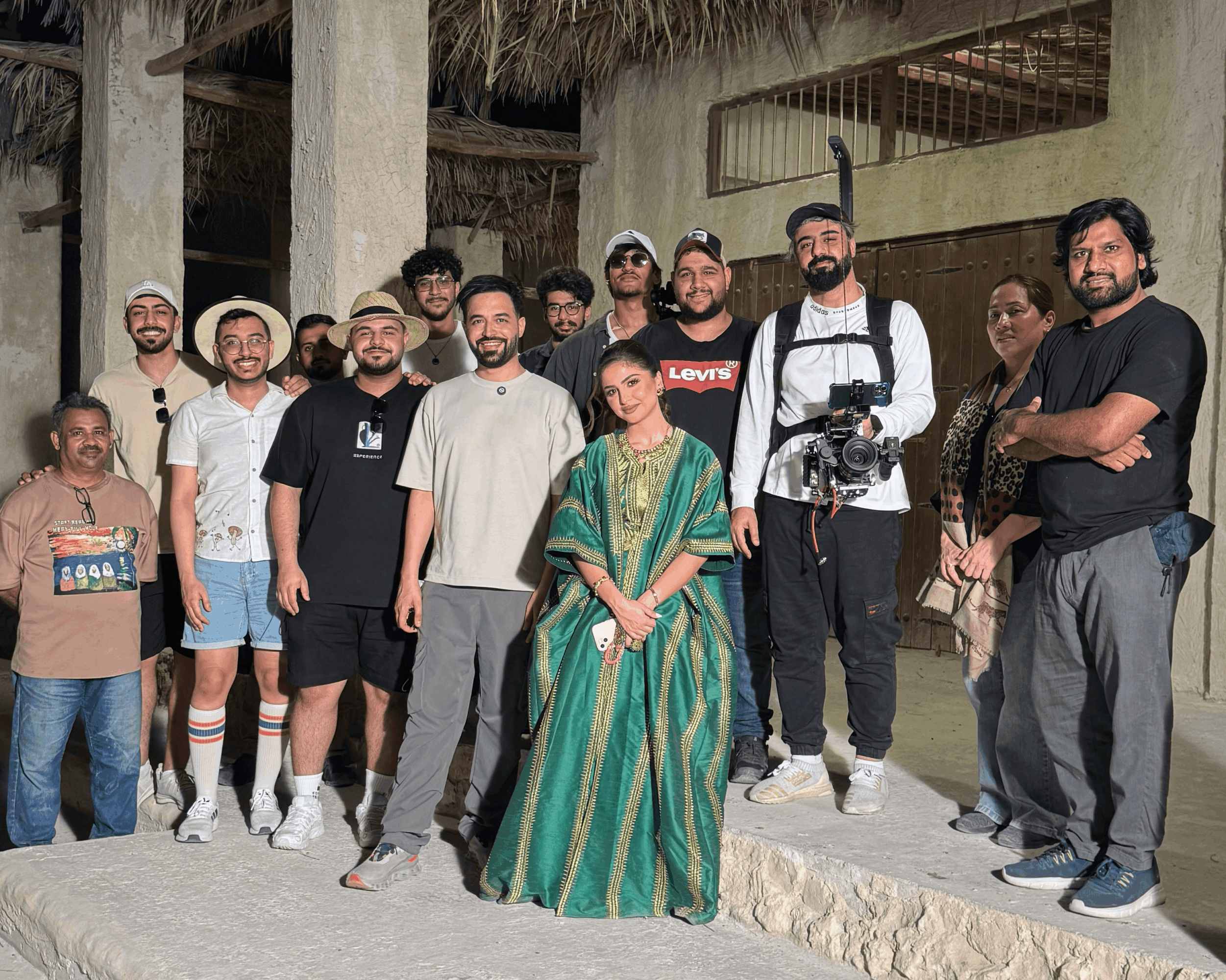
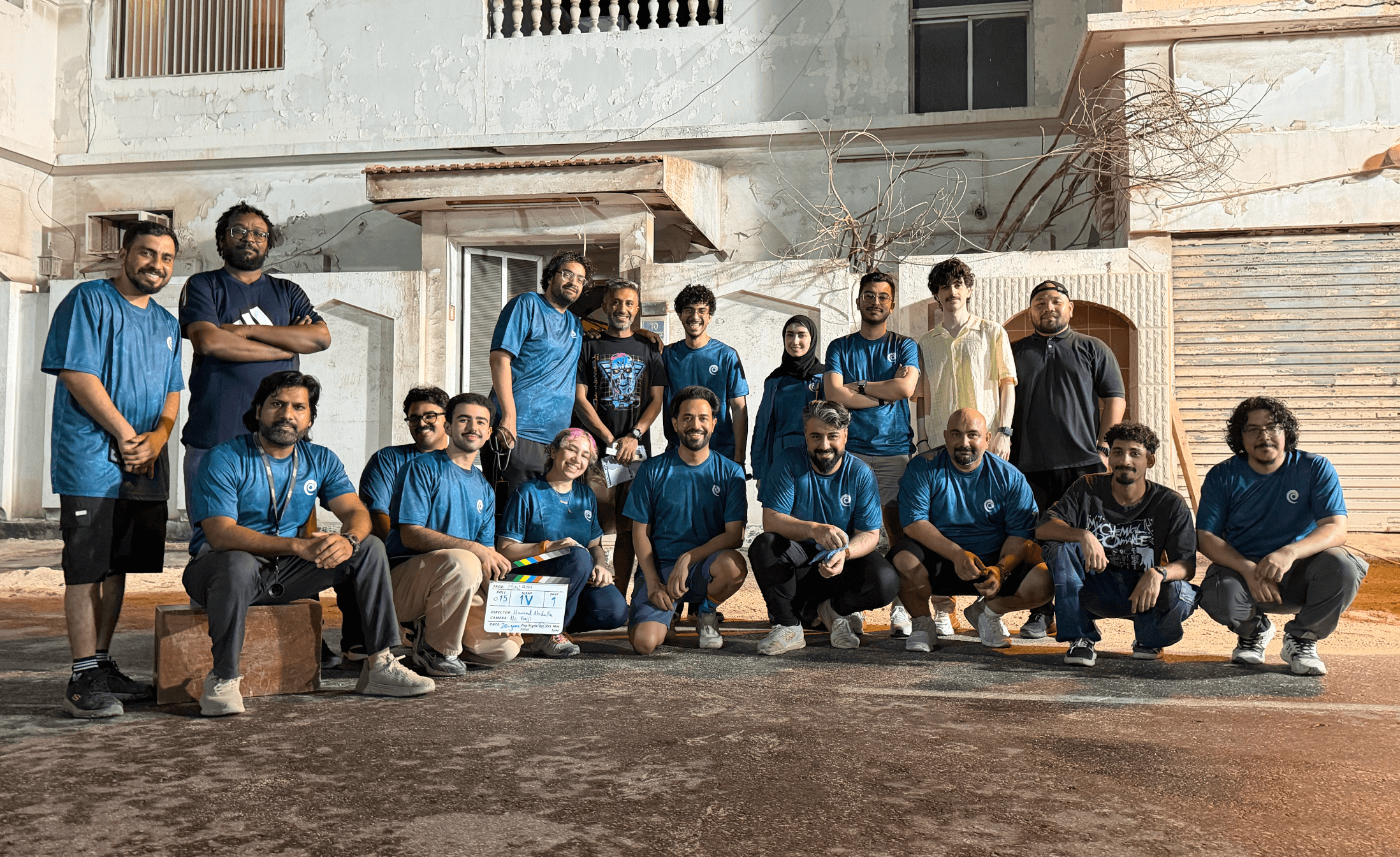
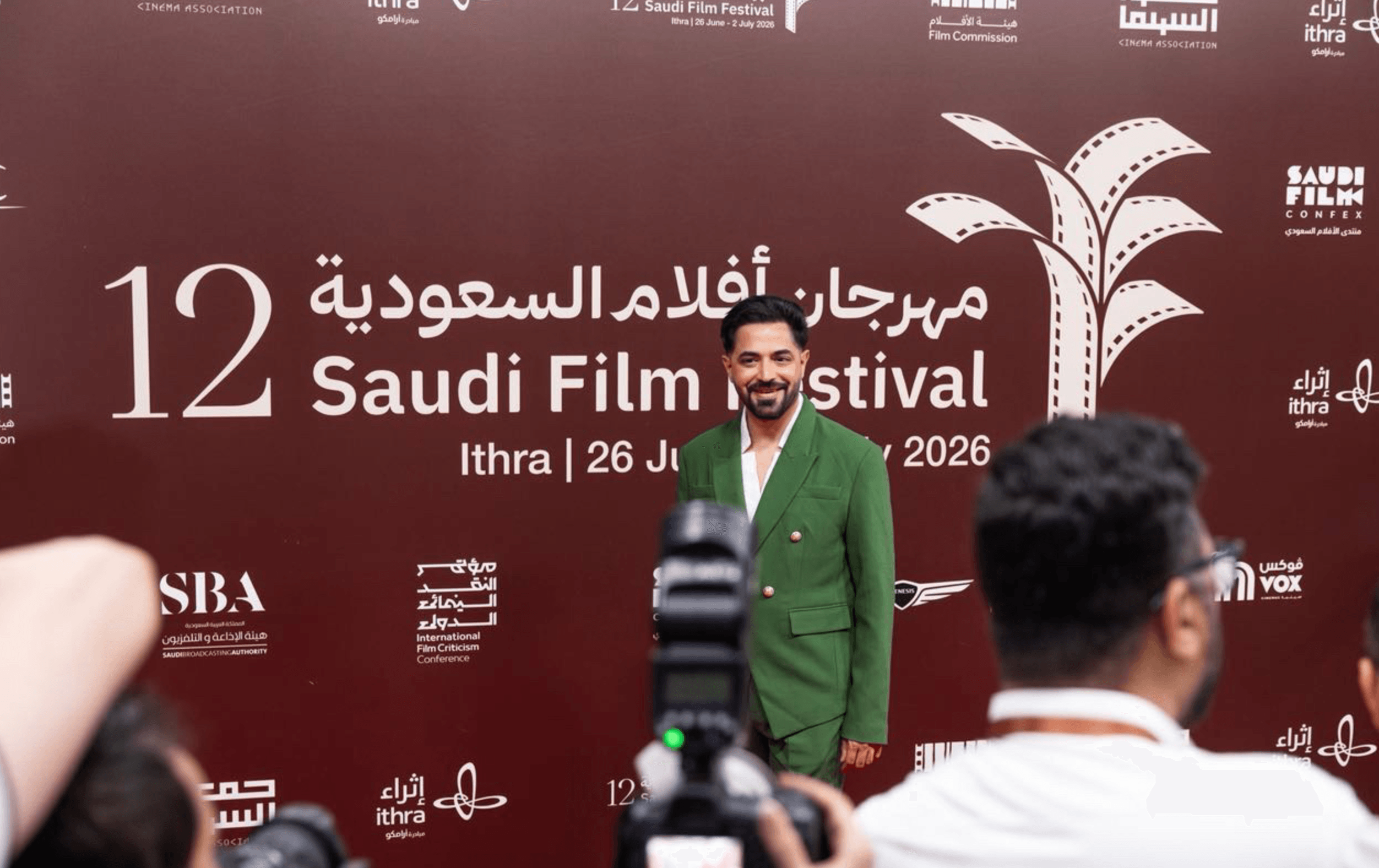
A project I’m particularly proud of and excited about right now is *Hajam*, a new Bahraini horror short that I recently completed. The film takes something very familiar within our culture Hijama, or traditional cupping and uses it as the starting point for a very different kind of horror story. We’re now preparing to take the film through its festival journey, and I’m incredibly excited to see how audiences respond to it. I see real potential for *Hajam* to grow beyond the short and hopefully become something much bigger.
At the same time, I continue to develop and work toward my feature film, which is a project I’ve been building for several years and one that I’m extremely excited about. There is still a lot I can’t share about it yet, but it represents many of the things I want to achieve as a filmmaker, and I can’t wait to share more as it continues to move forward.
Alongside filmmaking, I also teach at the *American University of Bahrain*, which has become an incredibly rewarding part of what I do. It gives me the opportunity to share what I’ve learned through my own experiences while helping develop a new generation of creative talent. I can bring real production experiences into the classroom while also meeting young creatives with fresh perspectives who could eventually become part of the growing film industry around us.
Ultimately, what excites me most is creating stories from this region that can travel beyond it, while also contributing to the creative community and talent that will make more of those stories possible.
We’d love to hear about how you think about risk taking?
I think risk is an essential part of any creative career. Some of my biggest decisions from moving to the U.S. to pursue filmmaking to starting my own production company came without any guarantee of where they would lead.
I’ve learned that risk doesn’t always mean being reckless. For me, it’s about believing enough in an idea to invest your time, energy, and sometimes your own resources into making it happen. Not every risk works out the way you expect, but almost every one teaches you something that moves you forward.
Contact Info:
- Website: https://pearldust.co
- Instagram: hamad_abdulla
- Youtube: @PearlDust_PD
- Other: company instagram @pearl__dust
Popular
-

Portraits of the Valley
-

LA’s Most Inspiring Stories
-

Rick Norris Learned That Building a Successful Business Means Building a Life You Actually Want to Live
-

How Olivia Rush Turned Survival Into a Mission to Help Others Keep Going
-

How Bibi Goldstein Is Helping Entrepreneurs Reclaim Their Time by Embracing the Power of Delegation
-

Victoria Hasson is Redefining Voice Coaching Through Community and Collaboration


