




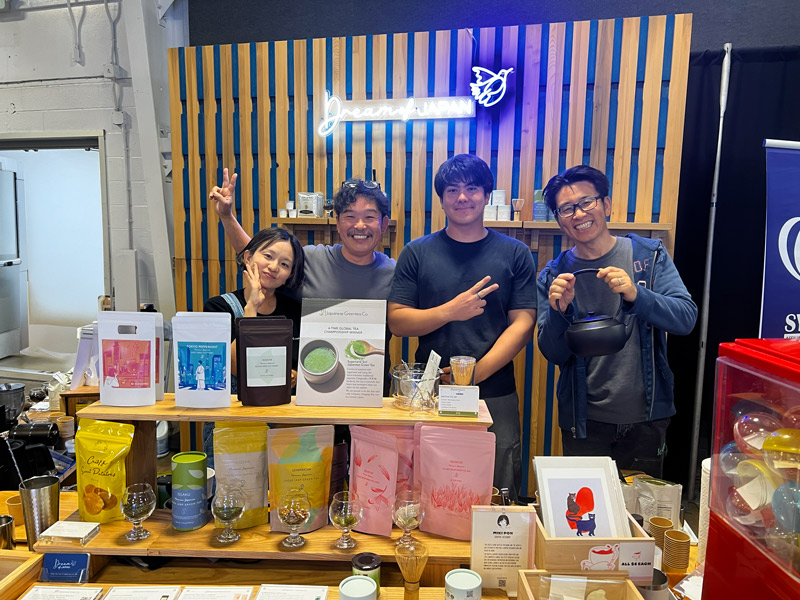
Today we’d like to introduce you to Kei Nishida.
Kei, we appreciate you taking the time to share your story with us today. Where does your story begin?
I was born in Japan and moved to the United States when I was kid. For most of my adult life I was a software engineer. I spent years at HP, and at one point I was living and working in India.
That is actually where this started. A friend was getting married and asked me to send Japanese green tea for the wedding. I thought it would take ten minutes. Instead I spent weeks trying to get a Japanese farm to ship overseas and accept an international payment, and in the end it very nearly did not happen. The tea itself was extraordinary, grown in sugarcane soil in Shizuoka, nothing like the green tea most people outside Japan have ever tasted. And it was essentially impossible to buy.
That gap bothered me for a long time. In 2015 I started Japanese Green Tea Co. from my house, on nights and weekends, while I still had my day job. I just wanted people to be able to drink that tea.
In 2017 our tea won the Global Tea Championship, and that was the moment anyone outside our small circle started taking us seriously. Around the same time Miki joined as Partner and Chief Design Officer and rebuilt the brand so that the outside finally matched what was inside the bag. I also started writing, mostly to answer my own questions, and that eventually became four books about green tea.
After that we kept repeating the same pattern: find something wonderful in Japan that you simply cannot get here, then figure out how to bring it over. In 2020 we acquired Shizuoka Tea, Kagoshima Tea, and Green Tea Merchant, which back in 2000 was the very first company to put Japanese green tea online. In 2021 we launched Japanese Coffee Co. for sumiyaki, charcoal-roasted coffee from Hokkaido. Then Japanese Knife Co., knives made by craftsmen using katana techniques. Eventually there were enough of them that we needed a parent company, so we created Dream of Japan.
We moved to Los Angeles in 2025, and this year we launched Japanese Wine Co., which began as Miki’s dream. It brings over Koshu, an ancient Japanese grape that almost nobody in America has tried.
Eleven years in, the work is still the same as that first order for a wedding. Japan is full of hidden treasures that never leave the country, usually because the maker is small and has no capacity to export. My job is to be the bridge. And the best part has not changed either: it is still the moment a customer writes to say they finally understand what the fuss is about.
Can you talk to us a bit about the challenges and lessons you’ve learned along the way. Looking back would you say it’s been easy or smooth in retrospect?
Not smooth at all. And the hard parts were never the ones I expected.
For the first years I ran the company at night and on weekends while I still had a full-time job. I was teaching myself how shipping worked, how labels worked, how customs worked, mostly by getting it wrong and then fixing it. For a long time it was not obvious to me that it was going to work at all.
The bigger struggle, though, is that both sides have to say yes. People assume the difficult part is finding wonderful Japanese products. It is not. The difficult part is that we are very picky, and so are they. Even in Japan, where the standard is high almost everywhere, we turn down far more producers than we take on. Good is not enough. It has to be something you genuinely cannot get anywhere else. And the ones we do want are very often not interested in us. When we started looking for wine, we contacted winery after winery, and most had no interest in growing outside Japan at all. It is the same with the tea farms. These are small, family-run places, often with an aging owner and nobody to take over, and exporting means paperwork, labels, certifications and a volume they simply cannot produce. So they politely say no. I have been told no far more often than yes, and I still am.
That is also the part that keeps me up at night. The farms I want to work with are disappearing. Every year there are fewer of them, and the ones that close do not come back.
And then there is everything nobody sees. Getting our wine license took over a year of applications and waiting before we could sell a single bottle, and even now, because of the way American wine law works, we are only allowed to ship to California and Washington, D.C. We built an entire brand that most of the country cannot legally order from yet. We earned organic certification, which sounds like a line on a label but is genuinely difficult, and is the reason a lot of small producers never get it. We learned how to export into Canada, the United Kingdom, Europe and Australia, and every one of those has its own rules, its own labeling, its own customs. We learned all of it the slow way, by getting it wrong first.
None of that is the fun part. But that is exactly what has gotten us where we are. Anyone can find a beautiful product. The reason we are still here is that we were willing to sit through the year of paperwork, and then do it again for the next hardship, and the next one.
Can you tell our readers more about what you do and what you think sets you apart from others?
We are Dream of Japan, and what we specialize in is Japanese products you genuinely cannot buy outside Japan: green tea and matcha from Shizuoka and Kagoshima, sumiyaki charcoal-roasted coffee from Hokkaido, knives made using katana techniques, and now Japanese wine. We are probably best known for the tea, which won the Global Tea Championship, and for being the first company to bring sumiyaki coffee out of Japan.
But if you ask what actually sets us apart, the honest answer is Miki.
Miki is our Partner and Chief Design Officer, and she designs every package we sell. That is unusual. Most importers do one of two things. They keep the maker’s original Japanese packaging, which almost nobody outside Japan can read, or they hand it to an agency that has never been to Japan and get back cherry blossoms, fake calligraphy and a geisha. Both are a kind of failure. Something quietly extraordinary ends up looking either confusing or like a costume.
Miki was born and raised in Japan and studied graphic design at Portland State University after she moved here, so she sits on both sides of that gap. Her rule is that modern Japan is not anime and it is not pop culture. It is stylish, thoughtful and real, and the package should look like that. When she designed our Tokyo Peppermint and Yokohama Peach teas, what she wanted was for someone to be able to imagine an entire story just from looking at the picture, before reading a single word. That is the standard we hold everything to now.
What I am most proud of is this: a small family farm in Japan with no marketing department and no ability to export ends up with packaging as considered as the tea inside it. They make something extraordinary, and it finally looks extraordinary. That is really the whole job.
It has also become something we can pass on. We now design custom packaging for our wholesale customers as well, so a small tea shop or café can get design work they would never otherwise be able to afford.
Sourcing and design are almost always two different companies. We do both, under one roof. That is our unfair advantage.
So maybe we end on discussing what matters most to you and why?
What matters most is that the people who make these things are still making them in twenty years.
That sounds abstract, so let me be concrete. The farms and roasters and knife makers and vineyard – craftsman we want to call them we work with are small, and often the owner is old. Every one of them we love truly and love working with them day in day out. Many of them have no one to take over. When one closes, a way of doing something that took generations to learn simply ends, and nobody can restart it later. Japan is losing these quietly, every single year, and most of the world never finds out what it lost.
I cannot fix that. But every order we send out is a small vote for a family business continuing another season, and that is really the only lever I have.
The other thing I care about, and honestly the reason I still do this after eleven years, is the wow.
I mean that literally. There is a moment when someone opens the box and stops, before they have tasted anything, because the package is not what they were expecting. Then there is a second moment, when they take the first sip and their face changes, because it is nothing like they thought they knew. Those two seconds are what we are actually chasing. Every decision we make comes back to protecting them — how picky we are about who we work with, how long Miki spends on a package, why we will not cut a corner on either one.
People write to us about that moment. They tell us where they were standing when they opened it. Some of them send photographs.
So really the two things are one thing. The wow is how a maker’s work finally reaches somebody. And the wow is what keeps that maker in business.
Contact Info:
- Website: https://www.dreamofjapan.com
- Instagram: https://www.instagram.com/shopdreamofjapan/
- Facebook: https://www.facebook.com/ShopDreamofJapan
- LinkedIn: https://www.linkedin.com/company/shopdremofjapan
- Twitter: https://x.com/JpGreenTeaCo
- Youtube: https://www.youtube.com/@HistoryofKatana and https://youtube.com/@ShopDreamOfJapan
- Other: https://www.japanesegreenteain.com https://www.japanesecoffeeco.com https://www.japanesewineco.com
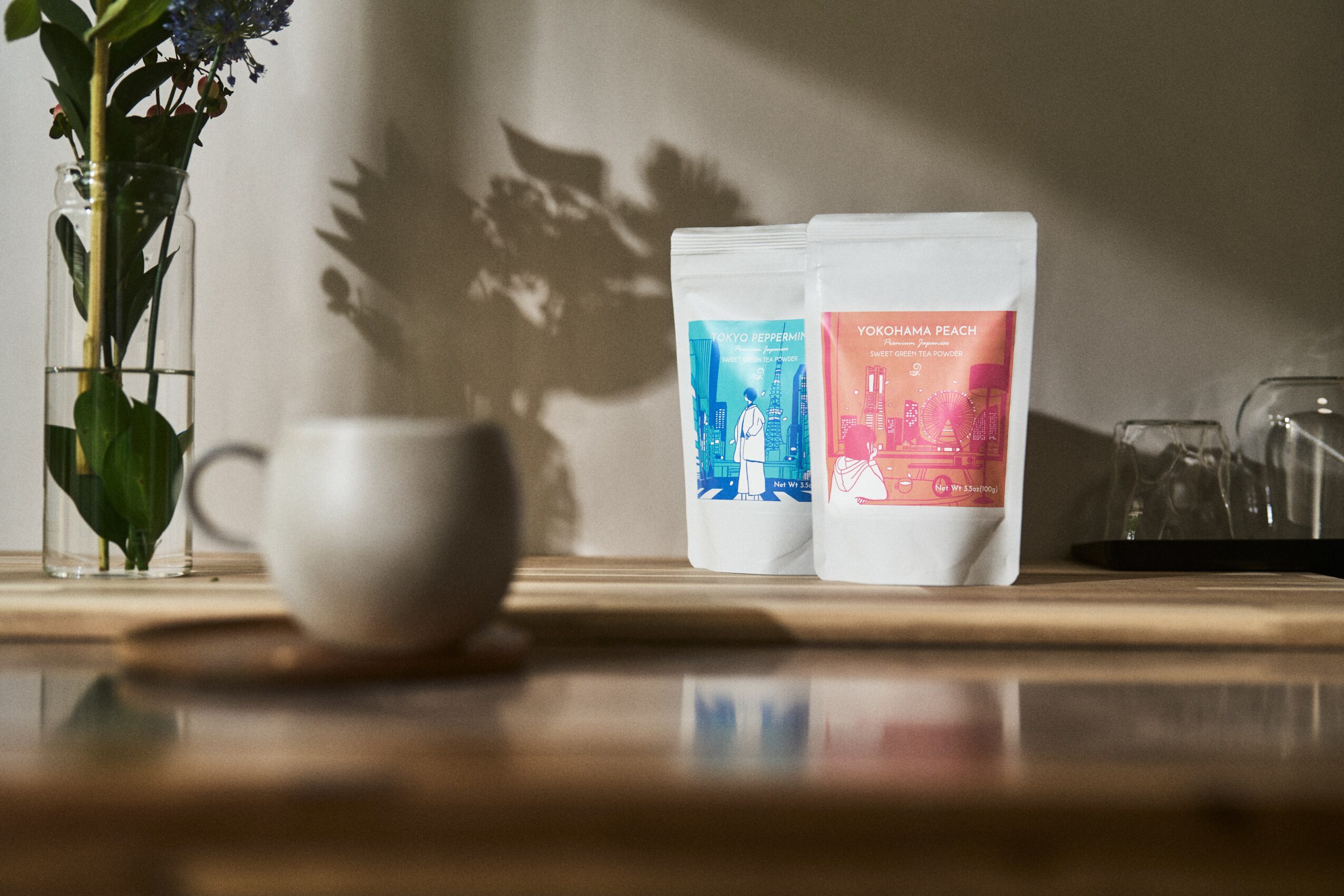
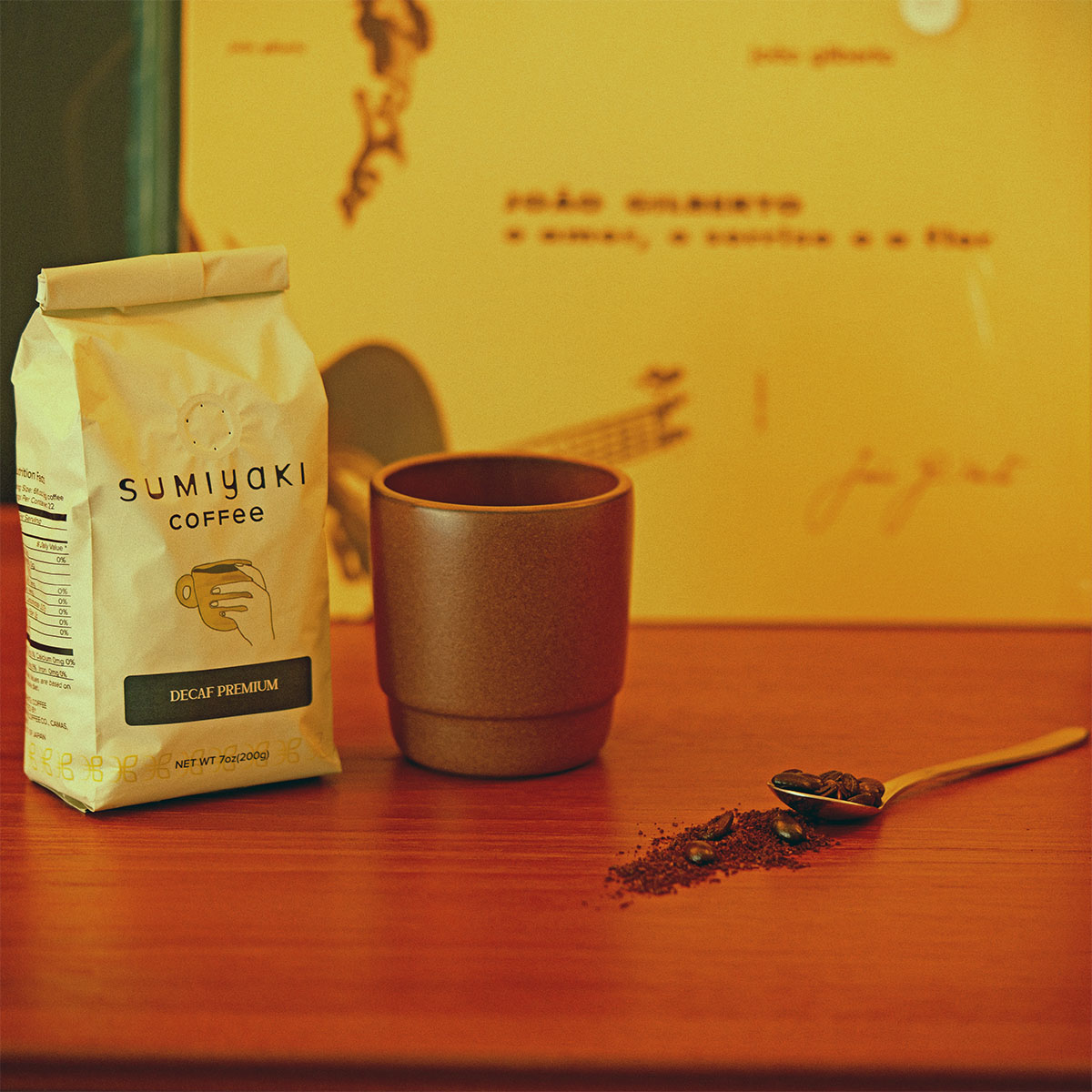
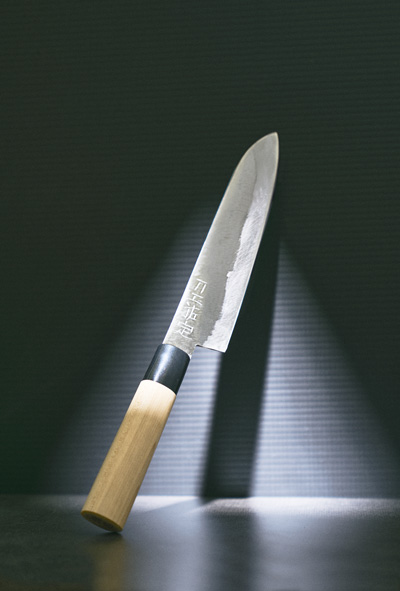
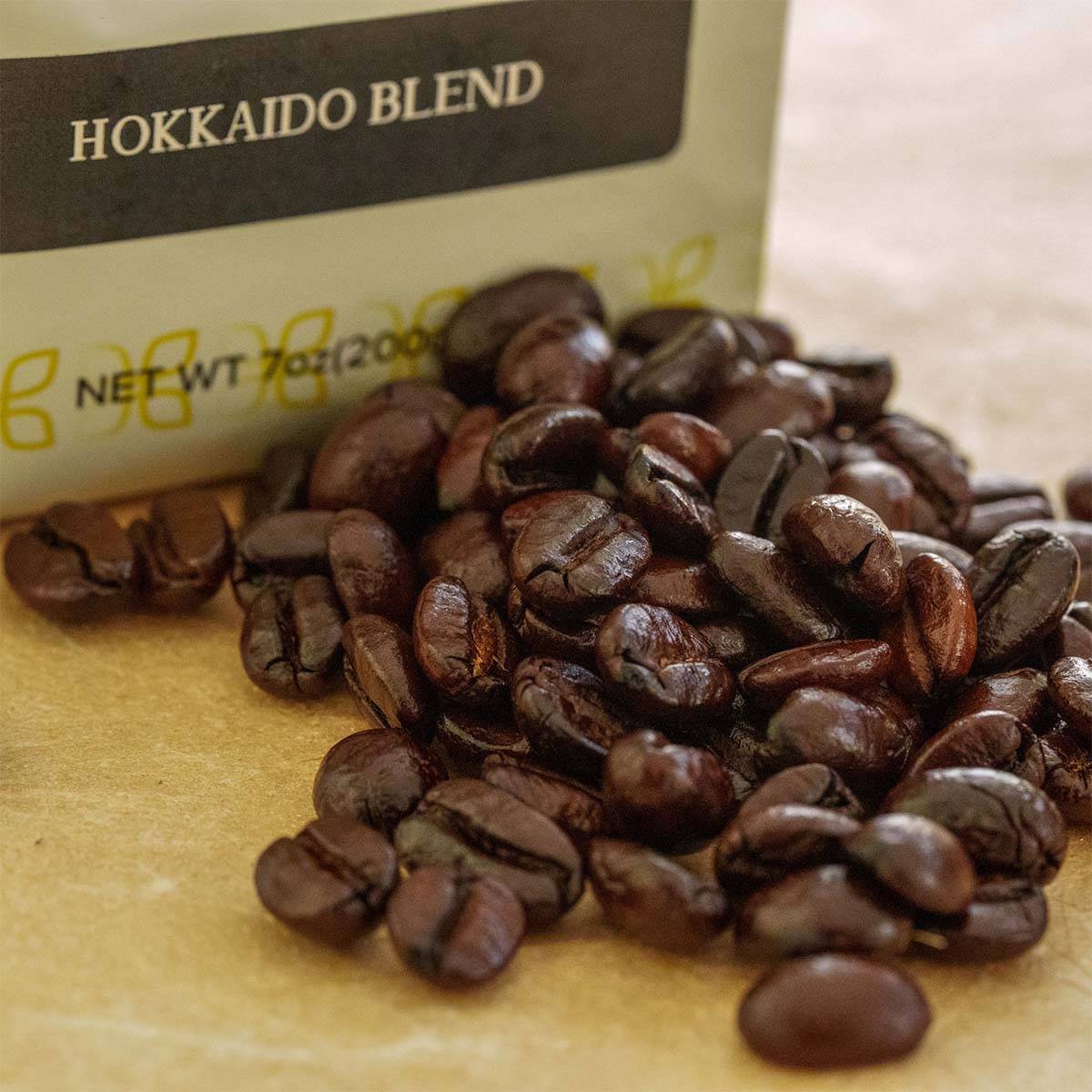
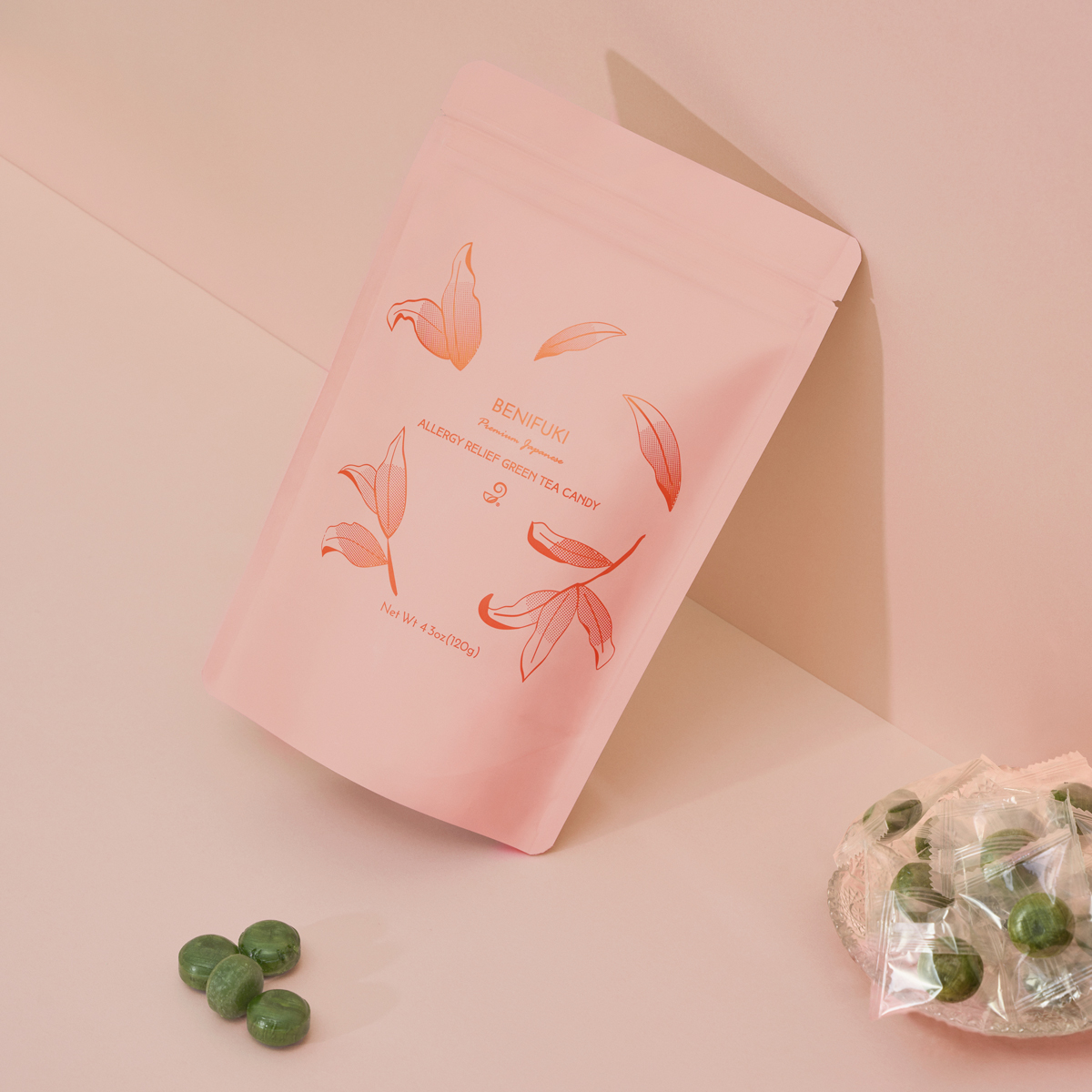
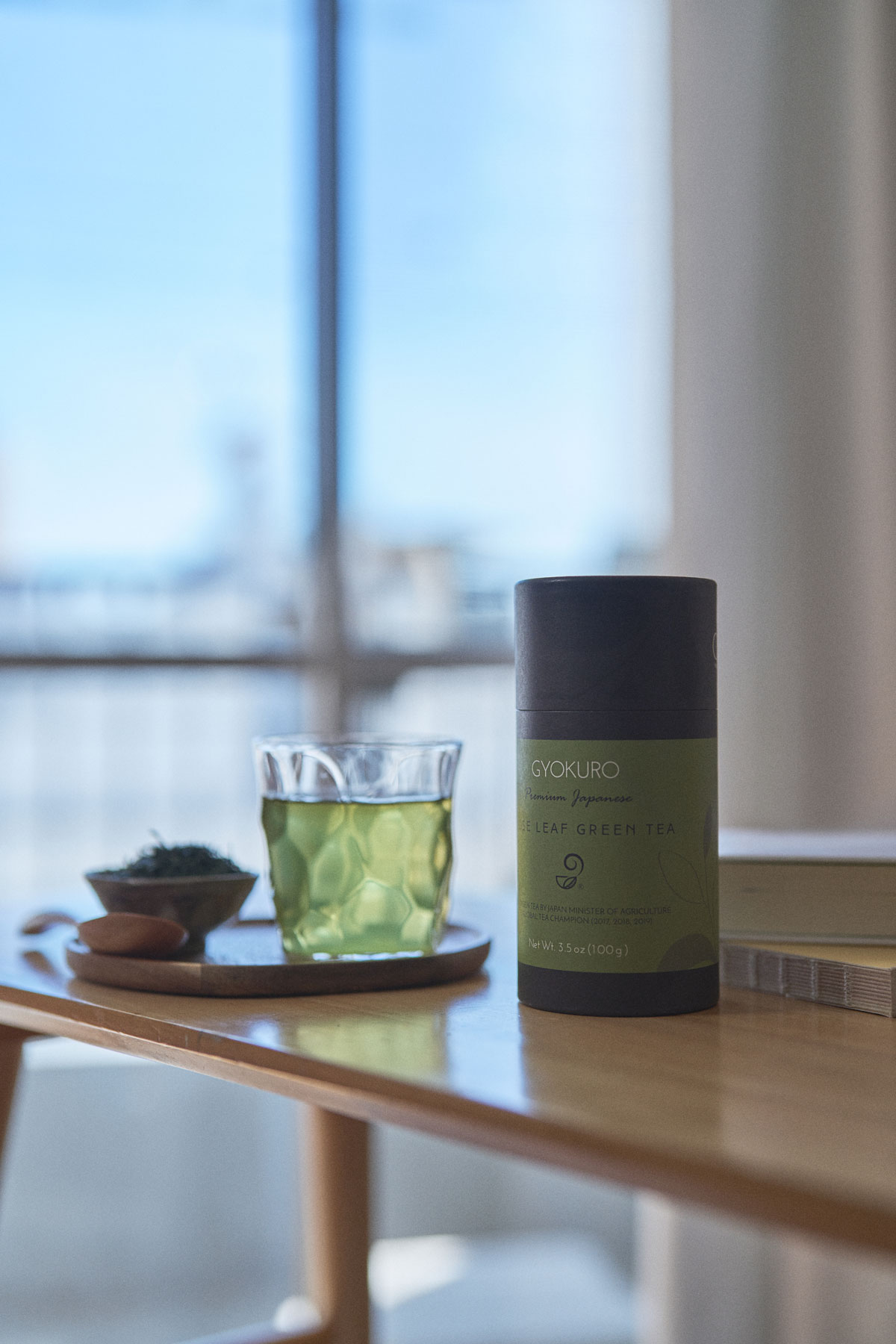
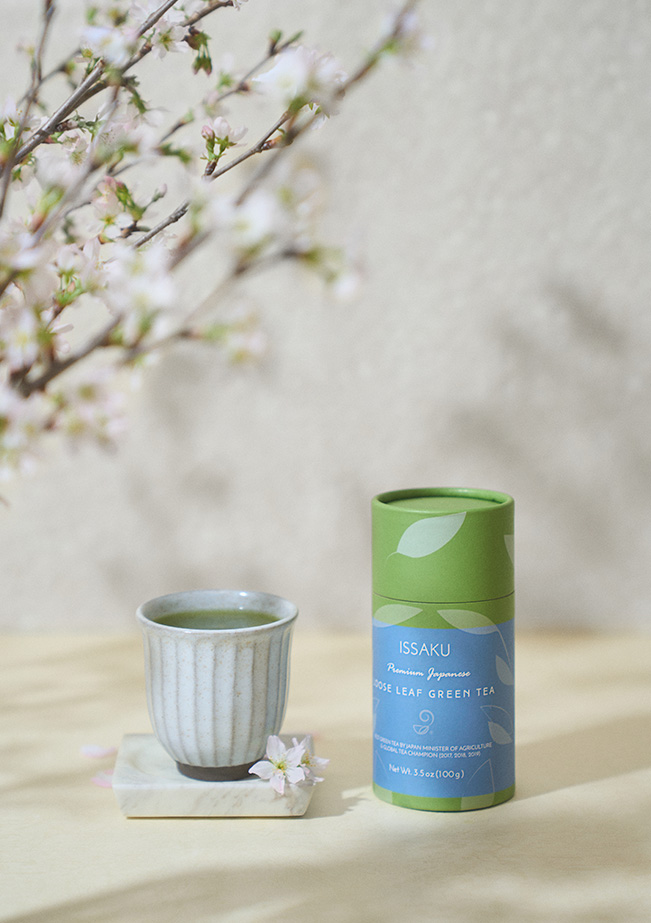
Image Credits
Dream of Japan
Miki Pon
Popular
-

Portraits of the Valley
-

LA’s Most Inspiring Stories
-

Rick Norris Learned That Building a Successful Business Means Building a Life You Actually Want to Live
-

How Olivia Rush Turned Survival Into a Mission to Help Others Keep Going
-

How Bibi Goldstein Is Helping Entrepreneurs Reclaim Their Time by Embracing the Power of Delegation
-

Victoria Hasson is Redefining Voice Coaching Through Community and Collaboration


