




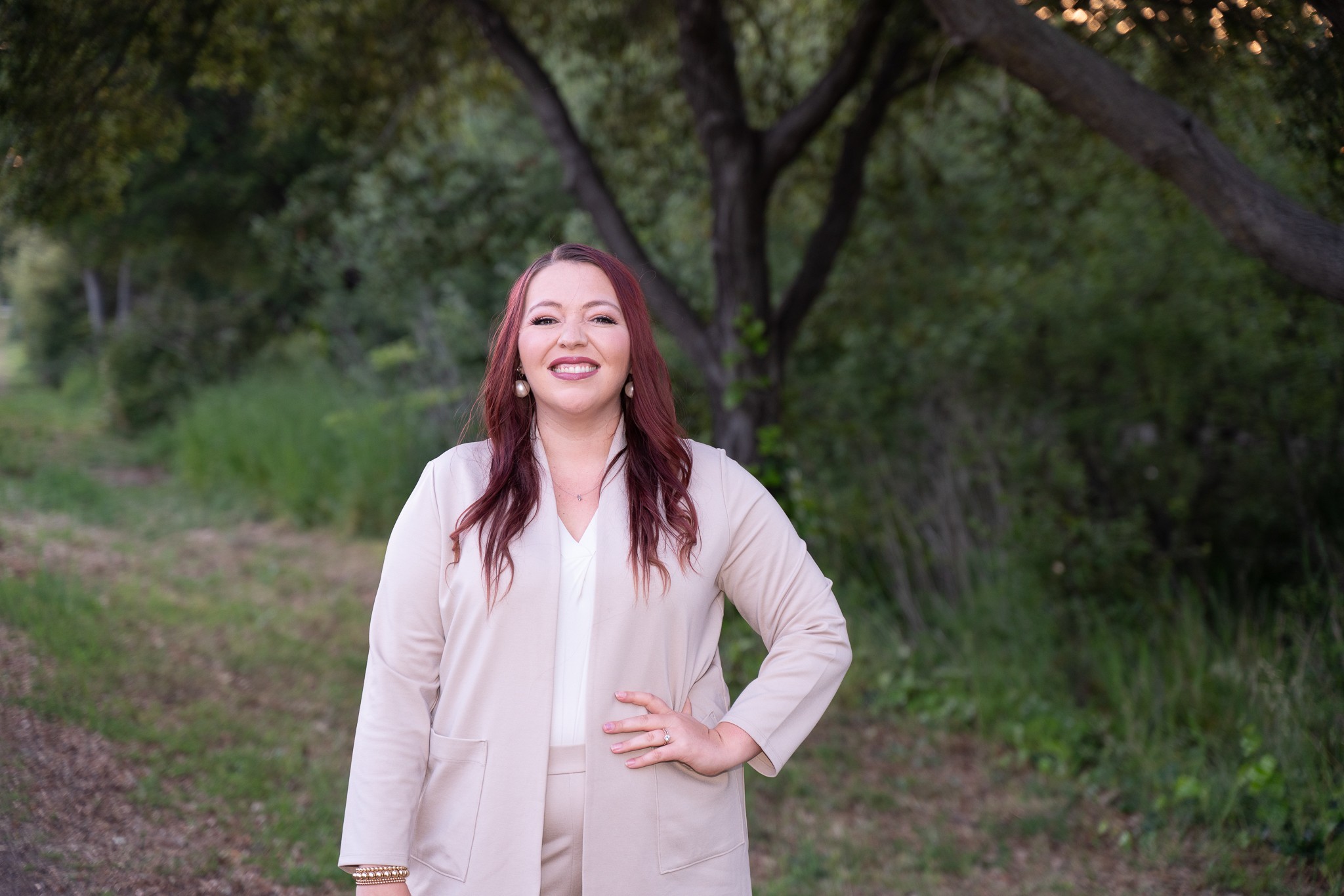
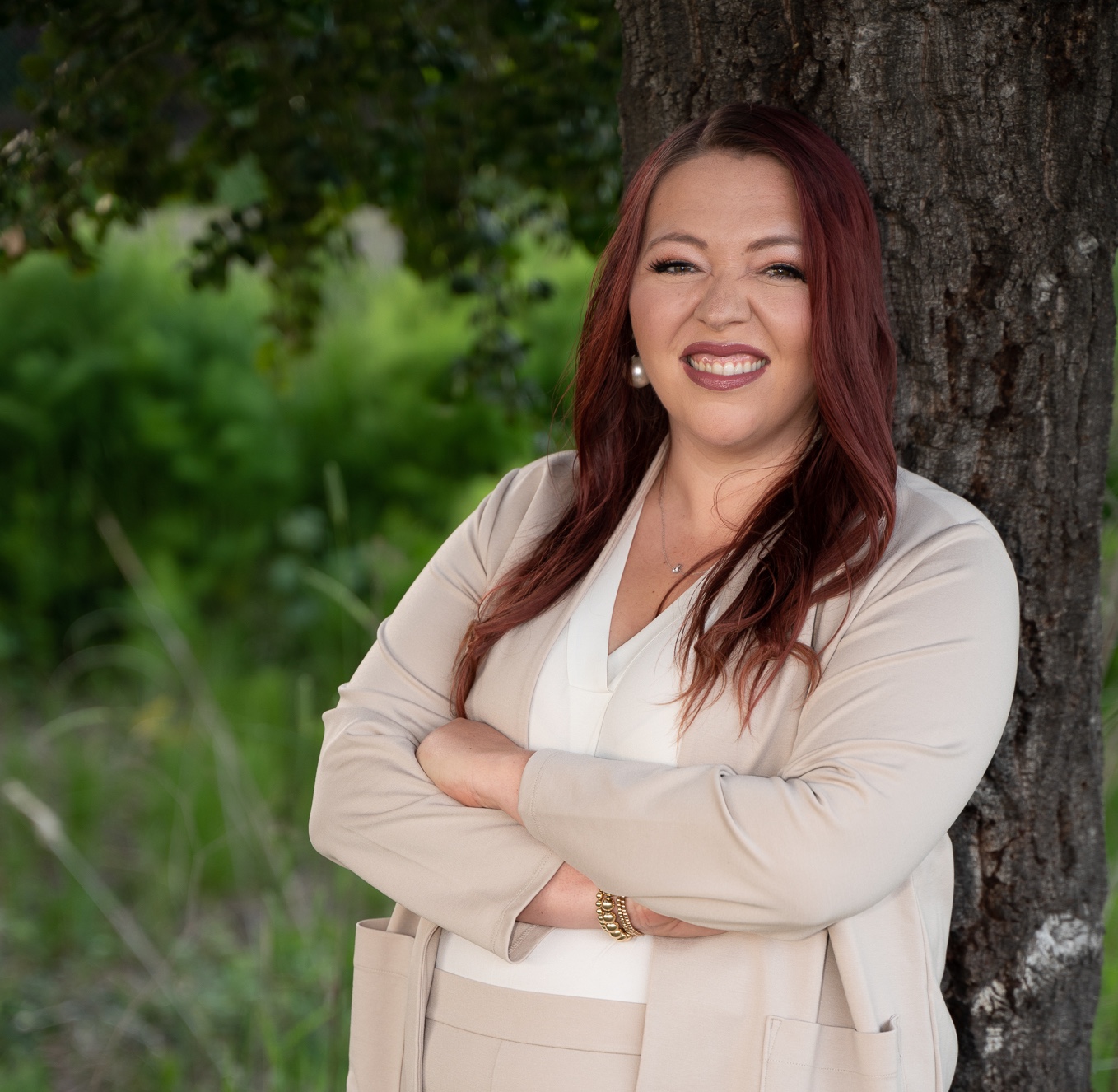
Today we’d like to introduce you to Courtney Crisp.
Hi Courtney, it’s an honor to have you on the platform. Thanks for taking the time to share your story with us – to start maybe you can share some of your backstory with our readers?
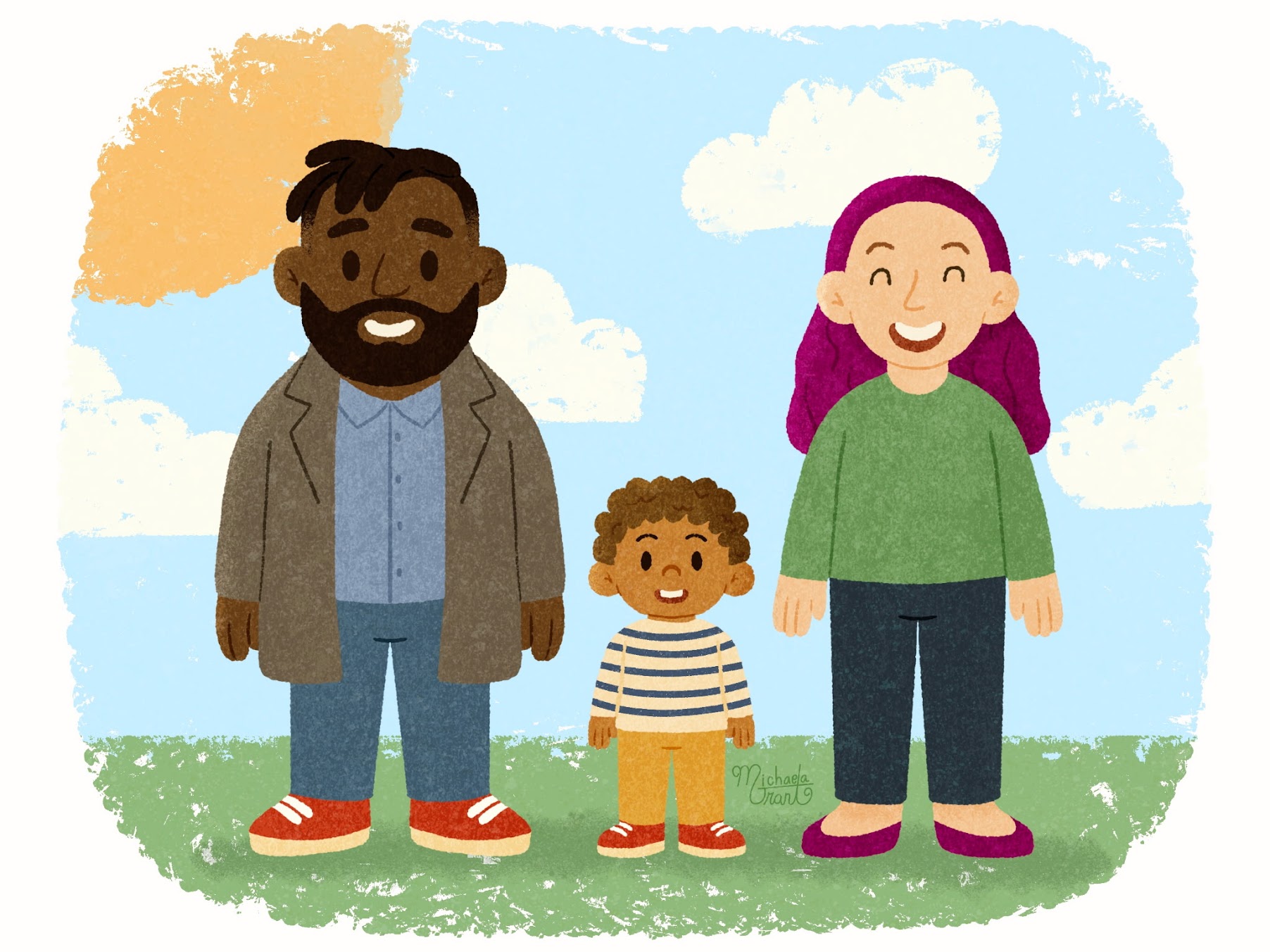
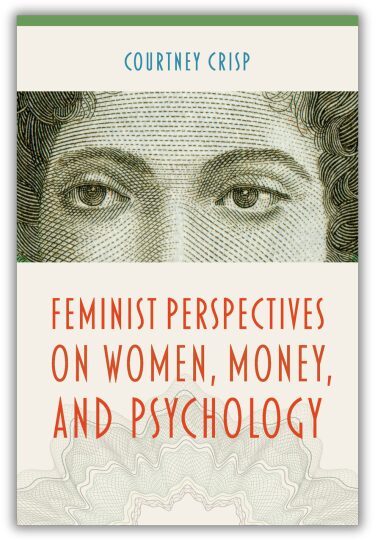
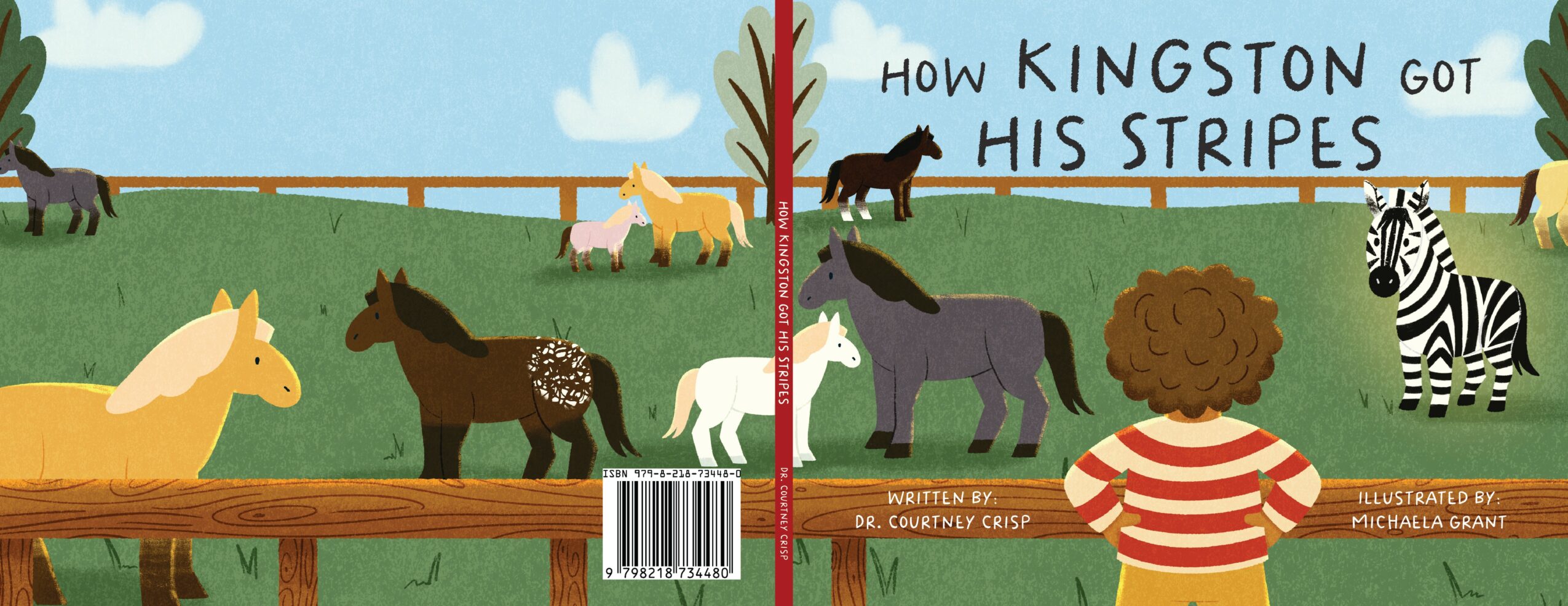
Of course! My name is Dr. Courtney Crisp and I am a psychologist and author. I run a psychology practice called Crisp Psychology Group based in Long Beach, California. I am also the author of two books, one a children’s book about my son’s rare disease called How Kingston Got His Stripes. The other is a psychology book called Feminist Perspectives on Women, Money and Psychology and explores the often-overlooked psychological and social forces that shape women’s relationships with money.
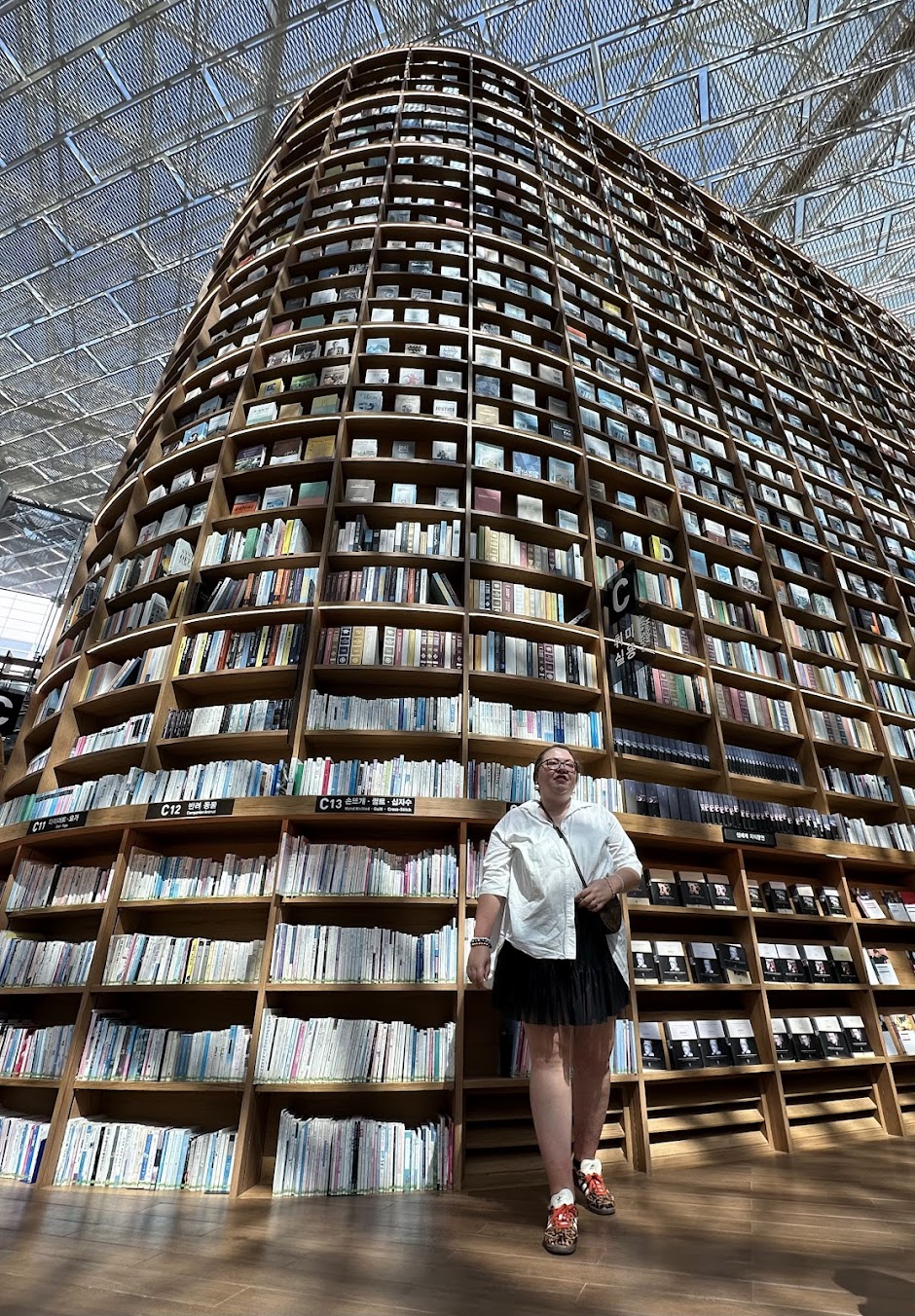
I think one of the most interesting things about me that people may not know is that I moved around a ton growing up. I was born in Boston and from there moved to Connecticut, Chicago, Houston, and finally Southern California. I went to college in Northern California and spent over a year living and working in Berlin, Germany. I think who I am today really stands as a patchwork of all of those cultures. I’d like to think I have the down-to-earthness and approachability of a Midwesterner, the style and swag of someone from Los Angeles, and the directness and efficiency of a German.
Being an athlete was also a huge part of my identity when I was a young kid through the time I was in college. I played competitive basketball for most of my childhood and adolescence and was recruited by Division 1 programs for both basketball and rowing. I ended up doing rowing and playing rugby in college. For a while after leaving sport I felt pretty burned out from it, but I have come to appreciate the life lessons of being an athlete increasingly the older I get. I am grateful that I had so many lessons young about being gracious in victory and defeat, tenacity, in integrity, and how to find the honor and joy in showing up every day to make your dreams come true.
I also find it helpful when it comes to finding the willpower to bounce back from setbacks. I’ve had people comment on how resilient and tenacious I am when it comes to sizing up and facing down challenging obstacles (such as getting a book published), and I truly believe that so much of that comes from early life lessons from sports. My parents are also huge role models for me in this area. They are entrepreneurs themselves and have never met a challenge they didn’t like.
Another thing people may not know about me is that I was an English major as an undergrad and my first career aspiration was to be a writer. After graduating college into the Great Recession in 2011, I knew I still wanted to write but that I needed a field with more economic stability. I pivoted towards being a psychologist both because I wanted to help people but also, I found myself fascinated with the field of psychology itself. Much like great writing and books, the field of psychology tries to really understand and define what it means to be human. To me there’s no better pursuit or way to spend my days. I am grateful that my life and career today has become a really wonderful blend of writing and psychology.
Alright, so let’s dig a little deeper into the story – has it been an easy path overall and if not, what were the challenges you’ve had to overcome?
I think any business comes with challenges. One thing that comes to mind for me is finding the balance of staying accessible for clients while still supporting myself and my family. I really try to do the best I can through a mix of taking some insurance, employee assistance programs, and reduced-fee therapy and assessment.
In terms of my writing and books, I think my biggest challenge is just how to find a way to make rejection my friend. Being a writer actively trying to publish books means near constant rejection, it is just part of the game. Sometimes people see your successes but not the many failed attempts it took to get there. Yes, I got into Pepperdine, a wonderful Psy. D. program. I got rejected from many Ph. D. programs as well. Yes, I am incredibly excited for my forthcoming book in December. But I faced rejections for other book proposals before I found one that landed.
I also have struggled with many people wanting to put me in a box and tell me to be or do one thing. In graduate school I felt pressured to work towards being a full-time clinician working for an organization. And while that can be a great fit for someone else, I knew I wanted a more varied work and day to day. I love being a clinician, don’t get me wrong. But I also love teaching, writing, doing research, being creative, and having as much flexibility as possible throughout my week.
We’ve been impressed with Crisp Psychology Group , but for folks who might not be as familiar, what can you share with them about what you do and what sets you apart from others?
My psychology practice specializes in neuroaffirming care for neurodivergent clients, LGBTQ+ affirming care for queer clients, as well as the care of eating disorders, OCD, bipolar disorder, anxiety, depression, and recovery from religious trauma and high-control groups. I also do neuroaffirming assessments for ADHD and autism in adults. By neuroaffirming, I mean recognizing and respecting neurological differences as natural forms of human diversity, while supporting people in ways that work with their individual needs, strengths, and brains.
My colleagues would most likely describe me as a therapist as warm, validating, direct, creative, and collaborative. I believe that knowledge is power when it comes to mental health and that through better understanding ourselves within an unconditionally supportive therapeutic relationship, we can create change.
I am also incredibly proud of my two books. They are both labors of love that created something that I felt did not exist in the world that needed to. How Kingston Got His Stripes is about my son’s rare disease called medium chain acl-CoA dehydrogenase deficiency. It can be life threatening but because it is so rare, it is something that I am constantly having to explain to other people as well as advocate for my son within healthcare and school settings. I wrote it for Kingston and other MCADD families so that they could have a resource to explain MCADD to their kiddos while also being able to explain it to teachers, pediatricians, family members, and friends.
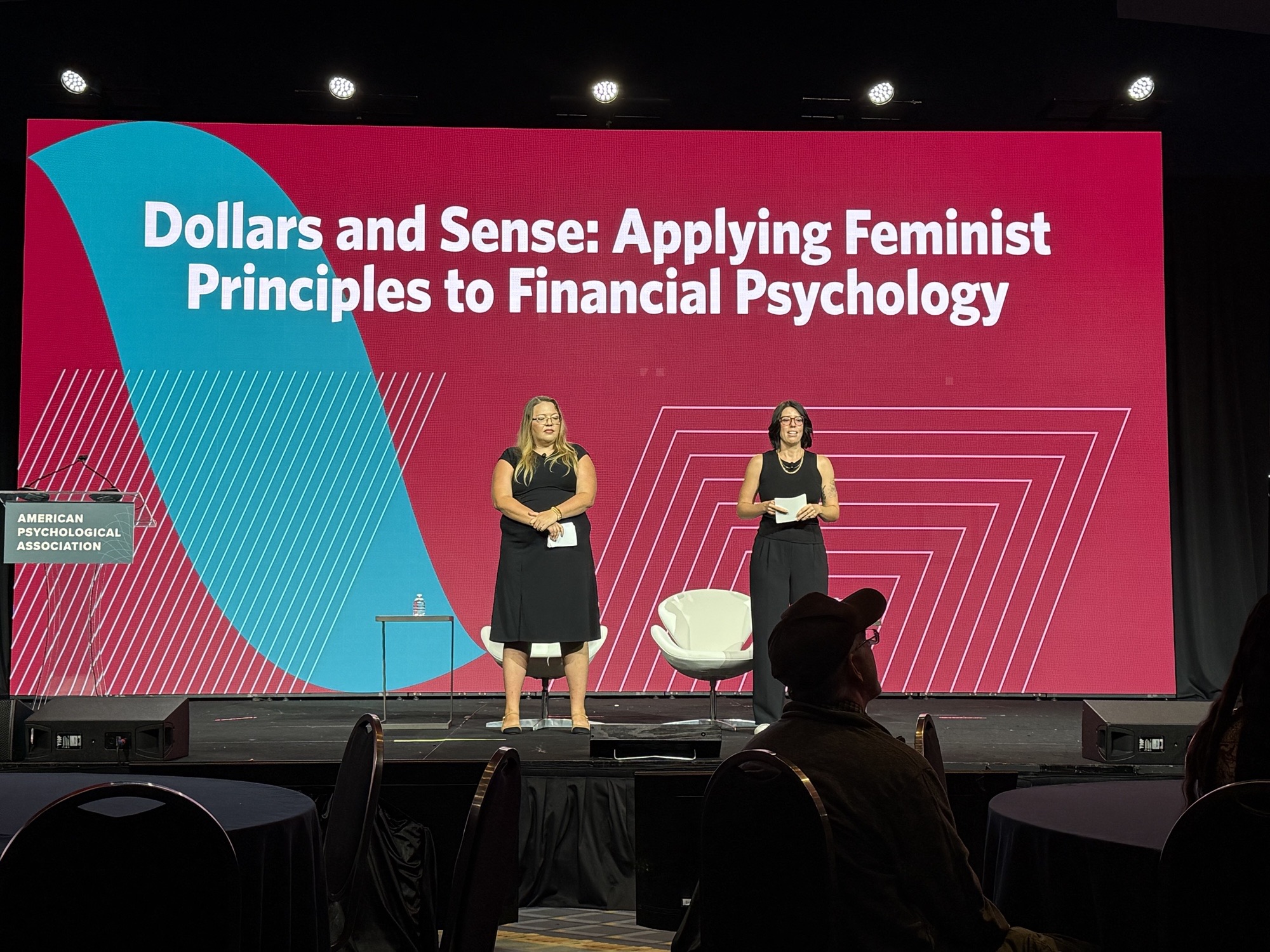
Feminist Perspectives on Women, Money and Psychology grew out of a time postpartum in my life where like many families navigating our broken healthcare and parental leave system, I faced a great deal of financial stress. I looked as I do with many mental health stressors on what resources there were for coping with financial stress and was shocked to find that there were very few. I found this especially surprising given how much financial stress impacts mental health. I am proud that my book is one contribution to the research in feminist and financial psychology that navigates how we can better understand how money and our mental health interact.
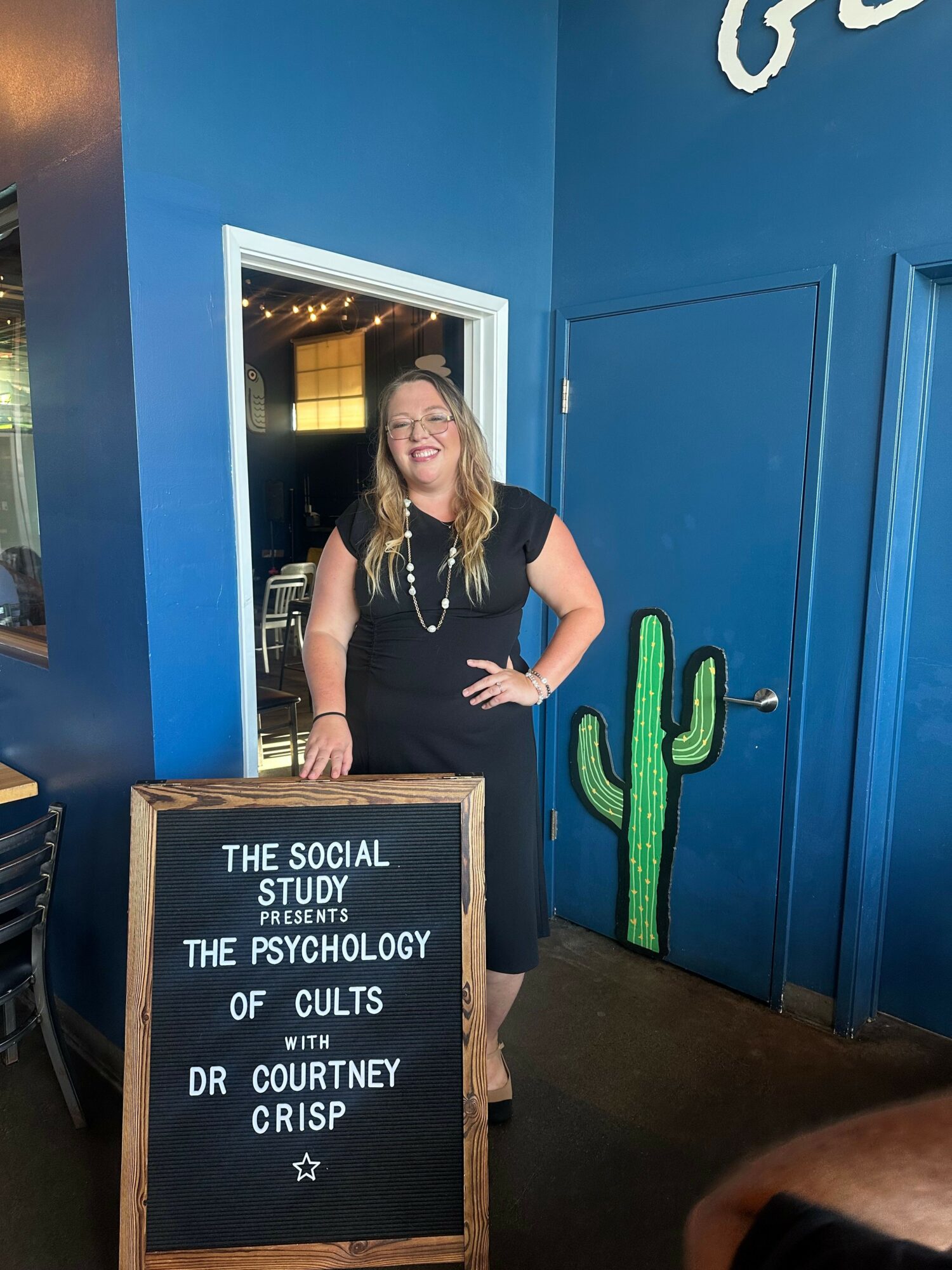
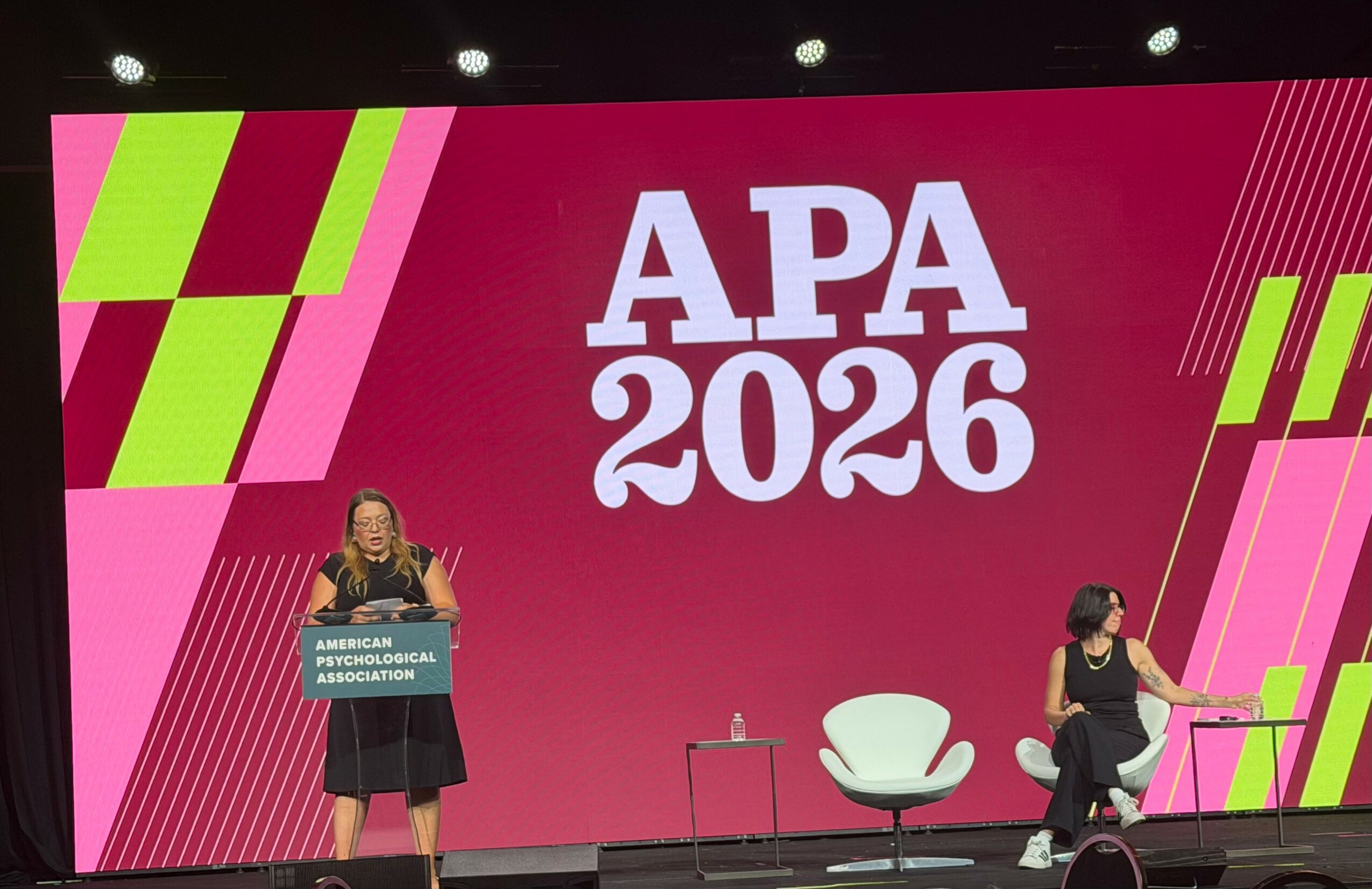
As a psychologist and business owner, I am really proud that I have never let myself be boxed in. Yes, I am a clinician who owns a private practice and sees clients for therapy. But I am also an author, a researcher, a speaker, a professor and an artist.
I absolutely love the Long Beach community and am so honored to serve my clients and the community here. I think it is a unique place in that it feels both big and small. It is so diverse and has so many amazing and unique pockets that make the city what it is. I love that I can go to the beach, visit a bustling downtown, have amazing Cambodian food, go thrifting, and go to a world-class art museum – all in one day.
Before we let you go, we’ve got to ask if you have any advice for those who are just starting out?
My parents gave me great advice to talk to as many people as possible that were doing what I wanted to do or close to what I wanted to do. That is something that I continue to do to this day and find incredibly helpful.
For a long time, I looked to other people’s careers for what I should do or emulate myself after. And to a point that is helpful. But at some point, I was not seeing in others around me the career set-up that I knew in my heart I wanted. When I stepped away from my full-time clinical job, it was definitely a leap of faith, but I knew I needed a set-up that is more flexible and entrepreneurial. I gave myself permission to build my own path and set my own way.
Another piece of good advice I got early on was to not just think of your “dream job” in terms of title but think about how you wanted the nuts and bolts of your day to look. I realized that having a job that sounded good on paper or that other people admired wasn’t worth it to me if it meant I had to compromise on things like flexibility, autonomy, and creativity.
I think one thing I always try to remember is that I don’t have to have all of the answers or my entire long-term plan mapped out. It is ok in business and entrepreneurship to go with the next step that feels right to me. It is also ok to just try things. Sometimes it will work out and feel aligned and sometimes it will not. It is all ok and in the spirit of building a values-oriented business that serves a community I love.
Contact Info:
- Website: https://www.drcourtneycrisp.com
- Instagram: @drcourtneycrisp
- LinkedIn: https://www.linkedin.com/in/courtneylcrisp/
- Other: https://www.tiktok.com/@drcourtneycrisp
Popular
-

Portraits of the Valley
-

LA’s Most Inspiring Stories
-

Rick Norris Learned That Building a Successful Business Means Building a Life You Actually Want to Live
-

How Olivia Rush Turned Survival Into a Mission to Help Others Keep Going
-

How Bibi Goldstein Is Helping Entrepreneurs Reclaim Their Time by Embracing the Power of Delegation
-

Victoria Hasson is Redefining Voice Coaching Through Community and Collaboration


