




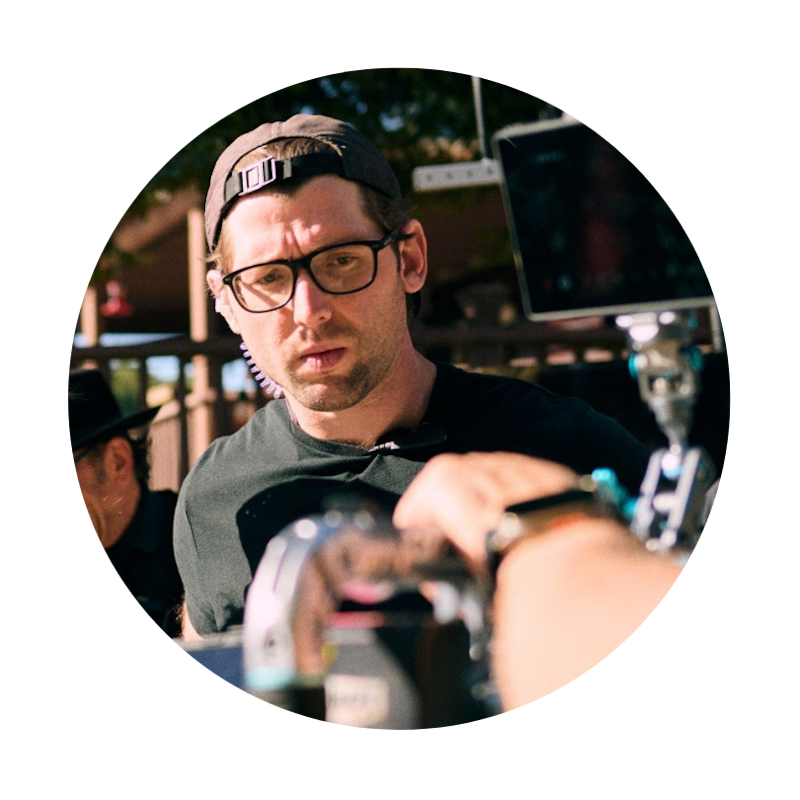
Today we’d like to introduce you to Zack Eritz.
Hi Zack, please kick things off for us with an introduction to yourself and your story.
Like many creatives in LA, I’m a transplant. Originally from Pittsburgh, my plan wasn’t actually to be in the film industry. Back in my early twenties, my goal was to teach English Literature. I just wanted to be around storytelling. But life usually has a different plan.
Life is full of highs and lows, and when you hit a low, it feels like there is nothing in the world that can save you. In those moments, I’ve learned that it is all about how you respond, and most importantly, how you build yourself back up. Fresh out of Penn State, I hit a pretty hard wall. I made a stupid mistake, got a DUI, and suddenly felt like my life and opportunities were stalling out while everyone else my age was moving forward. To pay off my court fines, I spent my weekends working estate sales in Pittsburgh with my mother. It was a really terrible point in my life, but one afternoon at a sale in Squirrel Hill, I struck up a conversation with a stranger who mentioned the Pittsburgh Film Office. It was the first real glimmer of direction I’d had in a while. I went home, looked up their website, and found local filmmakers asking for help. I fired off an email and that was the start of everything. I stepped onto my first set of a low budget webseries in Beaver Township as a Production Assistant, and even though I felt like I had no idea what I was doing, I absolutely loved the collaboration and the energy of it all.
When I eventually moved to Los Angeles three years later, my real education started almost immediately. During my first week in the city, I met cinematographer Shane Hurlbut, ASC, and began helping him with what was then “Shane’s Inner Circle,” the educational arm of Hurlbut Visuals. Shane and his wife, Lydia, became my very first mentors. For the next few months, I had to completely forget everything I thought I knew and start again from the ground up. That time became my new foundation. Shane taught me how things are actually done on a high-level set. Today, we take behind-the-scenes access and educational content for granted, but back then, sharing industry secrets was almost taboo. Shane wasn’t afraid to pull the curtain back and show how the machine really worked.
While I was building that foundation, I also had to learn how to survive the daily Los Angeles hustle. This industry doesn’t care what you want your title to be; you have to adapt. I took whatever work I could get. I survived on commercial gigs and jobs from production designers who hired me as a set dresser simply because I had a strong back and could lift heavy furniture. I spent countless hours lost in the Universal Studios prop house and learned the art of packing a grip truck so tight that nothing shifted on the 405.
Out of pure necessity, I became a Swiss Army knife. That was especially true when I started producing documentary work alongside my wife, Alana, who is a director. To get those projects across the finish line, I found myself doing a bit of everything—managing logistics, writing interview questions, setting up lights, and operating cameras. You just do whatever the job demands.
Today, as the CEO of Filmmakers Academy, it feels like everything has come full circle. The platform evolved from those early days of Shane’s Inner Circle, and my role aligns perfectly with my original dream of teaching. I get to sit down with some of the best filmmakers in the world, learn how they approach their craft, and pass that knowledge on to the next generation. We focus on the reality of the job—the actual, everyday hustle of being a working filmmaker. It took starting at the absolute bottom, unlearning everything, and working every odd job on every level of production for me to realize that empowering others to tell their stories was exactly what I was meant to do.
Can you talk to us a bit about the challenges and lessons you’ve learned along the way. Looking back would you say it’s been easy or smooth in retrospect?
It has been the furthest thing from smooth. When you choose to make a living in the film industry, you are essentially signing up for a life of extreme financial unpredictability, grueling hours, and a constant need to pivot just to survive.
In the beginning, the biggest struggle was just pure, absolute broke-ness and the indignity that comes with it. I remember wrapping a brutal two-day shoot as a PA, and I was completely exhausted and hollowed out. I had exactly enough cash left to stop at a Starbucks and buy myself a coffee and a pink cake pop. It was my grand reward for surviving the week. I got back into my car, took a glorious swig of coffee, and just as I pulled out of the parking lot, I took a bite of the cake pop and the other half snapped off. It fell straight onto the filthy, dirt-caked floorboard of my car. I honestly wanted to cry. I sat there in traffic, picked it out of the grime, blew the dust off, and defeatedly ate it anyway. You have these pathetic, soul-crushing lows where you think, What am I even doing? I’m an idiot. But then you wake up the next morning and do it all over again.
There is also a massive ego check you have to go through. When I first moved to Los Angeles, I was introduced to Shane and Lydia Hurlbut. Shane is a seasoned and innovative cinematographer, and helping them build what was then Shane’s Inner Circle meant I had to completely unlearn whatever I thought I knew about filmmaking. At least back then, you realized very quickly that the industry doesn’t care about your vanity titles or your film school degree. Unless you were confident enough to sell it. At that time, I wasn’t. You have to start at the absolute bottom. But if you are a hard worker, you find your tribes and you always have work, which I did. And then you work into better roles with more responsibility, which I also did. It’s about proving yourself and showing that you are always reliable.
As you get older, the struggles shift. The stakes change. My wife, Alana, who I met on a dog food commercial at a loft in downtown LA, is a documentary filmmaker, and when we had our daughter, the romance of maxing out a credit card to shoot a passion project on the weekend completely vanished. You have a family relying on you. Time becomes your most expensive currency, and you have to become more choosey—only taking on the projects that absolutely matter. Balancing the art with the reality of running a business and providing for a family is a high-wire act.
But honestly, I wouldn’t change any of it. That struggle is the filter. It weeds out the people who aren’t meant to be here, and it gives you the exact tactile, real-world experience you need to actually succeed. I wouldn’t be able to run Filmmakers Academy effectively, and understand every kind of filmmaker, if I hadn’t spent years eating dirt on the floorboards of the industry first.
Thanks – so what else should our readers know about Filmmakers Academy?
Filmmakers Academy (www.filmmakersacademy.com) is, at its core, the bridge between the romantic idea of filmmaking and the tactile, unvarnished reality of the actual craft. We are a premium educational platform and global community designed to teach filmmakers how to actually survive and thrive.
What we specialize in—and what fundamentally sets us apart from traditional film education or typical online tutorials—is that we do not only teach theory. There is enough theory out there. We teach execution. We teach the latest techniques and workflows that are being created on the job with the latest innovations. We bring in some of the greatest master cinematographers, directors, editors, and colorists in the world, and we have them completely deconstruct their craft.
When I first started in this industry, learning how a massive Hollywood set actually functioned was almost impossible. The real, practical knowledge was guarded. It was taboo to share your lighting schematics or your budget breakdowns. When we started building the foundation of this platform with Shane Hurlbut, ASC, the entire goal was to shatter that gatekeeping. We pull back the curtain and show you exactly where to place the lights, how to manage the politics of a set, how to “design” a camera build, and how to operate as a lean, agile entrepreneur.
I think what I am most proud of, brand-wise, is our absolute transparency and our commitment to the community. We don’t sell the shiny, false Hollywood dream of instant fame and golden statues. We treat filmmaking as a relentless trade. We respect the hustle of the camera assistants, the gaffers, and the grips just as much as the directors. We want our members to build sustainable, long-term careers so the industry doesn’t grind them into dust.
As for our offerings, we have an incredibly expansive library of masterclasses and courses that cover every facet of production and post-production. But we aren’t just a static video library. We are an active, breathing community. We actively feature live Office Hours and Group Coaching sessions where we actually sit down with our members, look at their work, answer their specific questions, and help them navigate the very real hurdles in their careers.
Ultimately, what I want people to know about Filmmakers Academy is that we are giving you the exact blueprint that we wish we had when we were struggling at the bottom. We are taking the gospel of the masters and passing it down, so that no matter where you are starting from, you have the tools to tell your story.
Can you talk to us a bit about the role of luck?
I think anyone who tells you luck doesn’t play a massive role in this industry is lying to you. But I also think the Hollywood definition of luck — getting magically discovered or handed a golden opportunity out of nowhere — is complete fiction.
In production, we can call bad luck a curse but it’s really just a Tuesday. When I was working heavily in documentaries, the plan was always the first casualty. The schedule detonates, or a piece of equipment breaks in the middle of nowhere, or the situation on the ground shifts instantly. That “bad luck” is exactly what forced me to become a Swiss Army knife out of pure survival. You don’t have time to complain; you just pivot. You find yourself coming up with solutions on the fly, setting up the lights, and jumping onto the B-cam—or in dire, make-or-break situations, pulling duty on the A-cam. That bad luck is exactly what forces you to intimately learn the craft, from lens testing to light metering, while completely under fire. And, it prepares you to always have a Plan A, Plan B, and Plan C.
On the business side, good luck is usually just the byproduct of exhausting, relentless preparation. At Filmmakers Academy, we’ve had the “luck” of coordinating live events with incredible industry guests and collaborating on cutting edge education. But getting high-caliber creatives in the room isn’t a lucky break. It’s the culmination of endless networking, structuring B2B media kits, designing the marketing rollout, and building an educational platform that they actually respect and want to participate in.
From the outside, shooting a high-end educational course looks like a glamorous, lucky gig. The reality? It is obsessing over technical timelines, crew logistics, daily filming milestones, meal provisions, and figuring out vehicle parking constraints for a fleet of gear in the middle of July. If you rely on luck to get a crew fed, a truck parked, and a massive production wrapped on time, you will fail spectacularly.
Luck might open the door. It might get the talent to say “yes” or put you in the right room at the right time. But the second you step through that door, luck evaporates. Execution is the only thing that keeps you alive.
Pricing:
- 1-Month Membership: $39.99/month
- 3-Month Membership: $99.99/quarter
- 12-Month Membership: $349.99
- Courses/Masterclasses Available for Single Purchase
Contact Info:
- Website: https://www.filmmakersacademy.com
- Instagram: https://www.instagram.com/filmmakers_academy/?hl=en
- Facebook: https://www.facebook.com/filmmakersacademyy/
- LinkedIn: https://www.linkedin.com/company/filmmakers-academy
- Youtube: https://www.youtube.com/channel/UCjHg96xQd03z-xXgMBRwYzw
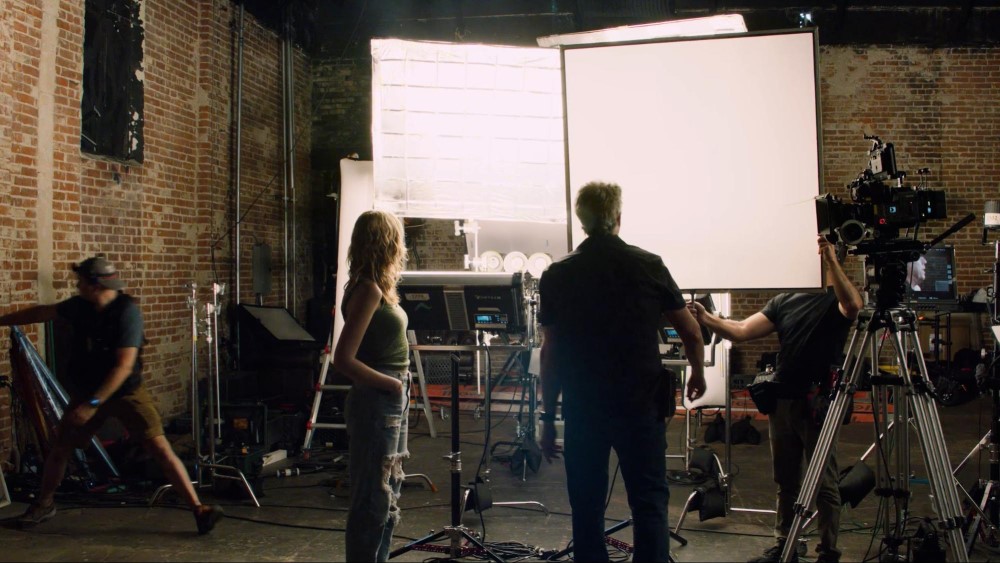
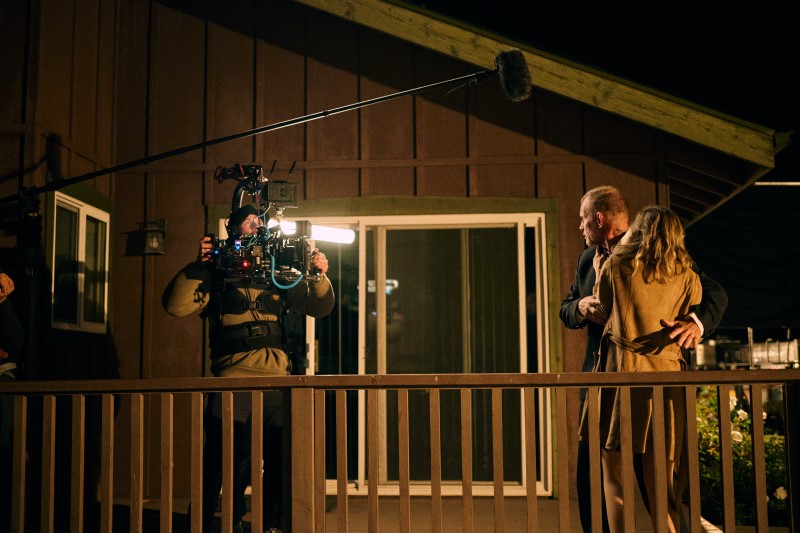
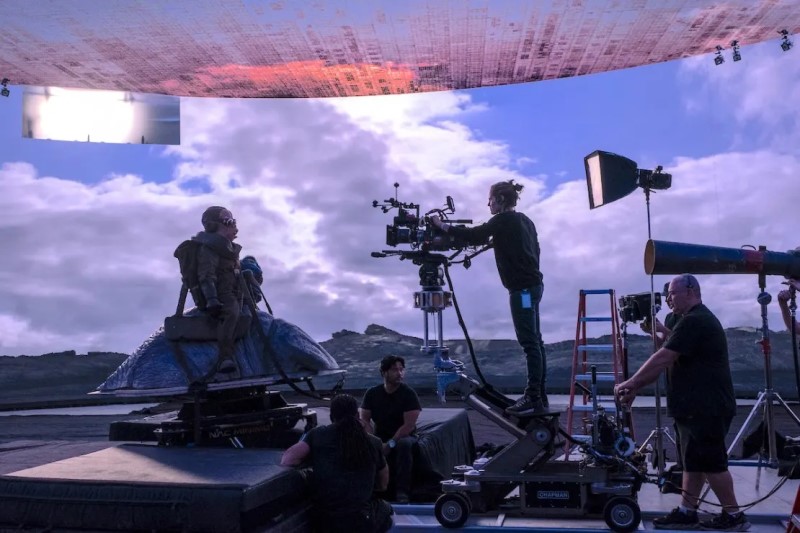

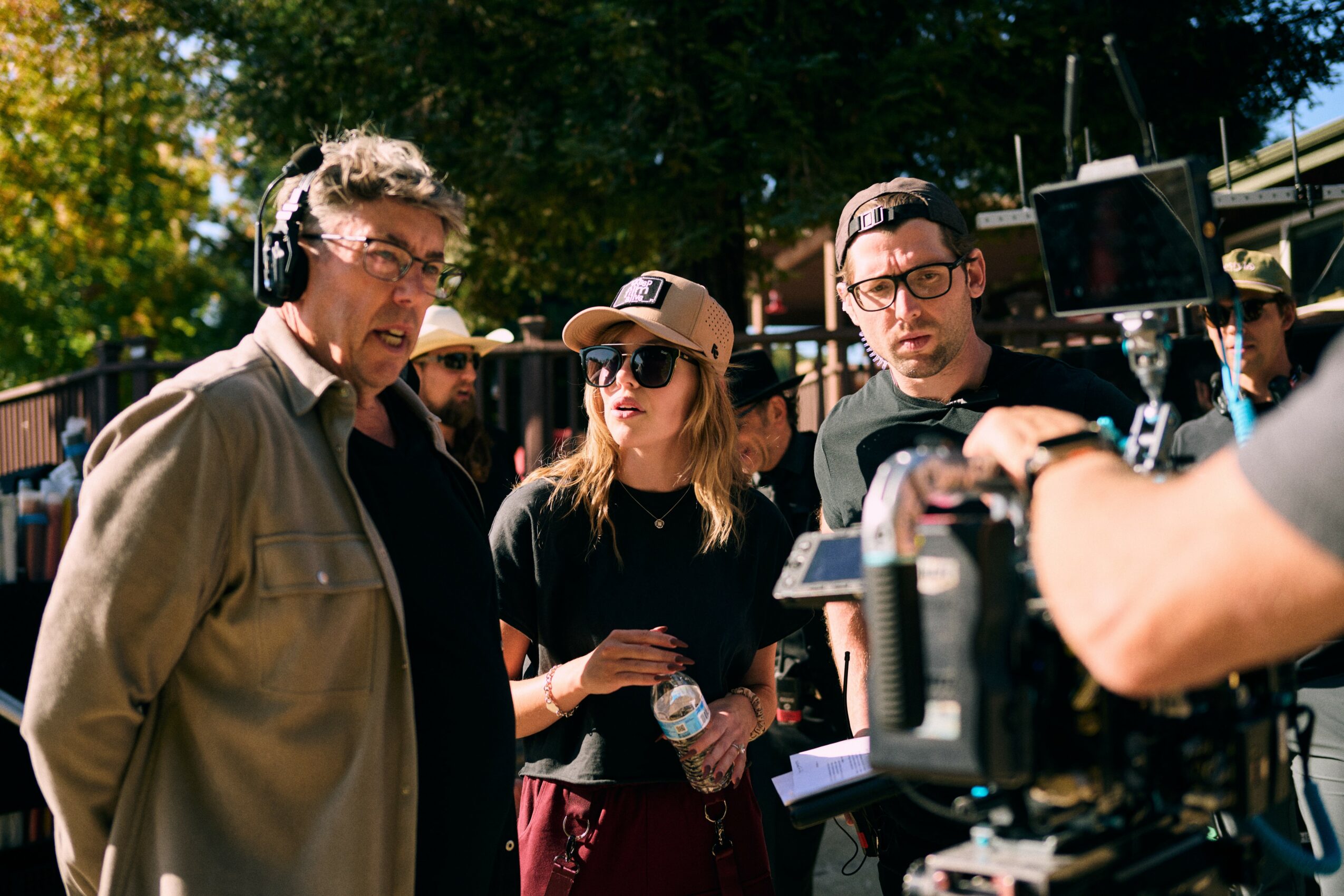
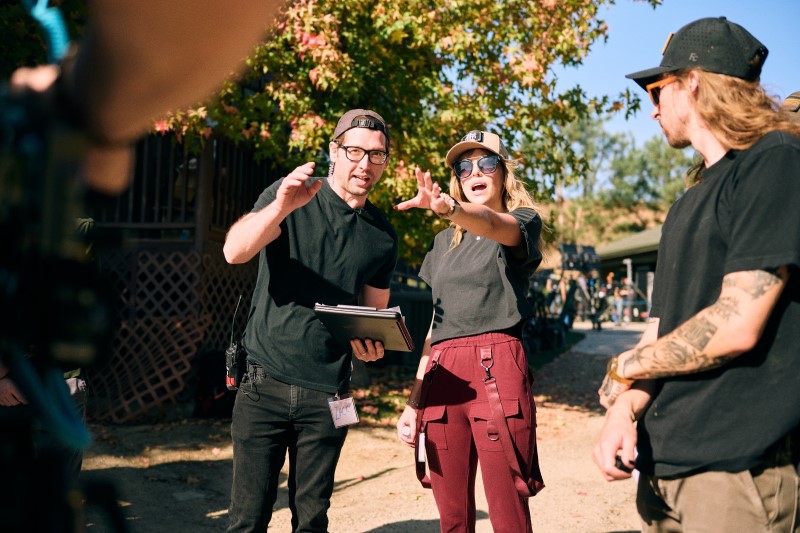
Image Credits
Jeremy Pavia, Brendan Sweeney,
Popular
-

Portraits of the Valley
-

LA’s Most Inspiring Stories
-

Rick Norris Learned That Building a Successful Business Means Building a Life You Actually Want to Live
-

How Olivia Rush Turned Survival Into a Mission to Help Others Keep Going
-

How Bibi Goldstein Is Helping Entrepreneurs Reclaim Their Time by Embracing the Power of Delegation
-

Victoria Hasson is Redefining Voice Coaching Through Community and Collaboration


