


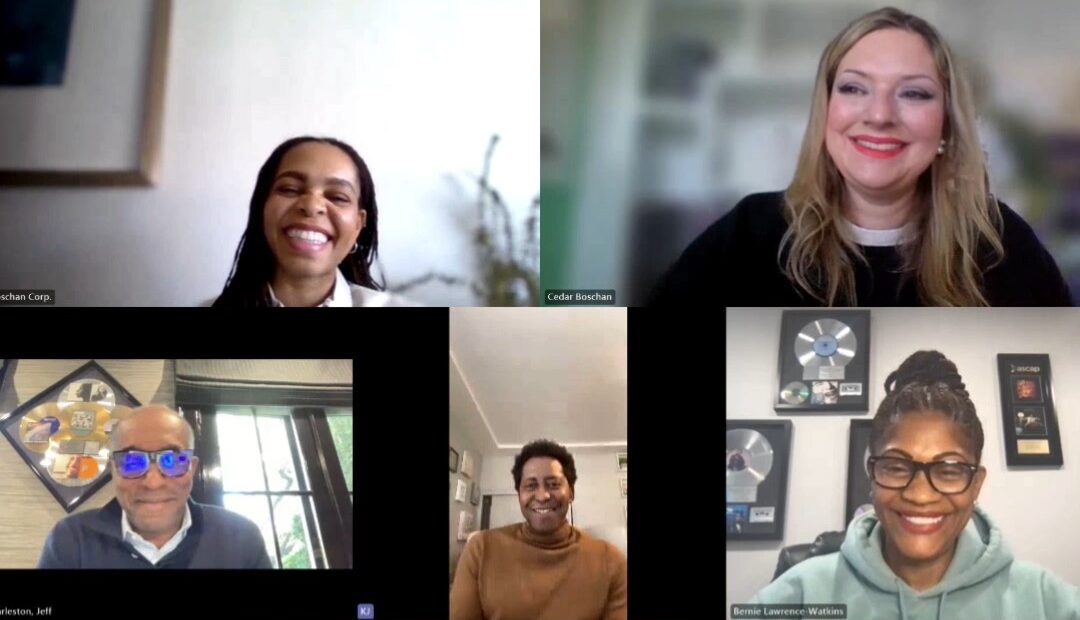
Cedar Boschan is helping bring critical attention to the often-overlooked complexities of Black music rights through a thoughtfully structured panel discussion that blends education with real-world impact. Rooted in both historical context and present-day challenges — especially in the evolving age of AI — the project highlights the urgent need for fair crediting, transparency, and stronger protections for creators. By breaking down complex topics into accessible formats and amplifying expert voices, Cedar aims to empower artists, spark industry-wide dialogue, and push for meaningful reforms that not only uplift Black creators, but raise standards across the entire music ecosystem.
Cedar, what inspired you to create this panel discussion on Black music rights, and why does this conversation feel especially urgent right now?
I didn’t create it alone! Employees at our royalty audit and damages expert firm, Boschan Corp., requested we do more to celebrate Black History Month. Some of us at the firm, including my co-moderator, Candace Chesnut, elected to produce this discussion and release the corresponding video as an internal collaborative team-building project in honor of Black history. For context, we serve many clients in the music industry. As such, we know that “Black History” is “Music History,” which is highly relevant to our music clients and us. It ended up being a rewarding and educational experience for our firm, with the benefit of helping many others.
While the project itself was planned and executed over many months, and aims to be timeless, some of the topics we discussed are quite timely, especially with respect to rights advocacy. Namely, the age of AI has sparked new calls for broader rights to protect entertainers and other individuals, and now is the very time to discuss how to restructure rights to give equitable credit and stop from repeating the pattern of underprotection of works by Black creators.
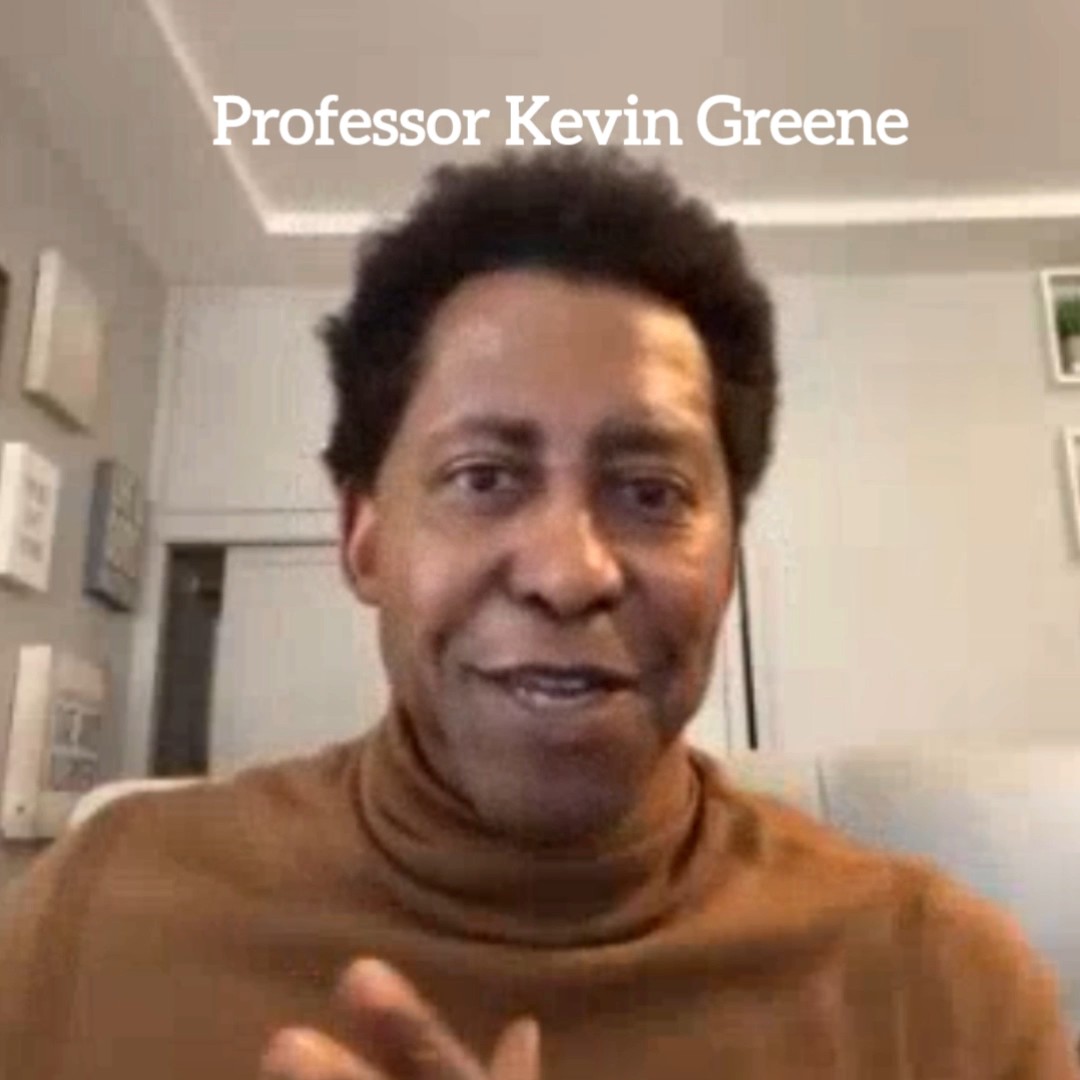
“When we’re talking about making changes, one thing that has to change is that we have no mechanism in American jurisprudence and IP that protects people’s right to credit,” said panelist Southwestern Law School Professor Kevin Greene. “…As we’re now talking about a new federal right of publicity, I’ve been screaming wherever I can, you must include a right to credit with that.”
Your project includes both a full-length discussion and shorter clips. How did you approach structuring the content to reach different audiences?
We intentionally structured the project in layers because different audiences engage with information differently. Only lawyers and accountants want to watch a one hour continuing education video, so we tried to make shorter segments and clips available that are easier for most to watch/listen and share far and wide, which we hope you will!
We want people to share the clips to reach as many people as possible because they serve as educational entry points. Topics like music royalties, copyright, and finance can feel technical or intimidating, so breaking the discussion into digestible moments allows people to connect with specific issues relevant to their work or experiences.
What are some of the key issues or misconceptions around Black music rights that you hope this panel helps clarify?
First, it must be appreciated that Black music rights impact all music rights. As Professor Greene mentioned during the discussion, the model of taking advantage of Black artists was copied to take advantage of all artists and the pattern continues to this day with artists of all backgrounds and identities. Raising standards for the rights of Black musicians will raise standards for all musicians. This is why all musicians should care about Black music rights.
Also applicable to all new artists, the discussion contrasts the optimistic misconceptions of new artists with the rough economic realities that artists and their heirs commonly endure, such as poverty and debt due to lack of legal representation, substandard management, splitting credit with too many people, and taking too many advances.
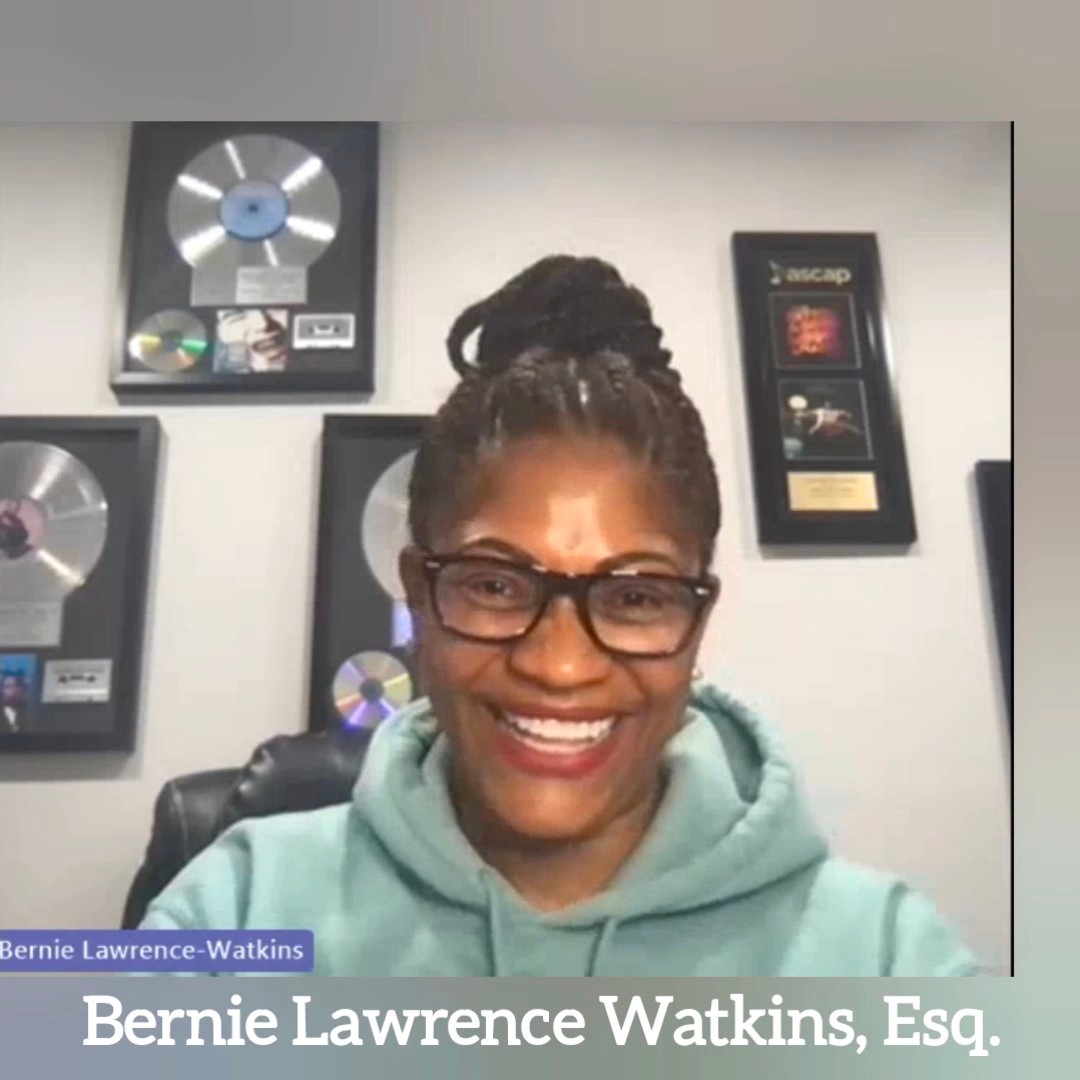
“When a deal is offered to [artists],” said Lawrence-Watkins, “it’s not always about the money; it’s the opportunity to just be heard and to have a situation or be placed in a situation that could potentially take care of their families, and create a legacy. And that’s usually what is told to the artists. But on paper, it’s something that’s totally different. And unfortunately, a lot of black artists are still signing deals without representation.” (Clip from Lawrence-Watkins & Greene: https://youtube.com/shorts/m5Nj_iMmpas)
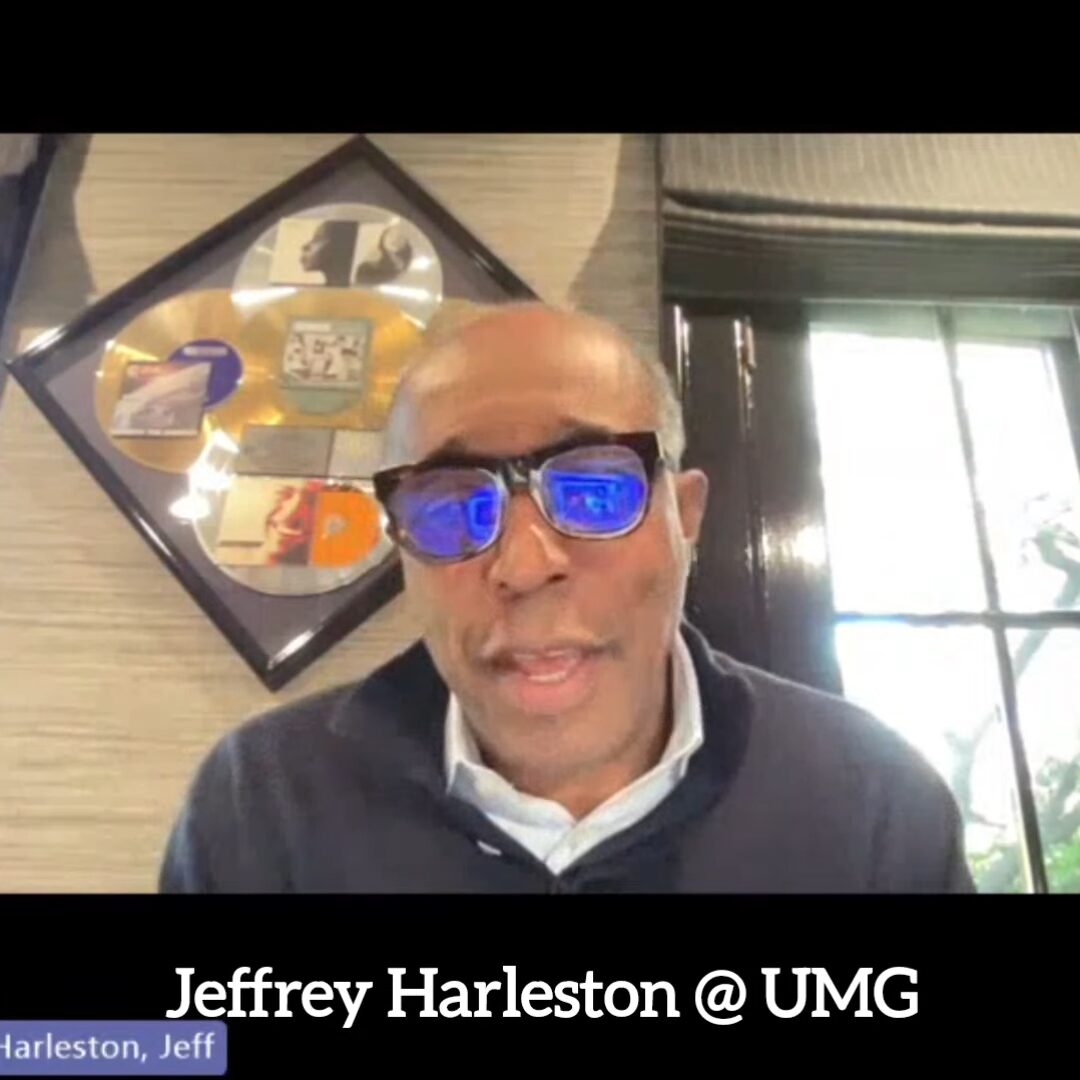
Because it is a misconception that an advance is free money, Harleston advises new artists to keep their day jobs, even when one signs with a major label. (Clip from Harleston: https://youtu.be/OKBsuy-ysFo)
We also wanted to emphasize that these issues are not just abstract legal concepts. As copyright damages experts and royalty auditors, we often see how complexity and lack of transparency can create disputes involving underreported royalties, ownership disagreements, or financial uncertainty surrounding intellectual property assets. They affect real artists, estates, families, and cultural legacies.
How important is it for artists, creators, and audiences to understand the historical and ongoing impact of these rights on the music industry?
During our discussion, Professor Greene connected issues of the past, such as Black people and women being excluded from historic copyright lawmaking, to the present when he pointed out that many of the older “catalog” records with inequitable royalty payouts are driving corporate profits today (see this clip from Greene: https://youtube.com/shorts/i7k10e2U_J0 ).
And even today, as Ms. Lawrence-Watkins explained, contracts do not treat black artists equally (see this clip from Watkins: https://youtube.com/shorts/jvBA9FaLWkI).
It’s also important for attorneys, advisors, and industry professionals to pay mind because these issues often intersect with entertainment litigation, copyright infringement claims, royalty audits, and intellectual property valuation matters.
As you release this across platforms like YouTube, what kind of dialogue or action are you hoping this project will spark moving forward?
Our hope is that this project empowers artists and other creators with expert knowledge on how to optimize earnings and what to look for in an advisor or representatives. We also seek to raise industry awareness of non-violent nomenclature and the need for stronger rights of publicity, fair crediting for contributions, and ideas for improving accountability to creators whose copyrights may be underprotected.
Finally, we wanted the project to be practical, not just theoretical. That’s why we included information about organizations and programs that provide support to music professionals (see clip from Jeffrey Harleston, the head of legal at UMG: https://youtu.be/BfpOmNCKcZs). If even a few creators discover resources, gain clarity about their rights, or better understand what to look out for, then the project has accomplished something meaningful.
Popular
-
Cedar Boschan on Elevating Black Music Rights and Driving Urgent Conversations Around Credit, Equity, and Artist Protection
-

Portraits of the Valley
-

LA’s Most Inspiring Stories
-

Robin Olive on Building an Inclusive Performing Arts Movement and Expanding Opportunities for Every Student
-

Que Johnson on Building Brands That Last: From Visibility to True Market Authority
-

Christina Wren Steps Into the Director’s Chair to Tell Stories That Feel Like Home