




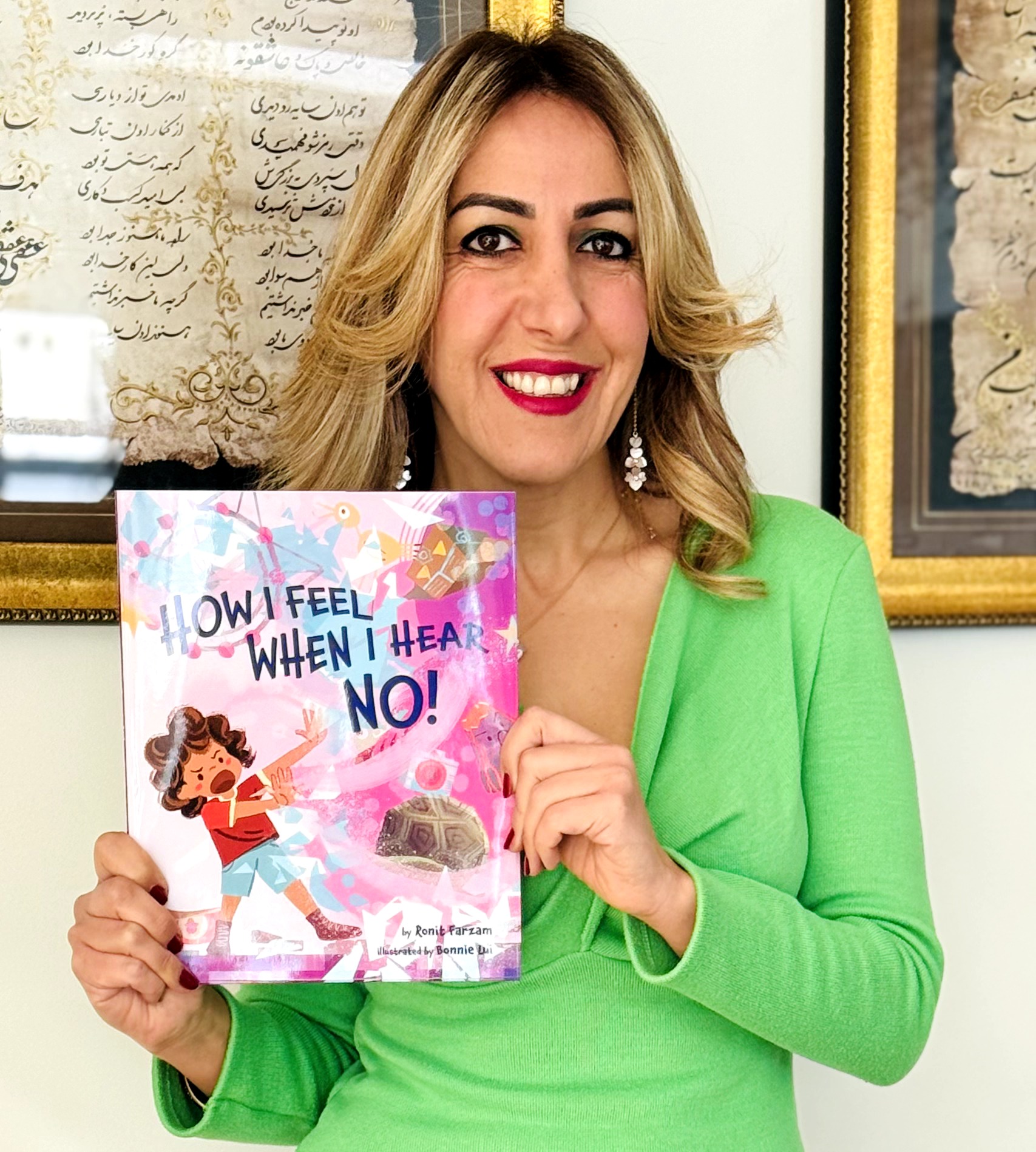
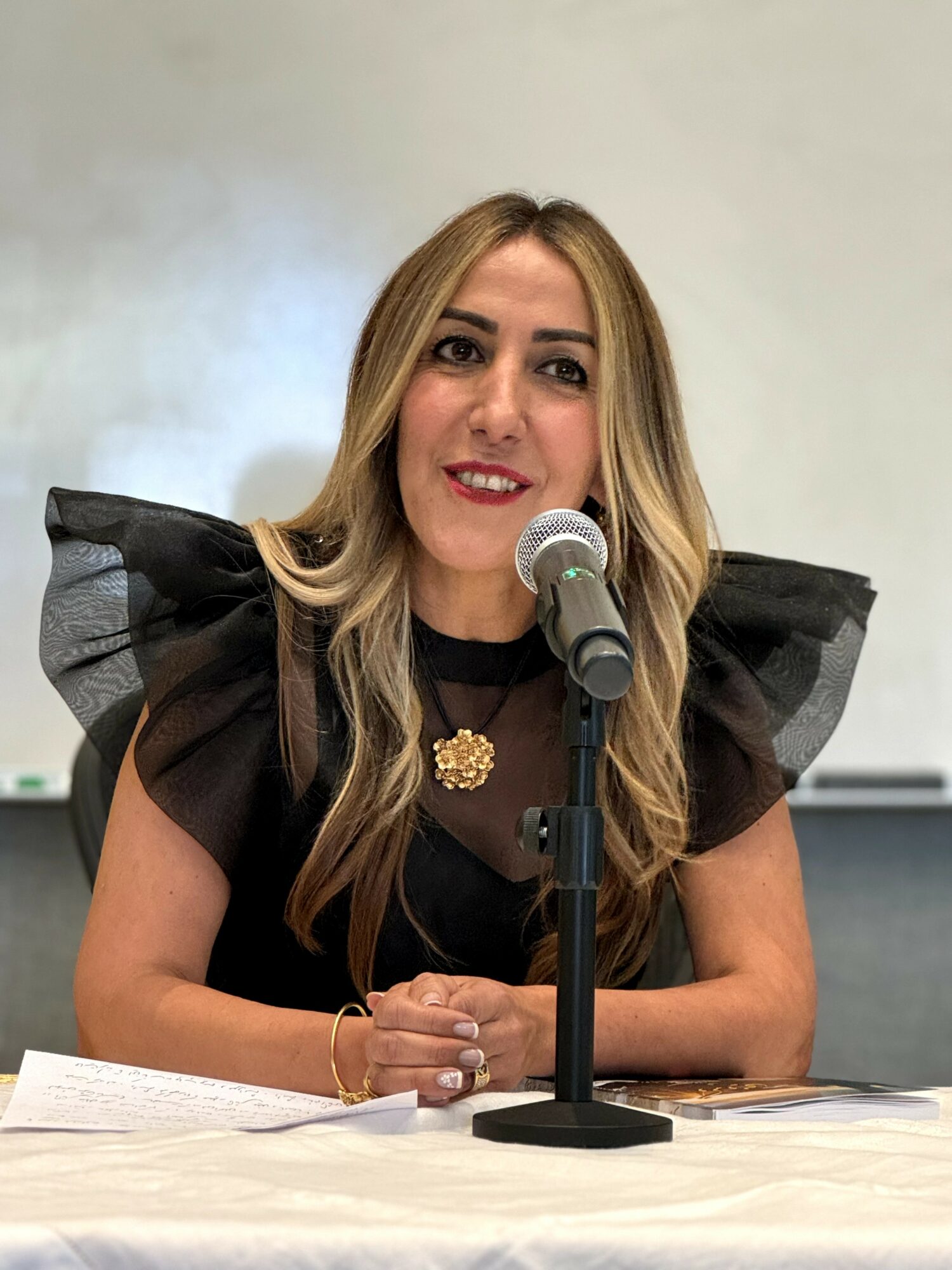
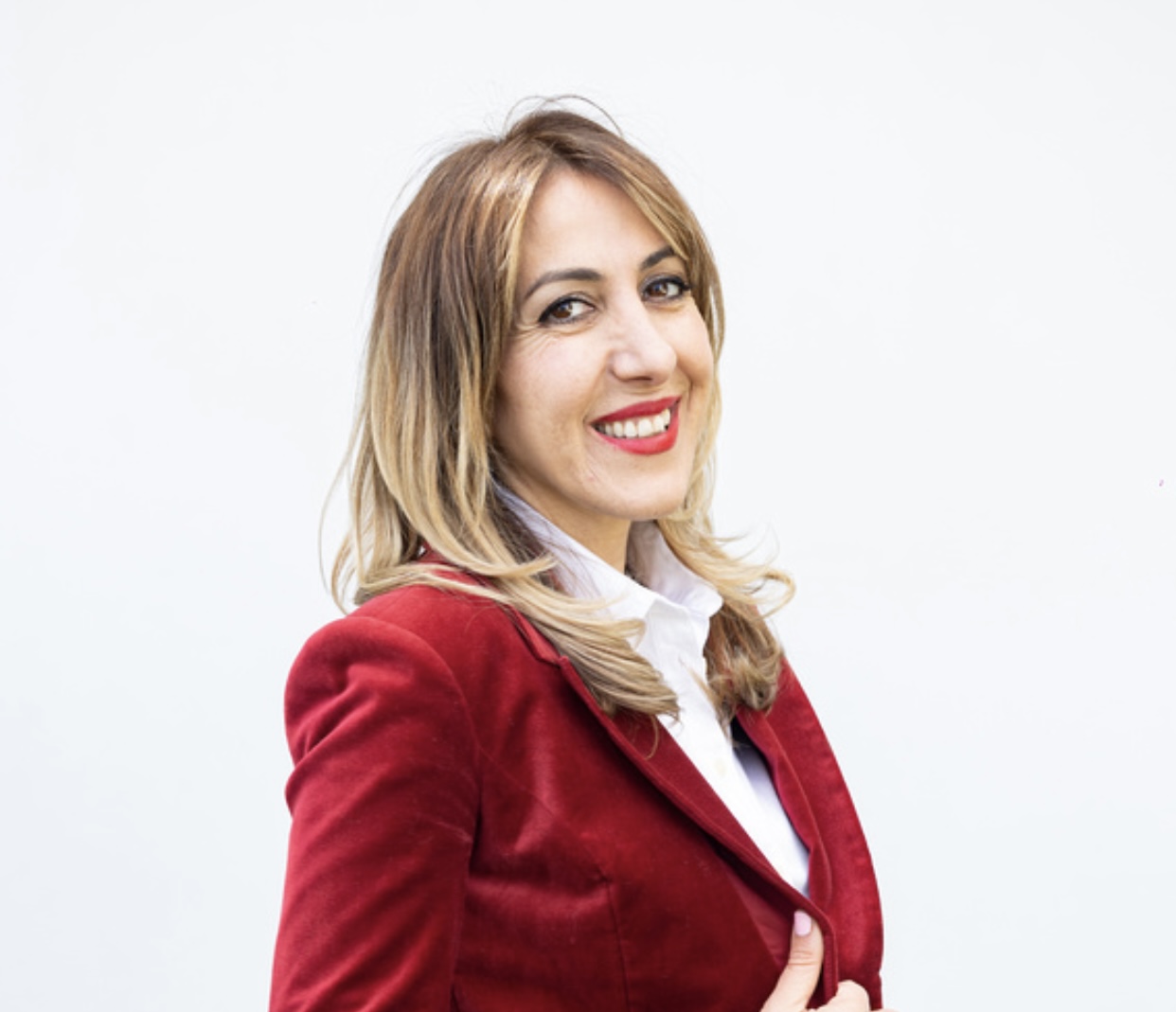
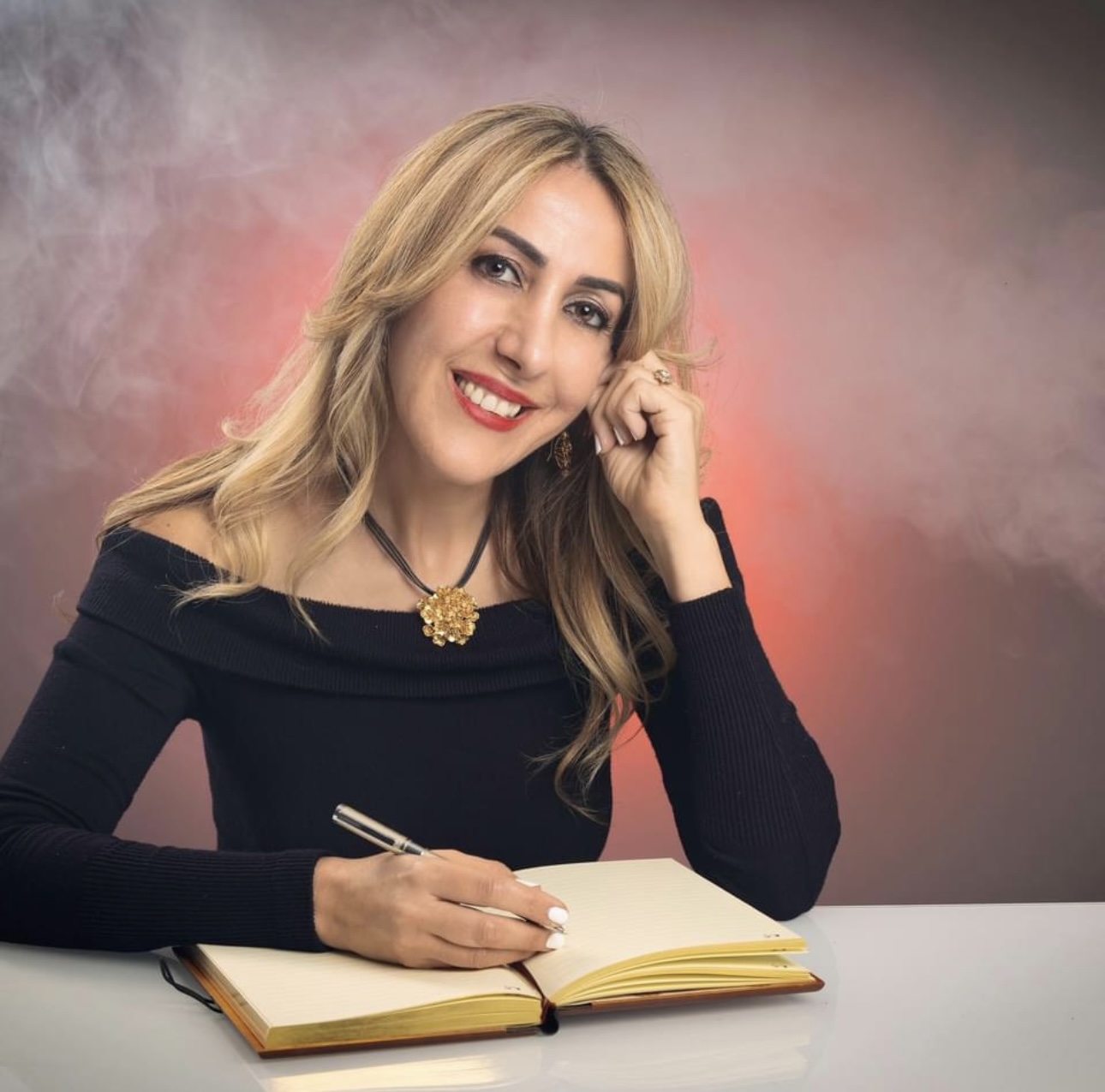
Today we’d like to introduce you to Ronit Farzam, Ph.D..
Hi Ronit, thanks for sharing your story with us. To start, maybe you can tell our readers some of your backstory.
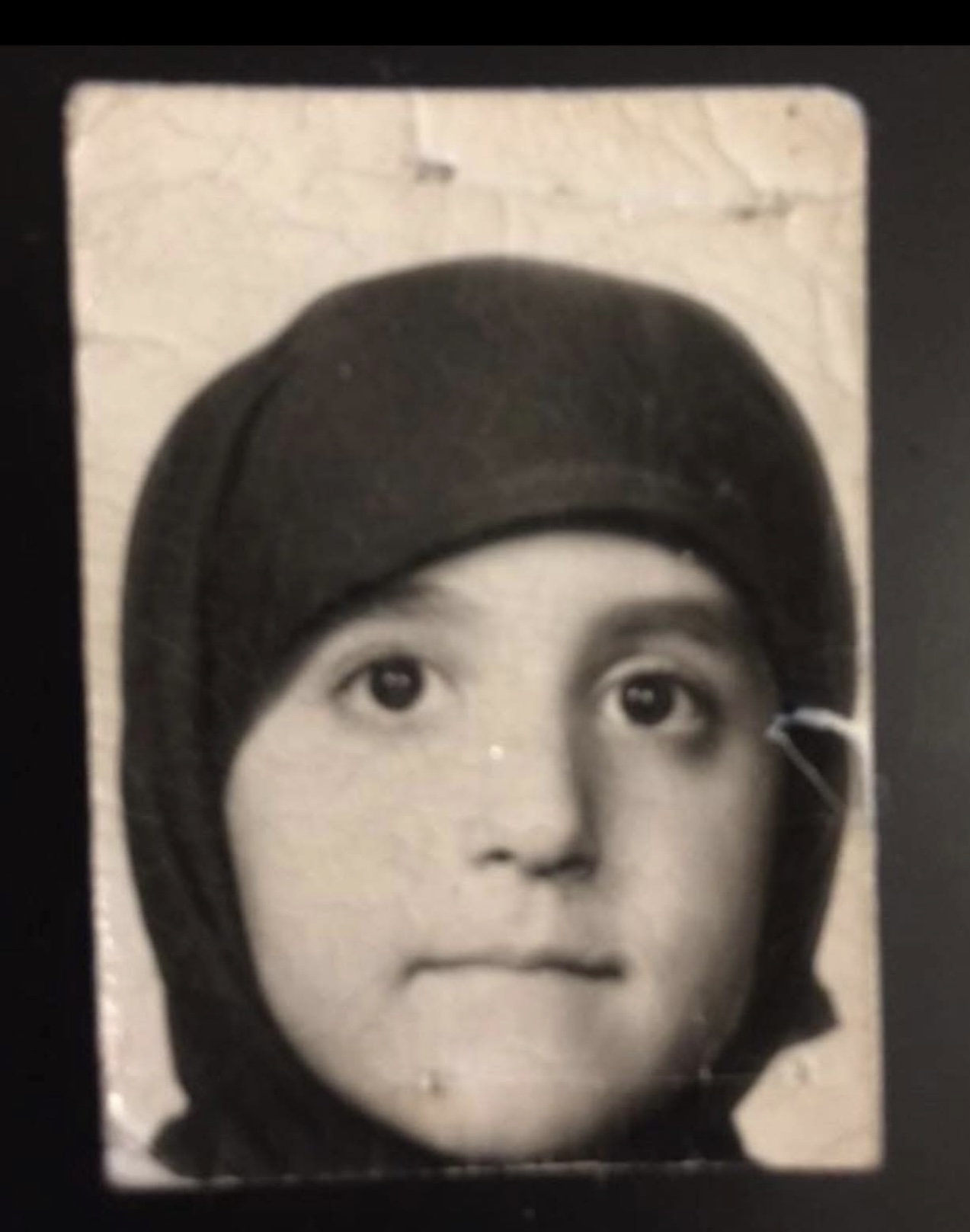
I was born in Tehran, Iran, in 1977, amid the chaos of revolution. My earliest memories are laced with the haunting sounds of gunfire, the distant echoes of bombs, and the terror of missiles slicing through the sky during the brutal eight-year war between Iran and Iraq. Power outages became a norm, and our school water bottles were designed to resemble grenades, My formative years were punctuated by forced daily chants of “Death to America” and “Death to Israel” echoing through the schoolyards, while I refused to numb my rage as I was treated like a second class citizen as a girl, and robbed of a happy carefree childhood, being forced to wear mandatory hijab and watch my every move to avoid being arrested —bitter realities etched into the fabric of everyday life under Sharia Law.
As a member of the Jewish minority, I encountered antisemitism at a young age, from an extremist neighbor named Sakineh spitting on the ground every time she saw us pass by to being expelled not once, but twice for speaking up against antisemitism at school. Under the Islamic Law, listening to music, dancing, kissing, or showing a strand of hair in public were crimes that would be punished by lashes, fines, and even execution. I never forget the exhilarating and terrifying feeling of wearing lipgloss to school as a 12-year-old, knowing I may be expelled for it, or belligerently allowing a few strands of hair to find their way out of my scarf, knowing I may be throwing away my future with this simple act of civil disobedience. I vividly recall staring at a picture of Khomeini, whom we all despised, which we hung in our living room out of fear, and dreamt of a different life; a different future; a different version of myself: a version of myself where I am free to choose my own destiny.
It was during those dull, colorless days that I found a refuge: the ability to lose myself in books. I was famished to imagine myself in a different world and the books I read offered me exactly what I needed. I immersed myself in novels, poetry, and anything I could get my hands on, and unlike the tyrannical Islamic regime that forbade thinking independently, fantasizing freely, and following one’s heart, the world of literature allowed me to be whoever I wished to be. One day, I was Jane Eyre, the other day Scarlett O’Hara, while the week after, I was Gandhi, fighting oppression, while at midnight, every night, in the sanctuary of my heart, I secretly met Rumi and Hafiz, the Persian poets who have been guiding my personal and spiritual growth to this day.
My days became filled with novels, poetry, and writing, while I unexpectedly grew into an innate role as a confidant. Friends and neighbors (Muslim, Christian, Jewish, or Zoroastrian) confided in me, sharing their secrets and stories, which I still hold close to my heart. At that time, I was unaware that an entire field called psychology existed, one that mirrored my capacity to listen and empathize. Through this experience, I learned to see through people and love and respect them for who they are, beyond religion, race, ethnicity, status, or any other category.
When I immigrated to the United States at 18, I was filled with humility and gratitude for the opportunities that lay ahead. The freedom to choose my own path, the right to not cover my hair against my will, and the chance to pursue my aspirations as a woman filled me with excitement. I embraced the American dream with enthusiasm, starting with a job at McDonald’s for $4.25 an hour. Exhausted after long shifts, I realized that education was the key to a bright future, and nothing would deter me from achieving my goals.
One fateful day, while riding the bus home, I dozed off and awoke to the bus driver’s raspy voice announcing my destination. Stepping off, I found myself on the vibrant campus of UCLA. A spark ignited within me, guiding my future choices. Determined to excel, I enrolled at Santa Monica College, working tirelessly toward my dream of attending UCLA. Two years later, after countless bike rides, late nights in the library, and tutoring on the side, I proudly accepted my invitation to join the student body of my dream university.
Assimilating into a new culture brought its own set of challenges and paradoxes. At 20, navigating these complexities led me to my first therapy session. Sitting across from a therapist—someone who had built a career around the very connections I had formed naturally—changed everything for me. In that moment, I rediscovered my calling. Despite familial pressures and cultural stigma surrounding mental health, clarity washed over me; I was destined for this path, and nothing would stand in my way.
You may wonder how my center came to be. After two Master’s degrees and a PhD, I had the profound revelation that we are all born with a mission, a purpose that transcends our immediate aspirations and material desires. A decade ago, I felt a renewed calling to create an impact in the world, to pay forward the kindness I received from friends and strangers alike. I envisioned a center—a vessel embodying all that inspired and invigorated me, reflecting my life’s purpose.
Having endured war, racism, separation from loved ones, oppression, immigration, and the resilience to rise time and again, I learned the paramount lesson that we can choose to be thrivers, not mere survivors; victors, not victims; and healed, not wounded. I wanted to impart the understanding that our traumas do not define us; instead, they can be our wellspring of motivation, propelling us toward our fullest potential.
Thus, the Center for Healing and Personal Growth was born—a sanctuary dedicated to humanistic, heart-centered, trauma-informed care for anyone yearning for assistance, hoping to heal deep-seated scars, and aspiring to create a brighter future.
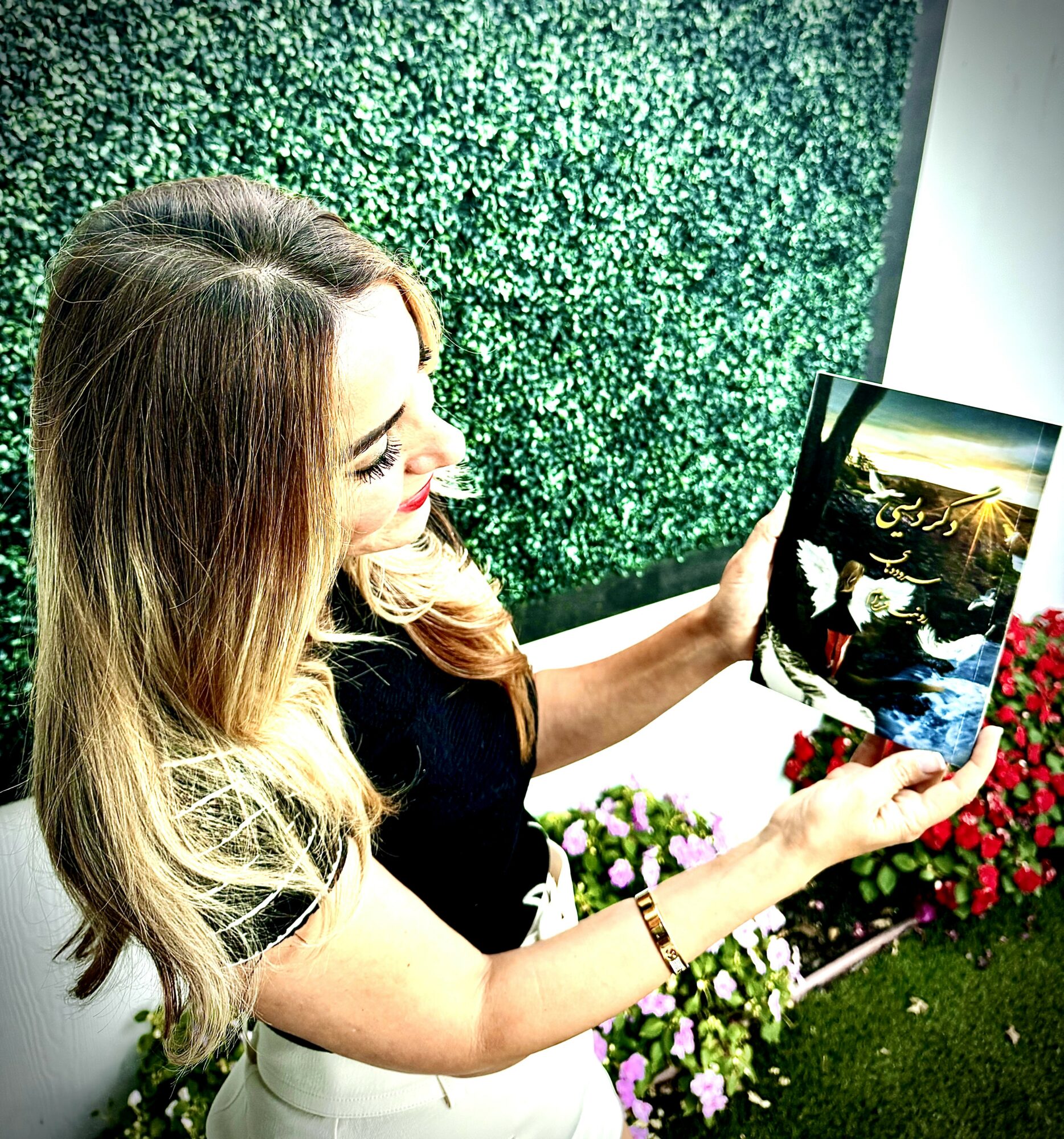
I almost forgot to mention that I often dreamt of becoming an author and publishing my books as a teenager in Iran, a dream that felt impossible at that time and now has become a reality. I am the author of two children’s books in English, A Magical Journey, and How I feel When I Hear No (published by American Psychological Association), and a poetry book titled Degardisi in Farsi, found on amazon and most major book stores.
I hope to inspire those of you who are trapped in a limiting world (whether external or internal), a world that makes you believe your dreams may never become reality. My story is living proof that if you decide otherwise, what awaits you on the other side of your fears and doubts is even better than what you had ever imagined.
With love and respect,
Ronit Farzam, PhD
We all face challenges, but looking back would you describe it as a relatively smooth road?
It has definitely not been a smooth road but every rock and pebble on the way seem to have served its purpose in teaching me to become more clear and resolute about who I am and my purpose in life. I feel tremendous pain and empathy for everyone who lives in countries, or under regimes where basic human rights and opportunities are scarce to this day. It is hard to hold back my tears when I see young women and girls who are losing their lives and enduring sexual violence and torture in Iran and Afghanistan, only because they want to have the freedom to choose how to dress, or to pursue higher education. I have realized that if you have not personally experienced oppression firsthand, you may never truly understand what it feels like to not have basic human rights, and to deeply and truly appreciate freedom. After I immigrated to the U.S., having the freedom to pursue my dreams, and being supported by a constitution that guaranteed my basic human rights suddenly felt like a smooth road, and all the struggles that I encountered here felt minuscule in comparison to what my friends, classmates, and neighbors I left behind in Iran, had to still endure on a daily basis.
Alright, so let’s switch gears a bit and talk business. What should we know?
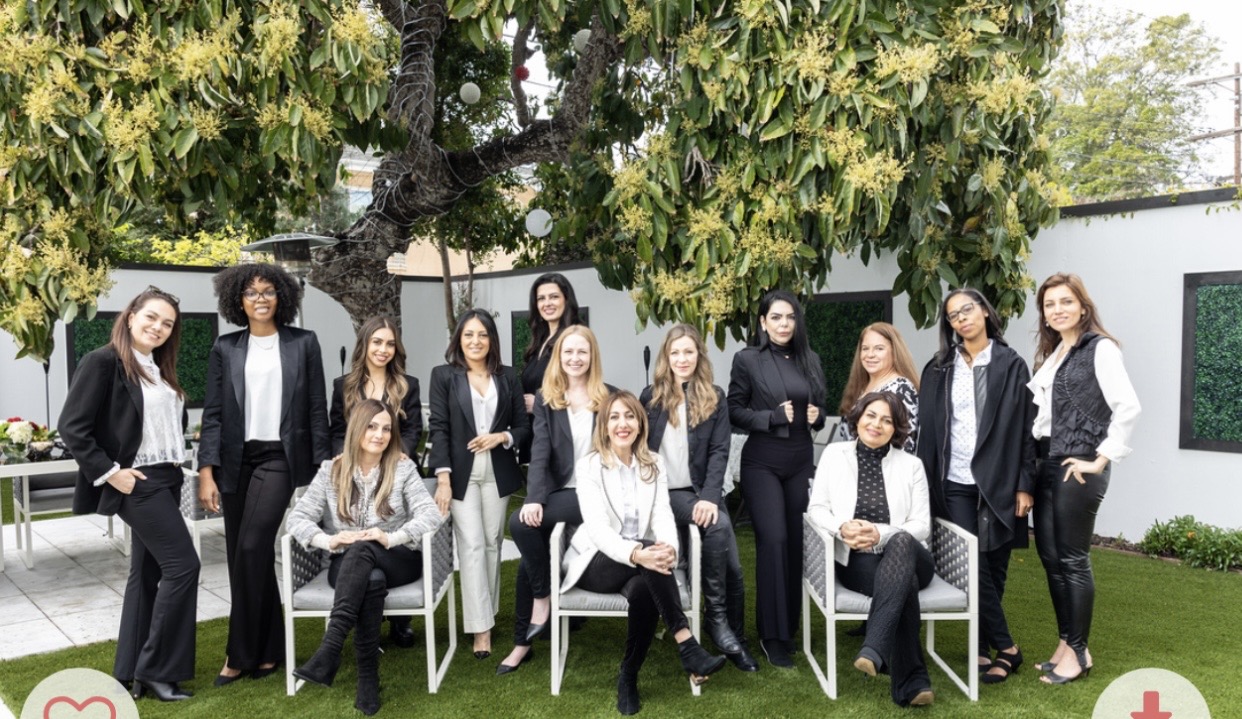
Our mission at the Center for Healing & Personal Growth is to provide a nurturing environment where individuals can heal from past wounds, develop resilience, and discover their true potential. We believe that trauma doesn’t have to define you-it can become the catalyst for profound growth and transformation. Our team of dedicated therapists & clinicians creates a safe space where you can explore your emotions, process your traumas, and develop the tools needed to thrive.
What sets us apart is that at the Center for Healing & Personal Growth, we take a humanistic, heart-centered, approach to therapy that acknowledges the interconnection between mind, body, and spirit. We believe that true healing requires addressing the underlying trauma that often lies beneath many mental conditions.
What we are proud of are the values we firmly believe in and practice at the center as a team:
-Genuine Connection: our therapists truly and deeply care about their clients, creating authentic therapeutic relationships based on trust and empathy.
-Multicultural Services: We speak many languages, making our services accessible to diverse communities.
– Trauma-Informed Focus: We believe in healing the trauma underlying many conditions first before treating those conditions, addressing the root causes rather than the symptoms.
– Comprehensive Care: We provide a range of trauma modalities, psychological testing, and collaborate with medication providers when needed.
– Diverse Expertise: Our team of professionals brings varied specialties and skills, allowing us to match clients with the therapist best suited to their needs.
– Cultural Sensitivity: Our therapists understand and respect the diverse cultural backgrounds of our clients, providing culturally responsive care.
In terms of your work and the industry, what are some of the changes you are expecting to see over the next five to ten years?
Unfortunately, under the pressure of third party payers (mainly insurance companies), the field of psychology is moving towards structured, short-term, evidence-based treatment modalities. This basically means most of the programs training new therapists are now more focused on teaching therapists to categorize and diagnose their patients based on their symptomology and to follow a specific structure or model based on the patient’s particular diagnosis. This type of training not only leads to labels that feel limiting (or like a life sentence) to most patients but it also discourages new therapists to use their own creativity, or to taylor the treatment to each patient based on their clinical intuition This trend also focuses on short-term, solution focused interventions which unfortunately keep the treatment on surface, and end up offering coping skills and tools to patients, as opposed to going deep, and treating the subconscious roots of the patients’ maladaptive thought or behavioral patterns.
Although psychology is considered a science, I believe therapy is actually an art, with its roots in science. At the center for Healing & Personal Growth, we operate a unique humanistic program for training new therapists which teaches therapists to go beyond the label and diagnosis, and to see and treat all patients as humans with trauma and potential. We have been designated as a practicum site for several universities in the area and many new therapists are now looking for a unique program like ours where they can learn how to do deep trauma or inner child work in order to help their patients reach their potential in life despite their diagnoses and perceived limitations. We are hoping to create a shift in the field of psychology to encourage all therapists to move away from surface work to deep work, and to see their patients as humans with the potential to heal from trauma in order to embrace meaningful personal growth.
Contact Info:
- Website: https://www.latraumatherapists.com
- Instagram: https://www.instagram.com/center.for.healing?igsh=NTc4MTIwNjQ2YQ%3D%3D&utm_source=qr
- Facebook: https://www.facebook.com/CenterforHealingandPersonalGrowth?mibextid=wwXIfr
- Other: https://www.amazon.com/s/?ie=UTF8&keywords=how+i+feel+when+i+hear+no
Popular
-

LA’s Most Inspiring Stories
-

Portraits of the Valley
-

Rick Norris Learned That Building a Successful Business Means Building a Life You Actually Want to Live
-

How Olivia Rush Turned Survival Into a Mission to Help Others Keep Going
-

How Bibi Goldstein Is Helping Entrepreneurs Reclaim Their Time by Embracing the Power of Delegation
-

Victoria Hasson is Redefining Voice Coaching Through Community and Collaboration


