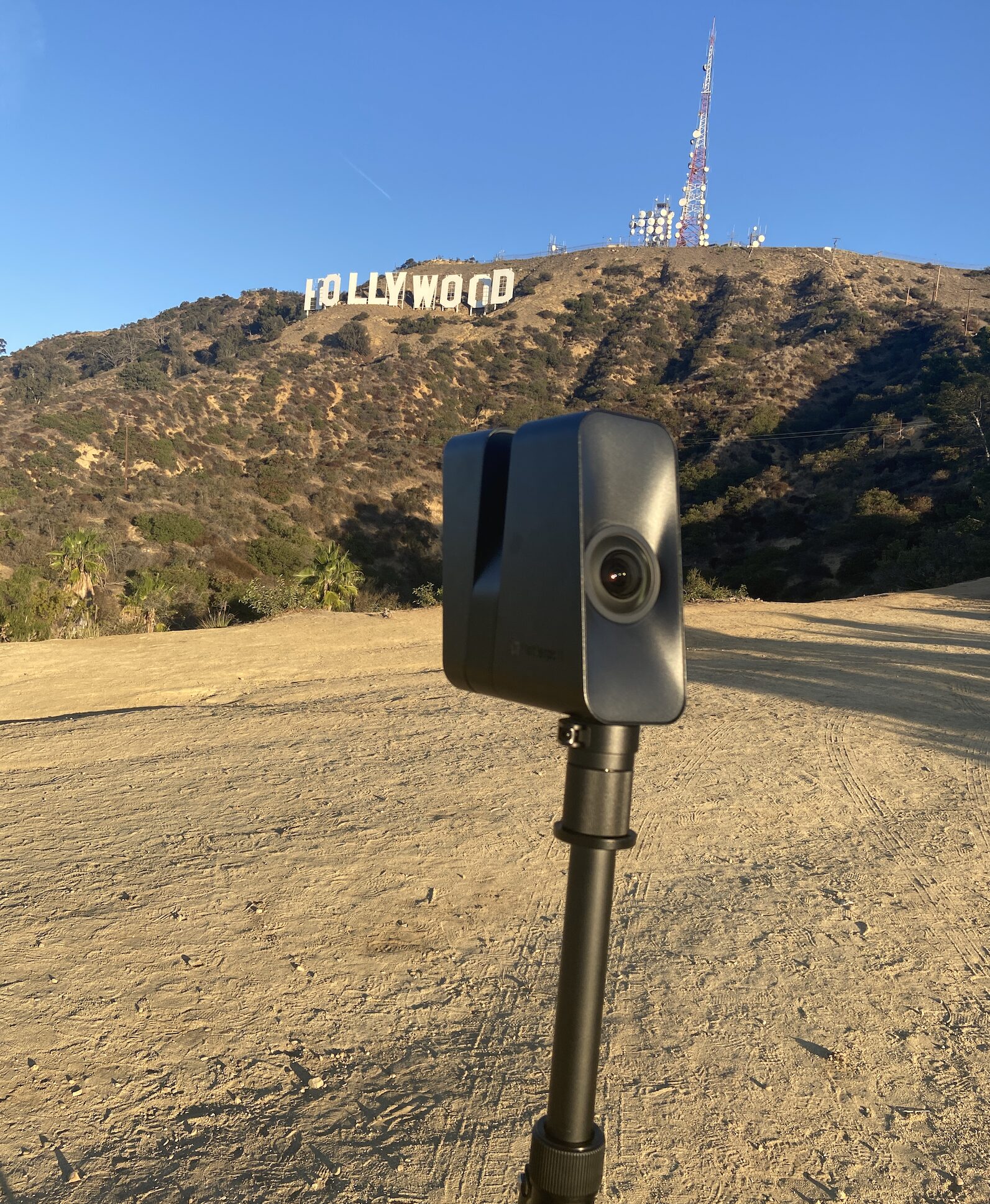
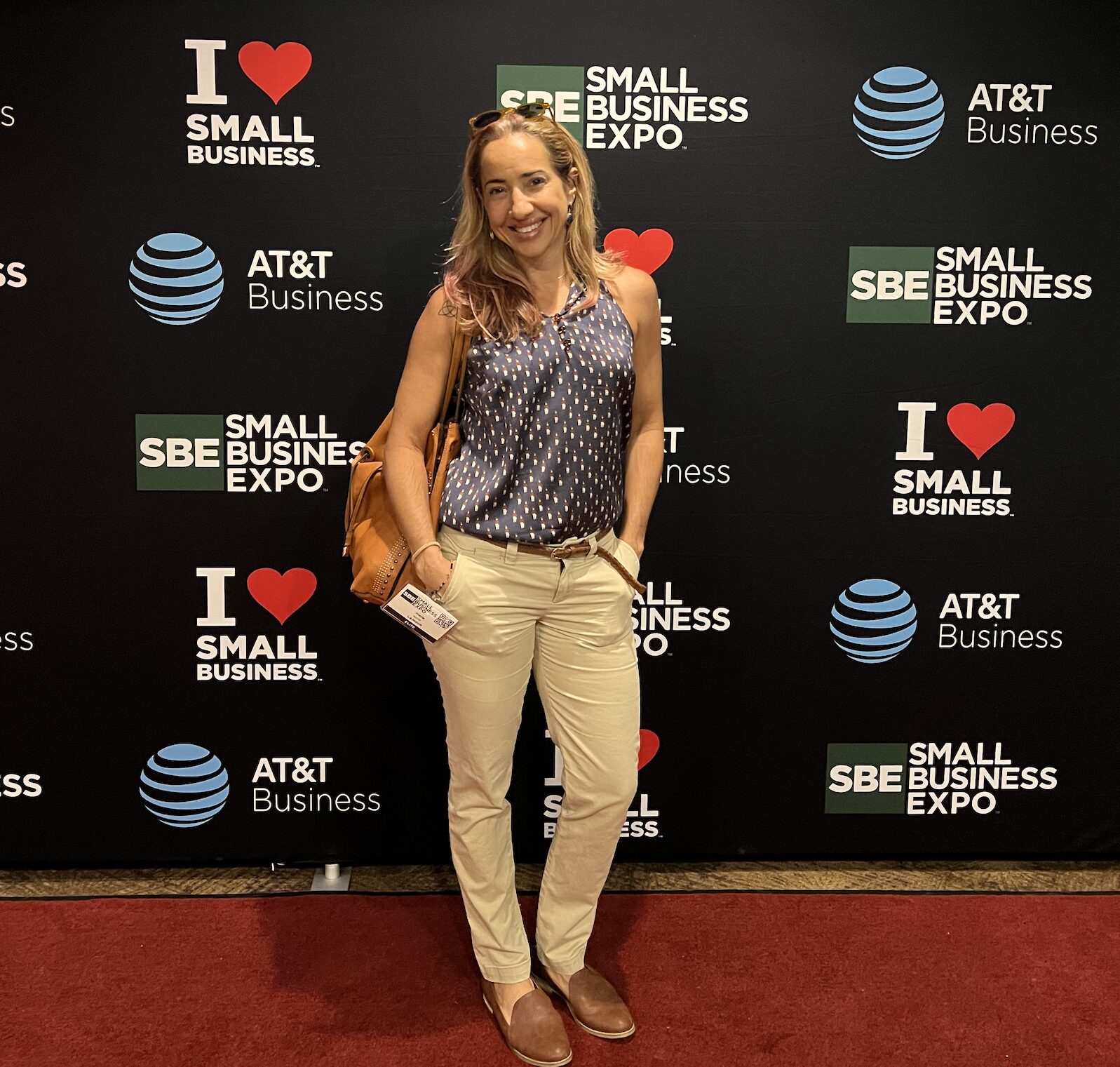
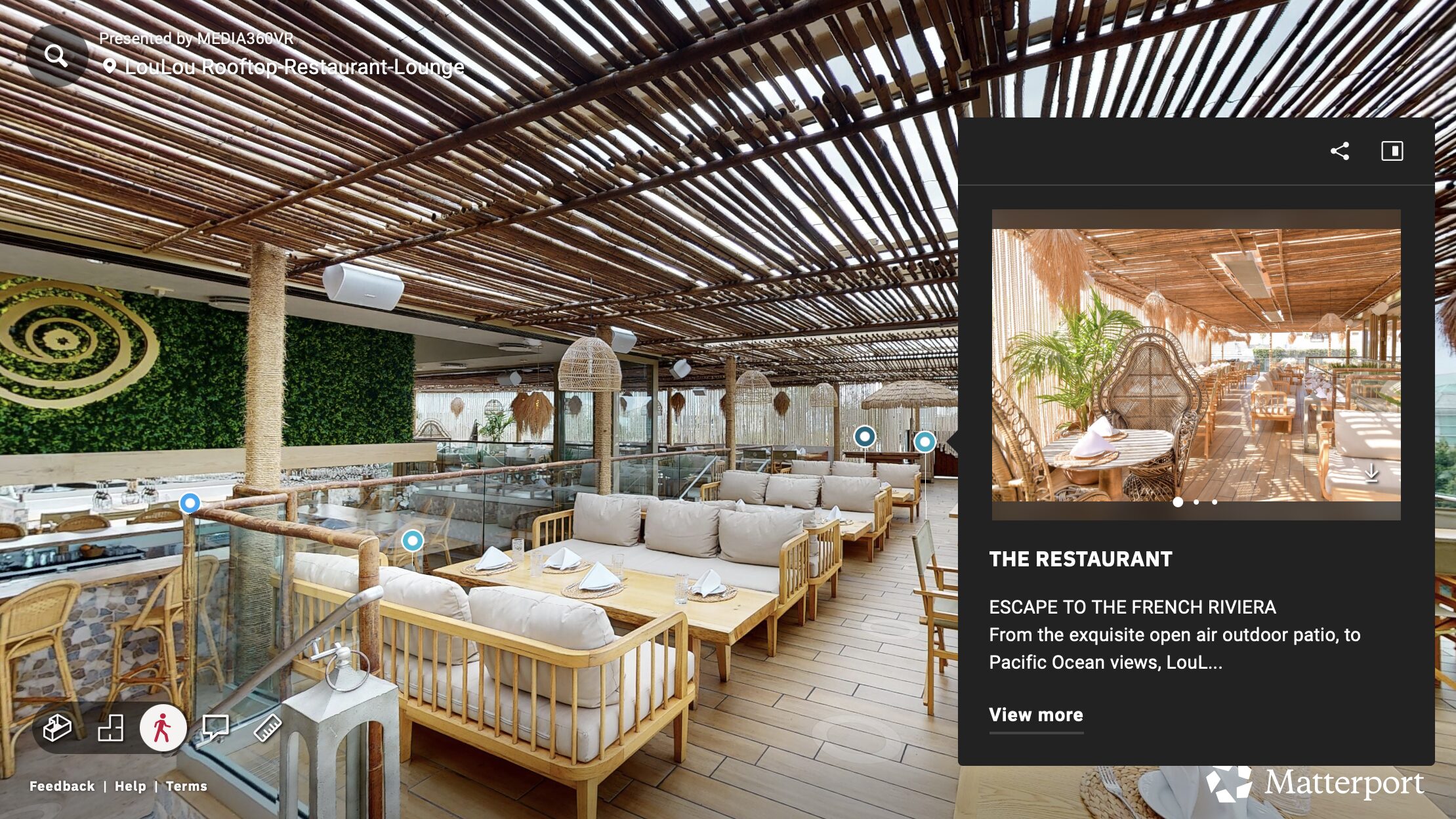
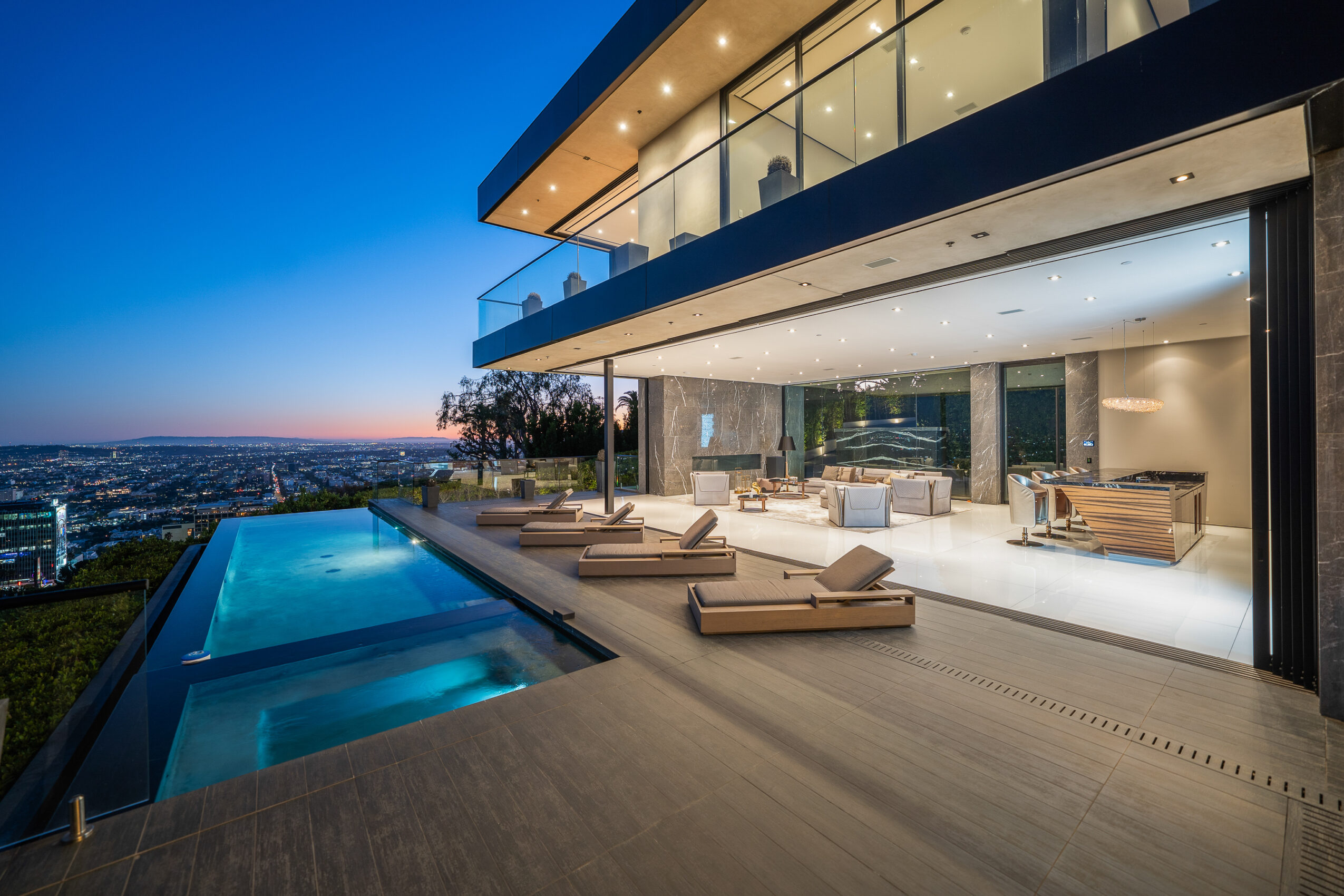
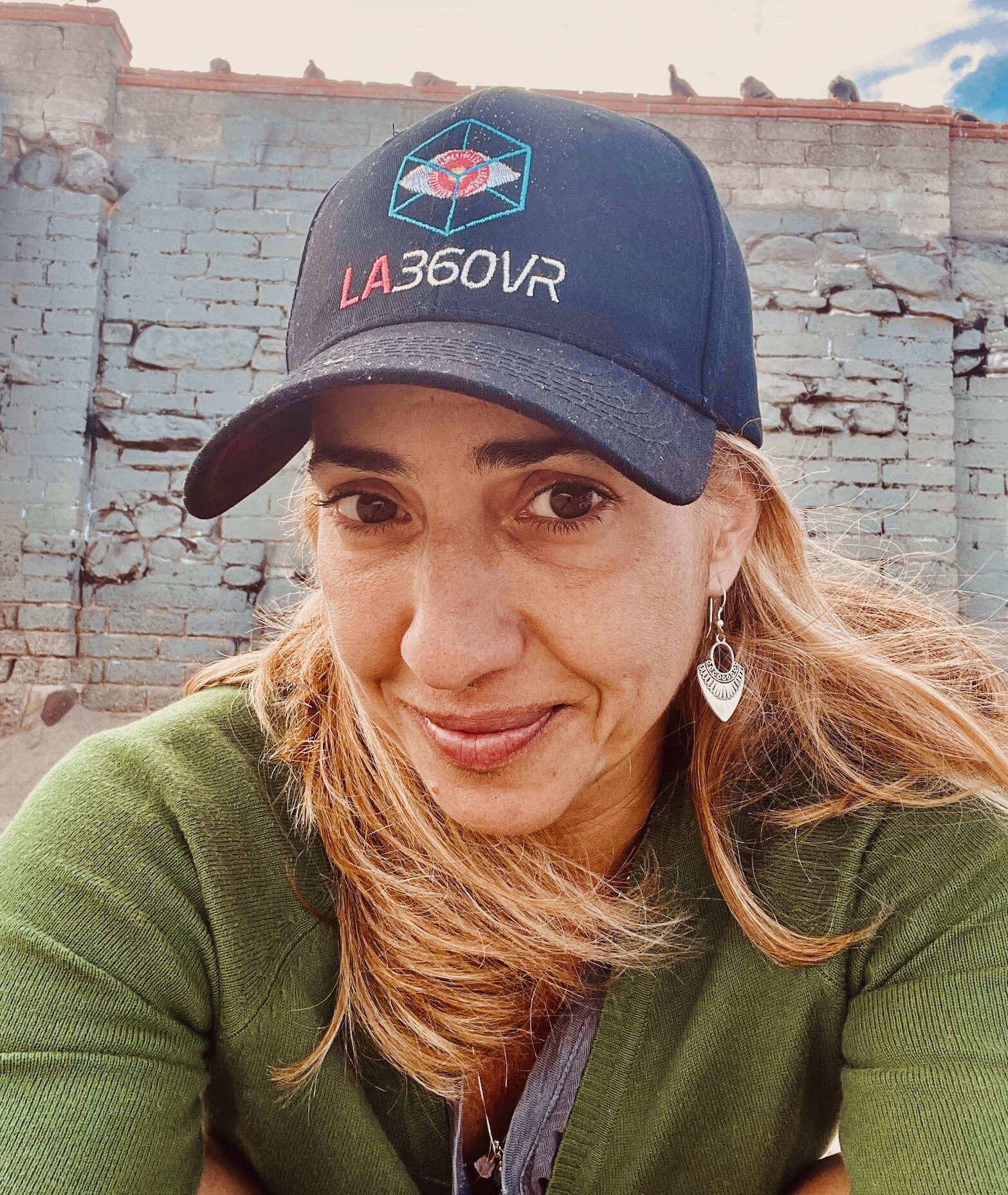
After seven years as LA360VR, Maria Joana Aguiar recognized that the company had outgrown both its geographic identity and its original focus on real estate media. Rebranding to MEDIA360VR marked a strategic shift toward a broader vision—one centered on immersive content and spatial documentation across industries like architecture, construction, and large-scale venues. By removing location-based limitations and introducing tools like a streamlined client portal and redesigned platform, the company now positions itself at the forefront of “innovation without boundaries,” helping clients not just showcase spaces, but understand and interact with them in entirely new ways.
MEDIA360VR, after seven years as LA360VR, what internal moment or realization made it clear that a full rebrand was necessary rather than a simple expansion of services?
The realization came gradually as the company evolved. After seven years operating as LA360VR, we noticed that the business had grown far beyond what the name originally represented.
We were no longer working only in Los Angeles, and we were no longer focused only on real estate media. Our projects increasingly involved architects, contractors, large facilities, and organizations that needed immersive documentation and spatial data, not just marketing visuals. Yet the name LA360VR still positioned us primarily as a local real estate media company.
There was a consistent pattern in conversations with clients and partners. When introducing the company, we often found ourselves explaining that although our headquarters are in Los Angeles, we work in multiple markets and serve different industries. Over time, it became clear that the name itself was creating a perception that no longer matched the reality of the business.
At that point, expanding services under the same name started to feel limiting. A full rebrand allowed us to communicate more clearly who we had become: a digital media company focused on immersive content and spatial documentation, without geographic limitations, while still honoring the Los Angeles DNA where the company was born.
How did your evolution from real estate–focused work into architecture, construction, and large-scale venues change the way you think about immersive media and its long-term potential?
Our expansion into architecture, construction, and large-scale venues fundamentally changed how we view immersive media.
When we started, most of our work was in real estate marketing. That industry helped us grow, but it’s also very seasonal and market-dependent. Over time, we realized that if we wanted to build a more resilient business, we needed to diversify and explore how the technology could serve other industries.
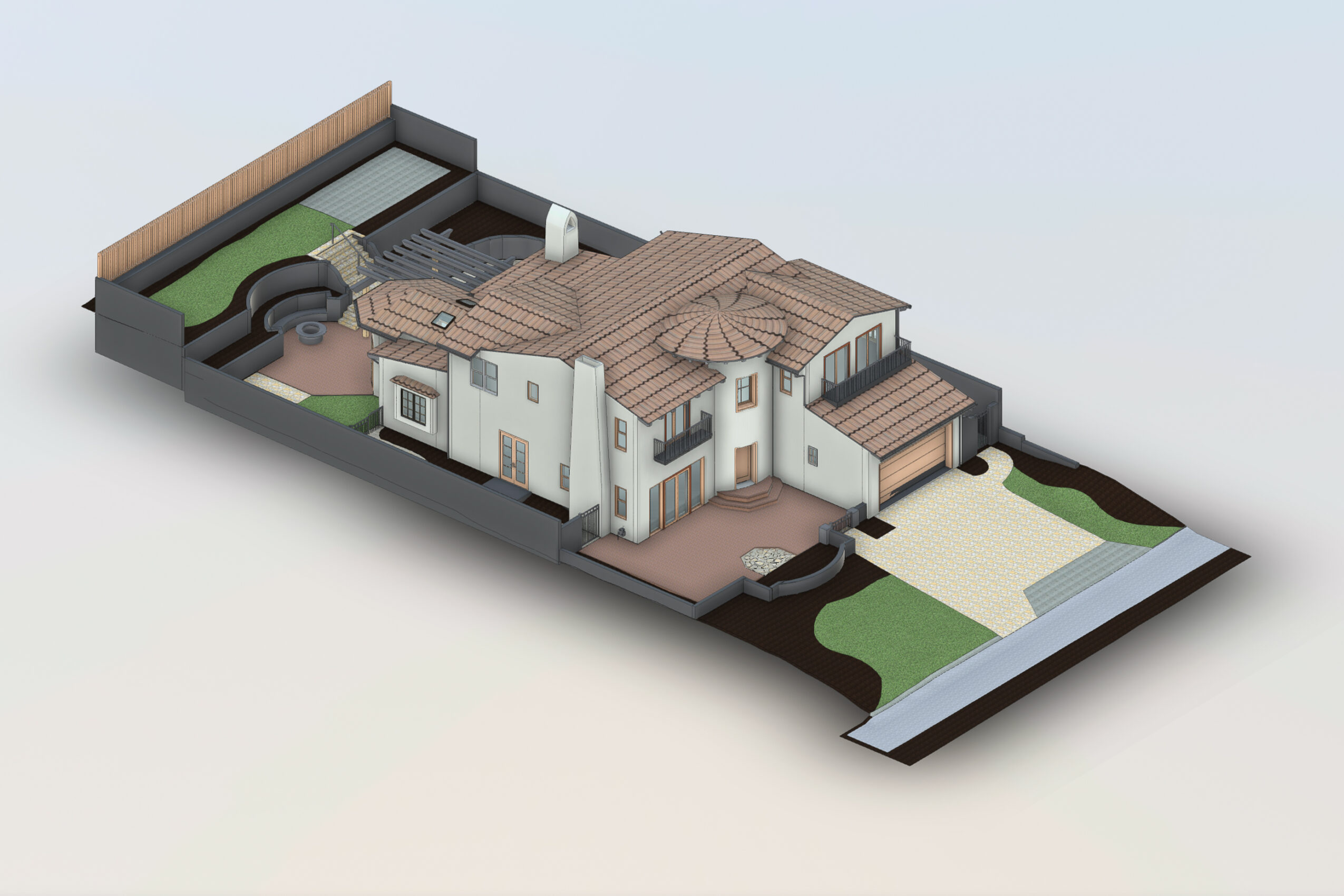
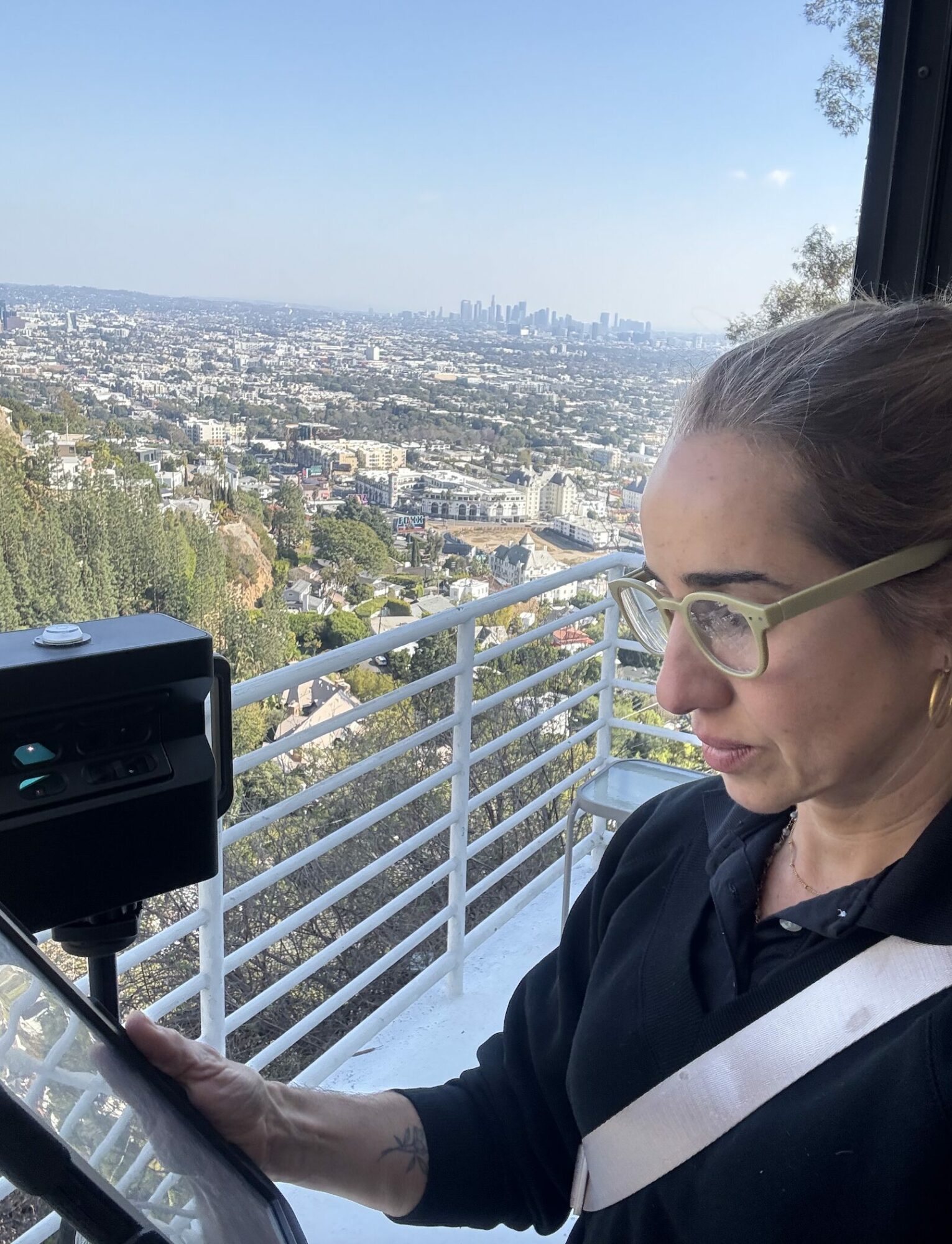
At the same time, the technology itself is always evolving. The tools we were using to create virtual tours were also capable of capturing highly accurate spatial data. That opened the door to applications far beyond marketing—things like as-built documentation, and large facilities management.
Working with architects, contractors, and large venues shifted our perspective. Immersive media stopped being just a presentation tool and became an important part of the operational resource. A scan could help verify measurements, document existing conditions, improve collaboration between teams, and preserve a digital record of a space before and after changes.
That evolution showed us the long-term potential of immersive media. It’s not just about showcasing spaces—it’s about understanding, documenting, and managing them in a more intelligent way. And that broader role is a big part of what shaped the direction of MEDIA360VR today.
What were the biggest strategic considerations behind removing “LA” from the brand, and how has that shift already impacted conversations with new clients?
One of the biggest strategic considerations was recognizing that the reputation we built over the years had become stronger than the name itself. After seven years operating as LA360VR, many of our clients knew us because of the quality of our work, the relationships we built, and the consistency of our service. That gave us the confidence that the brand equity was not tied solely to the “LA” in the name.
At the same time, we realized that keeping “Los Angeles” in the brand could unintentionally position us as a local-only company, even though our services and capabilities were expanding geographically and across industries. Removing “LA” allowed the brand to grow without creating questions about where we operate.
We were also very intentional about preserving visual continuity. We kept the logo that clients already recognized and trusted, simply replacing “LA” with MEDIA. That helped maintain familiarity while signaling the broader scope of the company.
The transition has also been an opportunity to reintroduce the business with new benefits. Along with the rebrand, we launched a new website with clearer communication about our services and industries, and we introduced a client portal that allows real estate agents to manage their listings, orders, and media with us in one place. It brings them more directly into the process while improving efficiency.
So the rebrand is not just a name change—it’s part of an evolution in how we present the company and the tools we provide. It keeps the door open for new industries and opportunities while continuing to support the clients and markets that helped build our reputation in the first place.
The rebrand introduced new tools like a redesigned website and a dedicated client portal — how do these upgrades improve the experience for both existing real estate clients and new industry partners?
The rebrand was also an opportunity to rethink the entire client experience, not just the name of the company. Over the years, as our client base and services expanded, we realized that improving the process around the work was just as important as the media itself.
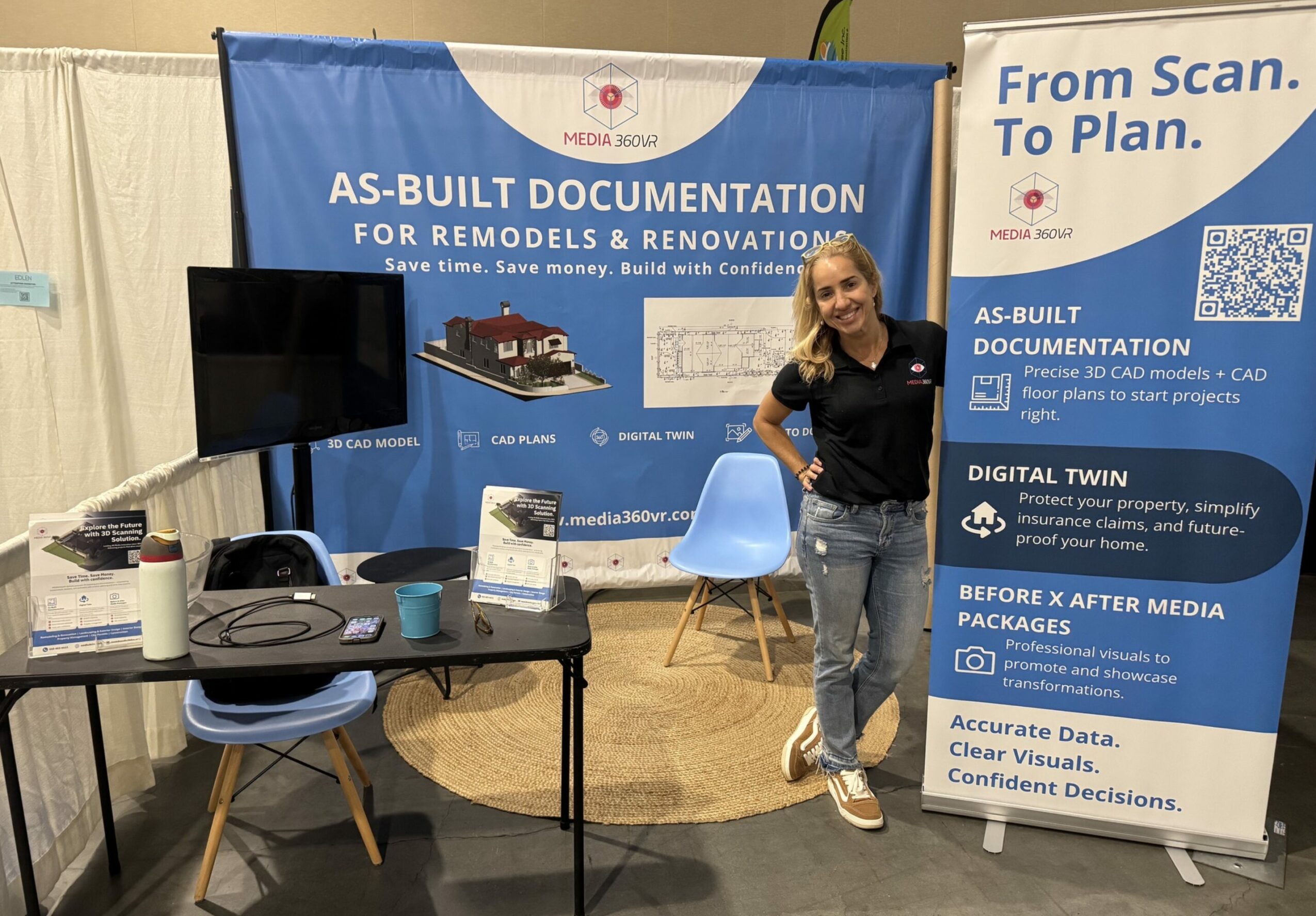
The redesigned website helps communicate our services in a much clearer way. It allows both existing and new clients to quickly understand what we do, the industries we serve, and the different solutions we provide—from real estate marketing media to documentation for architecture, construction, and large facilities.
At the same time, we introduced a dedicated client portal, which significantly improves how projects are managed. For our real estate clients, the portal allows them to schedule services, access their media, manage listings, and place new orders all in one place. It gives them more visibility and control over their projects while simplifying communication and delivery.
From our side, it also streamlines operations, making it easier to track projects, manage deliverables, and respond quickly to client needs. The result is a more efficient workflow for both sides.
More importantly, these tools create an environment that supports growth. By making processes smoother and more transparent, we can scale our services, collaborate more easily with different industries, and open the door to new opportunities while continuing to serve our existing clients at a higher level.
Looking ahead, what does “innovation without boundaries” mean for MEDIA360VR’s next phase of growth, and what types of projects excite you most right now?
For us, “innovation without boundaries” reflects the nature of the work we do and how the industry continues to evolve. One of the most exciting aspects of MEDIA360VR is that we are constantly receiving new requests from clients that push us into areas we hadn’t previously explored. Each project brings a different challenge, a different use case, and often a new way to apply immersive technology. It’s a very dynamic process, and the possibilities are endless.
What we’re seeing across industries is a shared need: organizations want to communicate spaces more efficiently online and manage their environments remotely, without being limited by time or physical distance. Whether it’s real estate, architecture, large venues, healthcare facilities, or cultural spaces, the core challenge is the same—how to make places accessible, understandable, and interactive from anywhere in the world.
Some of the projects we’re working on right now really capture that spirit of experimentation. For example, we recently scanned an entire abandoned hospital that will soon be transformed into an immersive art exhibition, where multiple artists will create installations throughout the building. Our work allows visitors and organizers to experience and navigate the space digitally, even before the exhibition opens.
We’re also entering a particularly exciting moment as Los Angeles prepares for the upcoming Olympic Games. Many venues and organizations are looking for ways to stand out and connect with audiences around the world. Immersive media allows them to showcase their spaces, experiences, and capabilities in ways that go far beyond traditional visuals.
So when we talk about innovation without boundaries, it’s really about staying open to these evolving opportunities—continuously finding new ways for immersive media and spatial documentation to help people experience, understand, and interact with spaces from anywhere in the world. It’s an exciting time to be creating in this field.