





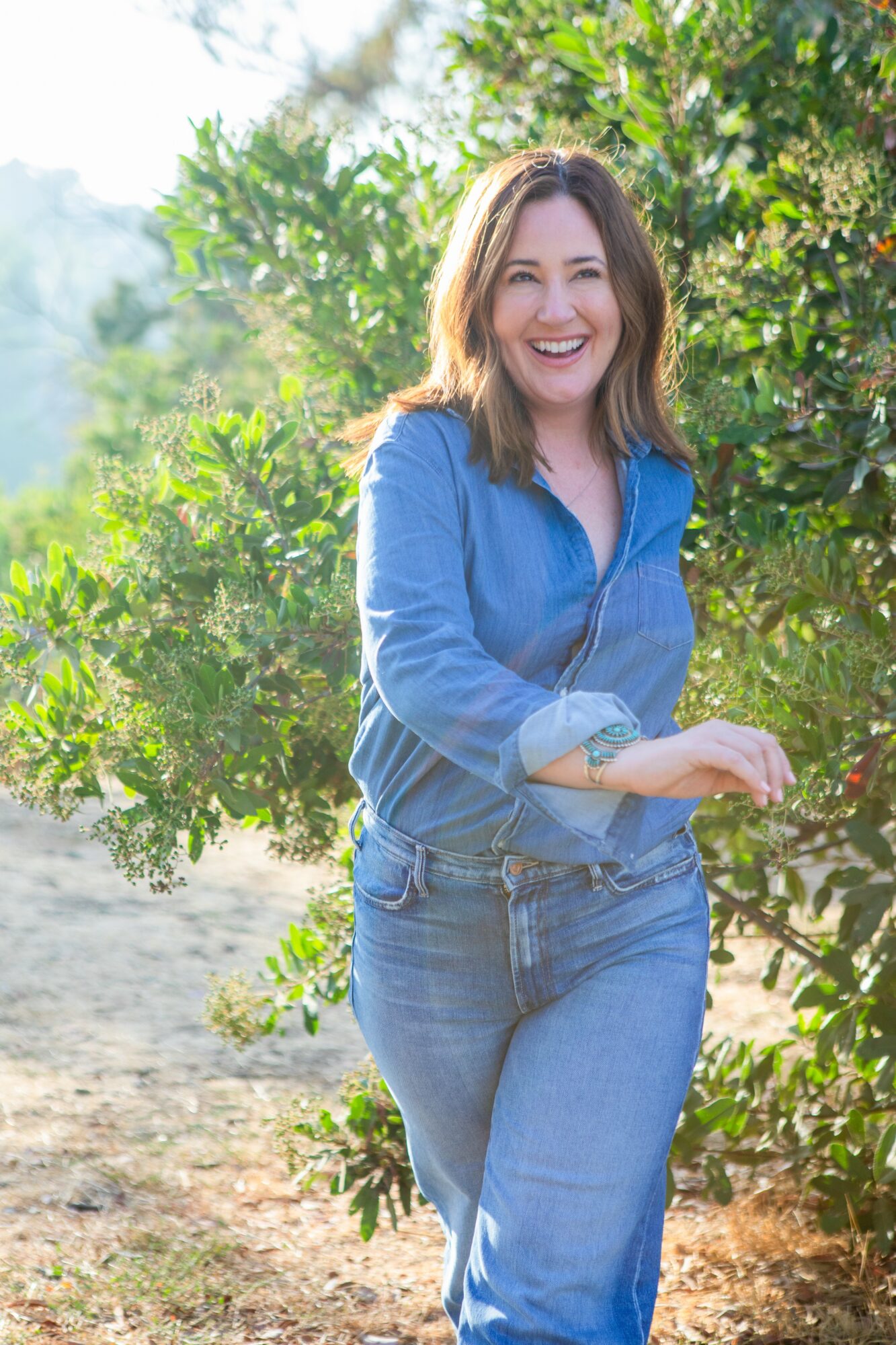
Today we’d like to introduce you to Kim Ronan- Sex, Couples & Men’s Mental Health Therapist.
Hi Kim, please kick things off for us with an introduction to yourself and your story.
Thanks for the invitation to share about myself and my therapy practice! I’m an LA native and feel genuinely lucky to call this city my forever home. I think I was always drawn to psychology, but if you ask my childhood friends, they’ll tell you I was the fifth grader organizing group “check-ins” at recess to help classmates work through drama. So, yeah, it’s been in me for a while.
I spent nearly a decade at UCLA, studying and working in their anxiety disorders research clinic. At the time, I imagined I’d stay in academia, maybe teach, do some research, and keep a small private practice on the side. But life had other plans.
I graduated right into the 2008 financial crisis, and with few jobs available, I jumped into clinical work with the LA County Women’s Jail. I ended up staying for 5½ years, doing intense, transformative work with a population many overlook. It was my first real exposure to forensic psychology and working alongside law enforcement. I later transitioned into county-level suicide prevention and policy work, but something kept pulling me back to direct clinical work.
That’s when I joined a new mental health program embedded in the Santa Monica Police Department. It was another wild and rewarding ride. Being trained by the FBI in crisis negotiation, doing threat assessments, responding to field calls, and collaborating with incredible officers and community members.
Like for many people, 2020 marked a turning point. I’d always imagined having a private practice, and I finally took the leap. That decision felt like coming full circle and I knew I was ready.
From early on, I saw how much men needed a space to be vulnerable. After years in male-dominated cultures like law enforcement, and watching the “Me Too” movement unfold, I felt strongly that therapy had to be a space for men, too. Not just to process shame or trauma, but to deepen their relationships, explore their emotional lives, and talk about things like sex, intimacy, and identity.
That passion drove me to pursue formal training in sexual health, and become a sex therapist. Today, I work with men, individuals, and couples around everything from desire and identity to communication, disconnection, and healing after trauma. And I love it, I feel so aligned with this work.
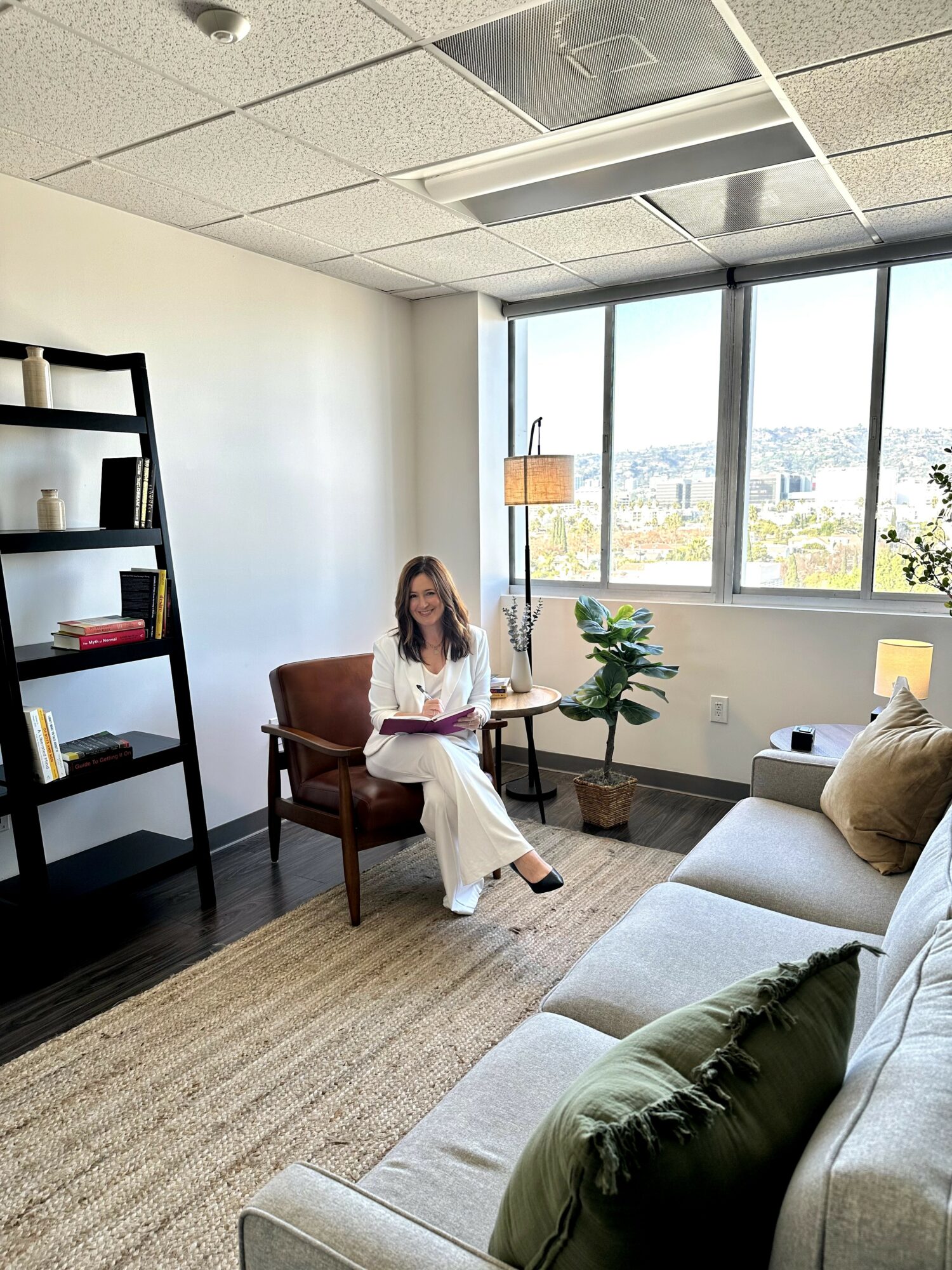
My practice is based in Beverly Hills and continues to grow. I’m excited for what’s next! I’d love to supervise and teach, and build more community around men’s mental health and intimacy. It feels like important, often neglected work and I’m here for it.
Can you talk to us a bit about the challenges and lessons you’ve learned along the way. Looking back would you say it’s been easy or smooth in retrospect?
Overall, I have been fortunate to have amazing education, training and support from loved ones. But there are always challenges. Building a practice, especially one focused on sex and men’s vulnerability, means carving a path through a lot of cultural noise. There’s still so much stigma, both around therapy and around what it means to be a man, to be sexual, to ask for help.
One of the hardest parts, honestly, was going from working in large, tight-knit teams to being solo in private practice. After years surrounded by colleagues and community, starting over in a city as big as LA was daunting. Connection is such a core part of my work with clients, and I found myself in that same place – I was craving connection and had to rebuild it.
So I took my own advice. I did what I might encourage a client to do. I reached out, stayed curious, took the risk to start new relationships, and over time I’ve built a new circle of colleagues and friends that I’m really proud of. That process of finding my people again has been just as rewarding as the professional growth.
Thanks for sharing that. So, maybe next you can tell us a bit more about your work?
I am a psychotherapist that works with adults and couples, but I’ve carved out a niche helping men get real about emotional health, intimacy, and sex. A lot of my clients come in feeling shut down or disconnected, either from themselves, their partners, or their sense of direction. No one ever taught them how to talk about desire or what they need in a relationship. And therapy hasn’t always felt like a place for that.
These are the kinds of conversations I love. The ones that feel a little risky, a little uncharted. I don’t shy away from topics people usually avoid. Whether we’re talking about trauma, loss, confusion about identity, or why sex isn’t working anymore, I show up ready. I want my clients to feel like they’re sitting with someone who can handle the hard stuff without flinching, and still crack a joke when it helps.
What sets my work apart is where it’s taken me. I’ve been in the trenches. On crisis calls, jail units, trauma debriefs, and also in rooms where people are sharing the most intimate or erotic parts of themselves for the first time. It’s not always clean or comfortable, but it’s real. And being invited into those spaces never gets old. I bring depth, irreverence, and a lot of heart. I’m not here to diagnose you into a corner. I’m here to walk alongside you while you figure things out.
What do you like best about our city? What do you like least?
What don’t I love? I’ve lived and worked in so many pockets of this city. If you know me, I’ve probably dragged you on one of my walking adventures from 10,000 Steps a Day in LA. It is so fun hunting for secret staircases, old movie landmarks, or some weird roadside shrine. LA is layered and strange and beautiful, and I love how you can always be a tourist even if you are from here.
But let’s be honest, this city can be lonely. Everyone’s hustling, everyone’s in their car, and connection can start to feel like a luxury. LA has a reputation for being hard to break into, and sometimes the therapy scene isn’t that different. There’s a lot of polish, a lot of talk, not always a lot of depth.
I try to cut through that. I want my clients to feel grounded, like they’ve found their people, even if it starts with just one person in a room. Whether you were born here or just landed, finding your place in LA can take time. Therapy can help with that. We build something real, and that connection starts to ripple out.
Contact Info:
- Website: https://kimronan.com



Popular
-

JordanL on ‘Breathe,’ Belief, and Building a Movement Beyond the Music
-

Megan Birney Rudert on How Access to Light Is Powering a More Sustainable and Equitable Future
-

Linda Kneidinger on Building Lasting Change Through Small Steps and Self-Compassion
-

Jolana Nika on Redefining Modern Connection Through Intentional, Real-Life Experiences
-

What did suffering teach you that success never could?
-

Who saw you clearly before you could see yourself?


