





We recently had the chance to connect with Steven Gostin and have shared our conversation below.
Steven, really appreciate you sharing your stories and insights with us. The world would have so much more understanding and empathy if we all were a bit more open about our stories and how they have helped shaped our journey and worldview. Let’s jump in with a fun one: What do you think others are secretly struggling with—but never say?
Acceptance.
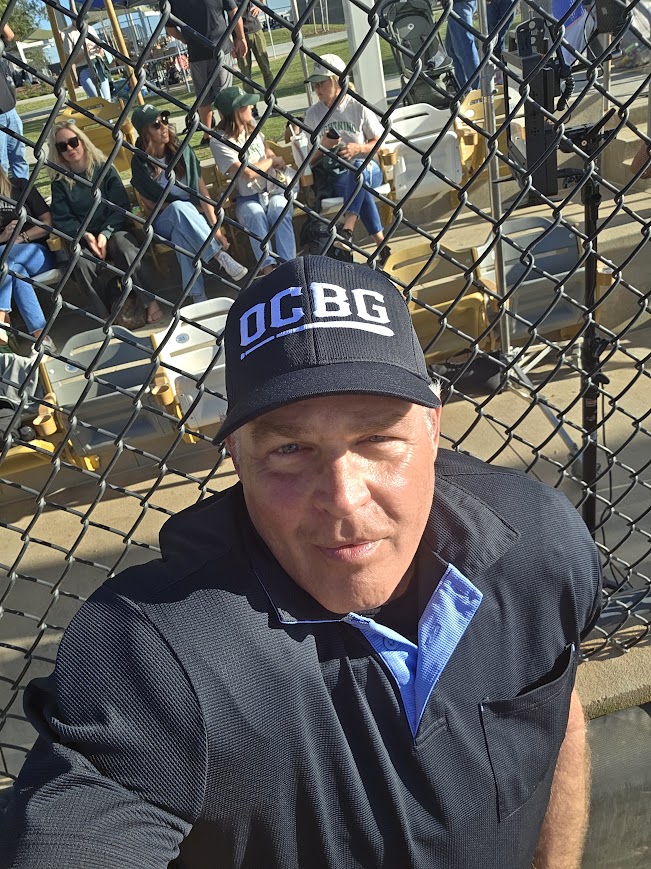
Kids today carry a weight that goes far beyond balls and strikes. After more than five years of coaching and umpiring, I’ve watched young players beat themselves up for missing the zone, striking out, or making a simple error. I’ve heard them put themselves — and sometimes their teammates — down for mistakes that are just part of learning the game.
I see kids trying to imitate professional players, chasing a level of performance they’re not ready for, when the truth is they’re still figuring out how to be themselves, still trying to learn how to play the game. They’re still kids. Yet they push themselves to be more, do more, and perform at a level they haven’t grown into yet.
What they need most isn’t perfection. It’s acceptance, the freedom to learn, to fail, to grow, and to enjoy the game without carrying the pressure of being someone they’re not.
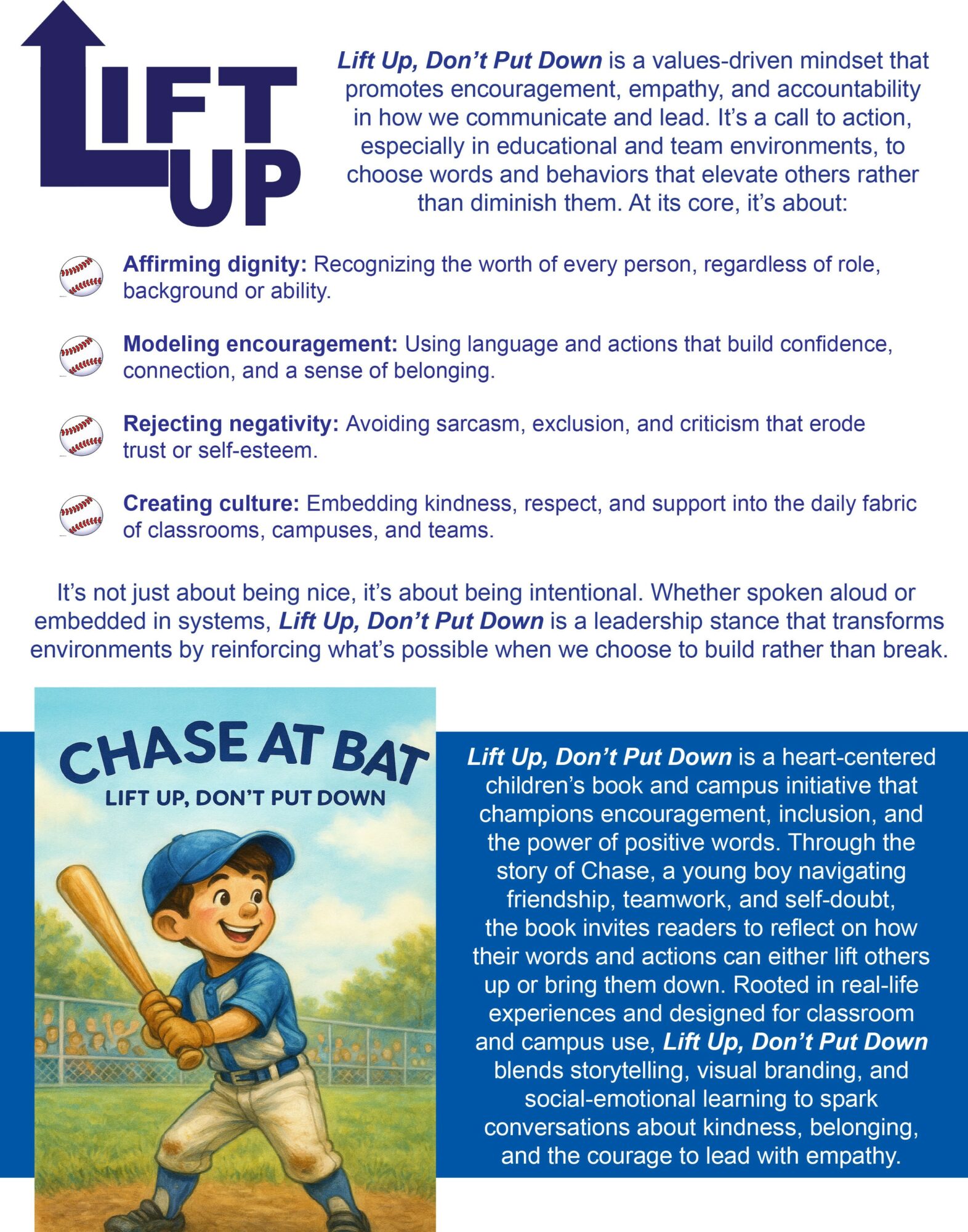
This is why I created Lift Up.
Can you briefly introduce yourself and share what makes you or your brand unique?
I am an educational leader, certified life coach, and doctorate student whose work spans instructional design, coaching, umpire development, and creative writing. As an educational administrator at a community college, I lead teams through change with empathy, strategic planning, and a commitment to building inclusive, student‑centered environments where people feel seen, supported, and empowered to grow.
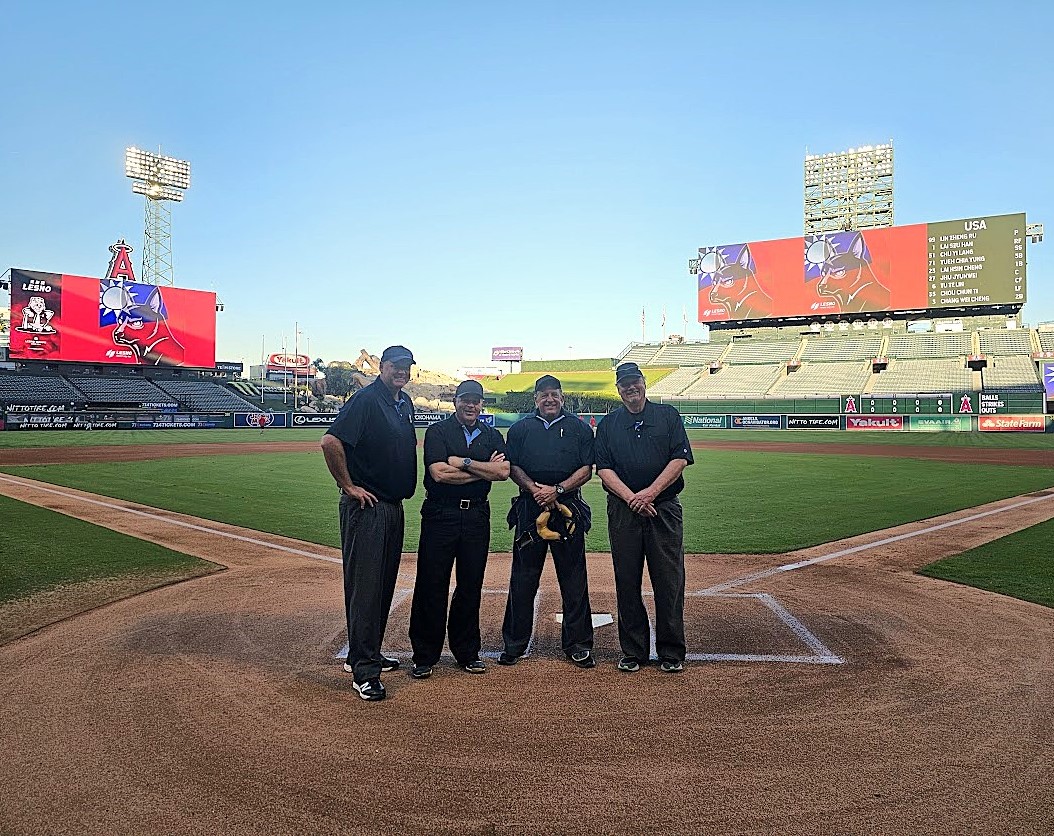
My background in youth baseball, umpire training, and life coaching shapes the way I teach and lead. I specialize in breaking down complex skills through clear communication, visual storytelling, and hands‑on learning. Whether I’m developing curriculum, mentoring staff, or training new umpires, my focus is always on building confidence, composure, and character. I believe officiating is far more than enforcing rules, it’s an opportunity to model leadership, respect, and emotional steadiness in moments that matter.
I am also a writer and curriculum creator, developing children’s literature and educational resources that promote encouragement, resilience, and positive culture. My work blends scholarship, creativity, and lived experience to inspire growth in every learner I serve.
At the heart of this creative work is *Chase at Bat: Lift Up, Don’t Put Down*, a children’s book inspired by my son and the countless young athletes I’ve coached and umpired. The story reflects a simple but powerful truth: kids don’t need perfection, they need acceptance. *Chase at Bat* teaches children to lift each other up, embrace mistakes as part of learning, and find confidence in who they are, not who they think they’re supposed to be. It represents my commitment to building a culture where every child feels valued, encouraged, and free to grow.
I have also written a comprehensive umpire training manual and am creating a complete umpire training program on Skool, for online learning.
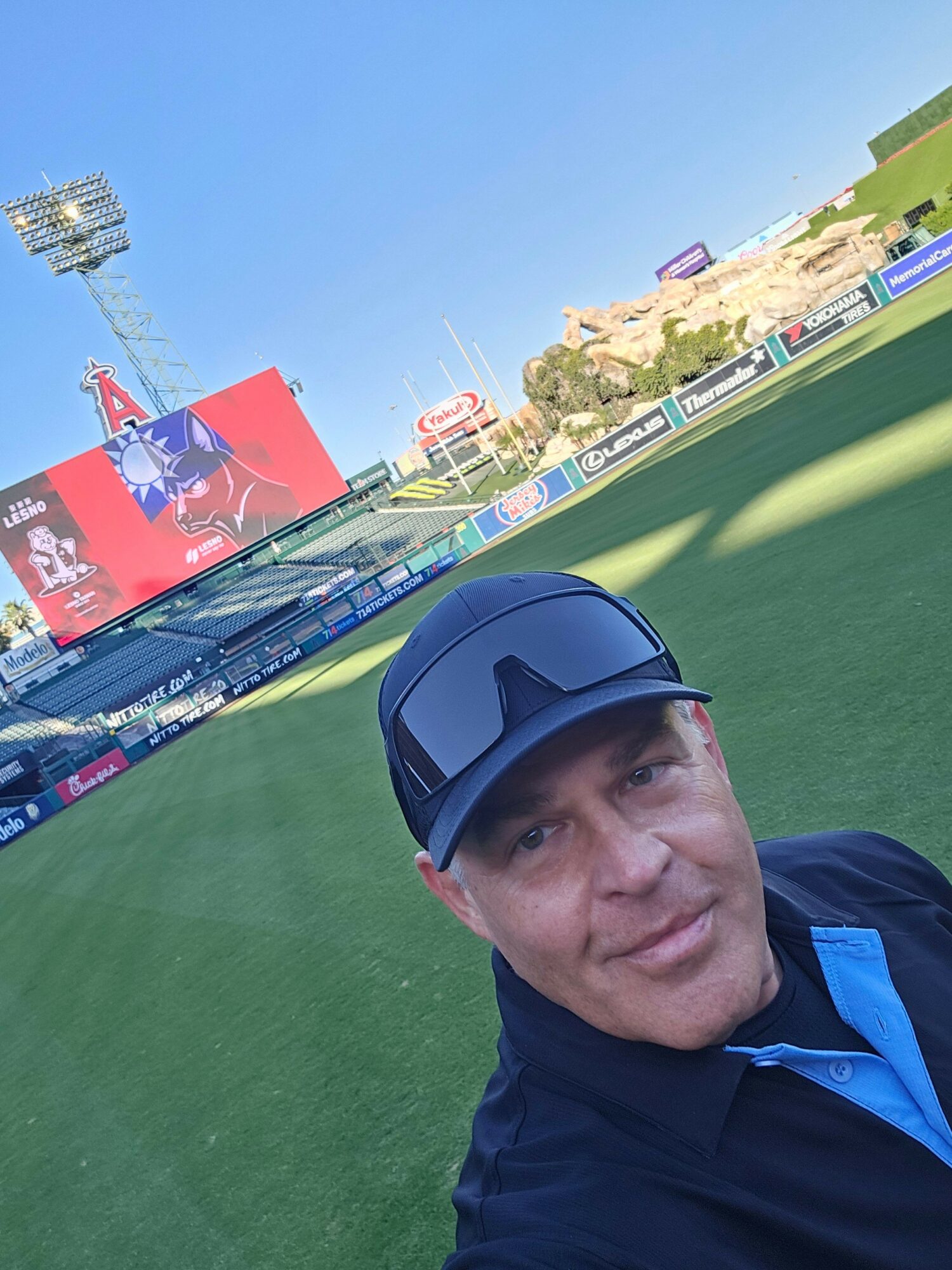
Along with my work, I am a husband and father and enjoy being involved in the community through baseball and the leagues I work with in Orange County.
Great, so let’s dive into your journey a bit more. What relationship most shaped how you see yourself?
My relationship with God has guided every step of this journey. Through prayer, reflection, and a willingness to listen, He has helped me understand that my purpose is not just to lead, it’s to lift others up. The vision behind Lift Up was born from that clarity: a calling to build people, not pressure; to encourage, not criticize; to create spaces where kids and adults alike feel safe to learn, grow, and become who they were created to be. Moving forward, I trust His direction and His timing as I continue shaping a culture rooted in grace, acceptance, and encouragement.
Turning 60 has deepened that sense of purpose. This milestone has helped me see my life through a lens of gratitude and clarity. I’m not chasing titles or accomplishments, I’m focused on meaning. I want to use the wisdom of these sixty years to serve others, to build positive culture, and to model the kind of leadership that lifts people higher. Sixty has reminded me that influence is measured not by how loudly you speak, but by how many lives you touch with kindness, patience, and truth.
At the heart of my creative work is Chase at Bat: Lift Up, Don’t Put Down, a children’s book inspired by my son and the countless young athletes I’ve coached and umpired. The story reflects a simple but powerful truth: kids don’t need perfection, they need acceptance. Chase at Bat teaches children to lift each other up, embrace mistakes as part of learning, and find confidence in who they are, not who they think they’re supposed to be. It represents my commitment to building a culture where every child feels valued, encouraged, and free to grow.
I believe all this is because God brought me to this point in my life.
What did suffering teach you that success never could?
Wow. You posed some interesting questions that really provoked thoughts and emotions.
Suffering taught me something success never could: honesty. Not the kind you speak out loud, but the kind you finally admit to yourself when you’re tired of repeating the same mistakes. I’ve struggled most of my life, not because I didn’t care or didn’t try, but because I kept circling the same patterns, year after year, without slowing down long enough to understand why. I pushed forward hoping things would change, without changing the things in me that needed attention.
Success never forced me to look inward. Suffering did.
It exposed the habits I ignored, the wounds I carried, and the lessons I refused to learn. It showed me that growth doesn’t come from getting things right, it comes from finally facing the things I’ve gotten wrong. Suffering taught me humility, patience, and the courage to stop pretending I had it all figured out. It taught me that transformation doesn’t happen when life gets easier; it happens when I get honest. And it taught me that God doesn’t waste pain, He uses it to redirect, refine, and reveal the purpose He’s been trying to show me all along.
Lift Up Principle: Growth Begins with Truth
We cannot lift others until we’re willing to face our own truth. Lift Up starts with honesty, acknowledging our patterns, owning our missteps, and choosing growth over comfort. When we model that kind of courage, we give others permission to do the same. Kids, colleagues, umpires, and families learn more from our transparency than our perfection. Growth begins the moment we stop hiding from ourselves. And I have grown through my own mistakes, which is what Lift Up was created from. Like a Phoenix rising.
Looking back, I can see that every repeated mistake was a lesson waiting for me to slow down and learn it. Every struggle was shaping me for the work I’m doing now. I’m no longer ashamed of the years I spent stuck; I’m grateful for the clarity they eventually brought. Today, I move forward with a different kind of strength, not the strength of having succeeded, but the strength of having survived, learned, and finally changed. My suffering didn’t break me; it prepared me to lift others up with compassion, truth, and purpose.
So a lot of these questions go deep, but if you are open to it, we’ve got a few more questions that we’d love to get your take on. What’s a belief or project you’re committed to, no matter how long it takes?
The project I’m committed to, no matter how long it takes, is building a culture where every child feels lifted up instead of torn down. Through coaching, umpire development, life‑coaching, and now the Lift Up movement, I’ve seen firsthand how much kids need encouragement, acceptance, and adults who believe in them. This isn’t a short‑term project for me; it’s a lifelong calling.
I’m committed to teaching kids that mistakes are part of learning, not proof that they’re not enough. I’m committed to helping them find confidence in who they are, not who they think they’re supposed to be. And I’m committed to creating environments, on the field, in the classroom, and in the community, where kids feel safe to grow, try, fail, and try again.
Lift Up isn’t just a philosophy I teach; it’s a belief I live. It’s the long game. It’s the work I’ll keep doing for as many years as I’m given, because I’ve seen what happens when a child finally feels seen, supported, and valued. That moment. when a kid realizes they matter, is worth every hour, every setback, and every step of the journey.
This is the project I’ll stay committed to for the rest of my life: lifting up the next generation, one child, one moment, one encouraging word at a time.
The reason I am so committed to Lift Up is because it represents the work God has been doing in me. I haven’t always spoken with the grace, patience, or gentleness my family deserved. My words and tone caused hurt, and I carry real sorrow for the pain I created. I was never physical, but I know emotional wounds can cut just as deeply and admitting that truth has been one of the hardest and most important steps of my life.
Lift Up has become more than a project, it’s part of my healing. It’s the space where God is teaching me to unlearn old patterns, soften my heart, and speak life instead of frustration. It’s where I’m learning to replace reaction with reflection, and pride with humility. God has shown me that change doesn’t come from hiding my flaws; it comes from bringing them into the light and letting Him reshape me from the inside out.
I’m not sharing this because it’s easy. I’m sharing it because it’s true. And because I believe God uses our broken places to help others find their way. My hope is that by being honest about my past, someone else will feel less alone in theirs. Lift Up is my way of choosing a different path, one built on grace, accountability, and the belief that God can redeem any story, including mine.
I’m learning to lift others up while God continues to lift me up from who I used to be.
Before we go, we’d love to hear your thoughts on some longer-run, legacy type questions. Are you doing what you were born to do—or what you were told to do?
I’m not sure I’ve ever known what I was born to do. For most of my life, that uncertainty has felt like a shadow I couldn’t outrun. I’ve chased dreams, started projects, taken on roles, and stepped into opportunities hoping one of them would finally feel like “the thing.” But nothing ever seemed to stick. I’ve worked in different jobs, held different titles, and worn different hats, yet none of them felt like a calling. They were just chapters, temporary, incomplete, and often confusing. Although teaching has been the most fulfilling role I have held.
For years, I’ve carried this quiet question inside me: What am I supposed to do with my life?
And for years, I didn’t have an answer. I thought something was wrong with me because I couldn’t find that one path everyone else seemed to have. I thought purpose was supposed to be obvious, and because it wasn’t, I assumed I had somehow missed it.
But now, looking back through the lens of Lift Up, I’m starting to see something different. Maybe the problem wasn’t that I didn’t have a purpose, maybe it was that God was shaping me through every misstep, every job, every disappointment, and every restart. Maybe I wasn’t lost; maybe I was being prepared.
I’m beginning to understand that what I was born to do isn’t tied to a job title or a single career. It’s tied to who I’m becoming. It’s tied to lifting others up, especially kids, and helping them avoid the same confusion, pressure, and self‑doubt I carried for so long. It’s tied to using my story, the messy parts included, to build something meaningful.
I may not have known my purpose for most of my life, but I’m starting to see it now. And it’s taken every step of the journey to get here.
Contact Info:
- Website: www.stevegostin.com and www.ocbaseballgroup.com
- Instagram: @stevegostin and @ocbaseballgroup
- Linkedin: https://www.linkedin.com/in/stevegostin/


Popular
-

Portraits of the Valley
-

LA’s Most Inspiring Stories
-

Rick Norris Learned That Building a Successful Business Means Building a Life You Actually Want to Live
-

How Olivia Rush Turned Survival Into a Mission to Help Others Keep Going
-

How Bibi Goldstein Is Helping Entrepreneurs Reclaim Their Time by Embracing the Power of Delegation
-

Victoria Hasson is Redefining Voice Coaching Through Community and Collaboration


