




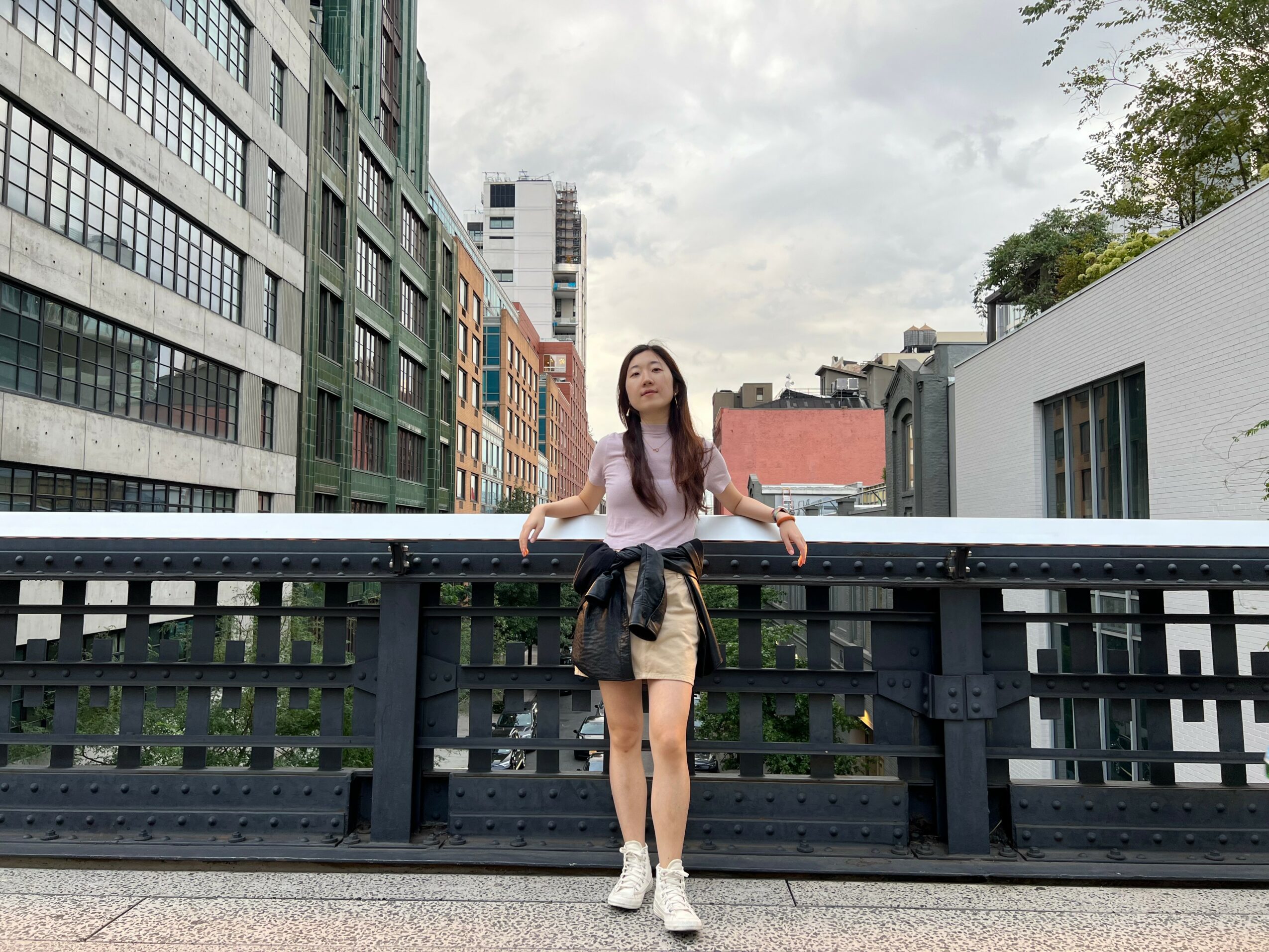
Today we’d like to introduce you to Xinyi (cherry) Qu
Hi Xinyi (Cherry), we’d love for you to start by introducing yourself.
My journey as a designer and project manager has been one of discovery and growth, shaped by a continuous process of reflection, learning, and connecting. With dual Master’s degrees in Architecture and Real Estate Development from Columbia University, my initial focus was on the technical and built environment. However, through years of working in the field, I gradually discovered my true passion lay at the intersection of design, project management, and creative strategy.
Early in my career, I worked primarily on architecture and construction projects, focusing on technical execution and management. While these experiences honed my organizational and problem-solving skills, I found myself increasingly drawn to creative projects that allowed me to think beyond the physical structure and focus on the broader “why” behind a design. This curiosity—paired with my natural inclination for connecting people and ideas—ultimately led me to explore project management for interior design and creative initiatives, where I could combine strategic thinking, leadership, and aesthetics into a cohesive process.
Around the same time, I became deeply involved with Nomad Theater, a grassroots Chinese-language improv theater group. As Design Lead, I played a key role in shaping their branding and creative identity, from developing visual materials for their events to aligning their design language with their mission of fostering community and creativity. Nomad’s journey has been one of constant evolution, starting from small script-reading gatherings to hosting improv courses, producing live performances, and building a growing community of dedicated participants. Through this process, I not only contributed to their growth but also deepened my understanding of how design and leadership can amplify a message and inspire meaningful connections.
These two paths—growing into an Interior Design Project Manager and leading creative projects like Nomad Theater—have been parallel and mutually reinforcing. On one hand, my work with Nomad gave me the freedom to experiment with branding, community engagement, and creative leadership. On the other hand, my professional experience managing interior design projects strengthened my ability to execute complex ideas, coordinate teams, and deliver results. Together, these experiences shaped my approach to design as a tool for connection, problem-solving, and transformation.
Today, I focus on using design to create meaningful experiences and help clients uncover their “why.” Whether I’m managing an interior project, designing a branding campaign, or leading a creative initiative, my work is always about bridging the gap between purpose and execution. For me, the journey is just as important as the destination—because every challenge is an opportunity to connect, grow, and create something new.
Alright, so let’s dig a little deeper into the story – has it been an easy path overall and if not, what were the challenges you’ve had to overcome?
It has definitely not been a smooth road—if anything, my journey has been full of transitions, challenges, and moments of self-reflection. When I first transitioned from architecture to project management, I struggled with finding my footing. My early career was rooted in large-scale architectural projects, including building exteriors and historic preservation. These projects were impressive in scale and scope, but over time, I began to question whether they truly aligned with my passions. I had to wrestle with the idea that “bigger isn’t always better” and confront my own assumptions about what success in design should look like.
Gradually, I found myself drawn to interior design projects, where I could create more intimate and meaningful connections between people and spaces. This shift required me to reimagine the role of design—not just as a means of creating physical environments, but as a tool for improving people’s daily lives. I became more interested in how people interact with spaces, what activities or moments could be enhanced, and how design could directly impact their experiences. Eventually, I realized that I cared less about the permanence of a project and more about its ability to create change, even if it’s temporary or fleeting. This realization opened the door to exploring event design, user experience, and even community-focused initiatives, where the purpose of design takes precedence over its physical form.
My work with Nomad Theater mirrored this evolution. While my role as Design Lead started with creating visual identities and branding for their improv comedy series, it quickly became about much more than that. Nomad is a grassroots organization run by young professionals in their spare time, so keeping it alive requires immense dedication and self-motivation. There have been times when conflicts—whether in schedules, priorities, or ideas—made it hard to push forward. Without external constraints, everything depended on us, and we often had to ask ourselves tough questions about where we wanted the organization to go. But I see these challenges as opportunities for growth. They’ve taught me the importance of collaboration, patience, and staying true to a shared vision, even when it’s difficult.
Through all these transitions, one of the biggest shifts for me has been moving away from focusing solely on physical design to thinking about the impact of design. I no longer see design as just about the process or the product—it’s about the people. It’s about asking, “Why are we doing this? How will this improve someone’s experience? How will this design make their life better?” Whether it’s a space, an event, or an experience, I now prioritize the purpose of design and its ability to create meaningful change. This mindset has not only reshaped how I approach my work but also made the journey, despite its challenges, deeply rewarding.
Can you tell our readers more about what you do and what you think sets you apart from others?
What do you do? What do you specialize in?
I am a Creative Project Manager, Designer, and Creative Strategist who specializes in purpose-driven design and culturally rooted projects. My expertise lies in interior design project management, master planning, and branding for creative initiatives. I focus on creating designs that are not only visually compelling but also address real-world challenges, empower communities, and connect people through shared values.
What makes my work unique is my ability to blend creative thinking with strategic execution. I thrive on projects that require both big-picture vision and attention to detail, whether I’m managing a complex interior project, designing a branding strategy, or building a community-centered experience.
What sets you apart from others?
What sets me apart is my ability to integrate cultural storytelling with practical solutions, ensuring that every project is both meaningful and impactful. As a Creative Project Manager, I bring structure and clarity to the creative process, ensuring that ambitious ideas can be successfully realized. As a designer, I focus on connecting the deeper purpose behind a project with its tangible outcomes, creating designs that resonate emotionally and functionally.
A project that reflects this is the Fabric Culture Village, which I co-designed with my creative partner, Rujing. Located in Flushing, New York, this project was a comprehensive master plan that combined traditional Chinese fabric production, gender inclusivity, and community needs. We created a water system to support fabric tie-dye processes, designed a childcare center inspired by textile motifs, and provided a framework for sustainable economic and cultural development. This project exemplifies my commitment to cultural preservation and designing for impact, bridging heritage and modernity in innovative ways.
What are you most proud of?
One of my proudest achievements is having the Fabric Culture Village selected for an exhibition at the Penn Museum at the University of Pennsylvania. The exhibition, titled “On the Critical Point: Wanderlust and Nostalgia in the New Age,” celebrated works that explored the balance between heritage and modernity, which perfectly aligned with the heart of this project. Seeing our work recognized on such a platform was not only a professional milestone but also a personal affirmation of the value of culturally rooted design.
This project also deepened my understanding of how design can empower communities and create lasting change. It reinforced my commitment to using design to connect people, preserve traditions, and address practical challenges, whether through physical spaces, branding, or user experiences.
What are you most proud of in your career?
The Fabric Culture Village project, along with its exhibition at the Penn Museum, was a defining moment in my career. It demonstrated my ability to combine cultural preservation, community empowerment, and design leadership into one cohesive vision. The recognition of this project reaffirmed my belief that design is not just about creating something beautiful—it’s about making an impact that is both meaningful and transformative.
I am also proud of my evolution as a Creative Project Manager and designer. Over the years, I’ve shifted from focusing solely on physical design to exploring how design can solve complex problems and connect people on a deeper level. Whether it’s a master plan, a branding campaign, or a community-driven initiative, my work is always guided by a commitment to purpose and connection.
If we knew you growing up, how would we have described you?
Growing up, I’ve always been someone who thrives in team-oriented environments. I loved organizing activities and bringing people together—whether it was leading school events or planning group projects, I was often the person making sure everyone felt involved and excited. I found immense joy in creating shared experiences and fostering collaboration, and that collective energy was something I naturally gravitated toward.
During university, I fully embraced this passion by joining the student cultural committee, where I co-led large-scale events that brought hundreds of people together. These experiences were deeply fulfilling, not only because of the success of the events but also because of the bonds and sense of community we built along the way. I realized that what I loved most was the process of collaboration—turning ideas into reality with a group of like-minded people and seeing the positive impact it could have on others.
Over time, I became more drawn to leadership and community building, realizing that my true passion lies in creating spaces and experiences where people can connect, grow, and feel a sense of belonging. This love for collaboration and meaningful impact is what eventually guided me to projects like the Fabric Culture Village and Nomad Theater, where I’ve been able to combine design, strategy, and project management to bring people together and create something larger than ourselves.
What’s stayed consistent throughout my life is my belief in the power of teamwork and creativity. I’ve always been energized by the challenges of bringing people together and making an idea come to life, and I find a deep sense of purpose in creating experiences that connect and inspire others.
Contact Info:
- Website: https://www.cherryxinyiqu.com/
- Instagram: https://www.instagram.com/cherry.qu/
- LinkedIn: https://www.linkedin.com/in/cherry-xinyi-qu-065b8414b/
- Other: RedNote: https://www.xiaohongshu.com/user/profile/5ec98fec000000000100530c
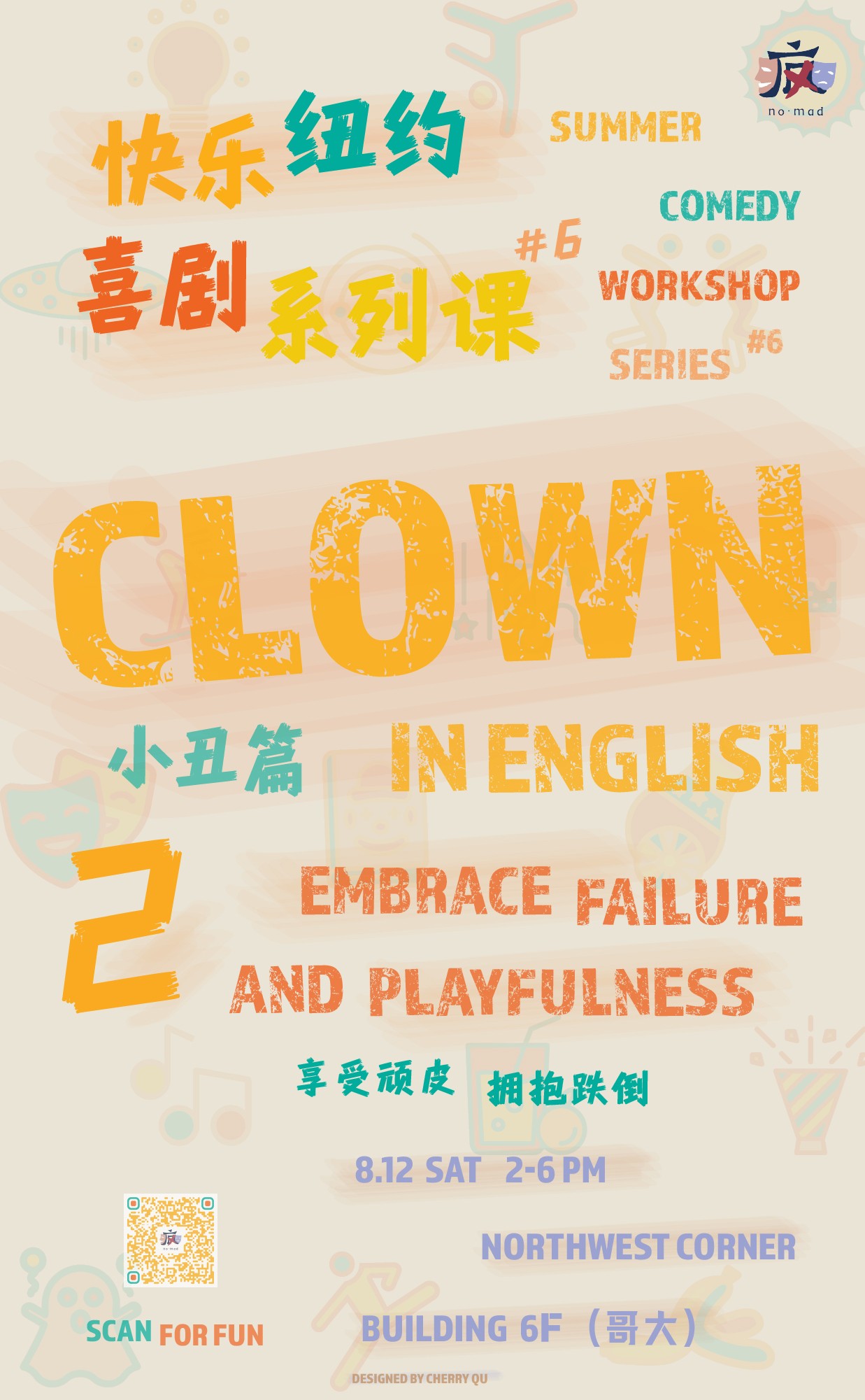
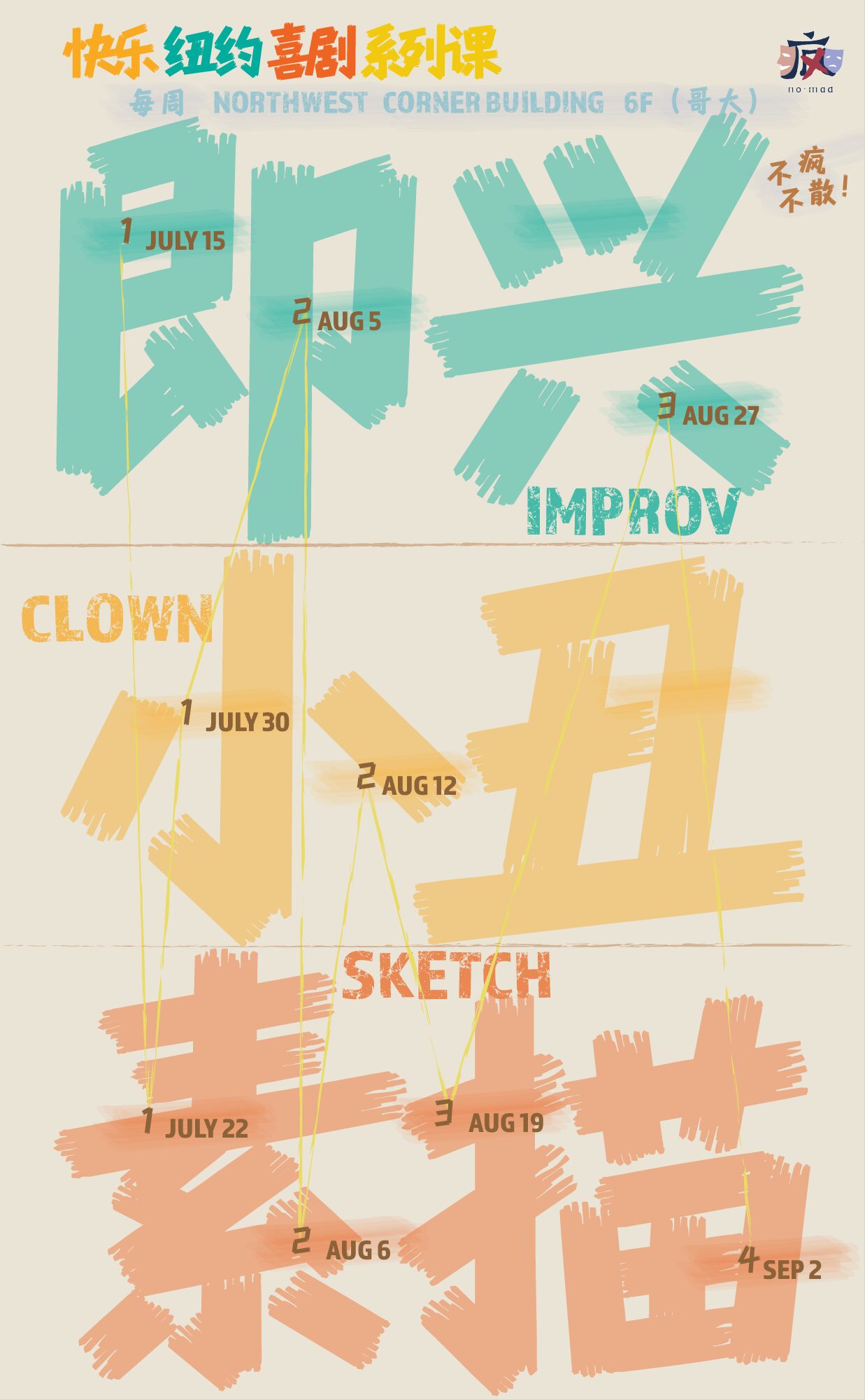
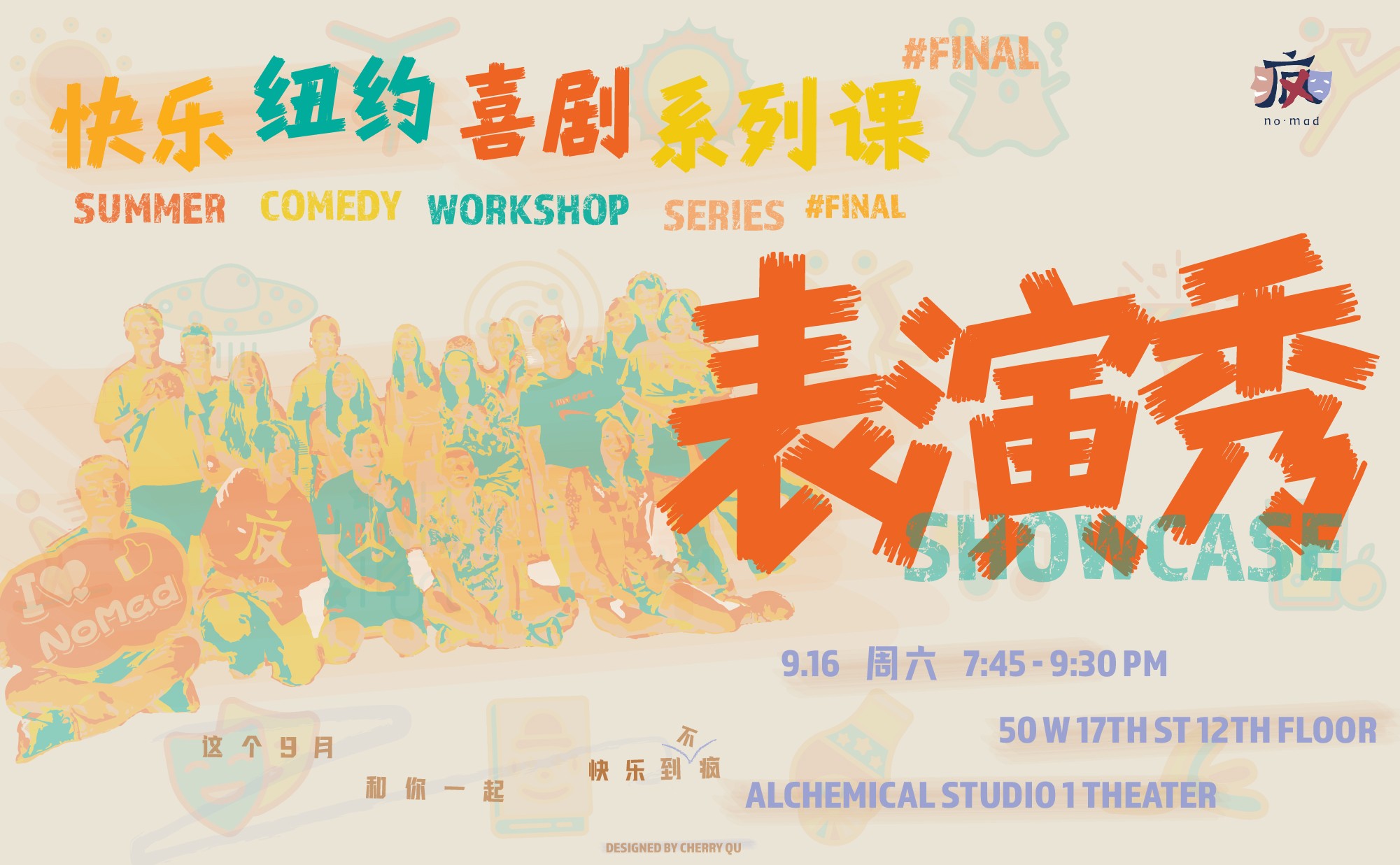
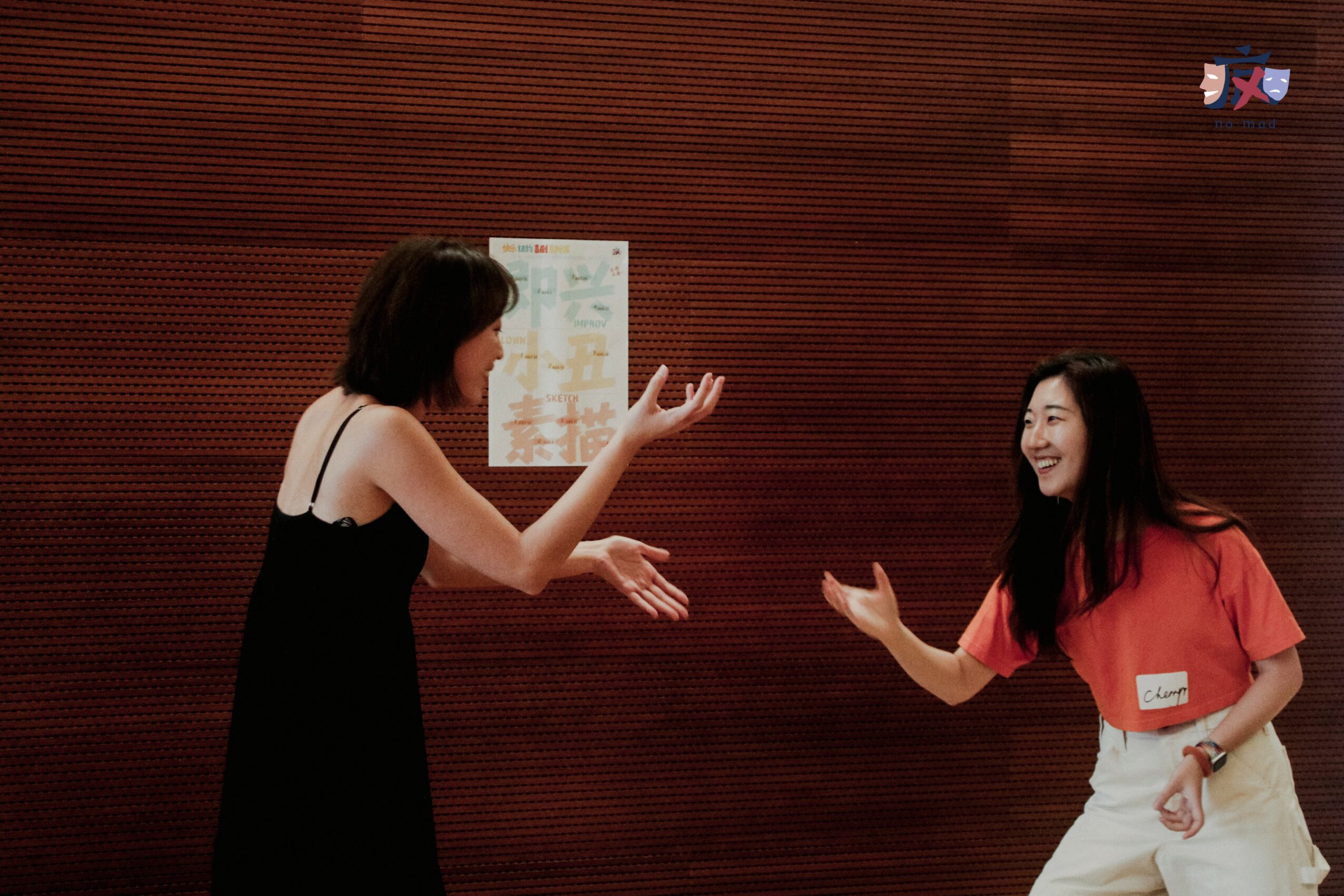
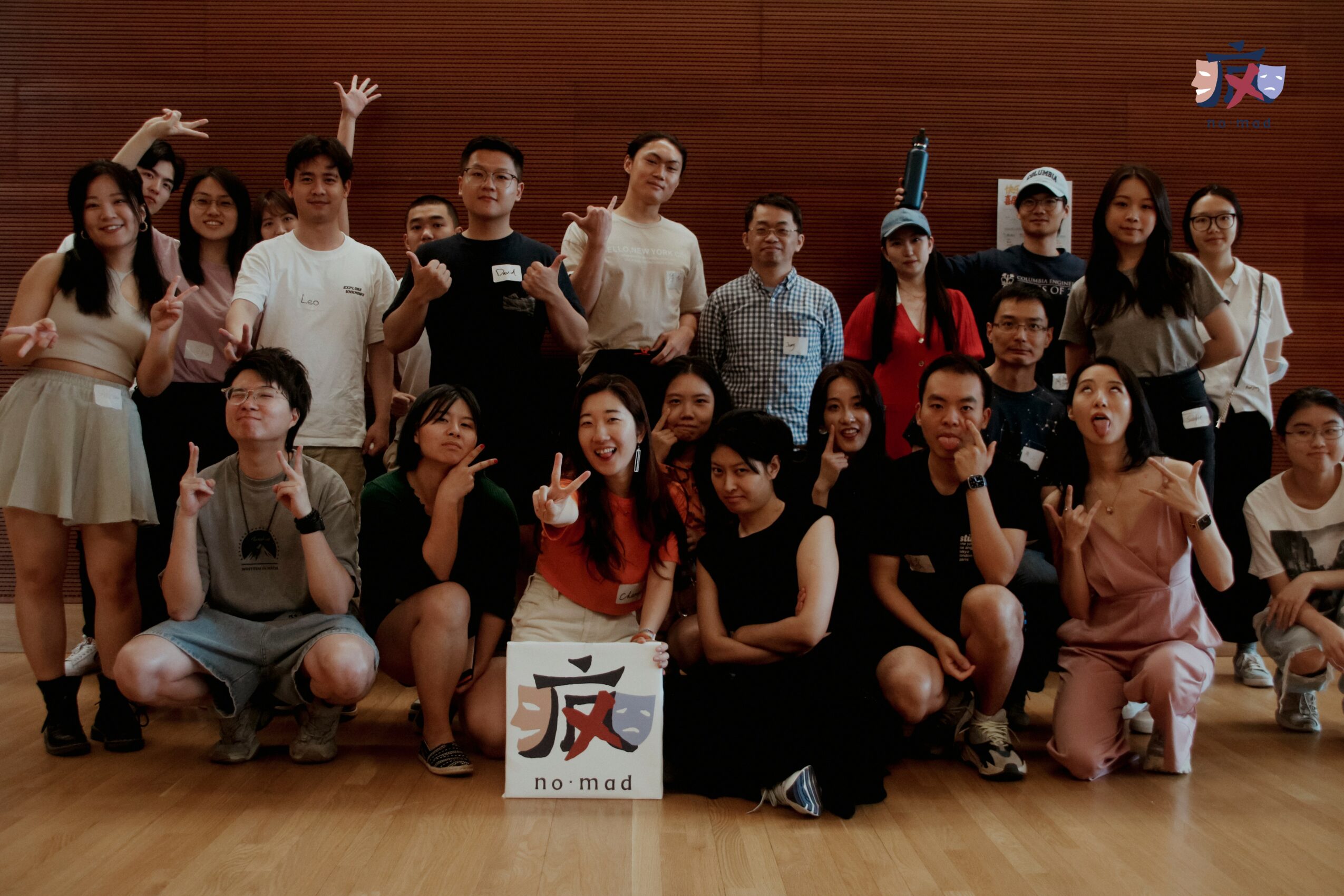
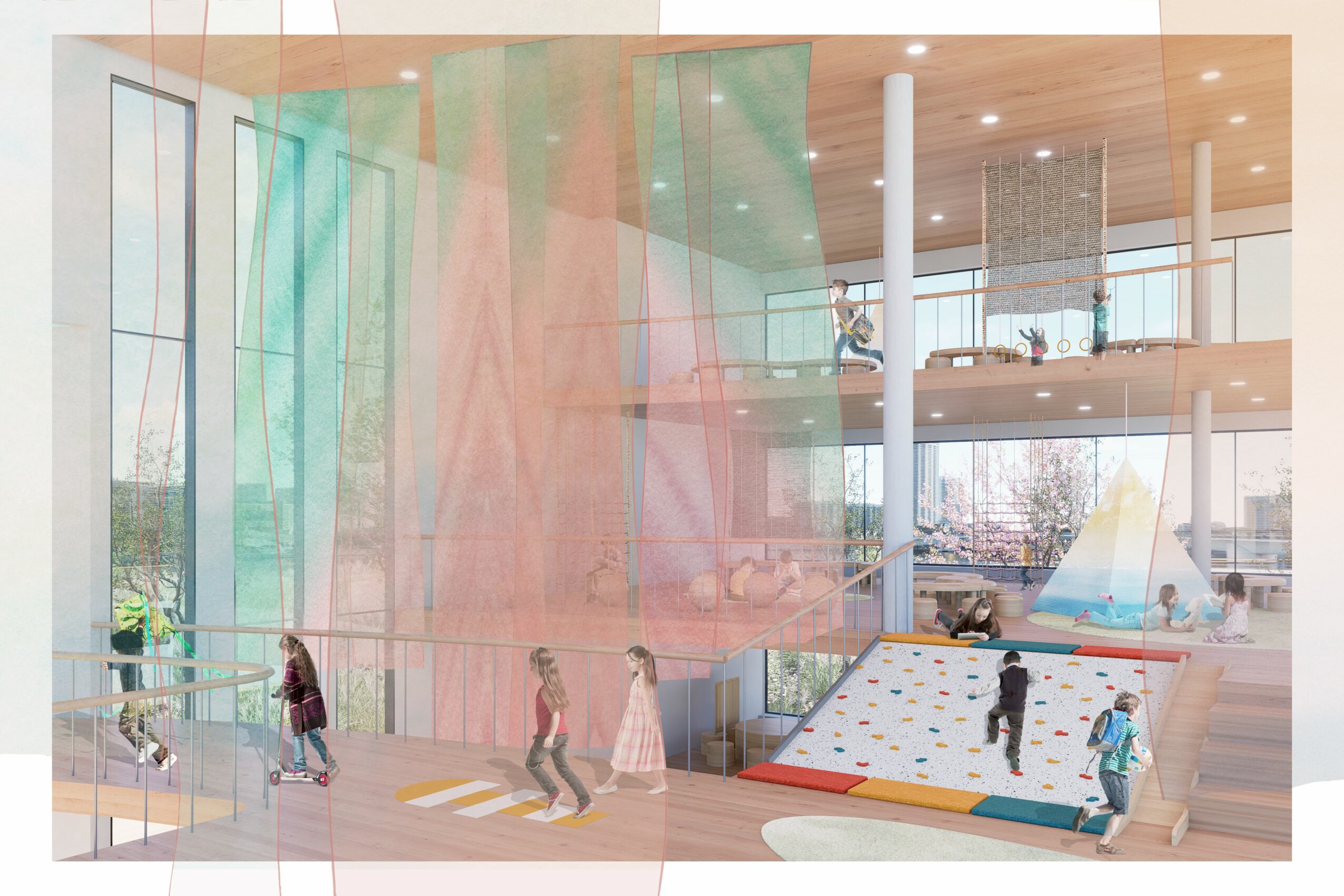
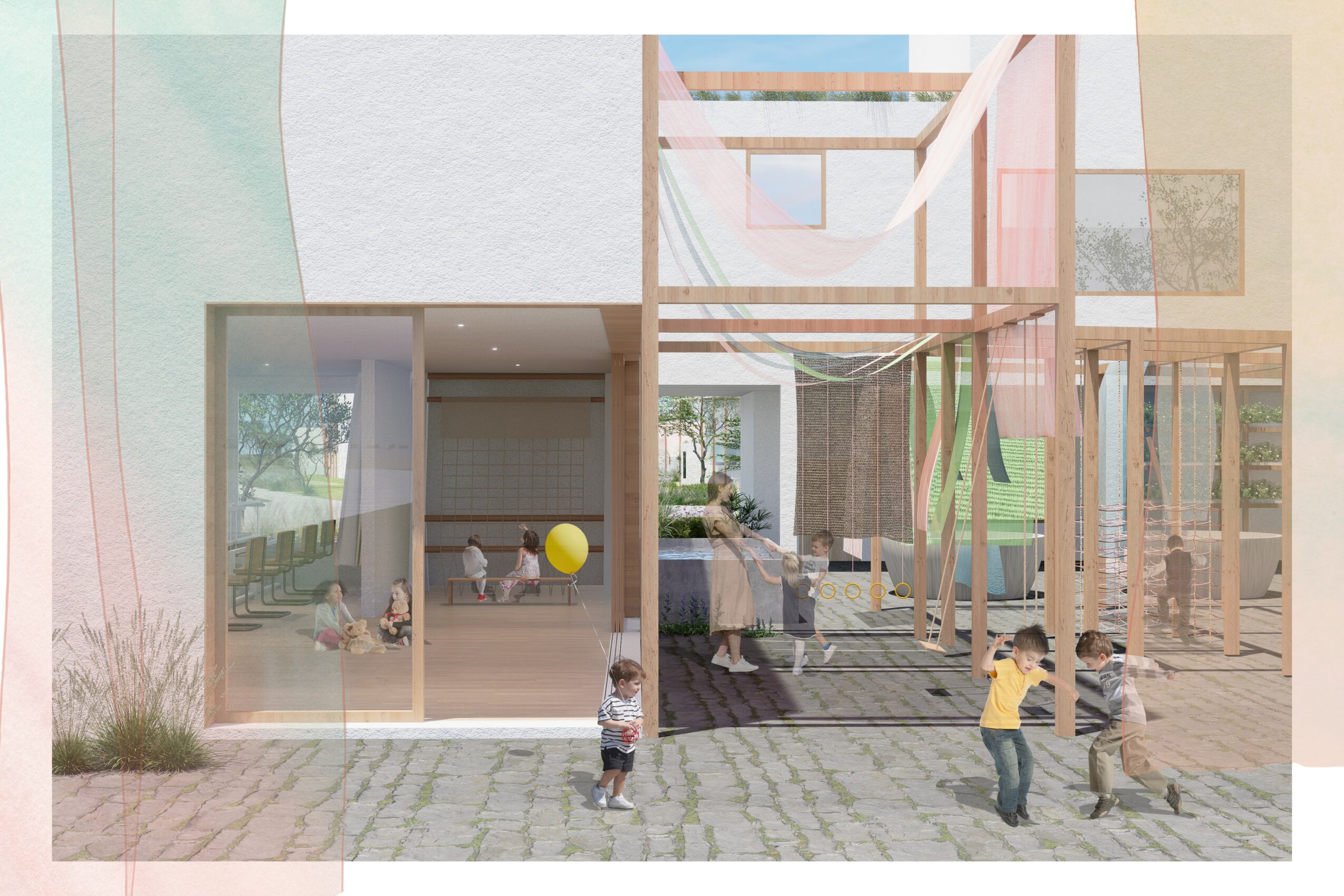
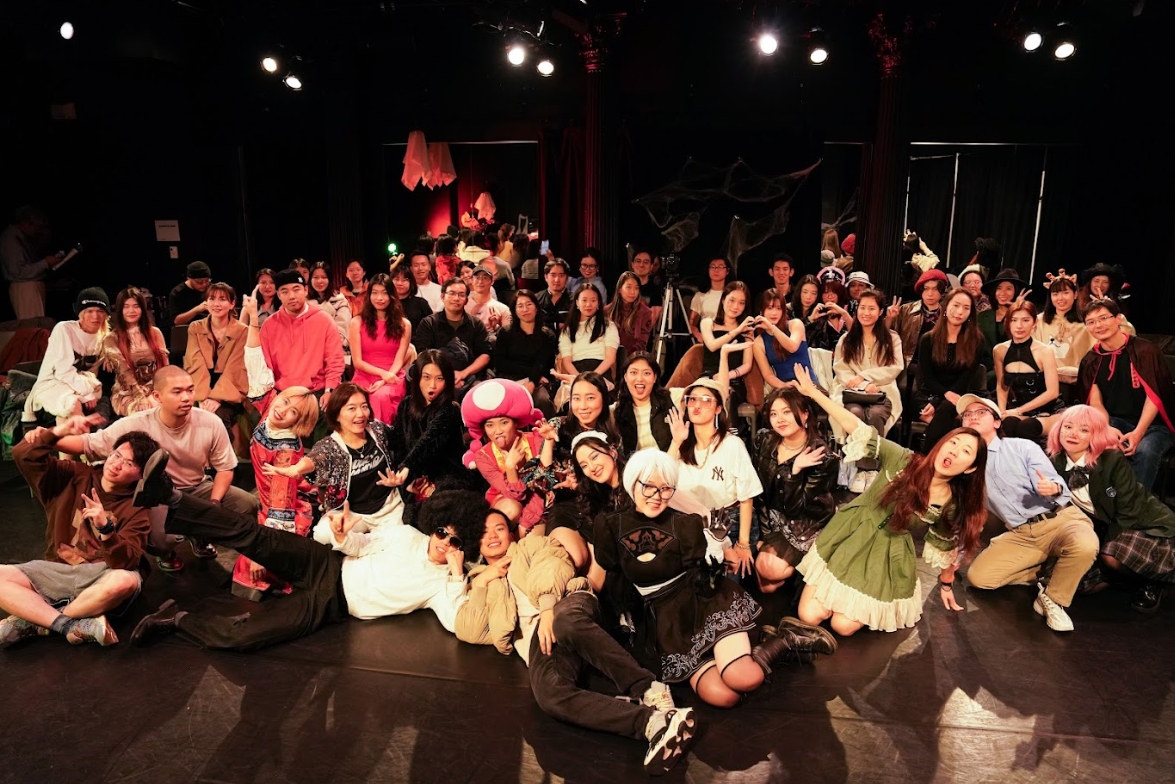
Image Credits
NoMad Theater
Popular
-
Los Angeles Barea on Turning Green Superheroes into a Global Movement for Youth-Led Change
-

Trisha DuVivier on Bridging the Franchisor–Franchisee Divide with Workhero and “Franulate”
-

Portraits of the Valley
-

LA’s Most Inspiring Stories
-
Cedar Boschan on Elevating Black Music Rights and Driving Urgent Conversations Around Credit, Equity, and Artist Protection
-

Robin Olive on Building an Inclusive Performing Arts Movement and Expanding Opportunities for Every Student


