




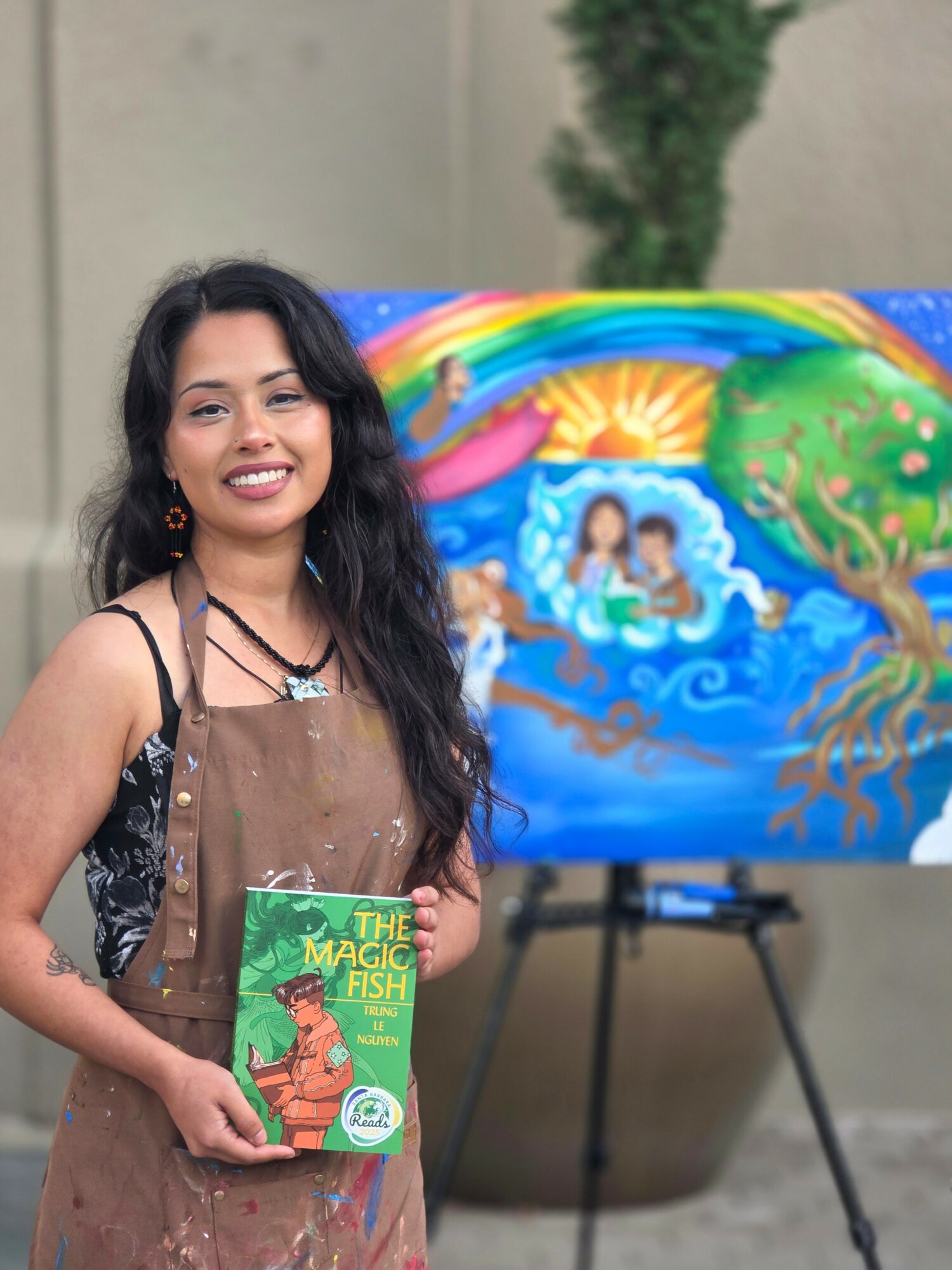
Today we’d like to introduce you to Vero Sanchez.
Hi Vero, thanks for sharing your story with us. To start, maybe you can tell our readers some of your backstory.
My name is Veronica (Vero) Sanchez Gomez. I am a Mexican graphic illustrator and studio artist based in sunny Santa Barbara, CA. I matriculated from the University of California, Riverside with a B.A. in anthropology with emphasis in cultural anthropology. The work I make is primarily centered in artivismo (art-activism) and aims to highlight and celebrate cultural and socio-political identities.
My artistic journey begins in my middle school art class taught by graphic design artist and arts educator Katie Curry. Dealing with undiagnosed ADHD and an extremely active mind Ms. Curry was able to teach me how to slow down and to navigate storytelling through the arts. She offered extra credit to create sketches referencing works by Salvador Dali and other important artists. As well as ascribing homework that focused on the personal. This pushed me to cater my learning to me, practicing and wanting to research beyond the classroom. As a scholar this class gave me insight into the significance of history and identity tied to the arts. I was in love with surrealist art at this time and what is so amazing about Santa Barbara is the extraordinary Chicano muralism you can find throughout the city. A sharp contrast from the deeply celebrated European art scene. One that glorifies the beauty of the landscape, ocean, and Spanish conquest but often negates the resilience of the both natives and locals. Ms. Curry was an amazing teacher spending her time after school teaching me and a few other students print making. Even as a complete amateur still in the midst of learning how to draw she was the first person to take me serious as an artist. That completely changed my world.
Within the Santa Barbara Junior High exists one of my favorite murals created by the Santa Barbara Arts Alliance. Located in a long hallway alongside the Marjorie Luke Theater and science classrooms. Its length spans across four walls and explores the rainbow bridge creation story of the Chumash peoples and slowly morphs into a wild cluster of oceanic imagery and BIPOC scientists. This mural together with the Ortega Park murals outside the Junior High used to ignite me with excitement and inspiration as a young student. I decided to join the Arts Alliance the summer before High School and was able to assist with the mural’s completion and inauguration in 2017. We invited a few people from the Santa Ynez Reservation to be the first to view and to bless the murals. What stood out to me from this experience was the joy and commentary of one of the elders. As a Santa Barbara Junior High alum she had endured a great deal of racism and a constant erasure of her Chumash identity. With these murals other native children and young BIPOC students could feel a renewed sense of self and belonging. No longer could history classes negate the presence and lived history of her peoples. When school systems fail one way we learn is through the celebration of BIPOC history and identity through murals.
The Santa Barbara Arts Alliance was an amazing experience. Developed by the Santa Barbara Parks and Recreation department, the initiative aims to help at-risk youth via graffiti abatement and beautification projects such as mural creation. Throughout my time I had the privilege of meeting many wonderful artists and mentors including Manuel Unzueta, “Ome” Miguel Rodriguez, and the late Danny Meza. These artists and their mentees were responsible for the creation and constant upkeep of the culturally significant Chicano murals at Ortega Park, first painted in 1979. I feel that much of my art style today is still very heavily influenced by the murals I grew up with. One of my most memorable moments in the program was when we attended a Southcoast gang intervention and prevention conference downtown. At 16 I remember sitting at a table with a formerly incarcerated and ex-gang member who had found a career path in anger management counseling. He said “You know the police and the city love to take credit for the reduction in graffiti. Saying that we’re scared or that the murals show that they take care of their property. No. What they don’t know is that in the 80’s we all agreed to not touch the murals because that’s our people. That’s our history written on the walls. To live in a gentrified place you know what that is. It’s resistance. If you tag the murals we’ll beat you up, why would you touch our cultural heritage? That’s your people, our history painted by our own youth”. I think about this conversation very often.
In High School I was also part of the Visual Arts and Design Academy at Santa Barbara Senior High. During my time at the academy I gained skills in studio painting, photography, and graphic design. I continued to refine my work outside of the classroom and designed two of my very 1st T-shirt designs. One for an undocumented student advocacy club called P.O.D.E.R at the University of California, Riverside where my sister attended. And one for my school’s new undocumented student and ally club, In’Lack’ech. Primarily directed at helping undocu-scholars understand their access to college. My senior year I also created a tiny club called Raíces SB. A movement aimed at creating an exhibition and cultural event for young artists like me that felt very excluded from the rich and gentrified Santa Barbara arts scene. The pandemic halted preparations for my introduction into exhibit curation but inspired the creation of a virtual website. In 2021 my logos for Raíces SB and In’Lack’ech were immortalized in the school’s cafeteria mural titled “Loteria de Vida” created by muralist Manuel Unzueta in collaboration with Ethnic Studies teacher Joseph Velasco and SBHS students.
I have a million stories of my artistic beginnings but I believe that the art-ivismo seeds were planted and nurtured between the ages of 13 to 18.
Would you say it’s been a smooth road, and if not what are some of the biggest challenges you’ve faced along the way?
Movement is abundant in my life as the waves in the ocean. I come from a long line of trauma and deep family mental illness. It has not been until very recently that I have made effective progress in my mental health journey. Coming from a rural and poverty stricken area in Guanajuato Mexico, systems of inequality have followed me to the sunny coast of Santa Barbara, CA. I’ve experienced a variety of things primarily due to hardships and unsafe living situations. These include gang-related violence, drug and alcohol abuse from housemates, among other things. What has helped me stay grounded has been art and education. Despite my turbulent upbringing and mental health diagnosis, art and school have always been there for me. To be creative and to have curiosity of the world is resilience. It’s reclaiming and a reimaging of your narrative. It’s what drives you to excellence. As many other 1st generation scholars I understand the importance of a U.S education. Regardless of any political obstacles and discrimination no one can take away your education, your diplomas, and your vibrant mind.
Appreciate you sharing that. What else should we know about what you do?
I am a trained studio artist but as of recently my work has shifted to graphic design and illustration. During my undergraduate at the University of California, Riverside I found student organizations were willing to hire me to update logos and create T-shirt designs. For the past 5 ½ years I have been creating a multitude of designs for students and departments at my alma mater as well as other businesses throughout the Central Coast and Inland Empire. As a college student I couldn’t always find time to paint on canvas or afford materials but I always did have access to Adobe Photoshop and my computer. I give my corazón to Chicano Student Programs at UCR. They believed in student artists and gave me the opportunity to work as their Social Media and Marketing Coordinator. I was tasked with the development of visual material for quarterly campaigns. My most well received pieces come from the designs I created for the annual Semana de la Mujer. A week celebrating the women and fems in your life within higher education. The designs I’ve created for Chicano Student Programs and Undocumented Student Programs have been printed into poetry journals, posters, magnets, shirts, crew necks, cookies, stickers, wooden containers, and graduation sashes. I’m most proud of the design I created for the 2025 Semana de la Mujer; depicting my sister Reyna and my grandma. I love my sister and the reference picture I used was one that I took of her as an amateur photographer, so it’s definitely a mixture of my passions. Under the guidance of Arlene Cano Matute, Bibiana Canales, and a committee of students, my Semana illustrations have flourished beautifully.
I’d say I’m well known for my digital illustration and that most people now know me as a well seasoned graphic design artist. I’m really grateful for all the artistic opportunities I gained at UCR. My Cultural Anthropology specialization also allowed me to take upper division classes pertaining to Mesoamerican archaeology and artistic indigenous practices across the Americas. I think what sets me apart from other artists is my curiosity and drive. I am still that immigrant child in awe of the world.
Since graduating in 2024 I’ve worked briefly with the Museum of Contemporary Art Santa Barbara where I’ve facilitated three art workshops through Paint at Paseo. I’ve also been commissioned by the Santa Barbara Public Library to create a collaborative art piece celebrating The Magic Fish by Trung Le Nguyen. A Vietnamese-American book focusing on coming of age, queerness, language, and immigration. Currently have a few graphic illustrations at the Consulate of Mexico in Oxnard for their exhibition “Protest as Protection: The Art of Resistance”.
How do you define success?
I define success as agency to create and celebrate. I feel most successful when I am able to plan and accomplish a goal. That second part of celebration is very difficult for me but to acknowledge and recognize your hard work is as important as the task accomplished. Self fulfillment comes from self, it is a disservice for you to latch on to the encouragement and validation from others. Celebrate yourself and celebrate hard. There’s been so many times in my life I have quietly tucked away my accomplishments or have felt overwhelmed by asking for recognition. Now I can look back at my work and see growth. I am ready to further my practice and to continue creating until my last days.
Contact Info:
- Website: https://sanchezveronica872.wixsite.com/v3ro
- Instagram: https://www.instagram.com/v3ro_ajaw/
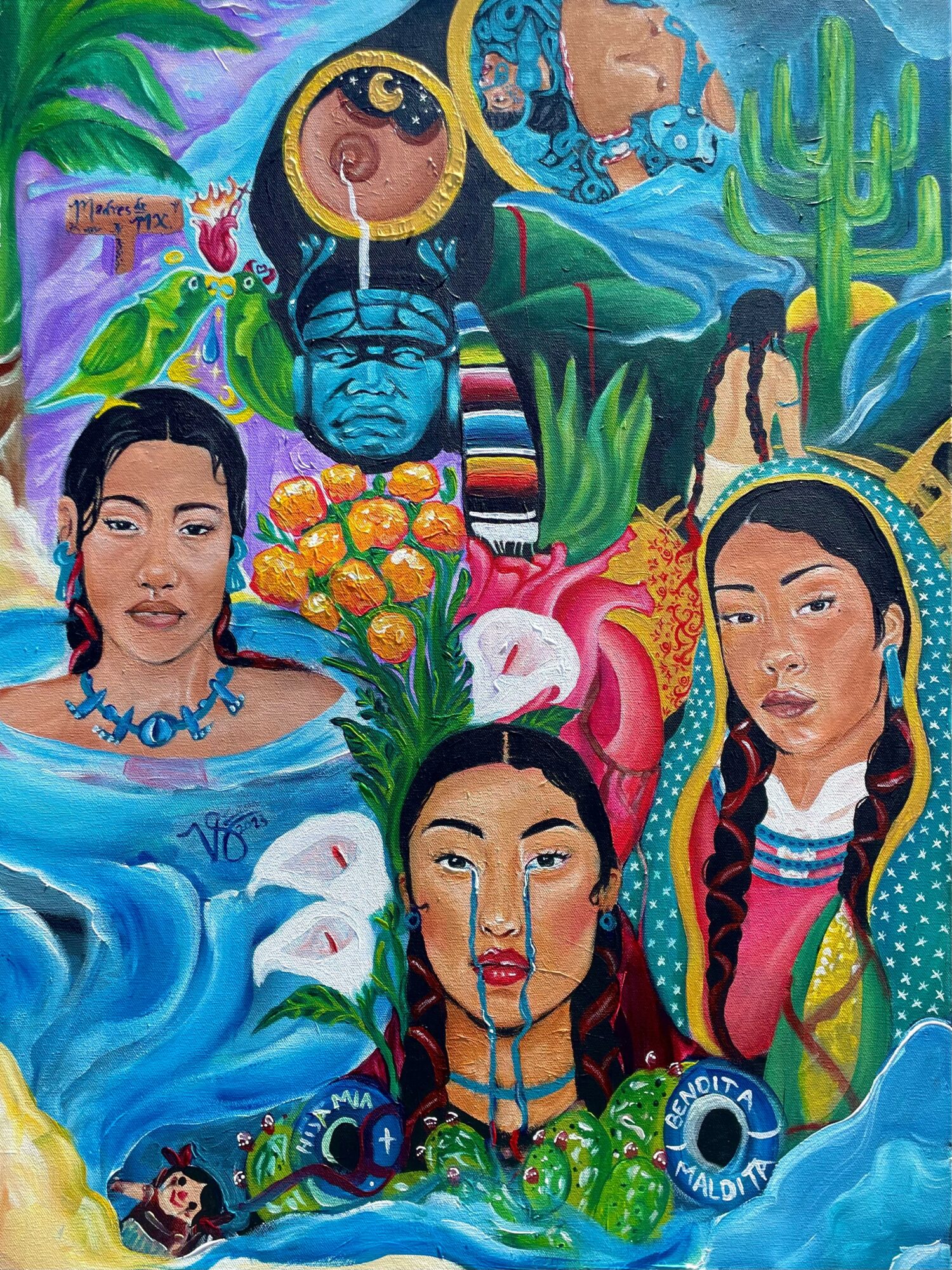
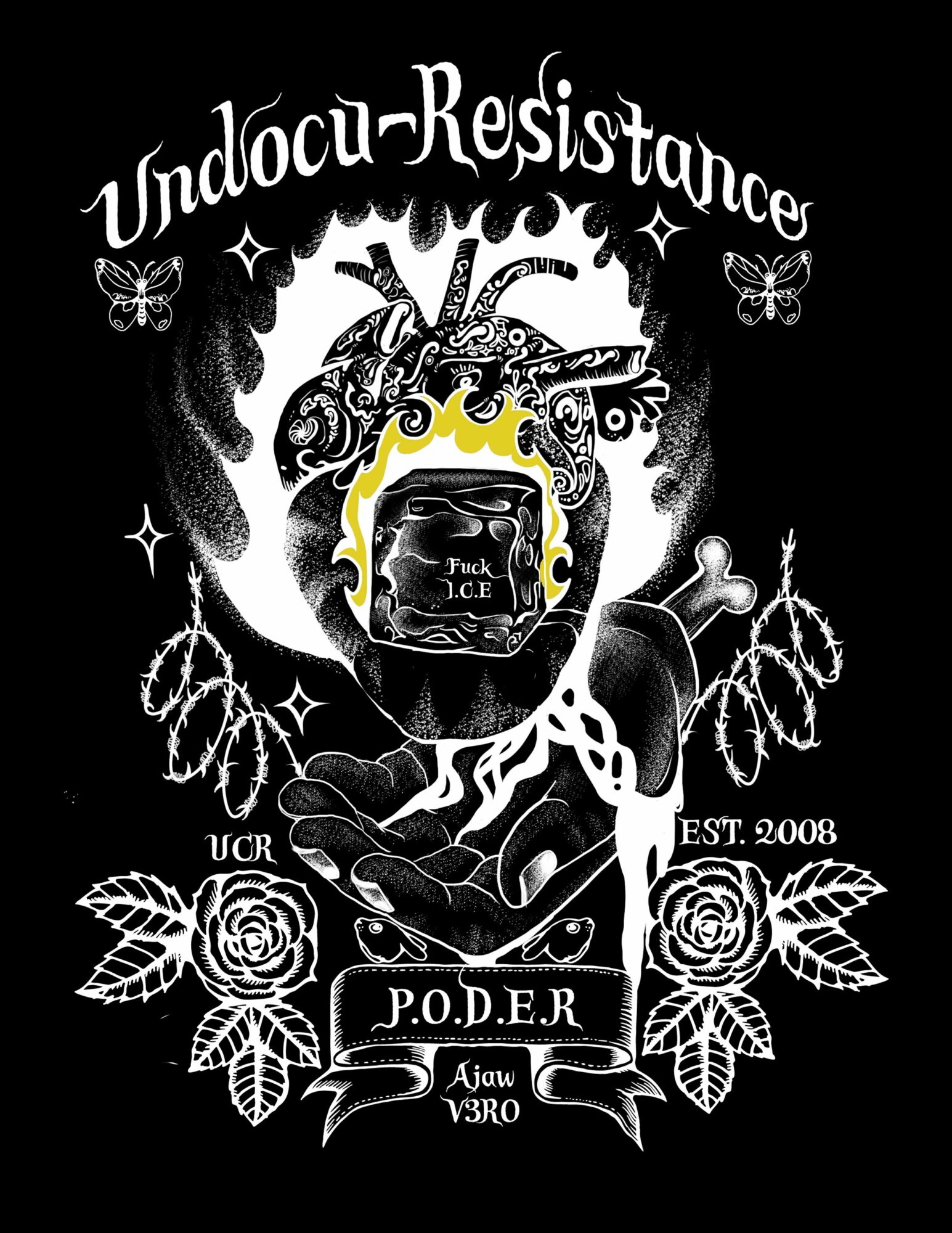
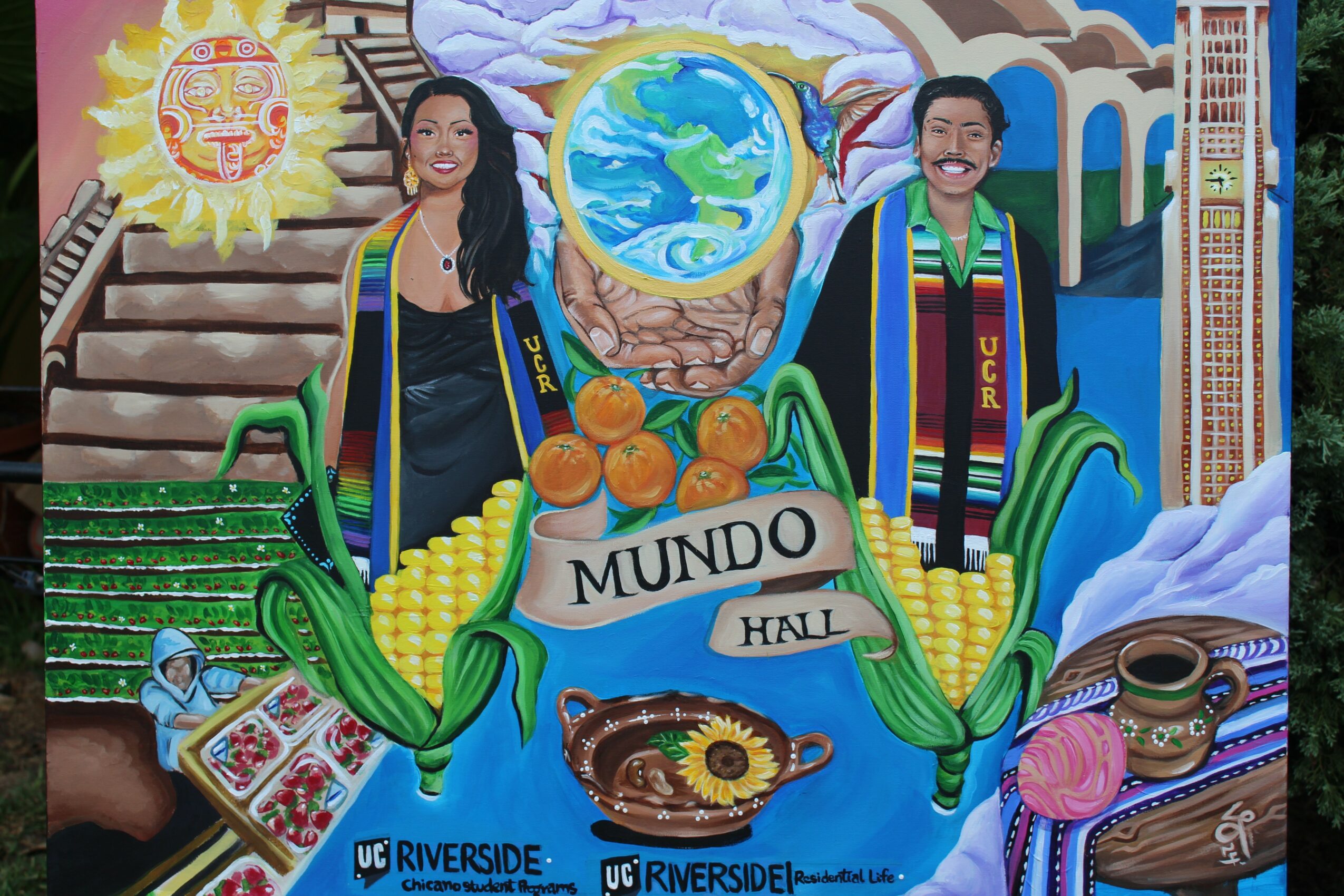
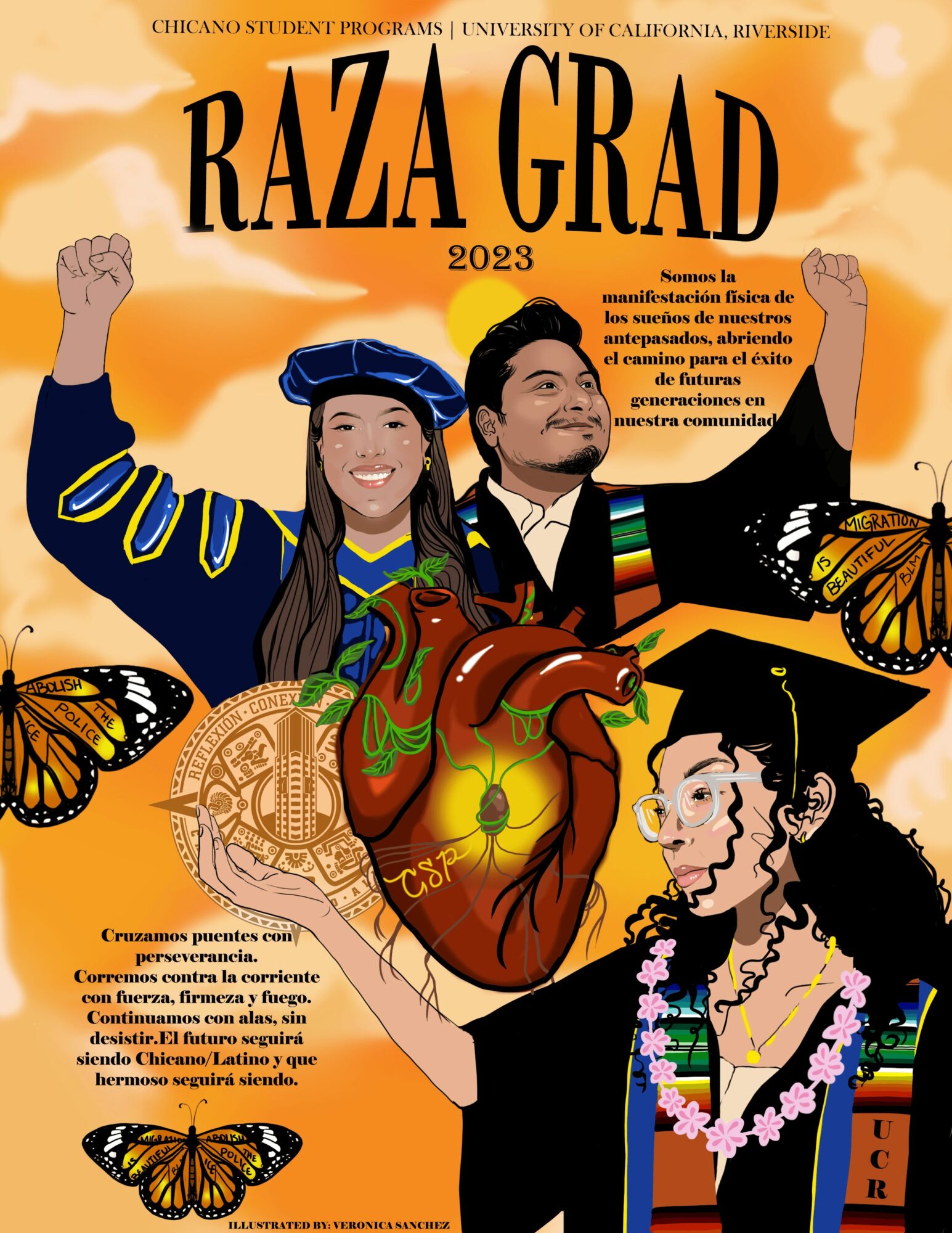
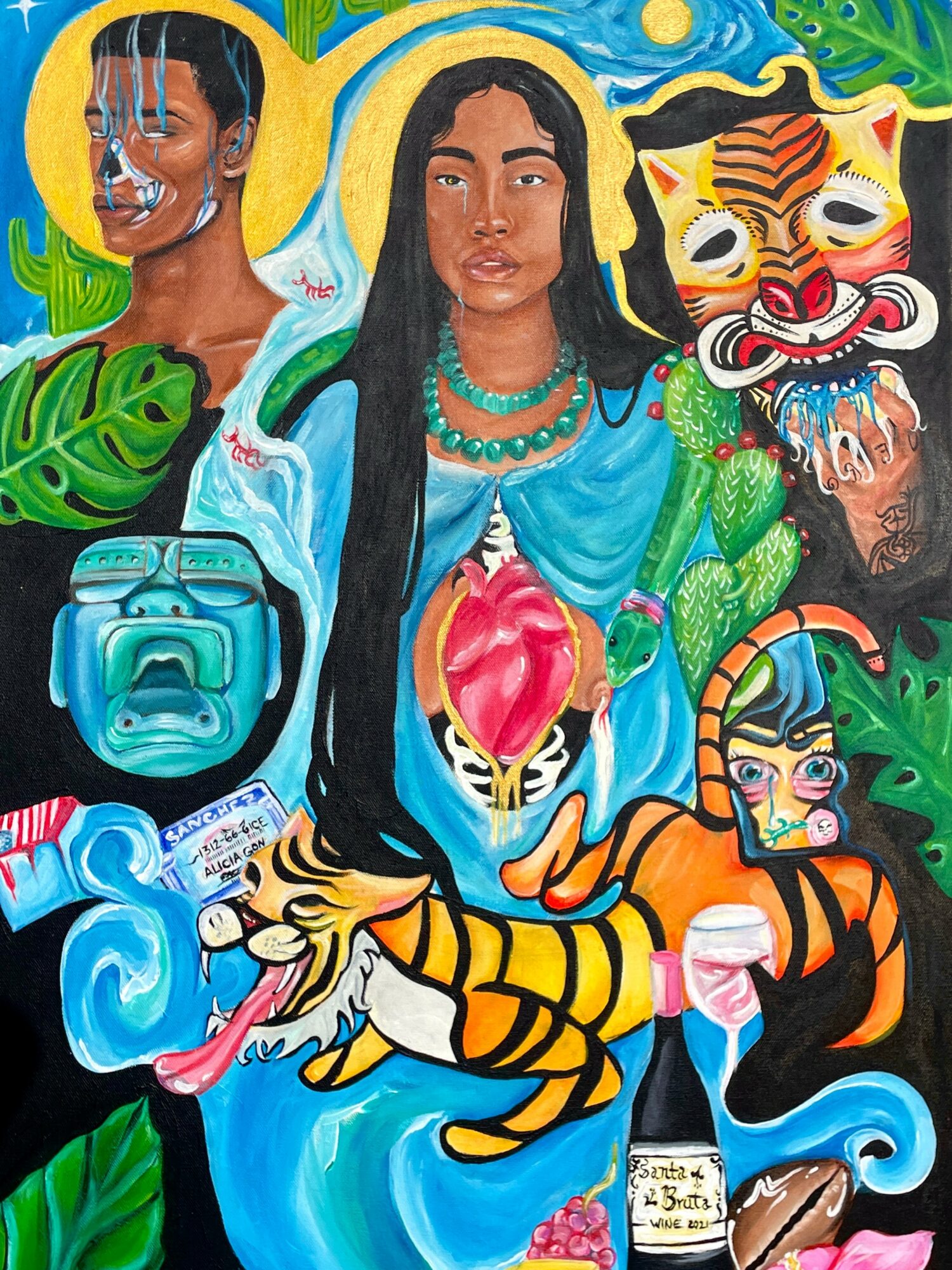
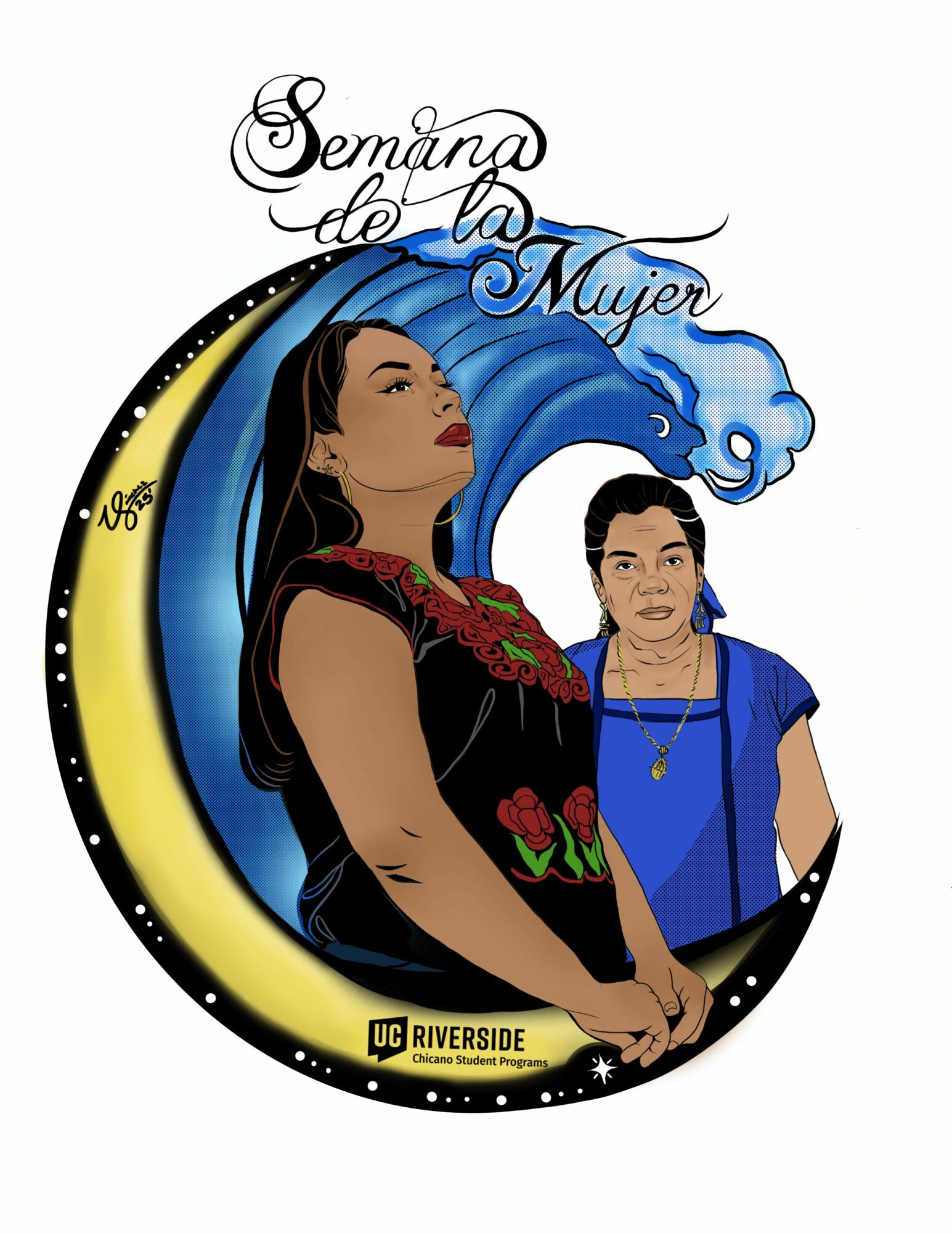
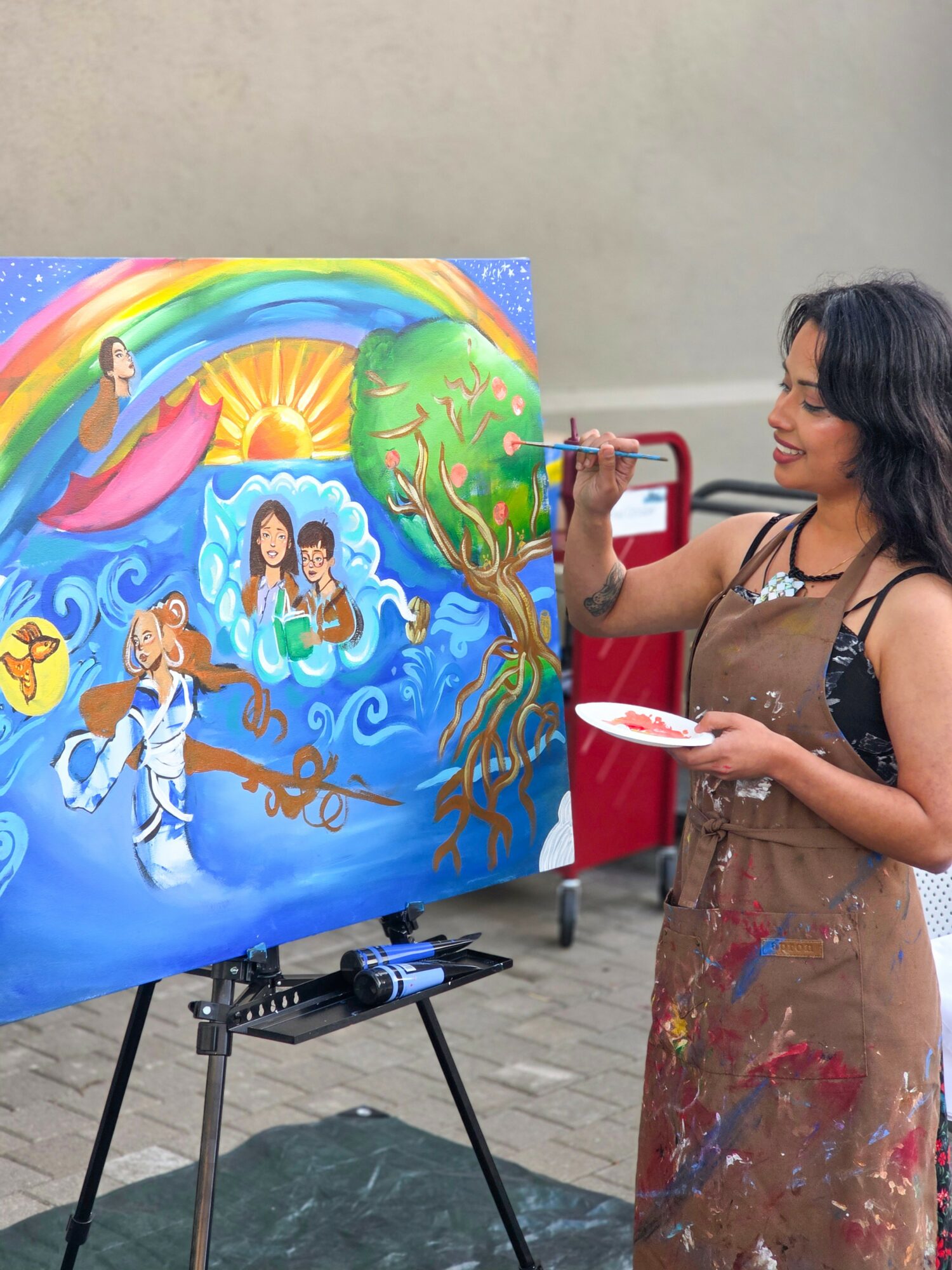
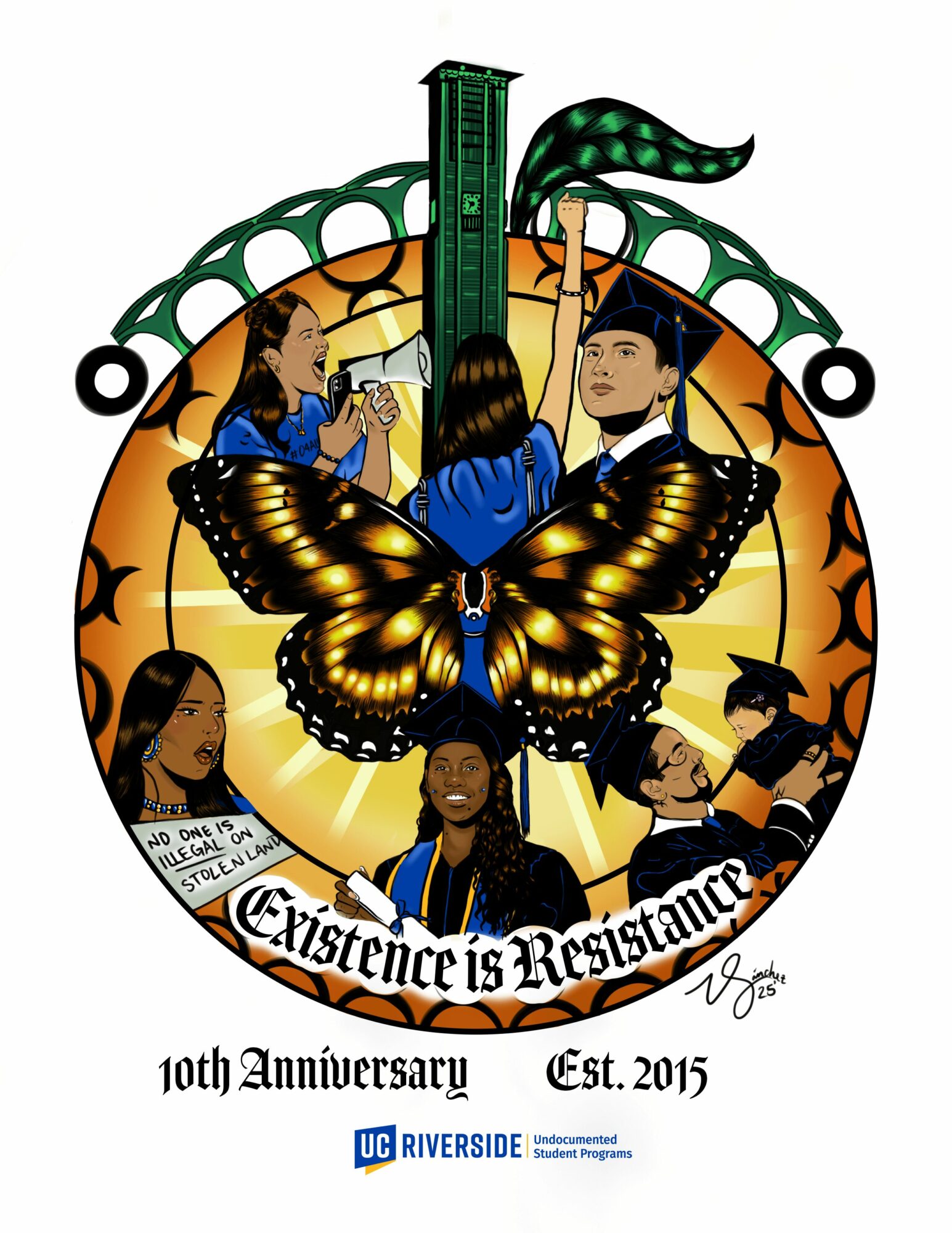
Image Credits
Images of artist taken by Santa Barbara Public Library Marketing Coordinator, Erick Mendez.
Artwork photographs by artist Veronica Sanchez Gomez
Popular
-
Robin Olive on Building an Inclusive Performing Arts Movement and Expanding Opportunities for Every Student
-

Portraits of the Valley
-

LA’s Most Inspiring Stories
-

Que Johnson on Building Brands That Last: From Visibility to True Market Authority
-

Christina Wren Steps Into the Director’s Chair to Tell Stories That Feel Like Home
-

JordanL on ‘Breathe,’ Belief, and Building a Movement Beyond the Music


