




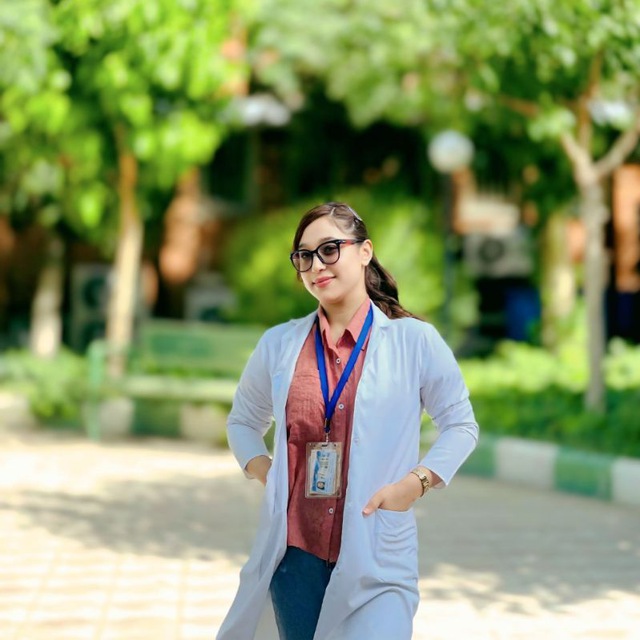
Today we’d like to introduce you to Shabana Hakimi.
Hi Shabana, we’d love for you to start by introducing yourself.
My life began in a place where dreams were never small, but opportunities were.
I was born in a small town in northern Afghanistan, where I was still living the warmth of an innocent childhood when I lost the first love of my life—my father. That was the day something inside me went silent, but within that silence, a spark of resilience was born.
I am one of six children; I have three older sisters and two younger brothers. When my father passed away, my youngest brother was only seven months old… and we were forced to understand loss far too early in life.
My mother, a strong, talented, and tireless woman, became both the breadwinner and the emotional pillar of our family. Despite all hardships, she managed not only to sustain our lives but also to care for our education, upbringing, food, and future—like a light that never goes out in the dark.
When I started school, it quickly became clear that I had a deep love for learning. It felt as if my mind was already prepared to understand and absorb knowledge. Studying was not just a duty for me—it was a passion.
However, my hometown was small, far from Kabul, with limited opportunities and dreams that often felt larger than its borders.
At the age of seventeen, I graduated as one of the top students. Yet that achievement was not the end of my journey. I knew the world was much bigger, and beyond those borders, people were reaching far greater heights.
I took the national university entrance exam (Kankor) and was admitted to the Faculty of Law and Political Science, a field I was passionate about. I moved to another city to continue my studies at university—a place that felt like a dream to me. I often couldn’t sleep at night from excitement, imagining a future where I would move step by step toward my goals.
But life does not always follow our dreams. My family had hoped I would study medicine, and although I tried, life had written a different path for me. At times, I felt inadequate, as if I was not enough.
I heard criticism and judgment; even when I worked hard, I was told that such effort was unnecessary for my field of study.
But I decided not to remain silent—I decided to continue.
I joined English language classes to improve myself. The cost was high, but I personally covered half of it without telling my family, because I had come to believe that exhaustion fades and money can be earned again, but knowledge stays with you forever.
However, before I could even complete my first semester, COVID-19 hit, and soon after, the political changes and the return of the Taliban forced me to stay at home. Suddenly, everything stopped—classes, plans, and even hope.
After the fall of the government, it felt as if all my dreams collapsed in a single moment. There were days when I was merely surviving, not truly living. For months, I struggled with depression; a heavy silence lived inside me that not even tears could break. It was a pain that reached deep into my bones.
My family, too, became exhausted, but deep inside me, I had not gone silent—I was simply lost.
Still, I did not give up. Slowly, I rebuilt myself, regained control of my time, and tried to start again.
Eventually, my efforts paid off. I was awarded two government scholarships—one in Dentistry at Tehran University of Medical Sciences and another in Kazakhstan.
And today, I am a dental student at Tehran University of Medical Sciences, a place that once existed only in my dreams.
This journey was not easy, but I learned that even after everything falls apart, it is still possible to rebuild—slowly, but truly.
We all face challenges, but looking back would you describe it as a relatively smooth road?
My journey has never been smooth. After the political changes and the rise of the Taliban, obtaining a passport became extremely difficult for many people, as restrictions were imposed to prevent citizens from leaving the country.
At that time, even my family believed that there was no real opportunity ahead—that scholarships were impossible and that I, like everyone else, should simply wait and accept the situation. However, deep inside, I was convinced that I had to try, even when everything seemed impossible.
Despite all the difficulties, the lack of support, and the surrounding doubt, I kept going. Eventually, I managed to obtain my passport and later succeeded in receiving scholarships as well.
That period of my life was extremely challenging and unforgettable. It made me mature far earlier than my age and taught me that even when no one believes in you, it is still possible to find a way forward.
Can you tell our readers more about what you do and what you think sets you apart from others?
I am not a politician, but I have learned the politics of life—how to find my way when nothing is clear and how to keep going despite uncertainty. I am not a manager of a system or a team, but I have spent years learning how to manage my own life through hardship, change, and disappointment.
I have found myself in situations where there was no clear plan—no strong support and no certainty about the future. Yet I had to make decisions, move forward, and build my own path.
I am currently a dental student at the University of Tehran, but what defines me is not just a title or a field of study; it is my ability to keep going when everything seemed to have stopped.
Among those around me, I am known as someone who does not give up easily. Even when I lost my father at a young age, even when my country went through major changes, and even when I was told to simply wait and accept limitations, I still tried to find a way forward.
One of the things I am most proud of is obtaining a passport and winning two government scholarships in a situation where even the idea of leaving the country or studying abroad felt impossible for many. I had no strong support and no certainty of success, but I kept going anyway.
What makes me different is not a position or a title; it is the ability to remain hopeful when doors are closed, to act when others pause, and to turn silence and uncertainty into direction.
Do you have any advice for those looking to network or find a mentor?
My journey has taught me that mentors and opportunities are often found not in perfect conditions, but in persistence and genuine effort. I did not always have direct access to guidance or strong networks, so I had to create my own path step by step.
What worked best for me was taking initiative even when I felt uncertain—joining English classes, reaching out to academic environments, and focusing on self-improvement rather than waiting for ideal circumstances. I also learned to observe and learn from people who were ahead of me, even if I did not know them personally.
In my experience, networking is not only about formal connections; it is about consistency, humility, and showing commitment. Even in difficult times, such as when I faced political changes and uncertainty in my country, I continued to build myself academically and mentally.
Eventually, opportunities like scholarships and academic admission came as a result of continuous effort, not sudden chance. I believe staying active, improving skills, and not isolating oneself are the most effective ways to find mentors and build meaningful connections.
Contact Info:
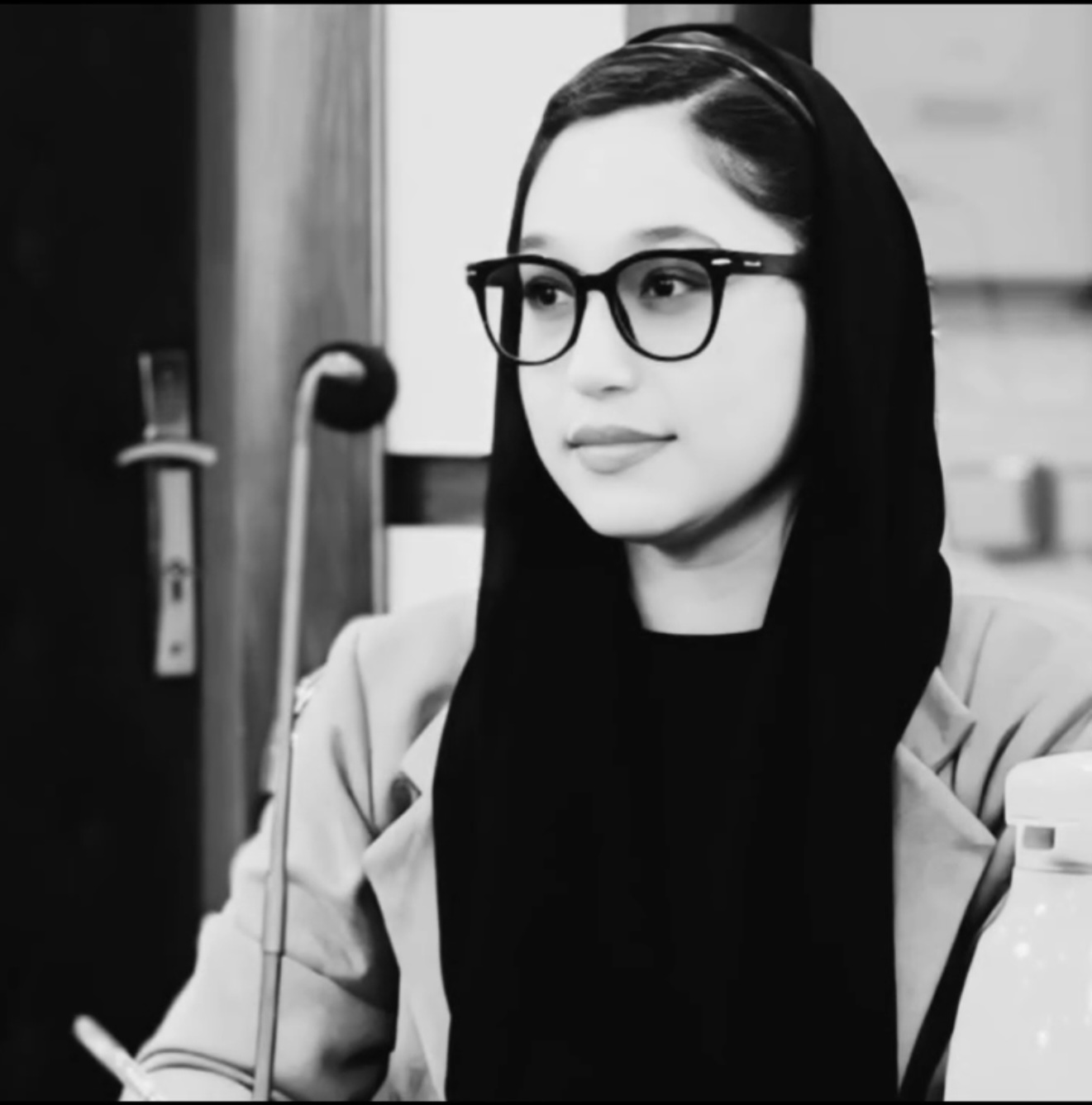
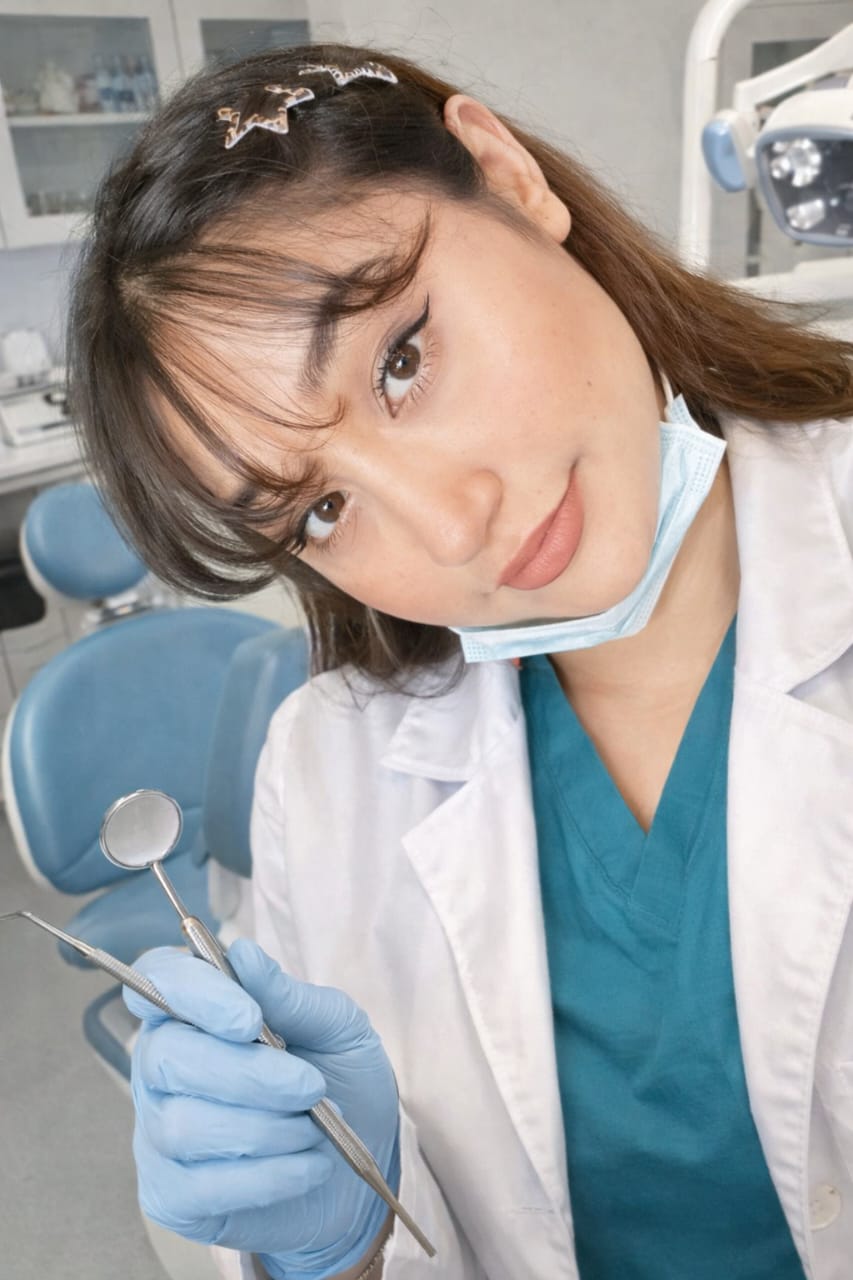
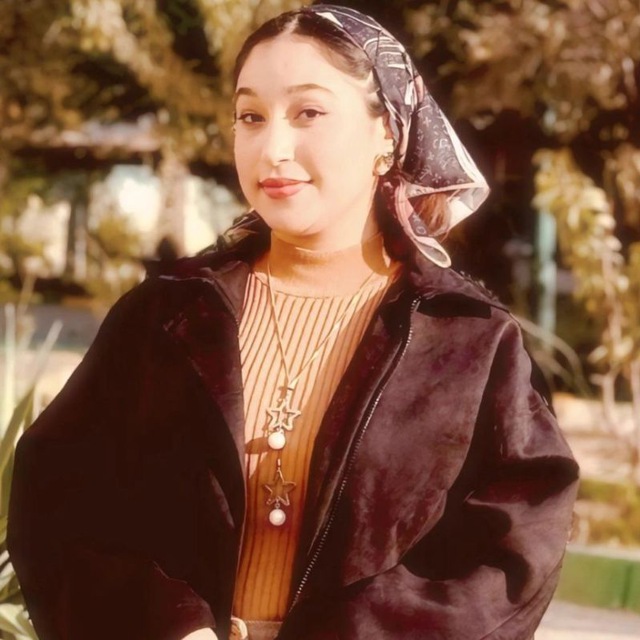
Image Credits
Myself
Popular
-
Los Angeles Barea on Turning Green Superheroes into a Global Movement for Youth-Led Change
-

Trisha DuVivier on Bridging the Franchisor–Franchisee Divide with Workhero and “Franulate”
-

Portraits of the Valley
-

LA’s Most Inspiring Stories
-
Cedar Boschan on Elevating Black Music Rights and Driving Urgent Conversations Around Credit, Equity, and Artist Protection
-

Robin Olive on Building an Inclusive Performing Arts Movement and Expanding Opportunities for Every Student


