




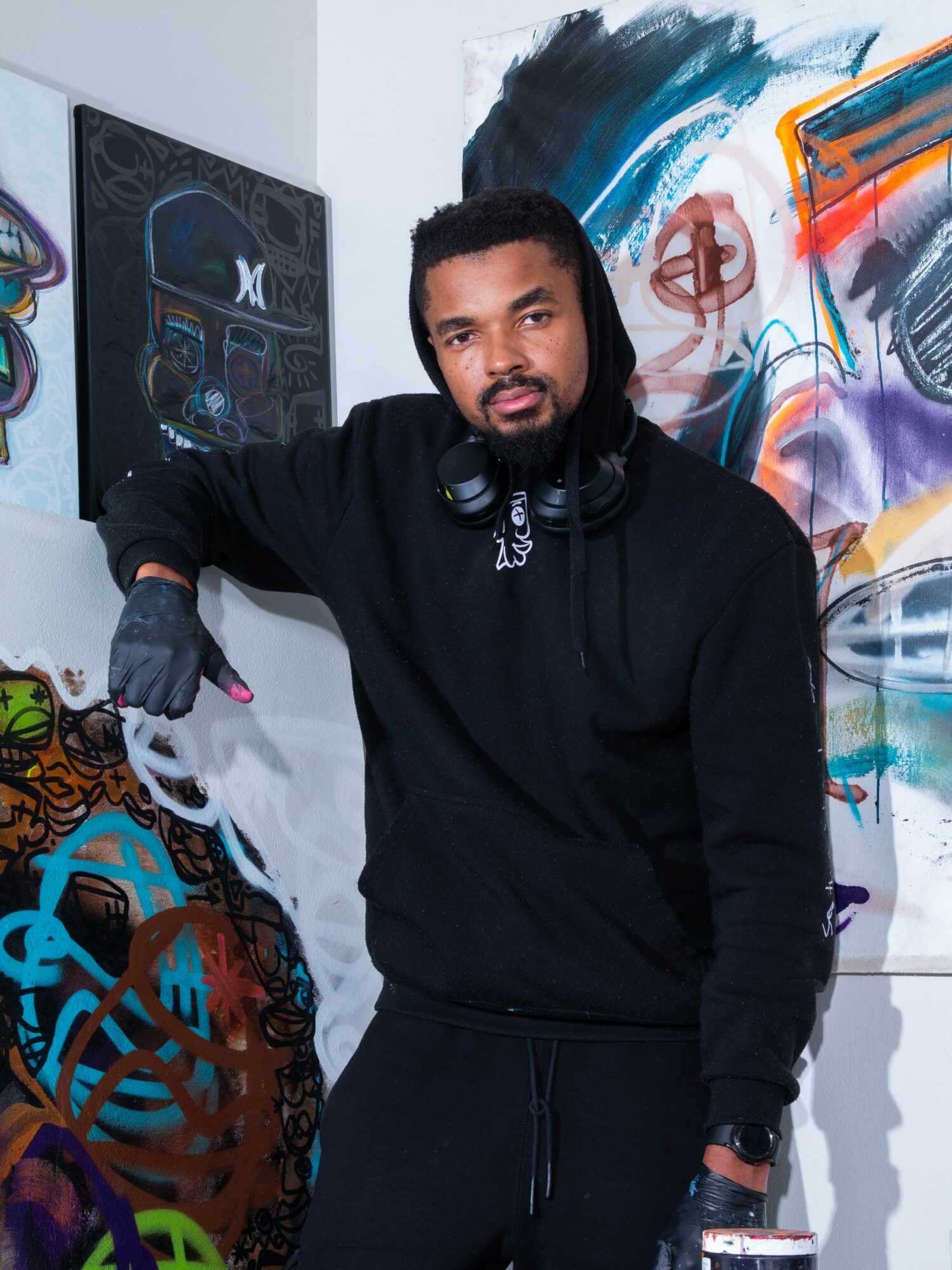
Today we’d like to introduce you to Olivier Ganthier.
Hi Olivier, thanks for sharing your story with us. To start, maybe you can tell our readers some of your backstory.
My name is is Olivier A. GANTHIER, also known as OliGa, i’m a visual artist from Port au prince, Haiti actually based in Los Angeles, California. I have started early drawing and painting at my dad’s studio in Haiti. I got inspired watching him painting, and he also introduced me into computers early cusimg my digital art practice. i wanted to be in artist, but not a traditional studio type of artist, behind an easel painting all day. I started exploring until i discovered Graffiti and street art, it was to me this form of expression communicating freely to everyone in a broader audience, making art accessible to everyone outside of the scope of a studio amd institutions like galleries amd museums. Also not requiring permission to be expressed. So i started tagging and making art on streets in the public space. In meantime I wanted to have a deeper knowledge of what i was doing, i went to the national school of arts in Haiti ENARTSfor a formal fine arts education, crossing in and out the studio with my street ar skills to the studio scope, i am actually pursuing my MFA at Otis College of Art and Design. In the Haitian society, nobody realy belived that you could make it as an artist, if you not doing a traditional work, dr, Lawyer, Engineer, etc. So i strated looking online, and As i started traveling, i went to meet and see succesful artists at work convincing myself it was possible. And i started painting murals and exhibiting my work around LA, miami and NY. And collaborated with some brands including lyft, hp, heineken, unilever etc. My work explore diverse reresentation beyond the stereotypical views of blackness. From my graffiti a d caricature background, i drew early into pop art, wjile incprporating my culture and life.
Alright, so let’s dig a little deeper into the story – has it been an easy path overall and if not, what were the challenges you’ve had to overcome?
It has not been a smooth road, coming from Haiti, where there are many stereotypes regarding this career path; they do not believe that you can make it as an artist. It has been harder work to convince my entourage and myself that it was possible, by starting to go beyond the society, meeting with artists that made it around the world, I am grateful for my family support along the line, it has been a fight to create a balance, from gaining some exposure, being an entrepreneur. There was a time of dealing with the wrong clients and audience. The refusals of getting access to certain places, shows, residencies, etc, have never stopped me from knocking on doors and making sure to do things the right way. As an artist, it requires a lot of discipline to see yourself as an entrepreneur and create a balance while producing creative work. A lot of times, things get weighed down with a good team. But despite all challenges, I keep measuring my progress and journey over the years. I know where I started, and I can see evolution over the years, which keeps motivating me more for the future.
As you know, we’re big fans of you and your work. For our readers who might not be as familiar what can you tell them about what you do?
My work is a blend of my graffiti and illustration background with my fine arts education. I come from street walls and sketchbooks, but I also trained to understand form, light, and the deep history of painting. I like using opposite places and elements, raw and refined, street and studio, bold and detailed, to build something new. That duality lives in everything I create. Whether it’s a mural on a city wall or a canvas in a gallery, I’m always bridging different worlds.
I’m mostly known for my murals and for the children’s book I illustrated, I Want to Ride the Tap Tap. That book in particular means a lot to me because it gave me a chance to represent Haitian culture in a joyful, vibrant way that young readers can connect with. I’m constantly finding ways to represent my community in different forms and spaces, on buildings, in books, through exhibitions, and public art projects. It’s important to me that people see themselves reflected in my work, and that they feel proud, seen, and powerful.
Visually, my style is a mix of pop art and chiaroscuro with a special touch that’s hard to define with color and energy, but also light and shadow that bring emotion and dimension. I’m not afraid to experiment. I bring that same energy, whether I developed a set of characters inspired by black people and Haitian culture, challenging the stereotypical representations with a more optimistic view of blackness. i created my character POZI+ from that series, aiming for positive change and black futurism. What sets me apart is how I blend the past and the present, tradition and rebellion, all through a lens that’s deeply personal and cultural. My work is Haitian, it’s pop, it’s poetic, it lives in between.
What I’m most proud of is staying true to that voice while continuing to grow, and being able to show up for my people, my roots, and the places that raised me, no matter the platform.
Can you share something surprising about yourself?
I am a perfectionist, and I pay a lot of attention to detail; some of you wouldn’t even notice, but I see things differently. This is often one of my biggest issues in terms of time, but also one of my best strengths in terms of quality and satisfaction. Overall, I work on creating a good balance and delivering.
Contact Info:
- Website: https://www.oliga.art
- Instagram: https://www.instagram.com/oligarts/
- Facebook: https://www.facebook.com/oligarts
- LinkedIn: https://www.linkedin.com/in/olivier-a-ganthier-a82ba4151/
- Twitter: https://x.com/OliGart
- Youtube: https://www.youtube.com/@oligarts
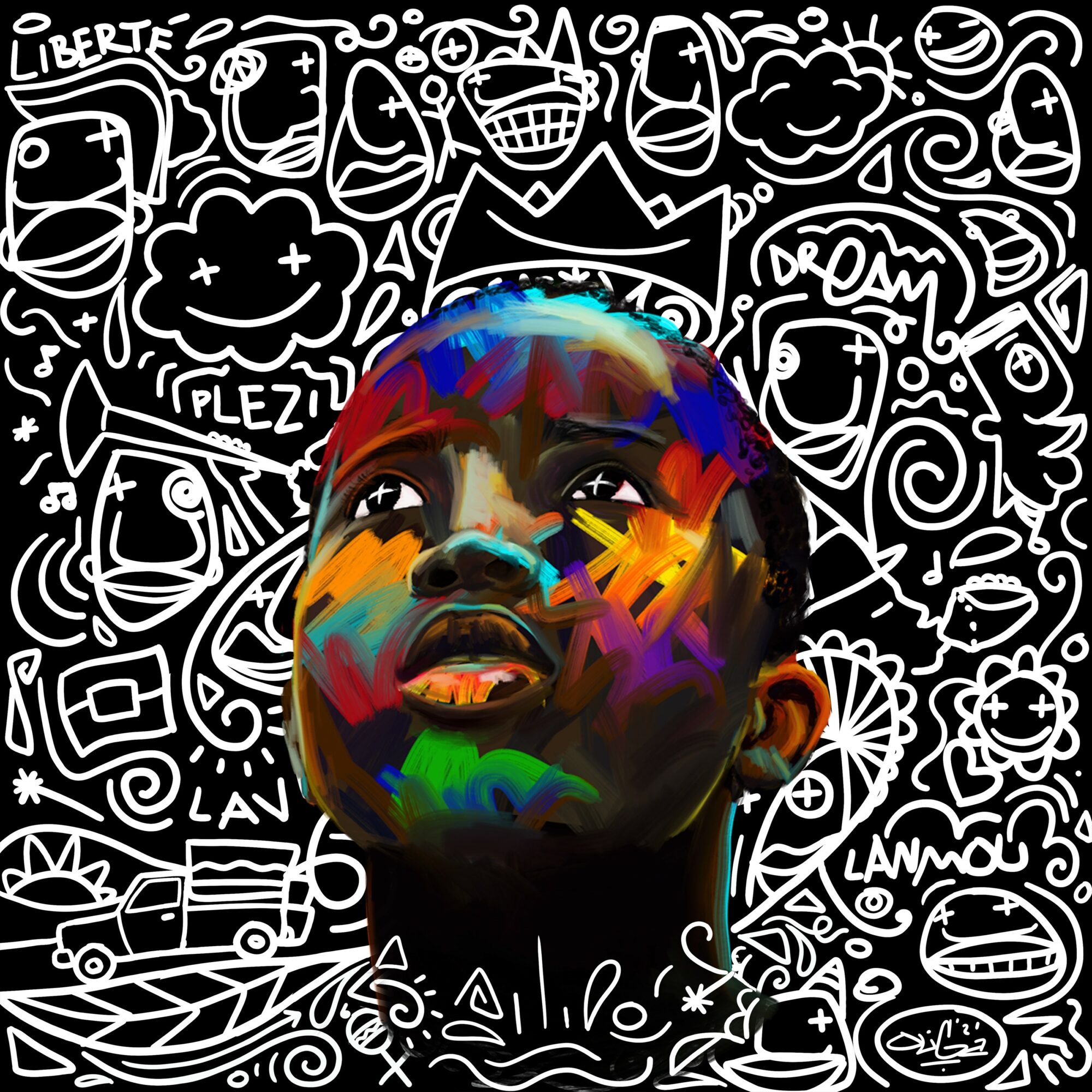

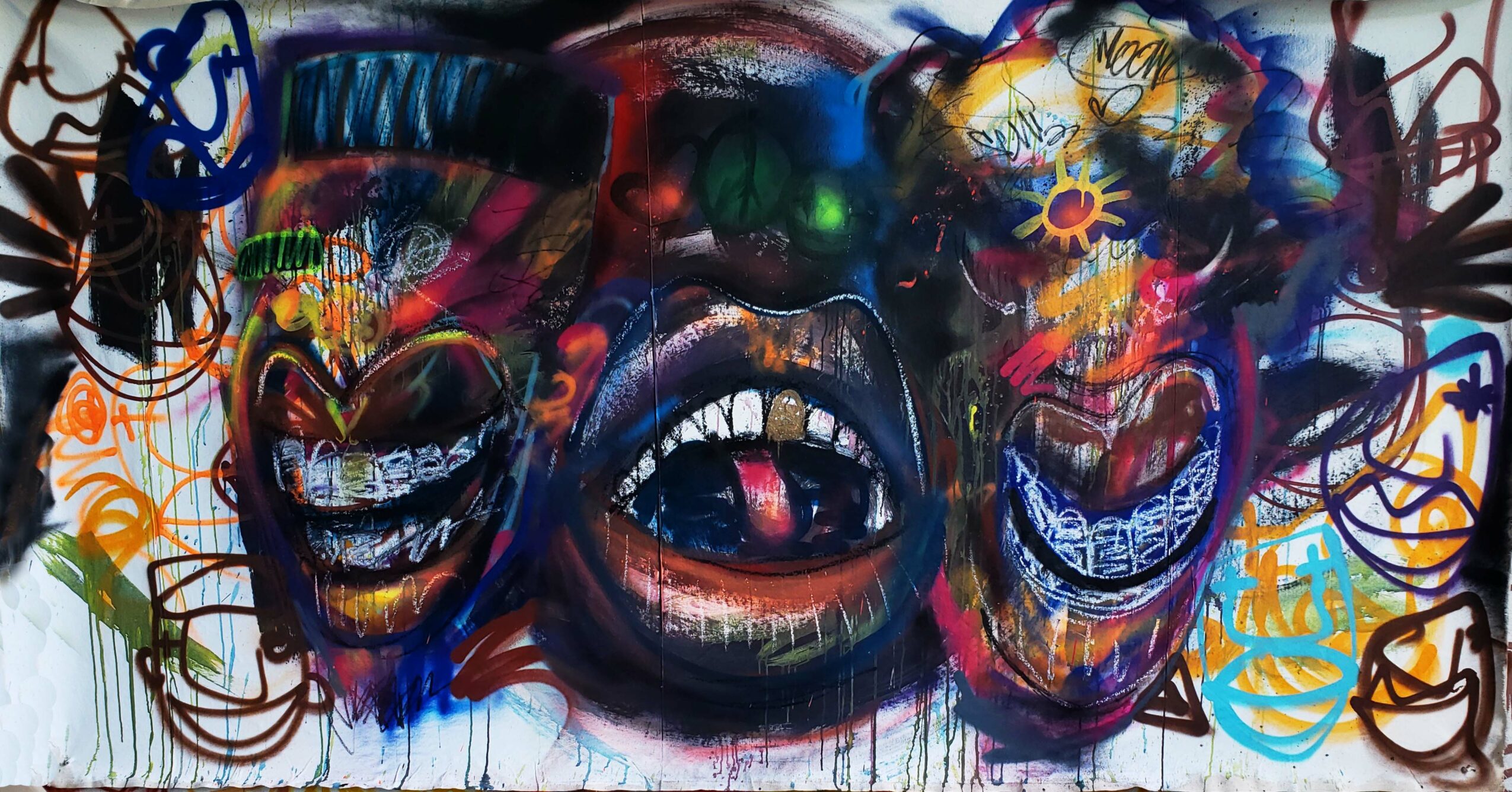

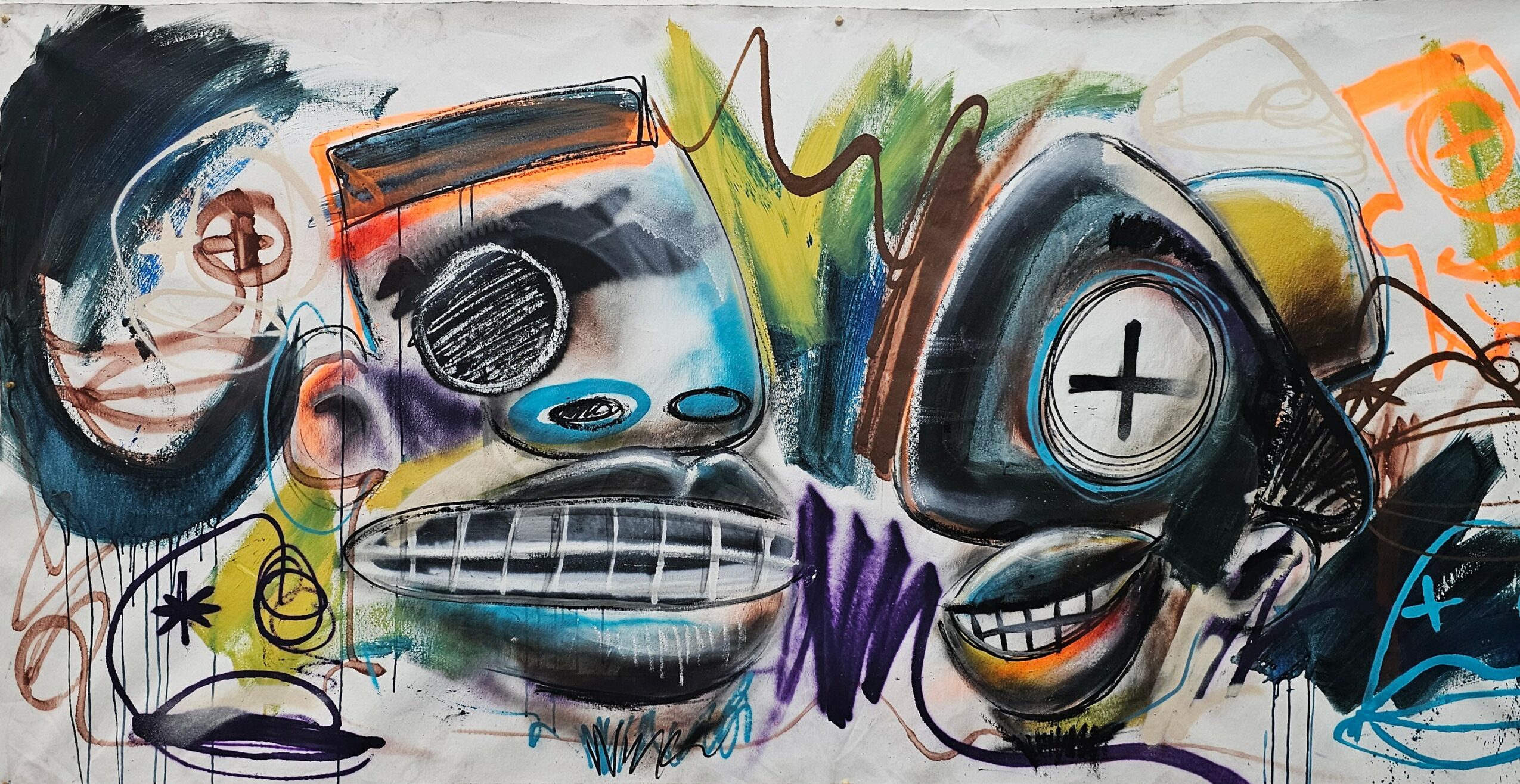
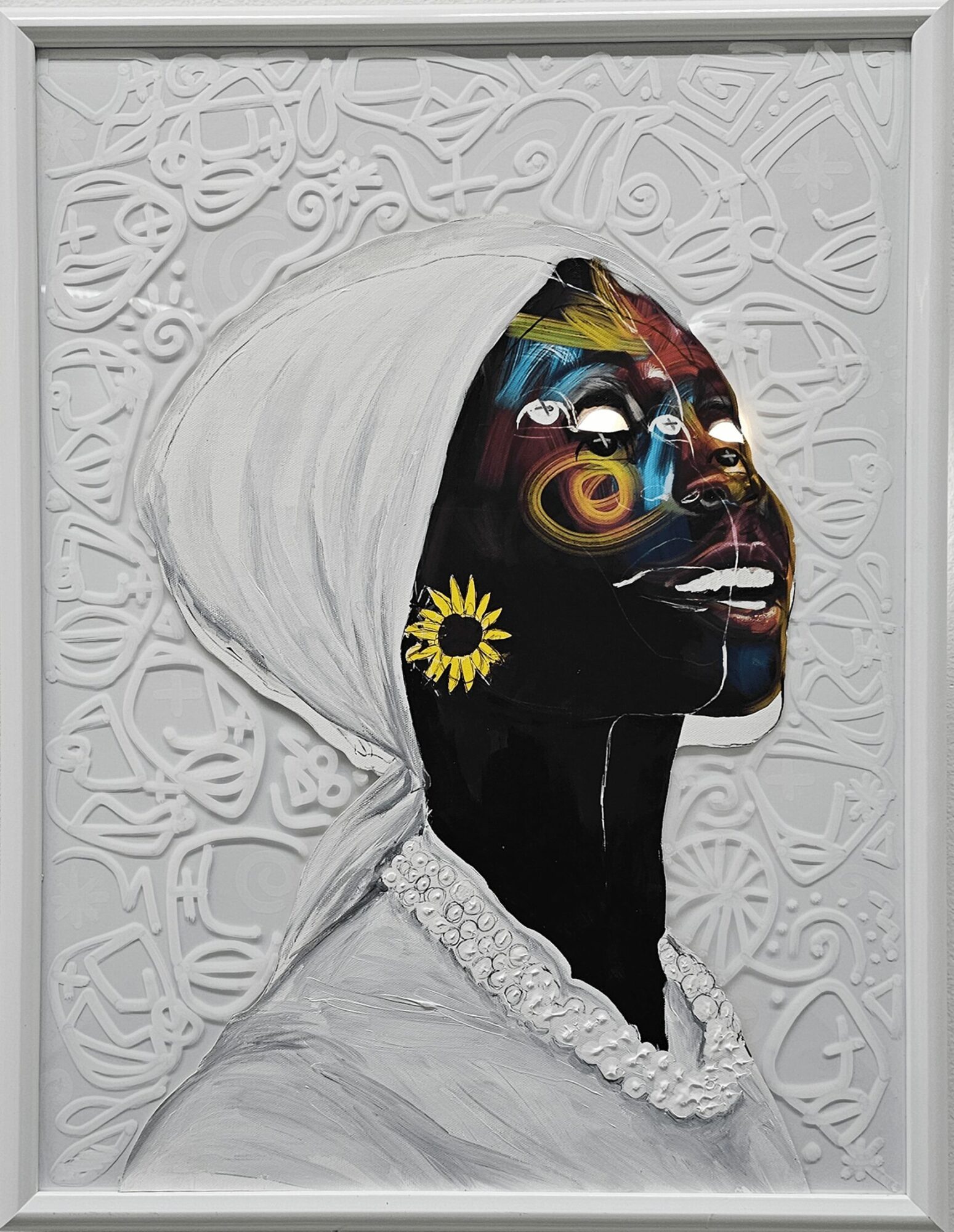
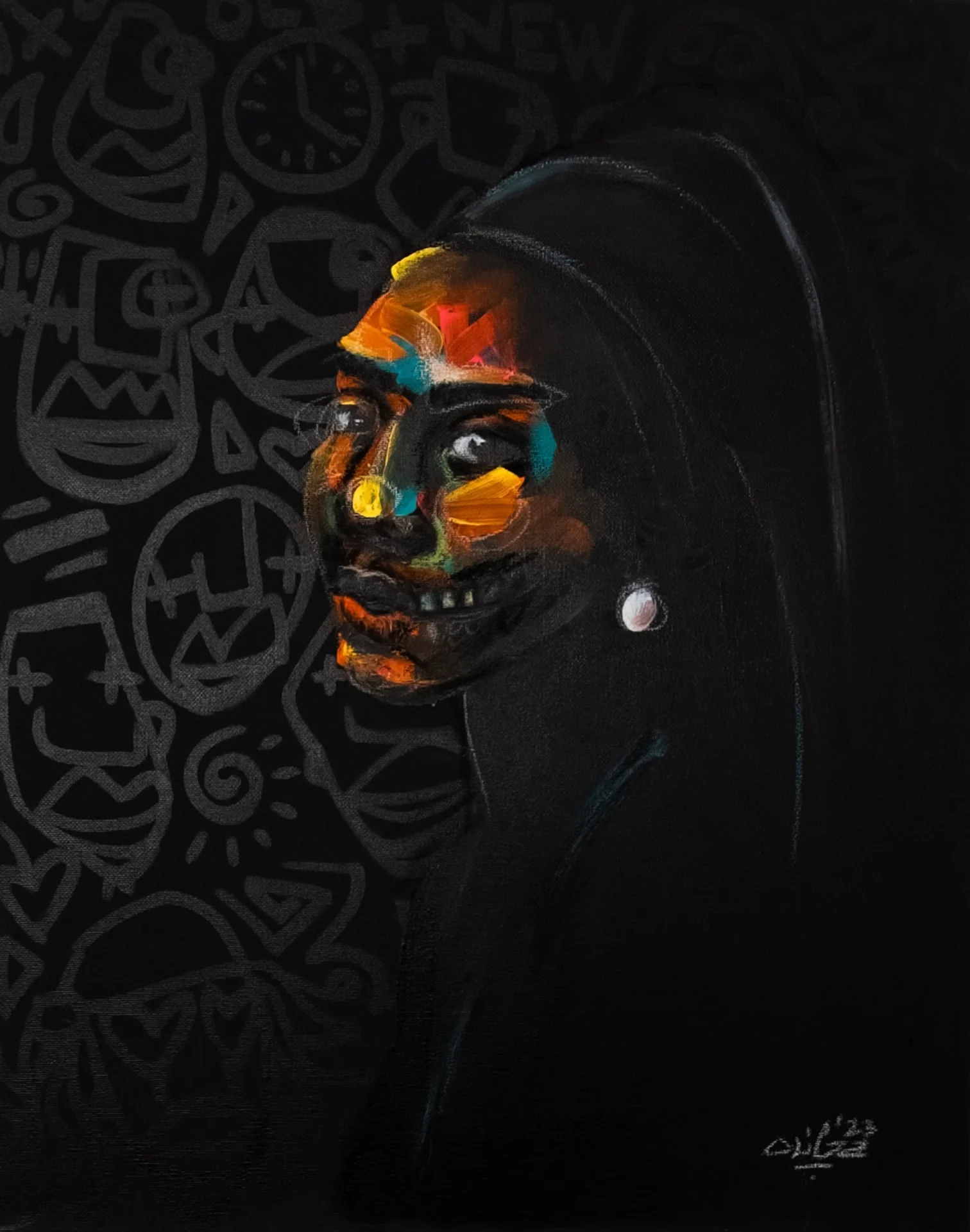
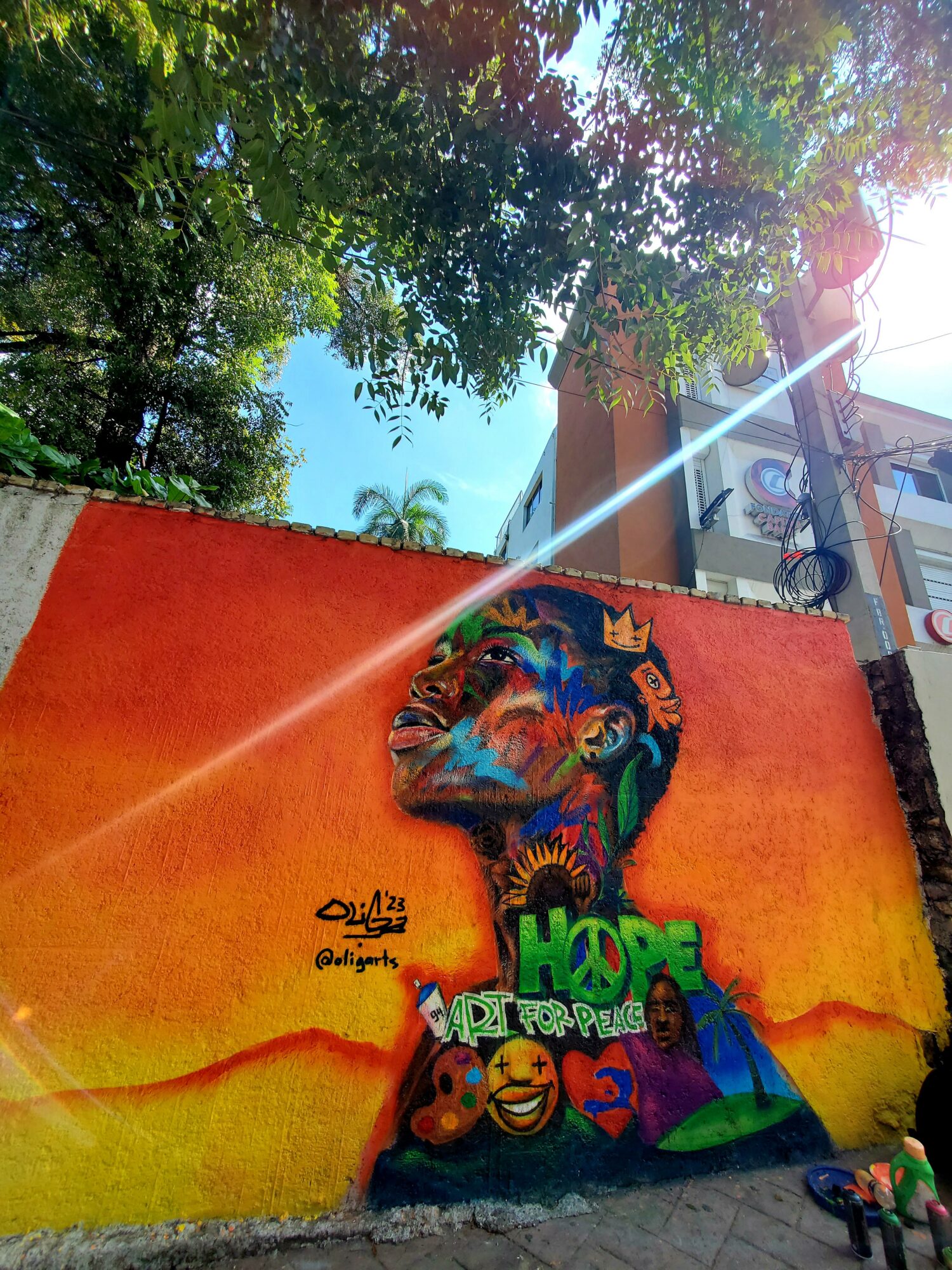
Image Credits
Portrait credits: Kimberly Gutierez
Popular
-

Robin Olive on Building an Inclusive Performing Arts Movement and Expanding Opportunities for Every Student
-

Portraits of the Valley
-

LA’s Most Inspiring Stories
-

Que Johnson on Building Brands That Last: From Visibility to True Market Authority
-

Christina Wren Steps Into the Director’s Chair to Tell Stories That Feel Like Home
-

JordanL on ‘Breathe,’ Belief, and Building a Movement Beyond the Music


