




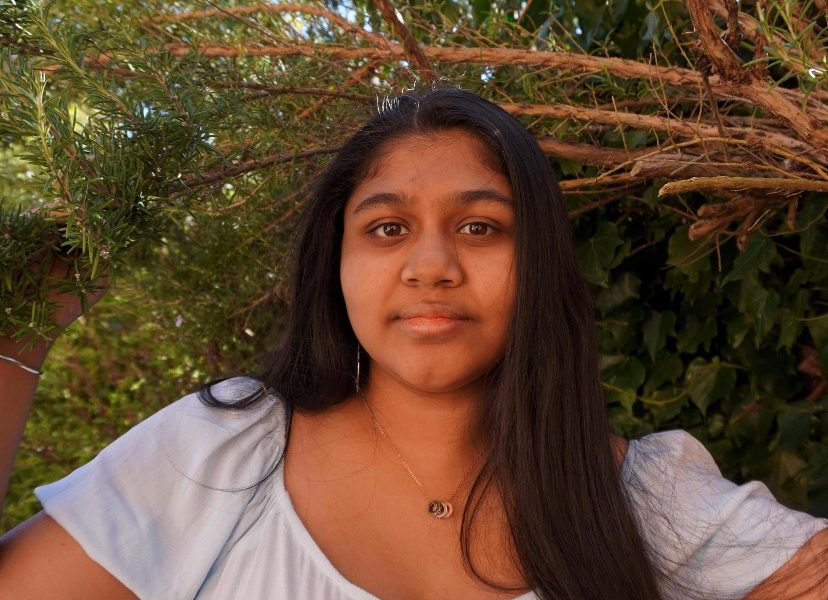
Today we’d like to introduce you to Nila Varman.
Hi Nila, so excited to have you with us today. What can you tell us about your story?
As a Tamil girl growing up in the UK, I always wondered why I couldn’t find Brown people in my mum’s magazines and books, or even on the TV shows and movies we watched that weren’t Tamil. Although I was proud of my Tamil-British heritage as I learned how to embrace the brownness of my skin at a young age, there were still moments where I wanted to distance myself from my Tamil identity. I would not only be associated with certain stereotypes from those who didn’t look like me but also from those who did. These were mostly comparisons or references to stereotypically written South Asian characters on the big screen who confirmed my fears that I would be othered due to their portrayal.
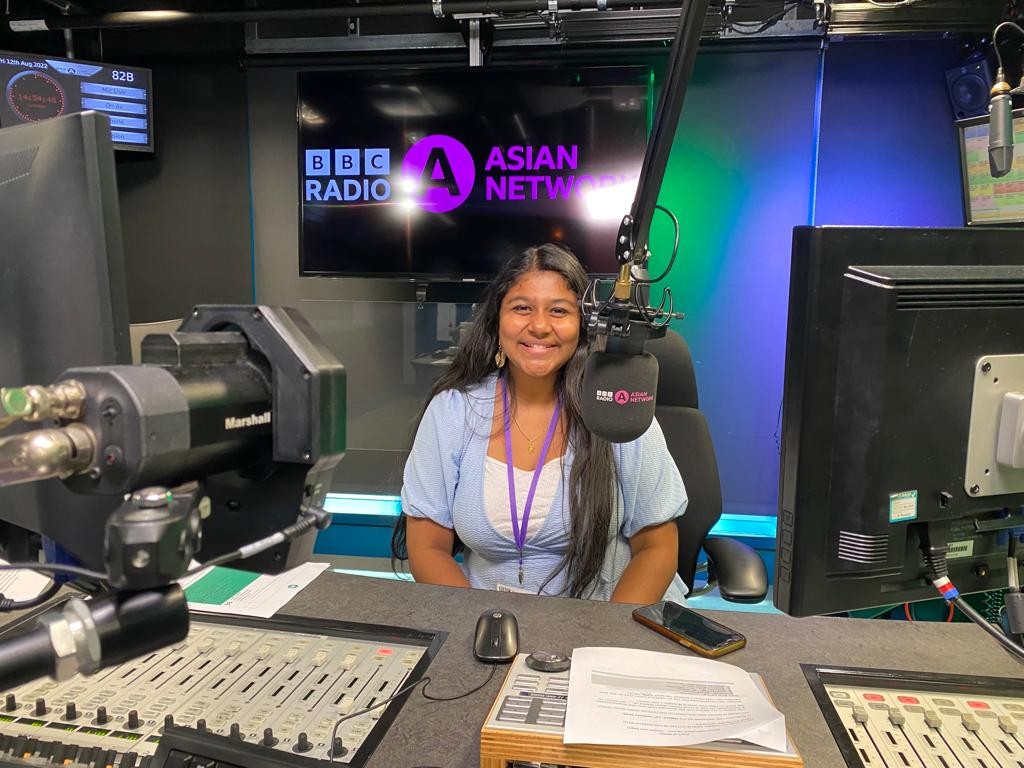
I quickly realized that although I had some representation, it wasn’t necessarily good representation. For some people, seeing these characters in TV shows, movies and books may have been their first ever encounter with certain cultures and communities, so it’s essential that those depictions be accurate and three-dimensional. This lack of South Asian real representation on TV for my age-group audience made me feel a deep sense of shame about my skin. constantly yearned for someone to share my perspectives, for a character I could see myself in and relate to. As I grew older, I became more inquisitive about the representational barriers and issues that minority ethnic people and marginalized groups face all over the world. Over the years I fought personal battles that caused me to realize there are a plethora of issues that are relegated to taboo, so many stories that go unheard and overlooked. Thus, I began my show, The Nila Extract, not only to amplify the voices of minority communities but also to ensure that those who came on my show had their stories represented in the best, most unbiased, and accurate way possible. Some conversations I’ve explored on my own, taking reference from my lived experiences, but most I’ve navigated in the company of incredible activists and experts. I like these conversations to assume a colloquial tone, free from structural limitations of more conventional interview formats so as to best capture the guest’s personality; though as I gain more experience, I’m increasingly mindful of ways to refine my current format.
My show now reaches over 36 countries and I’m excited to explore novel formats and engage with different communities in the near future. Whether we do that by learning and unlearning ideas and biases, amplifying the voices of the South Asian communities all over the world, calling out problematic portrayals, being allies or creating safe and inclusive spaces for those sharing their lived experience, it is time to honour the rich culture, history and stories of South Asian people — both onscreen and off.
I’m sure you wouldn’t say it’s been obstacle free, but so far would you say the journey has been a fairly smooth road?
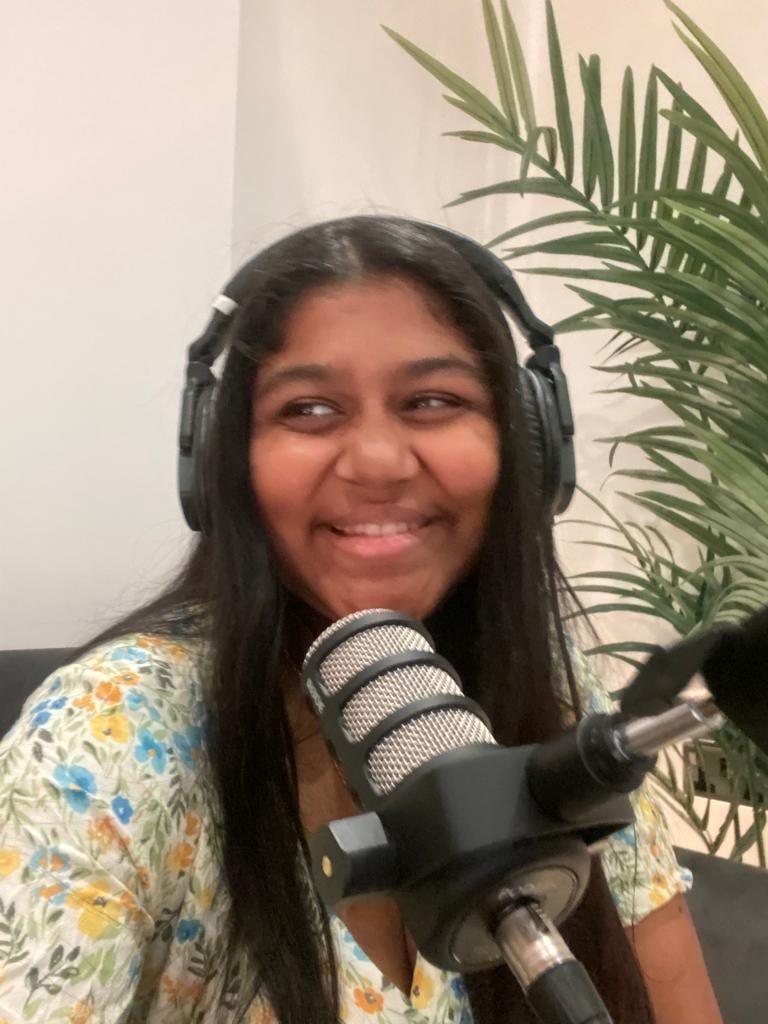
Although I was presenting my show live for a year and a half, over the past few months I’ve shifted to a podcast format as I’ve been completing a full-time master’s program away from a live studio vicinity. I continued interviewing guests and assembling episodes on a weekly basis, but instead of broadcasting live every week, I started to upload my show on a variety of external systems to ensure its accessibility to listeners of all age groups. These platforms include Spotify, SoundCloud, Apple Podcasts, Amazon Music, and Audible. Now I pre-record interviews that last 30 to 35 minutes, then produce and edit using Audition, before splicing it together with a preamble, some weird and (hopefully) funny segments, music, and idents. It can be a laborious task to edit long streams of audio, but I always enjoy the challenge of it. One challenge I faced was getting used to not being in a live setting, where the adrenaline I would feel when discussing topics would fuel my motivation. Although broadcasting from home provided me with the flexibility to choose my own hours, I sometimes miss the thrill of being in the studio. I also went through a phase where I stopped enjoying the mishaps and bloopers on my shows, something I cherished during live shows. It felt like me; weird, spontaneous, and clumsy, but also diligent and passionate. I became something of a perfectionist at times to make sure I was producing seamless audio with not so much of a hiccup that suggested otherwise. I compared myself to other people and criticized myself harshly, something I was not used to. Gladly, I’m now back to broadcasting those funny moments, and I’ve fallen in love once again with portraying myself genuinely, flaws and all. What I’ve realized is that although I had the advantage of pre-recording, nothing is ever perfect – just as the representation we see in the media is never perfect, but constantly improving upon what it used to be.
Appreciate you sharing that. What else should we know about what you do?
I wanted to ensure that the stories I was listening to, the concepts and perspectives I was learning about -and unlearning about- would be accessible to all ages and communities, in a range of digital formats. I began my Instagram platform as a means of advertising my show, but slowly it’s evolved into a platform where I create bite-sized, memorably entertaining videos and informatics about the topics discussed on the show, as well as collaborative educational posts with other activists and change-makers. I’m grateful and slightly amazed at the support I have received so far. I began making carousel posts about socially pressing issues such as the caste system, allyship, representation in the media, mental health, etc. More recently, I’ve begun an Instagram reels series called Misconception Monday. Each video in the series comprises a short and engaging skit (usually myself talking to my Karen-based Tamil alter ego called Karenjali) in which I dispel a misconception – often in collaboration with previous guests on the show. This approach has offered viewers a bite-sized crash course on topics discussed on the show and has enticed listeners new and old to seek out the associated episodes. Over the past year, I’ve also collaborated with distinguished organizations to create resources and feature posts, such as iWEIGH, Our Streets Now, and Tending The Garden, an NGO that seeks to help minority communities with recovery after sexual assault. I’ve also had the honour of collaborating with activist and educator Blair Imani in an episode of her renowned reel and Tik Tok series, Smarter in Seconds.
To further integrate the radio show and its associated visual content, I began a second and third reels series called Tiny Weeny Crash Courses, where I elaborate on certain topics like colourism, and Reel Representation, which explores the representation of minority communities in film and TV – both the Western and South Indian industries.
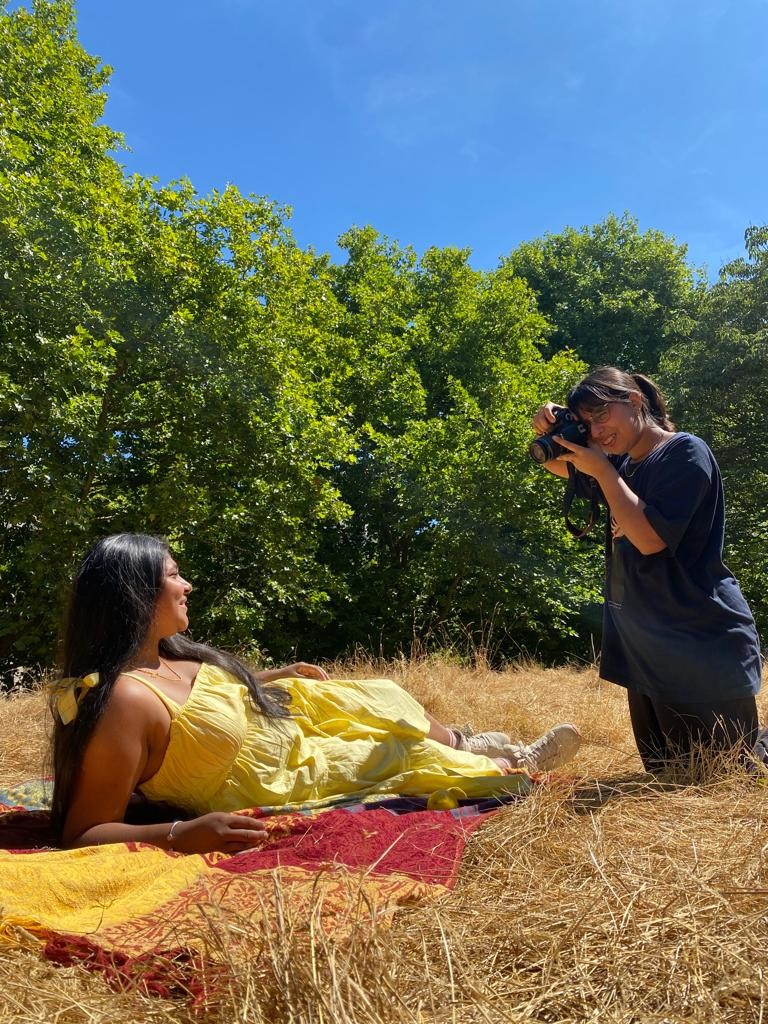
More recently, I began developing an Instagram photo series for South Asian Heritage Month. I hosted an open casting call for South Asians of all ages and genders to participate in a photo shoot where different communities of the brown diaspora could be represented in a single space. It was a way to represent and amplify the stories of my listeners outside of the guests I talk to on the show. The series that I co-photographed and creatively directed was also featured in Malala Fund’s Assembly magazine which was an honour.
What was your favorite childhood memory?
Gosh, this is a hard one! I couldn’t possibly pick one and I think if I tried too my mind would explode! I would say that I am grateful for all of the memories and the colorful childhood I had with my Amma, Appa, and brother.
Contact Info:
- Website: https://www.nilavarman.com
- Instagram: https://www.instagram.com/the_nila_extract/
- Twitter: https://twitter.com/nilavarman
- SoundCloud: https://soundcloud.com/user-67898926?utm_source=clipboard&utm_medium=text&utm_campaign=social_sharing
Popular
-

Robin Olive on Building an Inclusive Performing Arts Movement and Expanding Opportunities for Every Student
-

Portraits of the Valley
-

LA’s Most Inspiring Stories
-

Que Johnson on Building Brands That Last: From Visibility to True Market Authority
-

Christina Wren Steps Into the Director’s Chair to Tell Stories That Feel Like Home
-
JordanL on ‘Breathe,’ Belief, and Building a Movement Beyond the Music


