




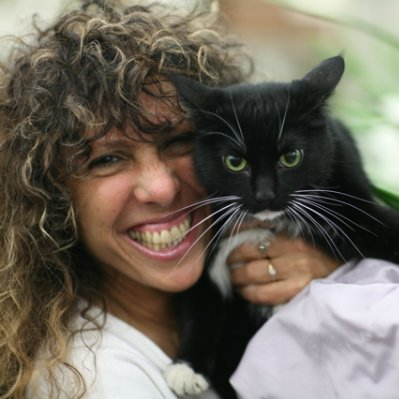
Today we’d like to introduce you to Melya Kaplan.
Hi Melya, so excited to have you on the platform. So before we get into questions about your work-life, maybe you can bring our readers up to speed on your story and how you got to where you are today?
I have loved animals for as long as I can remember, but my work truly began when I realized that love alone was not enough. Animals needed someone willing to speak up, challenge systems, and create practical solutions where none existed.
In 1998, I founded Voice For The Animals Foundation in Los Angeles to protect animals through education, rescue, advocacy, and hands-on problem-solving. I wanted VFTA to be more than a rescue organization. I wanted it to be a force for changing the way people think about animals. Not as property, entertainment, nuisances, or disposable beings, but as sentient individuals deserving compassion, dignity, and protection.
Over the years, that mission has taken many forms. We have rescued animals from neglect and abuse, created humane education programs, worked with law enforcement, advocated for stronger animal protections, and fought for animals who are often ignored or misunderstood. One of our most innovative programs is Working Cats®, which I created in 1999. It gives unsocialized cats, and cats who are often at risk of being killed in shelters because they are not candidates for indoor adoption, safe, lifelong placements at businesses and properties that need humane, poison-free rodent control. It saves cats while offering communities a practical alternative to toxic rodenticides and is now being used all over the country.
A major part of my life’s work has also been advocating for elephants in captivity, especially at the Los Angeles Zoo. Elephants are highly intelligent, emotional, and social beings, and I have spent years trying to help the public understand why they do not belong in any zoo enclosures. Through VFTA, we have produced films, supported legal efforts, organized public education campaigns, and continued pushing for elephants to be retired to a sanctuary.
What has brought me to where I am today is persistence. Animal protection work is heartbreaking, but it is also full of hope. Every rescued animal, every person who changes their mind, every business that chooses a humane solution, every child who learns compassion. All those moments matter. They remind me that change is possible when people are willing to care enough to act.
Today, Voice For The Animals continues to grow, but the heart of the work is the same as when I began: to give animals a voice, to challenge cruelty wherever we find it, and to build a more compassionate world for all living beings.
Would you say it’s been a smooth road, and if not what are some of the biggest challenges you’ve faced along the way?
No, it has definitely not been a smooth road. Animal protection work is beautiful and meaningful, but it can also be heartbreaking, exhausting, and very difficult.
One of the biggest struggles has been facing systems that are slow to change. When you are advocating for animals, you are often challenging industries, institutions, and long-held beliefs. Many people are comfortable seeing animals as property, entertainment, pests, or problems to be managed. Trying to shift that mindset takes time, persistence, and a great deal of courage.
Funding has also always been a challenge. Voice For The Animals has taken on large, complex issues with a very small staff, limited resources, and an incredible group of volunteers. We have had to be creative, determined, and willing to do a lot with very little. Whether we are rescuing animals, fighting for elephants, helping cats through the Working Cats® program, or educating the public, the need is always greater than the resources available.
Emotionally, the hardest part is seeing animals suffer because of human choices, such as cruelty, neglect, indifference, or simply outdated ways of thinking. There are moments when the work feels overwhelming. But then you save one animal, or you see a child understand compassion for the first time, or a business chooses a humane solution instead of poison, and you remember why you keep going.
There has also been resistance. When you speak up for animals who cannot speak for themselves, not everyone welcomes that. But I have learned that if you are going to create change, you have to be willing to be uncomfortable. You have to keep showing up, even when the road is difficult.
So no, it has not been smooth, but it has been worth it. Every struggle has strengthened my commitment. The animals have never given up, and neither can we.
Alright, so let’s switch gears a bit and talk business. What should we know about your work?
My professional life has been devoted to giving animals a voice, especially the animals society often overlooks, misunderstands, or dismisses.
As the founder and executive director of Voice For The Animals Foundation, I work at the intersection of rescue, advocacy, education, and practical problem-solving. We rescue animals from neglect and abuse, create humane education programs, advocate for stronger protections, and develop real-world solutions that help both animals and communities. VFTA’s mission is rooted in compassion, but it is also very action-oriented: we do not just talk about change; we build programs that make change possible.
One of the programs I am most proud of is Working Cats®, which I created in 1999. The program saves unsocialized cats who are not candidates for traditional indoor adoption and places them in safe, managed environments where they provide humane, poison-free rodent control. It is a perfect example of the kind of work I believe in: compassionate, practical, and innovative. It saves lives while offering businesses and communities a better alternative to toxic poisons. It has been implemented by the LAPD, restaurants, and privately owned businesses.
I am also known for my work advocating for elephants in captivity, particularly at the Los Angeles Zoo. Elephants are deeply intelligent, emotional, and social beings, and I have spent years educating the public about why they belong in sanctuaries, not in any zoo enclosure. That work has included public campaigns, films, legal advocacy, and years of persistence.
What I am most proud of is that VFTA has never been afraid to take on difficult issues. We have worked with law enforcement, schools, shelters, businesses, city leaders, and community members to create change from many different angles. We are small, but we are relentless.
What sets me apart is that I do not see animal protection as one single kind of work. It is rescue, but it is also education. It is advocacy, but it is also relationship-building. It challenges powerful systems, but it also helps one animal at a time. I believe lasting change comes from combining compassion with strategy, courage, and persistence.
At the heart of everything I do is one belief: animals are not voiceless because they have nothing to say. They are voiceless because too many people have not learned how to listen. My life’s work is to make sure they are heard.
How can people work with you, collaborate with you or support you?
There are so many ways people can support Voice For The Animals and become part of this work.
First, people can get involved. We are always looking for compassionate volunteers, advocates, foster homes, community partners, and people willing to use their voices for animals. Whether someone has one hour to give or wants to become deeply involved, there is a place for them in this movement.
Businesses and property owners can also collaborate with us through our Working Cats® program. If they are dealing with rodent issues and want a humane, poison-free solution, we can help place sterilized, vaccinated cats who need safe outdoor homes. It is a beautiful partnership because it saves cats who might otherwise have no chance of survival while helping businesses move away from toxic rodenticides.
People can also support us by donating. Every donation, large or small, helps us save lives and continue fighting for animals who need protection.
Another powerful way to help is simply to share our work. Follow Voice For The Animals, share our campaigns, talk to friends and family, and help educate others. Public awareness is one of the most important tools we have. When people learn the truth about animal suffering, whether it is elephants in captivity, cats at risk in shelters, or animals harmed by poisons and neglect, they often want to help.
We are also developing several important film projects and are looking for volunteer editors, directors, filmmakers, and creative collaborators to help bring these stories to life. Film is one of the most powerful tools we have to educate the public, expose suffering, and inspire change. We are seeking both creative support and donations to help produce major films that address urgent and deeply relevant issues affecting animals today. These projects have the potential to reach people profoundly and move them from awareness to action. Change happens when people come together, and we are always open to collaborating with others who want to build a kinder world.
The best way to support us is to visit vftafoundation.org, learn about our programs, donate, volunteer, and share our mission. Every person who joins us becomes another voice for the animals, and the animals need all of us.
Pricing:
- Not relevant
Contact Info:
- Website: https://www.vftafoundation.org
- Instagram: https://www.instagram.com/vftafoundation/
- Facebook: https://www.facebook.com/vftafoundation/
- LinkedIn: https://www.linkedin.com/in/melya-kaplan/
- Twitter: https://x.com/VFTAFoundation
- Youtube: https://www.youtube.com/user/OfficialVFTA
- Other: https://melya.org
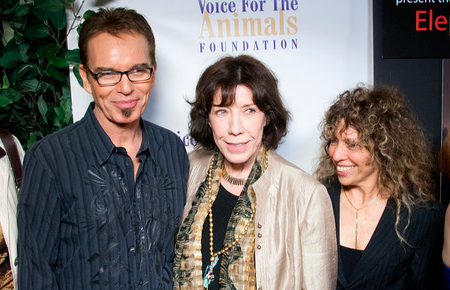
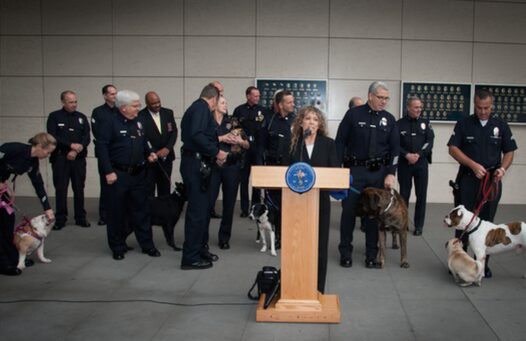
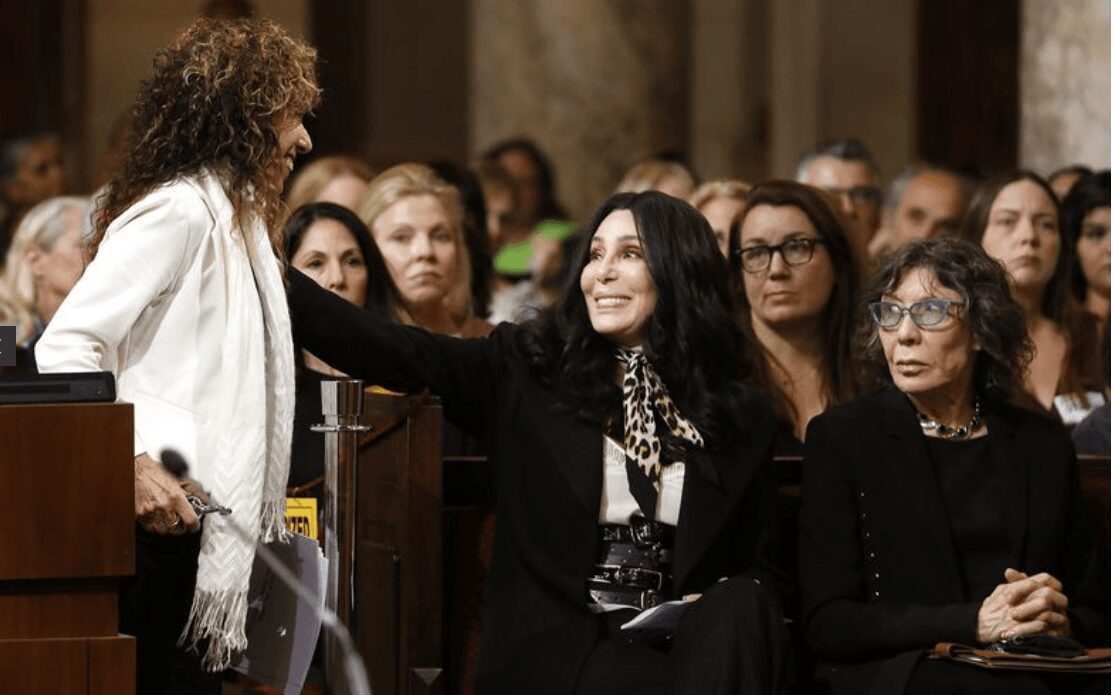
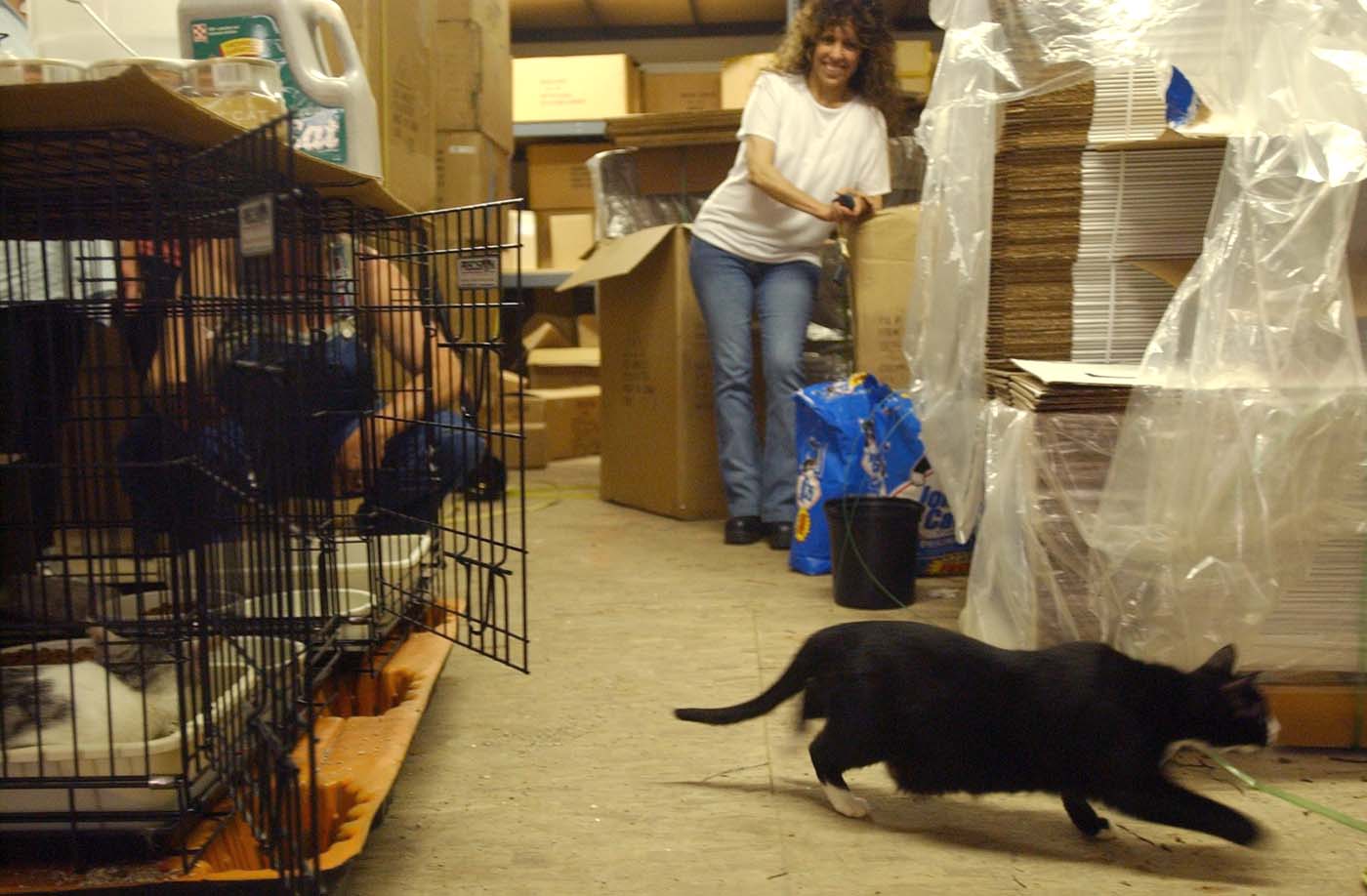
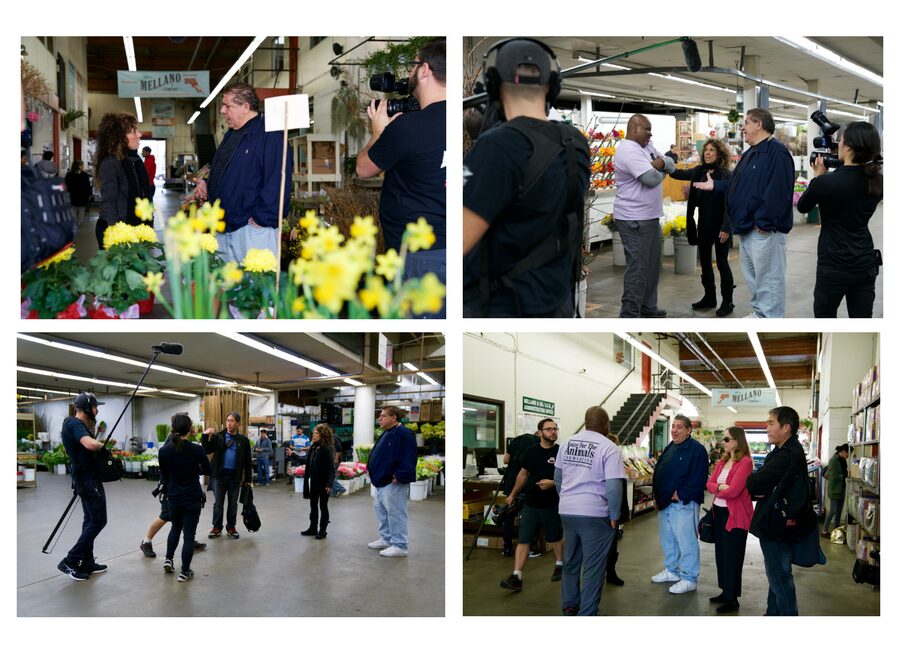
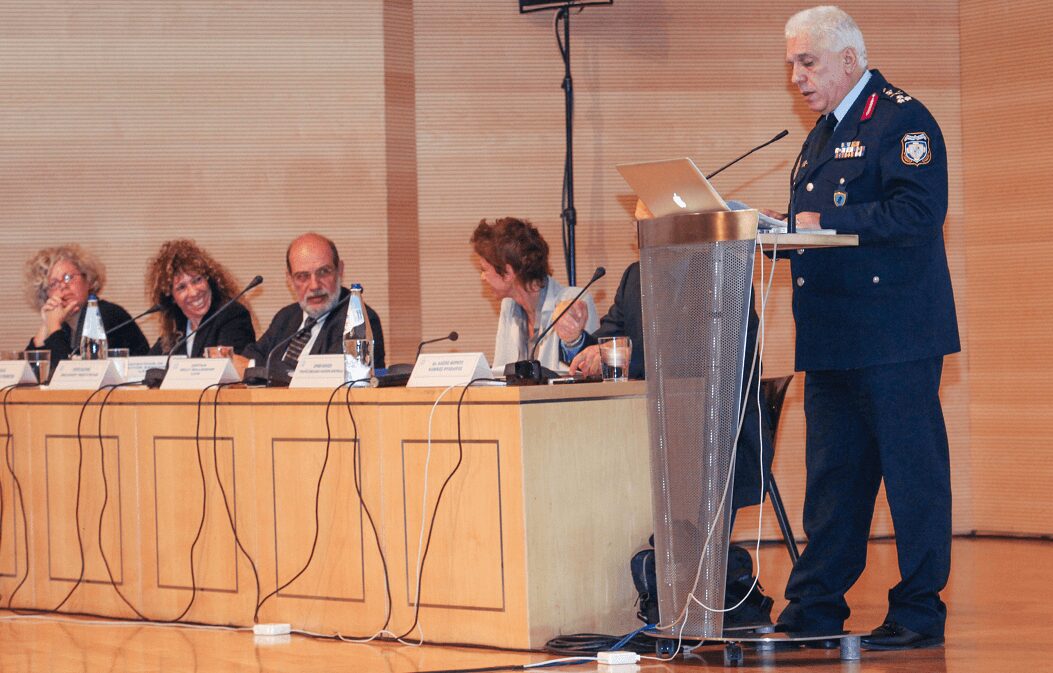
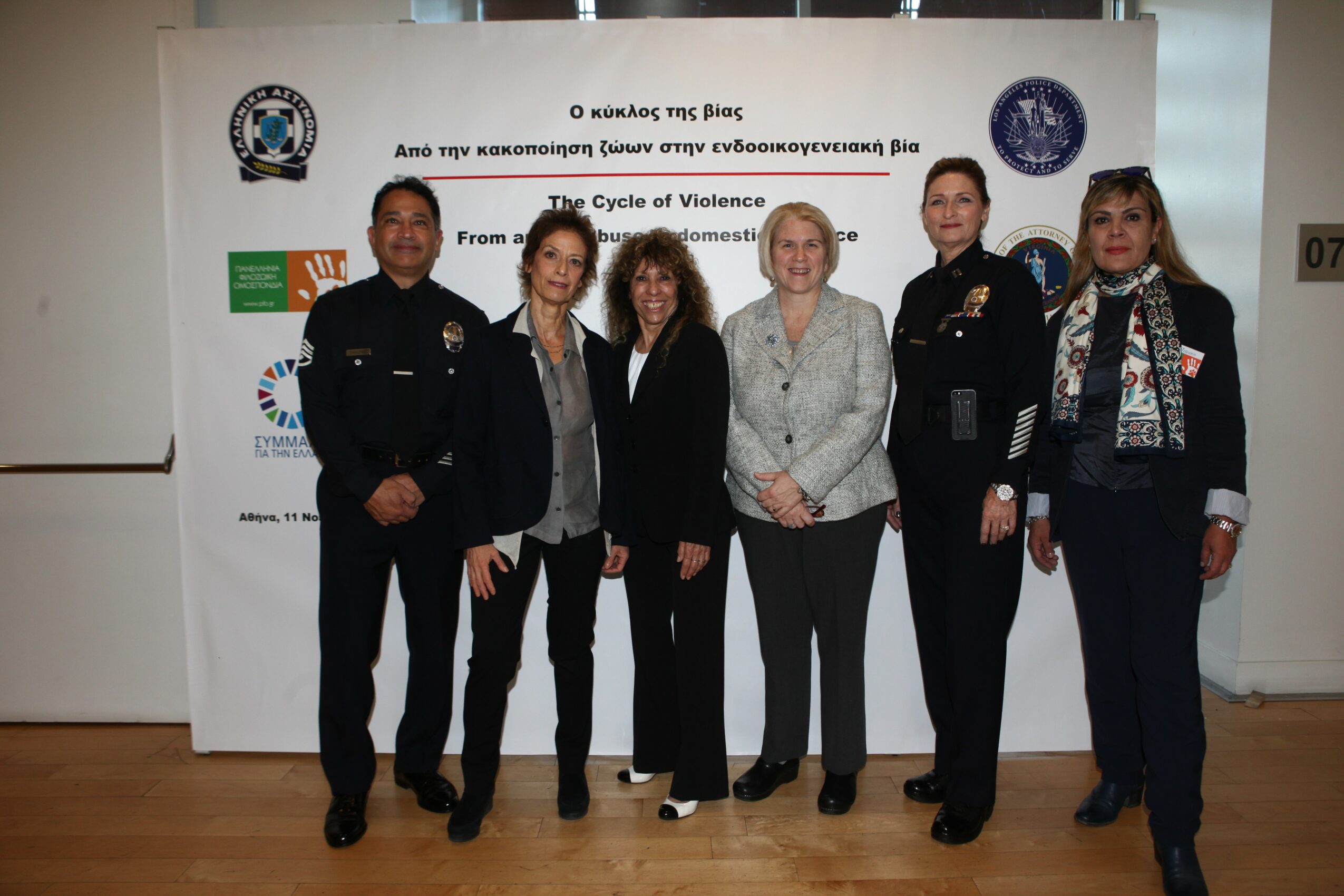
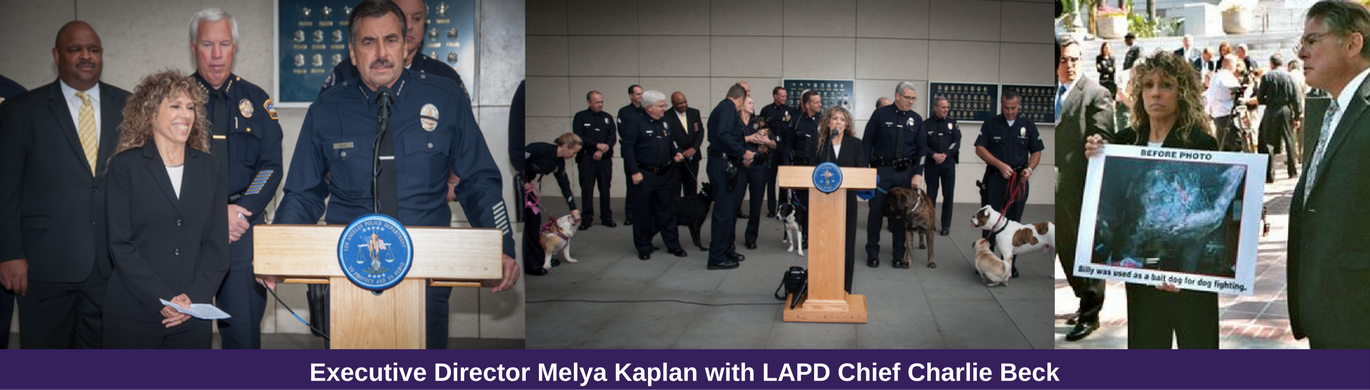
Image Credits
Not applicable
Popular
-
Los Angeles Barea on Turning Green Superheroes into a Global Movement for Youth-Led Change
-

Trisha DuVivier on Bridging the Franchisor–Franchisee Divide with Workhero and “Franulate”
-

Portraits of the Valley
-

LA’s Most Inspiring Stories
-

Cedar Boschan on Elevating Black Music Rights and Driving Urgent Conversations Around Credit, Equity, and Artist Protection
-

Robin Olive on Building an Inclusive Performing Arts Movement and Expanding Opportunities for Every Student


