




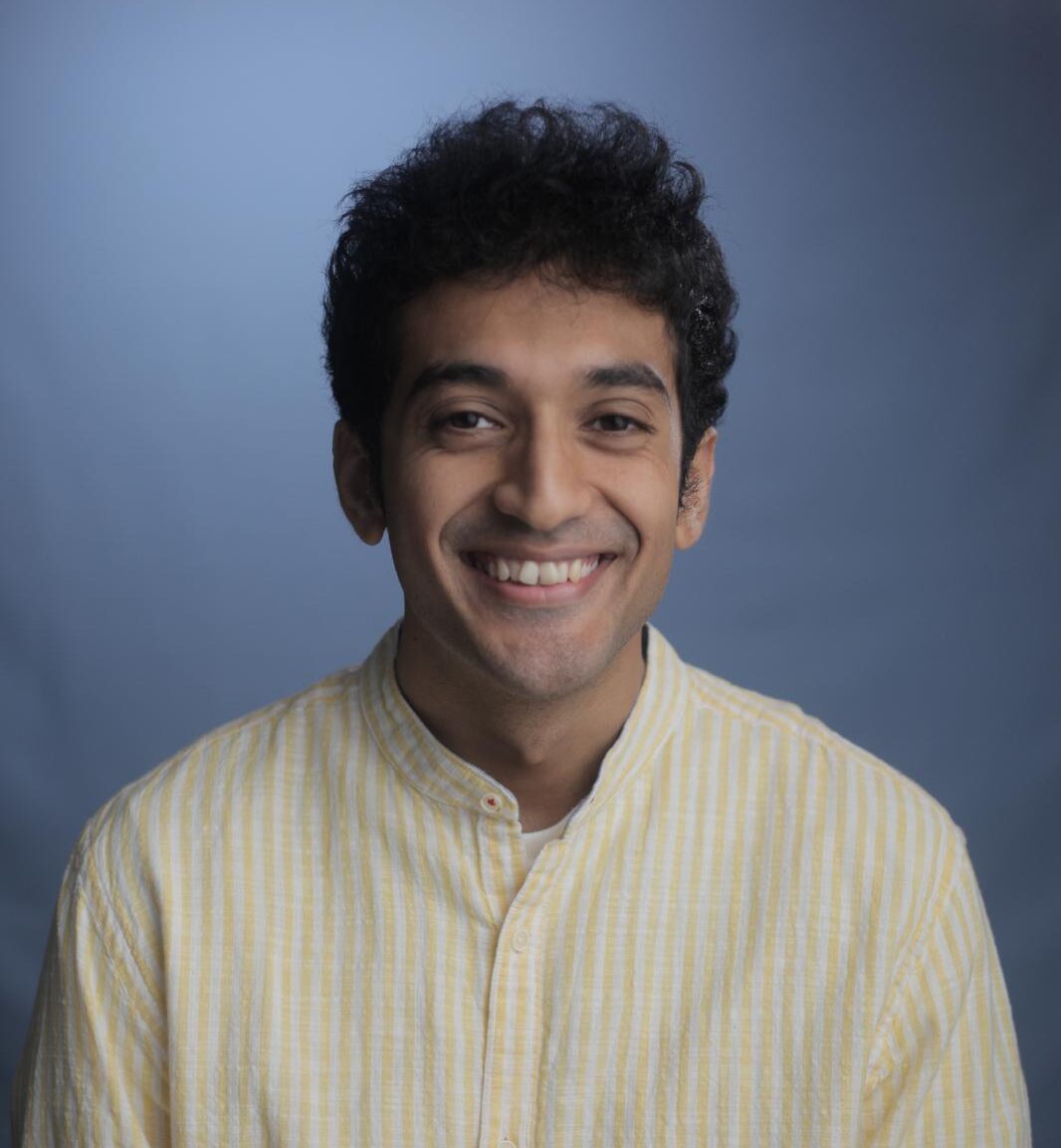
Today we’d like to introduce you to Malhaar Gupte.
Hi Malhaar, please kick things off for us with an introduction to yourself and your story.
I am currently pursuing screenwriting at Loyola Marymount University, and I previously earned a degree in production and post-production in New York. I hail from Hong Kong, born to Indian immigrant parents. My uncle and aunt on my mother’s side are actors, and my uncle and aunt on my father’s side are, primarily, a director and a film editor. Through them, I was blessed to be exposed to movies and particularly, the Hindi film industry, and eventually the grit behind “movie magic”. My parents bought a special-edition DVD of “King Kong” (2005) that included extensive behind-the-scenes footage. One night, my father played the “Making of King Kong” documentary for us to watch. What gripped me was the prodigious amalgamation of technical skill and creativity coming together to materialise something extraordinary. At the time, I spent much of my childhood sketching and conceiving elaborate narratives with even greater elaborate worlds and characters, writing short stories and even attempting a novel. Movies eventually revealed to be the perfect medium for me. It brings numerous creative disciplines in a collaborative nature. A profound crossover of specialisations on the fundamental grounds of imagination and stories. In early secondary school, my mother found various courses of filmmaking and enrolled me. I was academically poor, and I simply did not have the proclivity for standardised learning. The film courses, on the other hand — I was an excellent student, a rare phenomenon. Initiative became prowess, and I knew then that this was the career for me, only, it was never a career, but an extension of my puerile ambitions. I am far from a master storyteller if ever there is one, but I certainly do have a restless imagination. Whether stories are meant to teach or simply entertain — or if we’re determined enough, both — the veritable beauty is the fact that they are shared with everyone and we collectively bask in fantasy, or sometimes in the hidden wonders of our own reality. We thrive on stories, be they good or bad in every sense of subjectivity. Stories are human, and therefore, film itself is deeply human. It helps us feel when we are numb, when there is no motivation for imagination, we can immerse ourselves in that of others. We begin to empathise again. We feel affection again. That’s what we live for. That is why I chose to pursue this path. I am hopeful that it is a fruitful one.
Alright, so let’s dig a little deeper into the story – has it been an easy path overall and if not, what were the challenges you’ve had to overcome?
If it ever were a smooth road, there would be no story to tell. At the moment, the biggest obstacle is the political climate. As an international student, there is constant uncertainty about what will happen after I graduate. After completing my bachelor’s degree, I laboriously secured an internship as an editor and was even on the waitlist for potential H-1B visa sponsorship. Then, one week later, the pandemic struck. I had to return home to Hong Kong, where I was unemployed for just over three years. During that time, the only thing I could really do was write. So I wrote my first feature film — a meditative coming-of-age story that explores inherited wounds, racism, class discrimination, religious discrimination, and loss. In hindsight, it was probably time that I wrote a feature anyway. The industry is fiercely competitive and there are countless distinctive voices with remarkable and important stories to share. The challenge is adaptability. There is no single way to tell a story, and context is everything. Stories rooted in Eastern cultures do not translate neatly into Western frameworks, and they don’t necessarily need to. What I have come to realise is that there is an audience for everything. It is simply a matter of finding them. In Hong Kong, I experienced intense racial discrimination, but I also had the privilege of community. I have faced rejection more times than I can count, but ultimately needed only one opportunity to keep moving forward. Along the way, personal tragedies have stitched my perspective, and those experiences have transformed personal pain into stories that resonate more universally, and legitimise my voice as a storyteller.
As you know, we’re big fans of you and your work. For our readers who might not be as familiar what can you tell them about what you do?
In screenwriting, I specialise within the genre frameworks of action, science-fiction, thriller, and horror. I trained in martial arts, mainly Karate and Muay Thai. In Hong Kong, I grew up watching martial arts-based action films, the likes of Bruce Lee, Jackie Chan, and a colourful collection of Shaw Brothers “wuxia” films. I studied Mandarin and French as a foreign language in a British school, and my mother taught me Marathi, and Hindi. Avenues of cultures and heritage that tailors me into a global citizen. I seek out experiences. I’m drawn to different cultures and traditions. I find it fascinating how distinct histories often reveal surprising similarities, and those moments of overlap create a deeper sense of shared humanity. My stories tend to lean toward the darker side of human experiences. I think people often connect more deeply through pain than through joy, because suffering is something we all recognise in one form or another. When a story gives shape to our fears, regrets, heartbreak, and anger, it extracts a powerful empathy. In those moments, audiences feel seen and support. Revenge, grief, longing for love, mistakes, and human flaws may seem bleak on the surface, but as twisted it sounds, I actually find them profoundly beautiful. Our imperfections are what allow us to grow, both as individuals and as communities. We are truly deeply flawed creatures, and storytelling is one way we try to understand those flaws. My recent feature, “Asura”, is a mythic action set against the brutal underworld of human trafficking and underground fighting. At its centre is Ashoka, a boy who survives unimaginable cruelty and becomes a figure of vengeance. The story draws on mythology rooted in Hinduism. Asuras are benevolent beings, some more susceptible, and thus, easily consumed by rage. Ashoka is a reincarnation of an Asura, and I explore what happens when that rage is shaped by grief, and moulded into a search for justice. Films like “King Kong” captured my imagination because of their sense of scale and myth. With “Asura”, it is action and violence not just for spectacle, but as a lens into the human psyche. A hyperbole of anger through grotesque violence. Each character personifies a human emotion or principle. My hope is that when audiences leave the film, they are more aware of their own emotions and personal injustices, all the while, being entertained. Even if they don’t like the story and where it’s going, at least I know it won’t be boring.
Can you talk to us a bit about happiness and what makes you happy?
Happiness, for me, tends to emerge in quiet acts of creation and discipline. I compose small pieces on the piano, sketch, and more recently I have begun experimenting with digital painting. Often, I conceive stills of films I wish to write long before the stories themselves take shape. Painting allows me to place those images somewhere tangible, to give form to an intuition before it becomes language.
Martial arts, basketball and weightlifting has a peculiar way of quieting the mind. There is something meditative about the rhythm of effort — the repetition, the breath, the gradual sharpening of focus. In those moments the world becomes very simple. The body moves, the mind clears, a quiet strength settles in, and a keen happiness blossoms. There is also a more whimsical source of happiness in my life. I have always had a fondness for bears. The first film I remember watching was “The Jungle Book” (1967), and as a child I became rather taken with Baloo. In some small way I think I borrowed a part of that character — his ease, his humour, and carefree spirit. During more difficult periods of my life I felt that part of myself recede, but over time I found my way back to the bare necessities. Rediscovering that sense of lightness has been unexpectedly meaningful, but why do any of these make me happy? I truly have no deeper rationale. More often than not, I trust intuition over strict reasoning. There are certain impulses one learns to follow. The quiet pull toward things that bring a sense of presence and calm. Whether I am creating, training, or simply observing the world around me, those moments when thought falls away and instinct takes over. That, more than anything, is where my happiness resides.
Contact Info:
- Instagram: https://www.instagram.com/malhaargupte/
- LinkedIn: https://www.linkedin.com/in/malhaar-gupte-b5438014a/
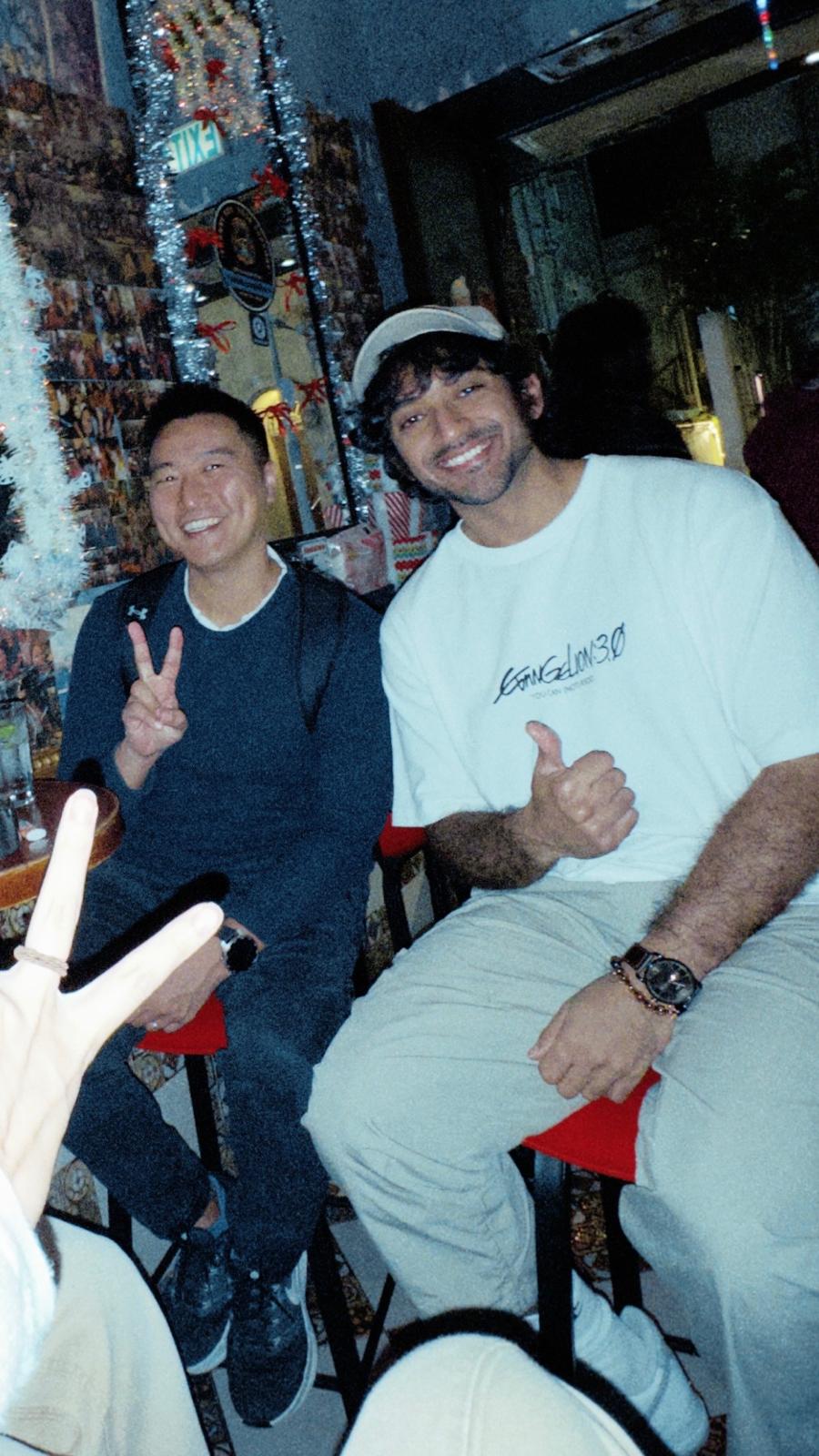
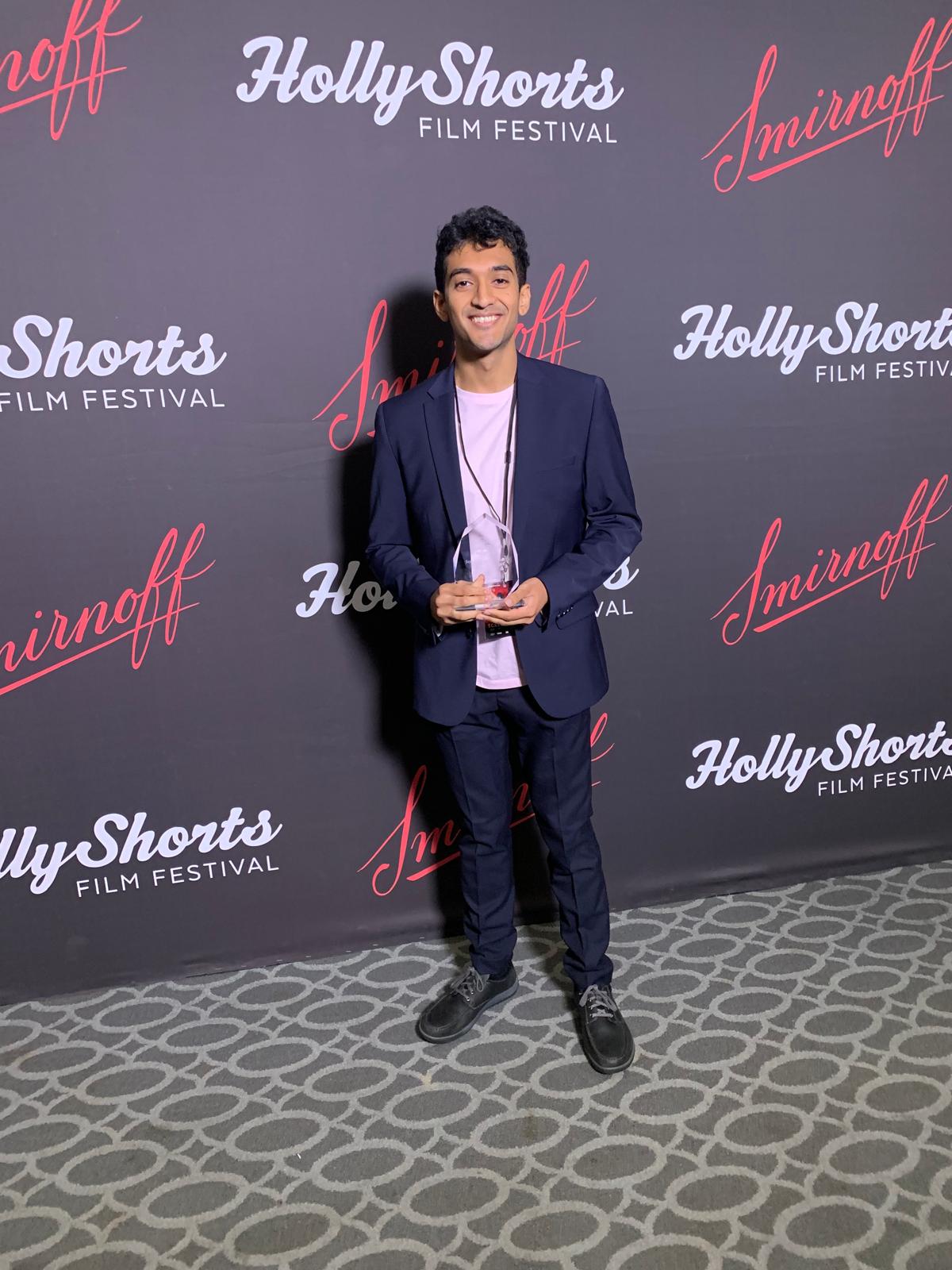


Image Credits
FinTech Basketball League Hong Kong Official Photos 2023
HollyShorts Film Festival 2019
Popular
-

Portraits of the Valley
-

LA’s Most Inspiring Stories
-

Que Johnson on Building Brands That Last: From Visibility to True Market Authority
-

Christina Wren Steps Into the Director’s Chair to Tell Stories That Feel Like Home
-

JordanL on ‘Breathe,’ Belief, and Building a Movement Beyond the Music
-

Megan Birney Rudert on How Access to Light Is Powering a More Sustainable and Equitable Future


